
There’s a reason pizza night rarely gets vetoed, no matter who’s at the table. It bends to almost any mood, any appetite, and any level of cooking skill, which makes it one of the few meals that genuinely brings people together instead of forcing compromise. Making it at home only adds to that appeal, turning a simple dinner into something a little more personal.
Restaurants and delivery apps have their place, but there’s a specific kind of satisfaction that comes from pulling a pizza out of your own oven. It’s not about being a professional cook. It’s about the process, the flexibility, and the fact that everyone involved ends up with something they actually wanted to eat.
Table of Contents
The Comfort of a Familiar Ritual

Pizza carries a kind of nostalgia that few other dishes manage. Most people have a memory tied to it, whether that’s a birthday party, a lazy weekend, or a late night with friends. Making it at home taps into that familiarity while adding a layer of intention that takeout can’t quite replicate.
There’s also something grounding about repeating a process you know well. Rolling dough, spreading sauce, and scattering toppings becomes almost meditative after a few tries. That sense of ritual is part of why families often return to homemade pizza again and again, even when they have dozens of other dinner options.
Everyone Gets a Say in the Toppings
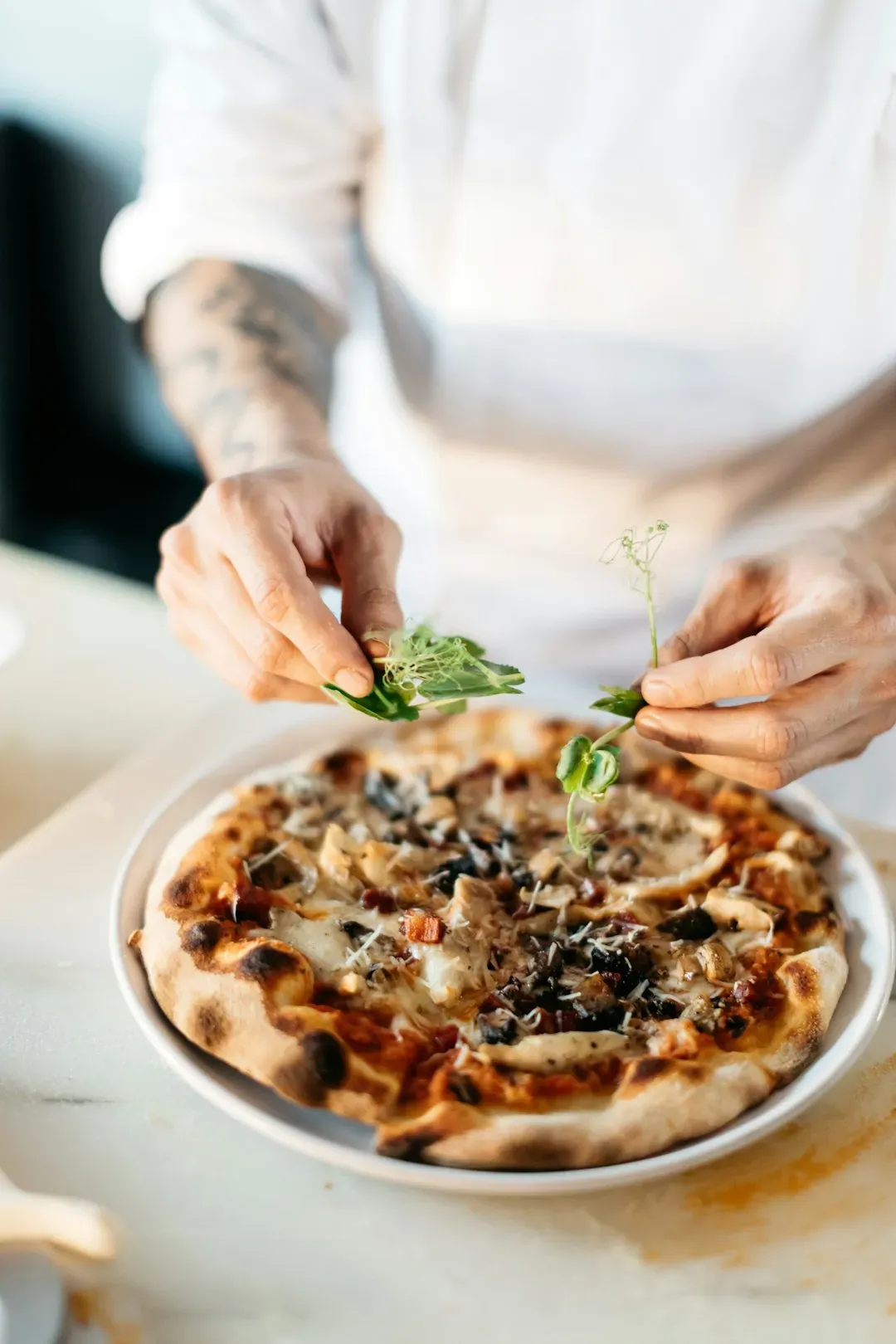
One of the simplest reasons homemade pizza works for a crowd is that it avoids the usual dinner standoff. Instead of picking one dish that has to satisfy every picky eater, you can split the dough into individual portions and let people build their own. Kids get to keep things basic, while adults can go heavier on vegetables, spice, or unusual combinations.
This customization also cuts down on food waste, since nobody is stuck eating something they didn’t choose. It turns dinner into a light, low-pressure activity rather than a negotiation. For gatherings with mixed dietary preferences, this flexibility alone can make homemade pizza the easiest option on the table.
Fresh Ingredients Make a Real Difference
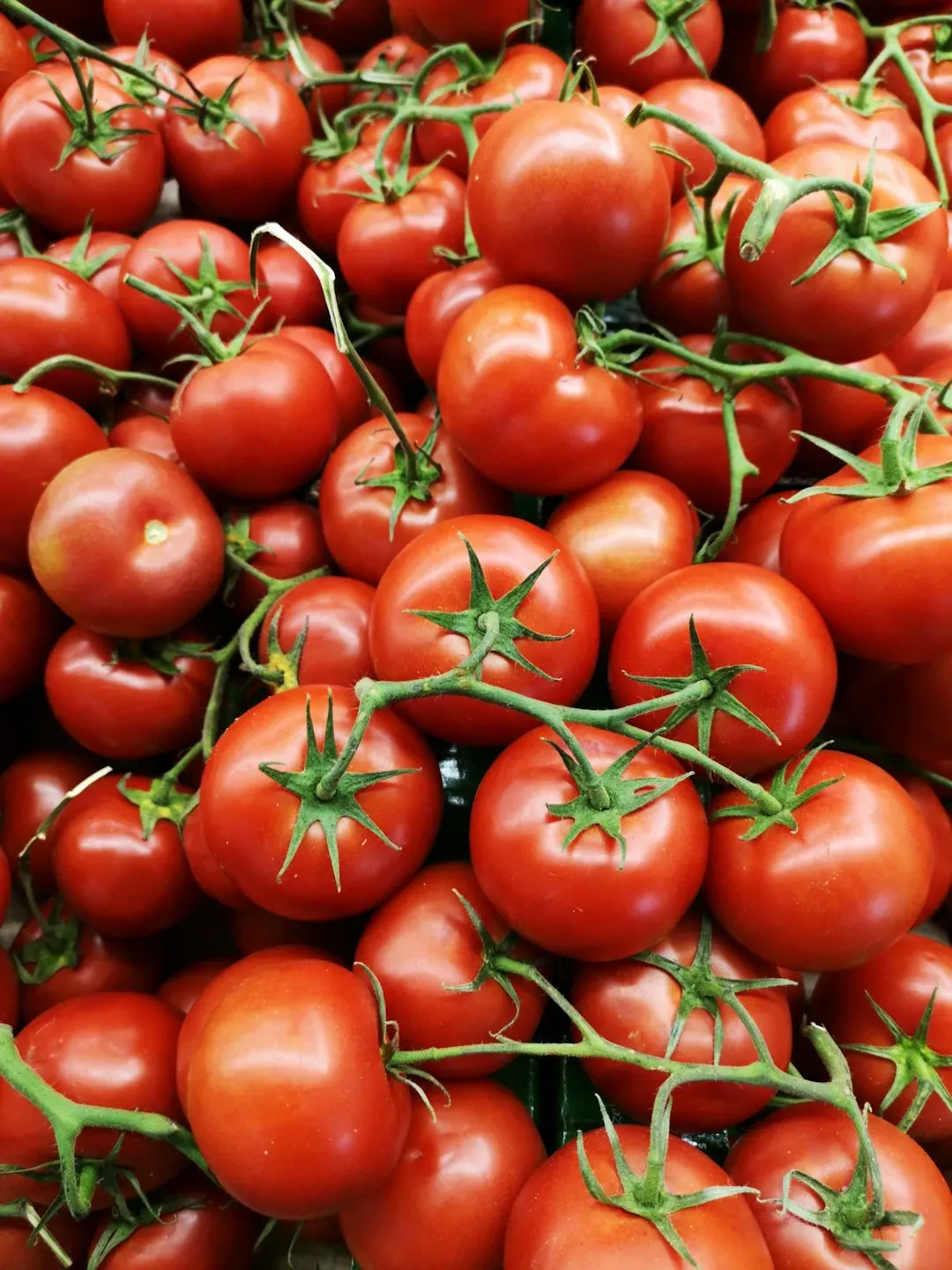
Homemade pizza tends to taste noticeably better when the ingredients are fresh, and that’s not just a matter of opinion. Ripe tomatoes, quality cheese, and herbs picked up that same day change the flavor profile in ways that pre-made or frozen versions rarely match. Even a basic margherita benefits enormously from good olive oil and fresh basil added right before serving.
This is part of why Neapolitan-style pizza has held such a strong reputation for so long. The tradition, recognized by UNESCO as part of the world’s intangible cultural heritage in 2017, relies on simple, high-quality ingredients rather than complicated techniques. That same principle applies at home: better ingredients almost always mean a better result, no fancy equipment required.
The Dough Is Where the Magic Happens
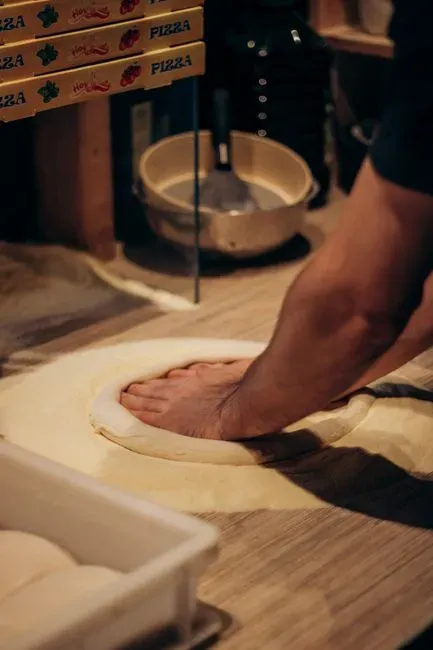
Dough is the part most home cooks worry about, yet it’s also the most forgiving element once you understand a few basics. A slow, cold fermentation in the refrigerator for a day or two develops flavor and texture that a same-day dough simply can’t achieve. This is a technique many home bakers have picked up in recent years, borrowing from pizzerias that treat dough almost like a craft project.
Texture matters just as much as taste. A well-rested dough produces a crust that’s chewy in the middle and slightly crisp at the edges, which is often the difference between a forgettable pizza and one people ask for again. The good news is that this kind of improvement doesn’t require special tools, just a little patience and planning ahead.
Pizza Nights Turn Into Group Activities
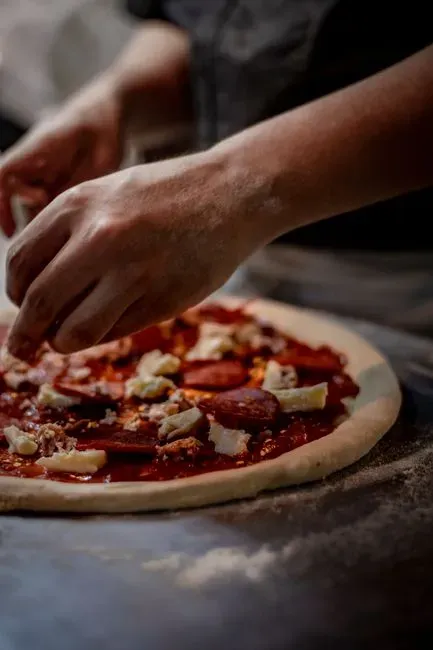
Few meals invite participation the way pizza does. Rolling out dough, spreading sauce, and arranging toppings are all tasks that can be split among several people, including kids who are too young to help with more complicated cooking. That hands-on element turns dinner prep into something closer to a shared project than a chore.
This is especially noticeable at gatherings where guests don’t know each other well. Building pizzas side by side gives people something to do and talk about without the awkwardness of standing around waiting for food. It’s a low-key icebreaker disguised as dinner.
It’s Easier on the Wallet Than Takeout
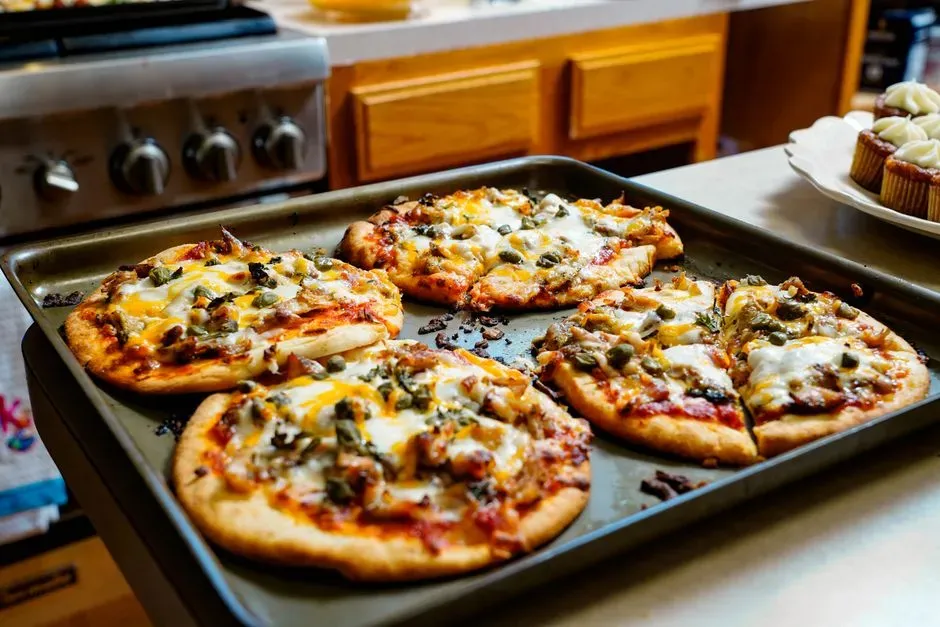
Ordering pizza for a group adds up quickly once delivery fees, tips, and multiple pies are factored in. Making pizza at home costs a fraction of that, especially when buying dough ingredients, cheese, and toppings in bulk. Even accounting for the cost of a good baking stone or steel, the savings become obvious after just a few pizza nights.
Budget awareness has become more relevant for many households heading into 2026, as grocery costs remain a common topic of conversation. Homemade pizza offers a practical way to feed a group well without spending as much as a restaurant meal would require. It’s one of those rare cases where cutting costs doesn’t mean cutting quality.
Homemade Pizza Adapts to Any Diet
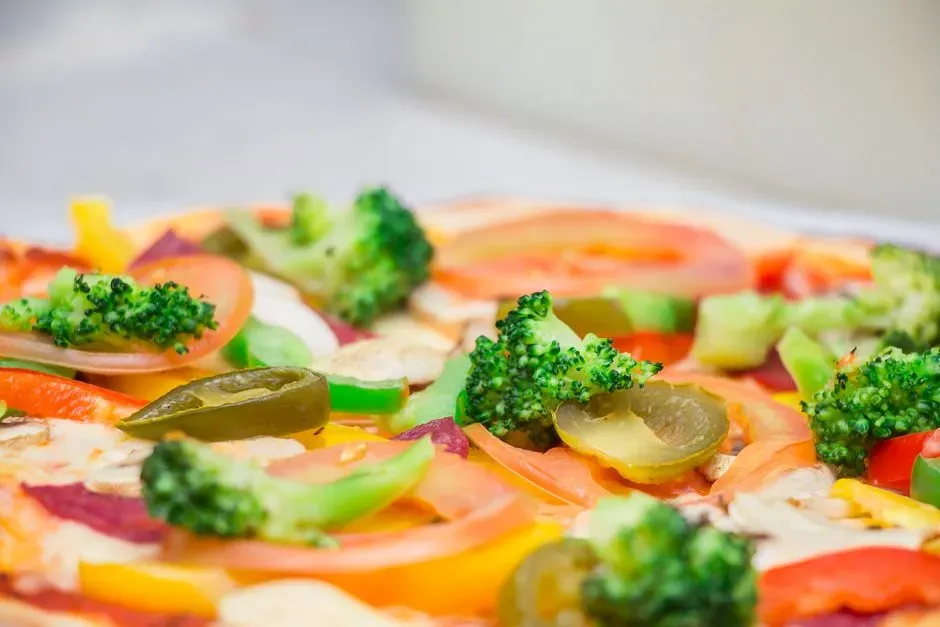
Dietary restrictions used to make group meals stressful, but pizza has become one of the easiest dishes to adjust. Gluten-free flours, dairy-free cheese, and plant-based toppings are widely available now, and many of them have improved significantly in taste and texture over the past few years. This means one meal can realistically satisfy vegetarians, vegans, and gluten-sensitive guests without requiring separate dishes.
Portion control and ingredient swaps are also simpler at home than at a restaurant. Someone watching their sodium intake can skip the extra salt in the sauce, while someone else can load up on protein with grilled chicken or extra cheese. That level of control is difficult to get from a delivery menu, no matter how many options it lists.
The Sensory Appeal of Baking at Home
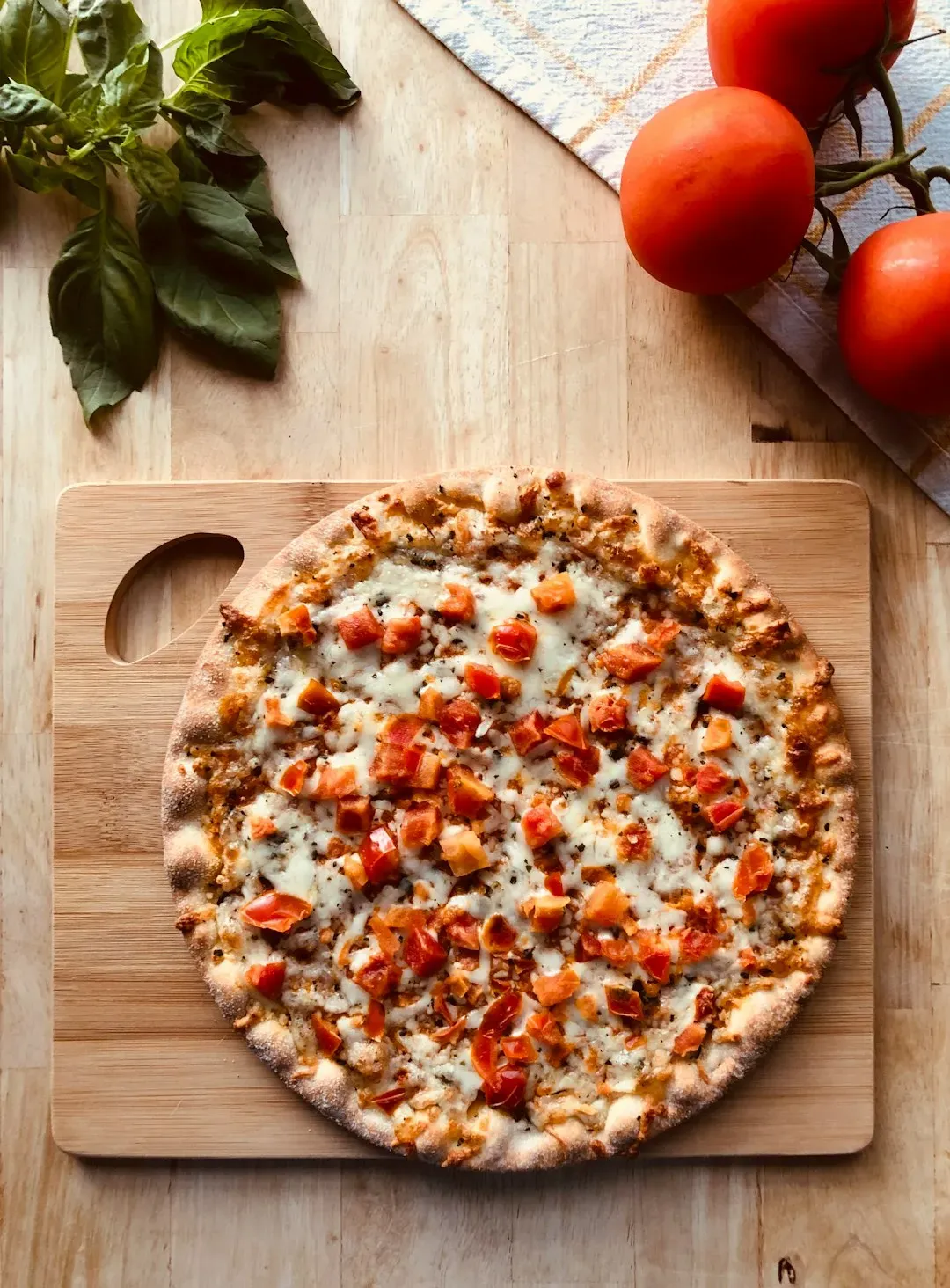
There’s a reason people linger near the oven when pizza is baking. The smell of bread and melting cheese filling a kitchen has a way of building anticipation that takeout boxes simply don’t offer. That sensory experience, watching the crust bubble and brown through the oven window, adds an element of enjoyment before the first bite is even taken.
This atmosphere matters more than people often admit. A home filled with the smell of baking dough feels lived in and welcoming, which is part of why pizza nights tend to leave a lasting impression on guests. It’s a small detail, but it plays a real role in why the meal feels special rather than routine.
A Tradition That Keeps Evolving
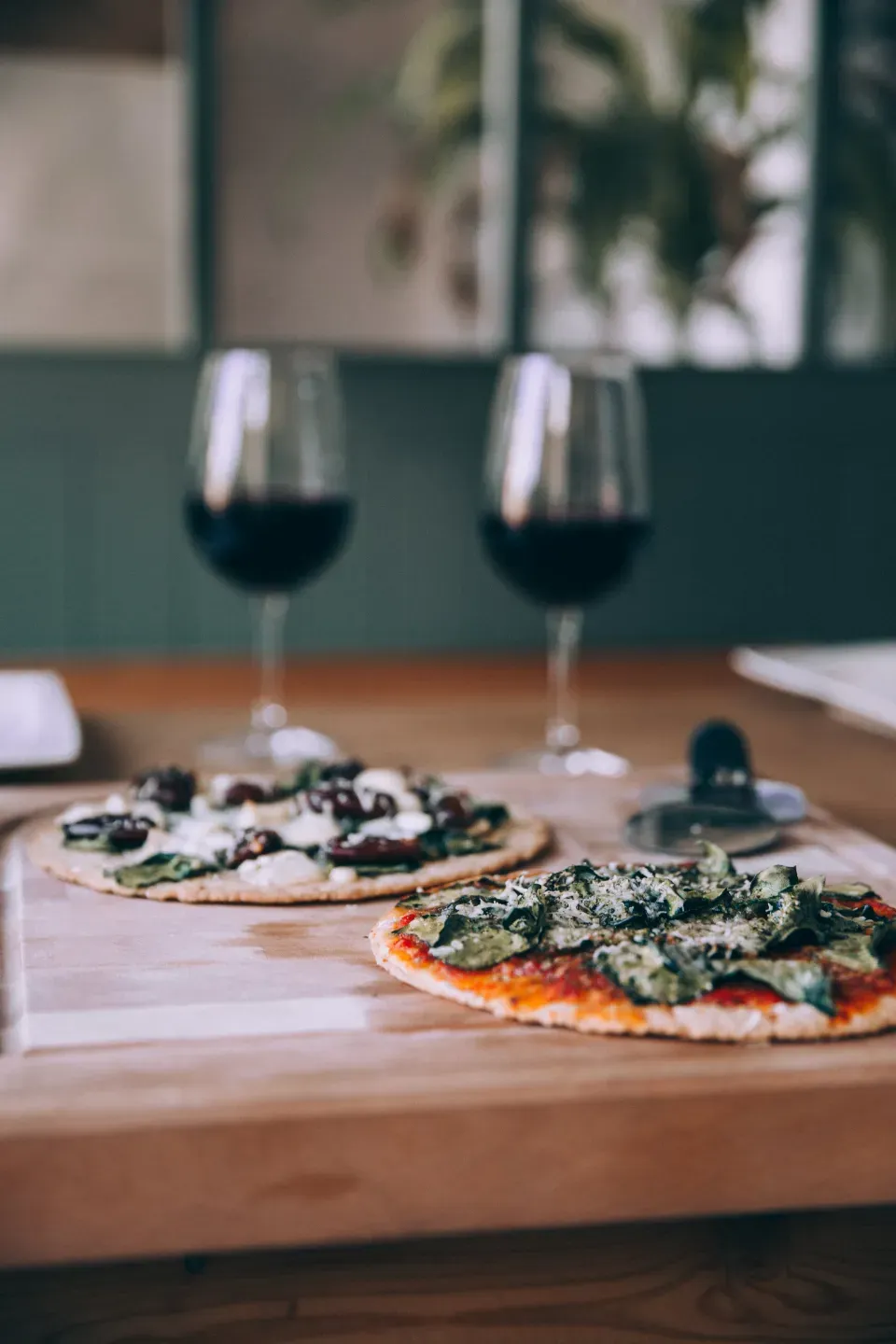
Homemade pizza hasn’t stayed static, even with its long history. Styles like Detroit-style deep dish and grandma pie have gained popularity outside their home regions over the last few years, giving home cooks more variety to experiment with. Air fryers and pizza ovens designed for home kitchens have also become more common, letting people replicate restaurant-level char and crispness without a commercial setup.
This willingness to experiment keeps the tradition feeling fresh instead of repetitive. Home cooks are mixing regional styles, trying new flours, and borrowing techniques shared online by professional pizzaiolos. That constant small evolution is part of why homemade pizza continues to hold its place as a reliable, adaptable favorite heading into 2026 and beyond.