
Table of Contents
Energy bites for a quick morning boost
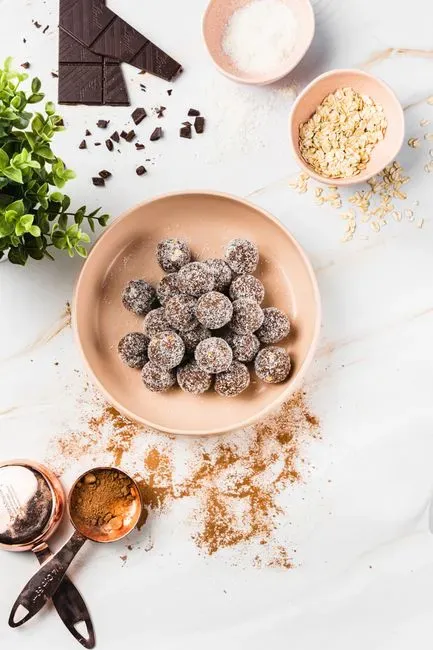
No bake energy bites made from oats, nut butter, and a bit of honey have become a staple for people who need something substantial before their coffee even finishes brewing. They come together in one bowl, require no oven, and can sit in the fridge for about a week without losing their texture. Adding chia seeds or ground flax gives them a bit more staying power, since both contain fiber and healthy fats that slow digestion.
What makes these so practical is portion control. Rolling the mixture into small balls means you already know how much you’re eating, which is harder to gauge with a bag of granola. They also travel well, so tossing a few into a lunch bag or bike pannier is an easy habit to build.
Yogurt parfaits for a light midday snack
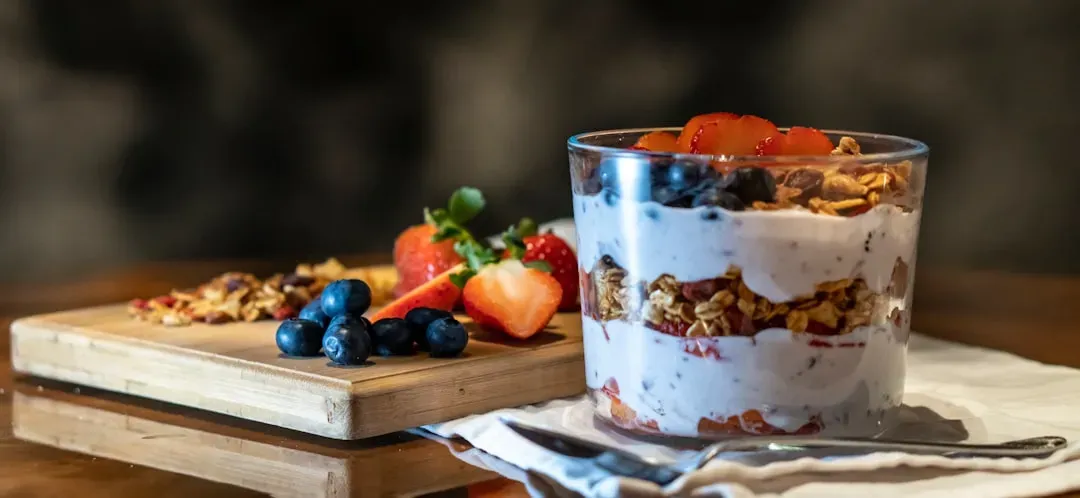
Layering plain or Greek yogurt with fruit and a small handful of granola turns a fairly plain ingredient into something that feels more like a treat. Greek yogurt in particular tends to have a higher protein content than regular yogurt, which helps with that midday slump many people hit around two or three in the afternoon. Using fresh or frozen berries adds natural sweetness without needing much added sugar.
The beauty of a parfait is how forgiving it is. Swap in mango, banana, or even roasted stone fruit depending on the season, and change the crunch layer between granola, crushed nuts, or toasted coconut flakes. Building it in a jar with a lid also makes it simple to prep several at once for the week ahead.
Homemade trail mix for afternoon energy
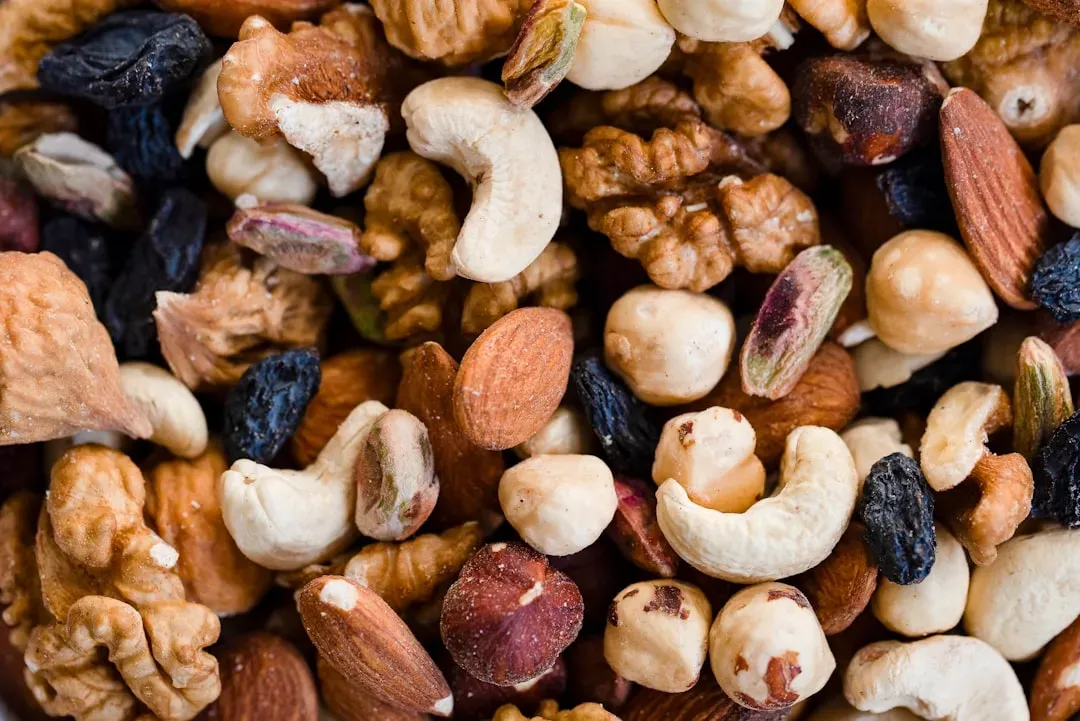
Store bought trail mix is often loaded with extra salt or sugary coatings, but a homemade version lets you control exactly what goes in. A basic combination of almonds, pumpkin seeds, dried cranberries, and a few dark chocolate chips balances protein, healthy fat, and a touch of sweetness. Nuts and seeds bring in minerals like magnesium and zinc, which are commonly underconsumed in typical diets.
Because trail mix is dense in calories, portioning it out into small containers or snack bags ahead of time helps prevent mindless snacking straight from a big bowl. It also keeps well for weeks in a sealed container, so making a large batch on a Sunday can cover snack needs for most of the month. This is one of those recipes where doubling the batch almost always feels worth it.
Baked veggie chips for savory cravings
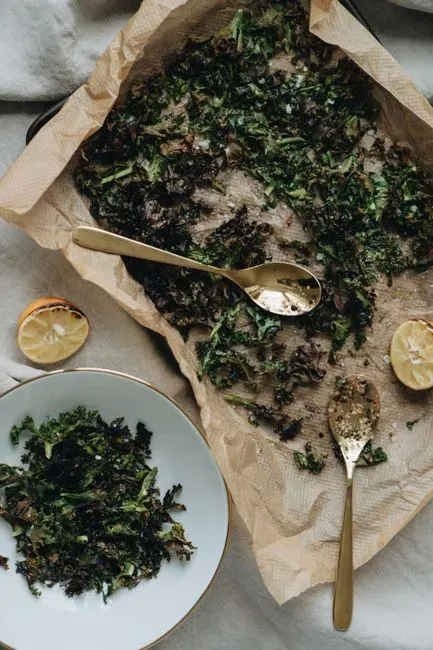
Thin slices of kale, zucchini, or sweet potato tossed with a little oil and salt, then baked until crisp, give you the crunch of a chip without the deep fried oil content. Kale chips in particular have gained popularity because kale holds up well to baking and turns satisfyingly brittle. A light dusting of nutritional yeast or smoked paprika adds flavor without piling on sodium.
The tricky part is moisture. Vegetables release water as they bake, so spreading slices out in a single layer and flipping them halfway through prevents sogginess. Some people find a dehydrator gives a crisper, longer lasting result than an oven, though both methods work fine for same day snacking.
Overnight oats for busy mornings
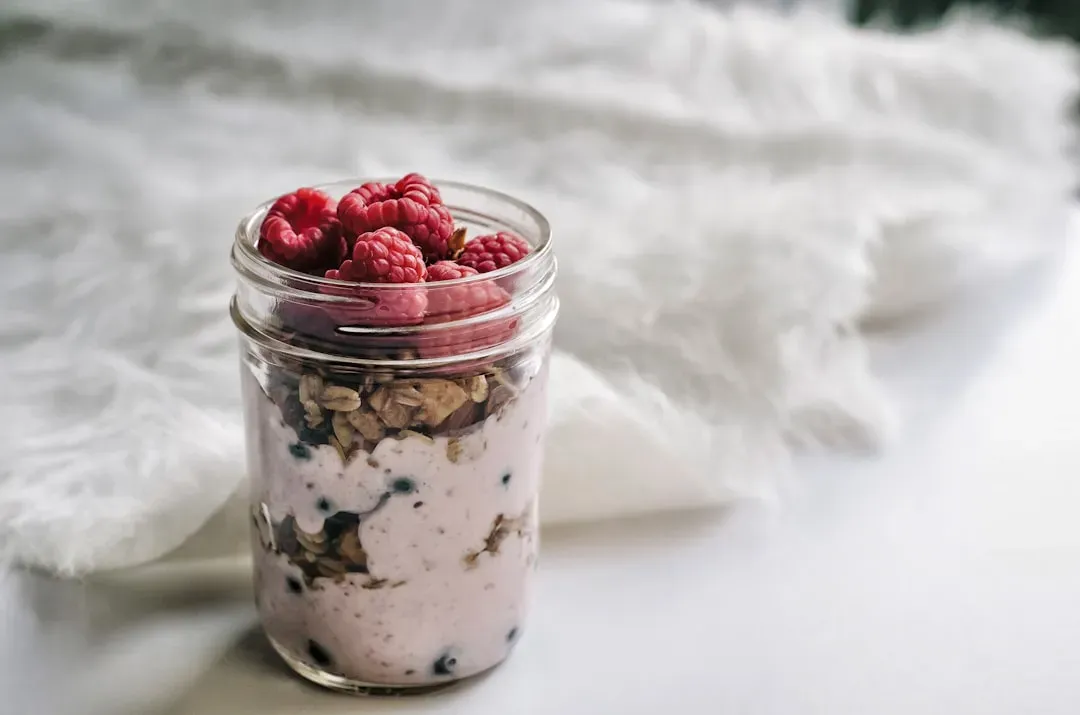
Combining rolled oats with milk or a plant based alternative, then letting the jar sit in the fridge overnight, produces a cold, ready to eat breakfast or snack by morning. Oats are a good source of soluble fiber, specifically beta glucan, which has been studied for its role in supporting healthy cholesterol levels. Adding chia seeds thickens the texture further and boosts the omega 3 content.
Overnight oats are essentially a blank canvas. Cinnamon and apple, cocoa powder and banana, or peanut butter and berries all work as flavor directions, and none require any cooking. Because the oats soften as they sit, this is also a gentler option for anyone who finds dry granola or crunchy cereal a bit rough first thing in the morning.
Hummus and fresh vegetables
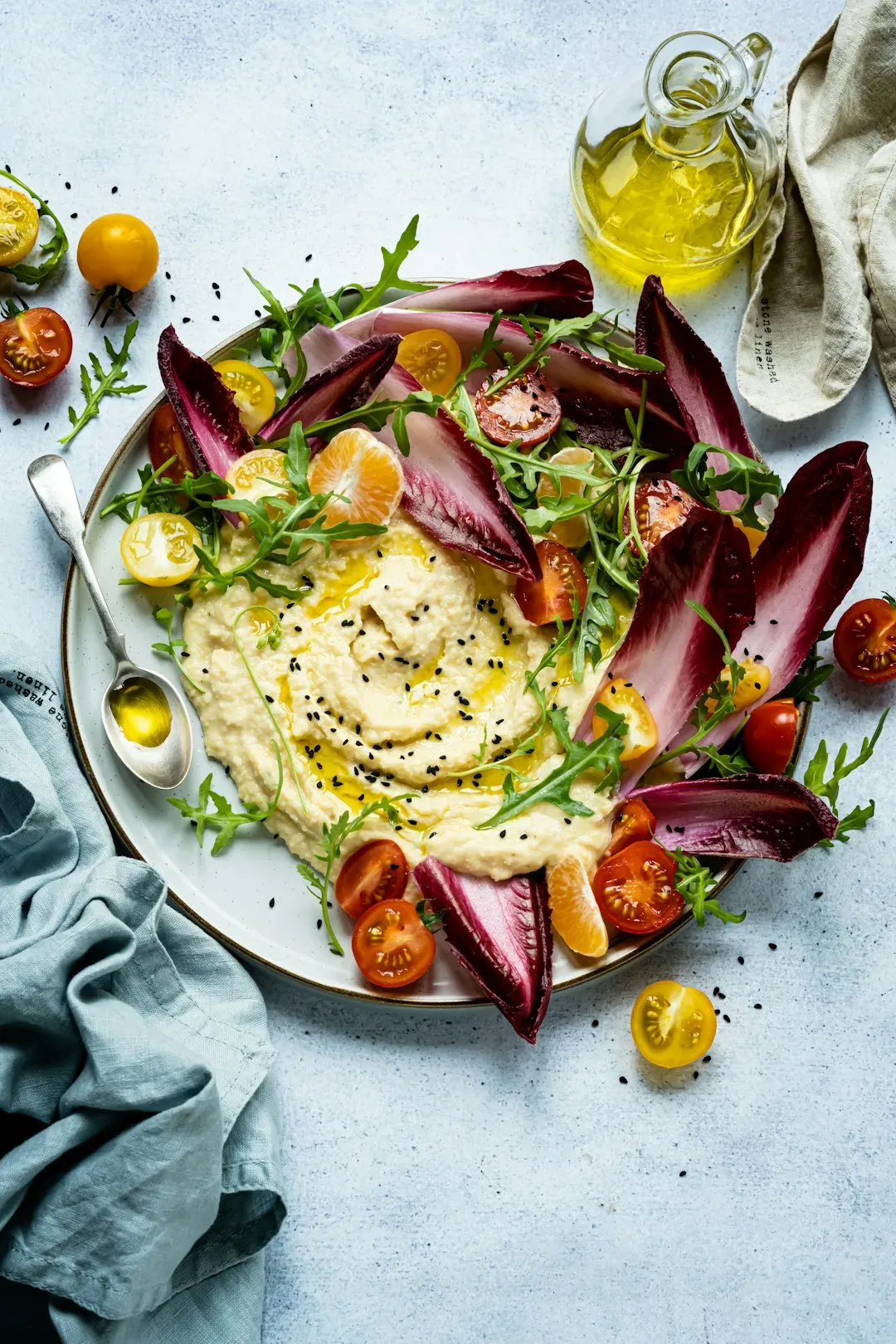
Blending chickpeas with tahini, lemon juice, garlic, and olive oil produces a smooth dip that pairs well with just about any raw vegetable. Chickpeas bring plant based protein and fiber to the table, which helps this snack feel more filling than most dips. Homemade hummus also tends to have a brighter, fresher flavor than the packaged versions sold in most grocery stores.
Carrot sticks, cucumber slices, bell pepper strips, or even celery all work as dippers, and cutting a batch of vegetables at the start of the week saves time later. Hummus keeps in the fridge for roughly five days in a sealed container, making it a reliable option to have on hand for sudden hunger between meals.
Popcorn with homemade seasonings
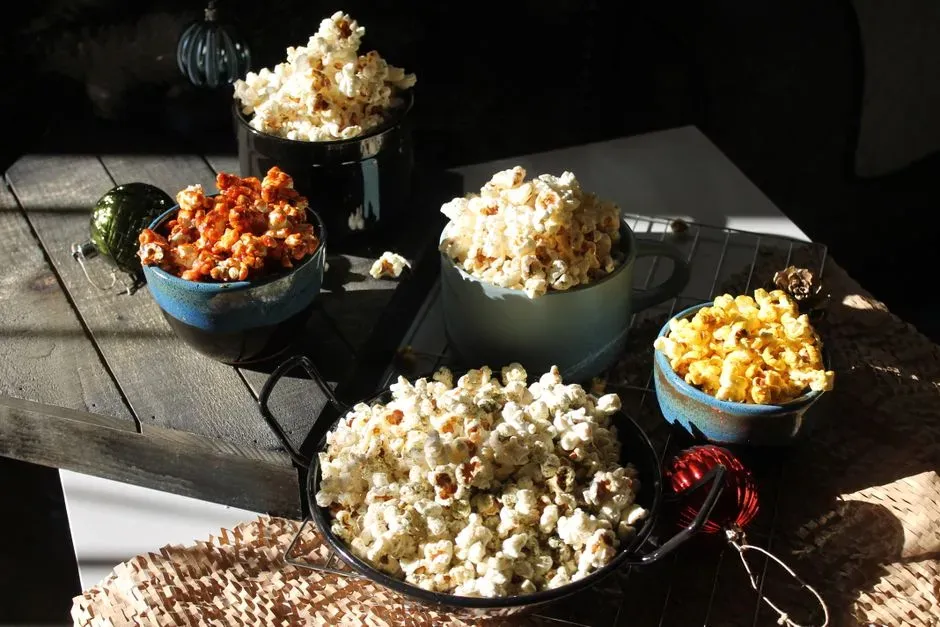
Air popped or stovetop popcorn is a whole grain snack that’s surprisingly low in calories for its volume, which is part of why it shows up so often in lists of better snack choices. A drizzle of olive oil combined with seasonings like nutritional yeast, chili powder, or cinnamon and a touch of sugar can turn plain popcorn into something closer to a flavored treat. Skipping the pre packaged microwave bags also avoids the artificial butter flavoring and higher sodium levels common in those products.
Popcorn works well for both daytime snacking and evening movie watching, since it’s light enough not to feel heavy before bed. Making a big bowl to share also naturally slows down eating speed compared to snacks eaten straight from a small bag, since there’s more physical volume to get through.
Frozen fruit and yogurt bites for evening treats
Dipping banana slices, grapes, or strawberries into yogurt and freezing them on a tray creates a cold, slightly indulgent snack that satisfies a sweet craving without turning into a full dessert. The yogurt hardens into a thin shell, so each bite has a bit of crunch before giving way to the soft fruit inside. These are especially popular with kids, since they resemble candy but carry the nutritional profile of fruit and dairy.
Because they freeze in under two hours, these bites are easy to prepare in advance and pull out only when a craving hits. Storing them in a sealed bag or container prevents freezer burn and keeps them from sticking together, which makes portioning simple later on.
Whole grain muffins for on-the-go snacking
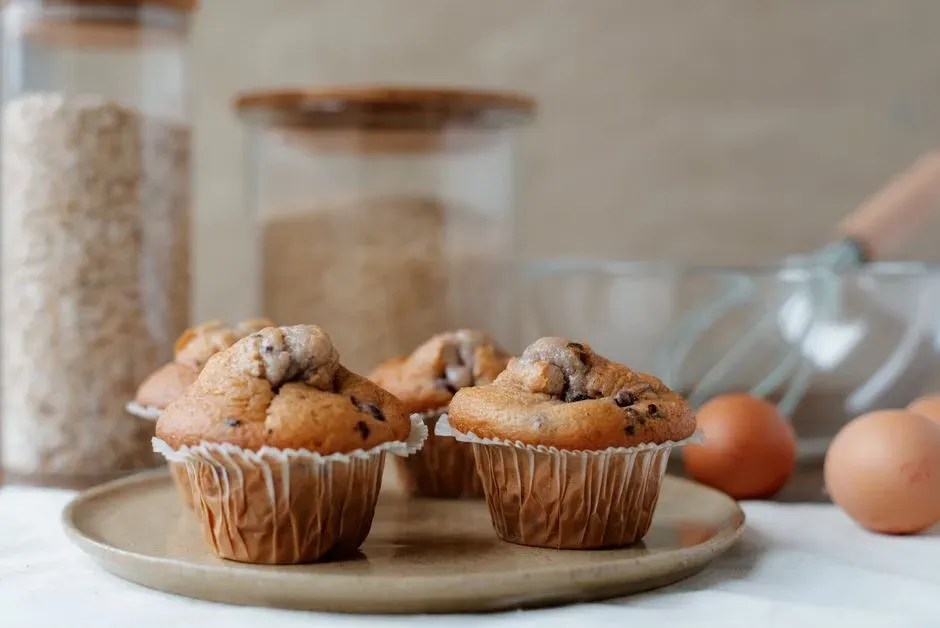
Muffins made with whole wheat flour, oats, or almond flour instead of refined white flour tend to have more fiber and a lower impact on blood sugar than bakery style versions loaded with sugar. Adding shredded zucchini, carrot, or mashed banana boosts moisture and nutrients while cutting down on the amount of added sugar needed. Baking a batch on a weekend and freezing half is a common strategy for having grab and go snacks ready during a busy week.
These muffins tend to work at almost any hour, from a quick breakfast paired with coffee to an afternoon snack eaten at a desk. Because they freeze and thaw well, keeping a stash in the freezer means there’s rarely an excuse to reach for something less nutritious when hunger strikes unexpectedly.