
There’s a particular kind of relief that comes from opening the fridge, staring at a handful of odd ingredients, and realizing they can all go into the same pot. No juggling three burners, no timing side dishes to finish together, no stack of pans waiting by the sink. One-pot cooking has been around for as long as people have had fire and a vessel to put over it, but its appeal feels especially sharp right now, when time and energy both feel in short supply.
What makes this style of cooking endure isn’t nostalgia or trend cycles. It’s that the format solves real, practical problems, and it does so without asking much of the cook in return. Below are the reasons this approach keeps earning its place in home kitchens, from busy weeknights to slow Sunday afternoons.
Table of Contents
It Cuts Down on Cleanup Dramatically
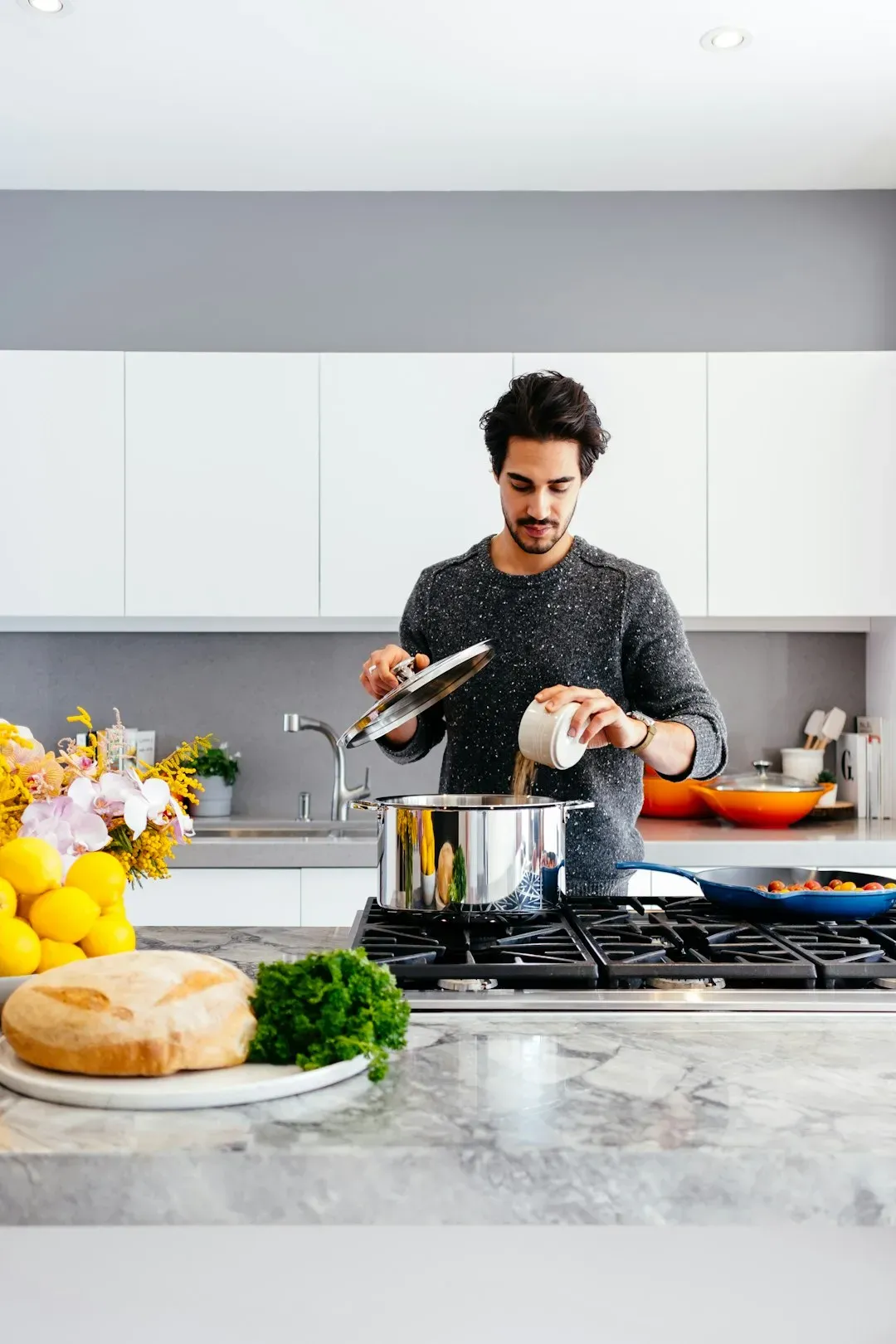
Anyone who has cooked a multi-component dinner knows the dread of surveying the aftermath: a saucepan crusted with sauce, a skillet still greasy from searing, a pot that boiled over. One-pot meals sidestep this almost entirely because everything, from browning to simmering to finishing, happens in a single vessel. The math is simple. Fewer pans used means fewer pans to scrub, dry, and put away.
This matters more than it might seem on the surface. Kitchen fatigue is often less about the cooking itself and more about the cleanup that follows it, and that dread can quietly discourage people from cooking at home at all. Reducing dishwashing isn’t a minor convenience; it removes one of the biggest psychological barriers to making a real meal on a tired weeknight.
Flavors Have More Time and Space to Develop
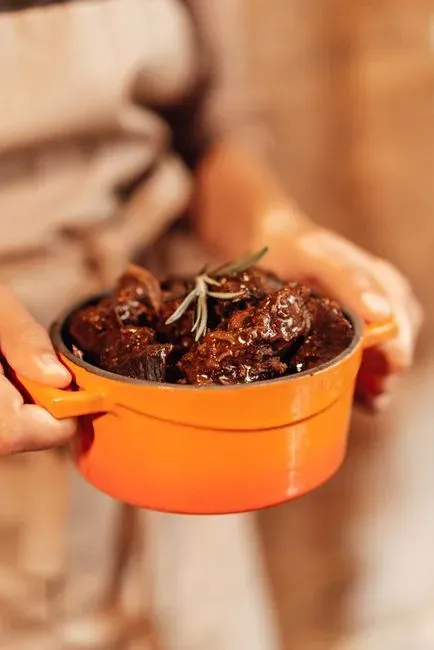
When ingredients cook together rather than separately, something useful happens at the flavor level. Onions release their sweetness into the broth that will also cook the rice. Meat drippings become the base for a sauce instead of getting wiped away with a paper towel. Everything simmering in shared liquid means aromatics, fats, and seasonings have time to mingle and deepen.
This is part of why braises, stews, and risottos taste more complex than the sum of their ingredients. The pot itself becomes a kind of flavor reservoir, holding onto everything that’s cooked in it that day. Dishes like coq au vin or a good jambalaya rely on exactly this principle, building layers slowly rather than assembling separate components at the end.
They Make Weeknight Cooking Realistic Again
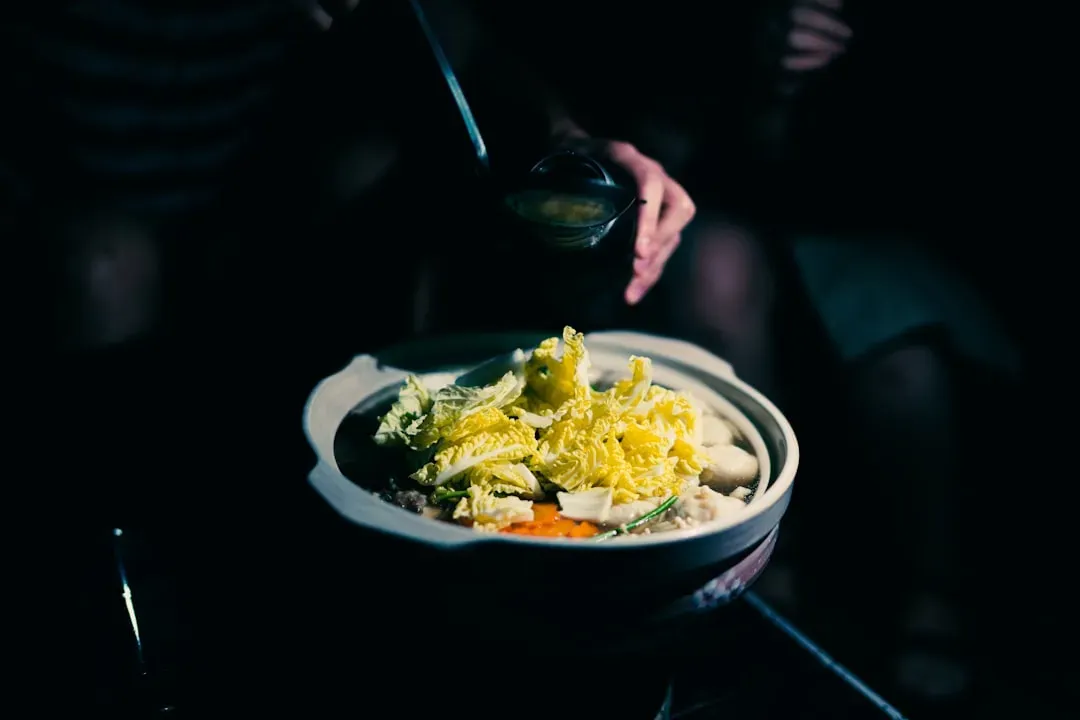
Surveys on home cooking habits consistently point to the same obstacle: people say they want to cook more, but weekday exhaustion gets in the way. A one-pot meal shortens the gap between “I should cook tonight” and actually doing it, because the mental overhead is lower. There’s no need to plan the choreography of three dishes finishing at once.
This is especially relevant heading into 2026, as more households report wanting to cut back on takeout spending amid ongoing grocery and delivery price pressures. A one-pot dinner, prepped in twenty or thirty minutes with minimal supervision after that, offers a genuine alternative to ordering in, without requiring the kind of energy a full sit-down meal usually demands.
They’re Naturally Forgiving of Substitutions
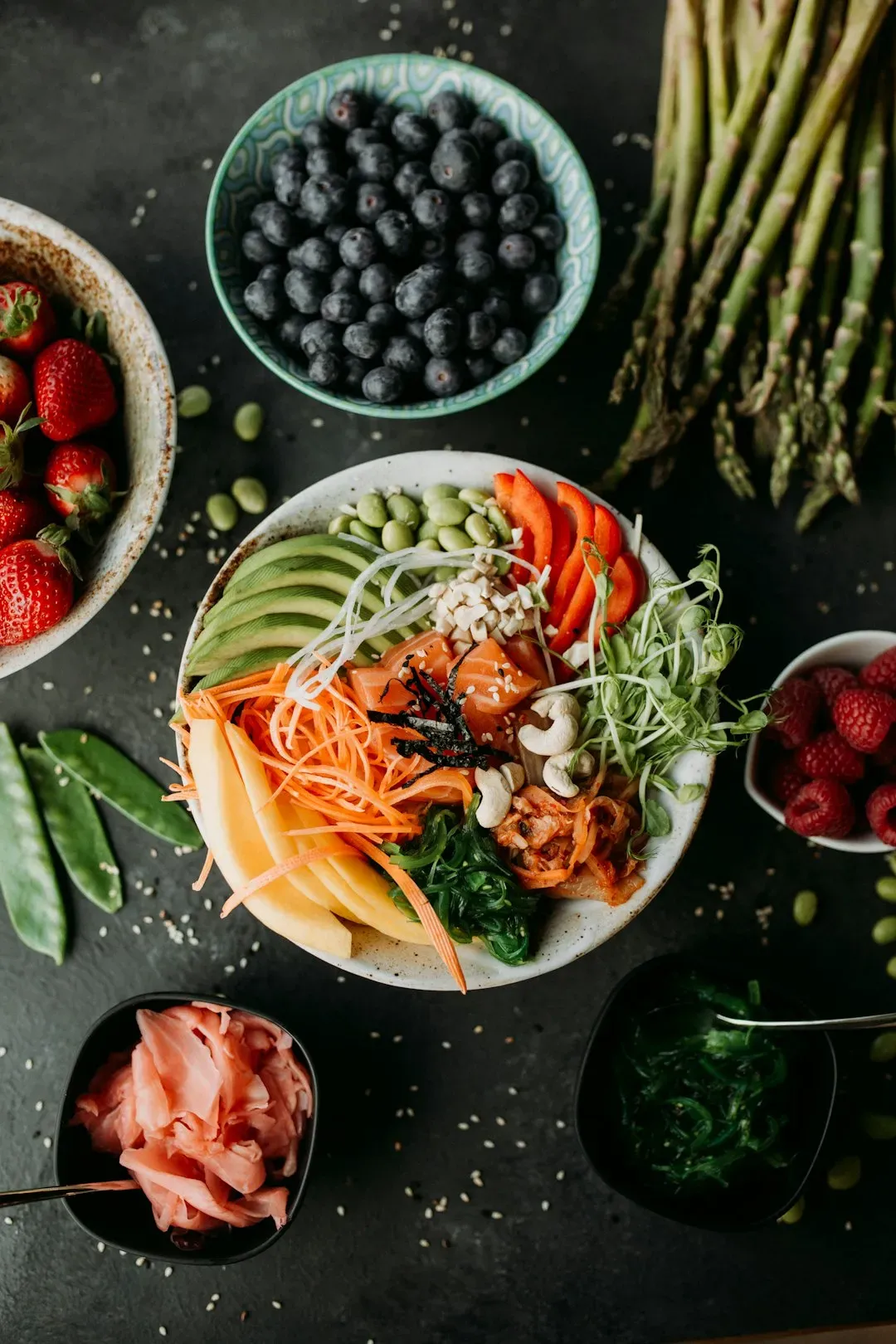
Recipes that call for a single pot tend to be more elastic than delicate, multi-pan dishes. Don’t have the exact vegetable a recipe calls for? Swap it. Out of one type of bean or grain? Another usually works just fine within the same cooking time and liquid ratio. The format tolerates improvisation in a way that, say, a soufflé simply does not.
This flexibility is particularly useful for reducing food waste at home. Odd bits of produce nearing the end of their shelf life, a half-used bag of lentils, the last few carrots in the drawer, all of these can usually be folded into a soup, stew, or grain bowl without much fuss. The dish adapts to what’s on hand rather than demanding a precise shopping list.
Portion Control and Leftovers Become Effortless
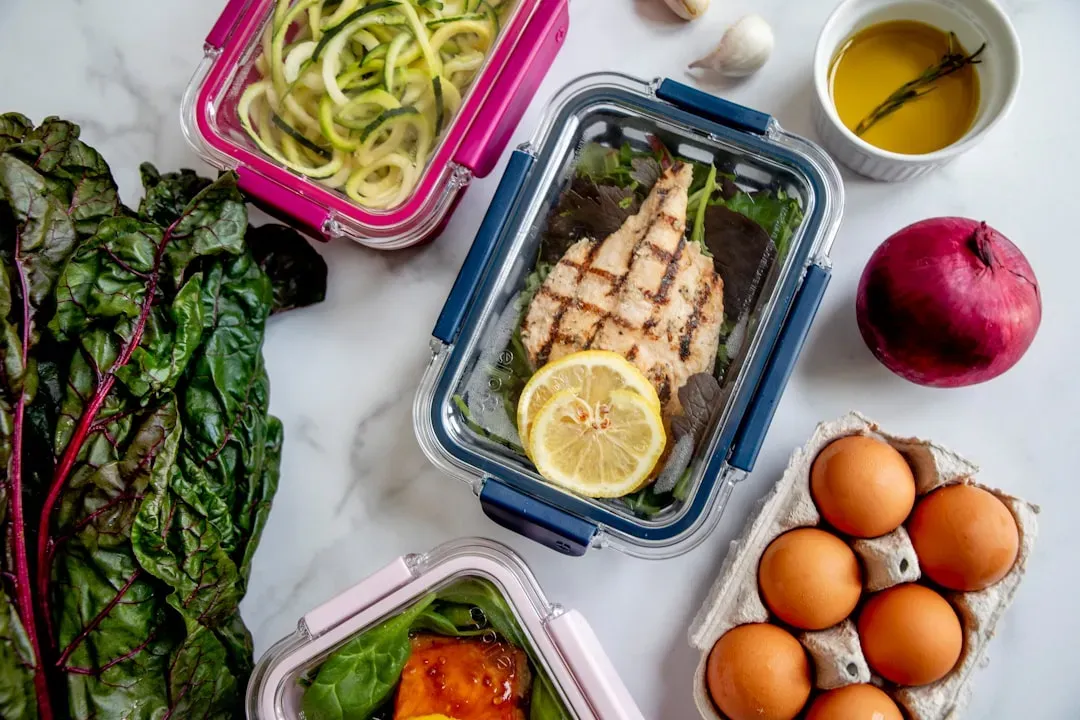
Because one-pot meals are often cooked in bulk by nature, they tend to produce leftovers almost automatically. A big pot of chili or a hearty vegetable soup rarely gets finished in one sitting, which means lunch the next day is already handled. This is a quiet but real form of meal planning that happens without any extra effort.
Many of these dishes also improve with a day of rest in the fridge, as flavors continue to meld overnight. Stews, curries, and braises are frequently described by cooks as tasting even better the second day, which turns a single cooking session into two or three meals without any additional work.
They Support Healthier, More Balanced Eating
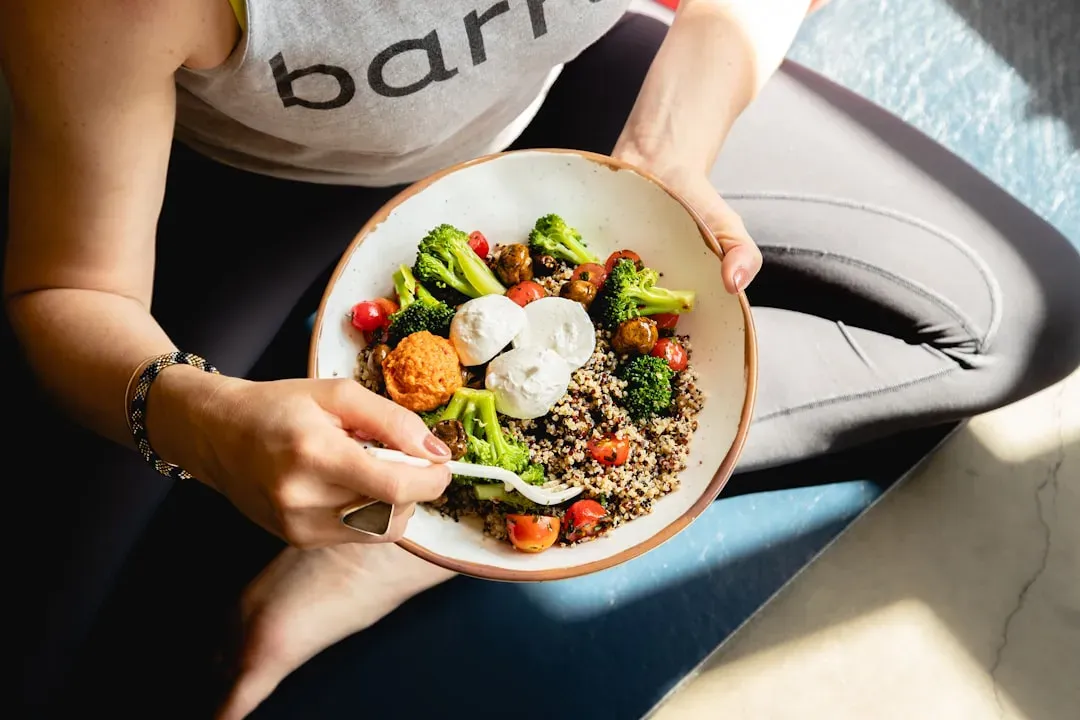
Combining protein, vegetables, and a starch or grain into a single dish makes it easier to hit a reasonable nutritional balance without overthinking it. A pot of dal with vegetables and rice, or a chicken and vegetable soup with beans, naturally covers several food groups in one preparation. There’s less temptation to skip the vegetable side when it’s already simmering alongside everything else.
Nutrition guidance from public health bodies like the Dietary Guidelines for Americans has long emphasized building meals around vegetables, whole grains, and lean proteins together rather than as afterthoughts. One-pot cooking, almost by structural necessity, tends to encourage exactly that kind of composition, since throwing in a handful of spinach or a can of beans costs nothing in terms of extra effort.
Energy and Cost Efficiency Add Up Over Time
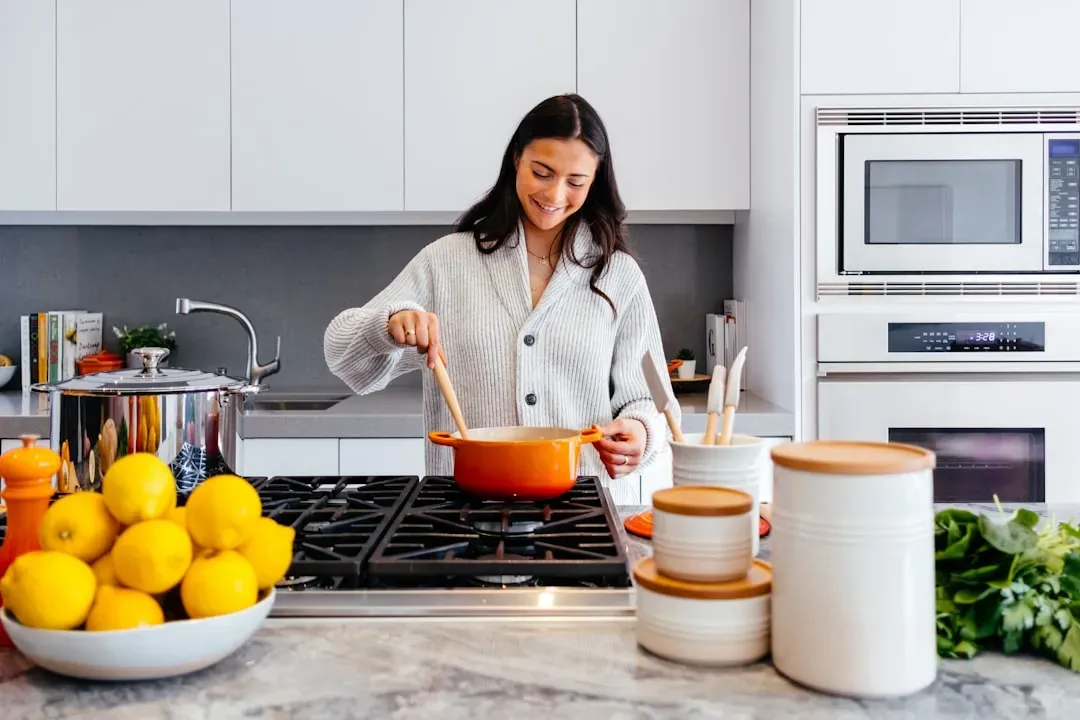
Running a single burner or oven for the duration of a meal uses noticeably less energy than heating multiple burners plus an oven simultaneously. With utility costs remaining a persistent concern for many households through 2025 and into 2026, this isn’t a trivial consideration. Small savings on a nightly basis compound over weeks and months.
There’s also a cost angle tied to ingredients themselves. One-pot dishes lean heavily on pantry staples like rice, beans, lentils, and root vegetables, which remain some of the most affordable calories available at the grocery store. Building a meal around these staples, bulked out with whatever protein is on sale, keeps weekly food budgets more predictable.
They Translate Across Nearly Every Cuisine
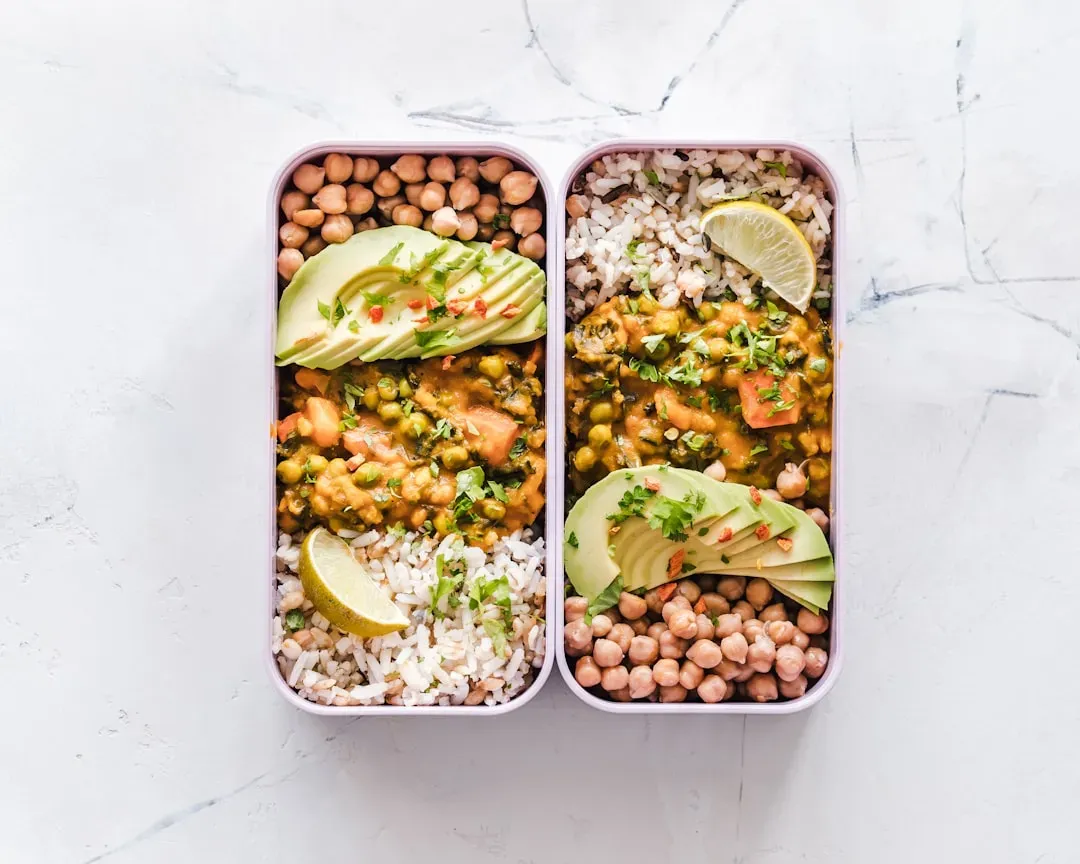
This isn’t a Western cooking trend dressed up as universal wisdom. Paella in Spain, biryani across South Asia, jollof rice in West Africa, cassoulet in France, and hot pot throughout East Asia all share the same underlying logic of cooking everything together in one vessel. The format has developed independently across cultures because the practical advantages are the same everywhere.
This global spread also means there’s essentially no ceiling on variety for anyone who wants to cook one-pot meals regularly. A person could eat a different single-pot dish every night for a year and never repeat a cuisine, moving from Moroccan tagines to Louisiana gumbo to Korean jjigae without changing cooking equipment at all.
Equipment Has Made the Format Even More Accessible
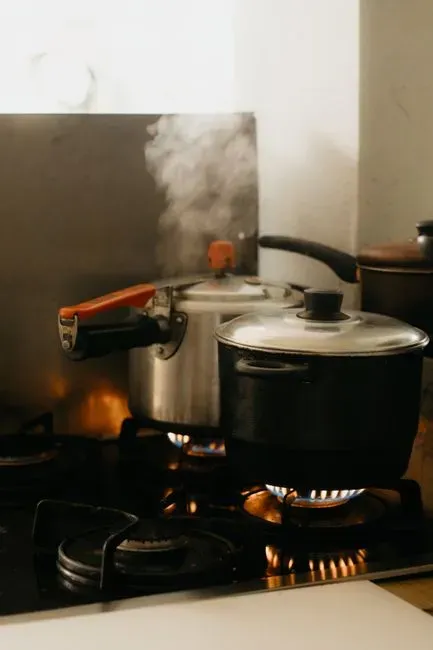
The rise of multi-function appliances like the Instant Pot and other electric pressure cookers has lowered the barrier to entry for one-pot cooking considerably over the past decade. These devices combine the searing, pressure-cooking, and slow-simmering functions that once required separate pieces of equipment, letting even novice cooks produce a braised dish in under an hour. Dutch ovens, meanwhile, remain a favorite among home cooks for their ability to move from stovetop to oven without a dish change.
This equipment trend has continued into 2026, with cookware brands increasingly marketing multi-purpose pots designed specifically to sear, simmer, and serve without switching vessels. The appeal is consistent across price points, whether someone owns a two-hundred-dollar enameled cast iron pot or a budget stainless steel version from a big box store.
The Format Encourages Better Food Storage Habits
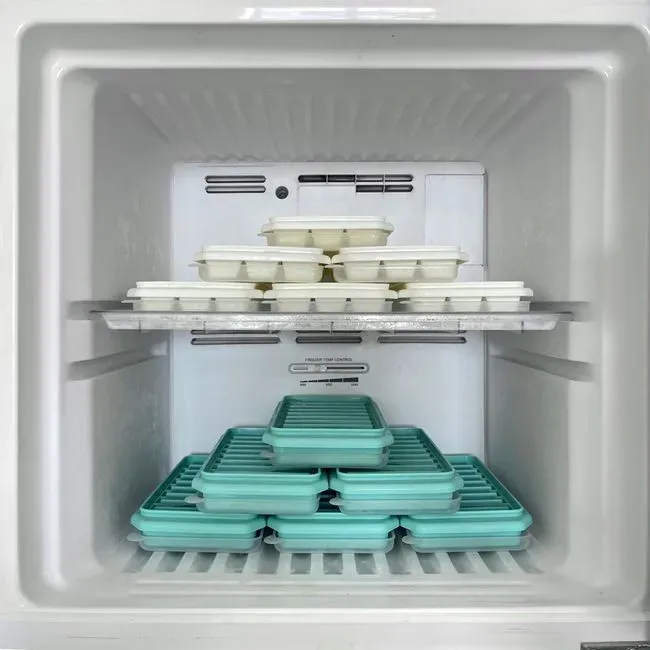
A large pot of finished stew or soup stores more efficiently than a plated meal with separate components. It fits neatly into a few airtight containers, freezes well in batches, and reheats without any loss of texture the way, say, a delicately plated fish dinner might. This makes one-pot meals particularly well suited to batch cooking and freezer stockpiling.
Chili, curry, and most soups freeze exceptionally well for weeks or even months, giving households a genuine backup plan for nights when cooking from scratch isn’t realistic. Preparing a double batch on a weekend and freezing half is a low-effort way to build a small buffer of homemade meals, something that plated multi-dish dinners rarely allow for in the same way.
Final Thoughts
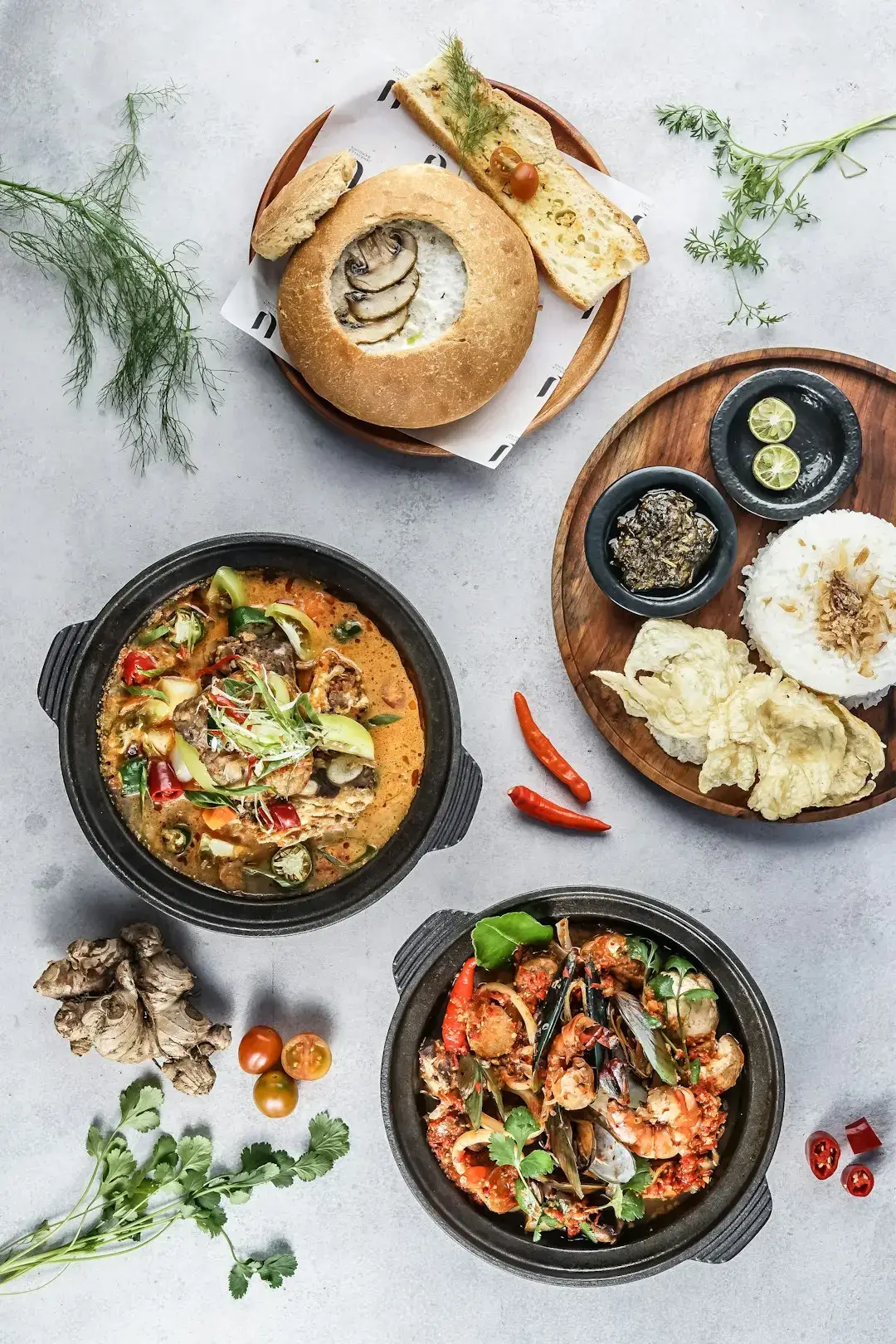
The case for one-pot meals doesn’t rest on any single advantage. It’s the accumulation of small, practical wins: less cleanup, better flavor development, lower cost, easier storage, and a format flexible enough to absorb whatever cuisine or ingredients someone has on hand.
That combination is why the format has survived across cultures and centuries without needing a trend cycle to justify it. It simply works, quietly and consistently, which might be the best endorsement any style of cooking can have.