
Table of Contents
The Science Behind a Good Broth

When bones, connective tissue, and vegetables sit in gently simmering water for hours, collagen breaks down into gelatin, and that gelatin is what gives homemade broth its silky, slightly thick texture once cooled. This process, called hydrolysis, releases amino acids like glycine and proline that aren’t abundant in most modern diets. The longer and slower the simmer, generally between eight and twenty four hours depending on the bones used, the more of this material gets extracted.
Commercial broths rarely get this kind of time investment because it isn’t cost effective at scale. Factories use shorter cook times and rely on flavor enhancers to compensate for what’s lost. That’s a fundamentally different chemical outcome, even if the label says “broth” on both containers.
Bone Broth Versus Regular Stock: What’s The Real Difference
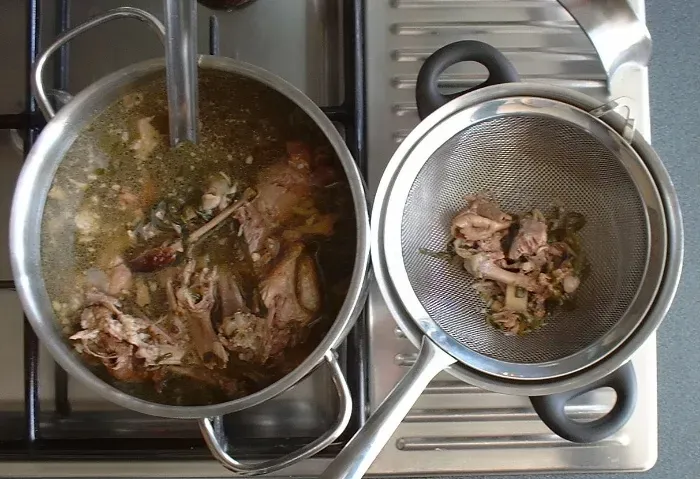
People use these terms interchangeably, but there’s a meaningful distinction. Traditional stock is usually simmered for a few hours and used as a cooking base, while bone broth is simmered far longer specifically to pull collagen and minerals out of the bone matrix itself. Adding a splash of vinegar to the water before cooking helps this process along, since the mild acidity assists in breaking down bone structure over time.
Neither version is wrong, they just serve different purposes. Stock tends to be lighter and more neutral, useful as a building block for sauces and soups. Bone broth, with its heavier body and richer mineral content, is often consumed on its own, sipped from a mug the way some people drink tea.
Nutrients You Actually Get From Homemade Broth

Homemade broth contains collagen derived protein, along with small amounts of minerals like calcium, magnesium, and phosphorus that leach out of bones during long cooking. The exact nutrient content varies quite a bit depending on the bones, the cooking time, and even the water’s mineral content, so it’s not a precise science in a home kitchen. Still, research on gelatin and collagen peptides has shown they can support joint tissue and skin elasticity when consumed regularly.
Glycine, one of the most abundant amino acids in broth, plays a role in supporting the body’s natural detoxification pathways and has been studied for its calming effect on the nervous system. This is part of why many people report sleeping better after a warm cup of broth in the evening. None of this makes broth a miracle food, but it does mean the nutritional profile is more substantial than a simple flavored water.
Gut Health And Digestion Benefits
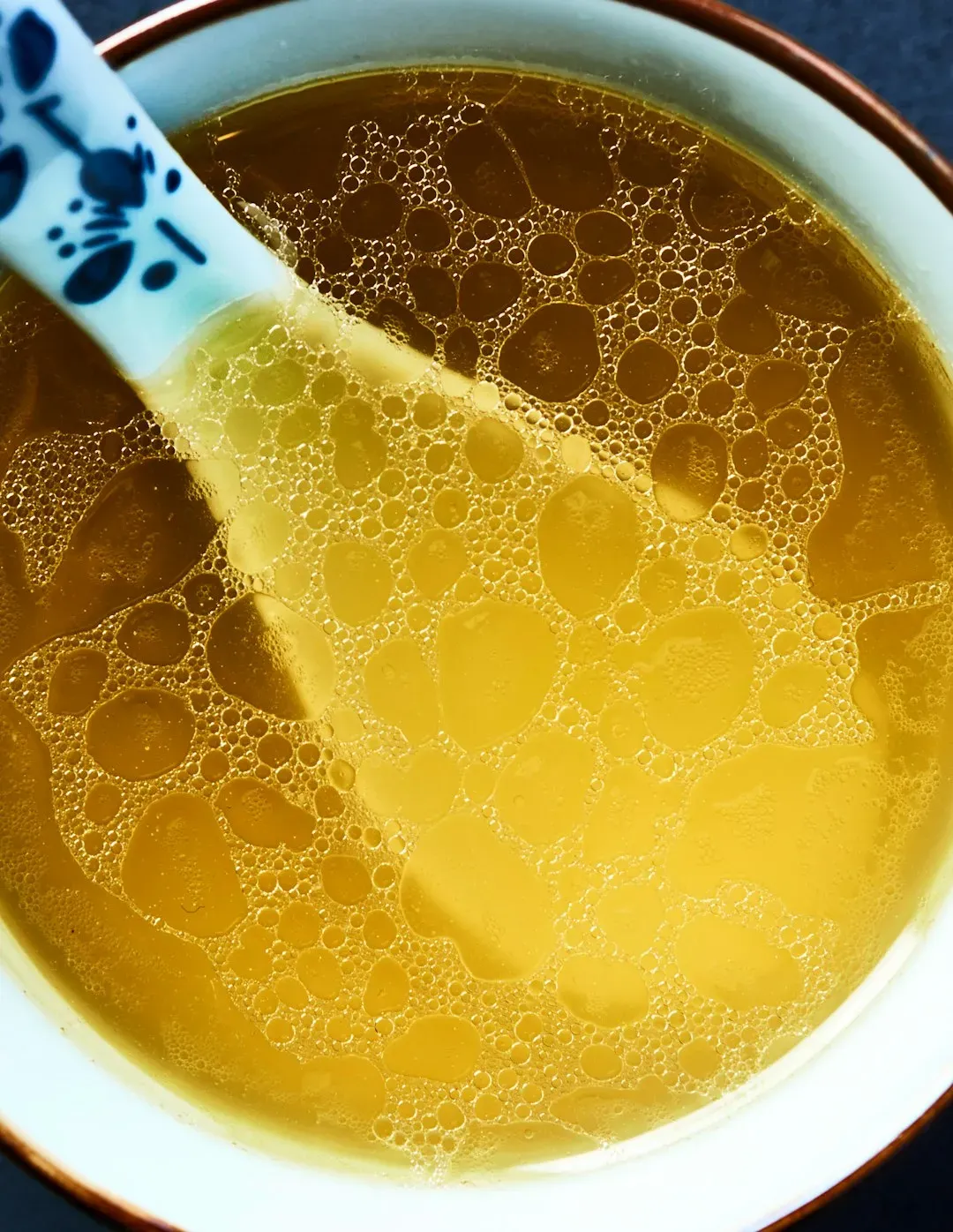
Gelatin has a long history of use in soothing digestive discomfort, partly because it helps bind water in the gut and can ease the passage of food through the digestive tract. Some clinical research has looked at glutamine, another amino acid present in broth, for its potential role in maintaining the integrity of the intestinal lining. This is one reason broth shows up so often in recovery diets after illness or surgery.
The warmth itself matters too, since warm liquids can relax digestive muscles and make broth easier to tolerate than solid food during periods of low appetite. This isn’t new information exactly, cultures around the world have used broths this way for generations. What’s changed is that modern research is starting to explain mechanisms behind practices that were once just intuitive.
Why Store Bought Broths Fall Short

Read the ingredient label on most shelf stable broths and you’ll usually see yeast extract, added sugar, and a heavy dose of sodium listed well before any actual meat or bone. These products are designed for shelf stability and consistent flavor across millions of cartons, not nutrient density. The extraction time simply isn’t there, which means the gelatin content is often minimal or entirely absent.
There are better options on grocery shelves now than there were a decade ago, with a handful of brands offering genuinely simmered bone broths in the refrigerated or frozen section. Even so, these products carry a real price premium, often several times the cost of making the same thing at home from bones that might otherwise be thrown away. For anyone cooking regularly, that price difference adds up fast.
The Flavor Difference You Can Taste
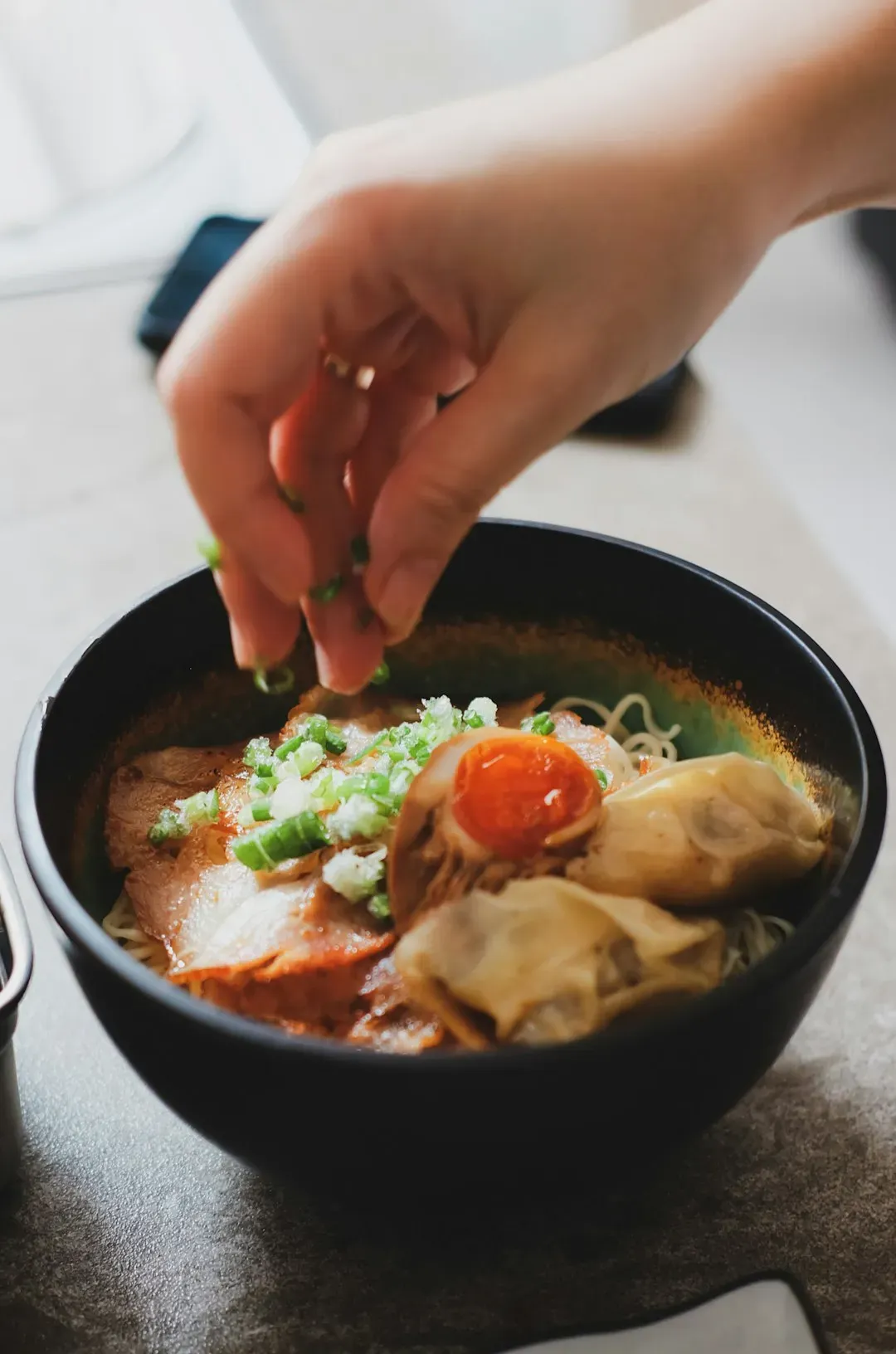
Homemade broth carries a depth that’s hard to replicate from a box, largely because of the Maillard reaction that happens when bones and vegetables are roasted before they go into the pot. That roasting step, often skipped in commercial production, builds complex savory notes that no amount of added flavoring can fully substitute. A soup made with real homemade stock tastes rounder and more layered, even with fewer ingredients overall.
This flavor advantage isn’t subtle once you’ve tasted the comparison side by side. Chefs have known this for centuries, which is why stock making remains one of the first techniques taught in culinary schools. It’s less about following an exact recipe and more about understanding how time and heat pull flavor out of humble ingredients.
How Long You Really Need To Simmer
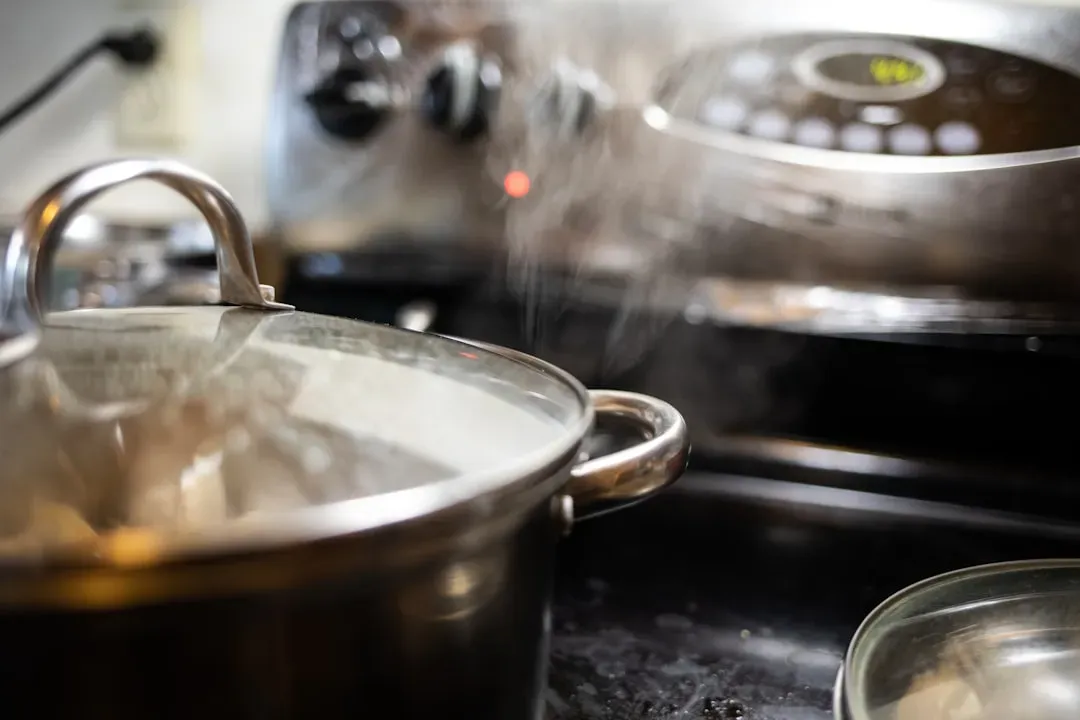
Chicken broth typically needs somewhere between four and twelve hours to develop good body and flavor, while beef bones, being denser, often benefit from twelve to twenty four hours. Pressure cookers and electric multi cookers have made this more practical for home cooks, cutting traditional simmer times roughly in half without sacrificing much extraction. This has genuinely changed who makes broth at home, since fewer people are willing to babysit a stove for a full day.
Overcooking isn’t really a major risk with broth the way it is with other dishes, since the ingredients are already meant to break down completely. The bigger mistake home cooks make is not simmering long enough, pulling the pot off the heat after an hour or two and wondering why the result tastes thin. Patience, more than any specific technique, is what separates a mediocre broth from a great one.
Budget And Sustainability: Using What You’d Otherwise Waste
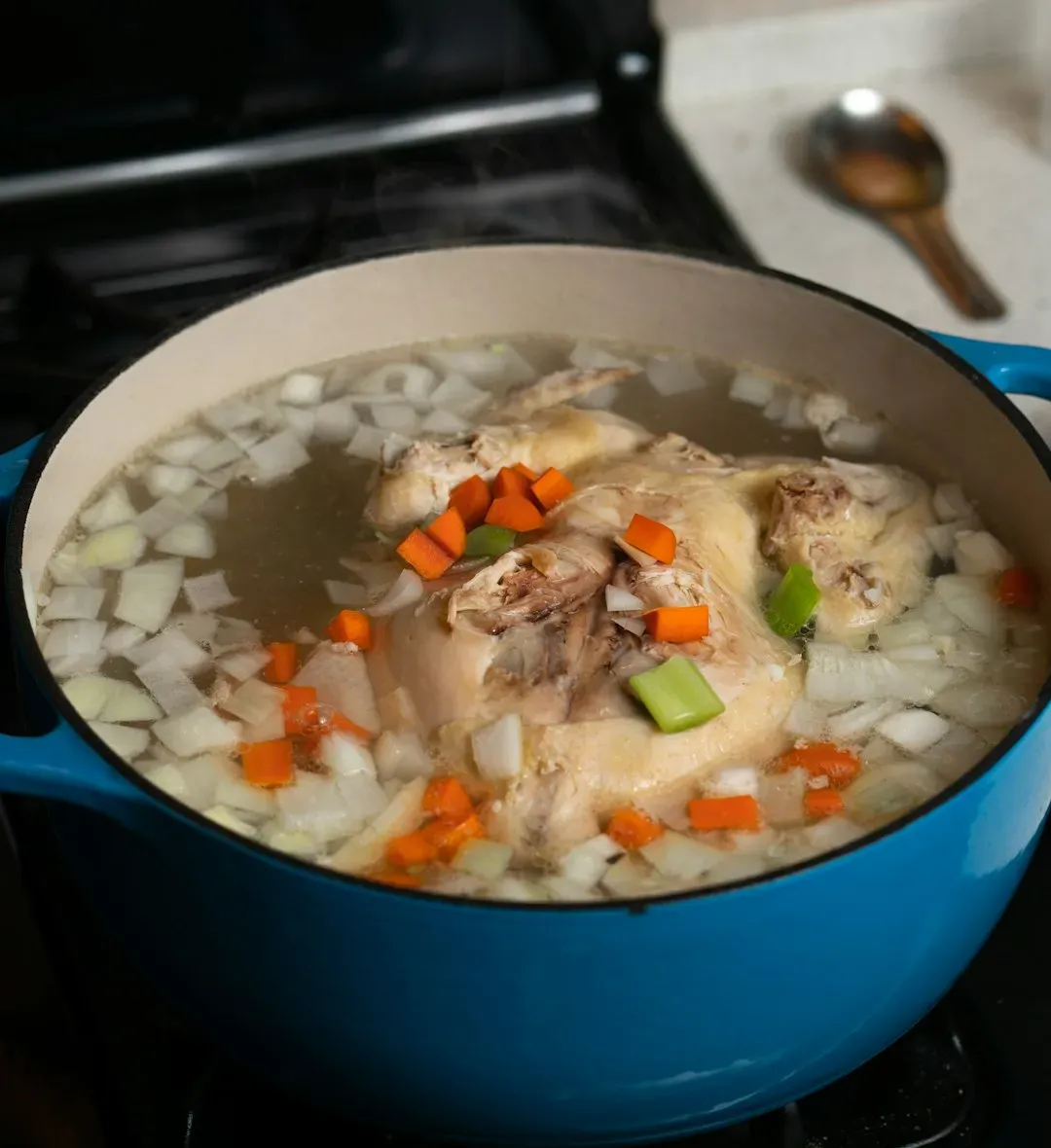
Bones, vegetable scraps, and even the carcass from a roasted chicken are typically discarded, yet all of it can go straight into a stockpot. This turns kitchen waste into something genuinely useful, stretching a single roasted chicken into two or three meals worth of soup base. Freezing scraps in a bag until there’s enough for a batch is a common practice among home cooks who want to reduce waste without extra effort.
From a cost standpoint, this is one of the most efficient things a home kitchen can do. A few dollars worth of bones and vegetable trimmings, mostly things already paid for as part of other meals, can produce several quarts of broth that would otherwise cost considerably more at the store. It’s a quiet form of thrift that doesn’t require sacrificing quality.
Simple Ways To Build Broth Into Your Weekly Routine
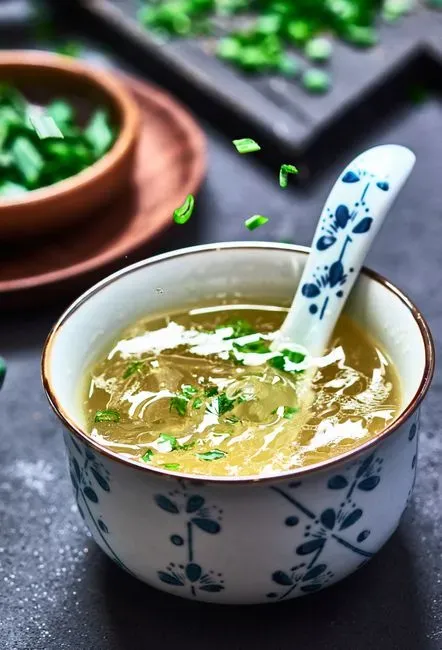
Making broth doesn’t need to be a weekend production. Many cooks now keep a bag of vegetable scraps and bones in the freezer, adding to it gradually until there’s enough to justify a batch, then letting a slow cooker or pressure cooker do the actual work overnight. Once made, broth freezes well in portioned containers, so a single big batch can quietly supply soups, sauces, and grain dishes for weeks.
Some people build a habit of drinking a small mug of warm broth in the afternoon, similar to how others might reach for tea or coffee. Others use it mainly as a cooking ingredient, swapping it in wherever a recipe calls for water to instantly add flavor. Either approach works, and most people land somewhere in between once broth becomes a regular part of the kitchen routine.
A Simple Habit Worth Keeping

Homemade broth isn’t complicated, and it doesn’t require special equipment or rare ingredients. What it asks for is time, patience, and a willingness to use parts of food that often get thrown away without a second thought.
Once that habit sticks, it’s hard to go back to store bought versions that taste thin by comparison. The pot on the stove, simmering quietly in the background, ends up doing more for a kitchen than almost any other single technique.