
Some evenings just don’t leave room for a sink full of mixing bowls, measuring cups, and stand mixer attachments. Between work, errands, and whatever else the day throws in, the idea of baking from scratch can feel like one more chore rather than a treat. That’s exactly why one-bowl desserts have quietly become a favorite shortcut in home kitchens, offering real flavor without the fuss.
These recipes rely on a simple logic: mix wet ingredients, fold in dry ones, and skip the extra dishes entirely. Whether it’s a craving for something chocolatey, fruity, or just plain comforting, there’s a one-bowl version worth keeping in your back pocket. Below are ten reliable options, along with a few practical notes on why they work so well for busy schedules.
Table of Contents
Why one-bowl baking actually works
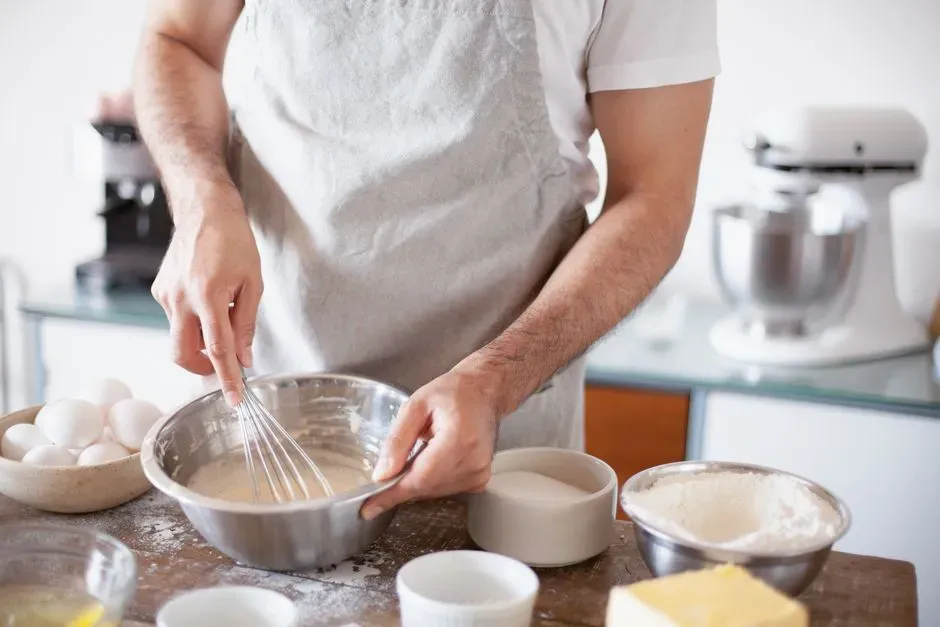
One-bowl recipes aren’t just a convenience trick, they’re often built around ingredients that don’t need separate treatment. Melted butter instead of creamed butter, for instance, removes the need for a mixer and still produces tender results in cookies and bars. Many classic dessert formulas were originally multi-step out of tradition rather than necessity, and modern home bakers have simplified them without sacrificing texture.
The other advantage is thermal and chemical simplicity. When sugar dissolves into warm melted fat, it creates a smoother batter base than creaming cold butter with sugar, which is partly why melted-butter cookies often turn out chewier. Fewer bowls also means fewer chances to overmix, which can toughen batters high in gluten. For anyone short on time, that combination of speed and forgiving technique is hard to beat.
Classic one-bowl chocolate chip cookies
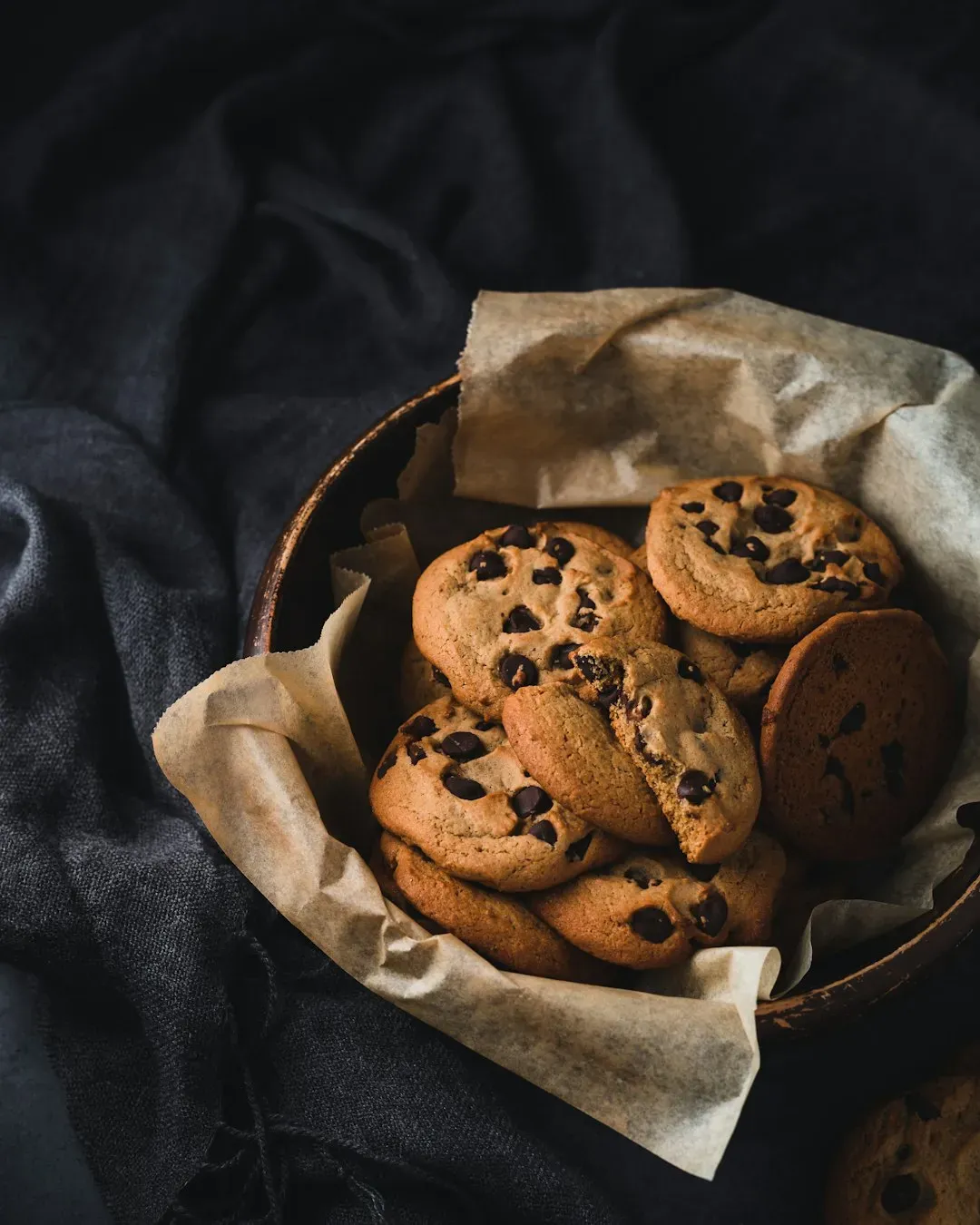
Chocolate chip cookies are probably the most searched one-bowl dessert online, and for good reason. Melting the butter first lets it blend seamlessly with brown sugar and vanilla, then eggs and dry ingredients go in without any special order needed. The result is a dense, chewy cookie that bakes in under twelve minutes in most home ovens.
Chilling the dough for even twenty to thirty minutes can improve texture by letting the flour hydrate fully, though it isn’t strictly required if time is tight. Brown sugar plays a bigger role than white sugar in keeping these cookies moist, since it holds more moisture thanks to its molasses content. For busy nights, this recipe scales easily and freezes well as raw dough balls for future baking.
Fudgy one-bowl brownies
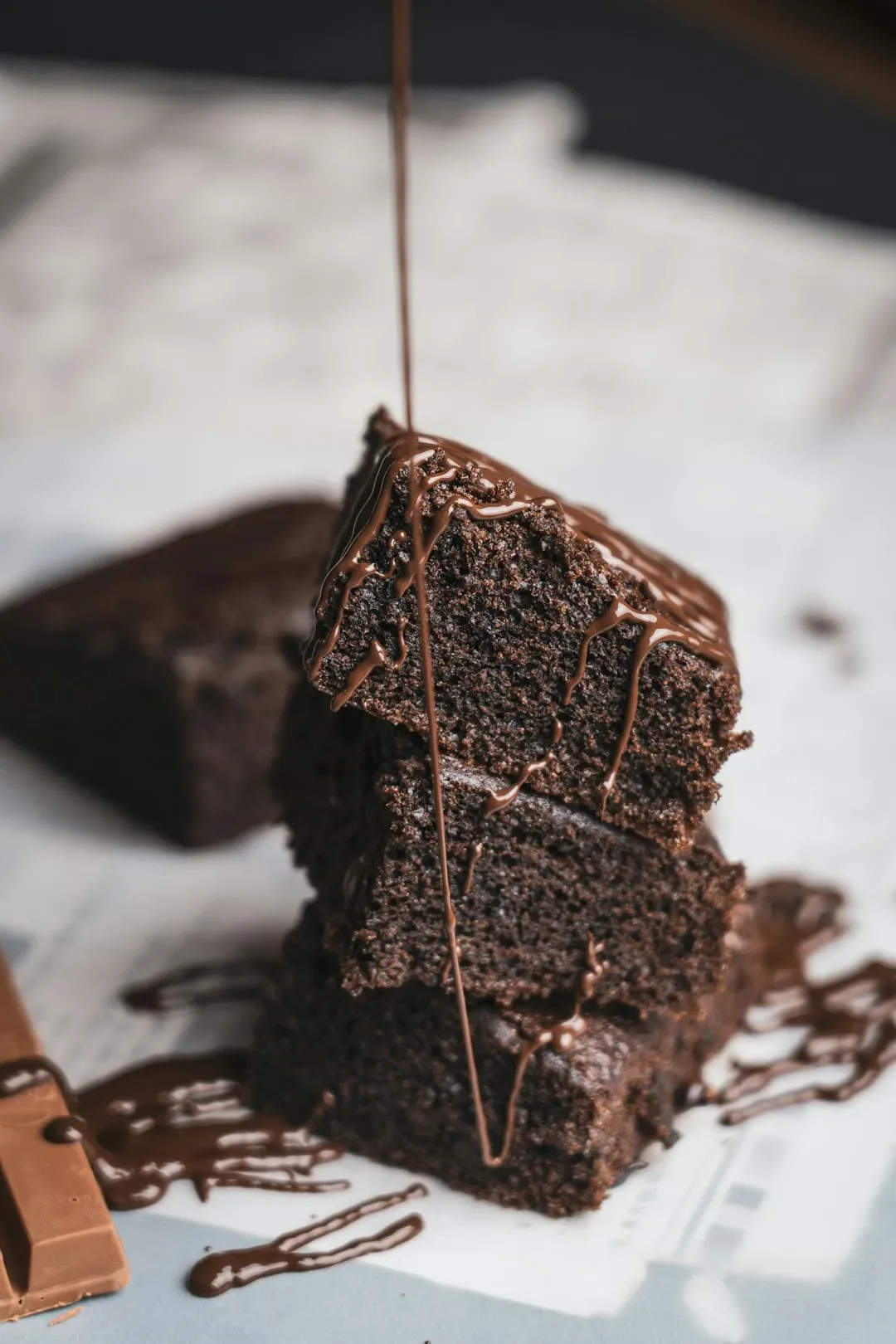
Brownies are almost tailor-made for one-bowl methods since the base is essentially melted chocolate or cocoa butter mixed with sugar, eggs, and flour. Using cocoa powder instead of melted chocolate squares keeps things simpler and often cheaper, without losing that dense, fudgy texture people look for. A short bake time, usually between twenty-five and thirty minutes, keeps the batch quick enough for a weeknight.
The ratio of fat to flour is what determines whether brownies turn out cakey or fudgy, and one-bowl recipes tend to lean fudgy because they use more butter or oil relative to flour. Adding a pinch of espresso powder, a trick borrowed from professional bakers, intensifies the chocolate flavor without making the brownies taste like coffee. These bars also store well at room temperature for several , making them practical for meal-prepped desserts.
Single-serving mug cakes
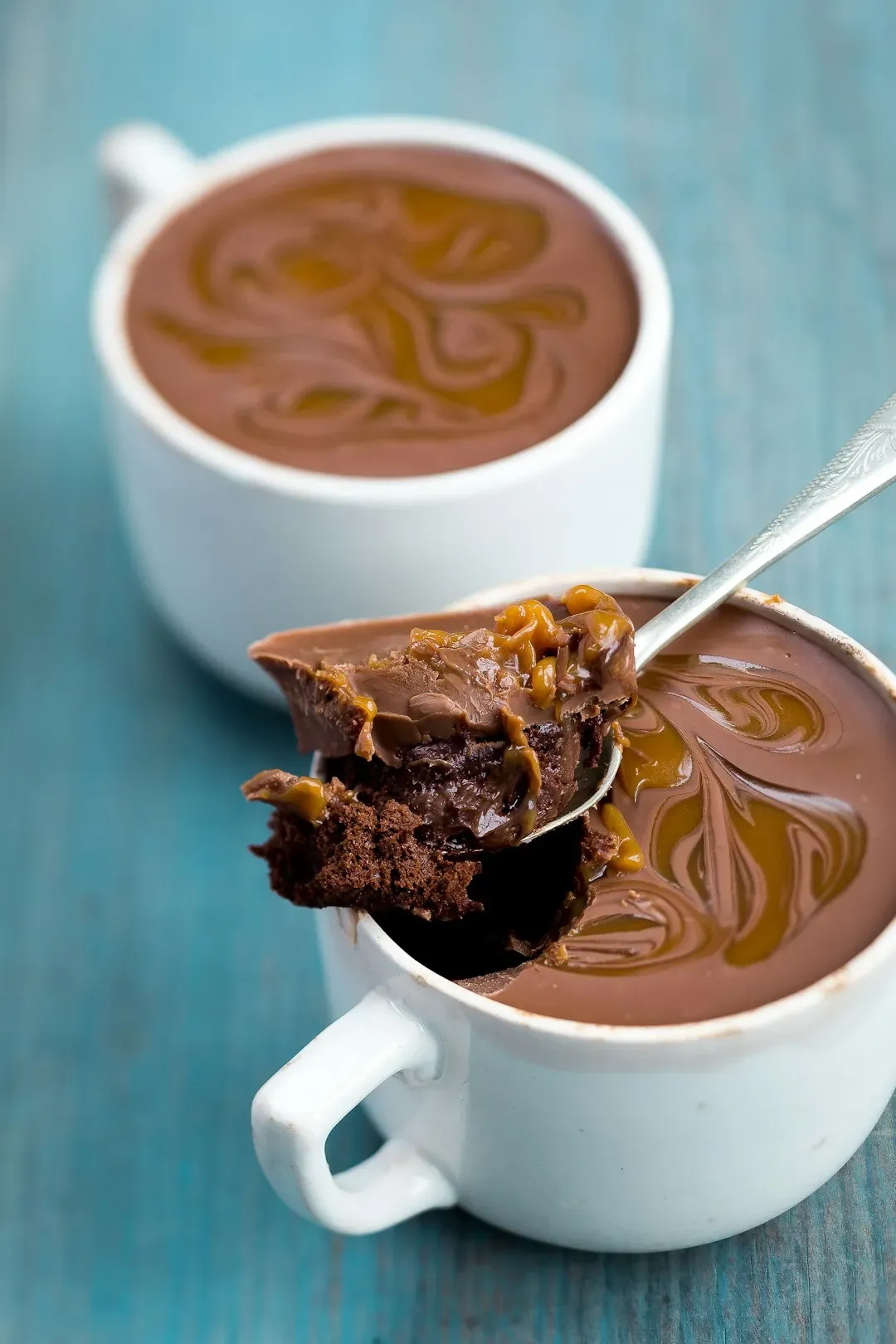
Mug cakes solve a very specific problem, the craving for cake without committing to a full pan of it. A basic mug cake batter, often just flour, sugar, cocoa or vanilla, a leavening agent, milk, and oil, cooks directly in the microwave in about ninety seconds. Because portions are so small, there’s little risk of overbaking if timing is checked in short intervals.
The texture depends heavily on not overmixing and not overcooking, since microwaves heat unevenly and can dry out batter quickly if left too long. Using a wider, shallower mug rather than a narrow one helps the batter cook more evenly throughout. This format has become especially popular with people living alone or those who want dessert without leftovers sitting in the fridge.
Simple one-bowl banana bread
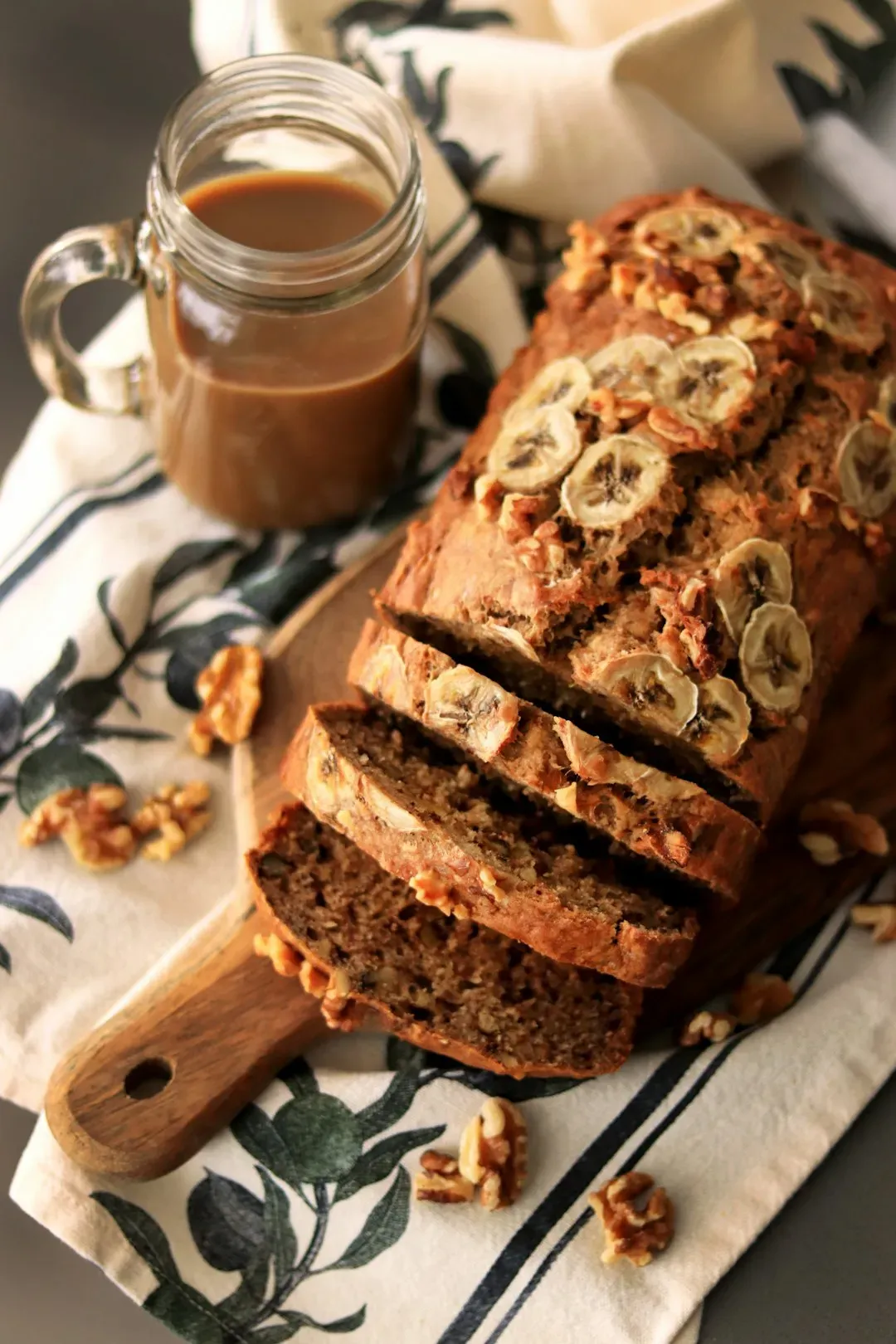
Banana bread has long been a practical way to use overripe bananas, and the one-bowl version keeps that practicality intact. Mashing bananas directly into melted butter, sugar, and eggs creates a smooth base before dry ingredients are folded in gently. The riper the bananas, meaning heavily spotted or even blackened, the sweeter and more aromatic the final loaf tends to be.
Overmixing is the main risk here, since banana bread relies on a tender crumb that gluten development can quickly ruin. Folding just until the flour disappears, rather than stirring vigorously, keeps the loaf soft. Many bakers also add walnuts or chocolate chips at this stage, which mix in without requiring any additional bowls or steps.
Chewy one-bowl blondies
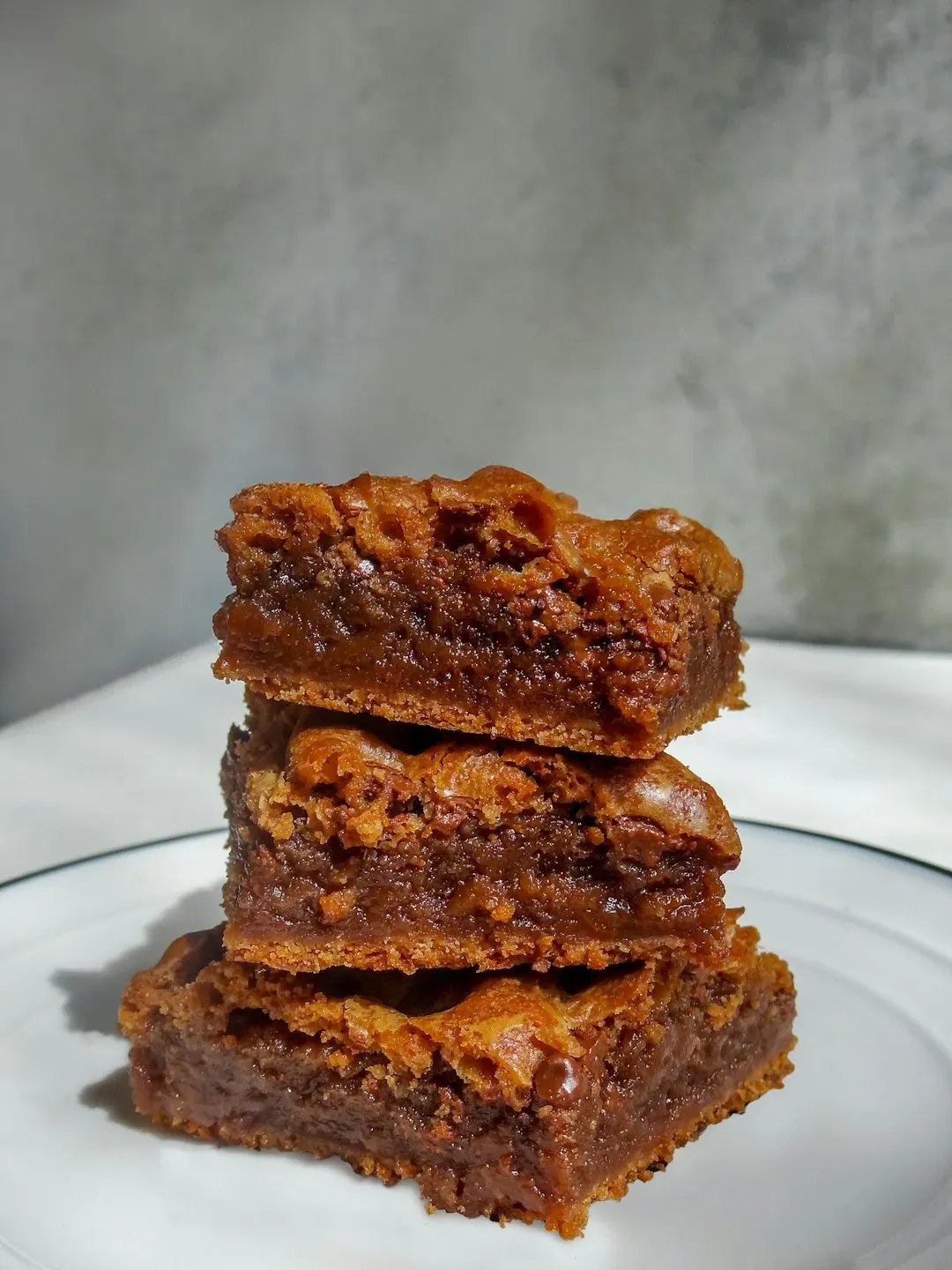
Blondies are essentially the vanilla or brown sugar cousin of brownies, and they follow nearly the same one-bowl logic. Melted butter combined with brown sugar creates a caramel-like base, and add-ins like white chocolate chips, pecans, or butterscotch pieces stir in easily at the end. Baking time typically runs close to brownies, often between twenty and twenty-five minutes depending on pan size.
Because blondies lack cocoa’s structure, getting the flour ratio right matters more here to avoid a gummy center. A toothpick test with a few moist crumbs, rather than a fully clean one, usually signals the right level of doneness for that soft, chewy bite people expect. Like brownies, blondies hold up well for a few when stored in an airtight container.
No-bake energy bites
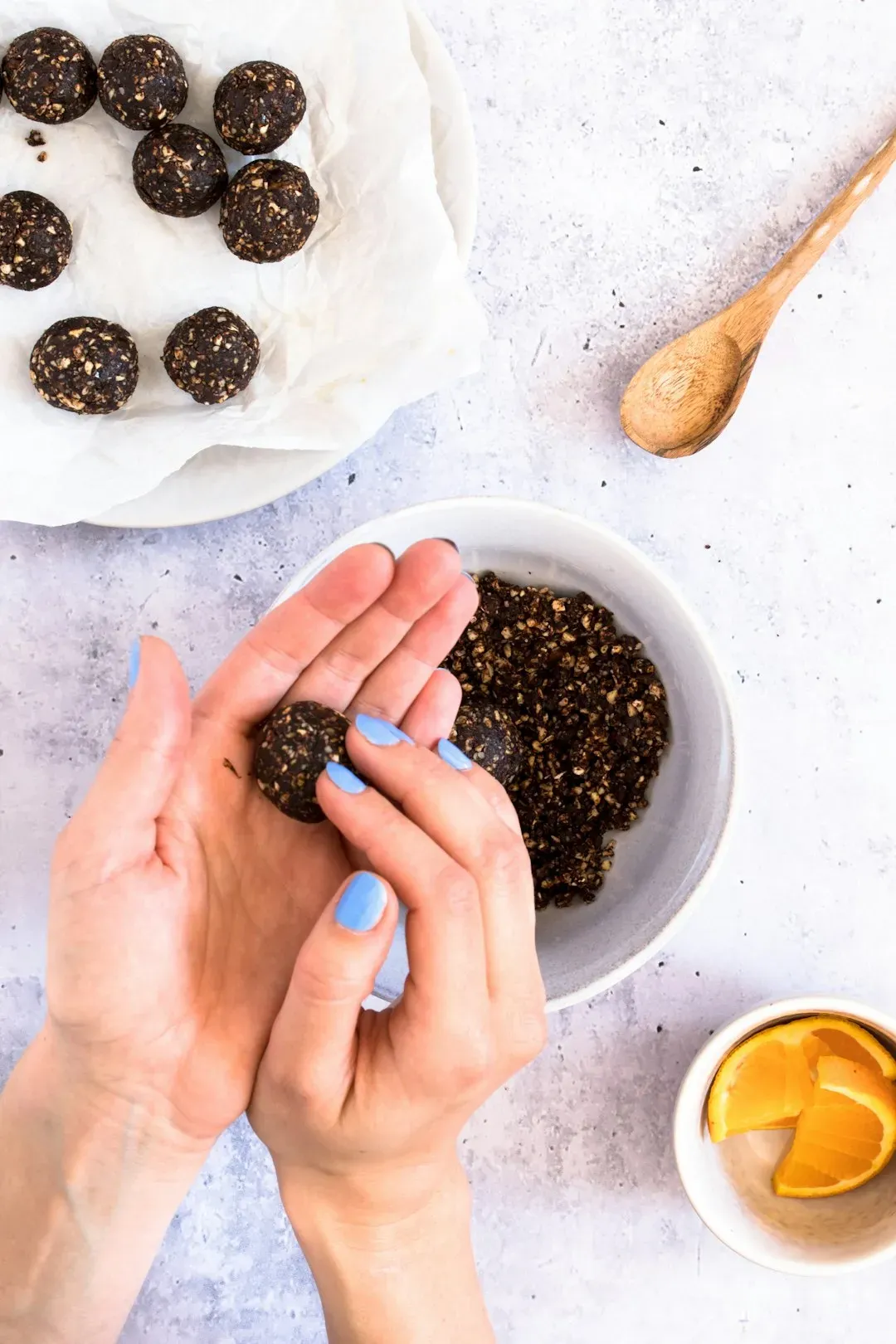
Not every one-bowl dessert requires an oven at all. No-bake energy bites, usually a mix of oats, nut butter, honey or maple syrup, and mix-ins like chocolate chips or dried fruit, come together in one bowl and firm up in the refrigerator. This makes them one of the fastest options on this list, often ready to eat within thirty minutes total.
Oats provide structure and a bit of fiber, while the nut butter and sweetener bind everything into a workable dough. Because there’s no baking involved, ingredient ratios are more forgiving, and small adjustments in oats or liquid can fix a dough that’s too sticky or too dry. These bites also travel well, making them a practical grab-and-go dessert or snack for busy mornings.
Rich one-bowl chocolate mousse
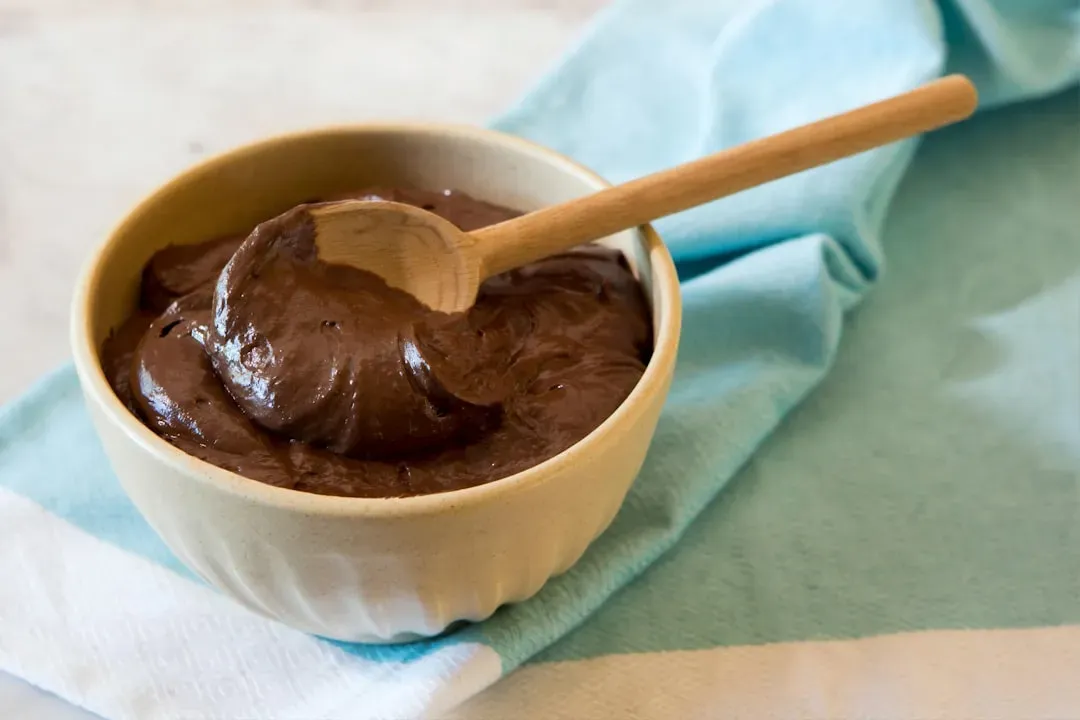
Chocolate mousse has a reputation for being fussy, but a simplified one-bowl version skips the separate whipping steps some traditional recipes call for. Melted chocolate combined with whipped cream, sometimes stabilized with a touch of gelatin or simply chilled long enough, creates a light yet rich texture. Chilling for at least two hours in the refrigerator lets the mousse set properly.
The quality of chocolate used has a noticeable effect here, since mousse depends so heavily on that single ingredient’s flavor. Using chocolate with a cocoa percentage between sixty and seventy percent tends to give a balanced sweetness without becoming overly rich. This dessert also works well made ahead, since it holds its texture in the fridge for a day or two.
Ingredient swaps for dietary needs
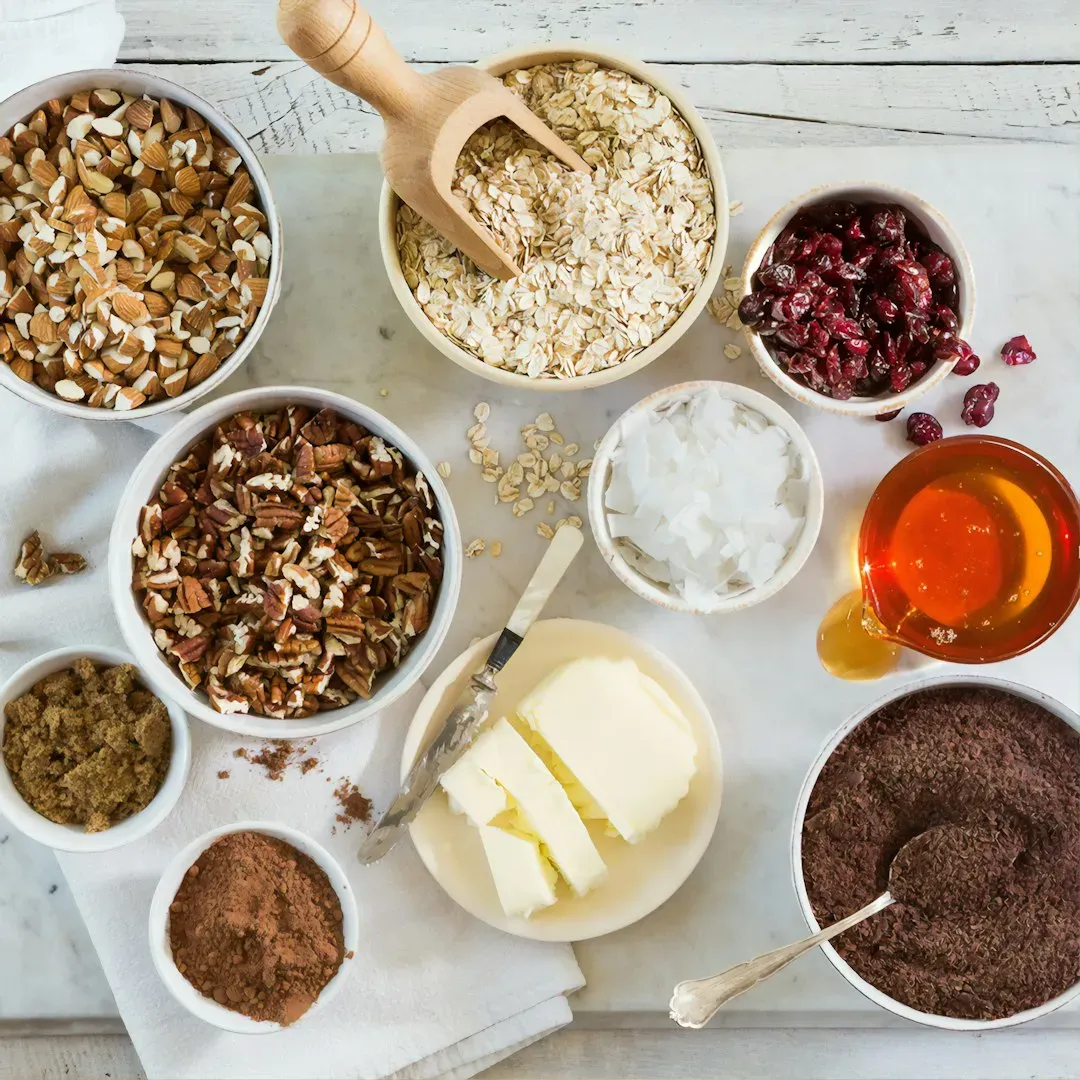
One-bowl desserts adapt fairly easily to common dietary restrictions, which is part of why they’ve stayed popular across different cooking trends. Swapping butter for coconut oil or a neutral vegetable oil works in most cookie, brownie, and quick bread recipes without major textural changes. Similarly, flax eggs, made from ground flaxseed mixed with water, can replace regular eggs in many of these batters for an egg-free option.
Gluten-free all-purpose blends have improved significantly in recent years, and many now substitute one-to-one for regular flour in one-bowl recipes without adjusting other ingredients. For lower sugar needs, reducing sugar by up to a quarter usually doesn’t drastically change texture in items like banana bread or blondies. These small adjustments mean one-bowl desserts can fit a wider range of kitchens and eating patterns than their simplicity might suggest.
Cleanup and storage tips that actually save time
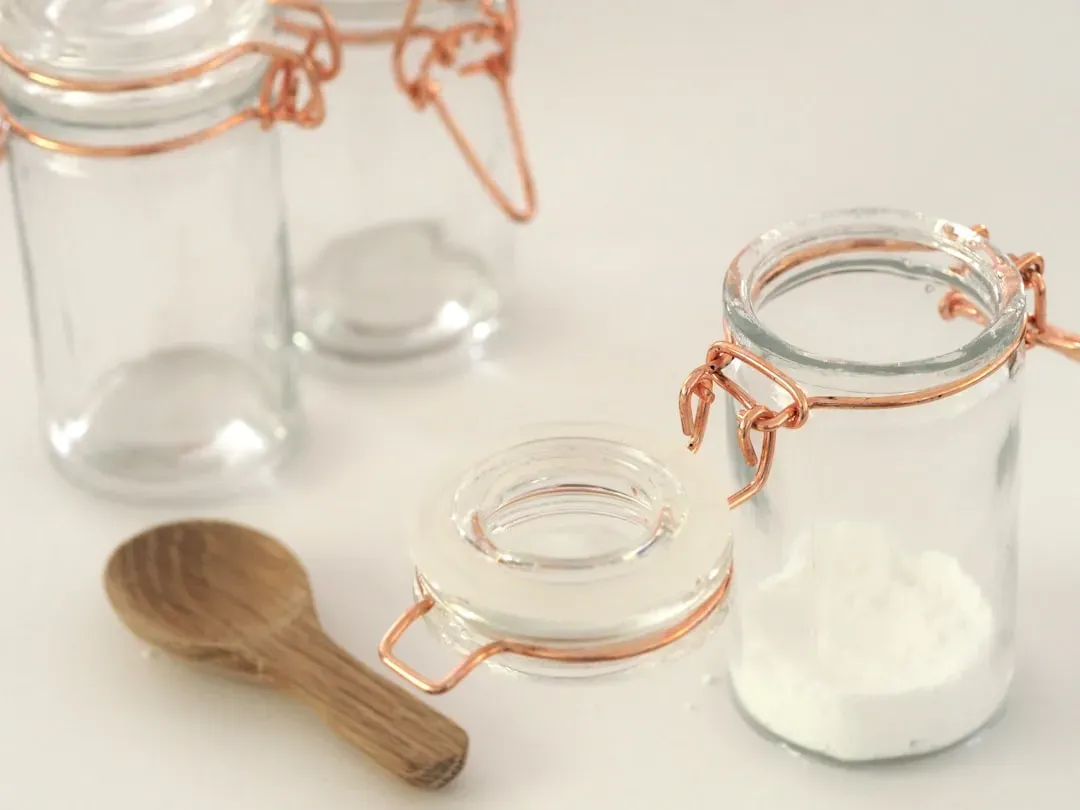
Part of the appeal of one-bowl desserts is obviously the reduced cleanup, but a few habits make it even smoother. Measuring dry ingredients into a separate small dish before starting, rather than digging through containers mid-recipe, keeps the main bowl free of unnecessary mess. Lining pans with parchment paper also cuts down on scrubbing baked-on batter later.
For storage, most of these desserts, cookies, brownies, blondies, and banana bread, keep well at room temperature in an airtight container for three to five . Mousse and energy bites, on the other hand, need refrigeration due to their dairy or moisture content. Freezing raw cookie dough or baked bars in individual portions is another practical option, letting busy schedules stretch one baking session across several future desserts.