
Most home cooks don’t need a new set of recipes so much as a handful of smarter habits baked into the ones they already have. A tired weeknight dish often just needs one ingredient nudged in a different direction, not a total overhaul. The swaps below are small, low-risk, and backed by actual cooking science rather than trend-chasing, which is why they tend to stick once you try them.
None of these require special equipment or a trip to a specialty store. They’re the kind of adjustments professional cooks make almost automatically, and once you know why they work, you’ll start applying the logic to dishes far beyond the examples here.
Table of Contents
Brown the butter instead of just melting it
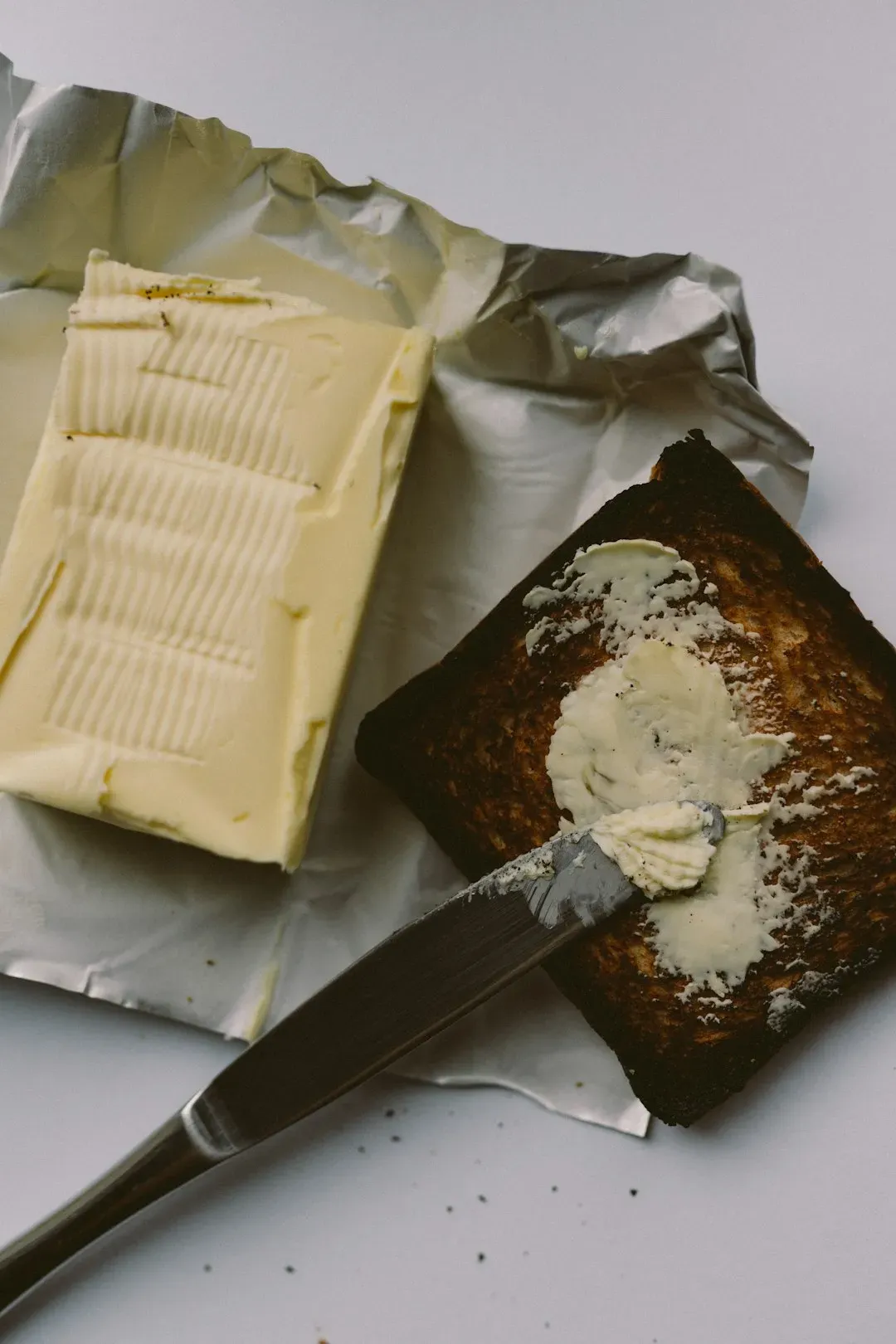
Melted butter is fine, but browned butter is a different ingredient entirely. Heating butter past the melting point until the milk solids toast gives it a nutty, faintly caramel aroma that plain butter simply doesn’t have. This happens through the Maillard reaction, the same browning process responsible for seared steak and toasted bread crust.
Swap it into cookies, pan sauces, mashed potatoes, or roasted vegetables and the difference is immediate. It takes maybe five extra minutes and one extra pan-watching moment, but the payoff in flavor complexity is disproportionate to the effort. Once you taste the difference side by side, going back to plain melted butter feels like skipping a step you didn’t know existed.
Use broth or stock in place of water
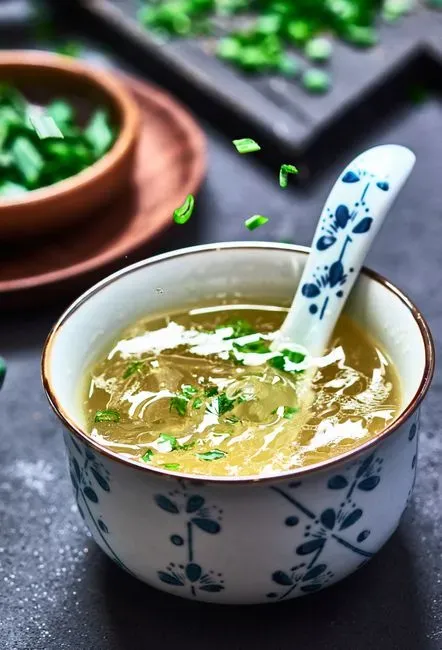
Water is a neutral cooking liquid, which means it does nothing for flavor while your rice, grains, or vegetables absorb it. Swapping in chicken, vegetable, or bone broth adds a layer of savory depth without adding a single new ingredient to your shopping list beyond the broth itself. This works especially well for rice, couscous, mashed potatoes, and braised vegetables, since these absorb liquid directly into their structure.
Even a low-sodium boxed broth outperforms plain water in almost every application where liquid gets absorbed rather than drained away. If you’re watching sodium, diluting broth with water still beats water alone. It’s one of the easiest ways to make a basic side dish taste like it took more effort than it did.
Finish dishes with acid, not just at the start
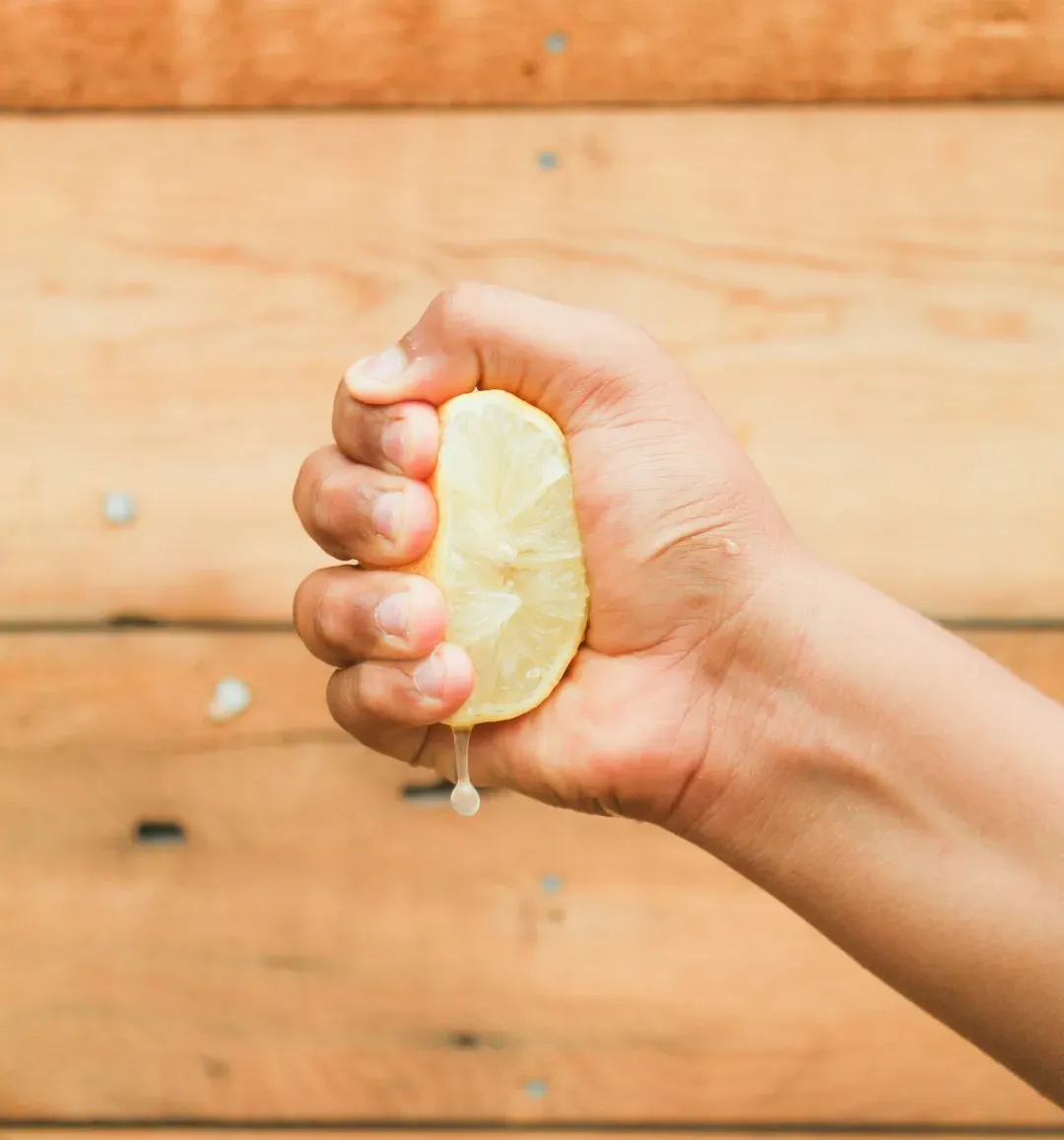
A lot of home cooking uses acid early, like deglazing a pan with wine, and stops there. Professional kitchens tend to add a small hit of acid again right before serving, whether that’s a squeeze of lemon, a splash of vinegar, or a spoonful of pickled something. This late addition brightens flavors that have gone flat or heavy after long cooking, cutting through richness and making every other ingredient taste more distinct.
Soups, braises, roasted vegetables, and even pasta sauces benefit from this final adjustment. The amount needed is often surprisingly small, just enough to notice a lift rather than a sour bite. Tasting before and after adding it usually settles any doubt about whether it was necessary.
Toast whole spices before grinding or using them
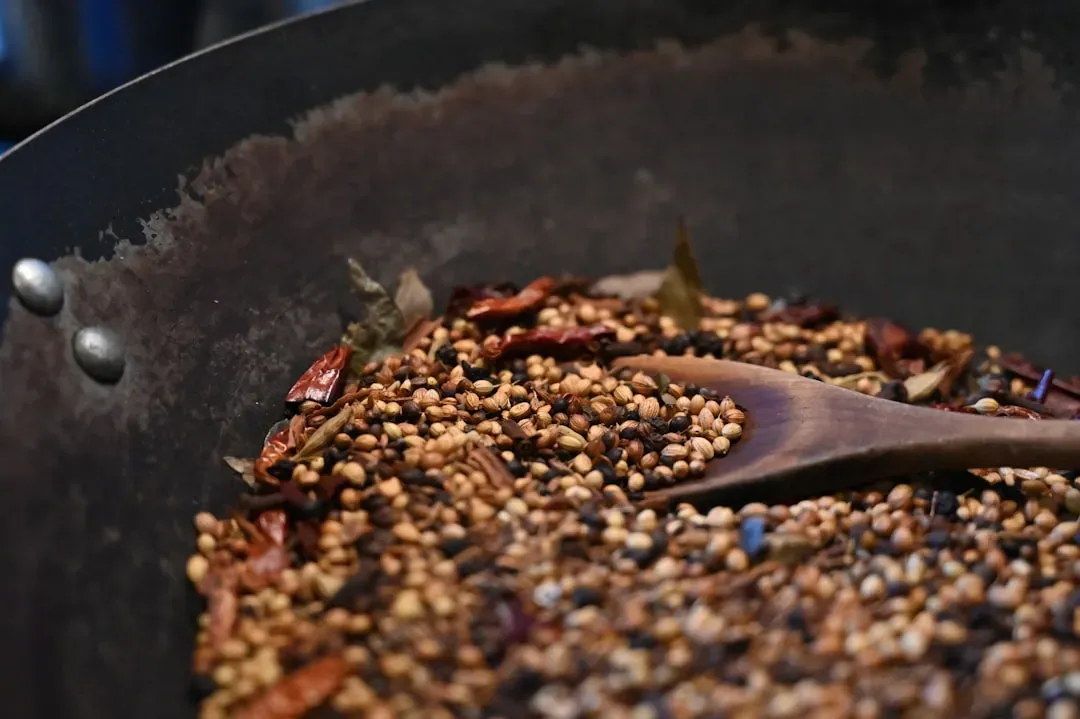
Pre-ground spices lose potency fairly quickly once opened, and even fresh ground spice benefits from a quick toast in a dry pan before it hits the dish. Toasting releases volatile aromatic oils that stay locked inside untoasted spices, which is why toasted cumin or coriander smells noticeably stronger than the same spice straight from the jar. This takes roughly one to two minutes over medium heat, just until you can smell the aroma rising from the pan.
Cumin, coriander, fennel seed, and whole peppercorns all respond well to this treatment. It’s a technique borrowed heavily from South Asian and Middle Eastern cooking traditions, where spice blends are frequently toasted fresh rather than bought pre-mixed. Skipping this step isn’t a mistake, but including it is one of the cheapest flavor upgrades available.
Swap some regular sugar for brown sugar or honey
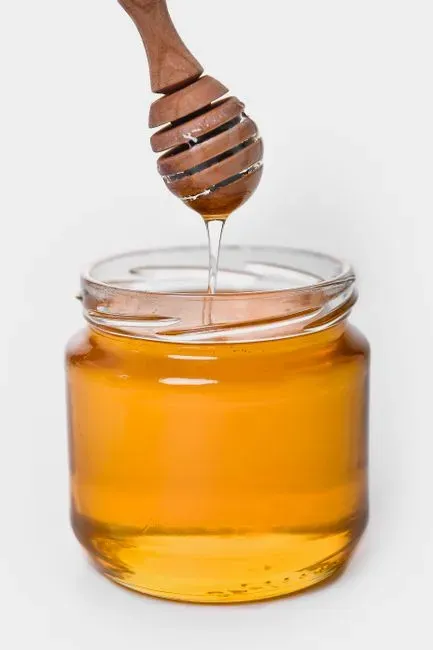
White sugar sweetens cleanly but contributes almost nothing beyond sweetness. Brown sugar carries molasses, which adds moisture and a faint caramel note, while honey brings floral undertones and a different kind of viscosity to batters and glazes. Replacing even half the white sugar in a recipe with one of these alternatives changes the final texture and depth without overwhelming the dish.
Baked goods in particular benefit, since brown sugar’s hygroscopic nature helps retain moisture, which is part of why chewy cookie recipes often lean on it more heavily than crisp ones do. Glazes and marinades gain a stickier, more complex finish from honey. It’s a subtle change, but subtle is often exactly what a recipe needs rather than a dramatic overhaul.
Reach for shallots instead of yellow onions
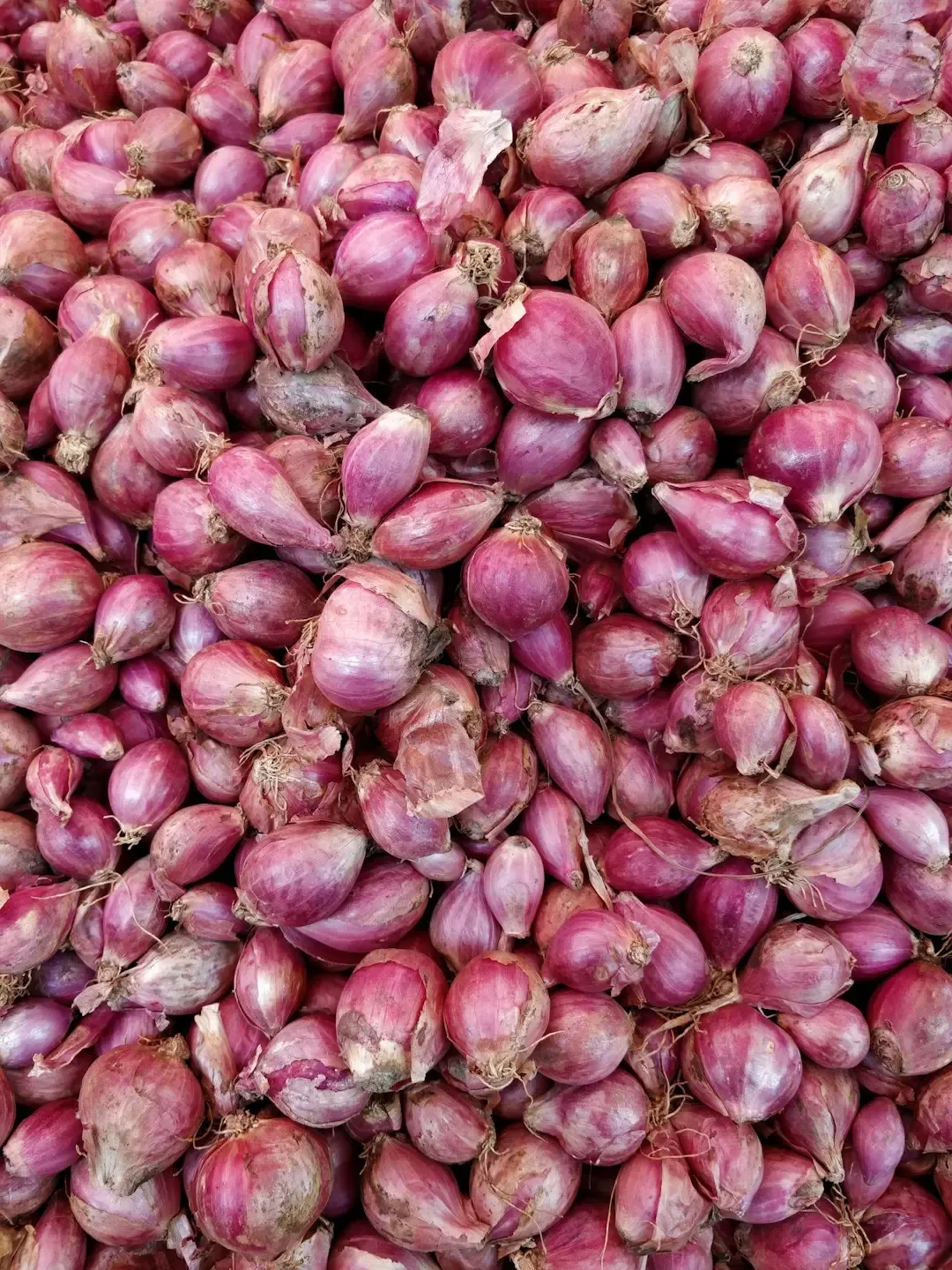
Shallots are botanically closer to garlic than onions, and that shows up in their flavor. They’re milder, sweeter, and lack the sharp bite raw yellow onion can carry, which makes them especially useful in vinaigrettes, pan sauces, and anywhere onion needs to blend in rather than announce itself. They also caramelize faster due to their higher sugar content and smaller size.
The trade-off is cost and quantity, since shallots run more expensive per pound and you’ll typically need more of them to match the volume of a single onion. For dishes where onion is a background note rather than a main character, though, the swap is often worth it. French cooking has leaned on this distinction for centuries, and it’s not hard to taste why once you compare the two side by side.
Use fresh herbs at the end, dried ones early
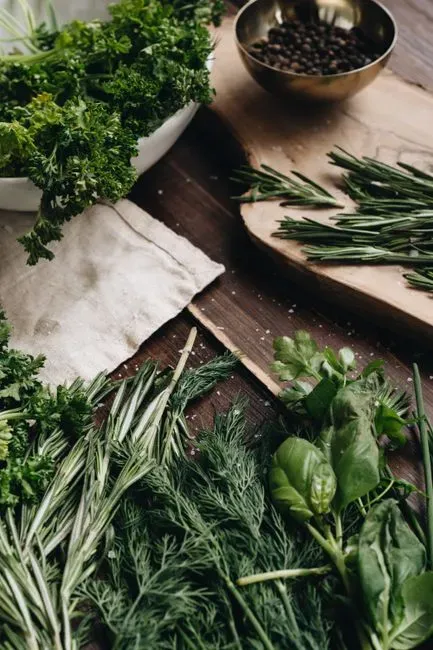
Dried and fresh herbs aren’t interchangeable in timing even though recipes sometimes treat them that way. Dried herbs need time and heat to rehydrate and release their flavor, which is why they work well added early in cooking, during simmering or roasting. Fresh herbs contain volatile oils that break down under sustained heat, so they’re better stirred in during the last few minutes or sprinkled on right before serving.
Basil is a clear example, since cooking it for a long time dulls its brightness into something closer to a vague green flavor. Parsley, cilantro, and chives all follow the same pattern, losing their sharpness the longer they sit over heat. Matching the herb to the right moment in the cooking process makes a noticeable difference for very little extra effort.
Swap cream for yogurt or crème fraîche in sauces
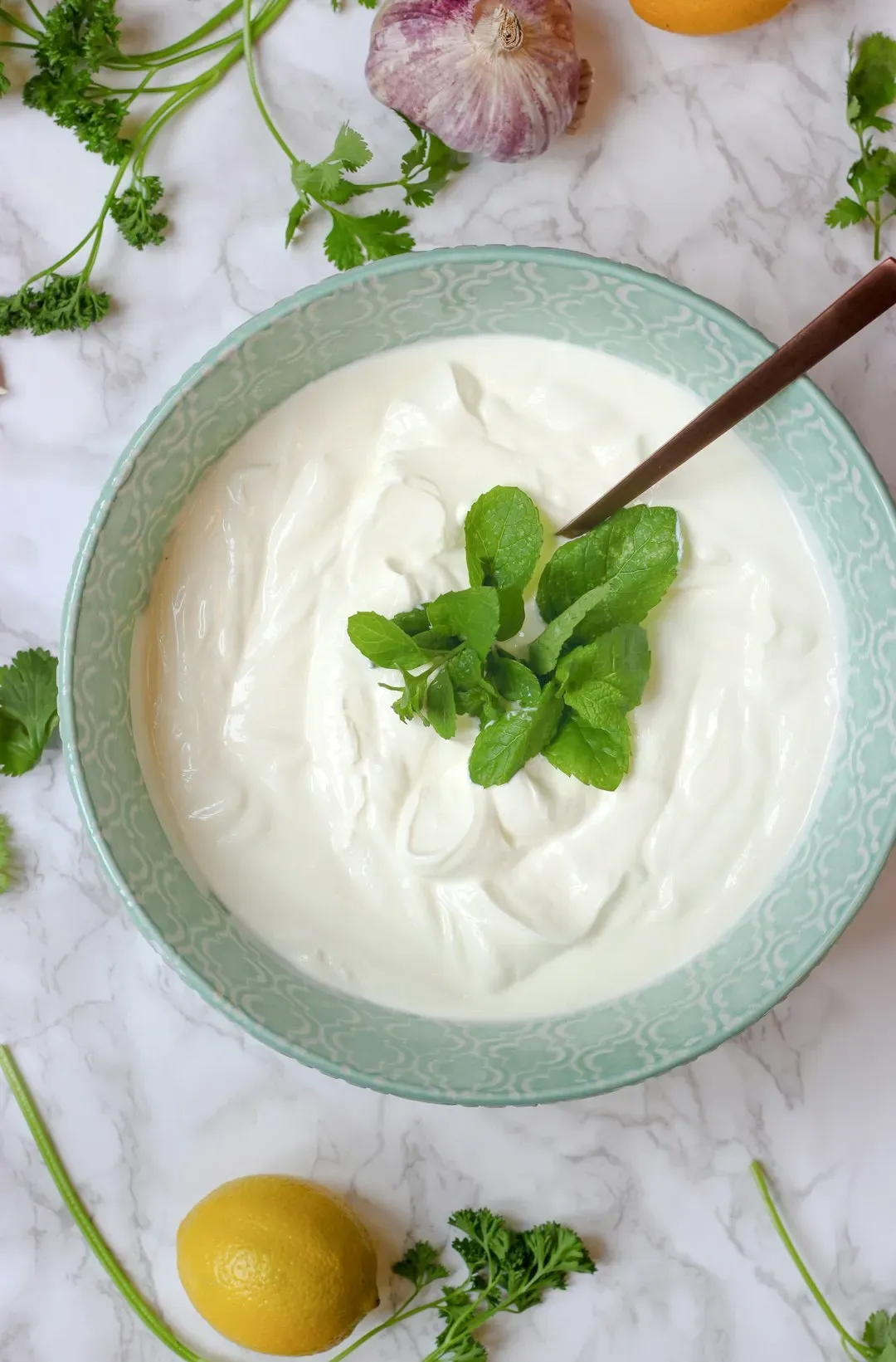
Heavy cream is reliable, but yogurt and crème fraîche bring a tangy edge that cream simply doesn’t have, along with a lighter overall feel. This works particularly well in sauces meant to cut through rich or spiced dishes, since the acidity balances heavier flavors instead of just adding more fat on top of fat. Greek yogurt in particular holds up reasonably well to gentle heat, though it should be added off the boil to avoid curdling.
Crème fraîche is more heat-stable than regular sour cream or yogurt, making it a safer swap in sauces that need to simmer briefly. Soups, curries, and pan sauces for roasted meats all take well to this substitution. It’s a change that trims some richness while adding a flavor dimension cream can’t offer on its own.
Season in layers instead of all at once
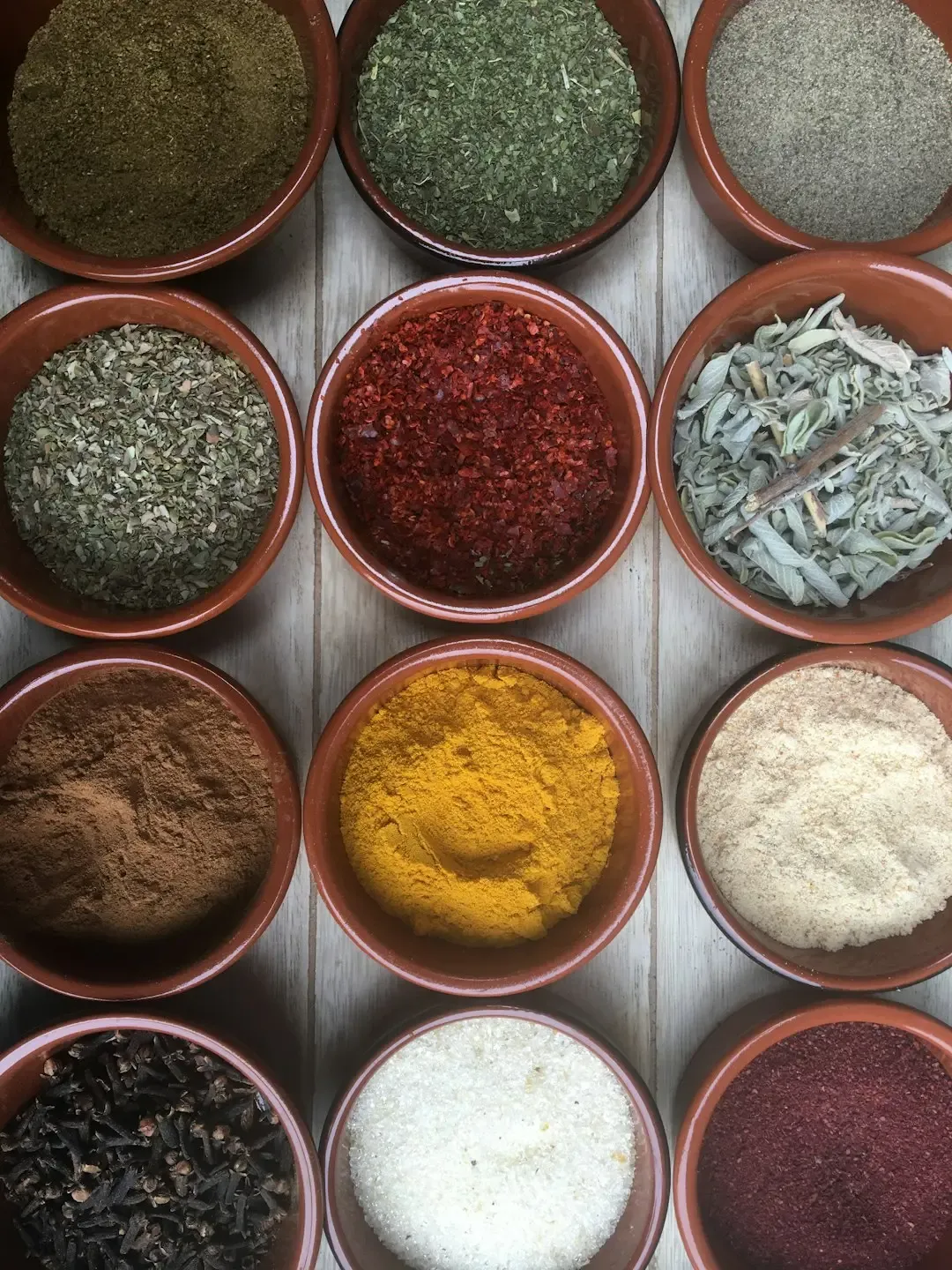
Adding all the salt and seasoning at the very end is one of the most common reasons a dish tastes flat despite technically having enough salt in it. Seasoning in stages, a little at the start, more partway through, a final adjustment at the end, lets salt and spices integrate into each layer of the dish rather than sitting on the surface. This is standard practice in professional kitchens for a reason, since it produces a more even, rounded flavor rather than one sharp salty note on top of an under-seasoned base.
This applies to more than just salt. Building spice, acid, and even sweetness across the cooking process rather than dumping everything in during the last five minutes tends to produce more balanced results. It requires a bit more attention while cooking, but it’s less about extra work and more about spreading the same amount of effort across a longer window.
Finish with a good finishing salt, not the same salt used for cooking
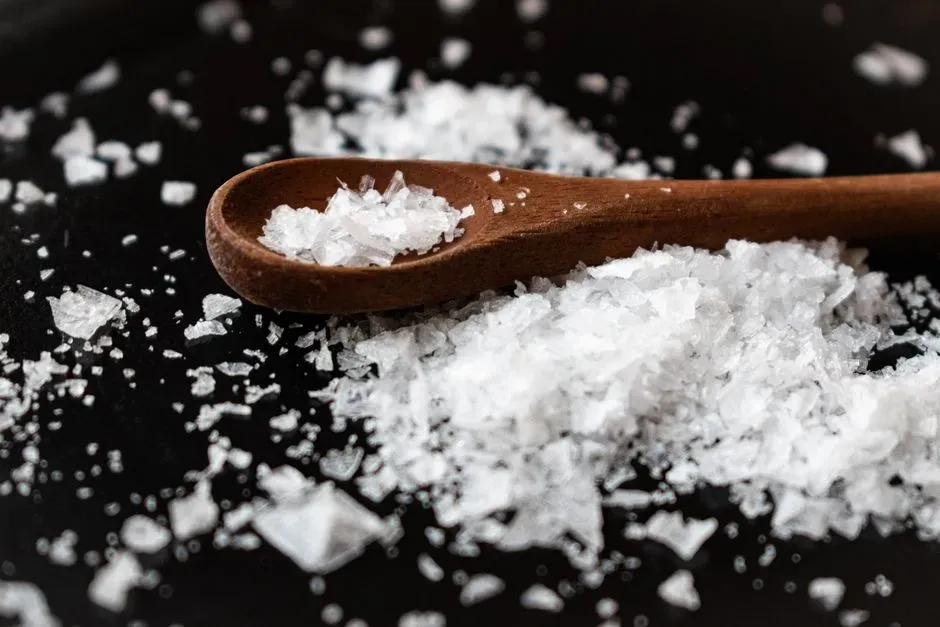
Table salt and kosher salt dissolve into a dish during cooking, disappearing into the overall flavor. Flaky finishing salts, like Maldon or fleur de sel, are meant to stay visible and crunchy on top of the finished dish, giving little bursts of saltiness rather than blending evenly throughout. This is why the same amount of salt can taste completely different depending on when and how it’s applied.
A pinch on roasted vegetables, grilled meat, or even chocolate desserts adds texture as much as flavor. It’s a small investment, since a box of good finishing salt lasts a long time, and it turns an ordinary dish into one that feels intentionally finished. This is less about correcting a flaw and more about adding a final touch that plain cooking salt can’t replicate.