
Table of Contents
Mac and cheese
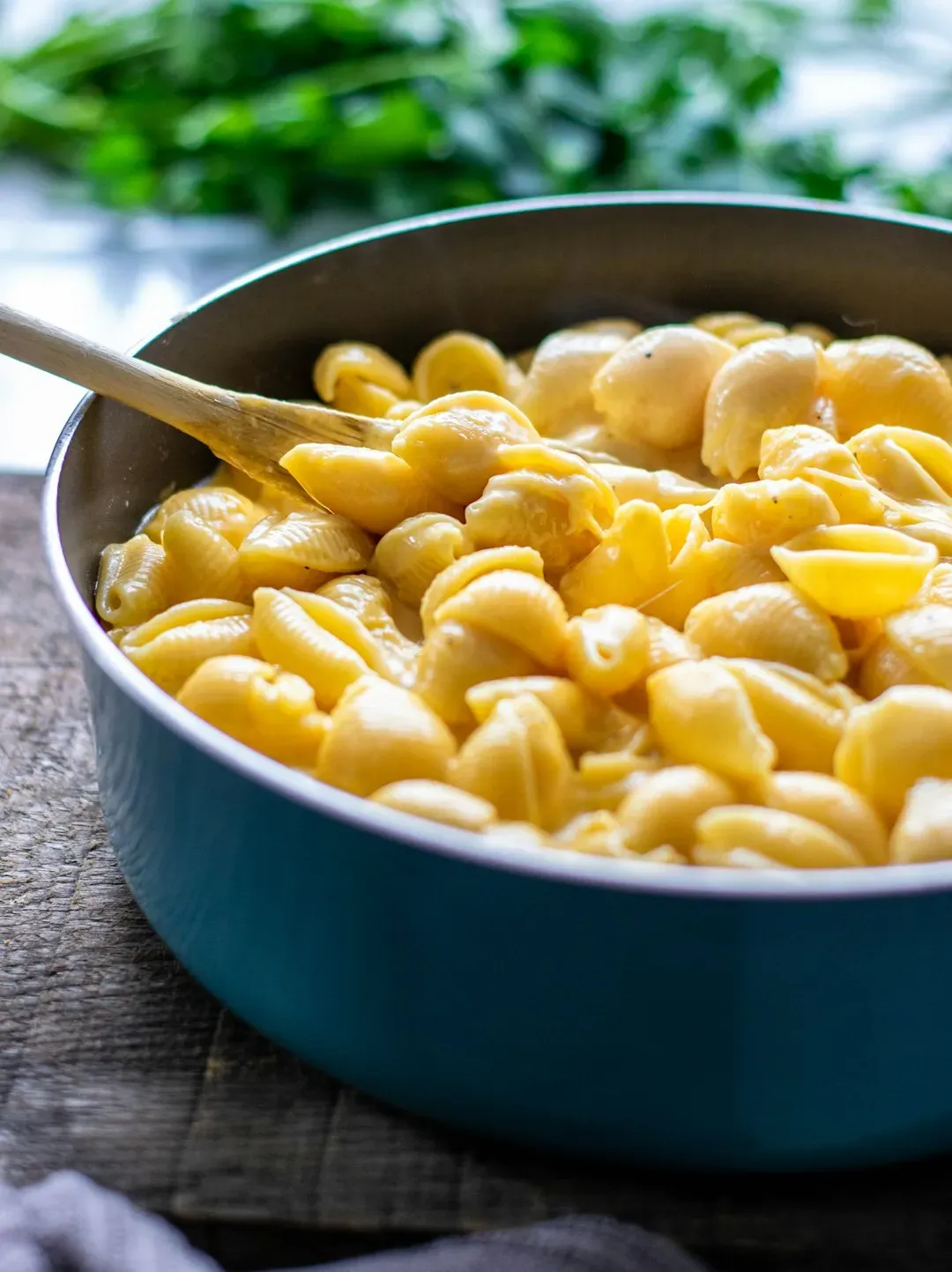
Few dishes manage to be both a pantry staple and a restaurant menu item, but mac and cheese pulls it off without contradiction. The combination of pasta and melted cheese sauce is simple enough that home cooks have been making versions of it since before packaged mixes existed. Kraft introduced its boxed macaroni and cheese in the late 1930s, and it became a Depression-era staple precisely because it stretched a small amount of cheese into a filling meal.
Today it shows up baked with breadcrumbs, loaded with lobster, or kept plain and gooey the way most people actually prefer it. Chefs have spent years dressing it up with truffle oil or smoked gouda, yet the basic cheddar-and-elbow-noodle version still outsells the fancy stuff at most casual restaurants. That’s not nostalgia talking. It’s just a genuinely well-balanced combination of fat, salt, and starch that doesn’t need much help.
Chicken noodle soup
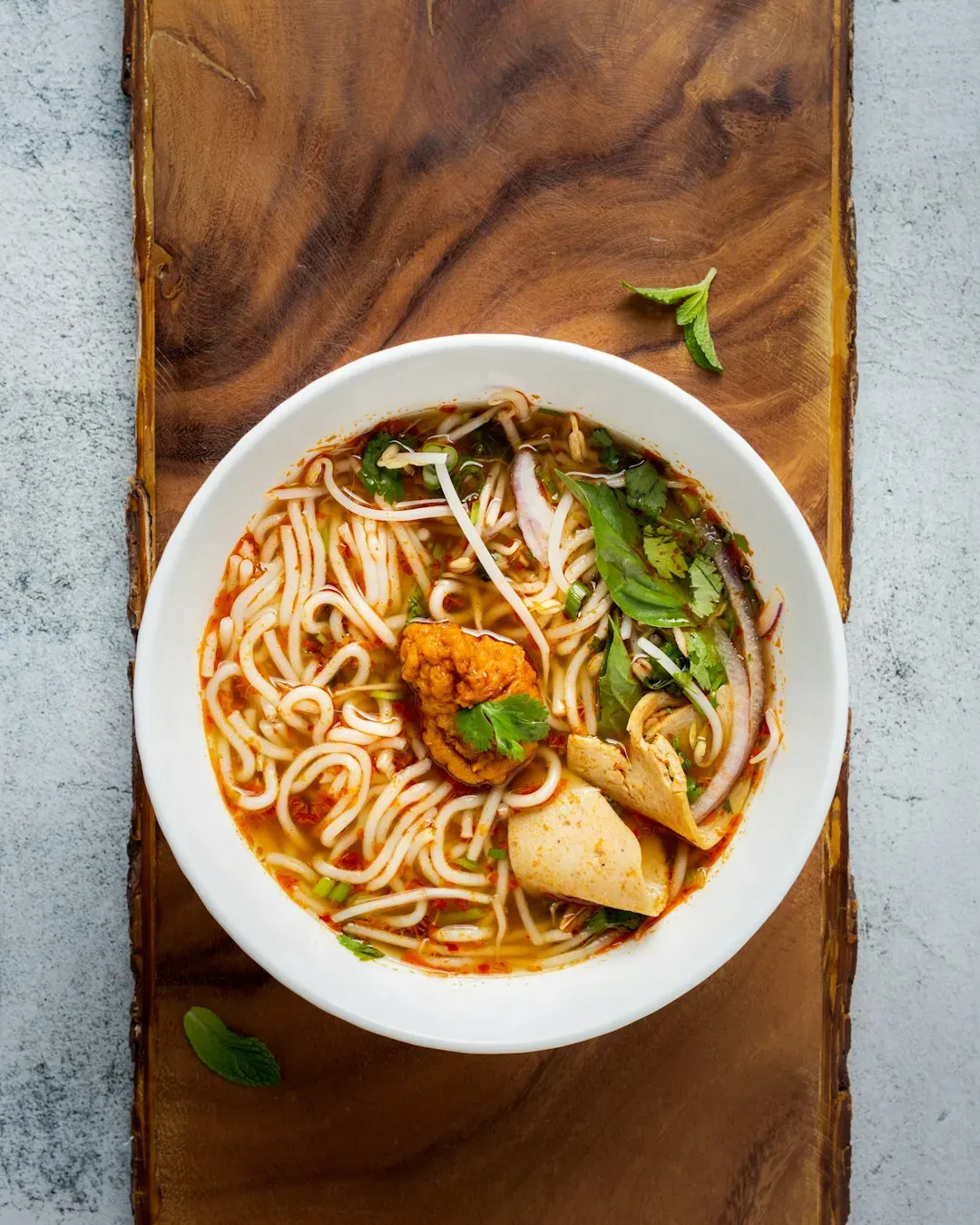
There’s a reason this soup gets handed to anyone who’s sick, tired, or just having a rough week. Warm broth, tender chicken, and soft noodles form a combination that’s easy to digest and easy to love, which is probably why versions of chicken soup appear in cuisines around the world under different names. Jewish penicillin, as it’s affectionately nicknamed in some households, has actual mild anti-inflammatory properties from the vegetables and steam involved, though nobody’s claiming it cures a cold outright.
What keeps it relevant isn’t medicine, though. It’s the fact that a good bowl of chicken noodle soup takes almost no skill to make well. A whole chicken, some carrots, celery, onion, and noodles simmered together produces something better than the sum of its parts, and that kind of low-effort payoff is exactly what keeps people coming back to it.
Grilled cheese and tomato soup

This pairing has become such a fixture of American comfort eating that it barely needs an introduction, yet it’s worth noting why the combination works so well. The acidity in tomato soup cuts through the richness of melted butter and cheese, creating a balance that neither dish achieves fully on its own. It’s a pairing built on contrast, and that contrast is part of why it hasn’t faded from menus at diners and upscale bistros alike.
Grilled cheese itself has quietly evolved without losing its core appeal. Restaurants now experiment with brioche, sourdough, and specialty cheese blends, but the childhood version made with white bread and American cheese remains the benchmark most people compare everything else to. Simplicity, in this case, isn’t a limitation. It’s the entire point.
Meatloaf
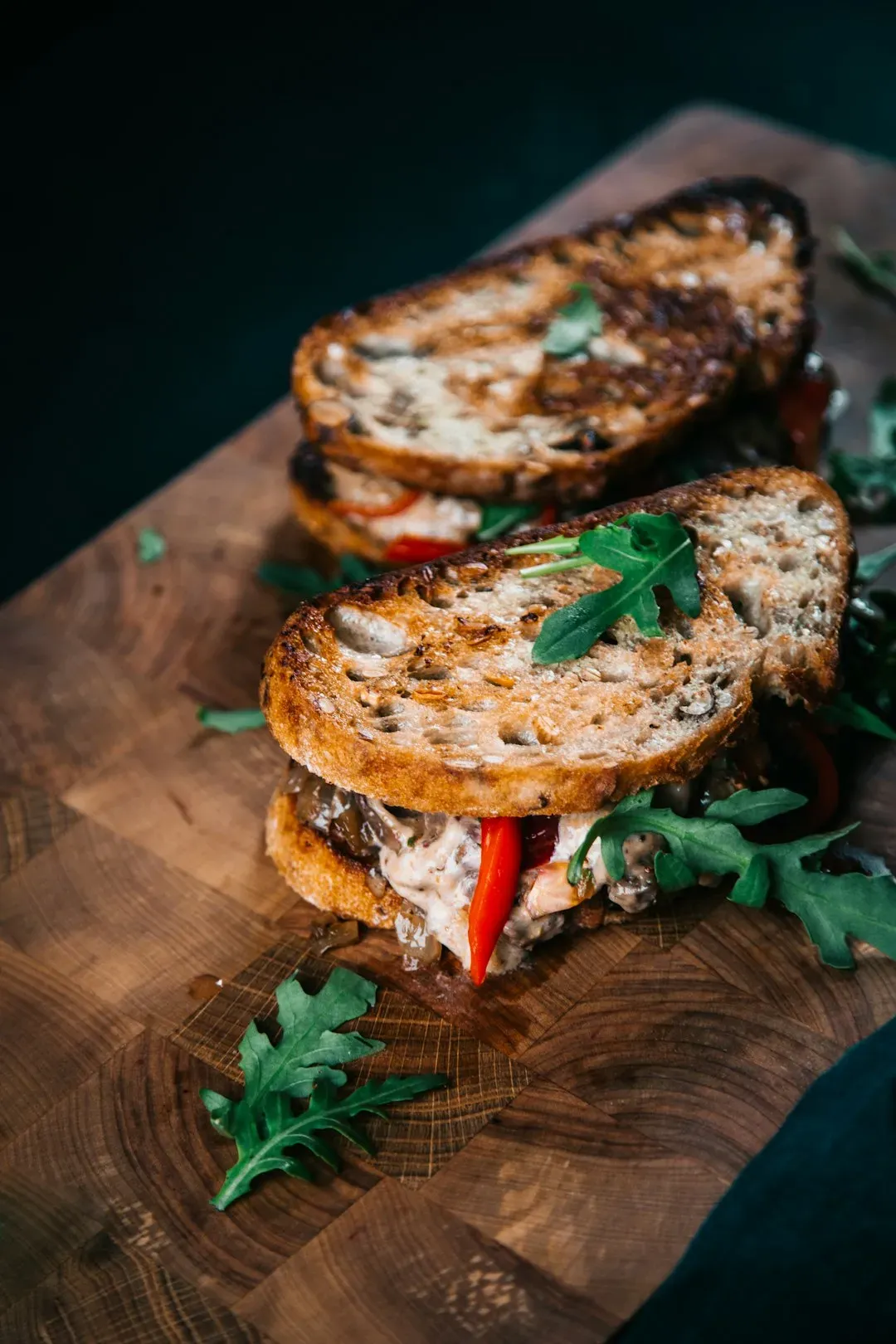
Meatloaf gets a reputation as old-fashioned, and in a sense that’s fair since it really did peak in mid-century American households looking for affordable ways to stretch ground meat. But the dish has never fully disappeared, and recent years have seen a quiet resurgence at restaurants leaning into retro comfort menus. The combination of ground beef, breadcrumbs, egg, and a tangy glaze on top hits a specific kind of savory-sweet note that few other dishes replicate.
Part of its staying power comes from flexibility. Cooks add everything from barbecue sauce to Worcestershire to bacon strips laid across the top, and the base recipe tolerates almost any variation without losing its identity. It’s a dish built for leftovers, too, since meatloaf sandwiches the next day are arguably as beloved as the original serving.
Mashed potatoes

Mashed potatoes hold a strange position in comfort food culture because they rarely stand alone. They’re almost always a supporting dish, yet somehow they’re often the part of the meal people remember most fondly. The texture does a lot of the work here, since a properly made batch with butter and cream lands somewhere between silky and substantial in a way few sides manage.
Regional and family variations abound, from garlic-heavy versions to ones mixed with sour cream or roasted in the skin for extra texture. Thanksgiving tables across the country still treat mashed potatoes as a nonnegotiable centerpiece alongside turkey, and that tradition alone keeps the dish firmly rooted in annual comfort food rotation.
Chili
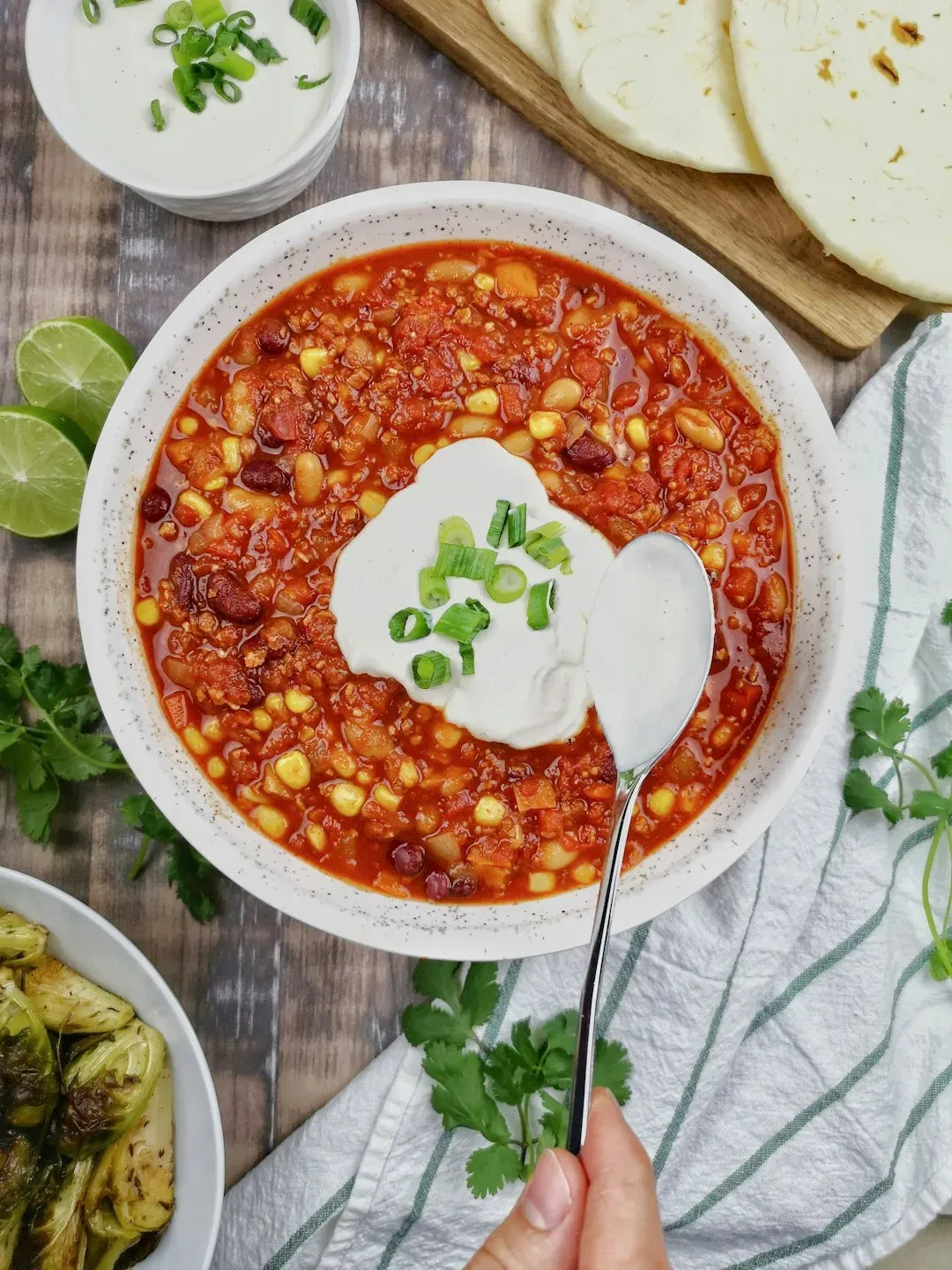
Chili occupies an interesting spot because it’s both a comfort food and a genuine point of regional pride, with Texas, Cincinnati, and various chili societies all claiming their version is the correct one. The dish’s core appeal is its heartiness. A thick, spiced stew of beans, meat, and tomatoes fills a person up in a way that few other single-pot meals manage, and it holds up well as leftovers for days afterward.
Cold weather tends to drive chili sales and searches upward every year, and it remains a staple at tailgates, potlucks, and casual gatherings across the country. Its adaptability, whether vegetarian, extra spicy, or topped with cheese and cornbread, means it keeps finding new audiences even as the basic formula stays largely unchanged.
Rice pudding

Rice pudding doesn’t get the same spotlight as some other comfort desserts, but it has a long, quiet history spanning cultures from India to England to Mexico, each with its own spin on rice cooked slowly in milk with sugar and spices. Cinnamon, vanilla, and sometimes raisins round out most Western versions, giving the dish a warm, mellow sweetness rather than an intense sugar hit. That gentleness is likely why it remains a favorite for people who want dessert without something overly rich.
It also happens to be one of the easier desserts to make from ingredients most kitchens already have on hand. Leftover rice, milk, sugar, and a bit of patience are really all it takes, which explains why so many households have a version passed down through generations rather than pulled from a cookbook.
Beef stew
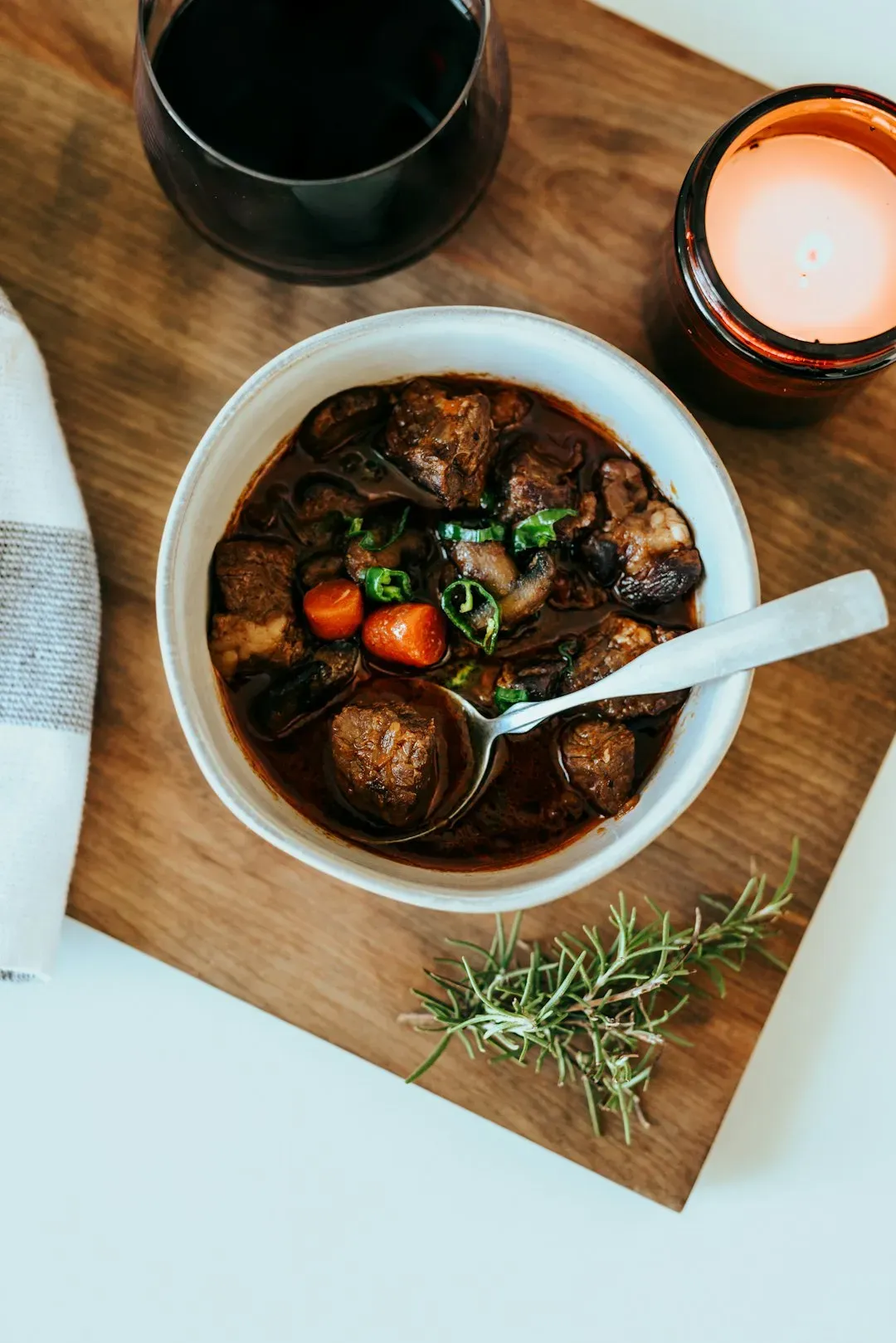
Slow-cooked beef stew earns its comfort food status through patience rather than complexity. Tough cuts of meat, simmered for hours with carrots, potatoes, and onions in a savory broth, become tender in a way that quick cooking methods simply can’t replicate. That transformation, cheap ingredients turning into something rich and satisfying, is part of why the dish has endured through generations of home cooking.
It’s also a practical winter dish, historically tied to using root vegetables and cheaper cuts of meat that stored well through cold months. Modern versions might add red wine or fresh herbs for depth, but the basic method hasn’t changed much. Slow cooking still beats speed when it comes to building real flavor in a pot of stew.
Apple pie
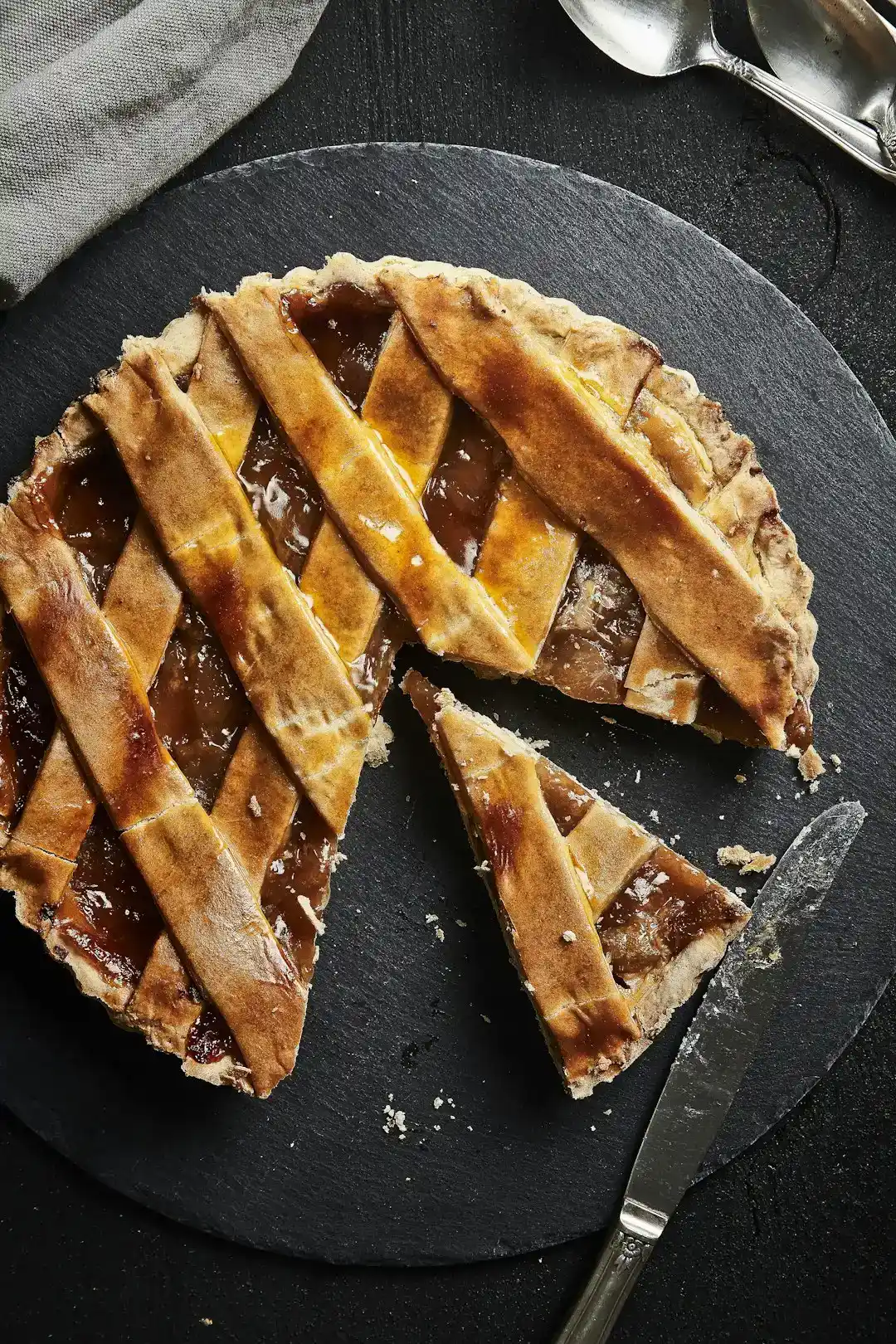
Apple pie carries symbolic weight in American food culture that goes beyond taste alone, though the taste itself explains plenty about why it’s stuck around. A good pie balances tart apples, warm spices like cinnamon and nutmeg, and a buttery, flaky crust, and that balance is harder to nail than it looks. Home bakers and professional pastry chefs alike still treat crust technique as something worth perfecting.
Fall baking season reliably brings a spike in apple pie interest, tied closely to apple harvest timing and holiday gatherings like Thanksgiving. Despite countless trendy dessert alternatives over the decades, apple pie has never really lost its seat at the table, and it remains one of the most searched dessert recipes online every autumn.
Fried chicken
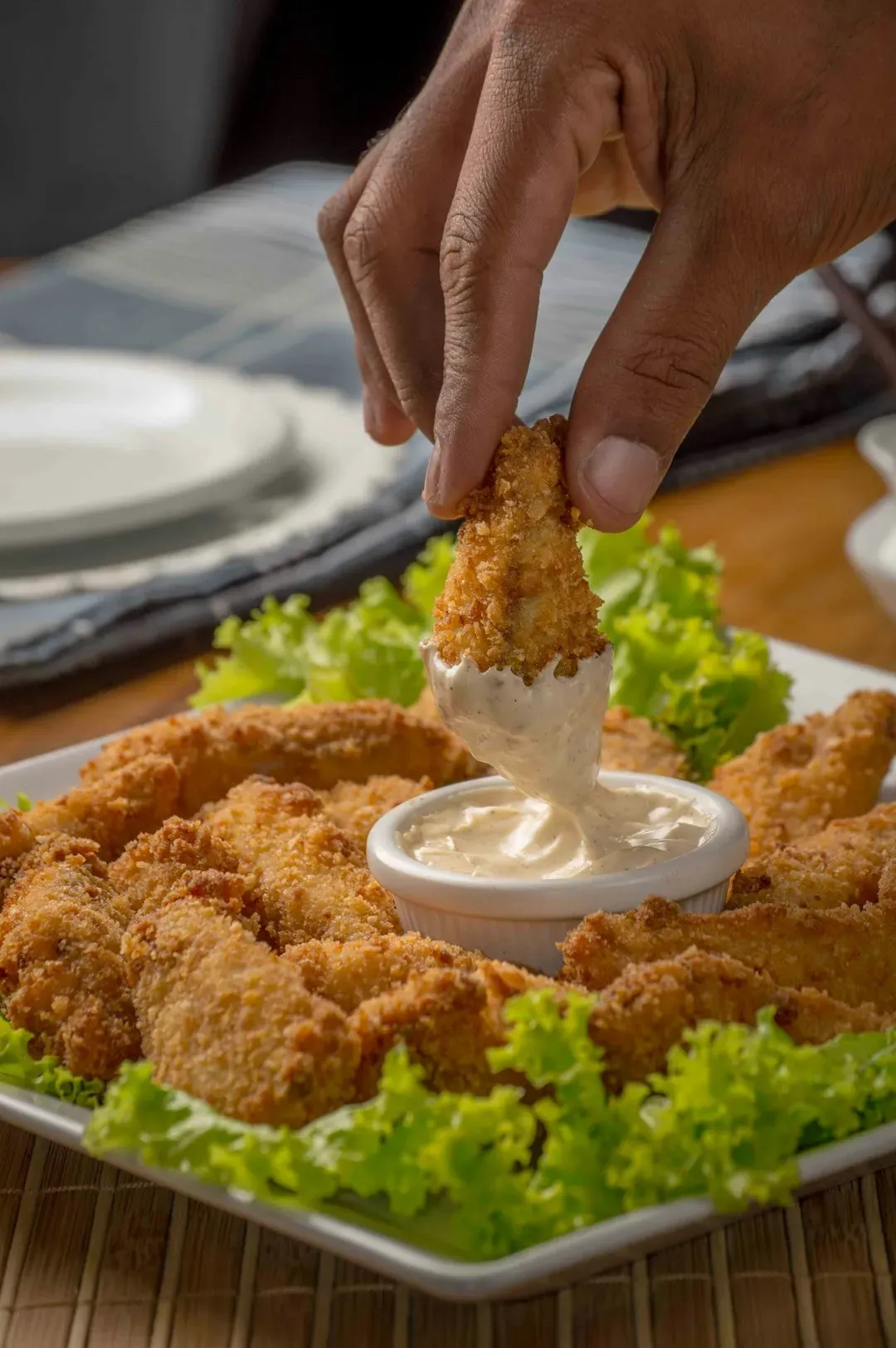
Fried chicken’s appeal is almost universal, showing up in Southern American cooking, Korean fried chicken, Japanese karaage, and countless other regional interpretations, each with its own seasoning and frying technique. What ties all these versions together is the contrast between a crisp, seasoned exterior and juicy meat underneath, a textural payoff that’s hard to replicate with other cooking methods. That contrast is really the whole appeal, and it’s why fried chicken restaurants keep multiplying rather than fading out.
Fast food chains built entire business models around fried chicken, and it remains one of the most consistently popular items across quick-service and sit-down restaurants alike. Home cooks still swear by their own breading techniques, whether it’s buttermilk soaks or double dredging, proving that even a dish this widespread still leaves room for personal tradition.