
A good marinade can turn a plain piece of chicken or a cheap cut of steak into something worth talking about, and it usually takes less effort than people think. The right combination of acid, oil, salt, and aromatics does the heavy lifting while you go about your day. Below are some tried and true marinade styles that consistently deliver without requiring a long list of specialty ingredients.
Table of Contents
Classic soy and garlic marinade
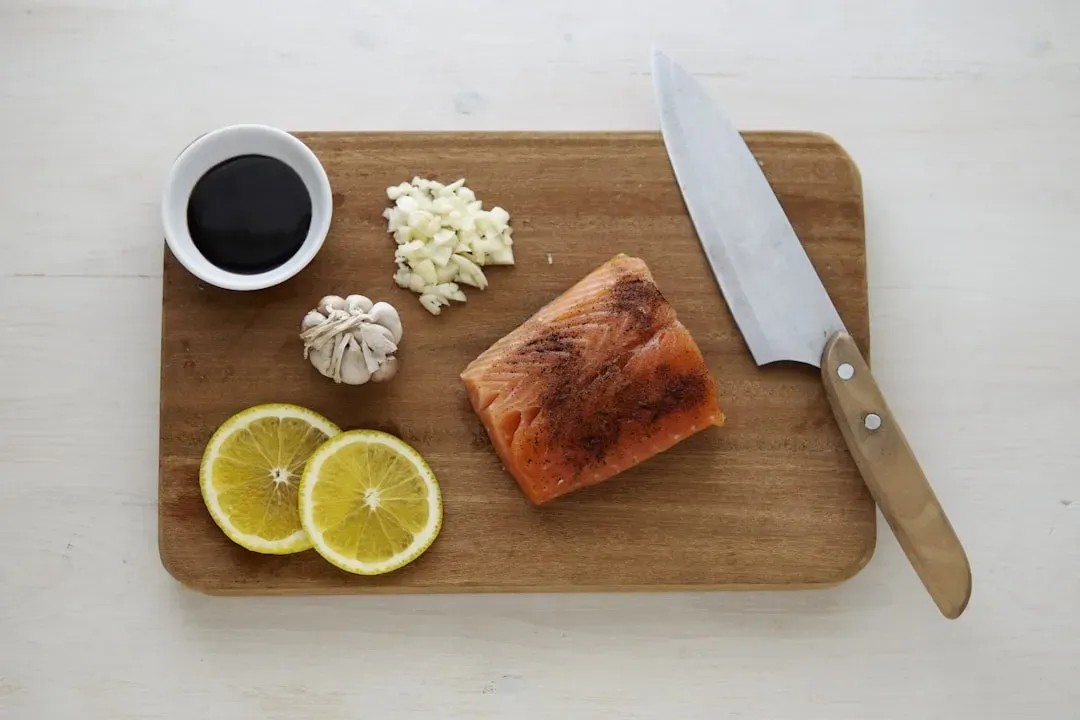
Soy sauce, garlic, and a touch of brown sugar form the backbone of one of the most versatile marinades in home cooking. The salt in soy sauce helps season meat deeply while the sugar balances it out and helps create a nice caramelized surface when grilled or seared. Fresh garlic and a bit of grated ginger add sharpness that keeps the from feeling flat or one-note.
This marinade works particularly well with chicken thighs, flank steak, and pork tenderloin, since the soy sauce helps tenderize while it s. A splash of sesame oil at the end rounds things out with a toasty aroma. Even a thirty minute soak makes a noticeable difference, though a few hours in the fridge gives even better results.
Citrus and herb marinade
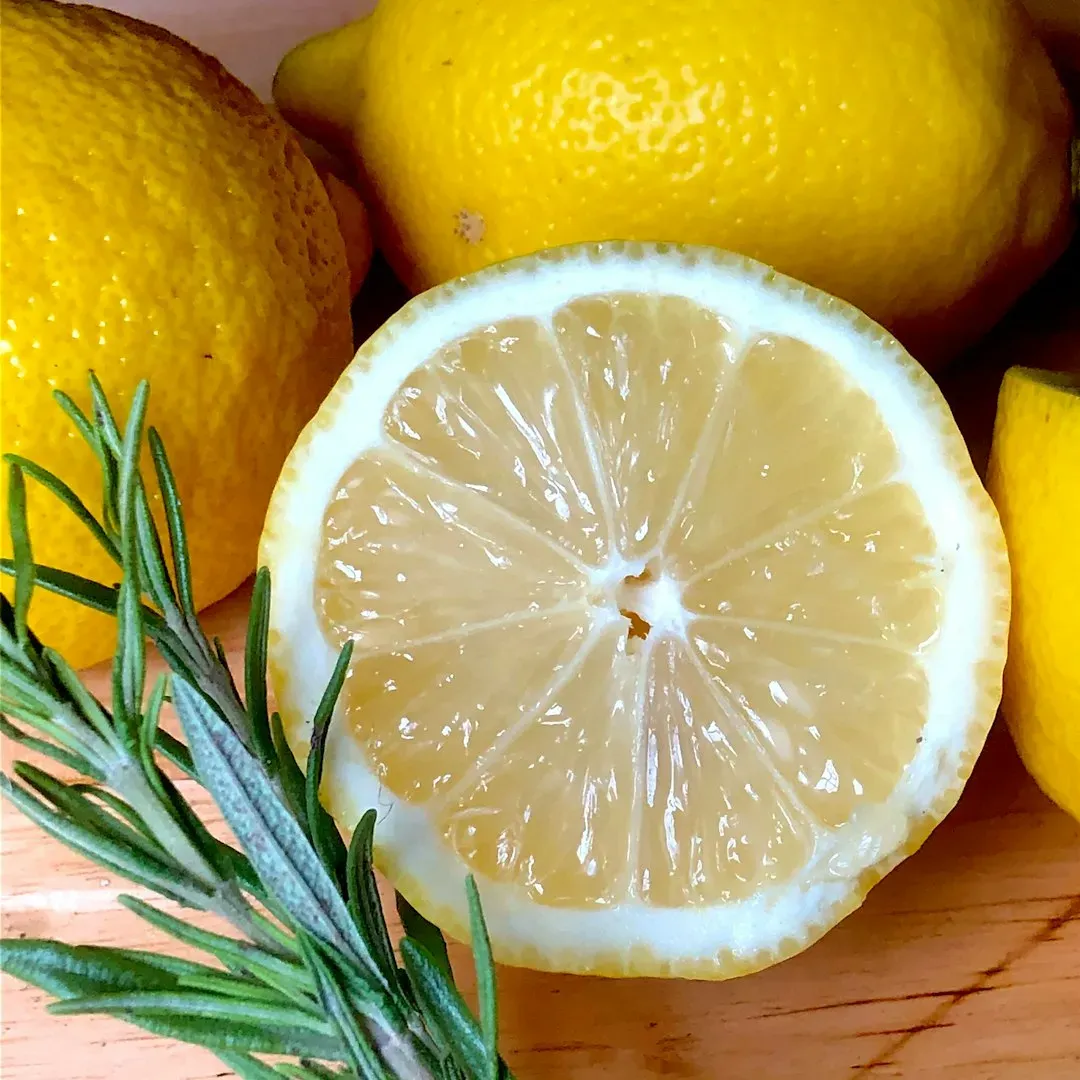
Lemon or lime juice combined with olive oil, garlic, and fresh herbs like oregano or thyme creates a bright, fresh marinade that pairs naturally with chicken and fish. The acid in citrus juice helps break down surface proteins, which is why fish only needs a short soak of fifteen to twenty minutes to avoid turning mushy. Olive oil carries the herb s and helps prevent the meat from drying out during cooking.
This style is common in Mediterranean cooking and works well on grilled vegetables too, not just meat. A pinch of red pepper flakes can add subtle heat without overwhelming the citrus notes. Because the is light, it is a good option for people who want big taste without a heavy or overly salty finish.
Yogurt based marinade
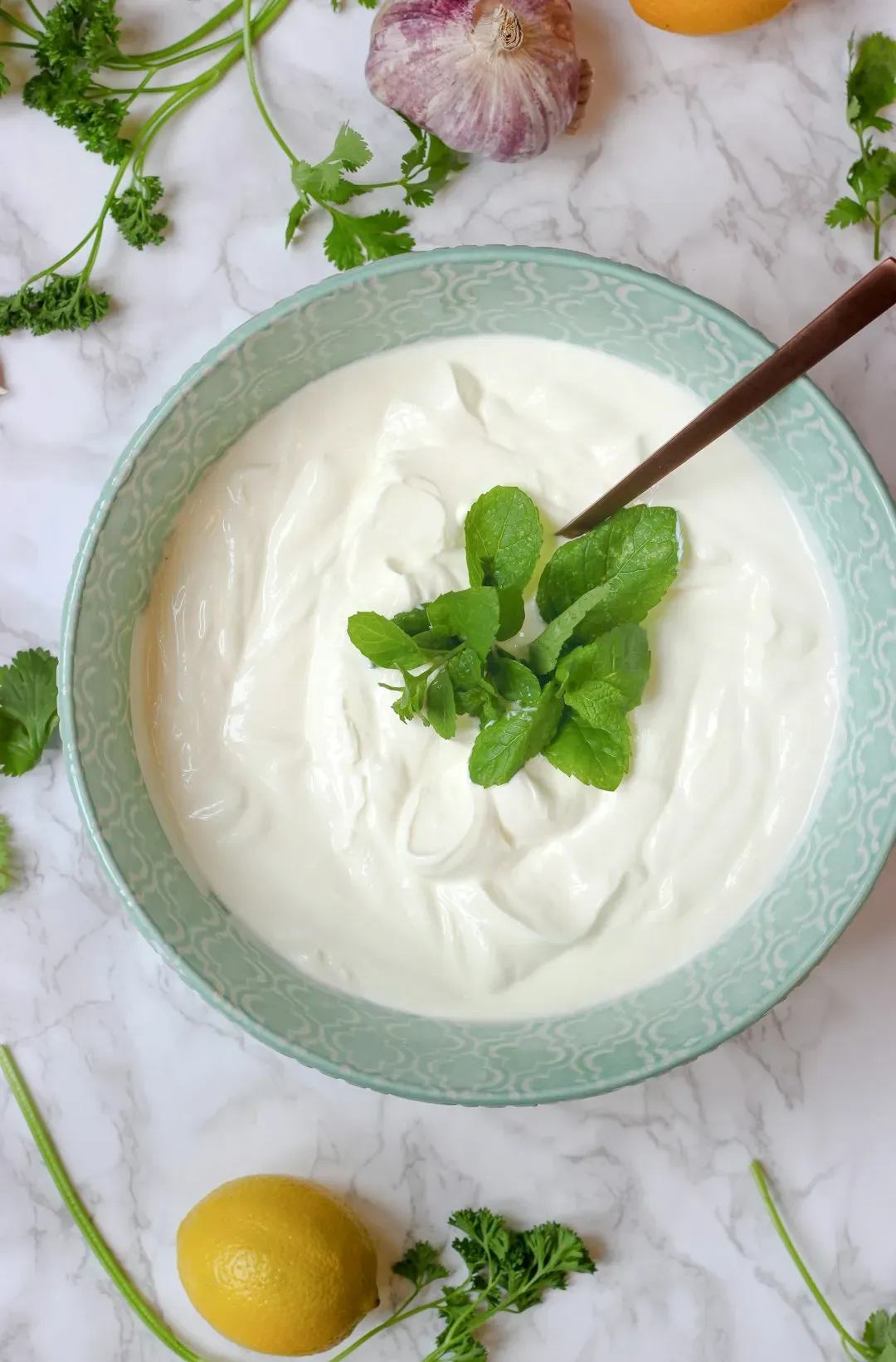
Yogurt marinades are common in South Asian and Middle Eastern cooking, and for good reason. The mild acidity in yogurt is gentler than vinegar or citrus, which means it tenderizes meat without breaking it down too aggressively, making it ideal for longer marinating times of several hours or even overnight. Spices like cumin, coriander, and paprika cling well to the yogurt’s thick texture, coating meat evenly.
This marinade is especially popular for chicken, since yogurt helps keep the meat moist even when cooked at high heat, such as on a grill or under a broiler. Garlic and ginger paste are frequent additions that boost depth without adding extra liquid. The result is meat that stays juicy with a slightly tangy, well seasoned crust.
Balsamic and mustard marinade
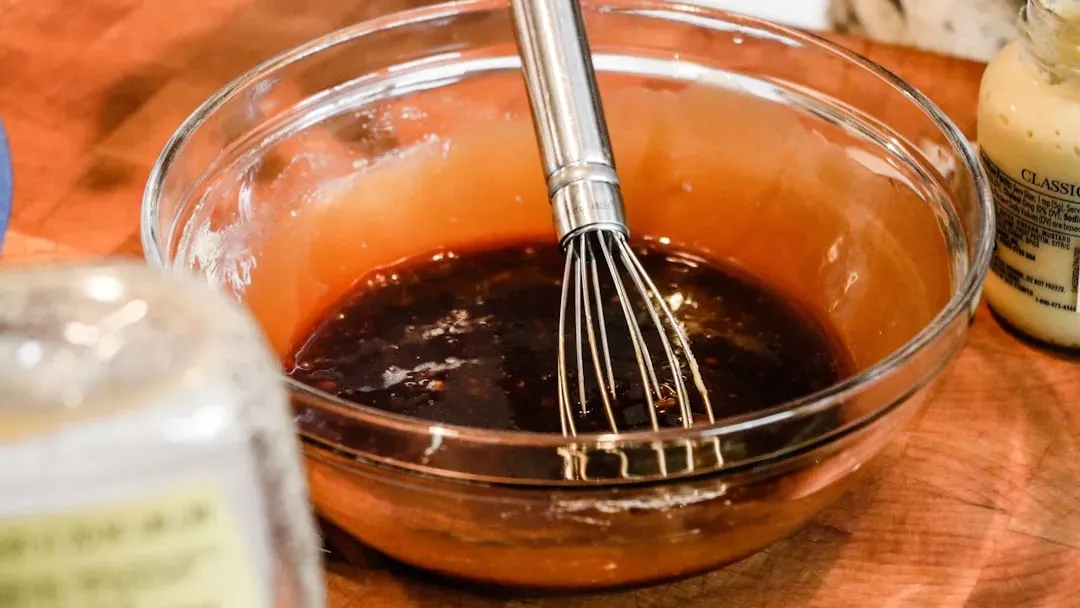
Balsamic vinegar has a natural sweetness that pairs surprisingly well with the sharp bite of mustard, creating a marinade that feels rich without being heavy. A simple mix of balsamic vinegar, whole grain or Dijon mustard, olive oil, and a little honey creates a glossy coating that caramelizes nicely on the grill. This combination works especially well with pork chops and steak, where the sweetness helps offset the richness of the meat.
Because balsamic vinegar is thicker than most other vinegars, it clings to the surface of meat more effectively, which means less marinade is needed overall. A short marinating time of one to two hours is usually enough to build without the vinegar overpowering the dish. Adding fresh rosemary or thyme can round out the profile even further.
Spicy chili and lime marinade
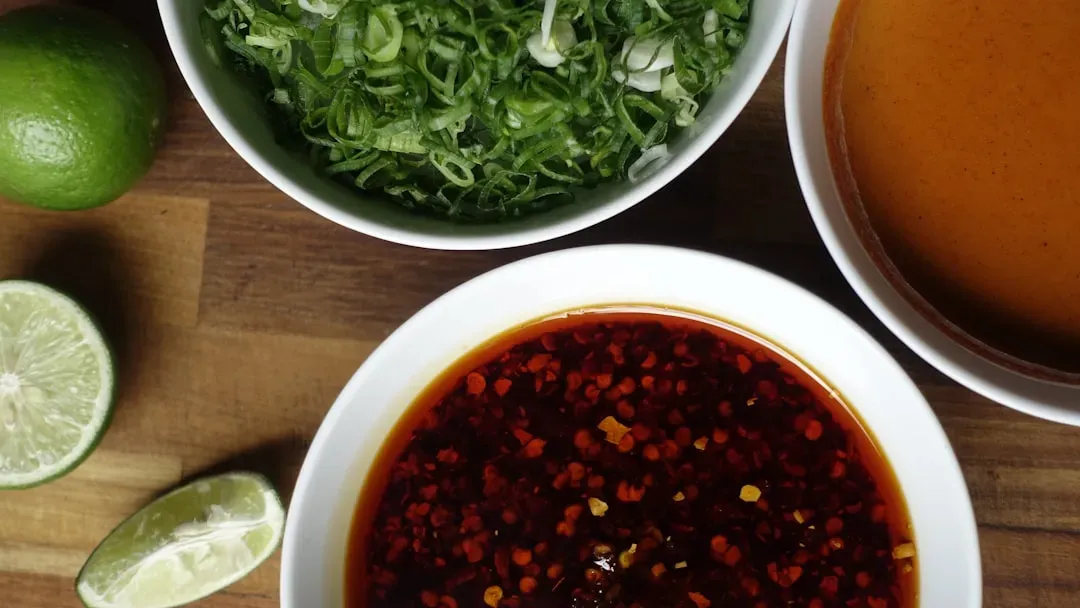
For those who like heat, a marinade built around lime juice, chili powder, and a bit of cumin brings a punchy, vibrant that works especially well with grilled meats used in tacos or fajitas. The acidity from lime juice cuts through the heat just enough to keep the marinade balanced rather than overwhelming. Fresh cilantro stirred in toward the end adds a herbal freshness that complements the spice.
This marinade is a staple in many Mexican and Tex-Mex kitchens because it works on nearly anything, from chicken and shrimp to steak and even tofu. A touch of orange juice can soften the heat slightly while adding a subtle sweetness. Because shrimp and thin cuts of meat cook quickly, a marinating time of fifteen to thirty minutes is usually plenty.
Teriyaki style marinade
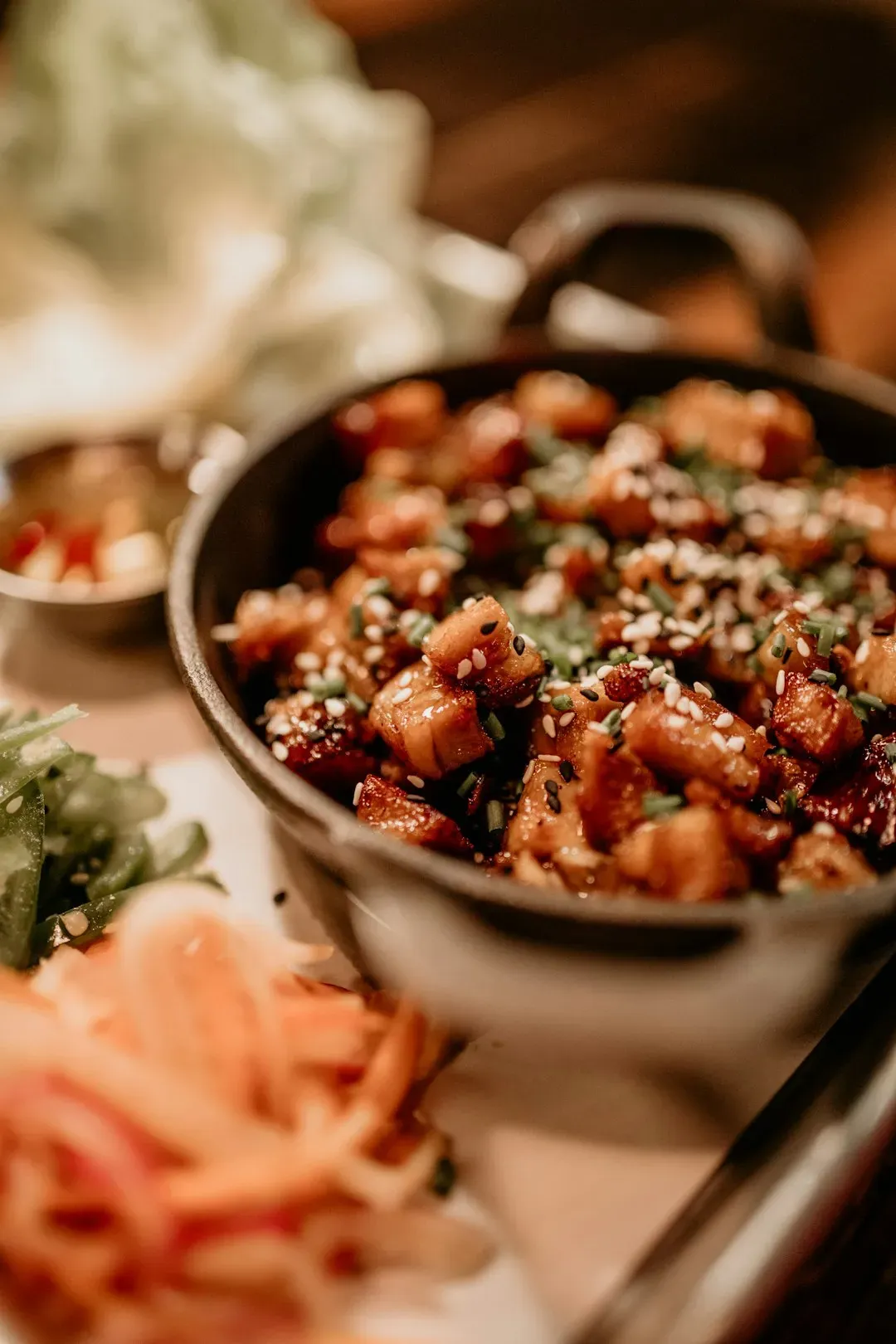
Teriyaki marinades combine soy sauce, mirin or rice vinegar, sugar, and garlic to create a glossy, slightly sweet coating that is especially popular for chicken and salmon. The sugar content helps the marinade caramelize under heat, giving grilled or pan seared meat an appealing sheen and deeper color. Because teriyaki marinades tend to be on the sweeter side, they pair well with a quick sear that locks in without burning the sugars.
This marinade style became widely popular in the United States through Japanese American cooking traditions and has since become a supermarket staple, with bottled versions available in nearly every grocery store. Making it from scratch, however, allows better control over sweetness and salt levels. A few sesame seeds sprinkled on top before serving adds a nice textural finish.
Buttermilk marinade
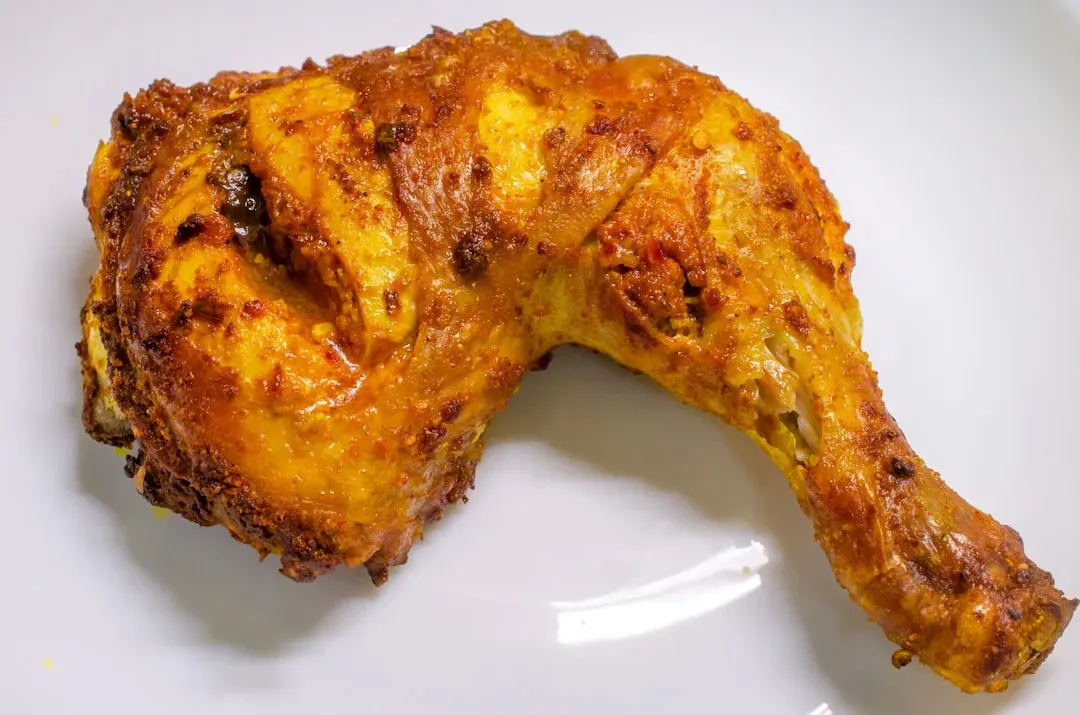
Buttermilk is prized in Southern cooking for its ability to tenderize chicken while keeping it moist, thanks to its mild acidity and the way its proteins interact with meat during marinating. A basic buttermilk marinade with salt, pepper, and a touch of hot sauce is often used as the base for fried chicken, since the buttermilk helps batter or breading adhere more evenly. Longer marinating times, sometimes up to twenty four hours, allow the buttermilk to fully penetrate the meat.
This method works particularly well with tougher cuts like chicken thighs or drumsticks, where the extended tenderizing effect makes the biggest difference. Adding smoked paprika or cayenne to the buttermilk mixture introduces a subtle smokiness or heat. Because buttermilk marinades are thick, they cling well to meat, ensuring consistent with every bite.
Herb and garlic olive oil marinade

Sometimes the simplest marinades are the most effective, and a blend of olive oil, minced garlic, and chopped fresh herbs like rosemary, parsley, or basil proves that point well. This style relies less on acid and more on aromatic infusion, making it a gentler option that works across a wide range of proteins, including beef, lamb, and vegetables. Because there is no strong acid to break down proteins quickly, this marinade can sit for several hours without risking a mushy texture.
The oil helps distribute the herb and garlic s evenly across the surface of the meat while also promoting browning during cooking. Adding a pinch of lemon zest can brighten the mixture slightly without introducing much additional acidity. This marinade is especially popular in Italian and Mediterranean cooking traditions, where herbs are often grown fresh and used generously.
Honey mustard marinade

Honey and mustard create a marinade that balances sweetness with sharpness, making it a reliable choice for pork, chicken, and even salmon. The natural sugars in honey help create a light caramelized crust when the meat hits direct heat, while mustard adds enough acidity to season the meat throughout. A splash of apple cider vinegar can be added to boost the acidity slightly and help tenderize thicker cuts.
This marinade tends to work best with a shorter marinating window, generally between thirty minutes and two hours, since the sugar content can cause quicker browning if left too long before cooking. It is a good option for those who want a marinade with broad appeal, since the sweet and tangy combination tends to be popular across a wide range of palates. Fresh thyme or rosemary can be added for a more herbal note if desired.
Coconut milk marinade
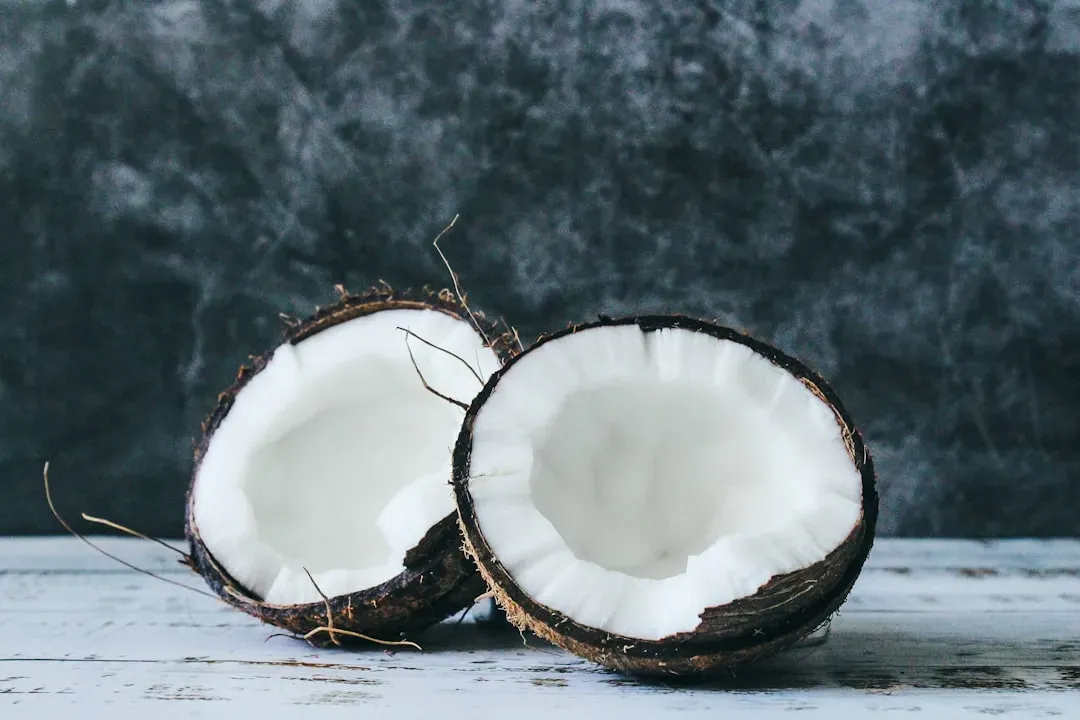
Coconut milk marinades are common in Southeast Asian cooking, particularly in Thai and Indonesian dishes, where the fat content helps carry bold spices like lemongrass, turmeric, and chili deep into the meat. Because coconut milk is rich rather than acidic, it works well for longer marinating times without the risk of the meat becoming overly soft or mushy. This makes it a good option for skewered meats like satay, which benefit from extended contact with the marinade before grilling.
The natural sweetness of coconut milk pairs particularly well with fish sauce and lime juice, creating a marinade that balances sweet, salty, and sour notes at once. Chicken, shrimp, and pork all take well to this style of marinade, especially when grilled over an open flame that lightly chars the coconut sugars. A quick simmer of the marinade afterward can also turn it into a ful dipping sauce.