
There’s a particular kind of relief that comes from opening a lunch container you packed yourself instead of scrolling through a delivery app for the third time that week. Homemade lunches save money, sure, but they also tend to taste better once you get a system down. The trick isn’t fancy equipment or hours of prep, it’s picking a handful of formulas that you can rotate without getting bored.
This list leans into variety on purpose, because nobody wants the same turkey sandwich every single day for a year. Some of these work straight from the fridge, others need five minutes with a microwave, and a few are worth making in batches on a Sunday afternoon.
Table of Contents
Grain bowls that actually hold up
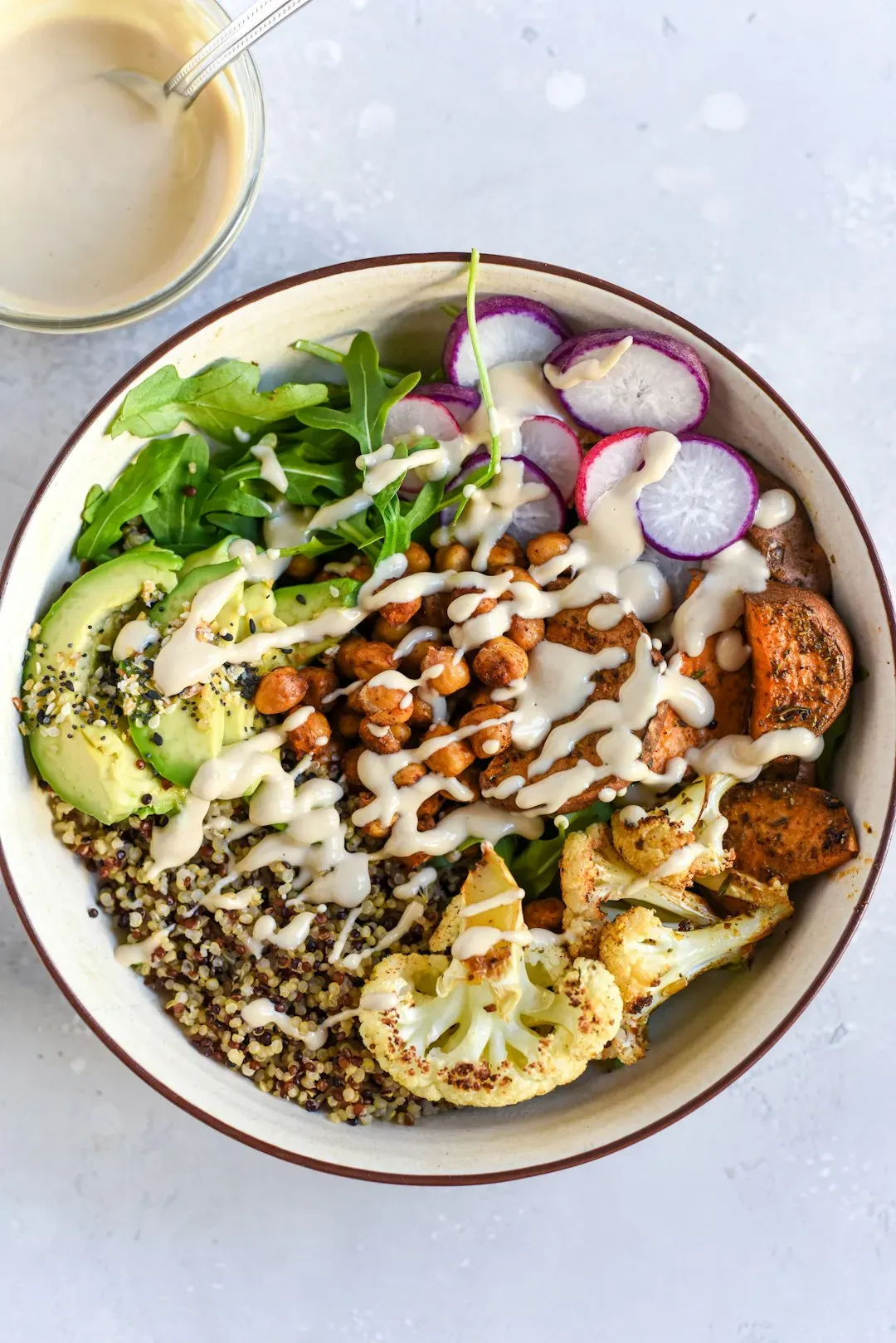
Grain bowls have become a lunch staple for a reason: they’re endlessly customizable and they travel well in a sealed container. Start with a base like farro, quinoa, or brown rice, then layer on roasted vegetables, a protein, and a sauce that won’t turn everything mushy by noon. The key is keeping wet ingredients like dressing separate until you’re ready to eat, which is a small habit that makes a big difference in texture.
A good grain bowl also reheats decently, unlike a lot of cold lunches, so it works whether you’re eating at a desk or heating it up in a break room. Chickpeas, grilled chicken, or baked tofu all work as the protein anchor. Adding something crunchy, like toasted seeds or thinly sliced radish, keeps the whole thing from feeling one-note.
Sandwiches that go beyond the basics
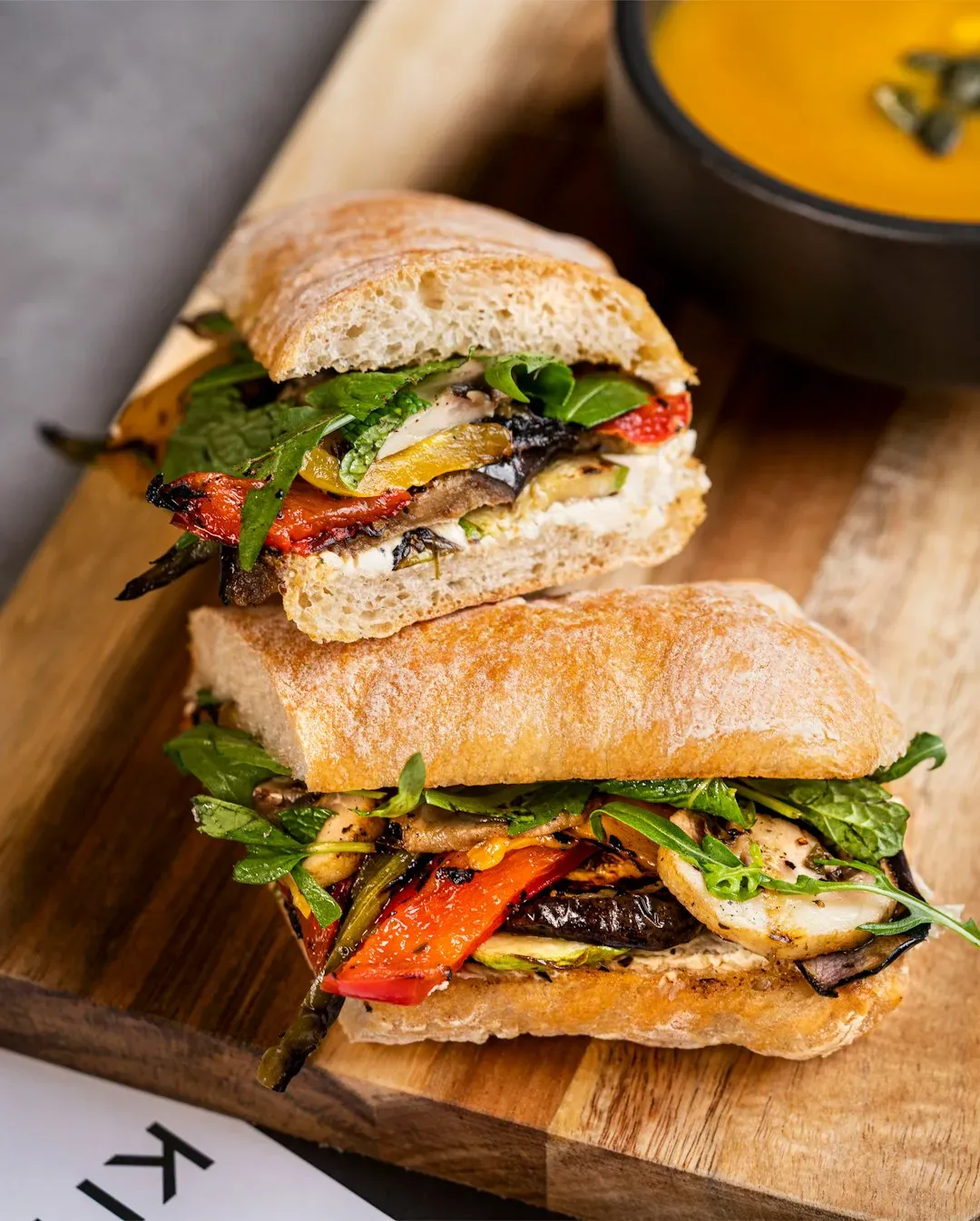
The classic sandwich gets a bad reputation for being boring, but that’s usually a preparation problem, not a concept problem. Toasting the bread lightly before assembly helps it resist getting soggy from tomatoes or dressing, and layering lettuce right against the bread on both sides creates a moisture barrier for wetter fillings. Swapping in something like a fig jam with sharp cheese, or a curried chicken salad, turns a sandwich from filler food into something you actually look forward to.
Wrapping sandwiches tightly in parchment or wax paper rather than just tossing them in a container also helps them keep their shape until lunchtime. For heartier appetites, a thicker bread like a ciabatta roll holds up better under multiple layers than soft sandwich bread. Cutting the sandwich right before packing, rather than the night before, keeps the cut edges from drying out.
Soups and stews for slower days
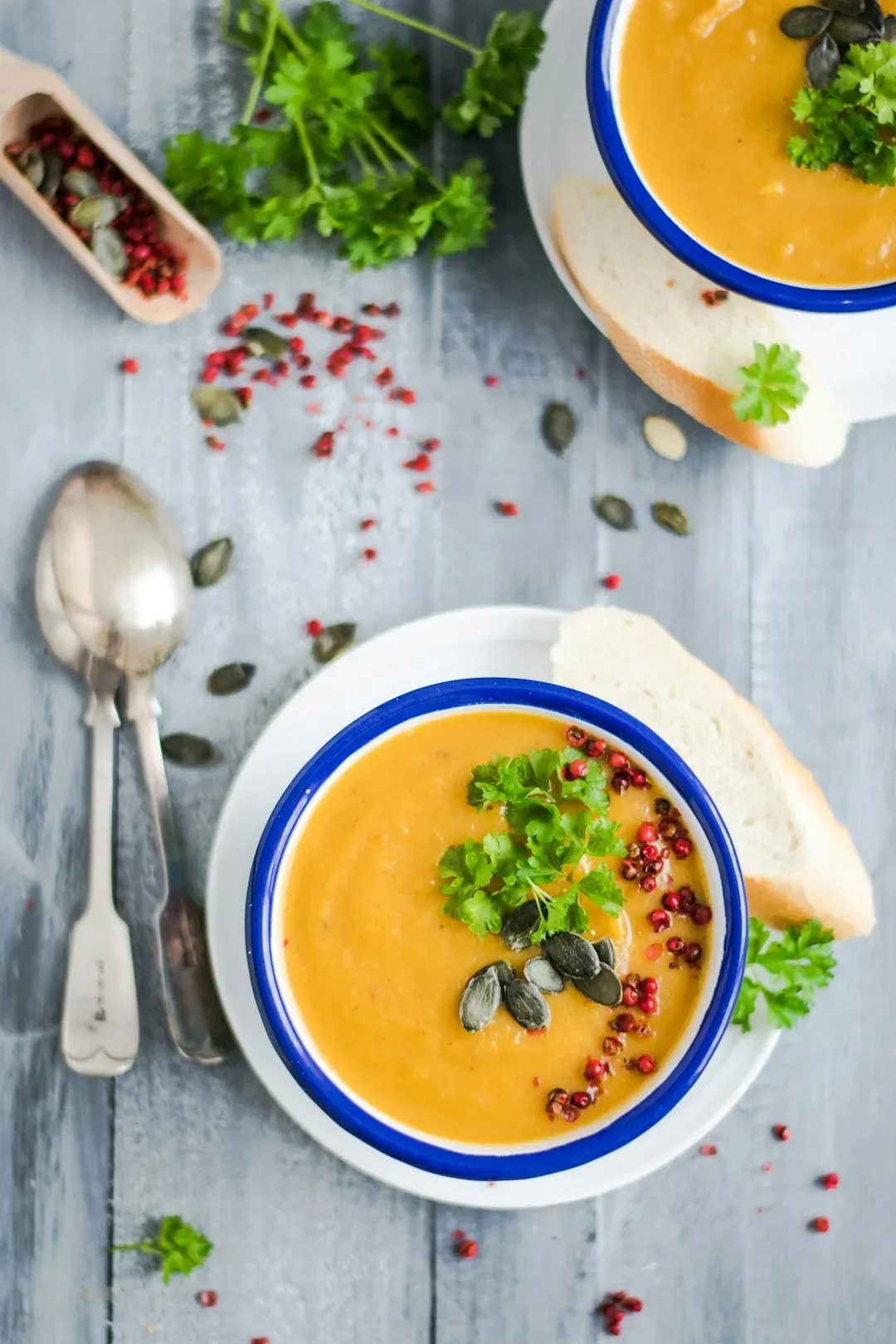
Soup might be the most underrated lunch option simply because people assume it’s inconvenient. In reality, a big batch of lentil soup, minestrone, or chicken and vegetable stew can be portioned into individual containers and frozen, then thawed the night before. This kind of lunch prep turns one cooking session into a week or two of ready meals with almost no extra effort.
Soups also tend to improve with a day or two of sitting, since the flavors have more time to meld together. A splash of something bright, like lemon juice or vinegar, added right before eating can wake up a soup that’s been sitting in the fridge. For anyone working near a microwave, this category is one of the easiest to keep in steady rotation through the colder months.
Salads built to survive the fridge
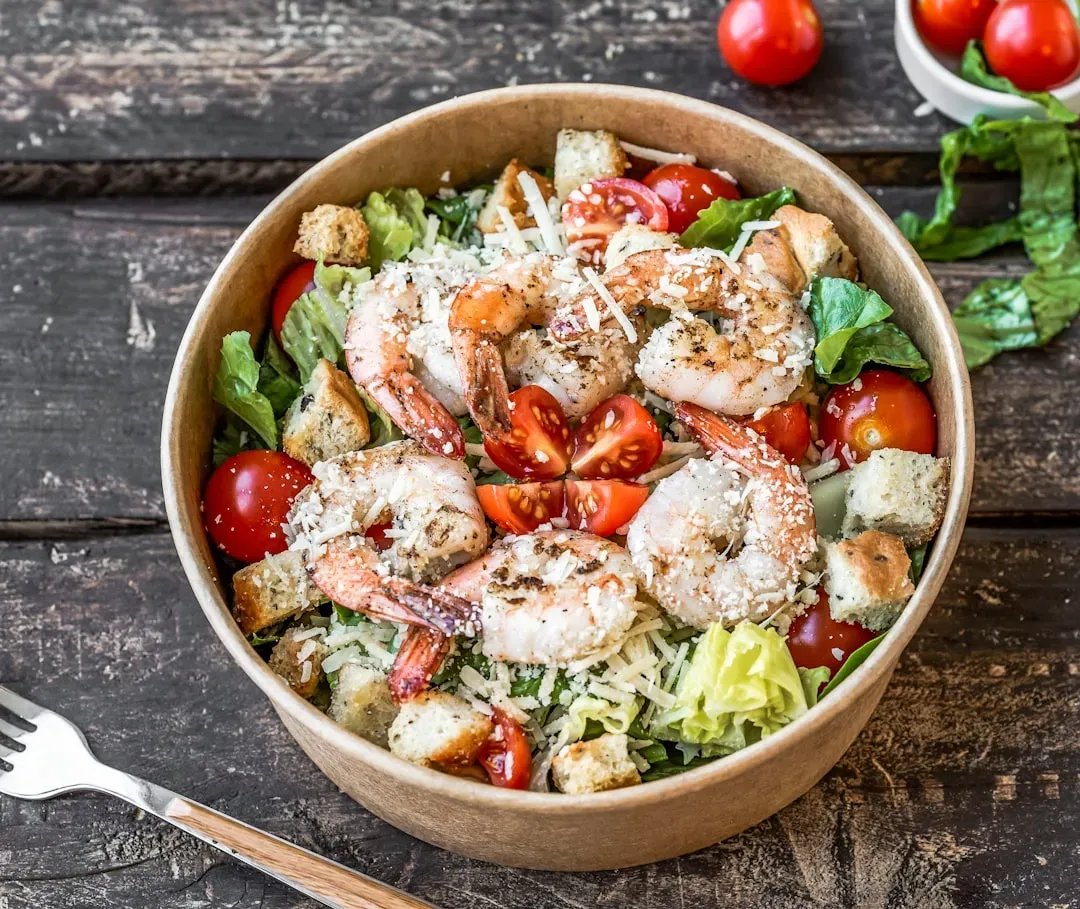
The biggest complaint about packed salads is that they turn into a wilted mess by the time lunch rolls around, but that’s almost always a layering issue. Putting dressing at the very bottom of the container, followed by hardier vegetables, then grains or protein, and finally delicate greens on top keeps everything crisp until it’s shaken or tossed right before eating. This layering trick is one of the simplest upgrades anyone can make to their lunch routine.
Sturdier greens like kale or cabbage hold up far better overnight than delicate spinach or arugula, so they’re worth reaching for when prepping a few days in advance. Adding roasted nuts or seeds right before eating, rather than packing them in from the start, keeps their crunch intact. A well-built salad can genuinely rival a hot meal in satisfaction when it’s built with a mix of textures.
Wraps and rolls for grab and go mornings
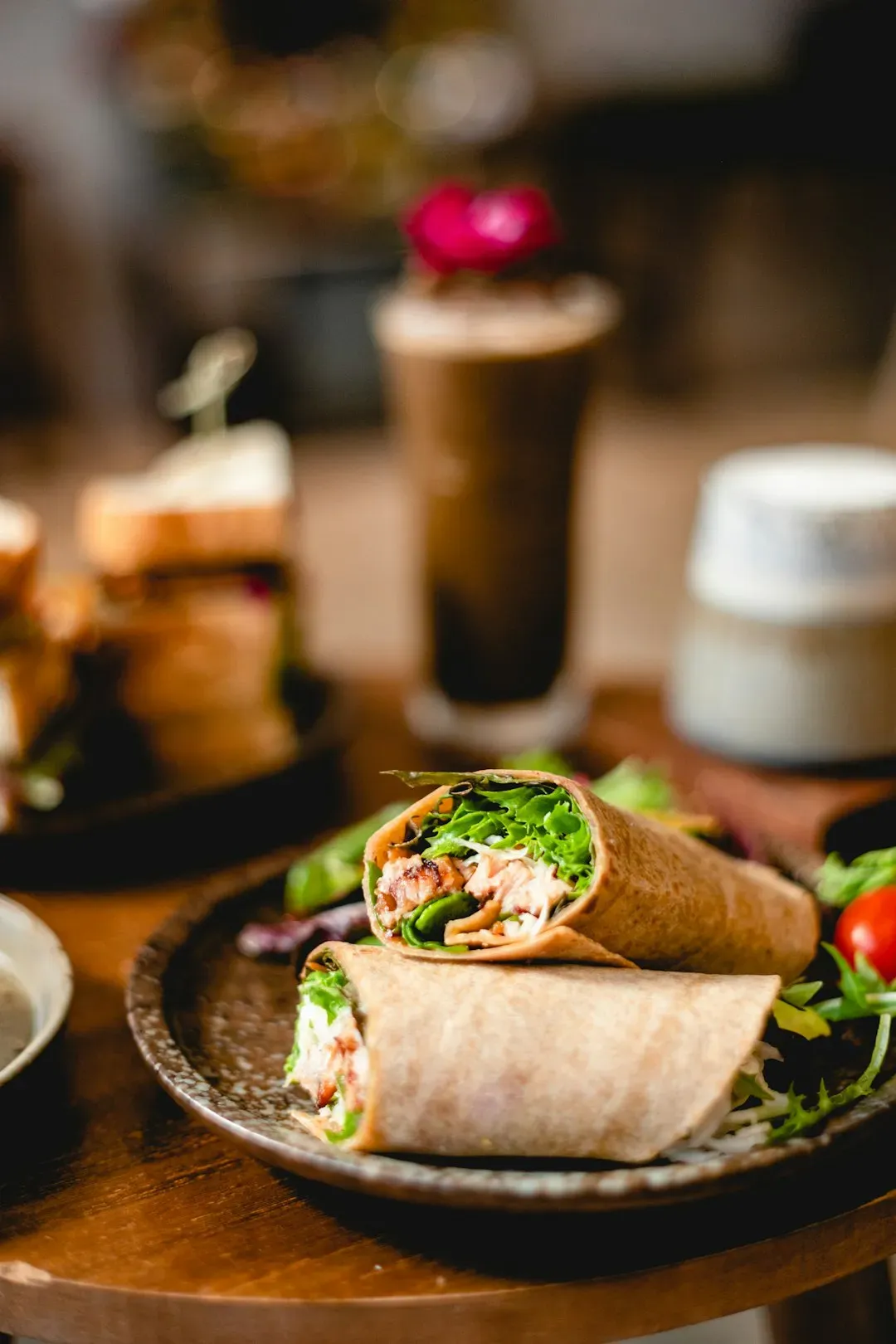
Wraps solve a specific problem: they’re portable in a way that bowls and salads sometimes aren’t, especially for anyone eating lunch on the move. A tortilla filled with hummus, roasted vegetables, and a protein like grilled chicken or falafel makes for a filling, mess-free meal. Rolling it tightly and wrapping it in foil helps it keep its shape through a backpack or lunch bag.
Rice paper rolls are a lighter alternative, filled with vermicelli noodles, herbs, and shrimp or tofu, served alongside a small container of dipping sauce. These take a little more patience to assemble than a basic wrap, but they store well and offer a refreshing change of pace from heavier lunches. Either version benefits from being made fresh within a day or two, since the wrapper itself can dry out or get tough if it sits too long.
Pasta and noodle salads that don’t get boring
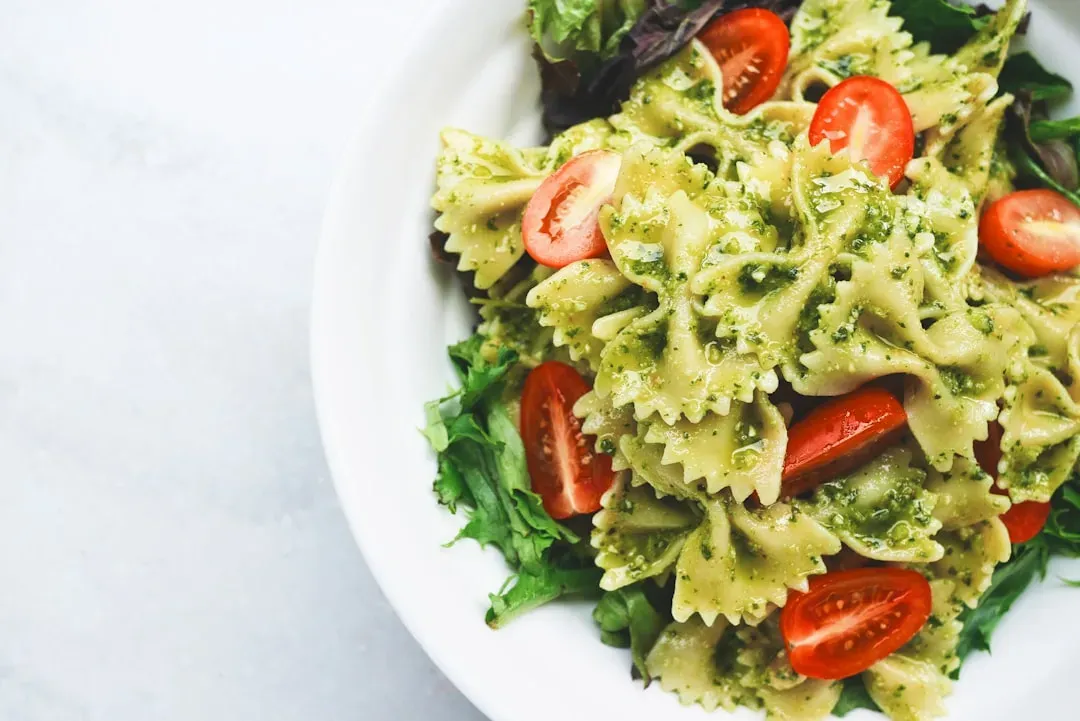
Cold pasta salads often get dismissed as potluck food, but a well-made version is genuinely one of the more satisfying lunches to pack. Tossing cooked pasta with olive oil right after draining prevents it from clumping, and adding vegetables, cheese, and a vinaigrette-based dressing rather than a mayonnaise-based one keeps it from feeling heavy after a few hours in the fridge. Orzo, rotini, and farfalle all hold their shape well for this kind of dish.
Asian-style noodle salads, built around soba or rice noodles with a sesame or peanut dressing, offer a different flavor direction that’s easy to rotate in. These dishes actually taste better cold or at room temperature, which makes them ideal for lunches that sit for a few hours before eating. Adding fresh herbs like cilantro or mint right before eating keeps the dish tasting bright instead of muted.
Turning last night’s dinner into today’s lunch
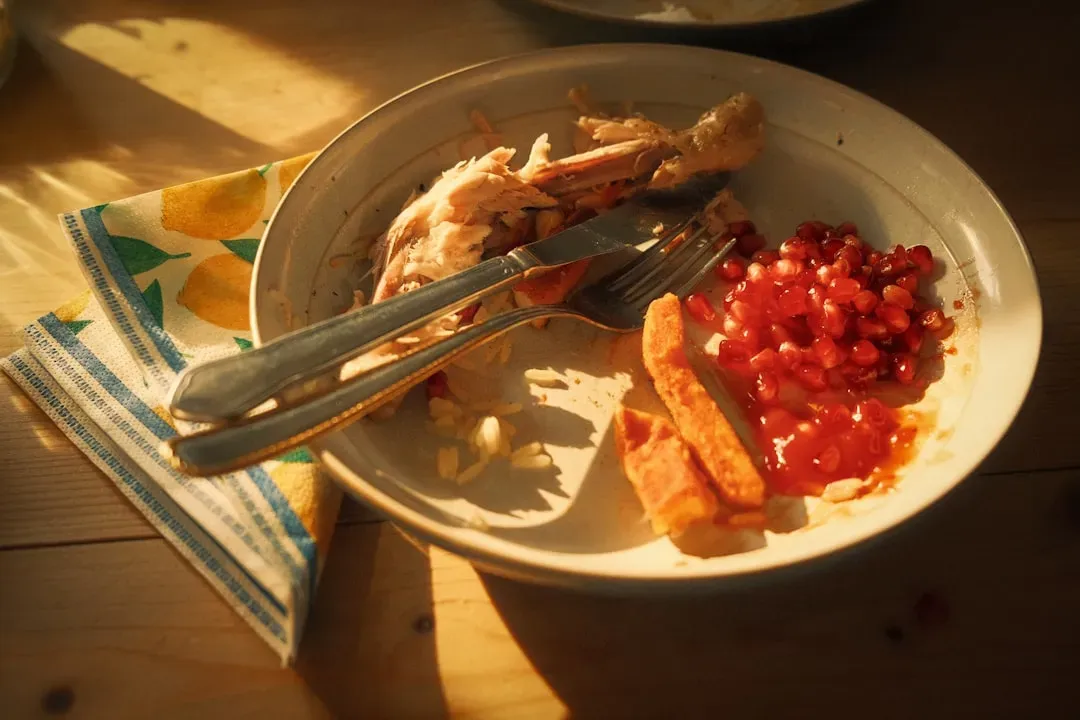
Leftovers remain one of the most efficient lunch strategies simply because the cooking work is already done. Roasted vegetables from dinner can become the base of a grain bowl, and leftover roasted chicken can be shredded into a wrap or tossed into a salad. This kind of repurposing takes maybe five minutes and keeps food waste down at the same time.
The trick to making leftovers feel like a fresh meal rather than a repeat is changing the format. Dinner served over rice one night can become a filling for a wrap the next day, or a stew can be thinned out and served over toast instead of in a bowl. Small changes like a new sauce or a different bread go a long way toward making the same ingredients feel like a different meal entirely.
Bento style boxes for portion control
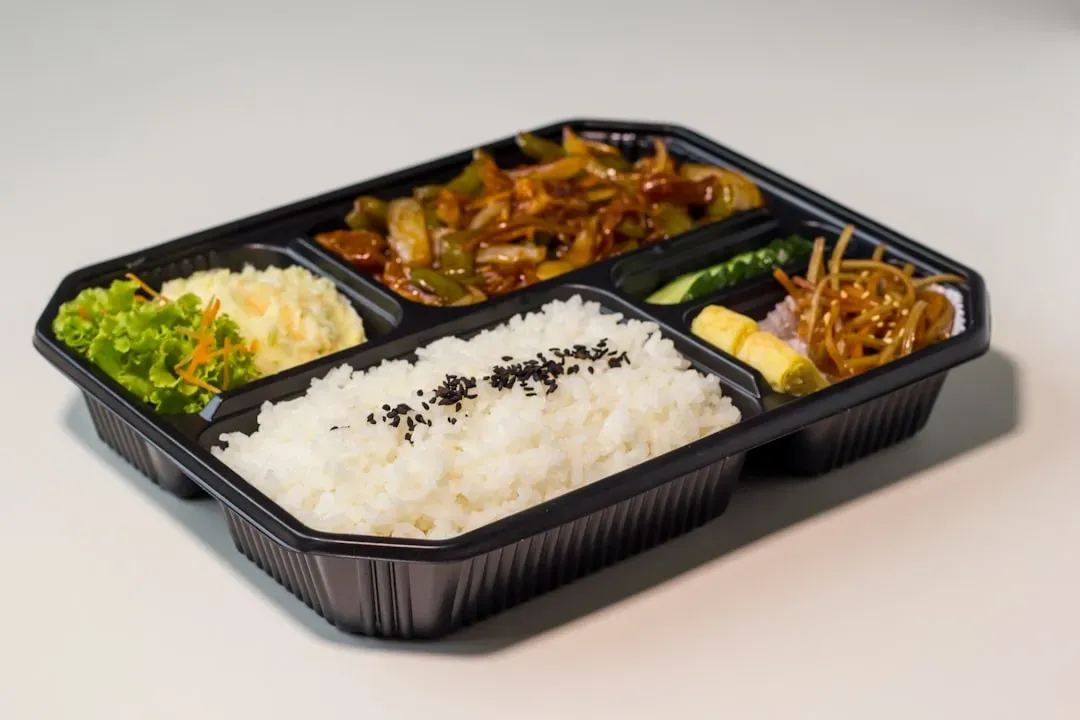
Bento-style lunches, built around small compartments rather than one big dish, have grown in popularity partly because they naturally encourage variety and portion balance. A typical box might include a protein, a grain, a vegetable, and something small like fruit or a few crackers, each in its own section. This format also makes it easier to pack ahead, since each component can be prepped separately and assembled the morning of.
The visual appeal of a well-organized bento box is part of its charm, but the practical benefit is just as important: nothing gets soggy because nothing is touching. Rice, in particular, keeps its texture far better in this format than when it’s mixed directly into a wetter dish. For anyone new to lunch prep, this style is one of the more forgiving places to start since mistakes in one compartment don’t ruin the rest.
Breakfast foods that work just as well at noon
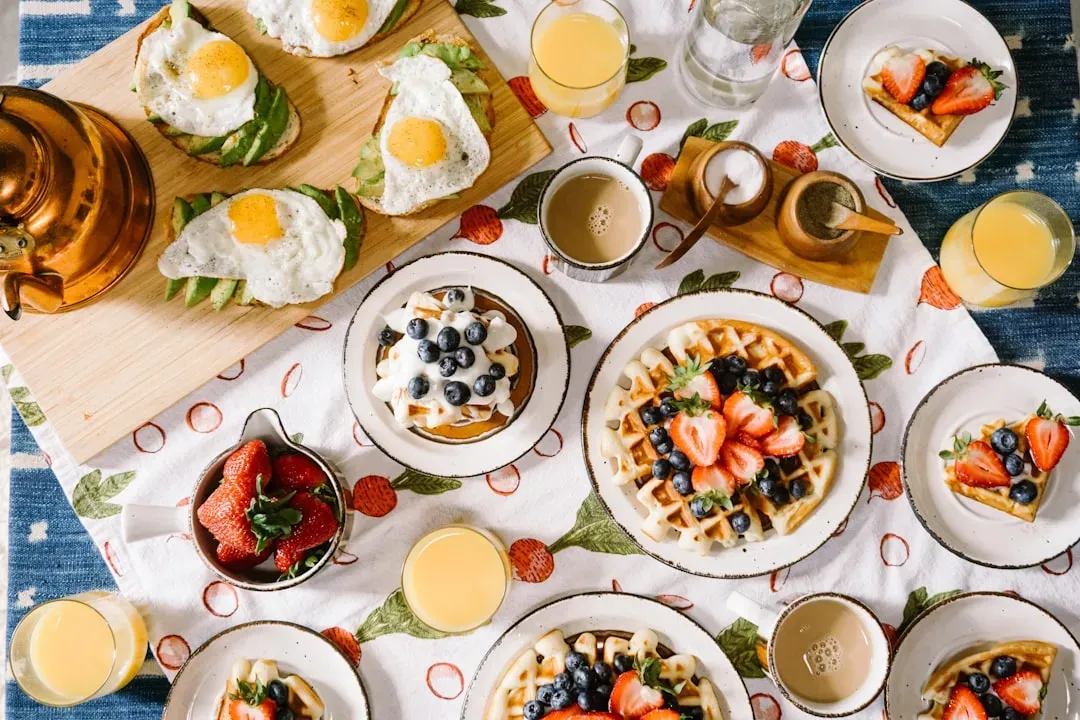
There’s no real rule that lunch has to look different from breakfast, and some of the most satisfying midday meals borrow directly from morning food. A frittata made with vegetables and cheese can be baked once and sliced into portions for several days of lunches, eaten cold or reheated. Overnight oats, usually thought of as a breakfast item, work just as well as a lunch when paired with something more substantial like nuts or nut butter for staying power.
Breakfast burritos, assembled with eggs, beans, and vegetables and wrapped tightly in foil, freeze remarkably well and reheat in just a couple of minutes. This makes them a practical option for anyone who wants a lunch ready before they even think about what to eat that day. Treating breakfast foods as fair game for lunch opens up a whole category of quick, protein-forward meals that often get overlooked.
Final thoughts on building a lunch routine
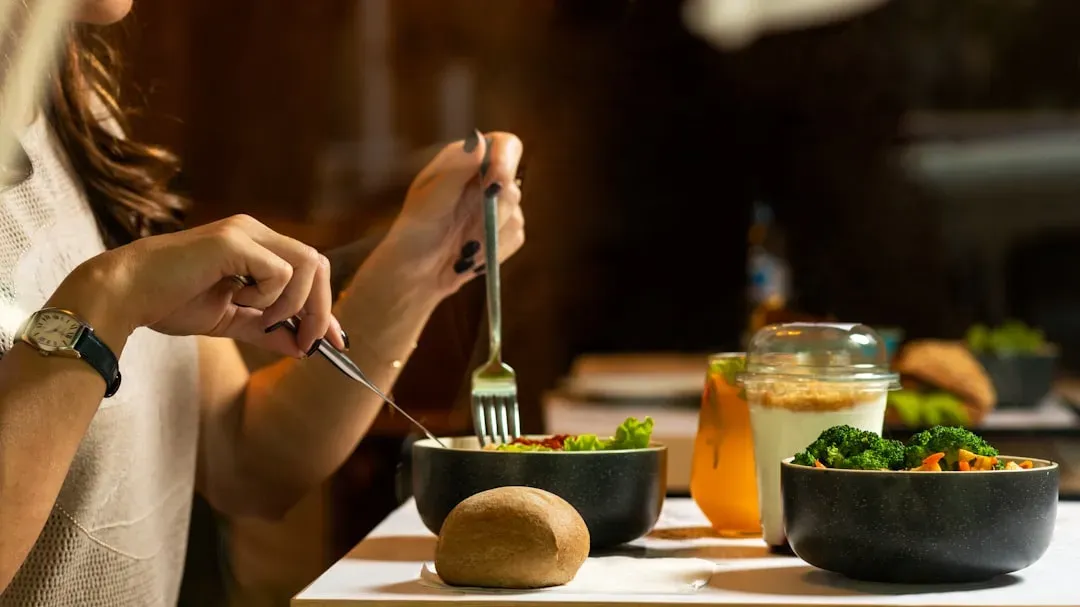
None of these require a complicated setup, just a willingness to rotate between a few reliable formats instead of leaning on the same single option out of habit. Grain bowls, sturdy salads, soups, and repurposed leftovers can cover most of a week with very little extra effort once the basic techniques are in place. The real value of a homemade lunch isn’t just the money saved, it’s the small, steady satisfaction of eating something you actually chose and made yourself.