
There’s something different about a Sunday afternoon that stretches out with nowhere urgent to be. The light shifts slower, the kitchen feels less like a task and more like a place to linger. These are the recipes built for exactly that pace, dishes that reward patience rather than punishing you for it.
None of these require professional skills or rare ingredients. What they do ask for is time, and a little willingness to let something simmer, braise, or rise while you do something else entirely, like read a book or watch the rain.
Table of Contents
Slow-Braised Short Ribs
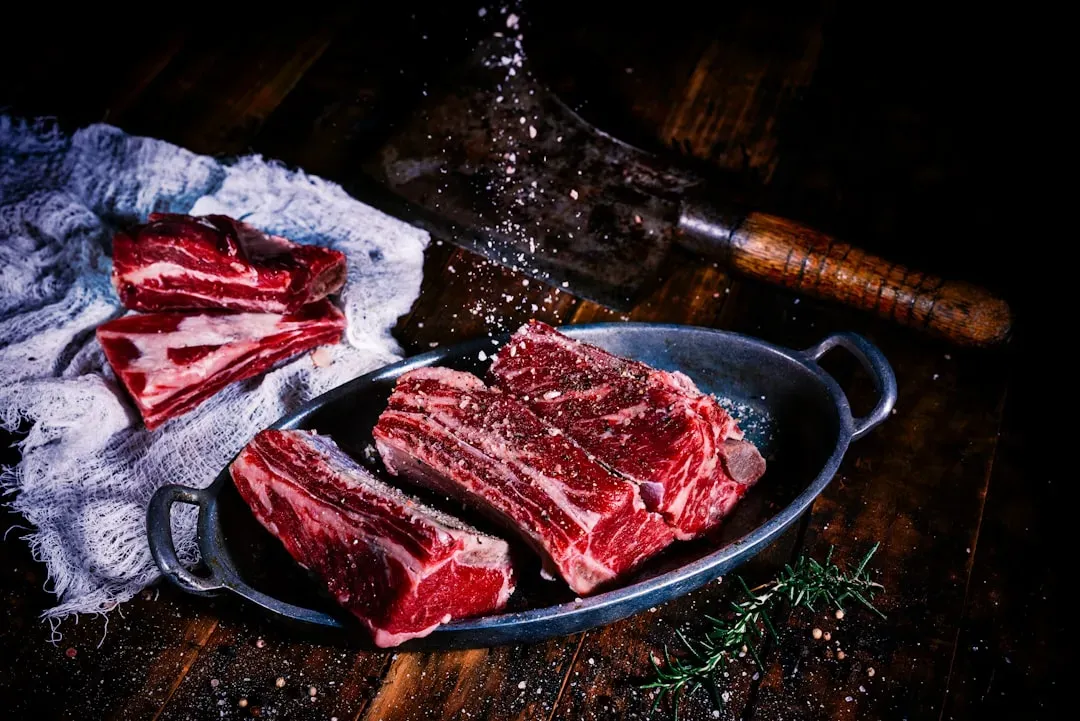
Short ribs are one of those cuts that transform completely with low, steady heat. Braising them for three to four hours in red wine, stock, and aromatics breaks down the connective tissue until the meat practically falls off the bone. The process is largely hands-off once the pot goes into the oven, which makes it ideal for a Sunday when the kitchen doesn’t need constant attention.
What makes this dish worth the wait is the sauce that forms underneath, thickened by collagen and deepened by whatever vegetables you’ve tucked in around the meat. Carrots, onions, and celery are the classic base, though some cooks add a splash of balsamic vinegar near the end for brightness. Serve it over mashed potatoes or polenta to soak up every bit of the liquid.
Homemade Sourdough Bread
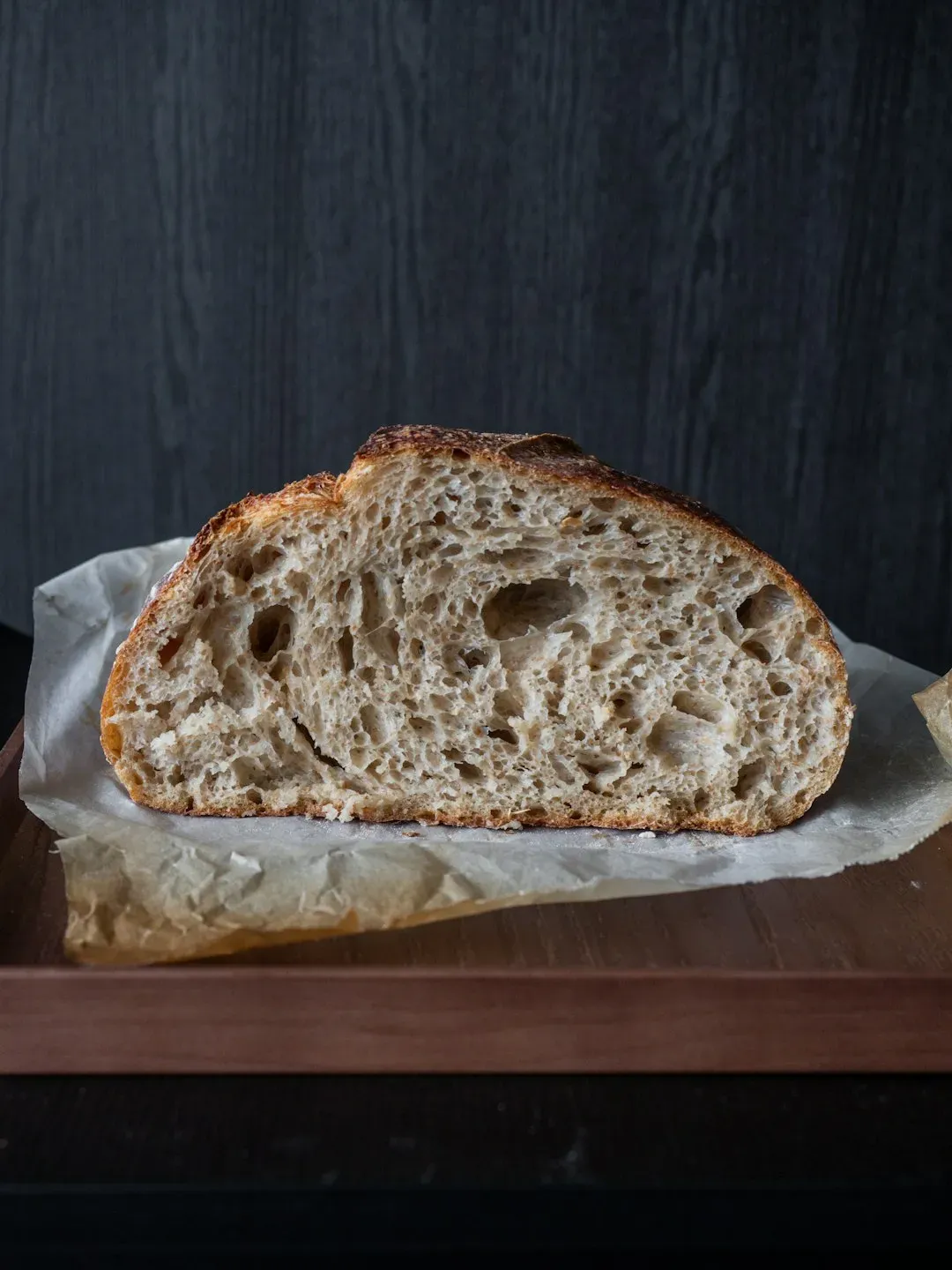
Sourdough has remained a steady favorite among home bakers well into 2026, partly because the process itself fits so naturally into a slow day. A proper loaf needs a fed starter, a long bulk fermentation, and often an overnight rest in the fridge before baking. None of these steps demand your full attention, just your presence in the house.
The reward is bread with a genuinely different texture and flavor than anything from a store shelf, thanks to the wild yeast and bacteria that develop over hours rather than minutes. A cast iron Dutch oven helps mimic a professional steam environment, giving the crust that deep color and audible crackle when it cools. It’s a project that turns flour, water, and salt into something worth slowing down for.
Classic French Onion Soup
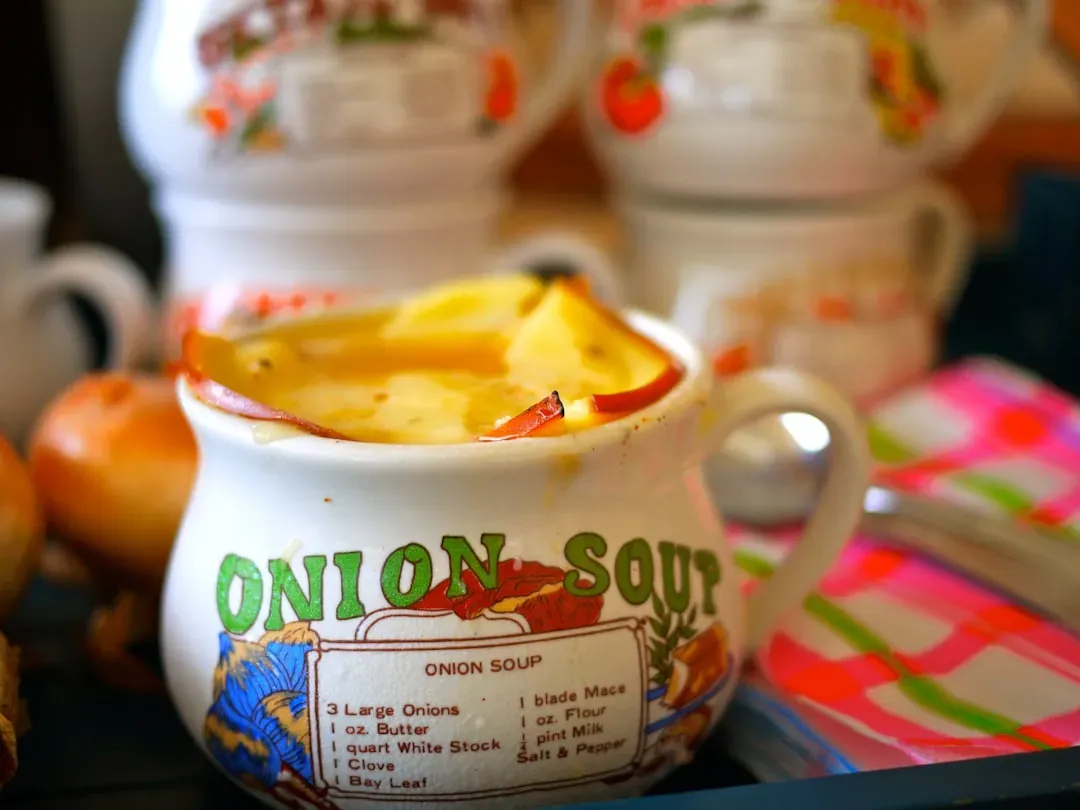
The real secret to good French onion soup isn’t the broth or the cheese, it’s the onions themselves. Caramelizing several pounds of thinly sliced onions properly takes forty-five minutes to an hour of slow, patient stirring over low heat, well beyond what most weeknight cooks are willing to spend. That time is what turns sharp raw onion into something sweet, deep, and almost jammy.
Once the onions are done, the rest comes together quickly with beef stock, a splash of dry sherry or white wine, and a sprig of thyme. The final broil under a slice of toasted bread and melted Gruyère is the fast, satisfying finish to an otherwise unhurried process. It’s a soup that tastes like effort, because it genuinely is.
Slow-Roasted Whole Chicken
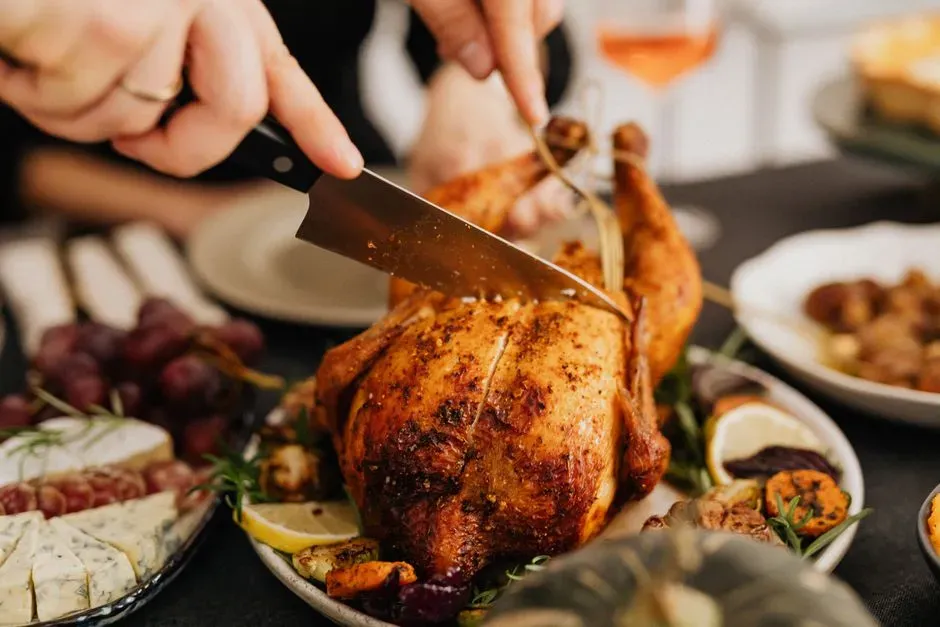
Roasting a whole chicken at a lower temperature, around three hundred to three hundred twenty five degrees Fahrenheit, for close to two hours produces noticeably more tender meat than a quick high-heat roast. The extended cooking time allows the fat to render slowly and baste the meat from within, rather than searing the outside before the inside catches up. A simple herb butter rubbed under the skin adds flavor without much extra work.
This is a dish that fills the house with smell long before it’s ready, which is part of the appeal on a slow Sunday. Resting the chicken for fifteen minutes after it comes out of the oven matters just as much as the cooking itself, letting the juices redistribute through the meat. Leftovers, if there are any, make excellent sandwiches or a quick soup the next day.
Rustic Beef Bourguignon
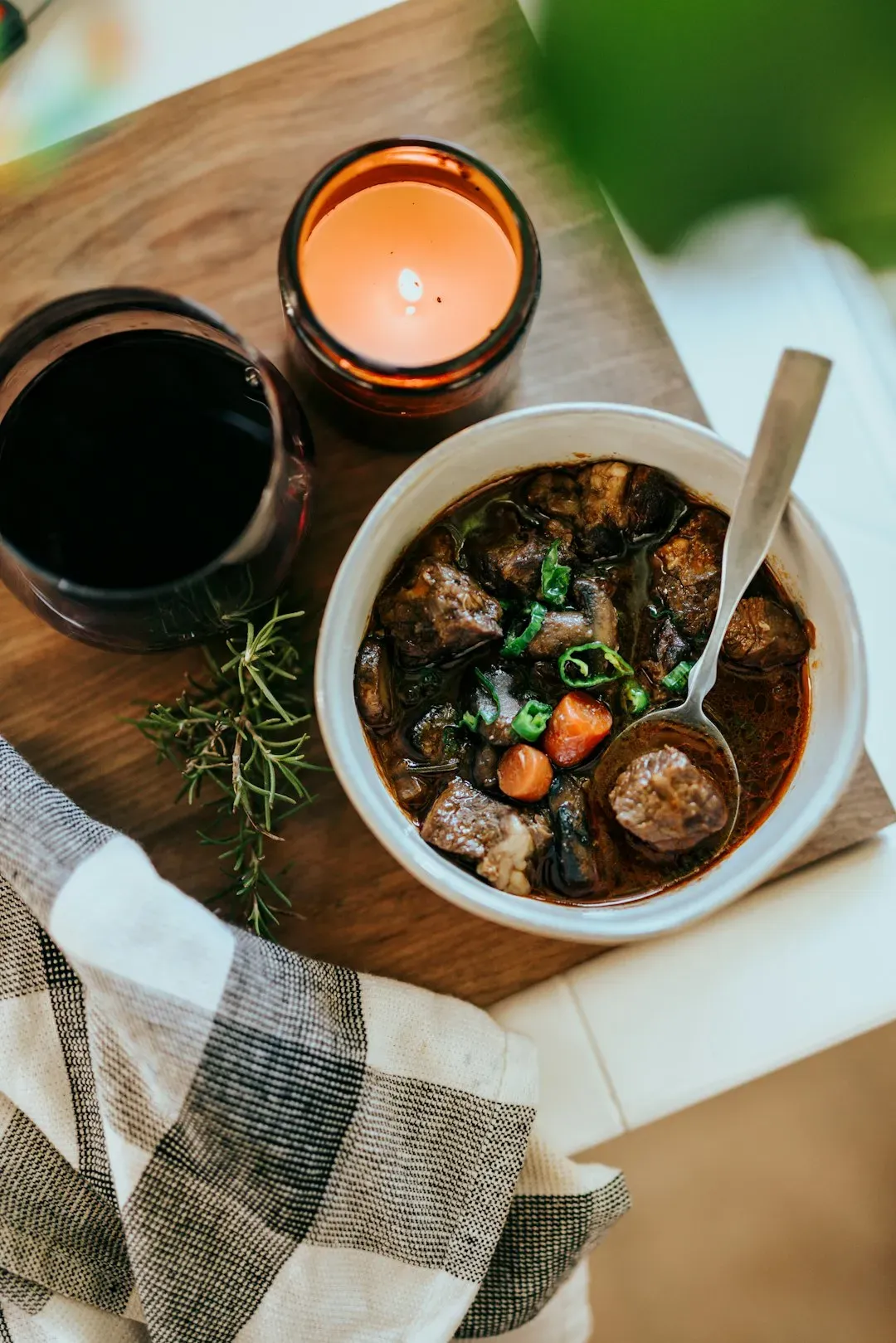
Julia Child popularized this Burgundian stew decades ago, and it remains a benchmark for slow cooking done right. Chunks of beef are browned first, then simmered for two to three hours in red wine with bacon, mushrooms, and pearl onions until the sauce reduces into something rich and glossy. The dish genuinely improves with a day of rest in the fridge, as the flavors continue to meld overnight.
Because it reheats so well, bourguignon is a smart choice for a Sunday spent partly in the kitchen and partly away from it. Many cooks start the stew in the early afternoon, let it simmer through a few hours of reading or chores, then finish it just before dinner. Crusty bread or buttered noodles are the traditional companions, mostly because nothing else can catch the sauce quite as well.
Slow Cooker Pulled Pork
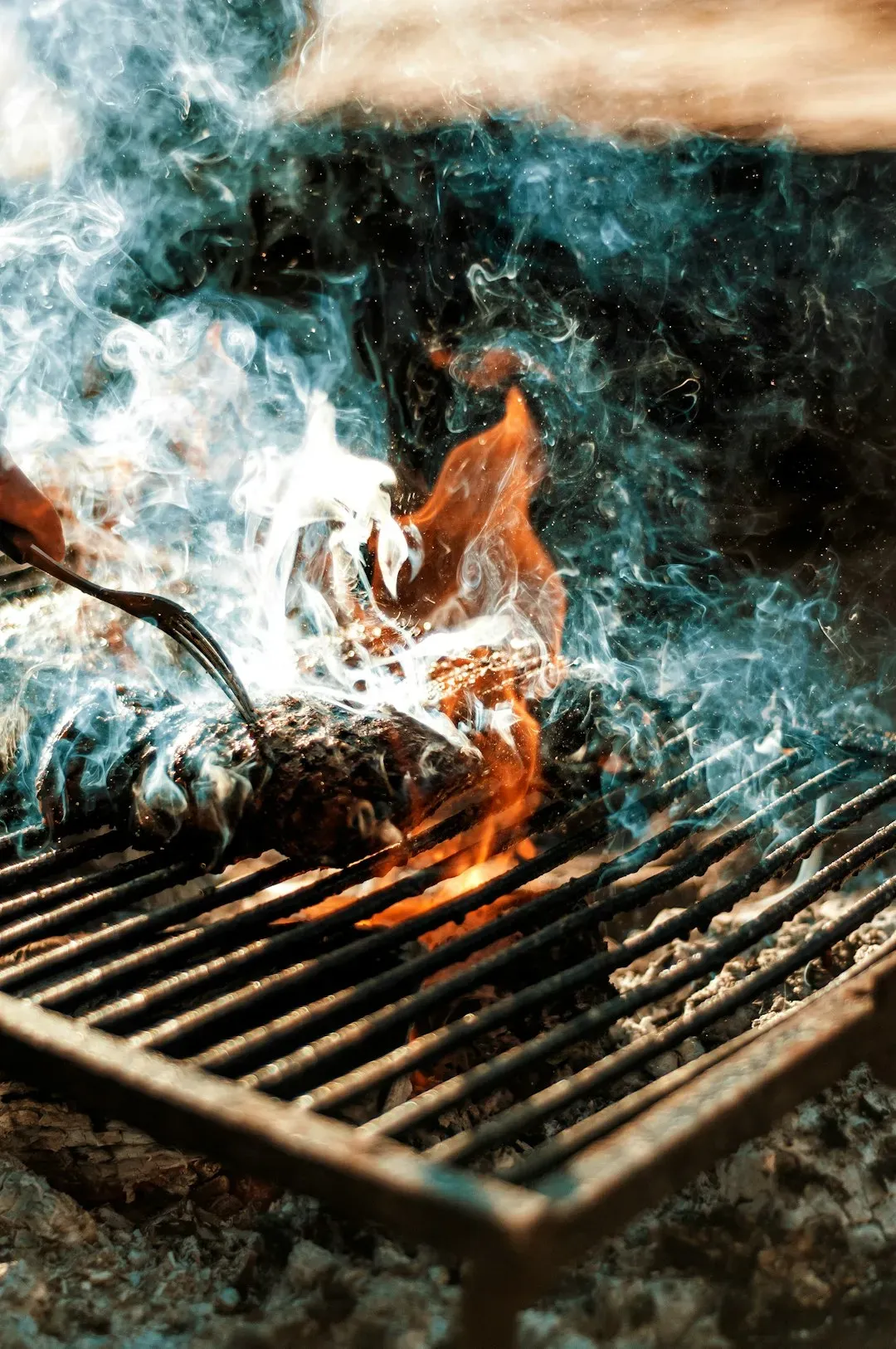
Pulled pork is perhaps the most forgiving of all slow Sunday dishes, since a slow cooker does nearly all the work over six to eight hours on low heat. A pork shoulder, seasoned simply with a dry rub of paprika, brown sugar, and salt, breaks down into shreddable strands almost entirely on its own. There’s very little active cooking involved beyond the initial searing, which some skip altogether.
The versatility afterward is part of what makes this recipe so useful. The shredded pork works in sandwiches, tacos, or simply piled over rice with a drizzle of barbecue sauce. Because it holds up well in the fridge for several days, a single Sunday batch often stretches into multiple meals through the following week.
Creamy Risotto alla Milanese
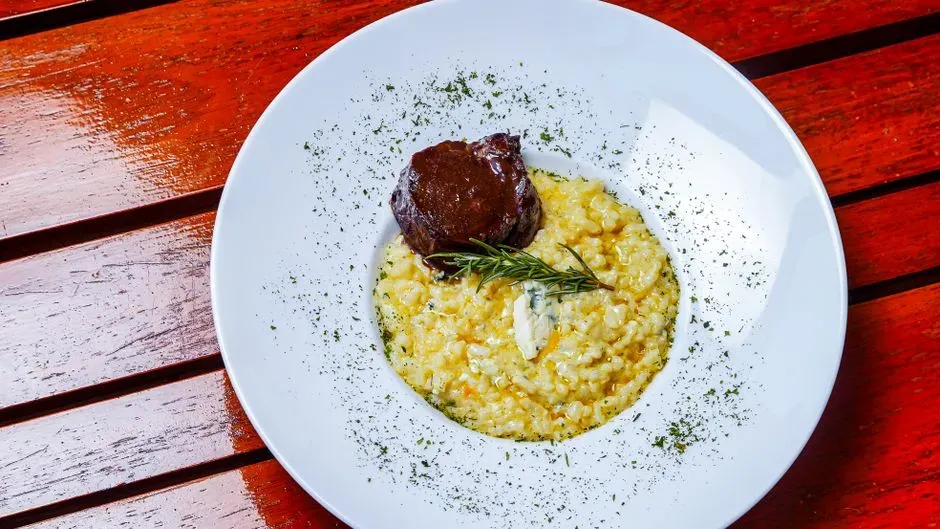
Risotto has a reputation for demanding attention, and that reputation is largely accurate. The rice needs frequent stirring and gradual additions of warm stock over about twenty to twenty five minutes to release its starch slowly and build that signature creamy texture. Saffron gives the Milanese version its pale gold color and a subtle earthy flavor that’s hard to replicate with any substitute.
What makes risotto fit so well into a slow afternoon is the rhythm of it, the steady stirring that turns cooking into something almost meditative. It’s not a dish you can walk away from for long stretches, but the process itself is calm rather than stressful. A generous handful of Parmesan and a knob of butter stirred in at the end finishes it properly.
Slow-Cooked Chili
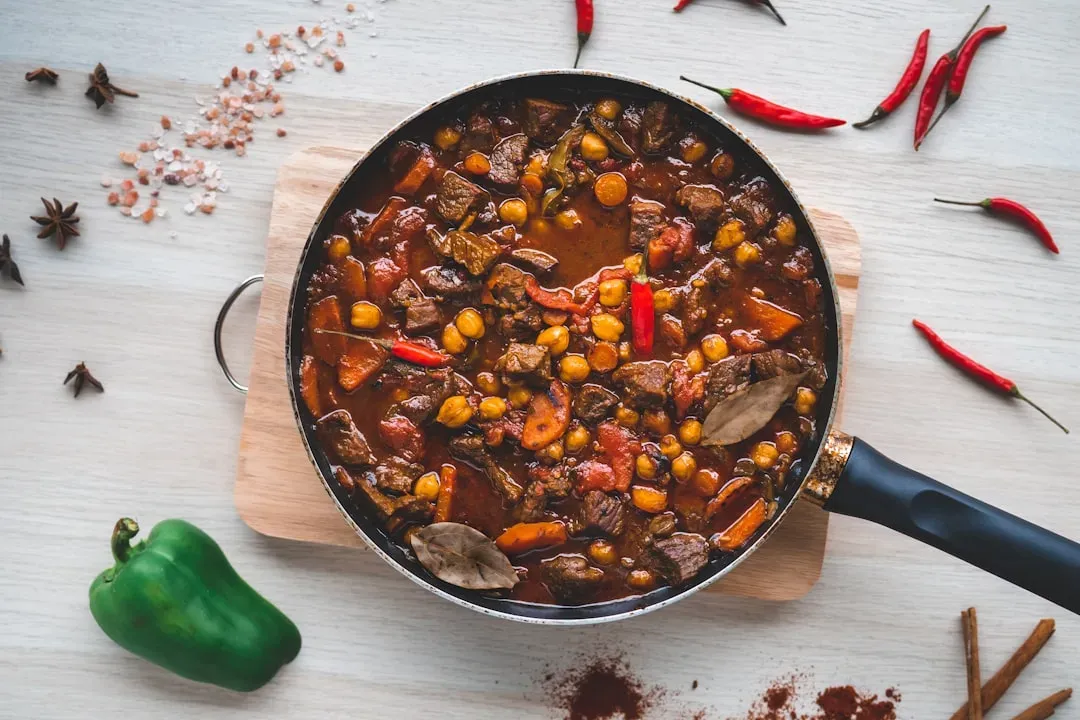
A pot of chili benefits enormously from time, since the beans and meat need several hours together for the flavors to fully develop and the sauce to thicken naturally. Ground beef or chunks of chuck roast, kidney beans, tomatoes, and a blend of chili powder and cumin form the base, though recipes vary widely by region and family tradition. Simmering uncovered for two to three hours lets excess liquid evaporate while concentrating the flavor.
Chili is also one of the more social slow Sunday dishes, often made in large batches meant for sharing or freezing. Toppings like shredded cheese, sour cream, and chopped scallions let everyone customize their own bowl. Like most stews, it tends to taste even better on the second day, once the flavors have had a full night to settle.
Homemade Apple Pie
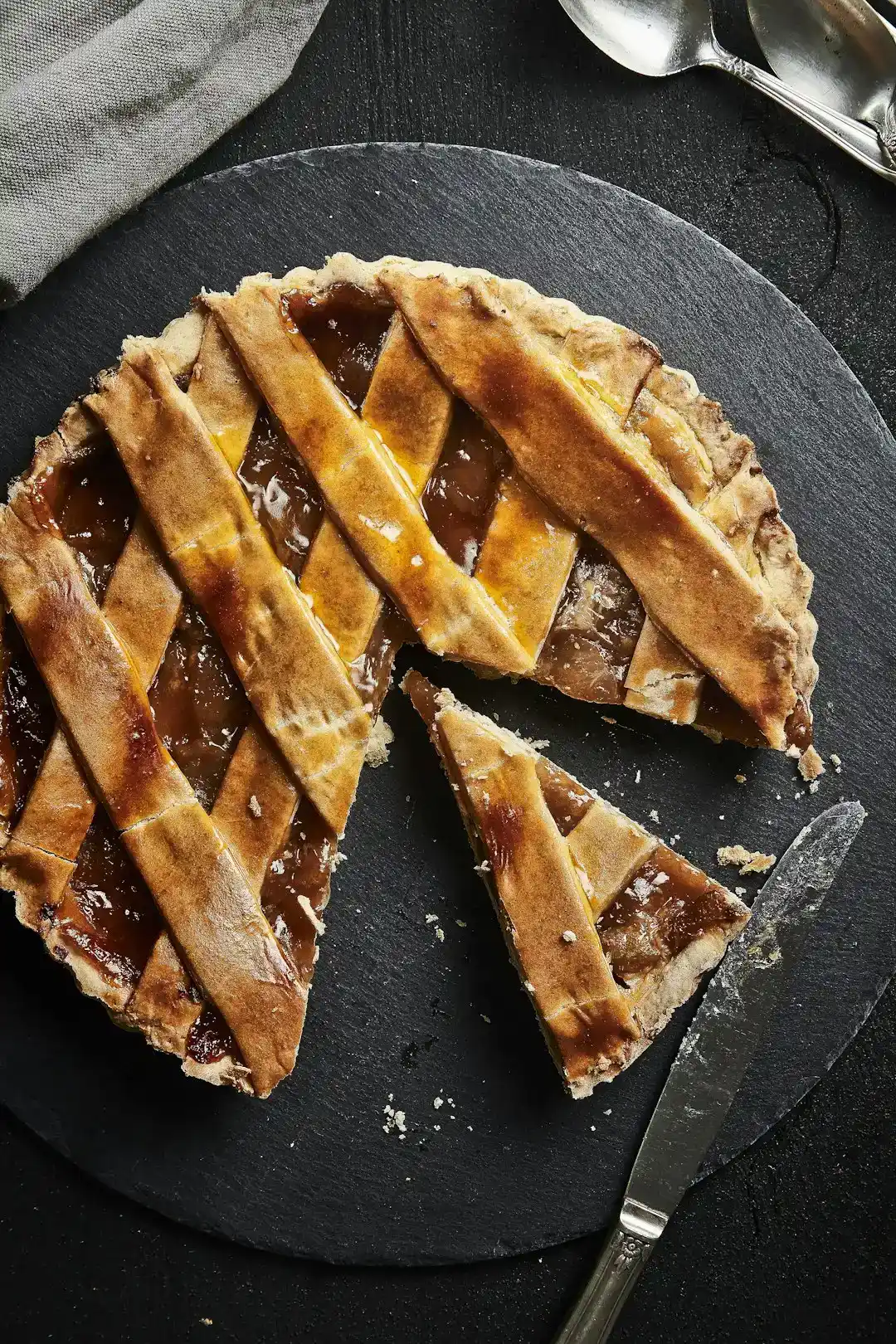
A proper apple pie starts with a chilled butter crust that needs time to rest in the fridge, ideally for at least an hour before it’s rolled out. Rushing this step usually leads to a tough or shrunken crust, which is why patient bakers build in extra time rather than skipping it. Tart apples like Granny Smith, mixed with a firmer variety like Honeycrisp, hold their shape better during the long bake.
The pie itself needs close to an hour in the oven at a moderate temperature, giving the filling time to soften and the crust time to turn golden and flaky. The smell that fills the kitchen during that final stretch is arguably half the reason people bake pie at all. Letting it cool for at least two hours before slicing keeps the filling from running, though few people manage to wait that long.
Final Thoughts
What ties these recipes together isn’t complexity, it’s the shared idea that some of the best food comes from letting time do the heavy lifting. A Sunday with nothing pressing on the calendar is the rare chance to actually use that time well. None of it requires rushing, and that might be the entire point.