
Table of Contents
Salt in stages, not all at once
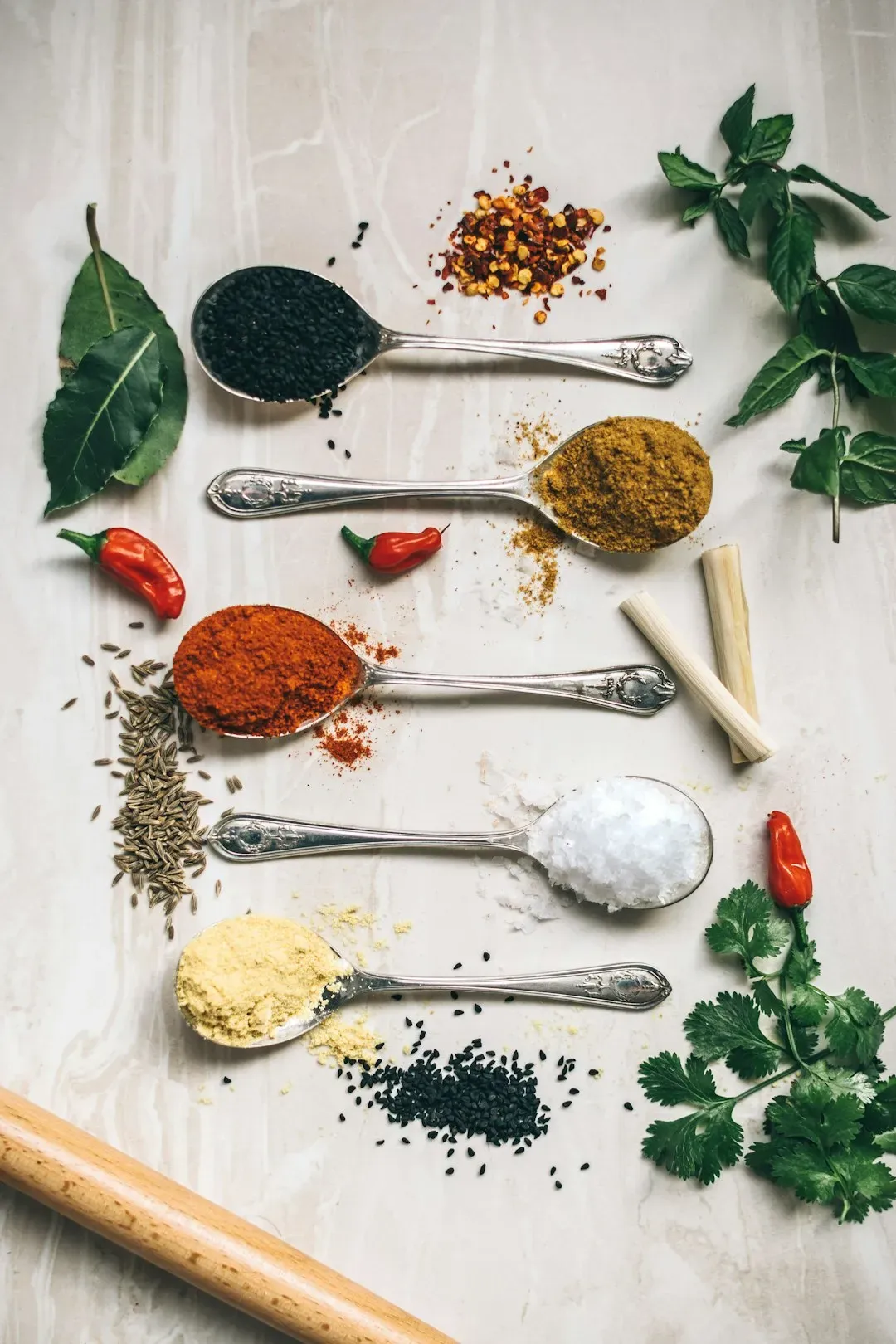
One of the most common mistakes home cooks make is saving all the salt for the very end. Seasoning throughout the cooking process, a pinch when the onions hit the pan, another when the sauce starts simmering, builds flavor in layers instead of leaving it sitting on the surface. This approach is standard practice in professional kitchens because it lets each ingredient absorb seasoning as it cooks rather than getting a last-minute coating.
Tasting as you go is just as important as the salt itself. A dish that seems under-seasoned halfway through often needs less correction than you’d think once everything melds together. Keeping a small bowl of kosher salt near the stove, rather than reaching for a shaker, also makes it easier to control exactly how much you’re adding.
Let meat rest before cutting into it
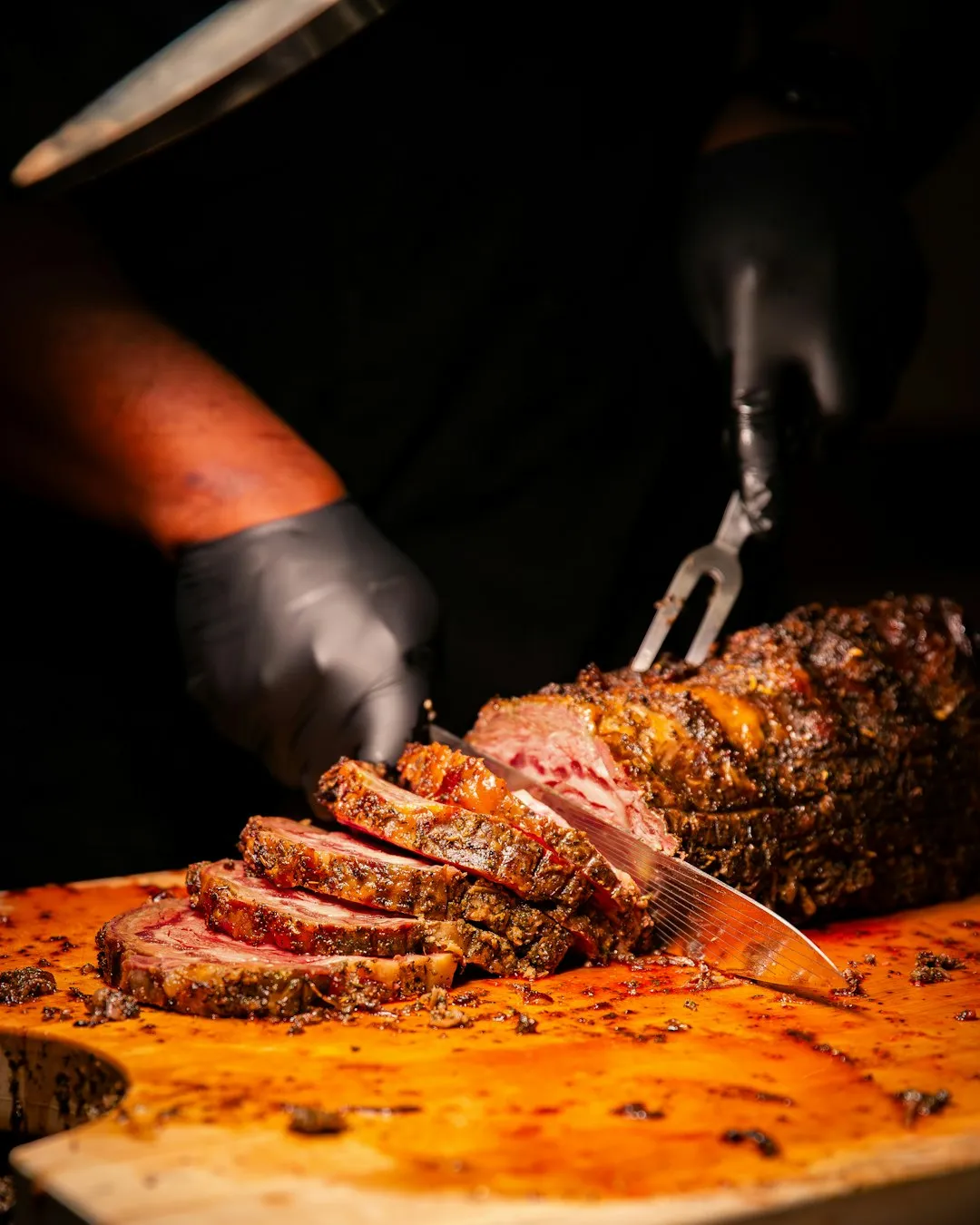
Cutting into a steak or roasted chicken the moment it comes off the heat is one of the fastest ways to lose all those flavorful juices onto the cutting board. Resting meat for five to ten minutes, depending on size, allows the muscle fibers to relax and reabsorb moisture that gets pushed toward the center during cooking. Skipping this step is a big reason why homemade meat sometimes turns out drier than what you’d get at a restaurant.
The resting period also gives you a window to finish other parts of the meal, like plating a side dish or making a quick pan sauce from the drippings. Covering the meat loosely with foil during this time keeps it warm without trapping steam, which would soften a nicely seared crust. It’s a small pause that pays off in both texture and flavor.
Preheat the pan before adding oil
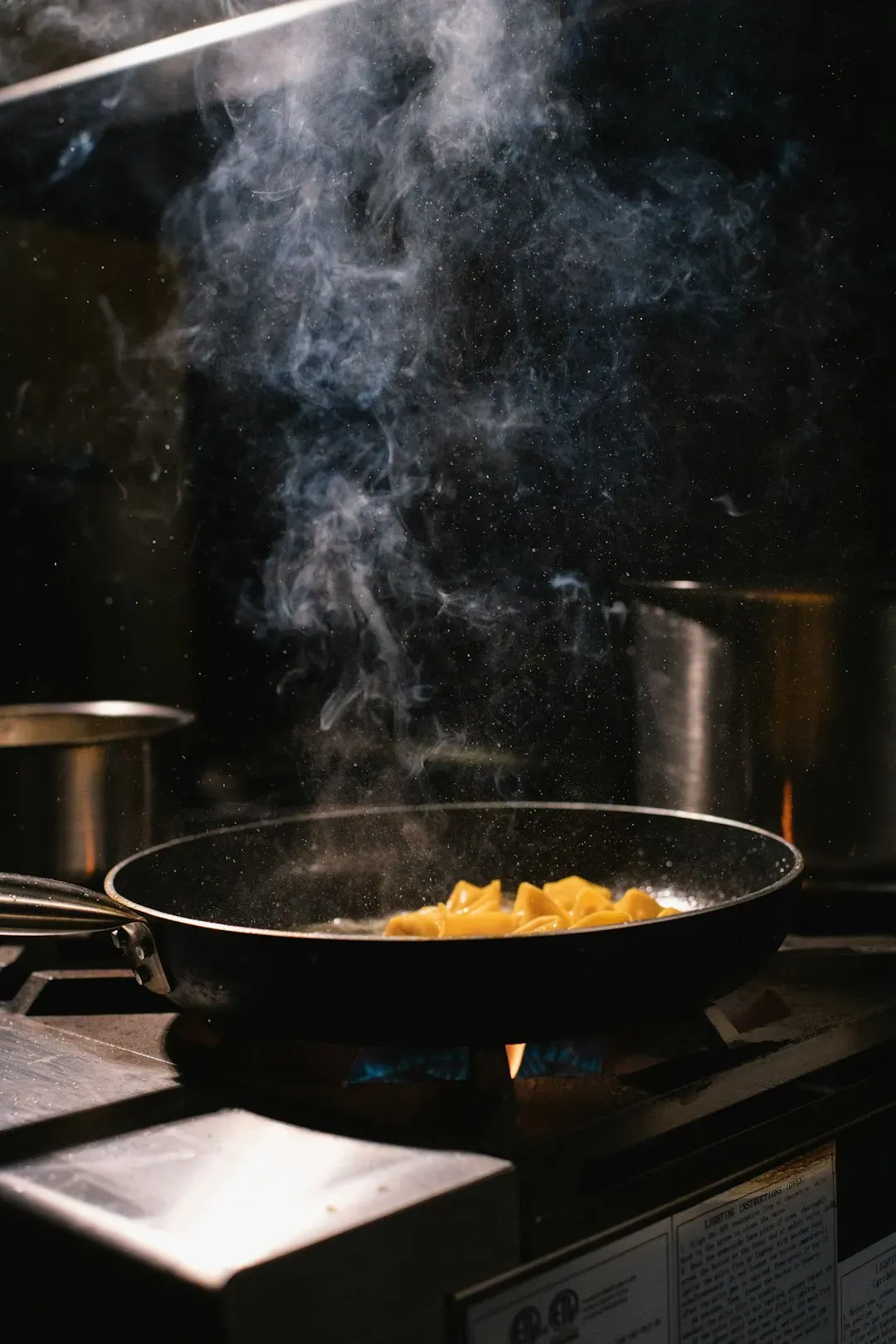
A cold pan is one of the sneakiest reasons food sticks, tears, or cooks unevenly. Giving the pan a minute or two over medium heat before adding oil, and then letting the oil itself heat slightly before adding food, creates a surface that responds properly to whatever hits it. This matters especially for proteins like fish or eggs, which are notorious for bonding to cool metal.
You can test readiness with a simple water droplet trick on stainless steel, if the water beads up and rolls around instead of evaporating instantly, the pan is ready. For nonstick surfaces, a light shimmer in the oil is usually the signal. Rushing this step is one of the most common reasons a quick sauté turns into a scraping session.
Keep a well-stocked pantry of flavor boosters

Having a handful of concentrated flavor items on hand can transform a plain dish without requiring a grocery run. Things like anchovy paste, miso, good soy sauce, dijon mustard, and a decent parmesan wedge add depth that plain salt and pepper simply can’t replicate. Even a small squeeze of these ingredients can round out a sauce or dressing that tastes flat.
Citrus is another underrated pantry staple worth keeping stocked, since a splash of lemon or lime juice at the end of cooking brightens almost anything, from soups to roasted vegetables. Fresh garlic and a neutral cooking oil alongside a good olive oil round out the basics that most flavorful cooking depends on. Building this kind of pantry means fewer trips to the store and more consistent results.
Read the entire recipe before starting
It sounds obvious, but skipping this step is one of the most common reasons dinner takes twice as long as expected or ends in a scramble. Recipes often bury important details, like a two-hour marinating time or a step requiring a food processor, halfway through the instructions. Reading through everything first, including quantities and equipment needed, prevents unpleasant surprises mid-cook.
This habit also helps with timing multiple components of a meal. Knowing that the sauce needs twenty minutes to reduce while the pasta only takes ten means you can start the sauce first and coordinate everything to finish together. A minute or two of reading up front often saves far more time than it costs.
Use a thermometer instead of guessing
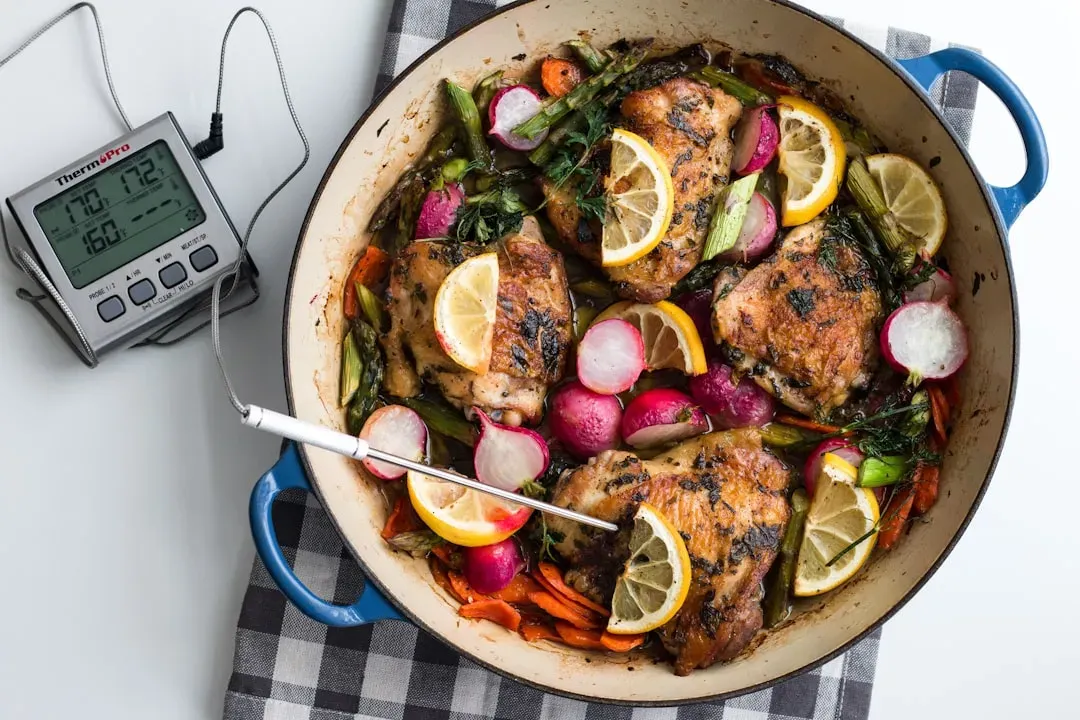
Cutting into chicken to check if it’s done, or pressing on a steak to gauge firmness, are both unreliable habits that lead to either undercooked or overcooked results. An inexpensive digital meat thermometer removes the guesswork entirely. Poultry should reach an internal temperature of 165 degrees Fahrenheit, according to USDA food safety guidelines, while beef, pork, and lamb have their own safe minimums depending on the cut.
Thermometers aren’t just for meat, either. They’re useful for candy making, deep frying, and even checking if bread is fully baked through the center. Once you get used to checking temperature instead of eyeballing it, undercooked dinners and dried-out roasts become far less common.
Deglaze the pan for instant sauce
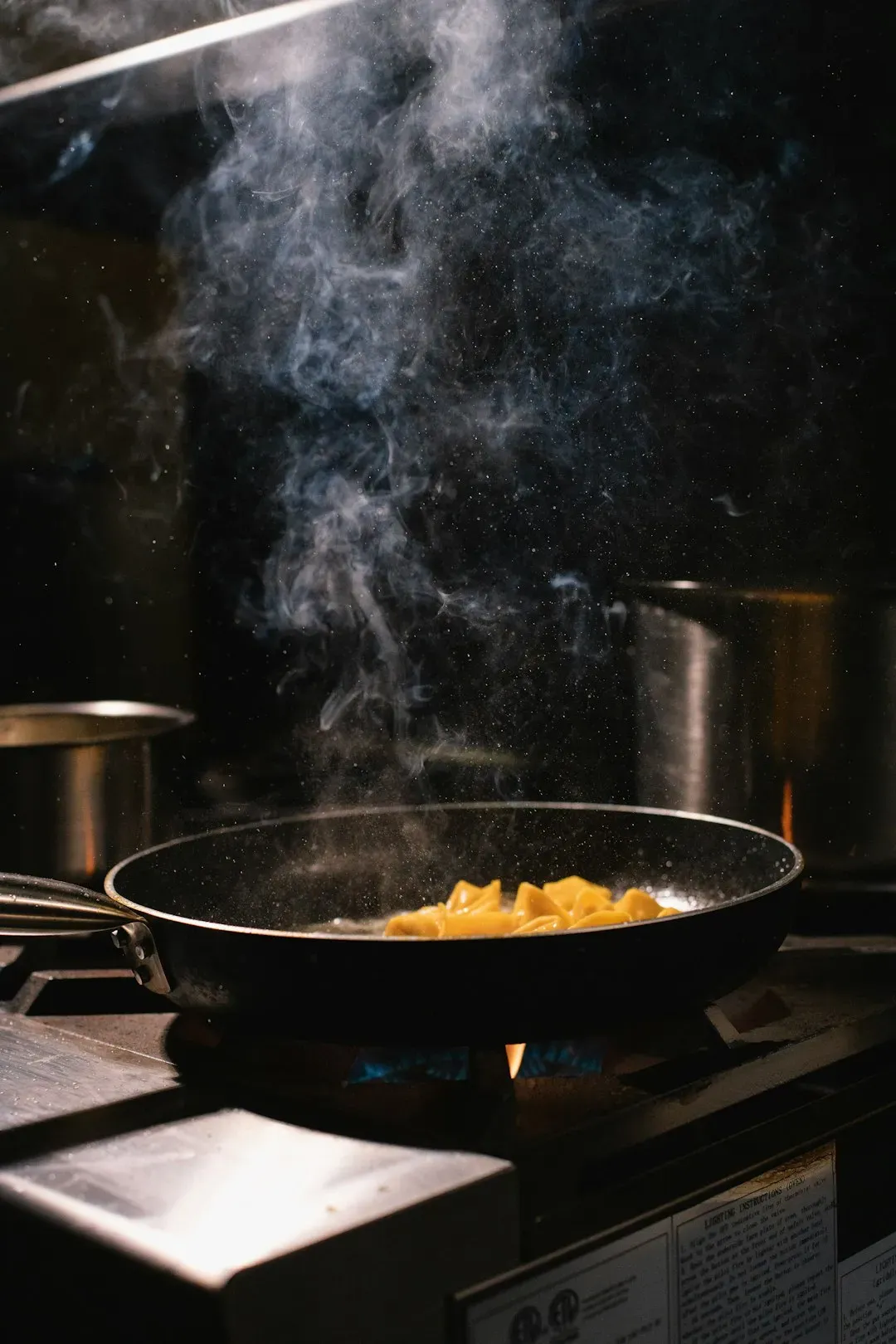
After searing meat or sautéing vegetables, the browned bits stuck to the bottom of the pan, often called fond, are packed with concentrated flavor that shouldn’t go to waste. Adding a splash of wine, stock, or even water while the pan is still hot loosens those bits and creates the base for a quick pan sauce. Scraping with a wooden spoon while the liquid bubbles pulls all that flavor into the sauce within a couple of minutes.
This technique works for almost anything cooked in a skillet, from pork chops to mushrooms. A knob of butter whisked in at the end thickens the sauce slightly and adds richness. It’s one of the easiest ways to turn a simple sauté into something that tastes far more composed.
Sharpen your knives more often than you think
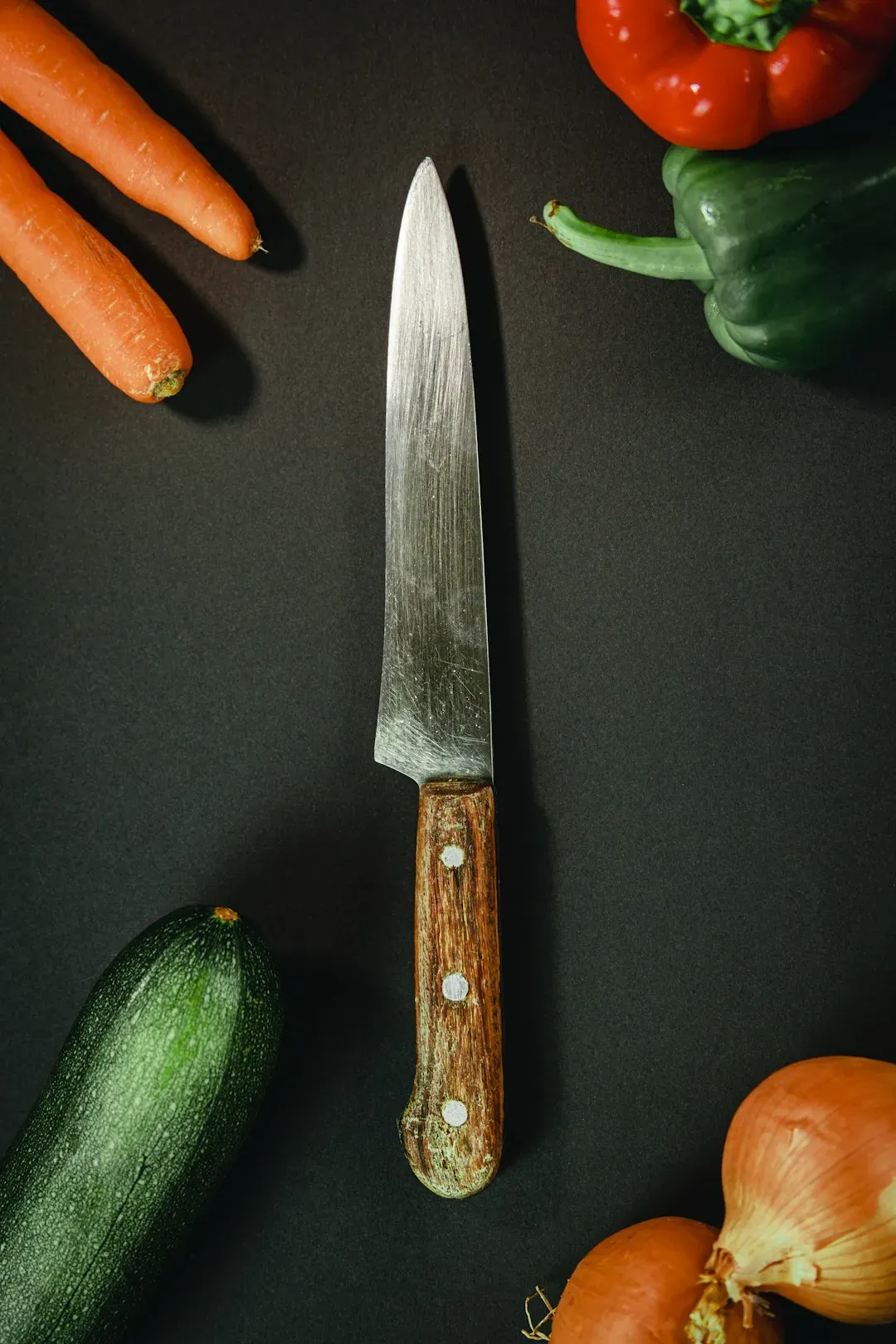
A dull knife is more dangerous than a sharp one, since it requires more pressure and is more likely to slip. Most home cooks go months or even years without sharpening their knives, which makes basic tasks like slicing onions or trimming meat noticeably harder than they need to be. A honing rod used regularly, combined with professional sharpening every six months to a year, keeps blades performing the way they’re supposed to.
Beyond safety, a sharp knife also affects texture and cooking time. Cleanly cut vegetables cook more evenly than ragged, torn pieces from a dull blade. It’s a maintenance habit that takes almost no time but noticeably improves the daily cooking experience.
Prep ingredients before turning on the heat
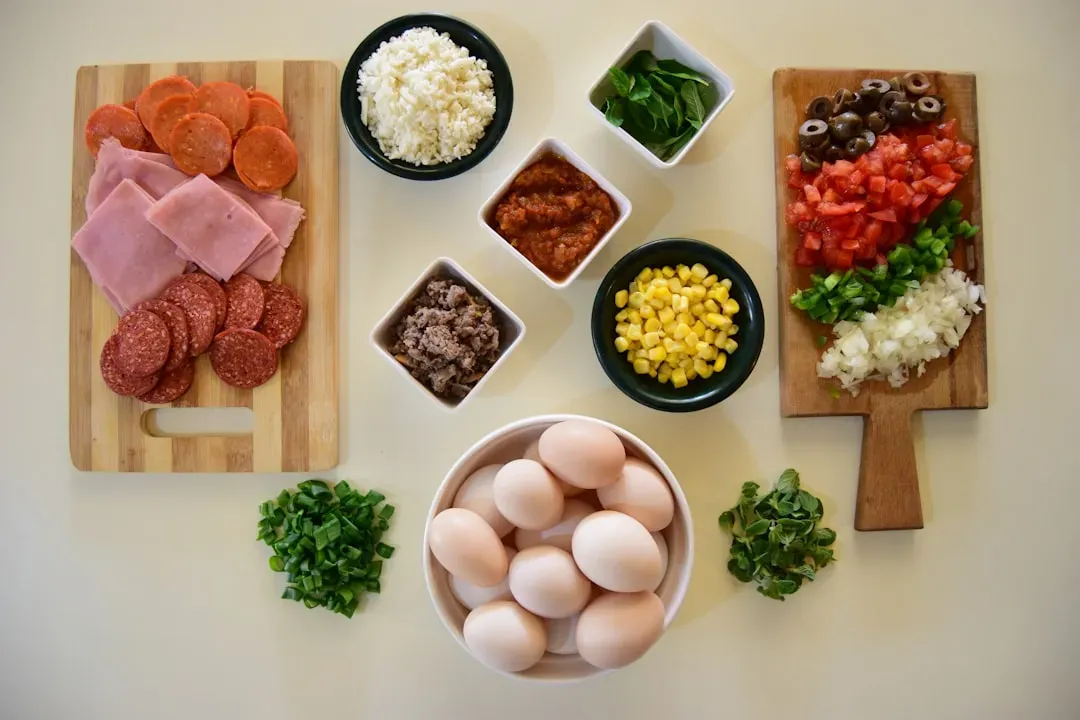
The French culinary term mise en place, meaning “everything in its place,” describes the practice of measuring, chopping, and organizing every ingredient before cooking begins. This habit prevents the common scramble of chopping an onion while something else is already burning on the stove. It also reduces the mental load of cooking, since decisions about quantities and prep are already handled.
Even a simplified version of this, just chopping vegetables and measuring spices before starting, makes a noticeable difference in how smoothly a meal comes together. It’s particularly valuable for recipes with several fast-moving steps, like stir-fries, where there’s no time to pause and prep once the wok is hot. Professional kitchens rely on this system for a reason: it works.
Don’t overcrowd the pan
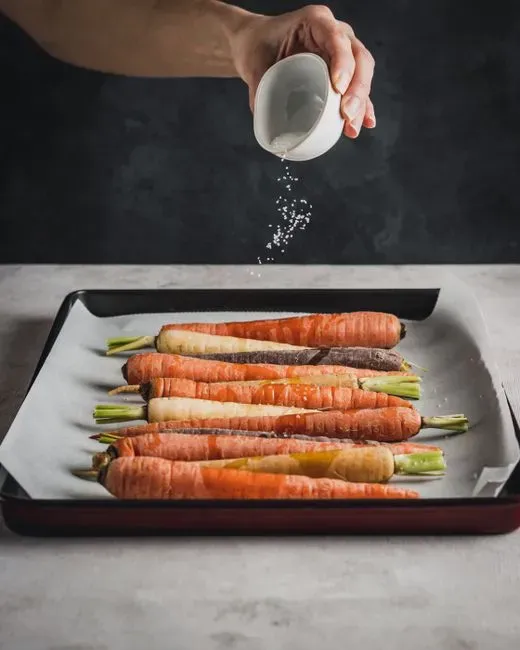
Cramming too much food into a single pan is one of the most common reasons vegetables turn soggy instead of browned, and why meat steams rather than sears. When food is packed tightly, moisture released during cooking has nowhere to escape, which lowers the pan’s temperature and prevents proper browning. Spreading ingredients out, even if it means cooking in two batches, produces noticeably better texture and flavor.
This applies especially to roasting vegetables in the oven, where a crowded sheet pan traps steam and leads to limp results instead of the crispy edges most people are after. Giving each piece a bit of breathing room allows hot air or direct heat to do its job properly. It’s a small adjustment that consistently separates good results from great ones.