
Table of Contents
Measuring ingredients with real accuracy
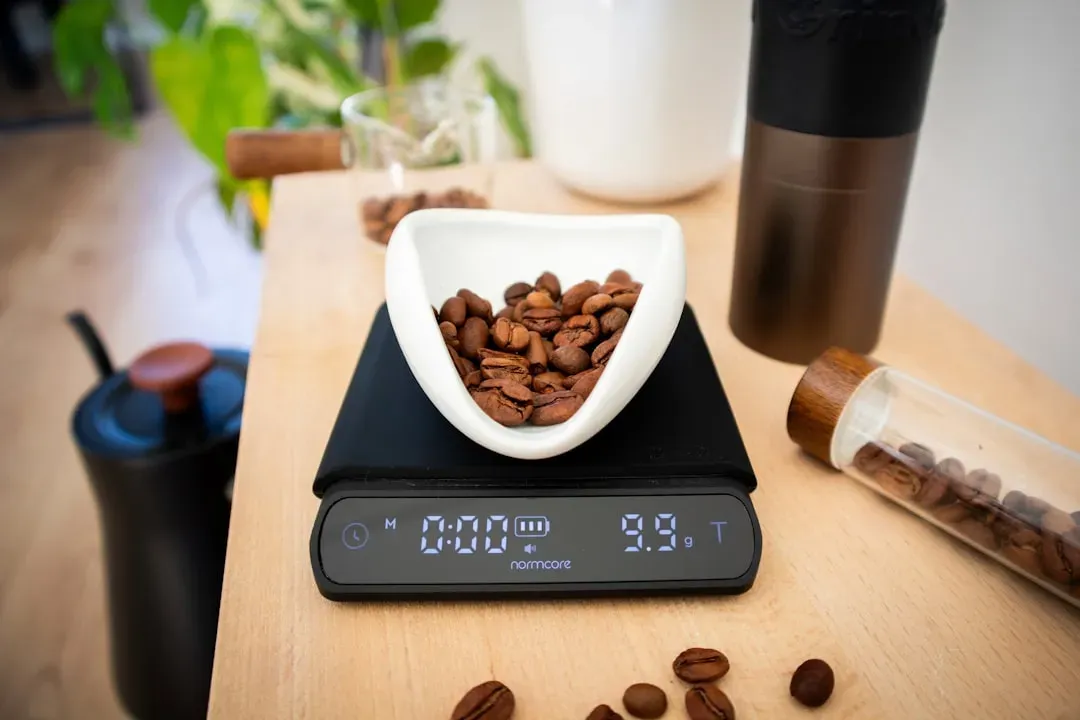
Baking is closer to chemistry than most people assume, and measurements are where that becomes obvious. Scooping flour directly from the bag with a measuring cup can pack in far more flour than a recipe intends, sometimes throwing off the ratio enough to make baked goods dense or dry. The more reliable method is spooning flour into the cup and leveling it off with a knife, or better yet, weighing ingredients on a kitchen scale.
Professional bakers rely on weight rather than volume specifically because it removes guesswork from the equation. A cup of flour can vary noticeably depending on how it’s packed, but a gram of flour is always a gram. Investing in an inexpensive digital scale is one of the simplest ways to get more consistent results without changing a single recipe.
Knowing your oven’s real temperature
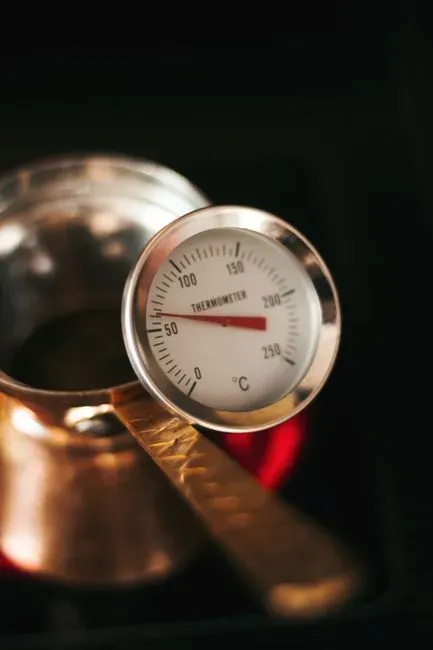
Most home ovens don’t heat to the exact temperature shown on the dial. Studies and independent tests of household ovens have repeatedly found swings of ten to twenty five degrees Fahrenheit in either direction, which is enough to throw off delicate bakes like meringues or soufflés. An oven thermometer placed on the middle rack gives a far more honest reading than the built in display.
Hot spots are another quiet problem. Many ovens bake unevenly because heating elements sit closer to certain areas, which is why rotating trays halfway through baking is standard advice in professional kitchens. Getting familiar with these quirks takes a bit of trial and error, but it pays off every time a recipe calls for precise timing.
Understanding flour and gluten formation
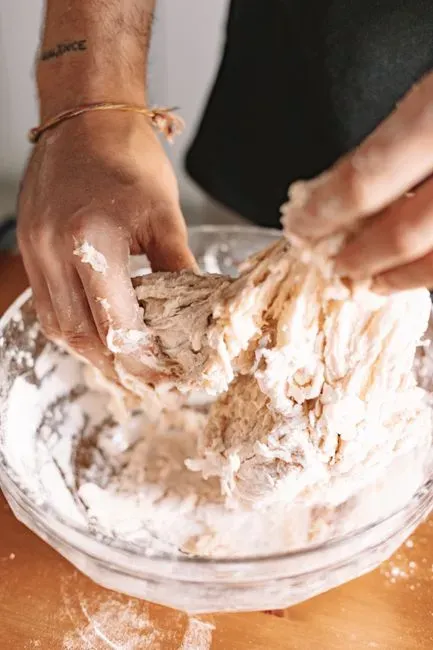
Flour isn’t just a filler ingredient, it’s the structural backbone of most baked goods. When flour mixes with liquid, its proteins form gluten, an elastic network that traps gas bubbles and gives bread its chew and cakes their crumb. The amount of gluten that develops depends heavily on the type of flour used, since bread flour contains more protein than all purpose flour, and cake flour contains noticeably less.
Overworking dough activates more gluten than many recipes actually want, which is why a tender cake or biscuit benefits from gentle, minimal mixing. Bread, on the other hand, often needs vigorous kneading to build the strong gluten strands that trap carbon dioxide from yeast. Recognizing which effect a recipe is aiming for helps explain why the same ingredient can behave so differently across different bakes.
Choosing between baking soda and baking powder
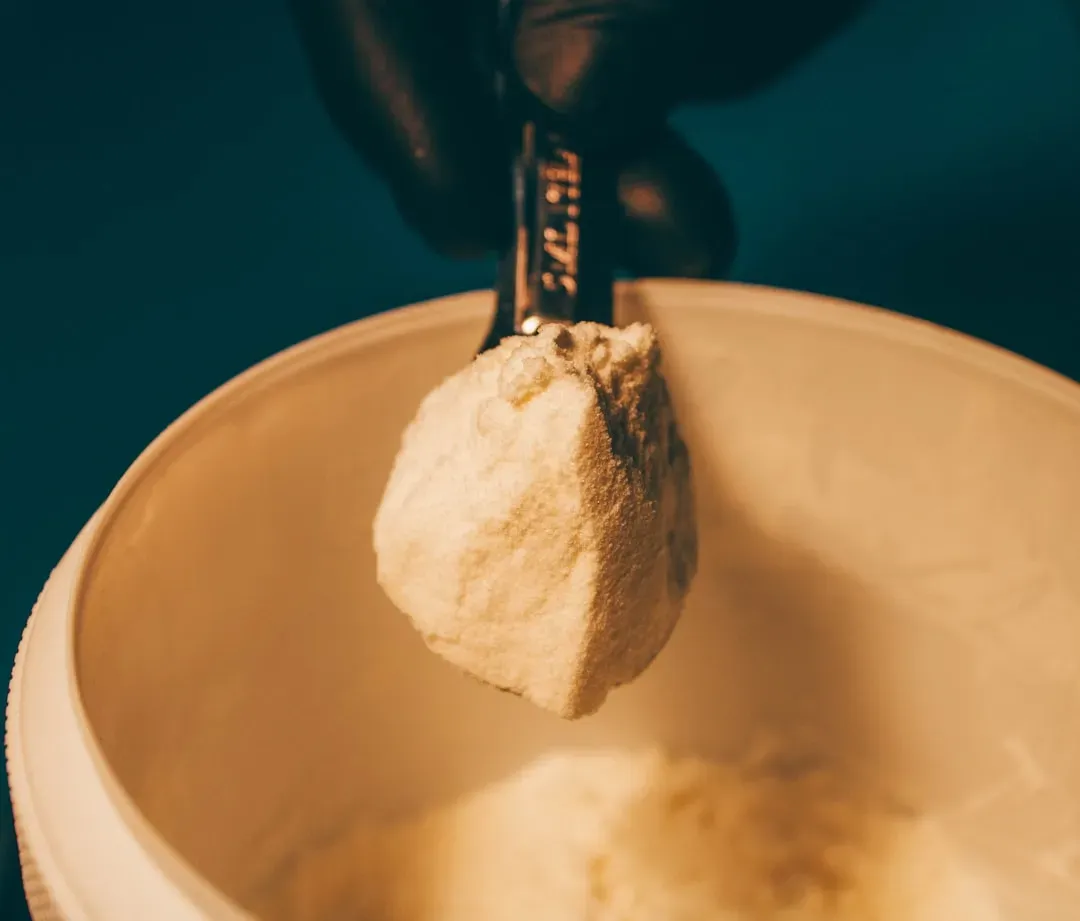
These two leaveners look similar but work in very different ways. Baking soda is a pure alkaline compound that needs an acidic ingredient, like buttermilk, lemon juice, or brown sugar, to trigger the chemical reaction that produces carbon dioxide bubbles. Baking powder already contains its own acid, plus a base, so it can activate with just moisture and heat, which is why it’s the go to choice for recipes without much natural acidity.
Using the wrong one, or too much of either, tends to create a metallic aftertaste or an oddly bitter flavor. Recipes are formulated with a specific balance between leaveners and acids, so swapping one for the other without adjusting quantities can throw off both flavor and rise. When in doubt, following the recipe’s exact leavening amounts is usually safer than improvising.
Fat’s role in texture and flavor
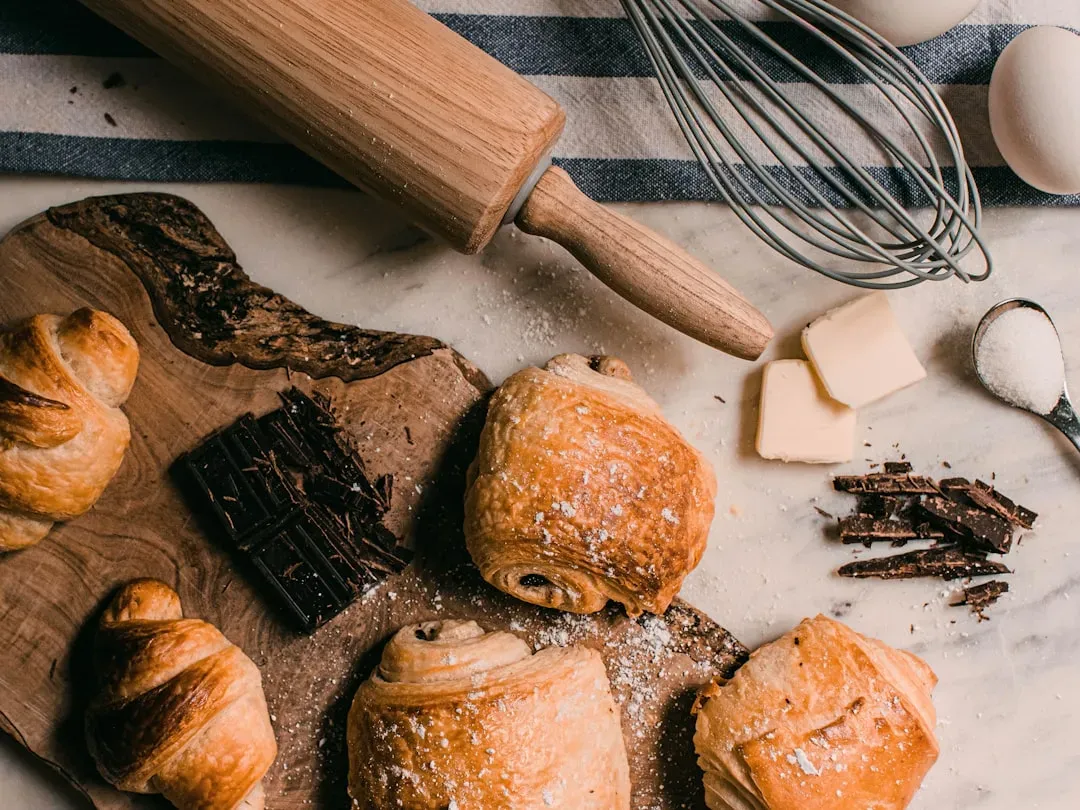
Butter, oil, and shortening each bring something different to a recipe beyond just richness. Butter contains water, which creates steam during baking and contributes to flakiness in pastries, while also carrying valuable flavor thanks to its milk solids. Oil, by contrast, stays liquid at room temperature and tends to produce a moister, denser crumb in cakes and muffins.
Shortening has no water content at all, which is part of why it produces such tender, crumbly textures in classic pie crusts and cookies. Temperature matters just as much as the type of fat used. Cold butter cut into flour creates distinct layers in pastry, while softened butter creamed with sugar traps air pockets that help cakes rise.
Sugar as more than sweetness
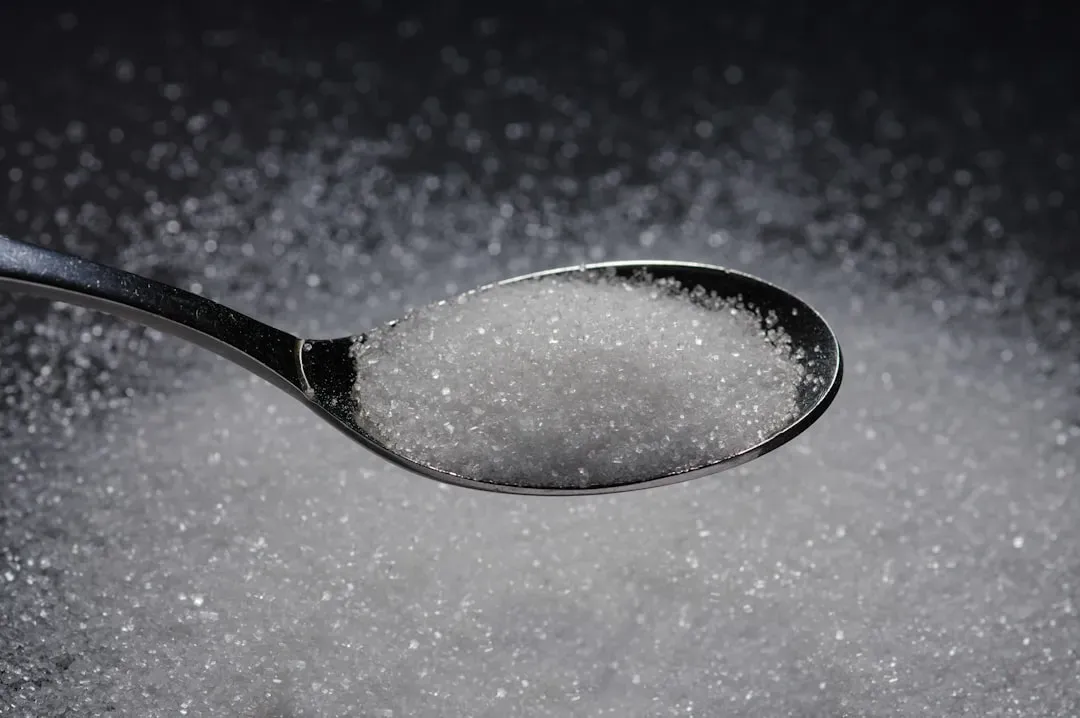
Sugar’s job in baking goes well beyond taste. It tenderizes gluten strands, helps retain moisture, and plays a direct role in browning through the Maillard reaction, which is why cookies develop that golden, slightly caramelized edge. Reducing sugar in a recipe without understanding this can lead to baked goods that turn out pale, tough, or oddly dry.
Different sugars also behave differently once heat is introduced. Brown sugar, with its molasses content, adds moisture and a deeper flavor compared to white sugar, while powdered sugar dissolves almost instantly, making it ideal for glazes and frostings. Choosing the right type isn’t just about sweetness level, it’s about how that sugar interacts with everything else in the batter.
Eggs and their structural function

Eggs act as a kind of glue in baking, binding ingredients together while also contributing to structure and richness. Egg whites, when whipped, trap air and create the lightness seen in soufflés, angel food cake, and meringues, while egg yolks bring fat and emulsifying power that helps blend water based and fat based ingredients smoothly. Removing eggs from a recipe entirely often changes the texture more dramatically than people expect.
Temperature matters here too. Room temperature eggs blend more evenly into batter than cold eggs straight from the refrigerator, which is why many recipes specifically call for eggs to sit out for a short time before baking begins. This small step helps avoid the curdled or separated look that sometimes appears when cold eggs meet creamed butter and sugar.
Why mixing method changes everything
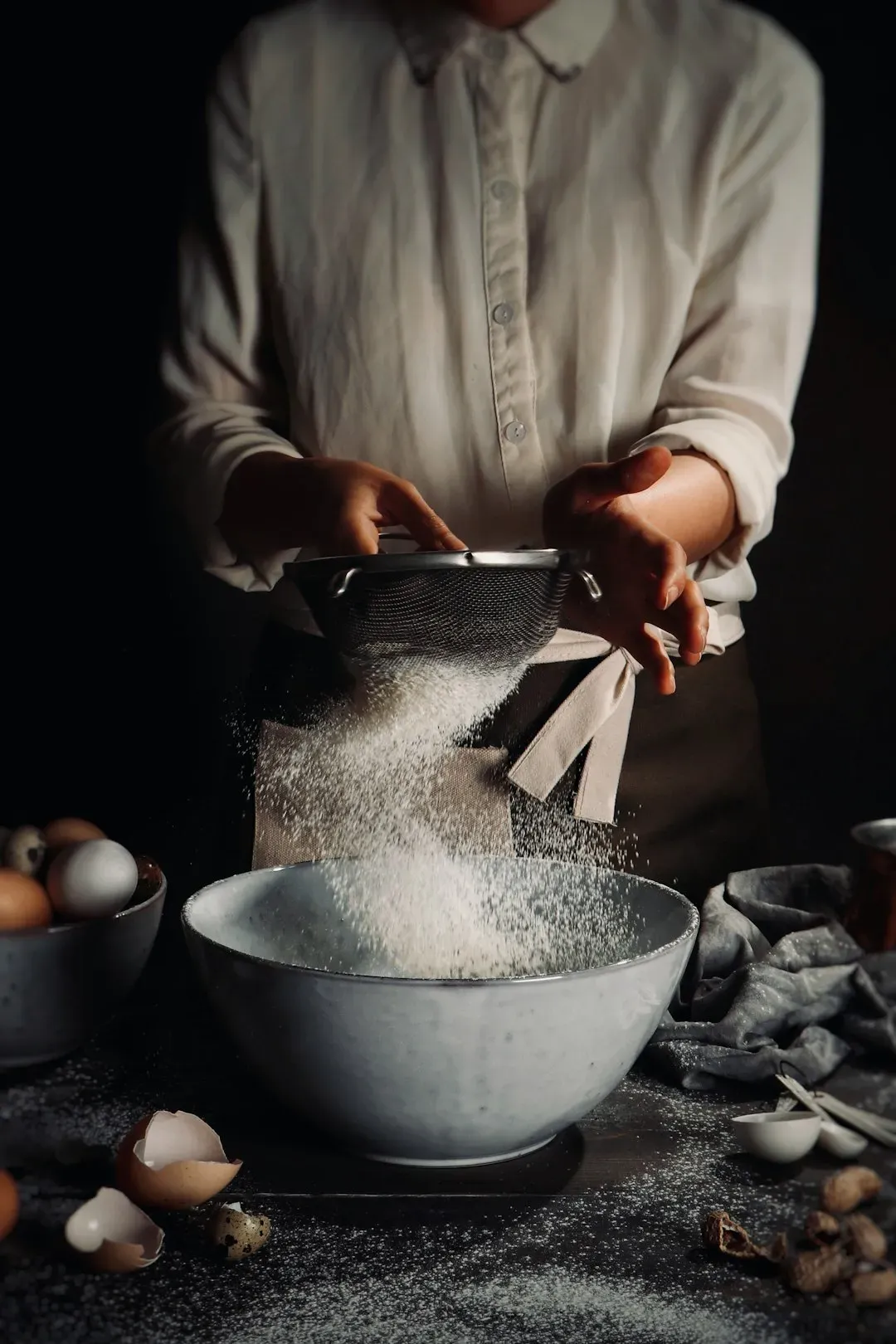
The same set of ingredients can produce wildly different results depending on how they’re combined. The creaming method, where butter and sugar are beaten together first, incorporates air that helps cakes rise with a light, even crumb. The muffin method, where wet and dry ingredients are mixed separately then combined quickly, produces a denser texture that’s actually desirable for muffins and quick breads.
Overmixing batter after the flour is added is one of the most common baking mistakes, since it develops gluten that wasn’t meant to be developed in a tender cake. This is why so many recipes specifically instruct bakers to mix “just until combined.” That small phrase carries real weight, because a few extra strokes with a spatula can be the difference between a soft cake and a tough one.
Ingredient temperature and its ripple effects
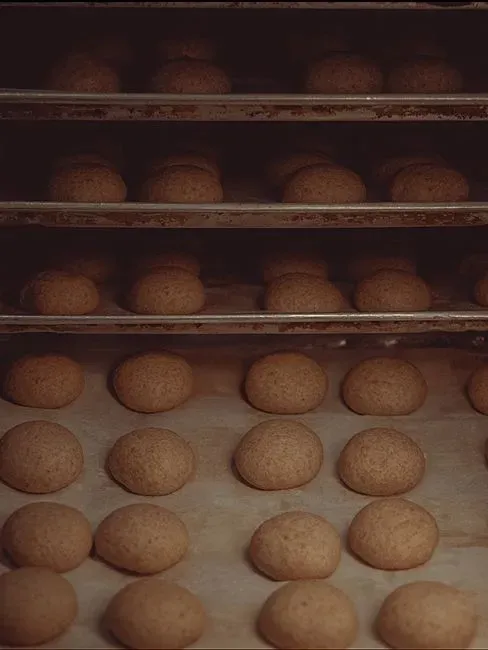
Recipes often specify room temperature butter, cold water, or chilled dough for a reason, and skipping that step changes outcomes more than people realize. Cold butter resists blending smoothly into sugar, leaving lumps that never fully incorporate, while overly warm butter can’t hold air properly, leading to flatter baked goods. Pie dough, meanwhile, depends on cold fat staying solid long enough to create those flaky, distinct layers once it hits the oven’s heat.
Resting dough in the refrigerator isn’t just about convenience either. Chilling cookie dough, for example, allows the flour to fully hydrate and the fat to firm up, which reduces spreading and produces thicker, chewier cookies. These waiting periods can feel like an unnecessary delay, but they’re doing real structural work behind the scenes.
Reading a recipe before making substitutions

Baking recipes are closer to formulas than suggestions, which is part of why substitutions can be riskier here than in general cooking. Swapping all purpose flour for a gluten free blend, or replacing sugar with a sugar substitute, changes moisture levels, structure, and browning in ways that aren’t always predictable without testing. Reliable baking resources exist specifically because these swaps often require adjusting multiple ingredients at once, not just the one being replaced.
Reading through an entire recipe before starting, rather than following it step by step in real time, helps catch potential issues early, like a missing ingredient or an unusual technique that needs preparation in advance. It also reveals timing details, such as needing chilled dough or room temperature eggs, that are easy to miss when skimming quickly. A few extra minutes spent reading can save an entire batch from turning out wrong.