
Walk through any well-stocked produce aisle or a Saturday farmers market and you’ll notice something: the vegetables getting all the attention aren’t always the ones on your usual grocery list. Shoppers are reaching for the oddly shaped, the strangely colored, the ones that look like they belong in a botanical garden rather than a stir-fry. That shift says a lot about how people eat now, prioritizing color, texture, and a bit of visual drama alongside nutrition.
What follows is a look at the vegetables currently earning that kind of attention, the ones that turn a simple dinner plate into something worth photographing. Some are genuinely new to mainstream shelves, others are old varieties finally getting their due.
Table of Contents
Romanesco Broccoli
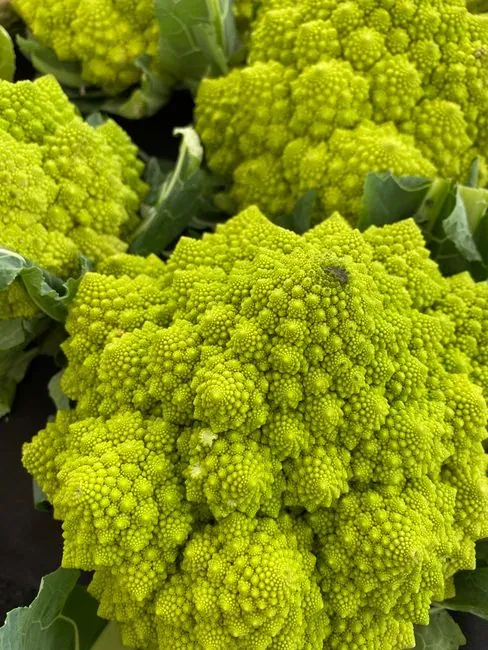
Romanesco looks like it was designed by a mathematician rather than grown in a field, with its spiraling, fractal-like cones stacking into a lime green tower. It belongs to the brassica family alongside broccoli and cauliflower, sharing their mild, slightly nutty flavor but with a firmer bite. Items like dragon fruit, jackfruit, and Romanesco broccoli are gaining attention as shoppers look for produce that feels a little more adventurous than the usual staples.
Part of its appeal is practical. Romanesco holds its shape well when roasted, which makes it a favorite for anyone trying to plate something that looks intentional rather than thrown together. Farmers markets have leaned into it as a conversation starter, and it’s increasingly ing up in supermarket produce sections that used to stock only standard cauliflower.
Purple Sweet Potatoes
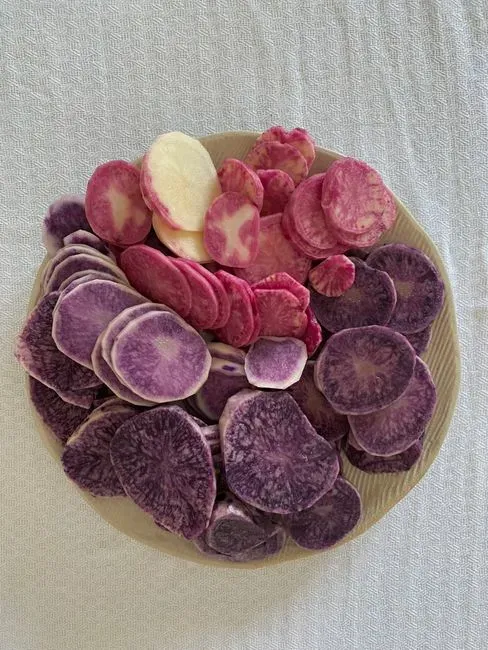
Cut into a purple sweet potato and the color inside is almost startling, a deep violet that holds up through roasting, mashing, or frying. That pigment comes from anthocyanins, the same compounds responsible for the color in blueberries and red cabbage. Anthocyanin-rich purple fruits and vegetables such as blackcurrants, blueberries, purple sweet potatoes, and red cabbage are increasingly recognized for their health-promoting properties, exerting antioxidant and anti-inflammatory effects.
Beyond the science, there’s a simple reason cooks keep reaching for them: they photograph beautifully and taste slightly sweeter and denser than the orange varieties most people grew up with. Restaurants have started using them as a color contrast on plates, and home cooks are following suit. It’s a vegetable that does double duty, functional and visually striking at once.
Watermelon Radish
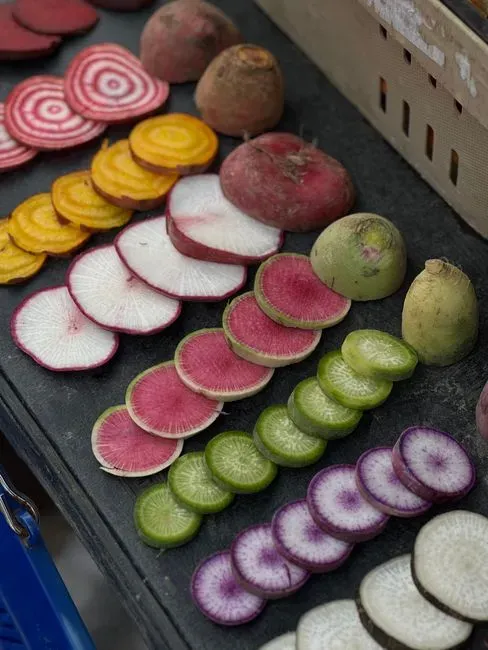
Slice into a watermelon radish and you get exactly what the name promises, a pale green exterior giving way to a bright pink or magenta interior. It’s part of the daikon radish family, originally cultivated in China, and it’s peppery but noticeably milder than a standard red radish. The visual surprise is really the draw here, since a plain-looking root vegetable suddenly reveals something dramatic once cut.
Chefs have taken to thin-slicing it for salads and garnishes precisely because that hidden color makes a dish pop without any extra effort. It stores reasonably well too, which has helped it move from niche farmers market item to a more regular presence in grocery stores with a decent produce selection. A little acid, like a squeeze of lime, actually intensifies that pink hue when it’s dressed.
Rainbow Carrots
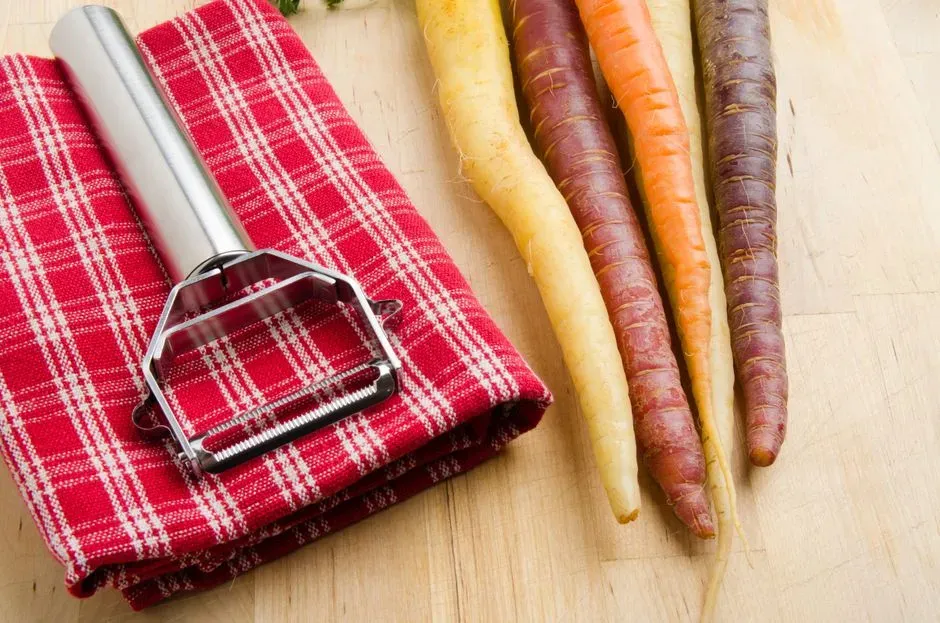
Carrots weren’t always orange. Purple, yellow, red, and white varieties existed long before the orange carrot became the default, and in recent years growers have brought many of those older colors back into circulation. A bunch of rainbow carrots, roots still attached, has become something of a visual shorthand for farm freshness at markets and in food photography alike.
The color differences aren’t purely cosmetic. Purple carrots carry anthocyanins, while the orange ones are rich in beta carotene, meaning a mixed bunch actually offers a broader spread of plant compounds than a single-color bag. Roasted together, they hold their individual colors reasonably well, which is part of why they’ve become a go-to for anyone plating a dish meant to look a little more considered than average.
Purple Cauliflower and Broccoli
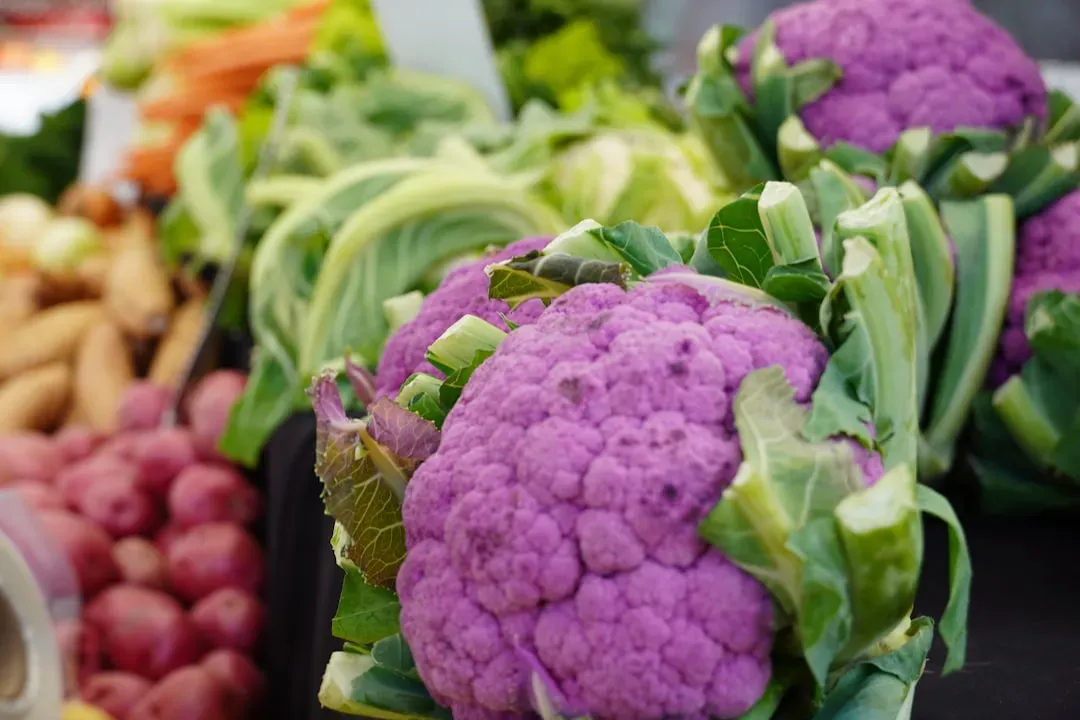
Standard white cauliflower has some genuine competition these days from purple varieties bred specifically for both color and hardiness. One purple broccoli variety won a National Garden Bureau People’s Choice Green Thumb Award and boasts bright purple stems with domed main heads and smaller side shoots. That kind of recognition signals how much attention plant breeders are now putting into color as a selling point, not just yield or disease resistance.
Home gardeners have picked up on the trend too, growing these varieties specifically because they stand out in a vegetable bed the way flowers do. Cooked, the purple color tends to mellow toward green, so anyone hoping to keep that vivid shade often opts to serve it raw or very lightly steamed. Either way, it’s proof that even the most familiar vegetables can get a genuine visual upgrade.
Fairytale Eggplant
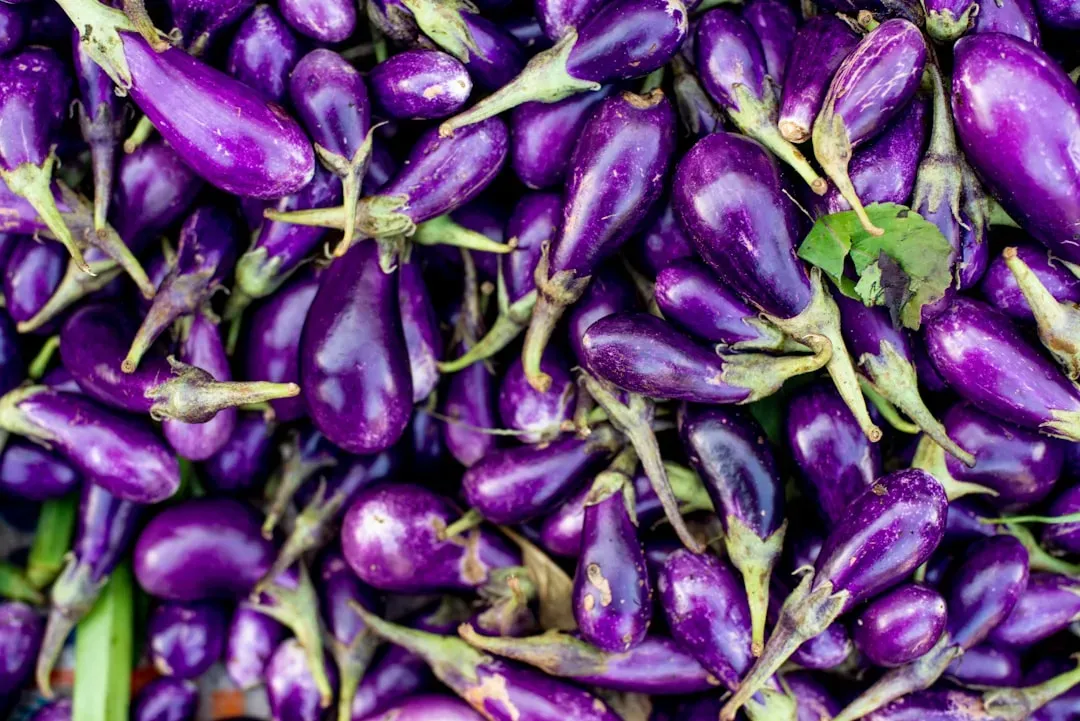
Fairytale eggplants are the miniature, streaked cousins of the large glossy eggplants most people know from moussaka or baba ganoush. They’re small enough to fit in a palm, striped in shades of purple and white, and notably less bitter than their full-sized relatives. That mild flavor makes them forgiving for cooks who’ve had disappointing experiences with eggplant in the past.
They also carry a compound worth mentioning here. Eggplant skin contains nasunin, an acylated anthocyanin that s antioxidant and metal-chelating activity in experimental models. Because the skin on fairytale eggplants is thinner and more tender than standard varieties, cooks tend to leave it on rather than peel it away, which means that pigment actually ends up on the plate rather than in the compost.
Kohlrabi
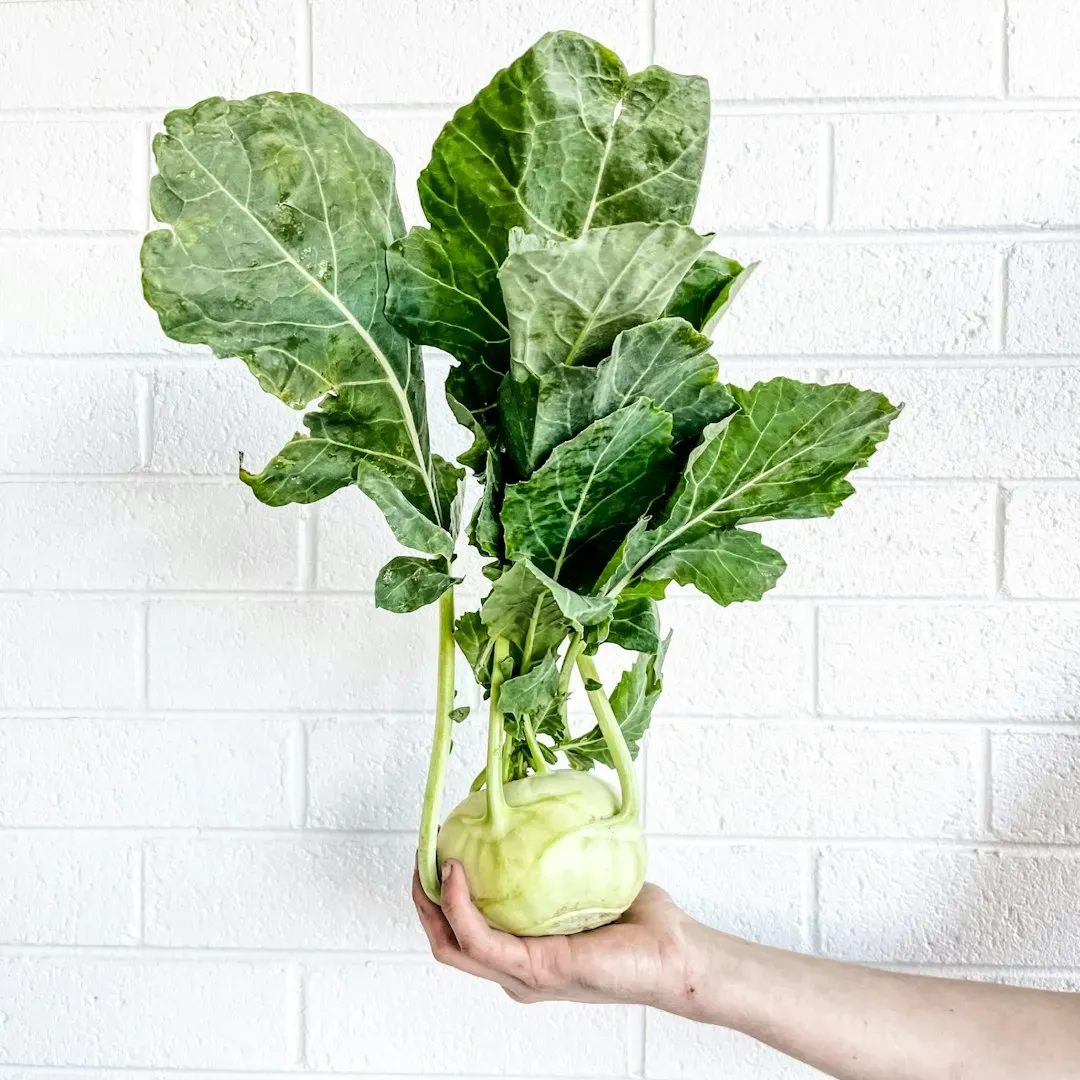
Kohlrabi tends to confuse first time shoppers, sitting in the produce aisle looking like some kind of alien turnip with stalks shooting out in every direction. It’s actually a member of the cabbage family, and once peeled, the flesh is crisp, mildly sweet, and closer in texture to a jicama or apple than to anything leafy. That crunch is exactly why it’s found a following among people looking for a low calorie, satisfying snack.
It comes in both green and purple skinned varieties, with the purple ones adding a bit more visual interest to a crudité platter or slaw. Cooks have also started spiralizing it as a lower carbohydrate alternative to noodles, which has extended its appeal beyond the raw vegetable crowd. It’s a good example of a vegetable that’s been around for generations quietly finding new relevance.
Golden Beets
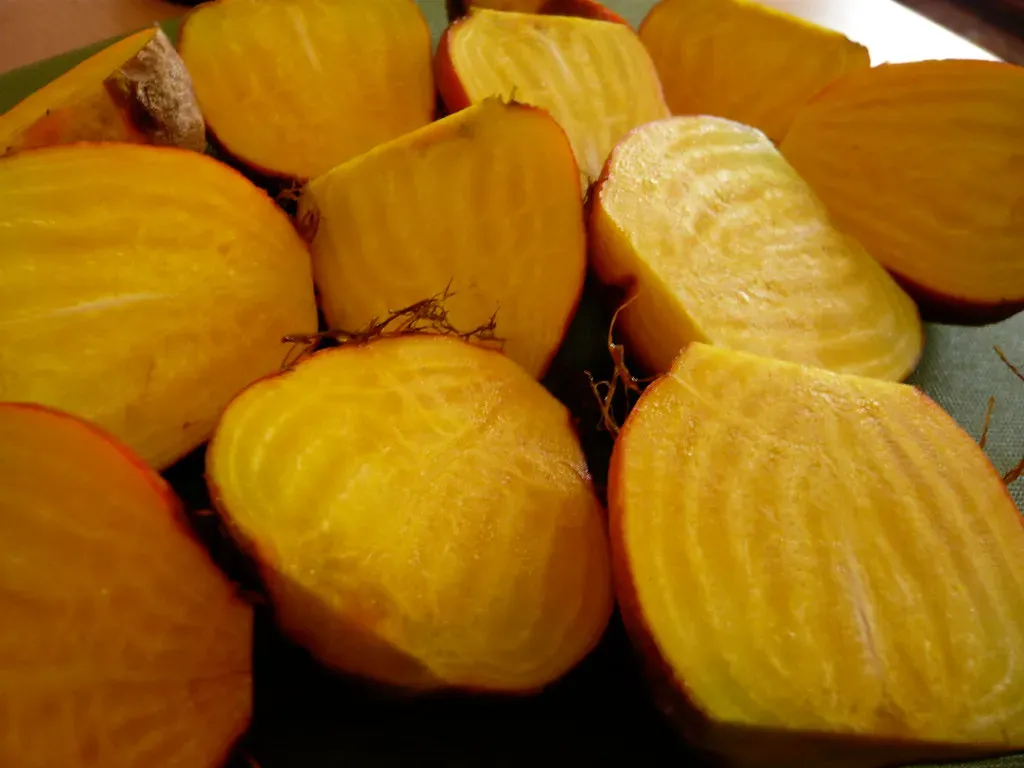
Golden beets solve a problem that’s kept a lot of people away from beets entirely, namely the way red beets stain everything they touch. The golden variety has the same earthy sweetness but without the mess, and its color leans toward amber or deep yellow rather than crimson. Roasted, they caramelize nicely and hold their shape better than some red beet varieties tend to.
They’ve become a favorite for salads where a cook wants sweetness and color without the visual clash red beets can cause next to other ingredients. Nutritionally they share much of the same profile as red beets, including nitrates linked to blood pressure support, just without the pigment that comes from betalains rather than anthocyanins. It’s a small swap that’s made beets more approachable for a wider range of cooks.
Dragon Tongue Beans
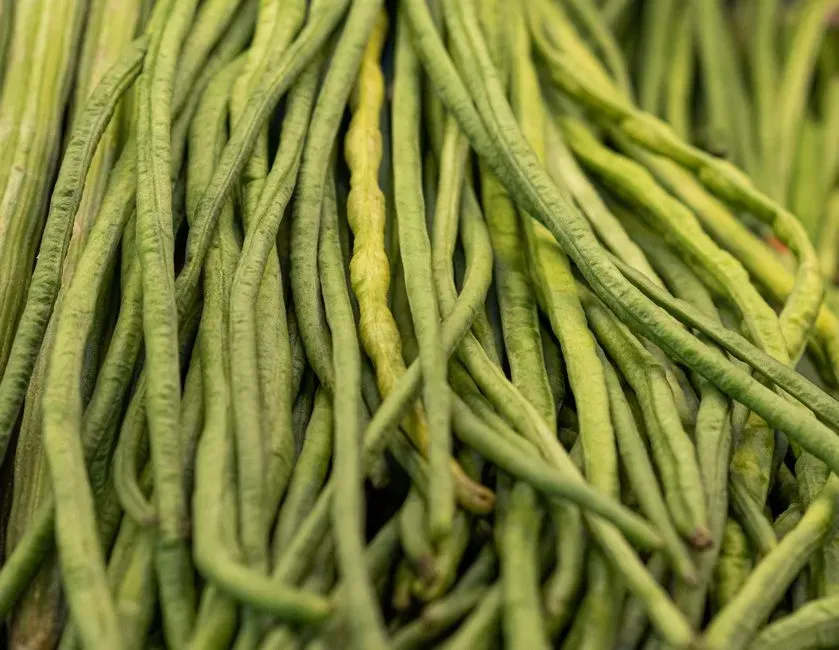
Dragon tongue beans are pale yellow with streaks of deep purple running across each pod, a pattern that looks almost hand painted before you even get to the taste. They’re a heritage variety, meaning they’ve been grown for generations rather than recently developed, and they carry a slightly buttery flavor compared to standard green beans. The purple streaking actually fades once cooked, turning a uniform green, so many cooks serve them lightly blanched or raw in salads to preserve the look.
Their appeal at farmers markets tends to come from that heirloom story as much as the appearance. Shoppers looking to support smaller growers and older seed varieties often gravitate toward beans like these specifically because they aren’t the kind of thing sold in large chain grocery stores. It’s a small act of variety preservation that happens to also taste good.
Cabbage
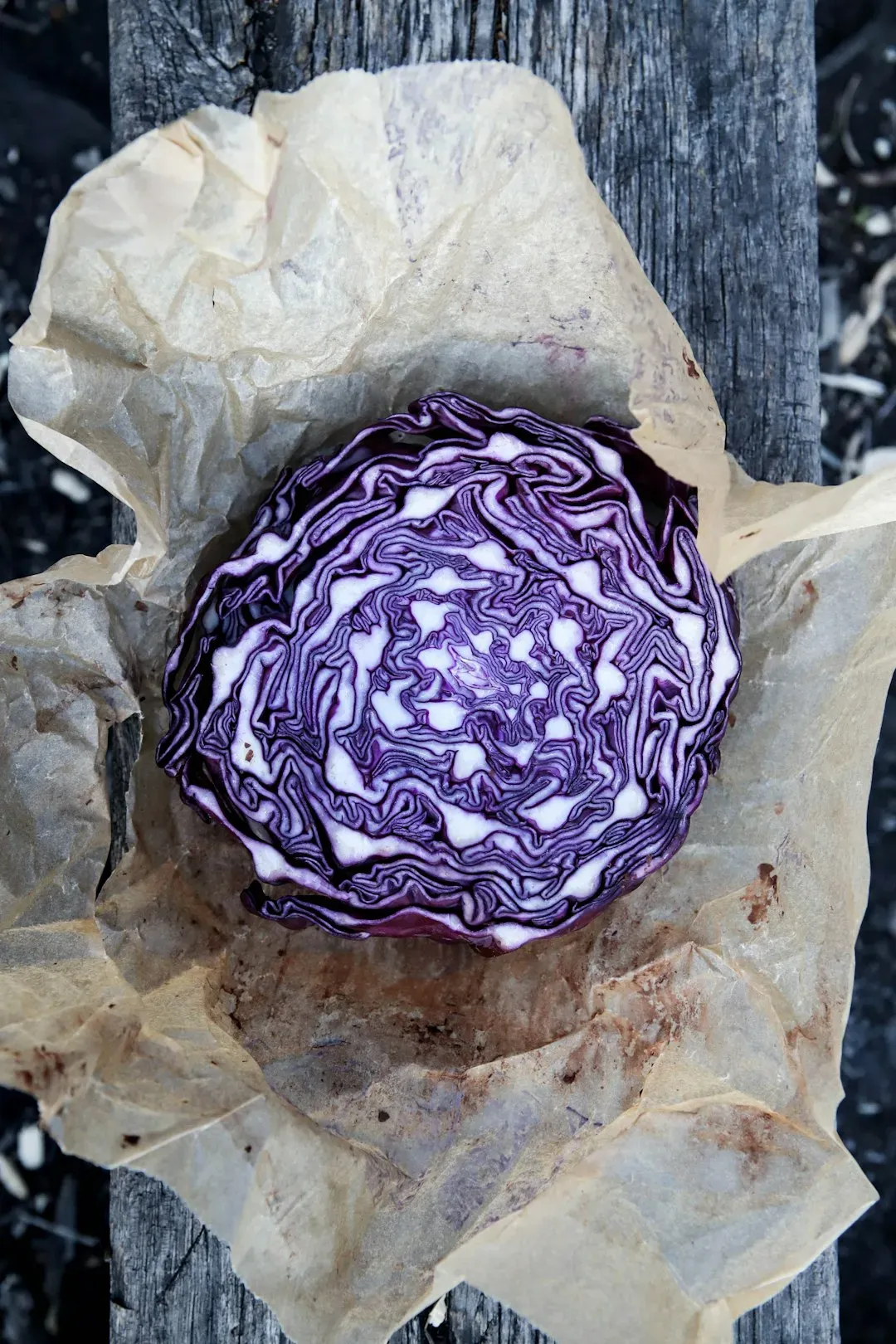
Cabbage might be the least expected name on this list, given how ordinary it’s seemed for decades, but it’s currently having a genuine moment. Cabbage is emerging as a major contender for the next “it” vegetable, considered a breakout star by the Pinterest Predicts 2026 report and experiencing a massive surge of social media engagement. That’s a notable shift for a vegetable most people associate with coleslaw and not much else.
The sales numbers back up the online buzz. Amazon Fresh reported a 12% year-over-year growth in 2025 cabbage sales, not limited to whole heads but including packaged mixes, organic varieties, and ready-to-eat prepared foods. Varieties like Napa, savoy, and the deep purple red cabbage each bring a different texture and color to the table, and cooks are finding new ways to use them beyond the slaw bowl, from charred wedges to quick pickles.
Why These Vegetables Are Having a Moment
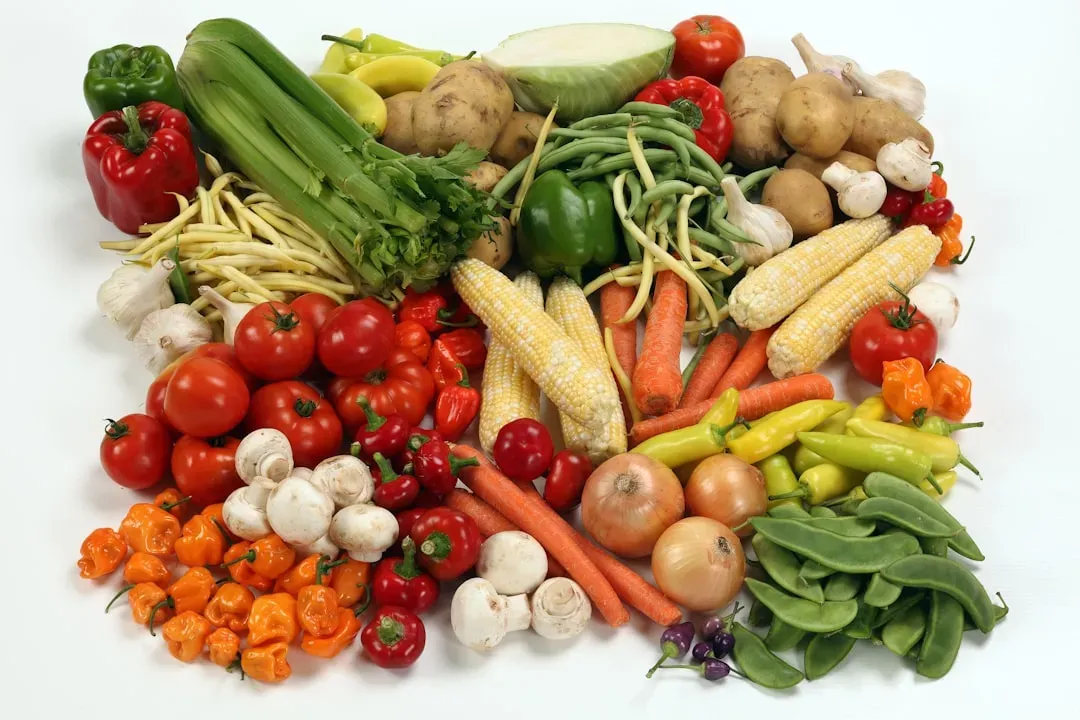
Part of what’s driving interest in unusual produce is simply access. Farmers markets have made it easier to find heirloom and specialty vegetables that used to require a dedicated seed catalog and a lot of patience to grow at home. A March 2025 study conducted by the University of Wisconsin found that 80% of Americans attend a local farmers market at least once a year, giving these vegetables a much wider audience than they had even a decade ago.
There’s also a nutritional angle that’s harder to ignore. Colorful, delicious, high satiety, low calorie fruits and vegetables can play a starring role, with medical professionals recommending a colorful variety of produce as a key food for maintaining health. Between social media exposure, farmers market accessibility, and genuine interest in eating a wider range of plants, it’s a good moment to be a strangely colored vegetable.