Table of Contents
The Science Behind Caramelization
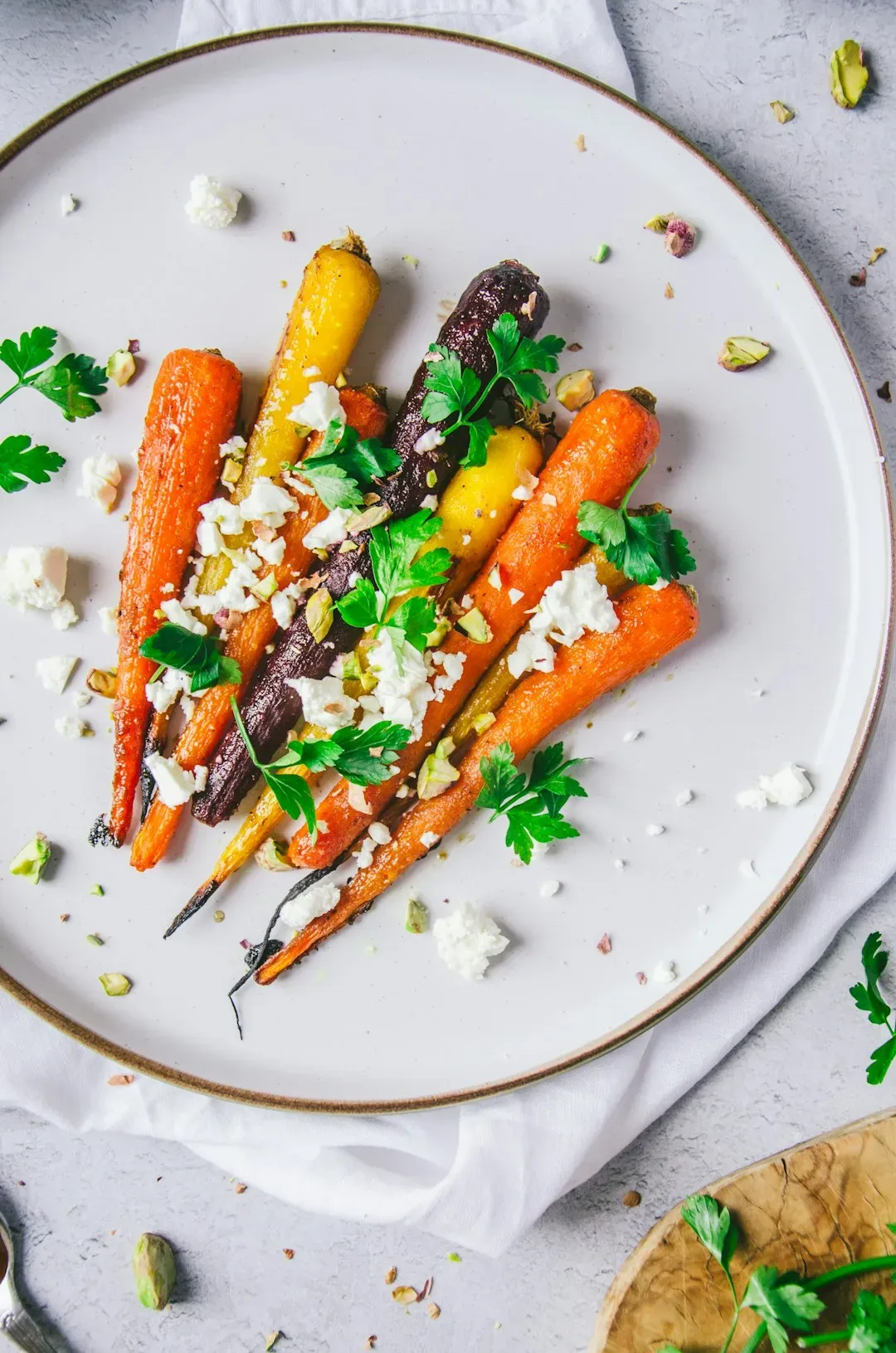
Vegetables contain natural sugars, though usually in modest amounts compared to fruit. When exposed to dry heat above roughly 300 degrees Fahrenheit, those sugars begin to break down and rearrange into new compounds, a process called caramelization. This is the same reaction that turns granulated sugar into caramel sauce on a stovetop, just happening more gradually inside a vegetable’s cell structure.
The result is a deeper, rounder sweetness that raw or steamed vegetables simply don’t develop. Steaming and boiling keep vegetables wet, and moisture actually blocks caramelization from happening at all. That’s the core reason a roasted carrot tastes noticeably sweeter than a boiled one, even though the sugar content hasn’t changed.
The Maillard Reaction and Flavor Development
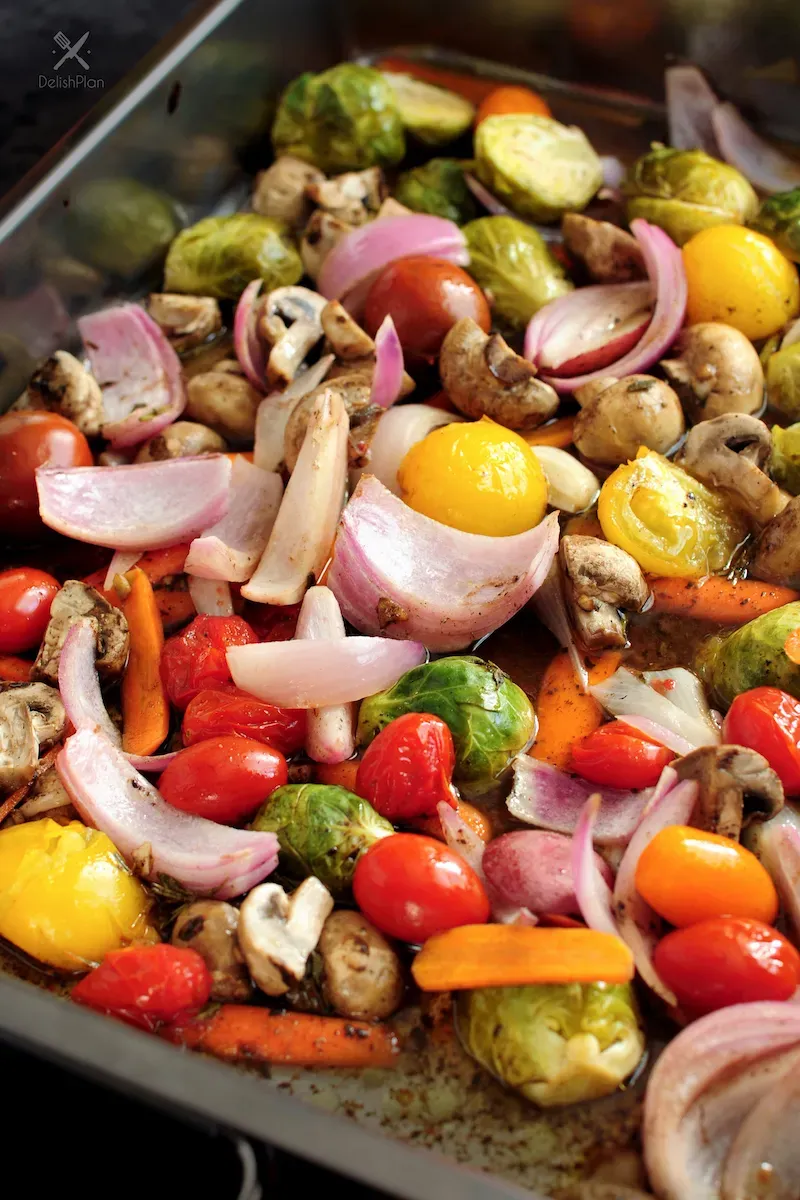
Alongside caramelization, roasting triggers something called the Maillard reaction, a chemical process between amino acids and sugars that produces hundreds of new flavor compounds. It’s the same reaction responsible for the crust on seared steak or the golden top of fresh bread. Vegetables contain enough natural protein and sugar to undergo a milder version of this same browning process.
This is where the savory, almost nutty notes in roasted vegetables come from, not just sweetness alone. Sweet potatoes, onions, and mushrooms show this especially clearly, developing complex flavors that go well beyond their raw taste. Together with caramelization, the Maillard reaction is why roasted vegetables taste layered instead of one dimensional.
Why High Heat Matters More Than Time
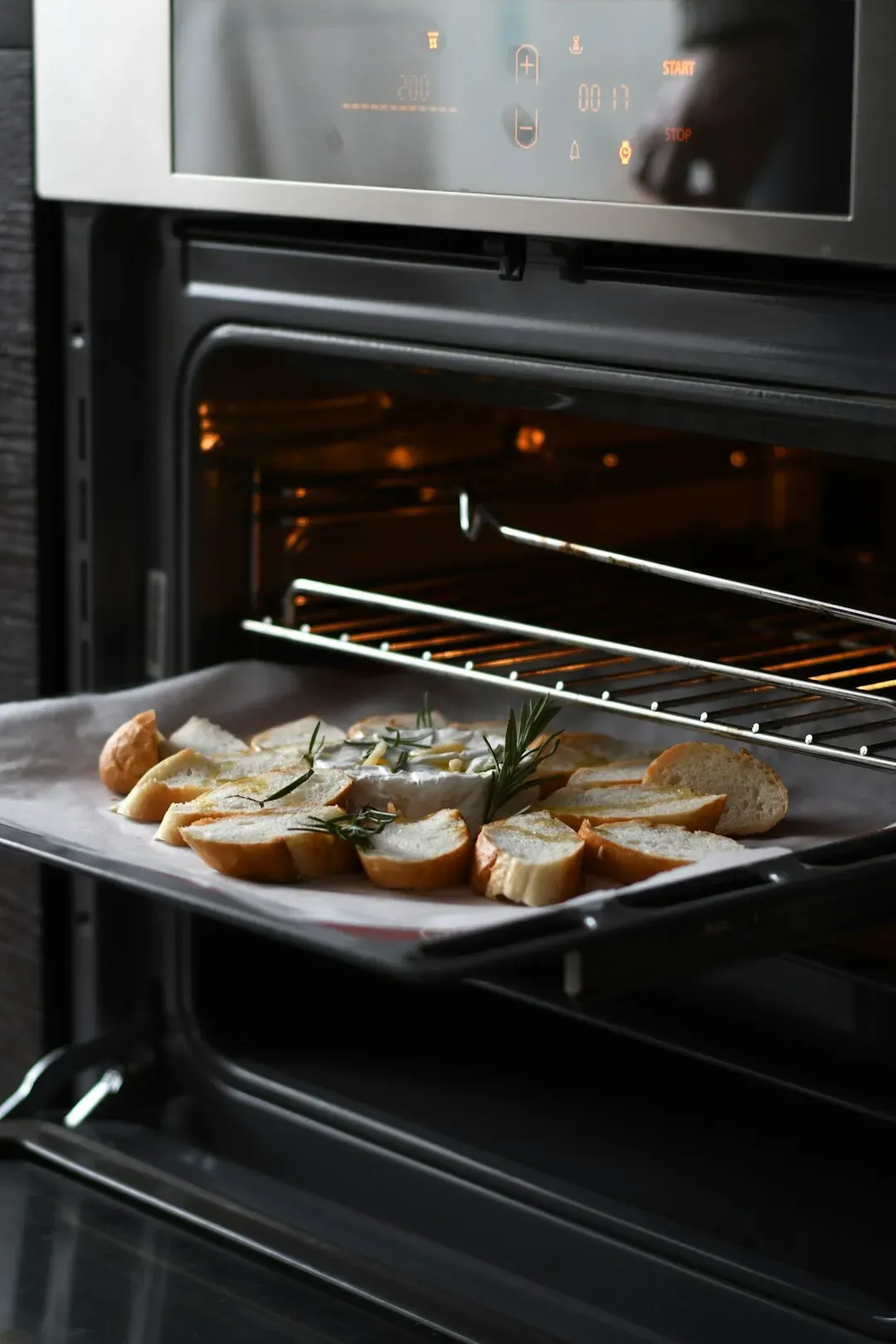
Temperature plays a bigger role in sweetness than most home cooks assume. Roasting at 400 to 450 degrees Fahrenheit encourages faster browning on the surface while the inside cooks through at a reasonable pace. Lower temperatures, closer to 325 degrees, tend to dry vegetables out before real caramelization has a chance to build.
Rushing the process by cranking the heat even higher isn’t the answer either, since vegetables can scorch on the outside while staying raw in the center. The sweet spot, quite literally, sits in that 400 to 450 degree range for most common vegetables. Consistency in oven temperature matters just as much as the number on the dial, which is why preheating fully before adding the tray makes a real difference.
The Role of Moisture Loss
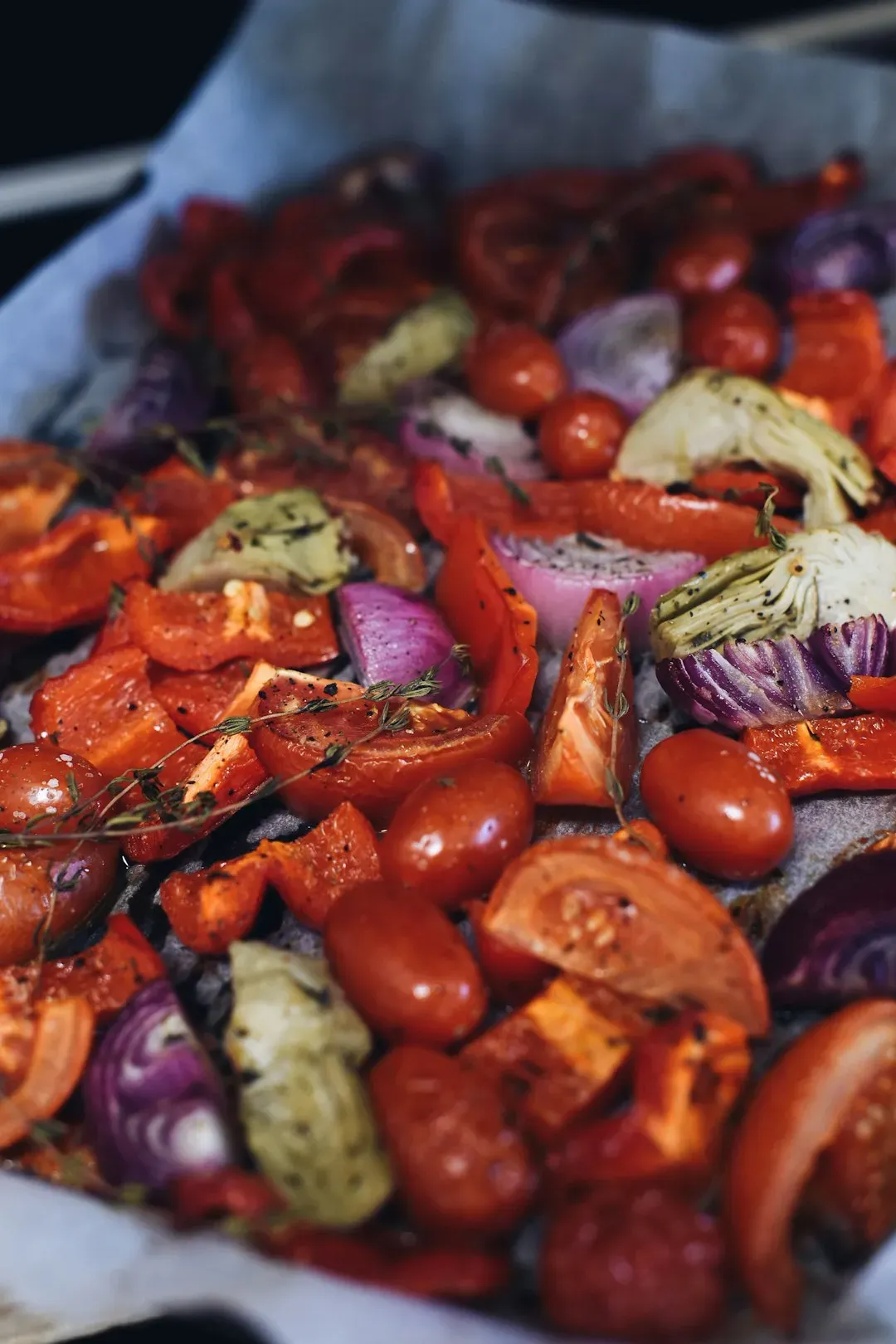
Water is the enemy of browning, and roasting works largely because it pulls moisture out of vegetables over time. As water evaporates from the surface, sugars and proteins become more concentrated there, setting up the exact conditions caramelization and the Maillard reaction need to occur. This is part of why crowding a baking sheet leads to soggier, paler results.
When vegetables are packed too tightly, they trap steam around each other instead of releasing it into the oven air. Giving pieces enough space allows that moisture to escape freely, which speeds up browning and deepens flavor. It’s a small adjustment, but it’s one of the most common reasons home roasted vegetables turn out underwhelming.
Best Vegetables for Roasting and Their Sugar Content
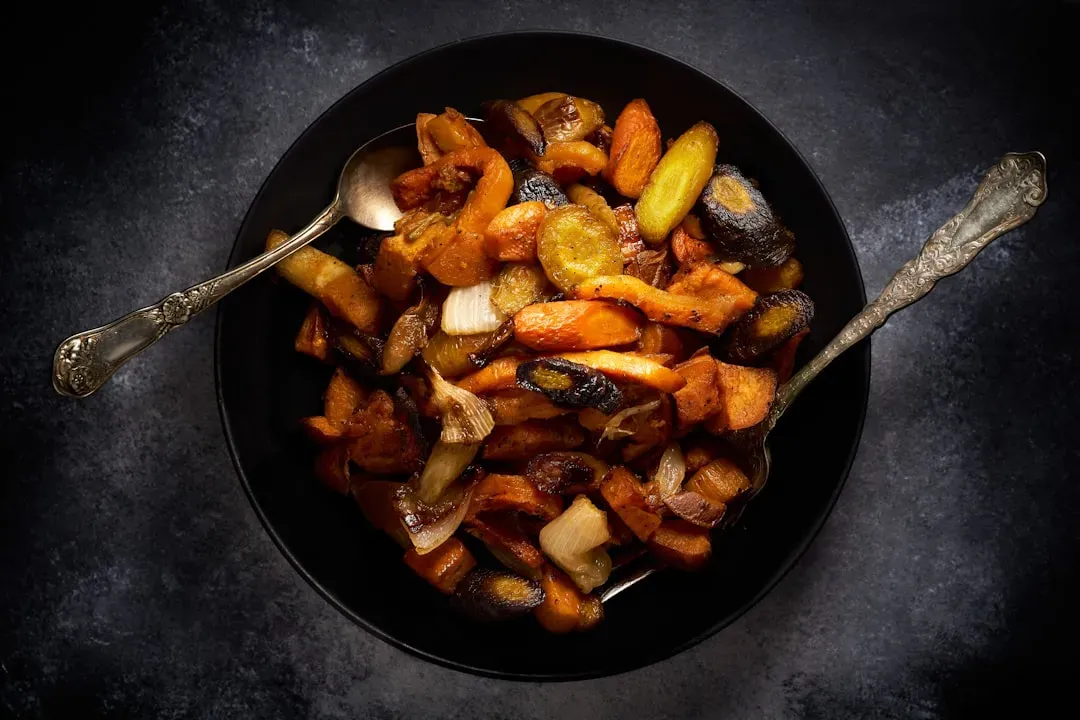
Not all vegetables caramelize equally well, largely because their natural sugar levels differ. Carrots, parsnips, beets, and sweet potatoes rank among the sweetest raw vegetables, so they respond dramatically to roasting. Onions and butternut squash also carry notable natural sugar, which is why roasted onions can taste almost jam like after enough time in the oven.
Leafy vegetables and very high water content produce, like zucchini or tomatoes, behave differently since they release liquid quickly and can end up steaming rather than browning. That doesn’t mean they don’t belong in a roasting pan, but they often need higher heat or a shorter cook time to avoid turning mushy. Choosing vegetables with a mix of sugar content and structure tends to give the most balanced results on one tray.
Choosing the Right Pan and Oven Temperature
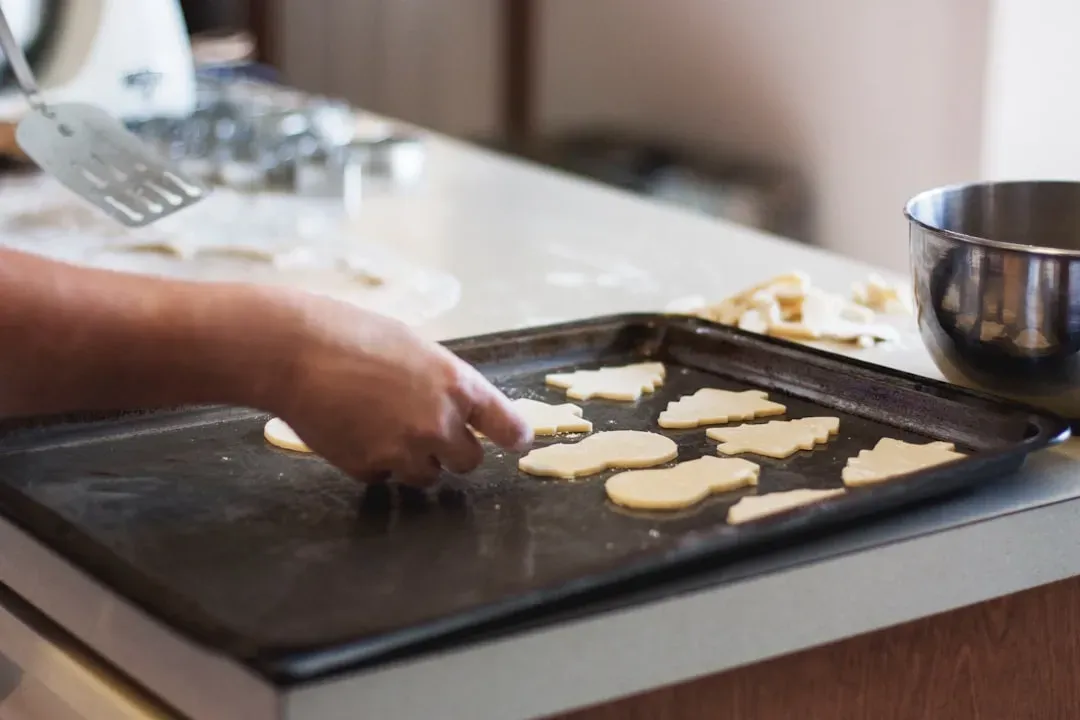
The type of pan used affects browning more than people expect. A heavy, rimmed metal baking sheet conducts heat efficiently and helps vegetables brown on contact, while glass or ceramic dishes tend to insulate rather than transfer heat quickly. Dark colored pans generally brown food faster than shiny aluminum ones, since dark surfaces absorb more heat.
Placing the pan on a lower oven rack, closer to the heat source, can also intensify caramelization on the underside of each piece. Some cooks preheat the pan itself before adding vegetables, which gives an immediate sizzle on contact and jump starts browning right away. These details might sound minor, but together they explain why two cooks using the same recipe can get noticeably different results.
The Importance of Cutting Size and Shape
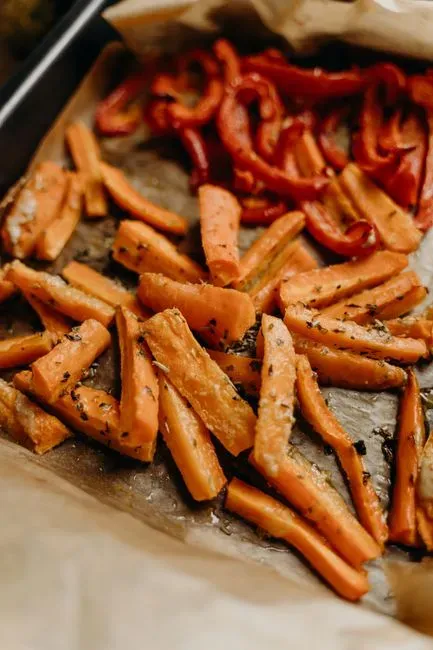
How a vegetable is cut determines how much surface area is exposed to heat, and surface area is where all the browning happens. Smaller, evenly cut pieces roast faster and brown more uniformly than large chunks, which often stay pale in the center. Cutting vegetables into similar sizes also matters, since uneven pieces cook at different rates and some inevitably burn while others remain underdone.
Flat cuts, like halved Brussels sprouts or planks of squash, create a wider flat surface that sits directly against the hot pan. That direct contact produces deeper caramelization than a rounded or irregular cut ever could. It’s a simple technique adjustment, but it consistently produces better browning without changing the oven temperature at all.
Oil, Fat, and Even Browning
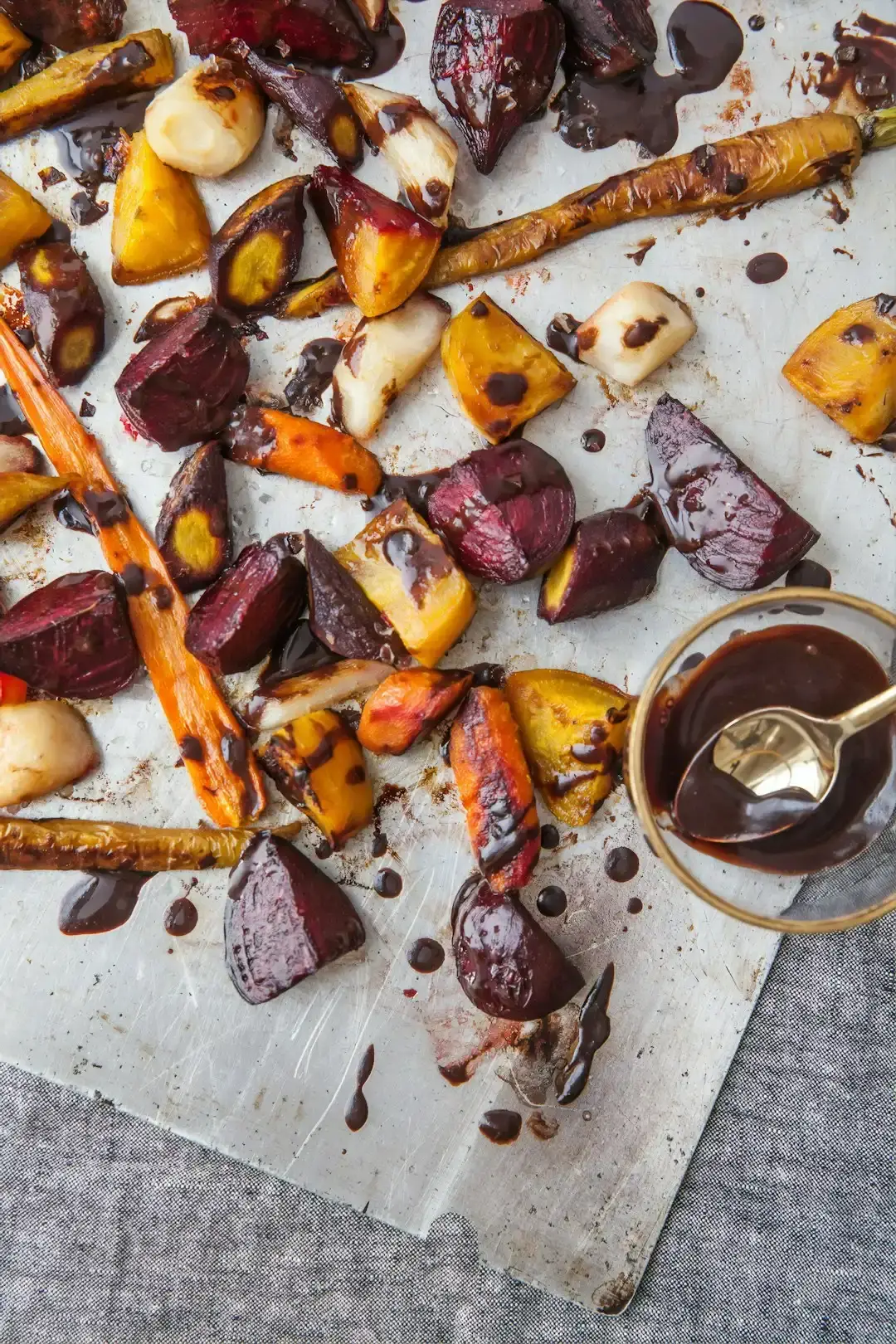
A light coating of oil does more than prevent sticking. Oil helps conduct heat evenly across a vegetable’s surface and improves contact between the food and the hot pan, both of which speed up browning. It also carries fat soluble flavor compounds, which is part of why roasted vegetables often taste richer than their steamed counterparts.
Too much oil, though, can have the opposite effect, since a pool of oil around vegetables essentially fries or steams them rather than roasting them. A thin, even coat, tossed by hand or with a spray, tends to work better than a heavy drizzle. Neutral oils with a higher smoke point, like avocado or refined vegetable oil, hold up well at the higher temperatures roasting typically requires.
Common Mistakes That Prevent Sweetness
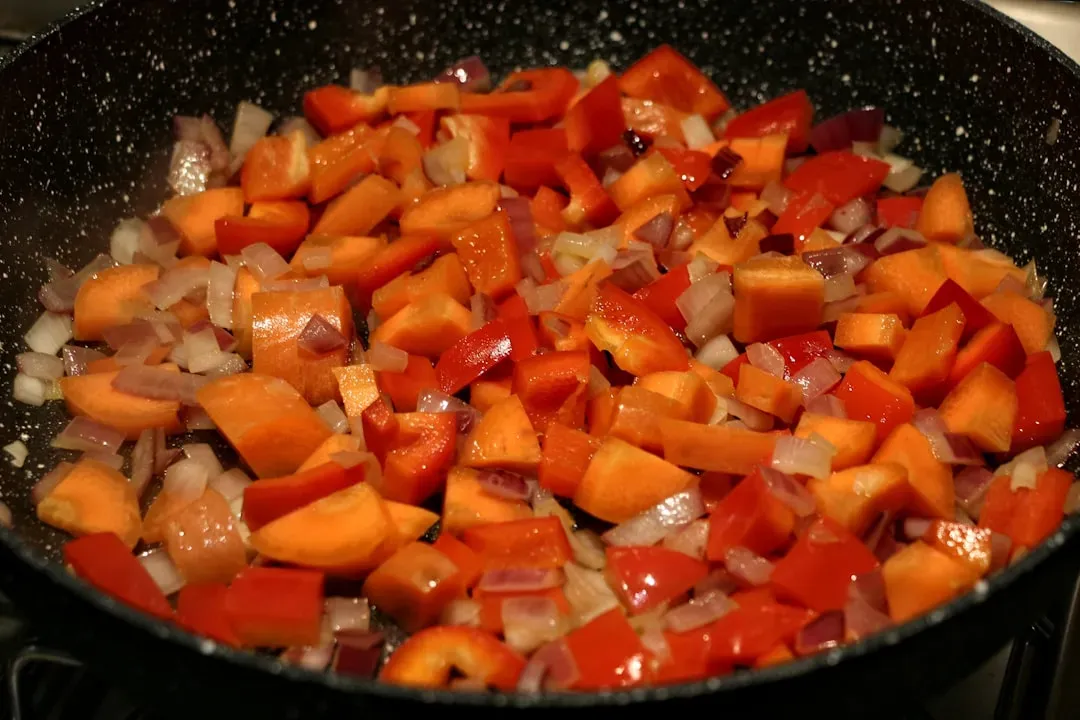
Several small habits quietly stand between a home cook and properly caramelized vegetables. Overcrowding the pan, using too low a temperature, and flipping pieces too often are among the most frequent culprits, since each one interrupts the steady dry heat needed for browning. Adding salt too early can also draw out moisture faster than it can evaporate, leaving vegetables slightly damp on the surface.
Another common issue is pulling vegetables out of the oven too soon, before real color has developed. Vegetables often look done well before they’re actually caramelized, and that extra five or ten minutes is usually where the sweetness fully develops. Patience, more than any specific technique, tends to separate mediocre roasted vegetables from genuinely good ones.
Seasoning and Timing for Maximum Flavor
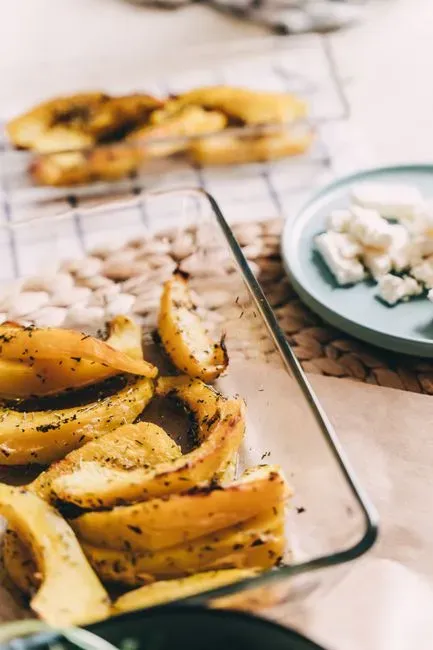
When and how vegetables are seasoned can influence both texture and flavor. Adding salt shortly before roasting, rather than long in advance, helps limit excess moisture loss before the vegetables even reach the oven. Herbs and spices, on the other hand, are often better added partway through cooking or after roasting, since delicate herbs can burn under sustained high heat.
Acidic finishing touches, like a splash of vinegar or a squeeze of citrus, are frequently added only after roasting is complete. That’s because acid can interfere with browning if introduced too early, dulling the caramelization that’s already taken time to build. A light finish added at the very end tends to brighten the dish without undoing the flavor work the oven has already done.
Final Thoughts