
Every cook has had that gut-sinking moment. You’ve spent an hour preparing something beautiful, you bring the spoon to your lips for a taste, and something is just… off. Not subtly off. Completely, irreversibly wrong. Honestly, it happens to the best of us, and more often than you’d think, the culprit isn’t technique. It’s a single ingredient, used the wrong way.
Most people assume a ruined dish comes from a complicated mistake. In reality, the damage usually traces back to something shockingly ordinary. The wrong amount of salt. Garlic left on the heat a minute too long. An oil pushed past its limit. These are the quiet assassins of good cooking, and they strike fast. Let’s get into it.
Table of Contents
1. Salt: The Most Powerful Flavor Weapon You’re Probably Misusing
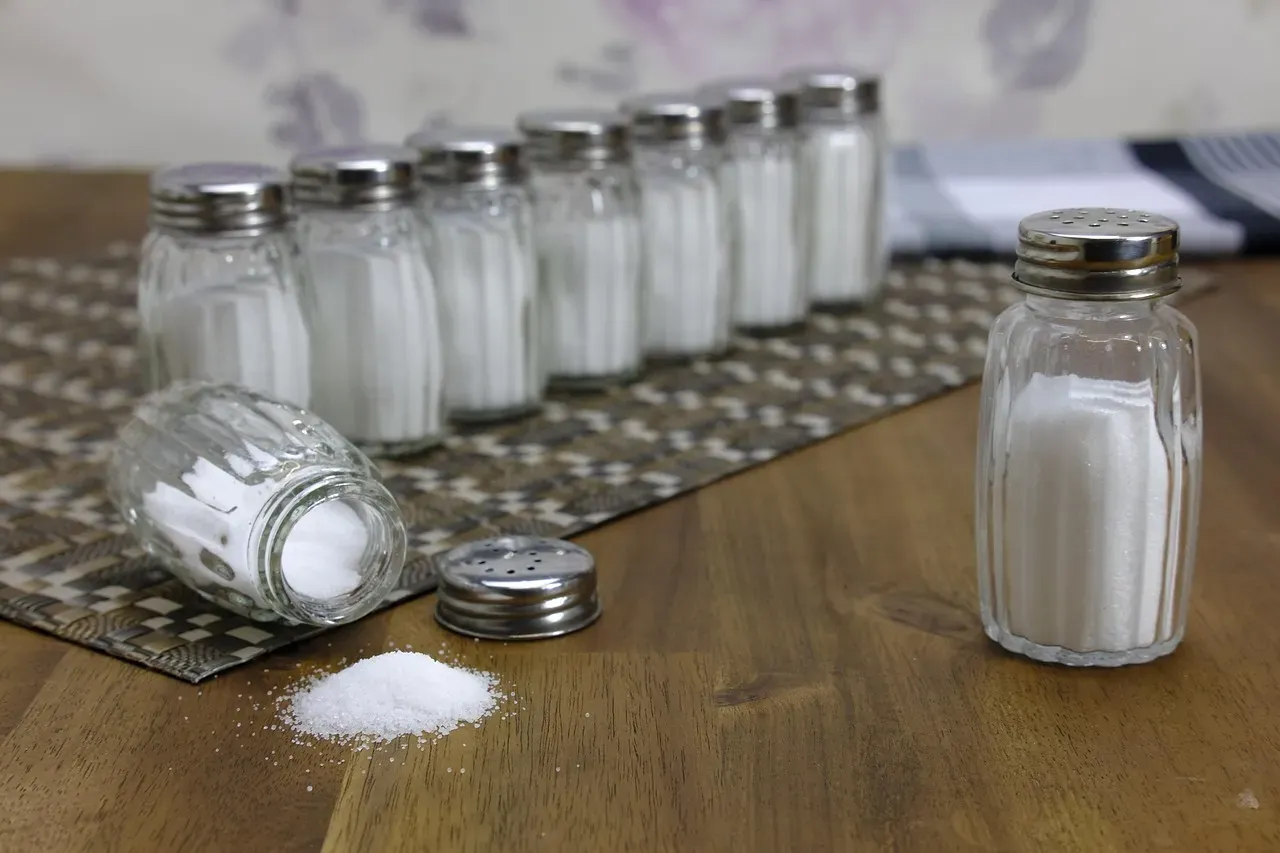
Let’s be real, salt is the most consequential ingredient in any kitchen. Salt does more than make food “salty.” It brings out natural flavors, balances bitterness, and even affects how ingredients react during cooking. That’s why getting it wrong, in either direction, is so damaging.
One habit chefs frequently notice in home kitchens is seasoning aggressively before tasting the dish. While salt and spices are essential to bringing out flavor, adding too much too early can overwhelm ingredients that already have natural complexity. Premium meats, fresh seafood, and seasonal vegetables often need surprisingly little help.
Nine out of ten Americans consume too much sodium, with more than 70% coming from processed and restaurant foods. The real danger at home isn’t necessarily seasoning from scratch. It’s cooking with pre-salted broths, sauces, or seasonings and then adding more salt on top without tasting first. The dish never recovers from that kind of double salting.
At the age of 50, roughly one and a half years and over two years were knocked off the life expectancy of women and men respectively, who always added salt to their food compared to those who never, or rarely, did. That’s a staggering finding. For most healthy adults, the World Health Organization recommends eating no more than two grams of sodium a day, and the American Heart Association recommends a hard sodium cap of 2.3 grams a day, equivalent to a teaspoon of salt. Most people exceed that before lunch.
2. Garlic: The Ingredient That Goes From Hero to Villain in Seconds
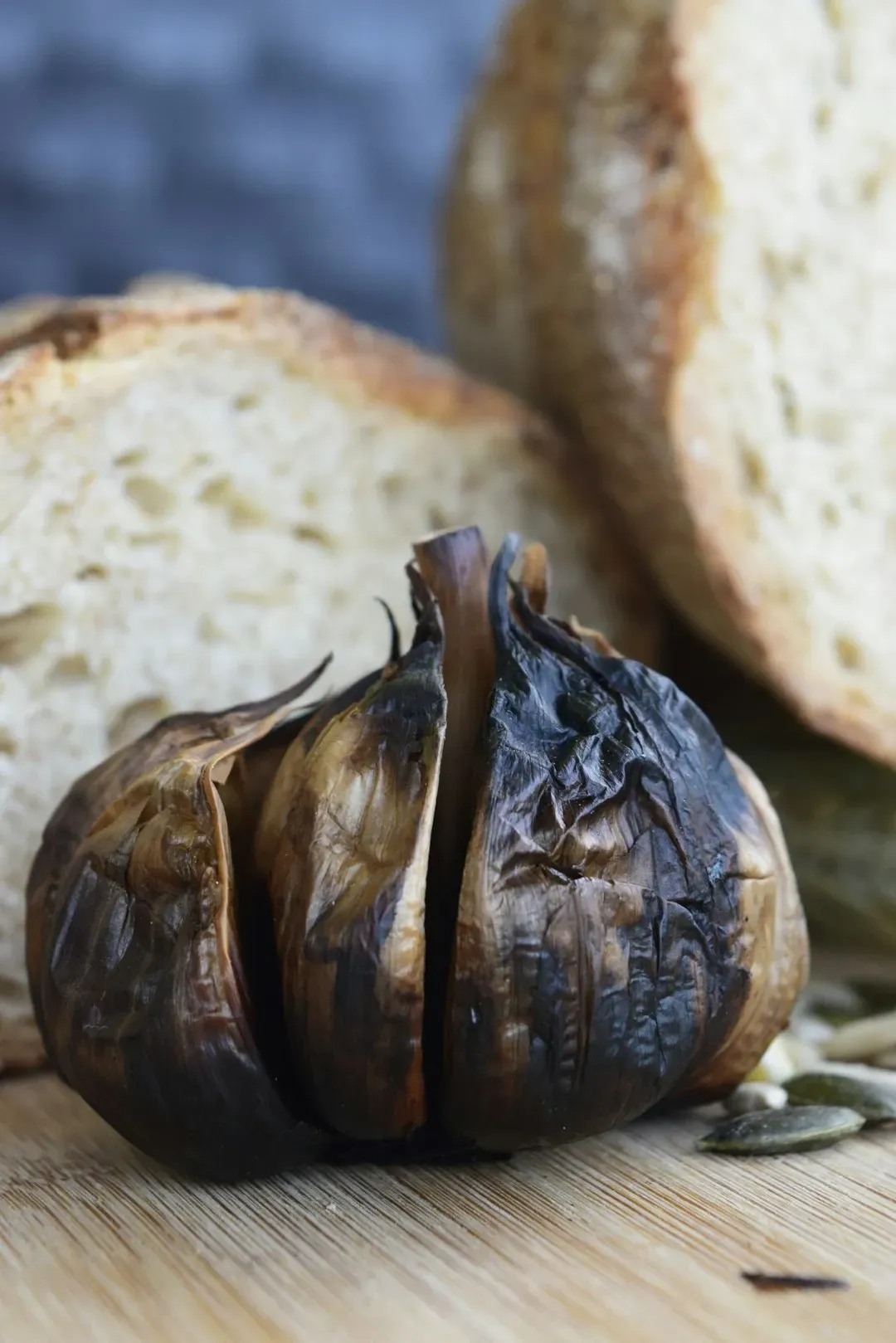
Garlic is one of the most seductive ingredients in any kitchen. That golden, fragrant sizzle in a hot pan is practically the universal sound of something delicious happening. Until it goes too far. Whether a recipe calls for a little garlic or a lot, this ingredient can ruin your dish if you overcook it. Garlic that’s even a bit burnt becomes bitter, and you’d be amazed how fast it can turn into little lumps of charcoal.
Garlic burns easily due to its low water content and high amounts of sugar and amino acids, which means high heat and prolonged exposure can rapidly transition it from golden to charred. Excessive heat breaks down allicin overly quickly, creating acrid compounds that result in bitterness. Think of it like caramel. Beautiful for a moment, then suddenly black and bitter the second you look away.
A simple fix is to wait until the onions or other vegetables are almost completely softened, and then stir the garlic into the mix. Allow the garlic to cook for just 30 to 60 seconds before adding liquid or other ingredients to the pot. Garlic burns quickly and develops bitter flavors when overcooked. Adding it at the beginning of a long sauté can ruin an otherwise perfect dish.
When garlic ages, the germ turns green and begins to taste bitter. Accidentally cooking the germ of an old bulb of garlic and you’re going to find yourself in a heap of bother. So before you even get to the heat, check what you’re working with. Old garlic with a green center is already halfway ruined before it hits the pan.
3. The Wrong Cooking Oil: A Slow-Motion Flavor Disaster
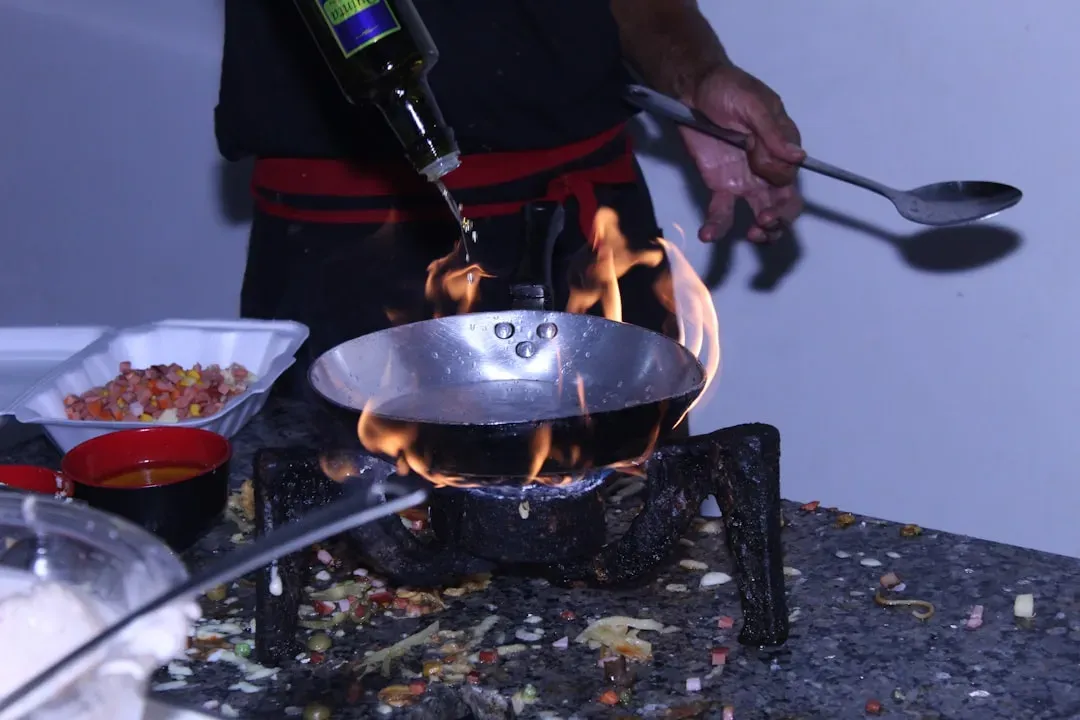
Here’s a mistake that almost nobody talks about enough. Using the wrong oil for the wrong task doesn’t just fail to help your dish. It can actively destroy it. Every oil has a different smoke point, which is the temperature at which it starts to burn. When oil burns, it breaks down and gives food a bitter flavor. Olive oil, for example, is best used in dishes that require low to medium heat.
The delicate fats and beneficial compounds that make olive oil so wonderful are beginning to decompose when pushed past its heat limit. This process not only creates a harsh, bitter flavor that will ruin your meal but also generates potentially harmful compounds like acrolein. Acrolein is, incidentally, the same compound responsible for the repulsive smell of truly burnt food. Nobody wants that at their dinner table.
Many people use whatever oil is on hand for every task, which often leads to uneven cooking or a burnt taste. It’s like using the same tool for every job. Sure, sometimes a hammer works as a screwdriver, but most of the time it just makes things worse. Coconut oil, clarified butter, or avocado oil can withstand higher heat for frying or searing. Choose your oil deliberately, not by default.
Overheating certain oils can create harmful compounds including acrylamides, toxic aldehydes, hydroxylinoleate, free radicals, and trans fats. That’s not a minor cooking inconvenience. That’s a chemistry problem on your stovetop. The flavor damage may be obvious, but the invisible damage to the dish’s nutritional profile is real too.
4. Stale or Over-Measured Spices: The Invisible Flavor Killers
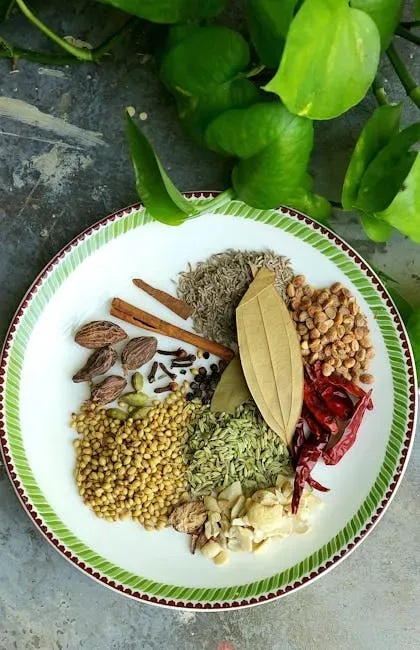
Spices lose potency over time, and low-quality options often lack flavor impact. Using stale spices can make dishes like Mexican meatball soup or curry fall completely flat. This one is sneaky because nothing looks wrong. You followed the recipe. You used the same jar you always use. The dish just tastes like… nothing.
The fix is to replace ground spices every 6 to 12 months, whole spices every 1 to 2 years, and buy from reputable sources. Consider toasting whole spices before grinding for maximum flavor. Toasting spices in a dry pan for just a minute or two before using them is one of the oldest tricks professional kitchens use, and it makes a shocking difference.
On the other side of the equation, using too many spices at once is just as destructive. When a recipe contains too many spices, sauces, or competing components, the flavors blend together and become difficult to distinguish. This can make even premium ingredients taste ordinary. It’s a bit like having five people shout the same word at you simultaneously. You can’t understand any of them.
Chefs carefully design dishes so that each component has a purpose and complements the others. A simple preparation using a few well-chosen elements often highlights freshness and texture better than a complicated mixture. Restraint, it turns out, is a real culinary skill. It’s harder than it sounds.
5. Fresh Herbs Added Too Early: Destroying What Makes Them Special
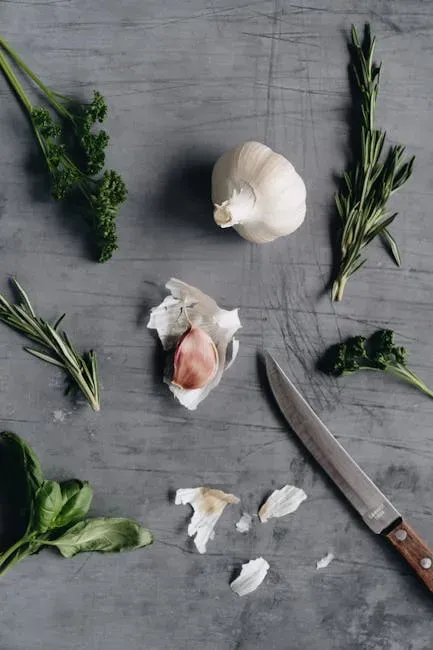
Fresh herbs are one of the most transformative things you can add to a dish. They can lift a sauce, brighten a braise, and turn something ordinary into something genuinely memorable. The problem is that most home cooks throw them in far too early. Ingredients like fresh herbs, specialty cheeses, truffle oil, and high-end olive oils are often meant to enhance dishes at the final stage rather than endure long cooking times. Extended heat can dull their aroma and complexity.
Fresh basil, for instance, loses its vibrant fragrance when cooked too long, while delicate finishing oils may lose the subtle notes that make them special. What remains is a much flatter flavor profile. It’s a bit like opening a bottle of fine perfume and then leaving it open on the stove for an hour. The magic simply evaporates, quite literally.
Professional chefs often treat these ingredients as finishing elements. Adding them just before serving preserves their aroma, texture, and visual appeal. This simple adjustment allows the ingredient to shine, providing a burst of flavor that elevates the entire dish without overpowering it. The color alone is worth protecting. Wilted, grey herbs tell your guest something went wrong before the first bite.
A Final Thought From the Kitchen
I think the most humbling truth about cooking is this: the ingredients themselves aren’t the problem. How we treat them is. Salt, garlic, oil, spices, and fresh herbs are all extraordinary. They’ve been feeding people and building cultures for thousands of years. The only thing standing between a great dish and a ruined one is often just thirty seconds of patience, a quick taste, or a bit of restraint.
Great cooking, as chefs often say, is about restraint rather than complexity. High-quality ingredients are often the foundation of memorable meals, yet many everyday cooking habits can unintentionally ruin them. Professional chefs spend years learning how temperature, timing, seasoning, and technique affect flavor and texture. What surprises many home cooks is that expensive ingredients do not guarantee great results if they are handled incorrectly.
The next time a dish falls flat, don’t reach for more of everything. Pause, taste, and ask which of these five common culprits might be to blame. The answer is probably already in your pan. What do you think? Have any of these ever silently wrecked one of your favorite recipes? Drop it in the comments.