
Nobody at work noticed for weeks. No dramatic announcement. No before-and-after photo shared on Instagram. Just a quiet decision to change what I put on my plate every day. Honestly, keeping it secret felt like a kind of experiment. Could real change happen without the pressure, the cheerleading, the expectation?
The answer, backed by a growing mountain of research from 2024 and 2025, is yes. What surprised me most is just how much a dietary shift affects your whole body, not just your waistline. From the way you sleep to the way you think, the ripple effects are remarkable. Let’s dive in.
Table of Contents
1. My Mood Stopped Swinging Like a Pendulum

Here’s the thing nobody tells you about food and emotions: they are far more entwined than most people imagine. Accumulating scientific data suggests that diet and nutrition have significant effects on mood and mental wellbeing, with increasing evidence indicating a strong association between a poor diet and the worsening of mood disorders, including anxiety and depression. That was eye-opening for me when I first stumbled across it.
Diets high in ultra-processed foods and low in nutrient quality are consistently associated with a higher risk of depression and anxiety. A 2024 BMJ study found that people who consume high amounts of ultra-processed foods have a nearly half-again higher risk of anxiety and more than a fifth higher risk of depression. When I cut those out, the emotional turbulence genuinely softened.
One intervention study involved a 12-week Mediterranean diet and reported significant improvements in mood and reduced anxiety in adults with major depression. More recent clinical trials confirmed the benefits of a Mediterranean-style diet for mental health in depression. For me, the daily irritability that I had just accepted as “normal” quietly faded out.
2. My Sleep Actually Got Deeper

I used to wake up at 3 a.m. like clockwork. I blamed stress, my phone, the neighbor’s dog. Turns out, my plate had more to do with it than any of those excuses. The cross-link between diet, sleep quality, and chronic inflammation is increasingly recognized and gaining significant attention in scientific research.
Sleep is a physiological necessity and has strong inflammatory underpinnings. Diet is a strong moderator of systemic inflammation. The science on this is genuinely compelling. Diet is one of the strongest moderators of chronic, systemic inflammation, and Mediterranean diets with moderate-to-high intake of vegetables, fruits, nuts, unrefined grains, and fish are associated with lower inflammation.
Polyphenols, particularly flavonoids found in fruits, vegetables, tea, and cocoa, have gained attention for their neuroprotective and sleep-promoting properties. Flavonoids such as apigenin, found in chamomile, have anxiolytic and sedative effects through interactions with GABA receptors. Swapping my late-night chips for a handful of blueberries and a cup of chamomile tea sounds almost too simple. It worked.
3. The Brain Fog I Dismissed for Years Lifted
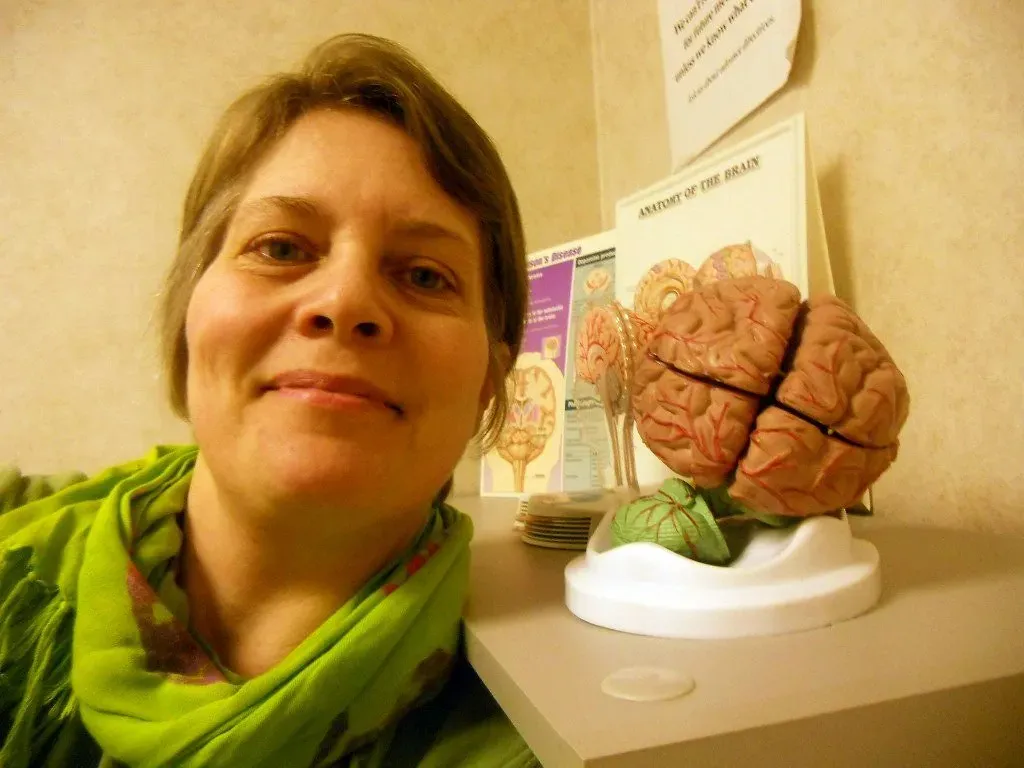
It’s hard to say for sure when exactly it happened, but one morning I sat down to write and the words just came. No grinding start, no staring at the ceiling. I thought I was just having a good day. Then it kept happening. A key explanation for the way food affects mental wellbeing is the effect of dietary patterns on the gut microbiome, a broad term referring to the trillions of microbial organisms including bacteria, viruses, and archaea living in the human gut.
Another key player is the gut-brain axis, a communication network between the gut microbiome and the brain. The gut produces neurotransmitters like serotonin and dopamine, which regulate emotions. A healthy diet rich in fiber, fermented foods, and probiotics fosters beneficial gut bacteria, potentially reducing anxiety and improving mood. The gut, it turns out, is practically a second brain.
A review of 13 studies published in the February 2025 issue of Nutrition Reviews found that the Mediterranean diet could reduce the risks of depression, anxiety, and attention deficit hyperactivity disorder among children and teenagers. Cognitive clarity is not reserved for the young. A better diet makes the brain sharper at any age.
4. My Gut Health Transformed in Ways I Could Feel

Let’s be real: digestive discomfort becomes so familiar that people stop noticing it. That bloat after lunch, the sluggishness after dinner, the constant low-level rumble. I had just accepted all of it. Then I started eating more fiber, more fermented foods, more color on my plate, and my gut basically started functioning like it had been reprogrammed. Microbiota, primarily composed of different microorganisms residing in the gastrointestinal tract, play a significant role in maintaining gut health, and polyphenols and probiotics found in fruits, vegetables, whole grains, legumes, nuts, and seeds promote gut health and support the growth of beneficial bacteria.
The Western diet has negative impacts on the variety and composition of the gut microbiota. Those who follow a Western diet have a less diversified gut microbiome, marked by more harmful bacterial species and fewer helpful ones. This changed microbial makeup is linked to increased energy absorption from food, inflammation, and metabolic dysfunction. That was essentially a portrait of my old eating habits.
The molecular benefits of a healthy diet are transient and dependent on sustained dietary habits, as the microbiome rapidly reverts to its baseline state when healthy eating is abandoned. That is both humbling and motivating. Consistency, not perfection, is what matters most here.
5. My Heart Health Numbers Started Moving in the Right Direction

I’ll be honest: I didn’t go to the doctor expecting good news. I went out of curiosity, months into the diet change, just to see the numbers. My doctor looked at me slightly puzzled and said something had shifted. These dietary shifts are associated with improved metabolic outcomes, such as increased HDL cholesterol. A diet enriched with dietary fibers increased fecal levels of propionic and butyric acid, which was correlated with reduced systemic inflammation and improved vascular stiffness.
Research published in a recent issue of The American Journal of Clinical Nutrition states that consuming a higher ratio of plant to animal protein is associated with a lower risk of cardiovascular and coronary heart disease, based on findings from a 30-year follow-up study. Thirty years of data. That is not a small finding.
Previous studies found that it is promising to achieve the protective effects of dietary patterns on cardiovascular health through the modulation of gut microbiota. The connection between what you eat, what lives in your gut, and how your heart performs is one of the most exciting frontiers in medicine right now. I think we are only beginning to understand how deep that link goes.
6. Inflammation Quietly Stopped Burning in the Background

Chronic, low-grade inflammation is a bit like a slow leak in a tire. You barely notice it until the whole thing gives out. Unhealthy diets are one of the five major risk factors for non-communicable diseases such as cancer and diabetes. Ultra-processed foods were linked to 32 harmful health effects, including heart disease, cancer, and type 2 diabetes, in a study published in the British Medical Journal in February 2024.
A 2024 randomized controlled trial demonstrated the importance of anti-inflammatory diets in nutritional strategies for obesity by reducing body mass index and inflammation. The same principle applies beyond obesity. Mediterranean and DASH diets rich in unsaturated fats and fiber reduce inflammation, support weight management, enhance antioxidant capacity, and improve insulin resistance.
Think of anti-inflammatory eating like watering down a fire that has been smoldering inside your cells for years. Polyphenolic compounds like resveratrol found in grapes and berries and EGCG from green tea exhibit anti-inflammatory and antioxidant effects that may indirectly benefit health by reducing systemic inflammation and oxidative stress. These actions are crucial, as chronic inflammation and elevated oxidative stress are implicated in insomnia and other sleep disturbances. The benefits stack on top of each other beautifully.
7. My Weight Shifted Without Being the Point

I never set out to lose weight. That distinction matters. When weight loss becomes the whole goal, every meal feels like a verdict. When better health becomes the goal, something softer and more sustainable takes over. A study found that twins who consumed a vegan diet over eight weeks experienced decreases in LDL-cholesterol, insulin, and weight, compared to the twins who consumed an omnivorous diet.
Conditions related to excess body weight now kill more people in the Western world than hunger. Obesity rates among adults have doubled since 1990, according to a Lancet study from March 2024, and have quadrupled in children aged 5 to 19. Those numbers hit differently when you see them laid out like that.
More recent research continues to highlight the critical role of metabolic health and gut microbiome balance in long-term weight management. Insights from 2024 and 2025 have helped reframe the conversation, shifting the focus away from short-term results to sustainable, internal health. That shift changed everything for me. It’s not just about the number on the scale – it’s about the ecosystem inside your body. When that internal balance is supported, everything else, including weight, tends to fall into place.
8. My Energy Levels Stopped Crashing After Lunch

The post-lunch slump is so universal that people treat it like a law of physics. It is not. A study on blood glucose levels found that when glucose was systematically lowered in human participants, counter-regulatory hormones such as cortisol caused them to feel more irritable and anxious. Eating a diet lacking in nutrition causes the body to struggle to regulate blood glucose through insulin resistance, which can lead to elevated and severely low glucose levels and may contribute to anxiety in some people.
Roughly half of consumers cited wanting to feel better or have more energy as motivators for following a specific dietary pattern. Energy, not weight, is what most people actually want. Data published in the International Journal of Food Sciences and Nutrition suggests that following both a Mediterranean diet and a vegetarian diet resulted in improved hormone levels related to energy. Stable blood sugar means stable energy. It is about as simple as that.
I replaced refined carbohydrates with legumes, whole grains, and healthy fats. The 3 p.m. wall simply stopped appearing. My afternoons went from survival mode to actually productive. I did not expect how dramatic that shift would feel in daily life.
9. My Skin Started Looking Different

This one genuinely surprised me. Skin feels like a vanity topic, but it is actually one of the most transparent windows into what is happening inside the body. When inflammation drops and the gut starts functioning well, the skin often follows. Think of it as your body’s live status update. Healthy eating patterns, such as the Mediterranean diet, are associated with better mental health than unhealthy eating patterns such as the Western diet, and the effects of dietary patterns on immune activation may play a role in the relationships between food and overall health outcomes.
Personalized nutrition and gut health are gaining traction as research highlights the gut-brain connection and the benefits of individualized diets. There is also a growing movement toward clean eating and reducing toxins, with governments and health organizations advocating for stricter food safety regulations. Cleaner food, cleaner skin. The biology makes sense.
Having a square or two of dark chocolate can genuinely boost mood and health. Rich in antioxidants called polyphenols, dark chocolate has been shown to reduce mental and physical fatigue and enhance vitality. A 2024 study in Scientific Reports found that when middle-aged women ate dark chocolate every day for eight weeks, their depressive symptoms improved significantly compared to those who ate milk chocolate. An excuse to eat good dark chocolate that is backed by science. I will take it.
10. I Stopped Getting Sick as Often

I used to catch every cold that passed through my office. Every single one. I thought I just had a weak immune system. It turns out I was feeding a weak immune system. A healthy balanced diet is crucial in protecting the immune system against infections and diseases. That seems obvious in retrospect, but most people do not actually live like that truth matters.
Poor diets are responsible for an estimated nearly a quarter of all deaths globally, according to the WHO. They are a leading risk factor for premature death, contributing to the global burden of noncommunicable diseases such as cardiovascular disease, type 2 diabetes, and certain cancers. Those numbers are staggering, but they also point to an enormous opportunity. Dietary change is accessible to most people right now.
Recent research suggests that shifting to healthier, more sustainable diets could prevent up to 15 million premature deaths each year. That is not a minor footnote. That is one of the most powerful public health levers in existence. And for me, on a personal scale, it meant fewer sick days, more resilience, and a body that finally felt like it was on my side.
The Quiet Revolution on Your Plate
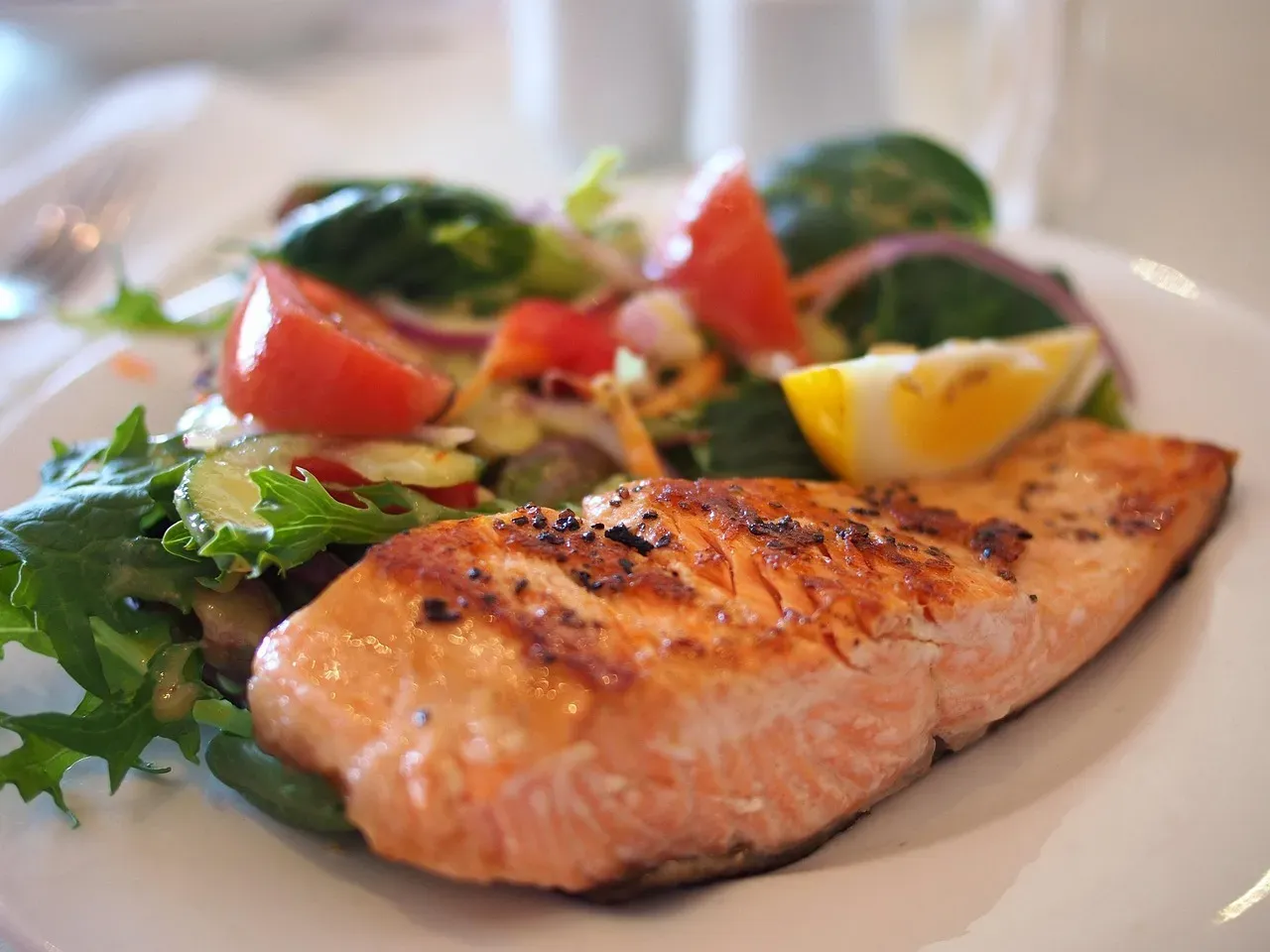
None of this required a gym membership, a detox program, or an expensive supplement stack. Just a genuine, sustained shift in what goes on the plate. U.S. News and World Report ranked the Mediterranean diet as the best overall diet for 2025. The DASH and flexitarian diets were also highly ranked. These diets were recognized for their focus on nutrient-dense foods, flexibility, sustainability, and preventing disease. These are not fad diets. They are eating patterns backed by decades of evidence.
The secrecy of my experiment turned out to be its greatest advantage. Without anyone watching, I realized the changes were real – not something I was performing for others. That made all the difference. There’s a growing consensus behind that experience, too. Diet is increasingly recognized as one of the most powerful drivers of overall health, and changing how people eat is central to building a more sustainable, healthier food system. It’s a big idea – one that’s been echoed in recent global reports – but it only truly resonates once you experience it firsthand.
What strikes me most, looking back, is that the body wants to function well. It is almost eager to heal when you stop working against it. Food is not just fuel. It is information. It is instruction. It is, in ways we are still discovering, medicine. What small change might you make on your plate this week? Tell us in the comments.