
Switching to organic food sounds straightforward enough. You read the labels, you feel good about it, you pay a little more. Simple, right? Honestly, I thought the same thing before I actually did it. What followed was a slow but steady financial education I absolutely did not sign up for.
The organic food world is booming right now. In 2025, U.S. organic sales reached $76.6 billion, marking a nearly 7 percent increase from the previous year. People are clearly buying in. Yet nobody’s talking loudly enough about the full cost of that commitment. Let’s dive in.
Table of Contents
1. The Sticker Price Premium Is Much Higher Than You’d Guess
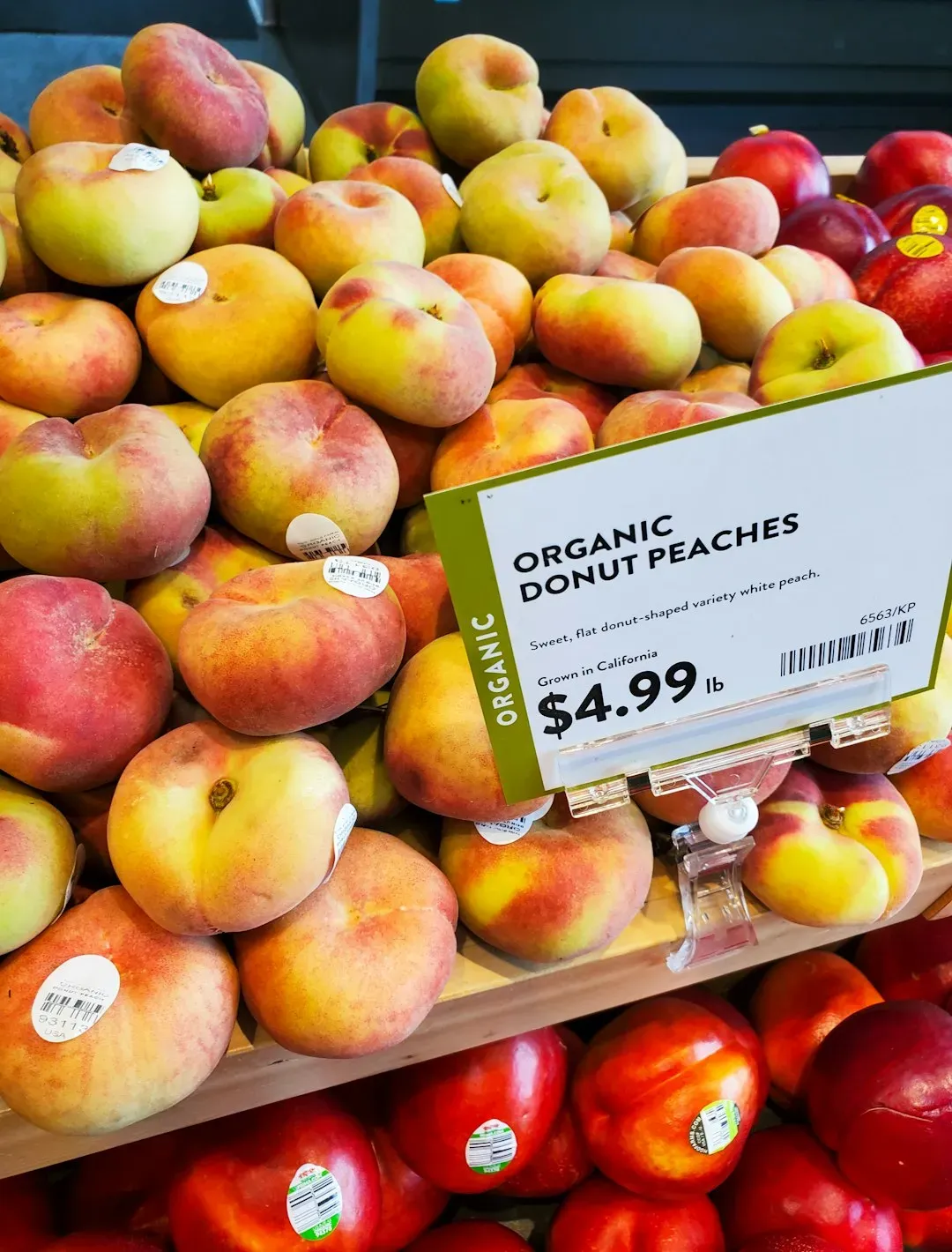
Let’s be real – most people assume organic just costs “a little more.” The reality is far more shocking. According to a LendingTree analysis of USDA data from January 2024 through January 2025, organic fruits and vegetables were, on average, more than 52% pricier than their conventional counterparts. That’s not a rounding error – that’s the equivalent of buying two grocery bags and only bringing one home.
For some items, the gap is even more dramatic. By the end of January 2025, organic iceberg lettuce carried a staggering 179% premium, while organic Brussels sprouts cost nearly 127% more than their conventional counterparts. When you stack these premiums across a full weekly grocery run, the extra cost adds up quickly – turning a routine shop into a real budget challenge.
At the retail level, organic products typically receive a price premium over non-organic products, and an ERS study analyzing organic retail price premiums found the premium to be more than 20 percent for 17 out of 18 products examined. The sticker shock is real. It was my first wake-up call.
2. Your Annual Grocery Bill Takes a Serious Hit
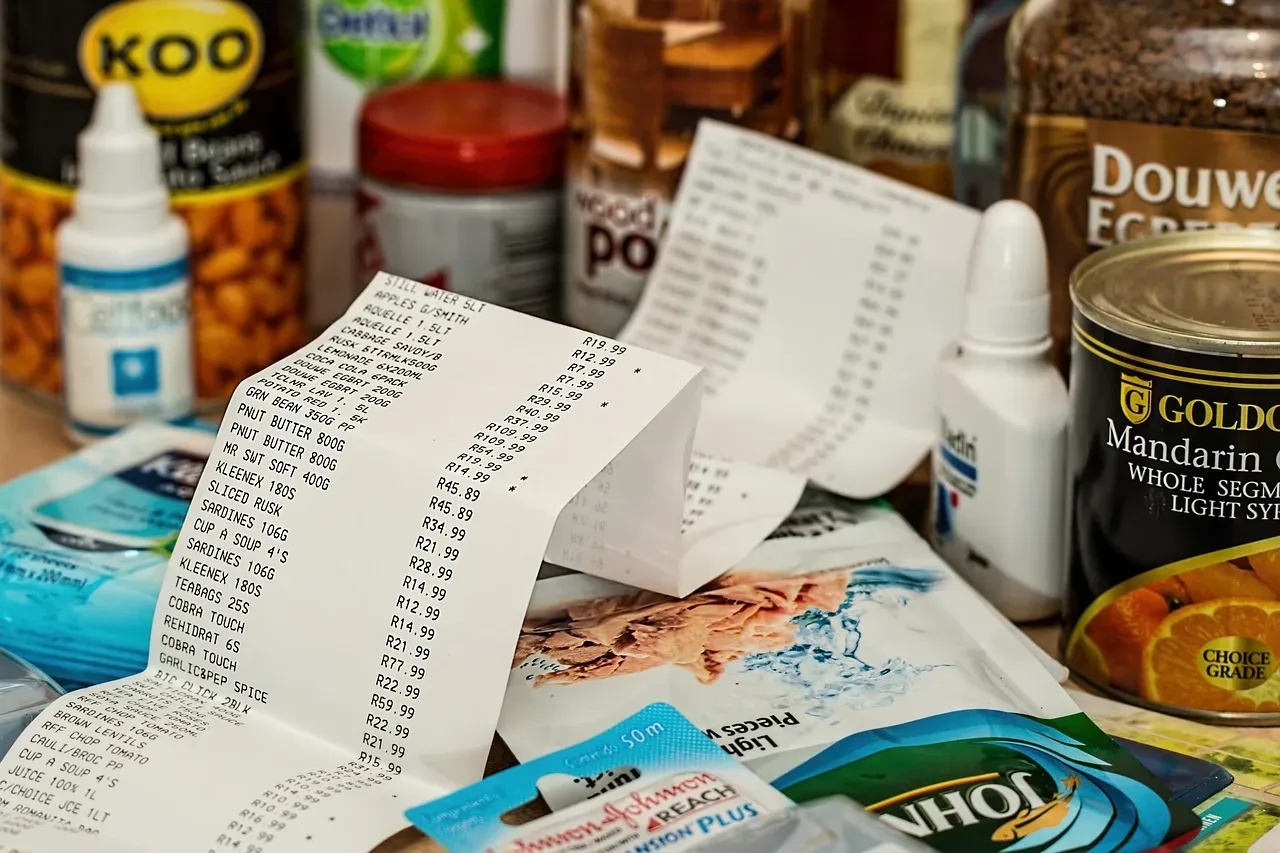
Think about what that daily premium actually adds up to over a full year. Organic foods cost on average around 50 percent more, meaning a family of four could spend anywhere from $3,000 to $6,000 more per year on groceries if they bought organic exclusively. That’s closer to a vacation budget than a simple lifestyle tweak.
It’s worth putting this in context. American households already spent an average of $8,167 on food at home – roughly 7.4 percent of average U.S. household income – in 2023. Piling a 50 percent organic premium on top of that baseline is a massive financial stretch for most families.
About two-thirds of Americans were living paycheck to paycheck in 2025, up from roughly 63 percent in 2024. For those households, committing fully to organic isn’t just expensive – it can be genuinely destabilizing. I think that’s something the organic industry rarely addresses head-on.
3. The Shorter Shelf Life Quietly Drains Your Wallet
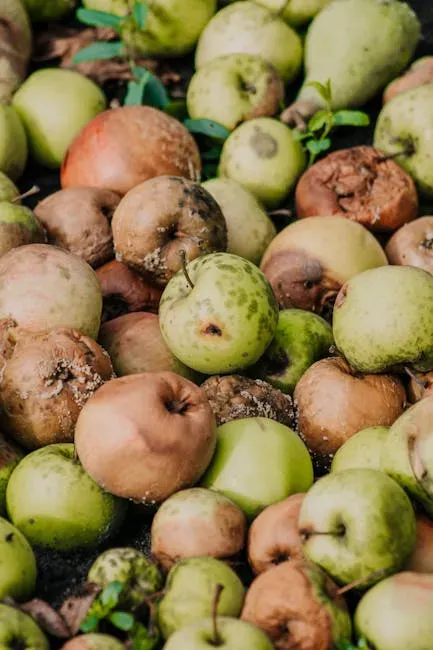
This one caught me completely off guard. Organic produce spoils faster – and that means money in the trash. Organic foods often have a shorter shelf life because they lack artificial preservatives, increasing spoilage and waste, which not only affects retailers but also discourages consumers from making bulk purchases.
Organic produce tends to have a shorter shelf life due to the absence of synthetic preservatives, meaning you may need to consume it more quickly or risk spoilage, potentially leading to food waste. Think of it like buying premium concert tickets – if you don’t use them in time, they’re just expensive waste.
Additionally, organic produce can have a shorter shelf life due to the absence of preservatives, leading to the need for more frequent grocery trips. More trips to the store means more opportunity to spend – and more time you hadn’t budgeted for, either.
4. Food Waste Costs Add Up to a Staggering Figure

The spoilage problem isn’t small. It’s enormous on a national scale, and organic shoppers shoulder a disproportionate share of it. About 35 percent of fresh vegetable waste in the U.S. occurs either in the store or after purchase, and 43 percent of total food waste occurs at the household level, amounting to a staggering loss of $161 billion annually.
The shorter shelf life of many organic products, due to the absence of synthetic preservatives, also poses logistical challenges for retailers and can lead to higher food waste, adding to the overall cost structure. Part of those retail losses get quietly passed right back to the consumer through pricing.
Honestly, I threw away more expensive organic spinach in three months than I had thrown away of anything in the previous year. It felt like I was literally composting dollar bills. If you’re not cooking and consuming at a very disciplined pace, the waste cost rivals the purchase premium itself.
5. The Cost of Switching Stores and Specialty Shopping
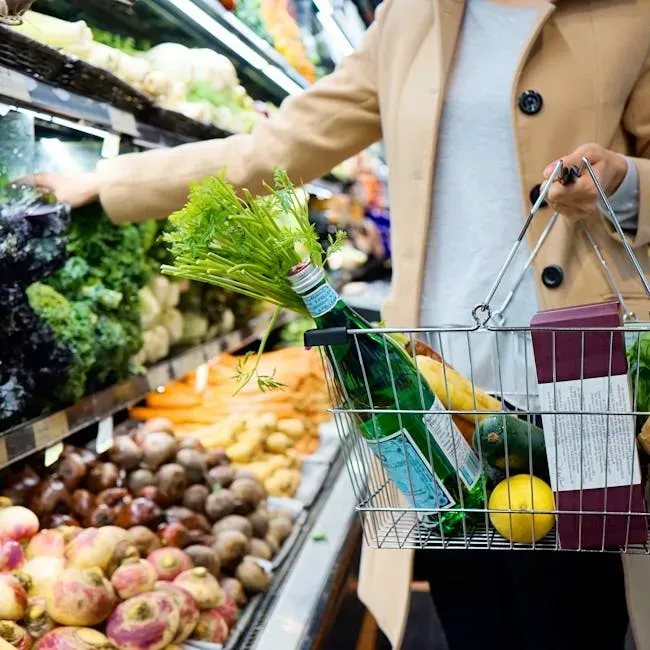
Here’s something that surprised me: my regular grocery store simply didn’t stock much organic variety. That meant store-hopping. It meant driving further, spending more on gas, and paying the specialty store markup on top of the organic markup. It’s a double-whammy most conversion guides never mention.
Organic food has become more accessible through supermarkets, specialty stores, farmers’ markets, and e-commerce platforms, with retail giants such as Walmart, Kroger, and Whole Foods Market having expanded their organic product offerings. Still, availability varies enormously by region, and rural shoppers in particular face limited choices.
According to the Organic Trade Association, 55 percent of organic sales occur through mass market retail, while more than 33 percent of sales occur through natural and specialty retail stores, with the remainder through farmers markets, CSAs, and other direct-to-consumer channels. Specialty stores, by definition, tend to carry specialty price tags.
6. Organic Dairy and Meat Carry Some of the Steepest Premiums

Produce was just the beginning. When I extended my organic switch to dairy and meat, the budget hit became almost comical. In 2025, the organic market saw a 22.4 percent surge in organic eggs and a truly exceptional year for organic beef, which grew by 44.3 percent in sales – reflecting both demand and price intensity in these categories.
Organic beef growing by nearly 44 percent in sales in a single year tells you two things simultaneously: people want it badly, and producers know they can charge for it. That’s a pricing environment that doesn’t favor the consumer budget. Think of it like the difference between buying a regular car and upgrading to a luxury trim – every component costs more, and those costs aren’t always justified by a proportional difference in quality.
Organic price premiums remain high in many markets as demand for organic products increases. The more popular organic gets, the less incentive suppliers have to bring costs down, particularly in high-demand protein categories like dairy, eggs, and meat.
7. Stricter Certification Rules Mean Producers Pass Costs to You
In 2024, the rules around organic certification became significantly stricter. While this is great for ensuring product integrity, it also drives up production costs – costs that inevitably show up on your grocery receipt. A key rule introduced in March 2024 requires tighter traceability, stronger anti-fraud measures, and third-party certification for every part of the organic supply chain, making compliance more rigorous than ever.
Organic food products tend to be priced higher than conventional alternatives due to costly organic farming practices, certification expenses, and lower crop yields. Certification isn’t cheap, and it’s not just a one-time fee – it’s a recurring annual cost that every certified producer has to absorb, then pass on.
The price of organic food internalizes the cost of things like protecting the climate, sequestering carbon, supporting biodiversity, and protecting water and soil – costs that show up in organic food prices rather than in future public expenses like mitigating pollution or public healthcare costs. It’s a reasonable argument. It’s still money that comes out of your pocket today.
8. The Psychological Cost of “Selective Organic” Shopping
This is the hidden cost nobody talks about – the mental load of trying to shop smart. Once you learn you can’t afford to buy everything organic, you enter a constant decision loop. Is this item on the “Dirty Dozen” list? Should I buy conventional corn but organic strawberries? It’s exhausting, and it can quietly steer you toward over-buying simply to feel like you made the right call.
If the budget is tight, focusing on the “Dirty Dozen” – produce with the highest pesticide residues like strawberries, spinach, and apples – for organic purchases, and buying conventional for the “Clean Fifteen” – produce with the lowest residues like avocados, corn, and pineapple – is a widely recommended selective approach. Smart, yes. Simple, not always.
Among organic items, mixed mini sweet peppers rose in price the most at nearly 100 percent, followed by three-pound bags of Gala apples at about 50 percent and four-pound bags of navel oranges at roughly 48 percent. Individual price volatility makes planning even harder. You can build a budget one week and find it completely irrelevant the next. That uncertainty has a very real psychological toll – and I think that toll is a cost in its own right.
9. The Risk of Greenwashing – Paying Premium Prices for Questionable Labels
Not every product with “natural” or even “organic-sounding” language on its packaging is genuinely certified organic. This distinction matters enormously because you might be paying the premium without receiving the real product. It’s like paying for business-class service and being quietly moved to economy.
USDA organic certification in 2024 saw greater adoption fueled by consumers’ expanding demand for transparency and clean-label products. That demand, while positive, has also created fertile ground for misleading marketing from brands that exploit health-conscious shoppers without meeting full organic standards.
High standards in organic certification have increased consumer confidence in organic food products, and the USDA covers organic food under specific programs and guidelines – ensuring that food sold as organic is authentic and of good quality. The key word there is “certified.” If the label doesn’t carry the official USDA Organic seal, you may simply be paying a premium for a clever marketing decision.
10. Price Volatility Can Derail Even the Most Careful Budget
Organic food prices don’t move in a straight predictable line. Some weeks a specific item is reasonable; the following week, it’s skyrocketed. Among organic items tracked between January 2024 and January 2025, mixed mini sweet peppers nearly doubled in price, while navel oranges jumped by roughly half. Those swings aren’t manageable for households on fixed grocery budgets.
USDA research found that price premiums fluctuated year to year without a clear trend, except for a handful of specific products that showed consistent patterns. That unpredictability makes long-term meal planning and budgeting genuinely difficult. It’s hard to say for sure when prices will normalize – and in many categories, they simply haven’t.
The practical result is that even well-intentioned organic shoppers often end up making impulsive higher-cost purchases simply because their preferred items weren’t available at a reasonable price that week. Multiply those small decisions over months, and the cumulative cost can be startling.
11. The Opportunity Cost Nobody Calculates

Here’s the thing most articles skip entirely: money spent on organic food is money not going somewhere else. That extra $3,000 to $6,000 a year isn’t neutral – it’s pulled from savings, emergency funds, retirement contributions, or discretionary spending. The opportunity cost is a real financial loss even when the organic purchase itself feels justified.
In 2024, U.S. consumers spent an average of nearly 10.5 percent of their disposable personal incomes on food overall. Pushing that share higher by layering in an across-the-board organic premium doesn’t just affect your grocery budget – it structurally reshapes your personal finances.
Total household spending rose roughly 7.6 percent from 2022 to 2024, with healthcare and vehicle insurance growing much faster – meaning the “necessities” portion of household budgets expanded while discretionary room compressed. In that tightening financial environment, the real cost of going organic isn’t just what you pay at checkout. It’s everything else you quietly give up to afford it.
Switching to organic was one of the most eye-opening financial decisions I’ve ever made – not because it was wrong, but because nobody had shown me the full picture before I committed. The price on the shelf is just the beginning. The real cost is the sum of dozens of smaller, sneakier expenses that accumulate week after week. What would you have done differently if you’d known all this before your first organic grocery run? Tell us in the comments.