
Table of Contents
Canned tomatoes
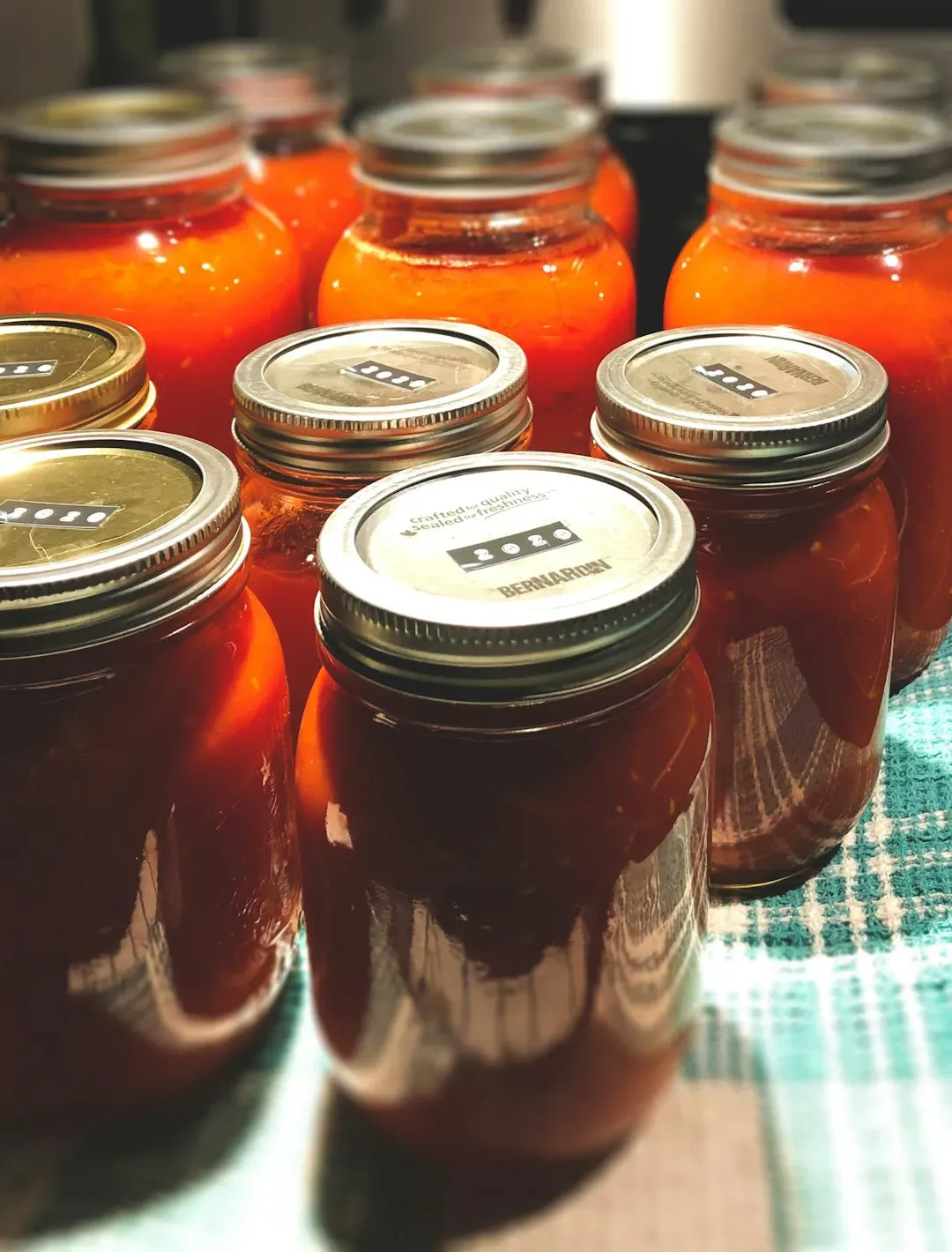
Canned tomatoes are arguably the single most flexible item in any pantry, forming the backbone of sauces, soups, stews, and braises across nearly every cuisine. A basic can of crushed or whole peeled tomatoes can become a marinara in twenty minutes, a shakshuka base, or the start of a hearty chili. Unlike fresh tomatoes, which vary wildly in quality and ripeness depending on the season, canned versions are picked and processed at peak ripeness, which means consistent flavor year-round.
Nutritionally, canned tomatoes hold up well too, retaining much of their lycopene content through the canning process, and in some cases the heat treatment actually makes lycopene more bioavailable. Keeping a few cans of diced, crushed, and whole tomatoes on hand covers a wide range of textures for different recipes. They’re inexpensive, shelf-stable for a year or more, and rarely go to waste since they work in almost anything savory.
Dried or canned beans
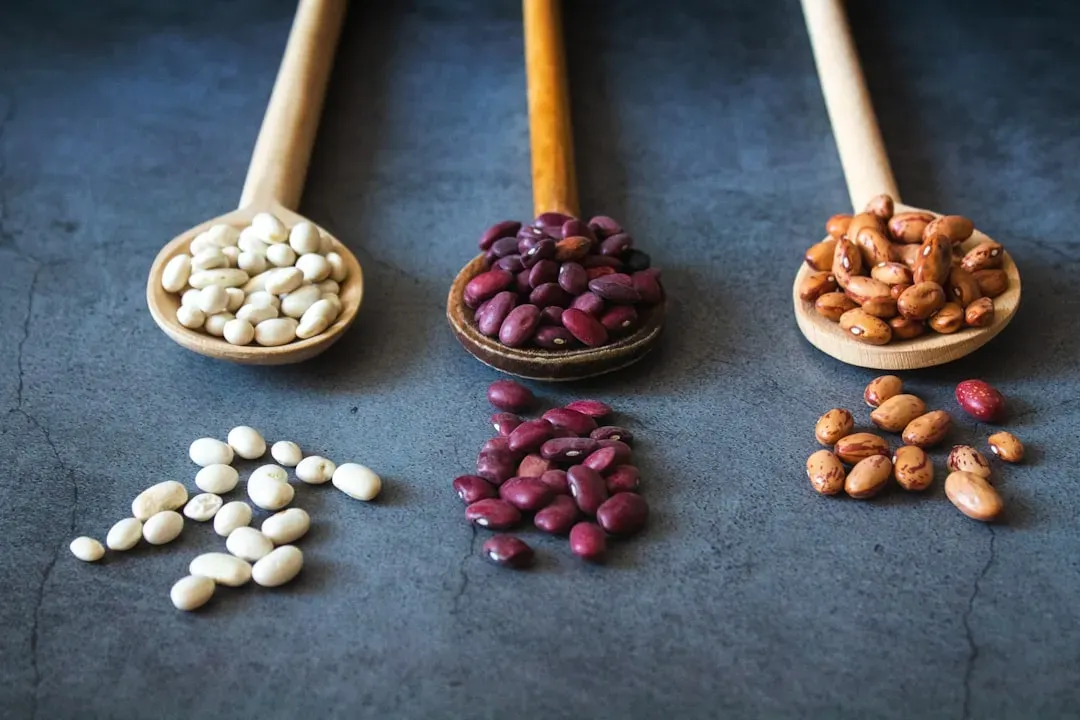
Beans are the quiet workhorse of budget-friendly cooking, offering protein, fiber, and bulk to meals that might otherwise feel thin. A can of chickpeas can turn into a quick curry, a blended hummus, or a crunchy roasted snack, while black beans slide easily into tacos, soups, or grain bowls. Dried beans cost less per serving than canned, though they require soaking and longer cooking times, so many home cooks keep both forms stocked depending on how much time they have.
What makes beans especially useful on hectic nights is how well they absorb other flavors, meaning a can of plain white beans can taste completely different depending on the spices or aromatics added. They also pair naturally with rice, pasta, or bread to create a complete protein without needing meat. For anyone trying to stretch a grocery budget or eat more plant-based meals, beans do a lot of heavy lifting for very little cost.
Rice
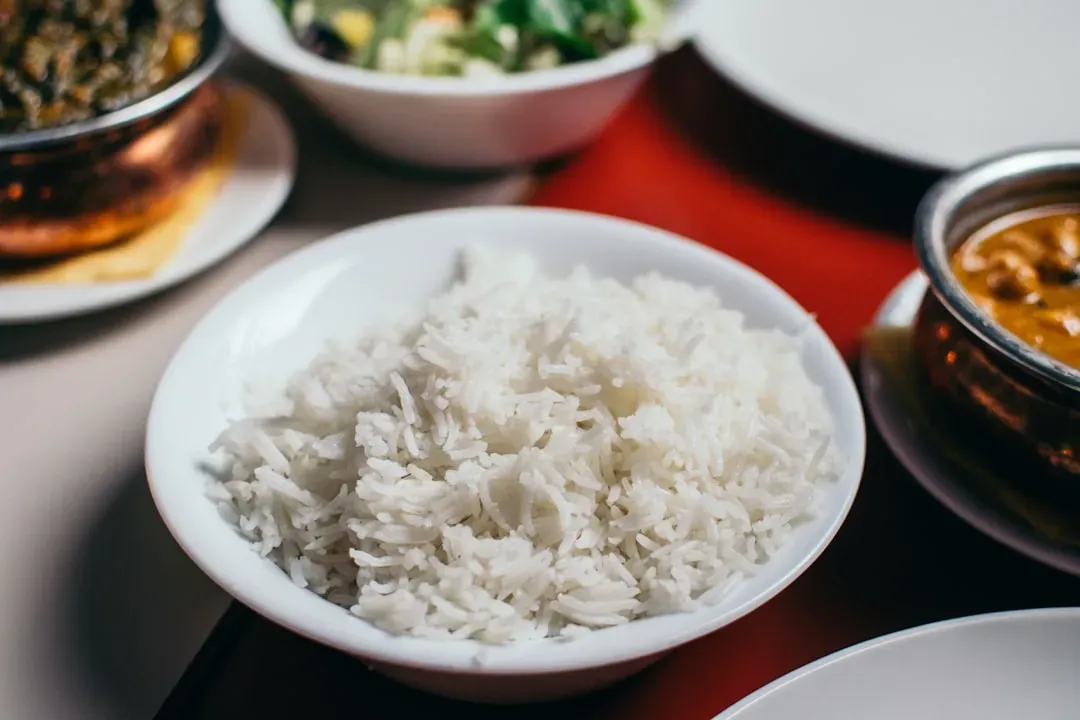
Rice is one of the most consumed staple foods in the world, and for good reason. It’s cheap, keeps for years when stored properly, and adapts to nearly any flavor profile, from a simple side dish to the base of a fried rice using whatever vegetables are wilting in the fridge. White rice cooks faster, while brown rice offers more fiber and a nuttier flavor, though it takes longer on the stove.
Having rice on hand means a meal is rarely more than twenty minutes away, especially when paired with canned beans, a protein, or leftover vegetables. It also stretches other ingredients further, turning a small amount of meat or sauce into a filling plate. Because it’s so neutral in taste, rice rarely clashes with whatever else is being cooked that night.
Pasta
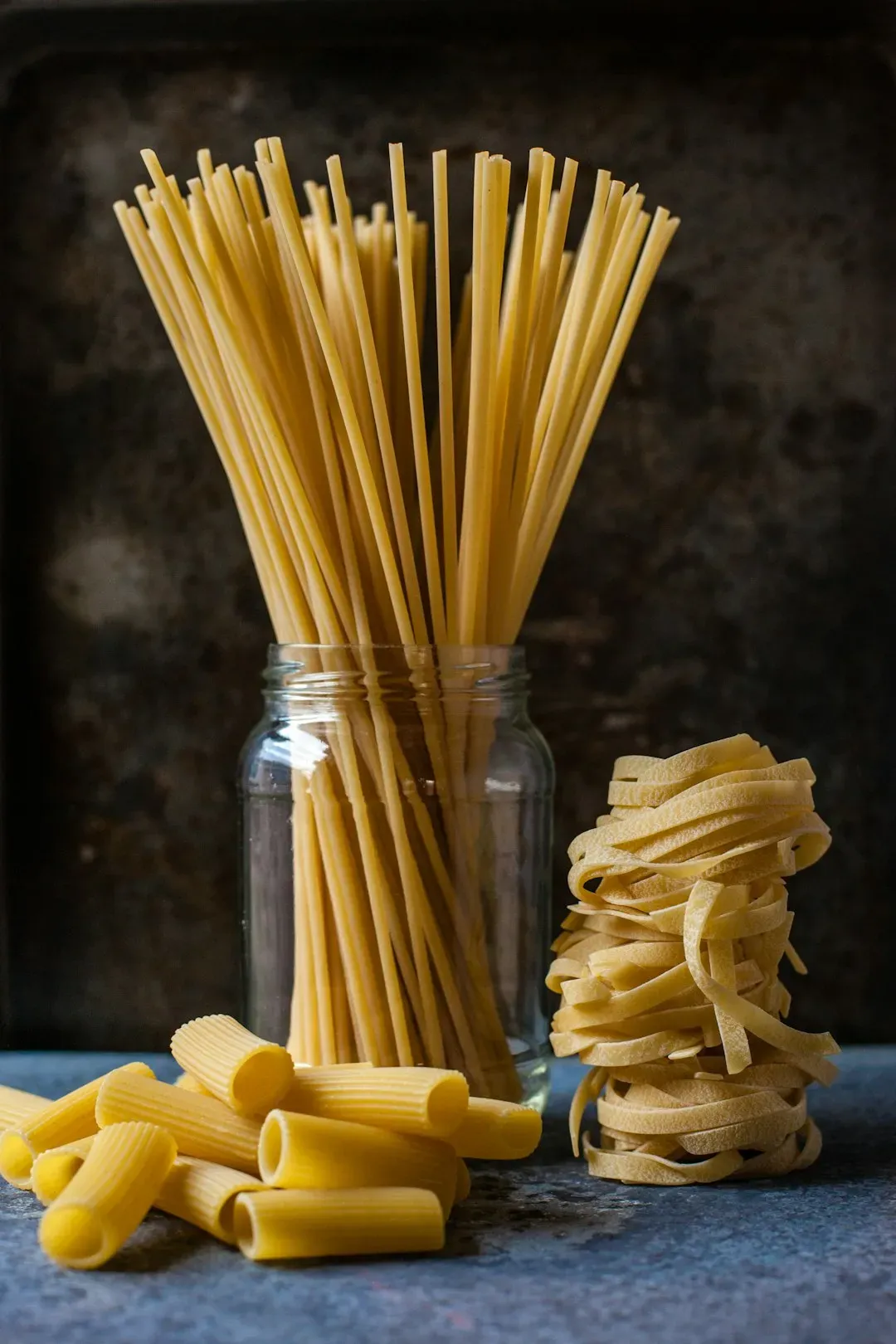
Dry pasta might be the ultimate emergency dinner ingredient, boiling in under fifteen minutes and pairing with almost anything in the fridge or pantry. A simple combination of pasta, olive oil, garlic, and parmesan can taste surprisingly satisfying with minimal effort, and adding canned tomatoes or a handful of frozen vegetables turns it into a fuller meal. Different shapes suit different sauces, with longer noodles working well for oil-based sauces and shorter shapes holding up better in chunkier, heartier dishes.
Because dry pasta has an extremely long shelf life, often two years or more unopened, it’s one of the safest bulk purchases a household can make. It’s also forgiving; overcooking by a minute rarely ruins a dish the way it might with rice or delicate proteins. For anyone who cooks on a tight schedule, keeping a few different pasta shapes stocked covers a surprising range of cravings.
Olive oil and a neutral cooking oil
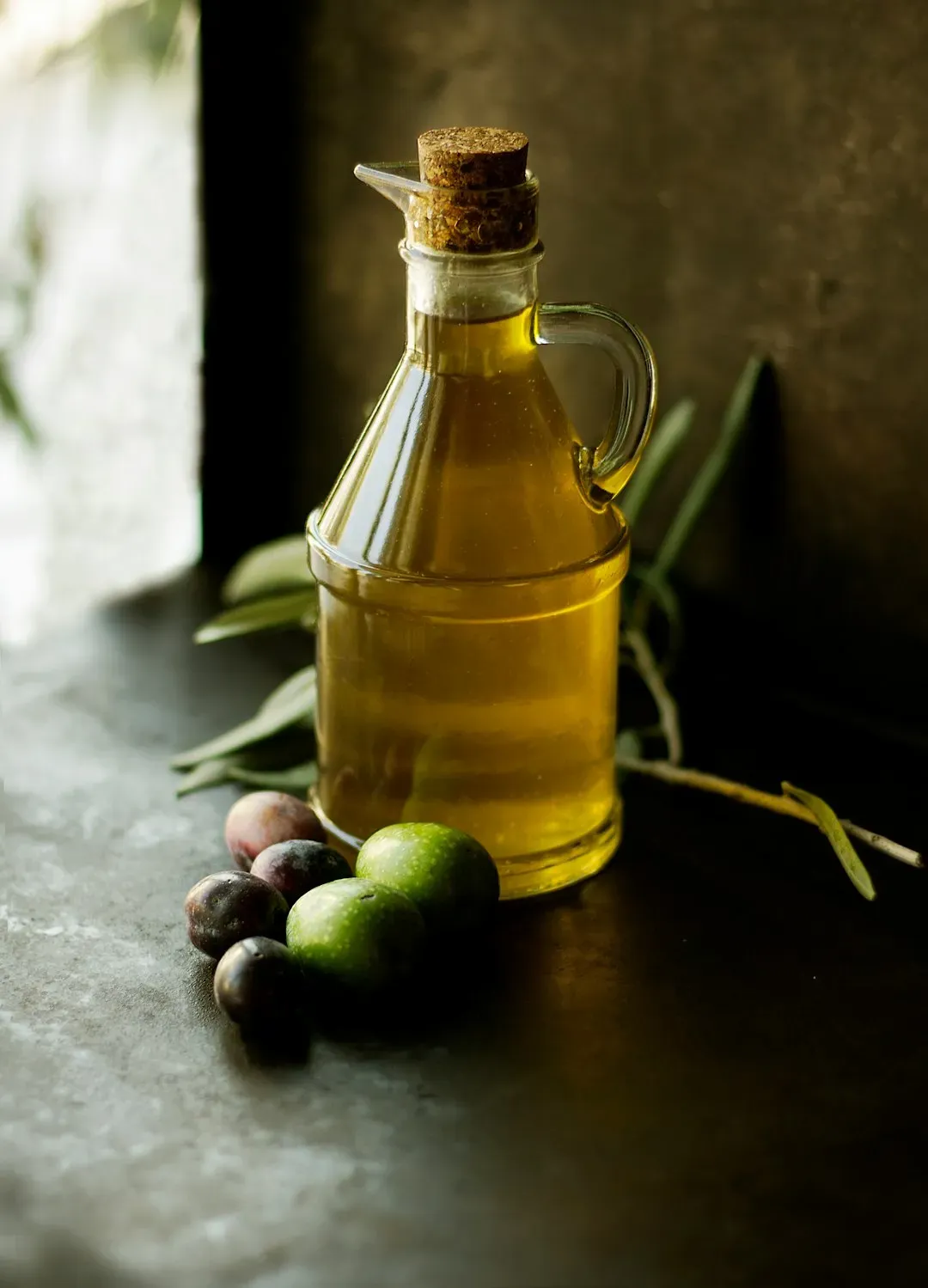
Fat is often the ingredient that makes food taste finished, and having both a flavorful oil and a neutral one covers most cooking needs. Extra virgin olive oil works well for finishing dishes, dressings, and lower-heat sautéing, bringing a fruity, slightly peppery note that plain vegetable or canola oil doesn’t offer. A neutral oil, on the other hand, handles higher-heat cooking like frying or searing without smoking or altering the flavor of the dish.
Quality matters here more than in some other staples, since lower-grade or older oils can turn slightly bitter or rancid over time. Storing oils away from direct light and heat helps preserve their flavor and extends usability. Even a modest, well-chosen bottle of each type can carry a kitchen through months of varied cooking.
Garlic and onions
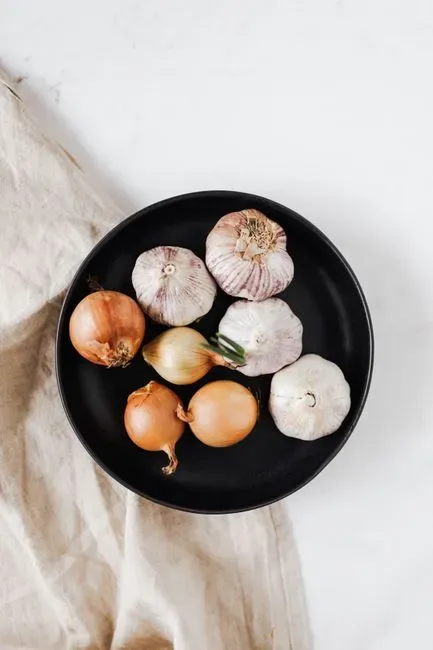
Almost every savory dish in nearly every culinary tradition starts with some combination of garlic and onion, making them arguably non-negotiable pantry staples. They’re not technically shelf-stable indefinitely, but when stored in a cool, dark, well-ventilated spot, both can last for several weeks without refrigeration. Their aromatic quality builds a flavor foundation that’s difficult to replicate with dried substitutes alone, though garlic powder and dried onion flakes work in a pinch.
Beyond flavor, onions and garlic are inexpensive relative to how much they contribute to a dish, often costing just a fraction of what a fresh herb or specialty ingredient might. A basic sauté of onion and garlic in oil is the starting point for soups, stir-fries, pasta sauces, and countless other meals. Keeping a steady supply means dinner never starts from a completely blank slate.
Stock or bouillon
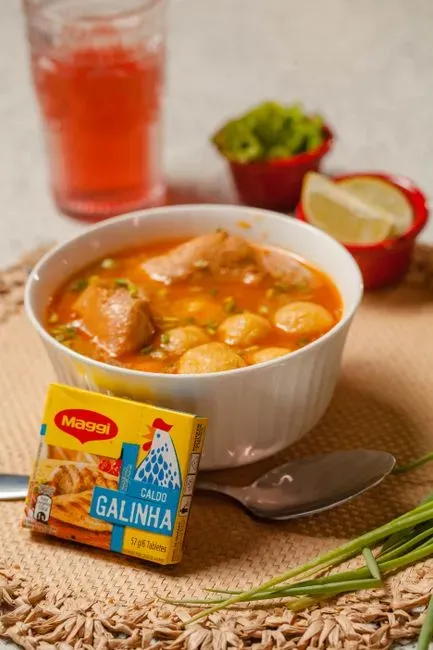
Whether it’s a carton of broth, a bouillon cube, or a jar of concentrated paste, having some form of stock on hand instantly deepens the flavor of soups, grains, and sauces. Water alone often leaves rice or risotto tasting flat, while cooking the same rice in stock adds a savory backbone with almost no extra effort. Bouillon cubes and paste concentrates are particularly practical pantry items since they take up little space and last a long time compared to liquid cartons.
Stock also serves as a quick base for soup when there’s little else available, especially when combined with pantry staples like beans, pasta, or rice. Low-sodium versions give more control over seasoning, which matters for anyone watching their sodium intake, since many commercial broths and bouillon products can be fairly high in salt. Keeping a couple of different types, chicken, vegetable, or beef, covers a wider range of recipes.
Canned tuna or salmon
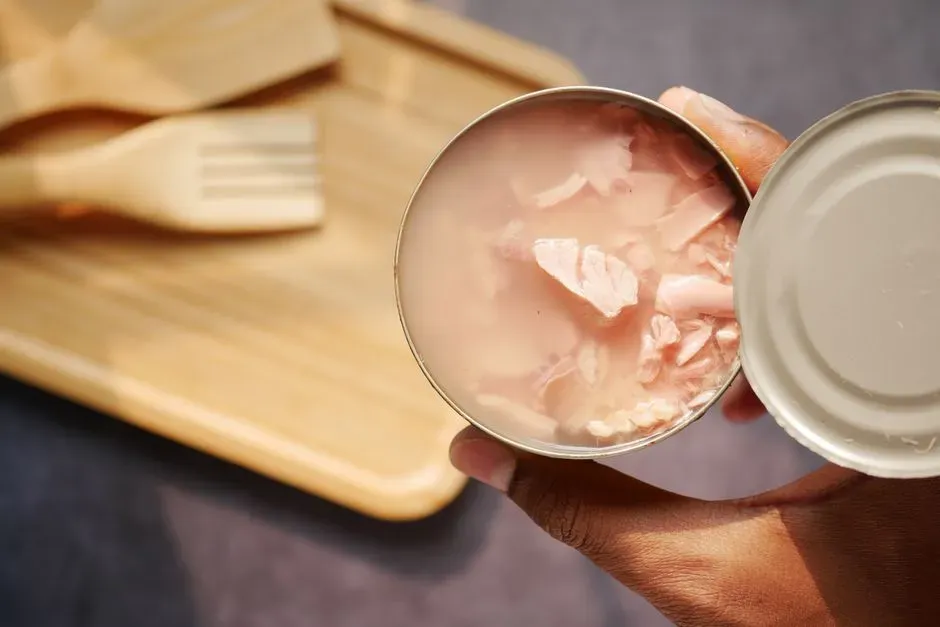
Canned fish is an underrated protein source, offering a substantial amount of protein along with beneficial omega-3 fatty acids, particularly in salmon and sardines. It requires no cooking, which makes it ideal for nights when even boiling water feels like too much effort. A can of tuna mixed with mayonnaise and a bit of celery becomes a sandwich filling in minutes, while canned salmon flakes nicely into pasta or a simple salad.
Cost-wise, canned fish tends to be considerably cheaper than fresh seafood, while still delivering many of the same nutritional benefits. It also has a long shelf life, often two to five years unopened, making it a dependable protein to fall back on when fresh options aren’t available or affordable. For households trying to eat more fish without the cost or effort of fresh preparation, canned versions offer a practical middle ground.
Frozen vegetables
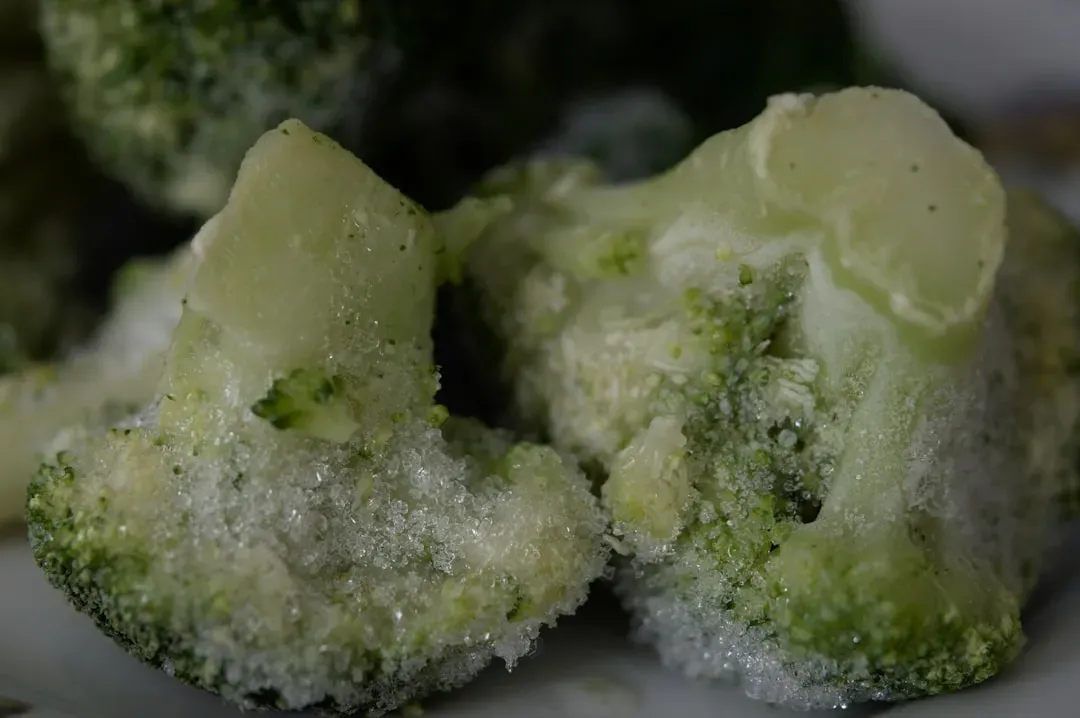
Though not a traditional dry pantry item, frozen vegetables deserve a spot in this conversation because they function the same way, as a always-ready backup. Research has shown that frozen vegetables are often just as nutritious as fresh ones, and sometimes more so, since they’re typically frozen shortly after harvest at peak ripeness, locking in vitamins that can degrade during the days fresh produce spends in transit and on store shelves. Peas, corn, spinach, and mixed vegetable blends are especially versatile, tossing easily into rice dishes, soups, or pasta.
The convenience factor is significant too, since frozen vegetables come pre-washed and pre-cut, cutting down on prep time on busy nights. They also reduce food waste, since portions can be used as needed without worrying about spoilage the way fresh produce demands. Keeping a bag or two of frozen peas or spinach in the freezer often bridges the gap when fresh vegetables have run out.
Eggs
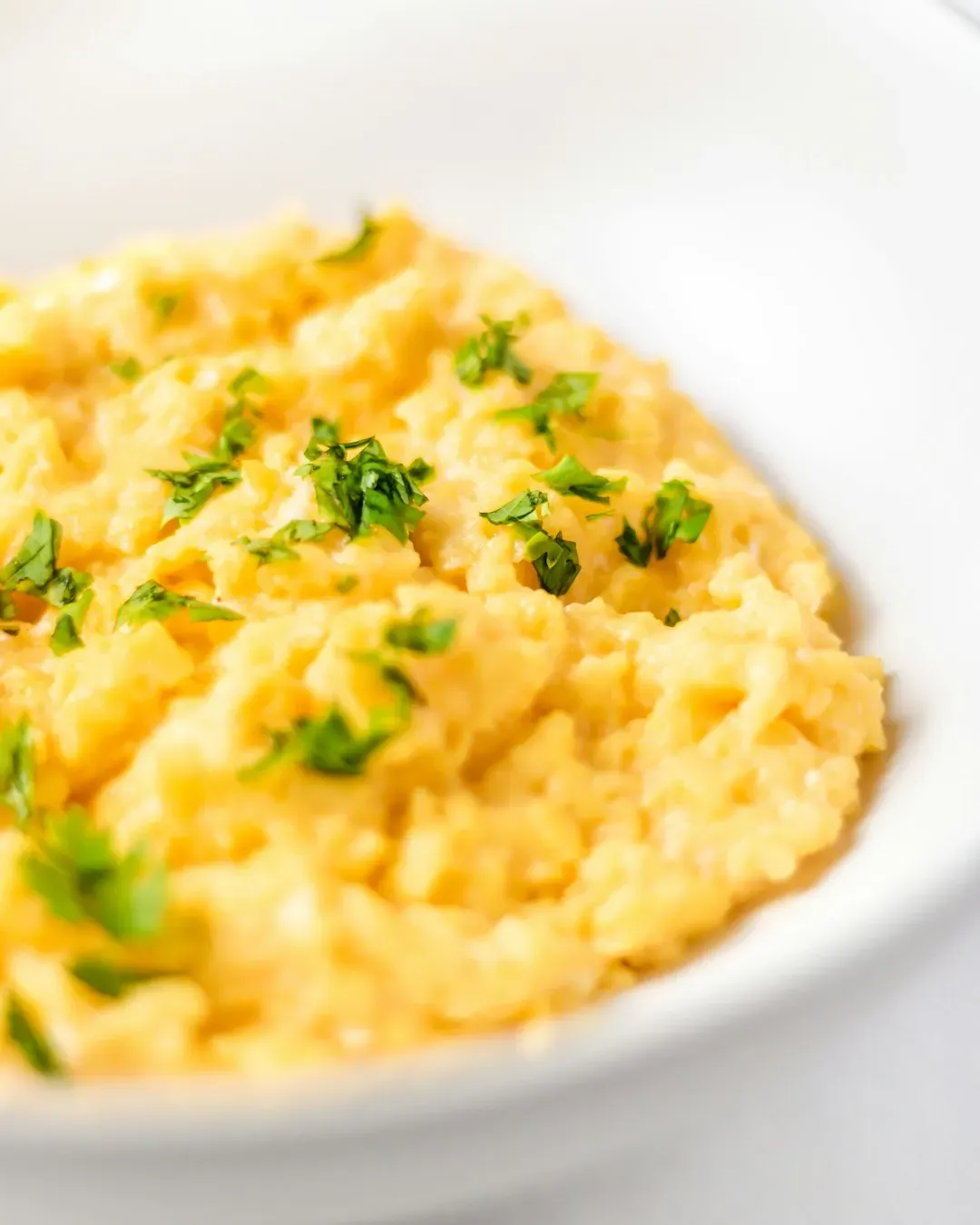
Eggs occupy a unique space between pantry and refrigerator staple, but their reliability earns them a place on nearly every list of dinner-saving ingredients. They cook in minutes, work as a standalone meal, and serve as a binding or enriching ingredient in countless other dishes, from fried rice to a simple pasta carbonara. A dozen eggs typically last three to five weeks when refrigerated properly, giving households a longer runway than most fresh proteins.
Nutritionally, eggs offer a complete protein profile along with vitamins like B12 and choline, making them a genuinely valuable addition to a balanced diet rather than just a convenience food. Their price has fluctuated over the past couple of years due to factors like avian flu outbreaks affecting poultry flocks, but they generally remain among the most affordable protein sources available. When dinner plans fall apart, a few scrambled or fried eggs over rice or toast almost always saves the night.
Spices and dried herbs

A well-stocked spice rack is often what separates a bland pantry meal from a genuinely satisfying one, since the base ingredients above are largely neutral until seasoned. Staples like cumin, paprika, oregano, black pepper, and chili flakes cover an enormous range of global flavor profiles, letting the same can of beans taste completely different depending on the seasoning direction chosen. Salt, too, deserves mention as arguably the single most important seasoning in any kitchen, correcting and balancing flavor in nearly every dish.
Dried herbs and ground spices do lose potency over time, generally within one to three years depending on the spice, so it’s worth replacing them periodically rather than assuming they’ll last forever. Buying spices in smaller quantities more frequently often makes more sense than bulk buying, unless cooking volume is genuinely high. Even a modest collection of eight to ten core spices can support a surprisingly wide range of cuisines and flavor combinations.