
Some evenings just don’t leave room for anything complicated. Between work, errands, and whatever else the day throws at you, the idea of a multi-step recipe can feel like a lot to ask. The good news is that a satisfying dinner doesn’t need a long ingredient list or hours at the stove, it just needs a little planning and a few reliable go-to meals.
The dinners below lean on pantry staples, quick-cooking proteins, and one-pan techniques that cut down on cleanup. Each one is built for speed without sacrificing flavor, so weeknights can feel a little less rushed.
Table of Contents
Sheet pan chicken and vegetables
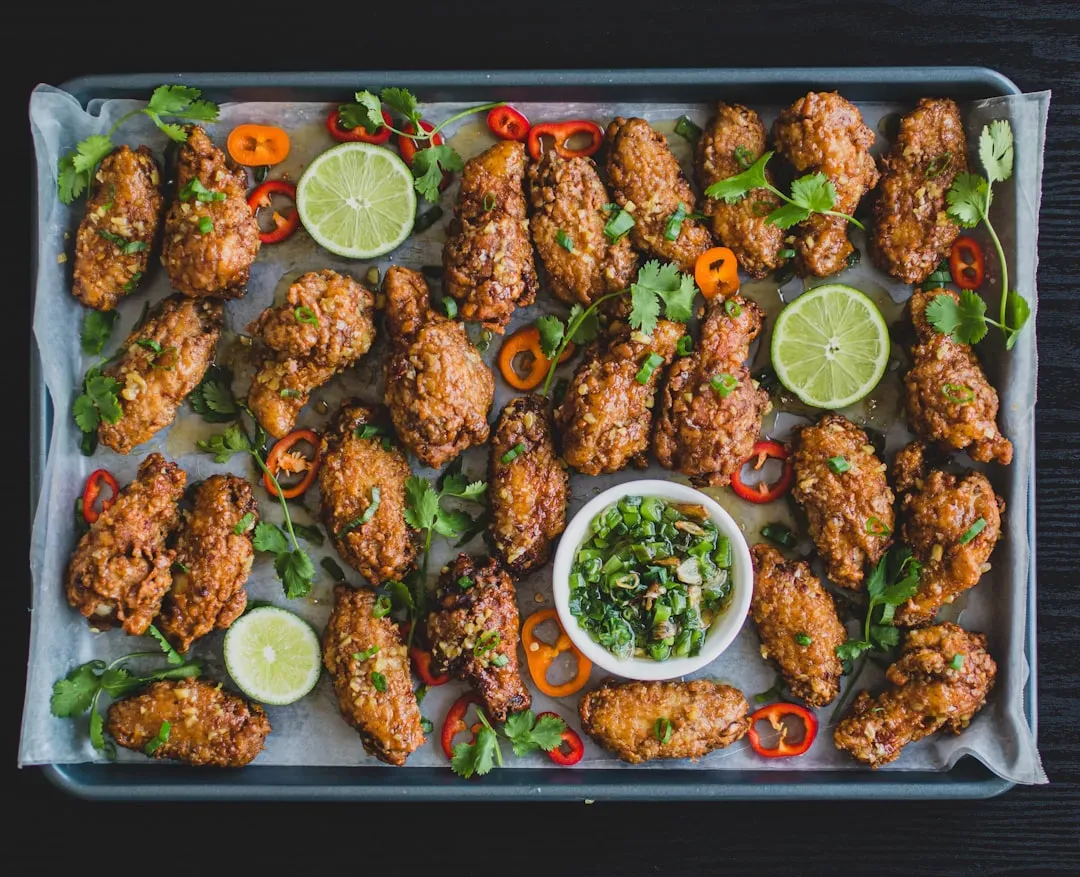
A single sheet pan can hold an entire meal if you plan the layout right. Chicken thighs or breasts roast alongside vegetables like broccoli, bell peppers, or baby potatoes, all tossed in olive oil and a simple spice blend before hitting a hot oven. Cooking everything together at around 400 degrees Fahrenheit means the chicken stays juicy while the vegetables caramelize, and there’s only one pan to wash afterward.
Timing matters here since chicken and vegetables don’t always cook at the same rate. Cutting potatoes small and giving them a head start in the oven, then adding quicker-cooking vegetables like zucchini later, helps everything finish together. This method also scales easily, so doubling the pan for leftovers the next day takes barely any extra effort.
One-pot pasta with garlic and greens
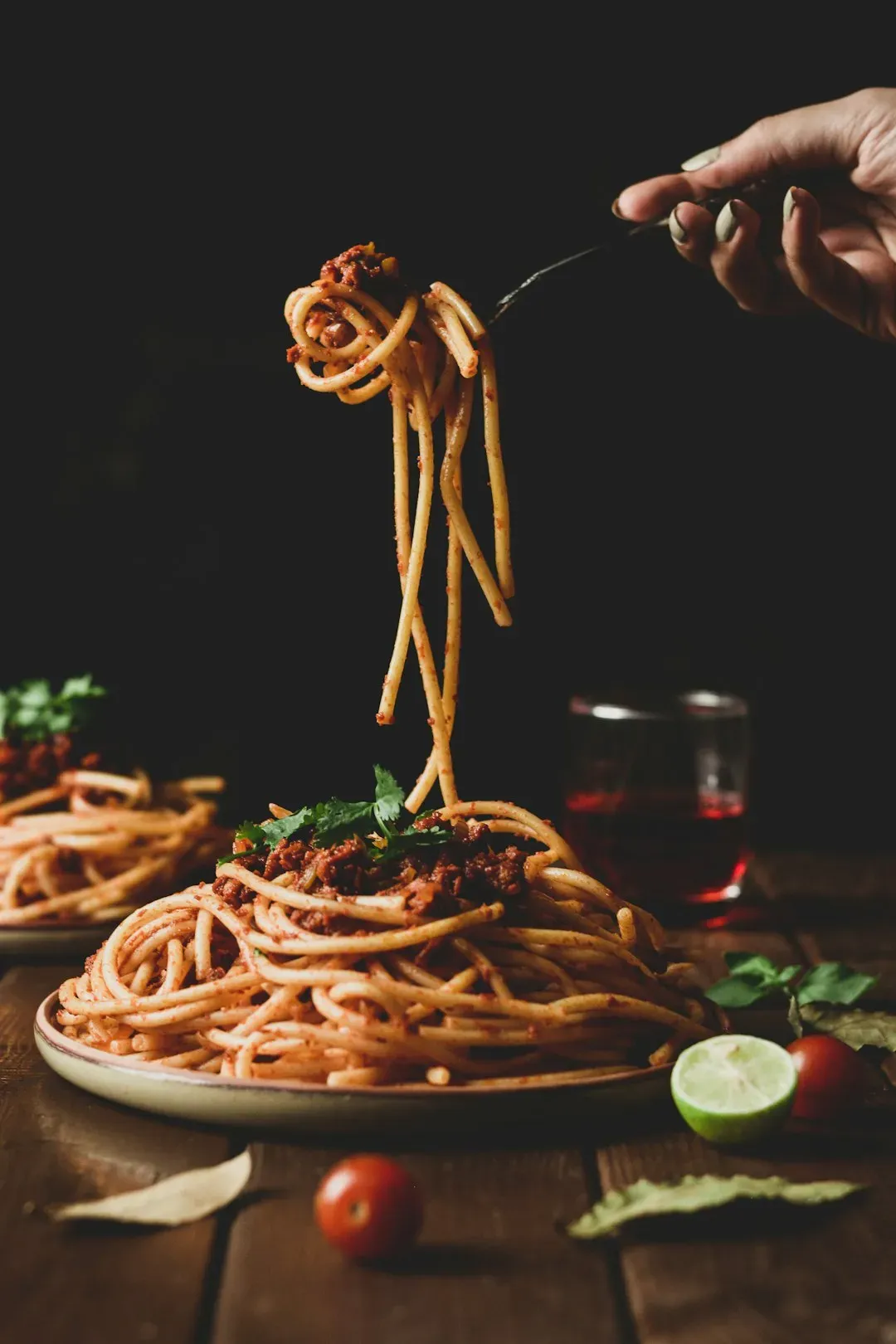
Boiling pasta and building a sauce in the same pot saves both time and dishes. Garlic, olive oil, and red pepper flakes form the base, and adding the pasta directly to broth or water lets it absorb flavor as it cooks rather than relying solely on a separate sauce. Stirring in spinach, kale, or arugula in the last few minutes wilts the greens perfectly without overcooking them.
This approach works because starchy pasta water naturally thickens whatever liquid it’s cooked in, creating a light sauce without cream or butter. A finishing touch of parmesan and lemon zest brightens the dish considerably. It’s a meal that comes together in the time it takes to boil water and stir occasionally.
Skillet shrimp with lemon and garlic
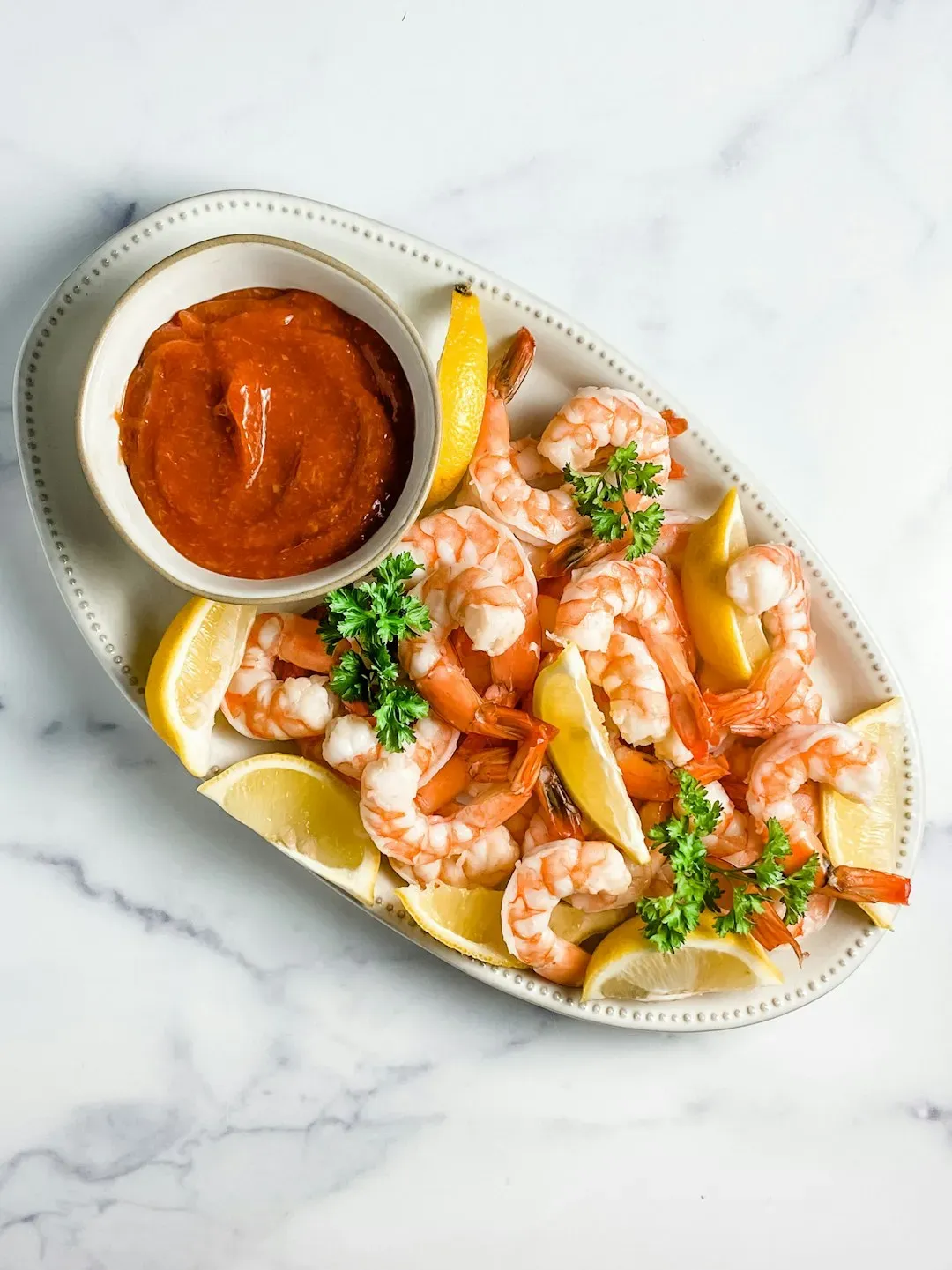
Shrimp cooks faster than almost any other protein, often in under five minutes once it hits a hot pan. A simple combination of butter, garlic, and lemon juice creates a pan sauce that clings to the shrimp without needing much else. Serving it over rice, pasta, or crusty bread turns a quick protein into a full dinner.
The key with shrimp is not overcooking it, since it can turn rubbery within seconds of being done. Pulling the pan off the heat as soon as the shrimp curls into a loose C shape keeps the texture tender. Frozen shrimp, thawed quickly under cold water, works just as well as fresh for this kind of fast cooking.
Ground beef or turkey taco bowls
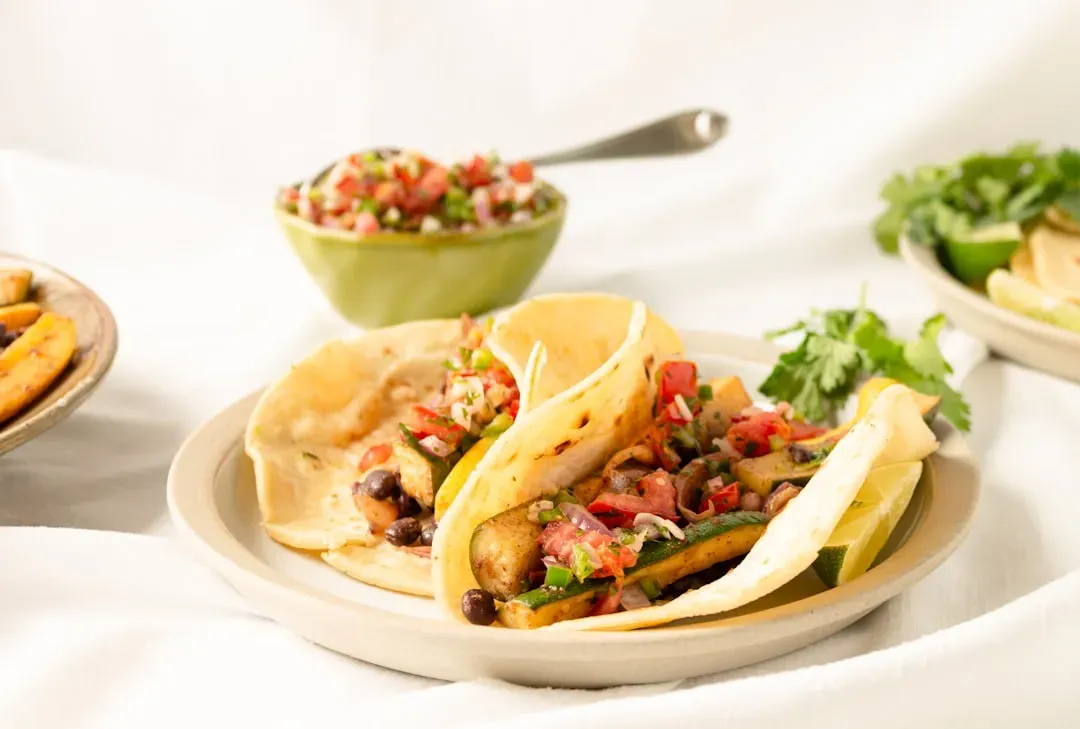
Taco bowls are one of those meals that adapt to whatever is already in the fridge. Browning ground beef or turkey with taco seasoning takes only a few minutes, and building bowls with rice, beans, lettuce, and salsa means everyone can customize their own plate. This format also makes it easy to stretch leftovers, since extra filling keeps well for a day or two.
Using pre-cooked rice or a quick-cooking grain shortens the timeline even further. Canned beans, rinsed and warmed briefly, add protein and fiber without extra prep. A dollop of sour cream or a squeeze of lime at the end rounds out the flavors without requiring additional cooking steps.
Sheet pan salmon with asparagus
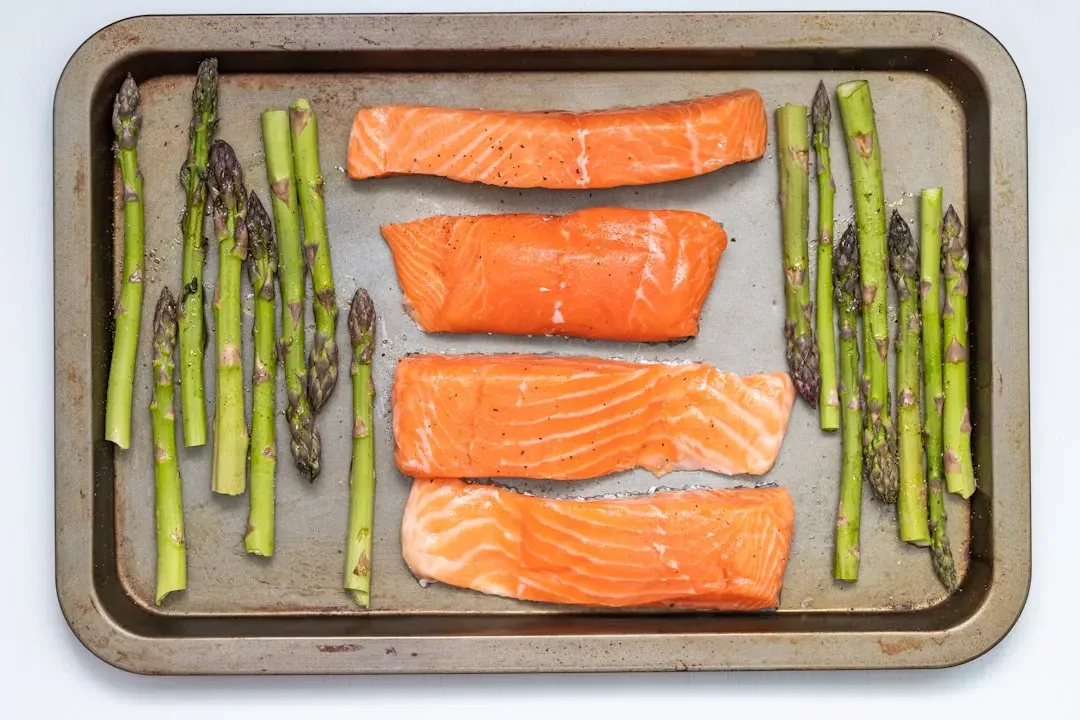
Salmon is one of the fastest proteins to prepare, often finishing in the oven within twelve to fifteen minutes depending on thickness. Pairing it with asparagus on the same sheet pan means both cook in roughly the same amount of time, since asparagus spears are thin enough to roast quickly at high heat. A brush of olive oil, salt, and a bit of dijon mustard is often all salmon needs before roasting.
Because salmon is forgiving to slight variations in doneness, this dish leaves little room for error even on a distracted night. Lining the pan with foil or parchment paper keeps cleanup minimal, which matters when energy for dishes is already low. Leftover salmon also flakes easily into salads or grain bowls the next day.
Stir-fried vegetables with tofu or chicken
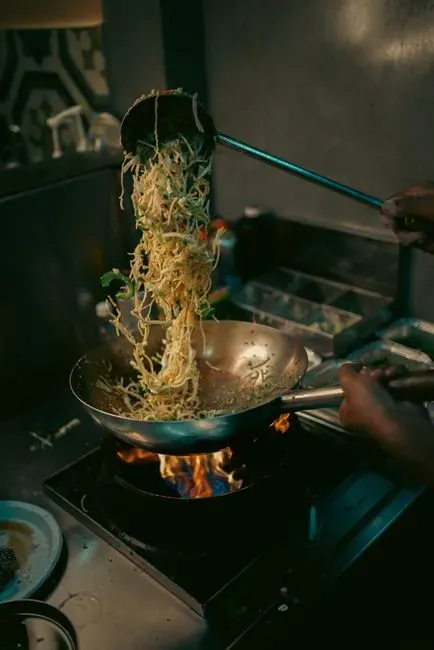
Stir-frying is built for speed, since ingredients are cut small and cooked over high heat for only a few minutes. Tofu, pressed briefly to remove excess moisture, crisps up nicely in a hot pan, while thinly sliced chicken cooks through just as fast. A simple sauce of soy sauce, garlic, and a touch of honey or rice vinegar ties the dish together without needing a long ingredient list.
The order of cooking matters in a stir-fry, since denser vegetables like carrots or broccoli need slightly more time than something like snap peas or bell peppers. Adding vegetables in stages, rather than all at once, keeps the texture from turning mushy. Served over rice or noodles, this dish covers protein, vegetables, and grains in one pan.
Breakfast for dinner
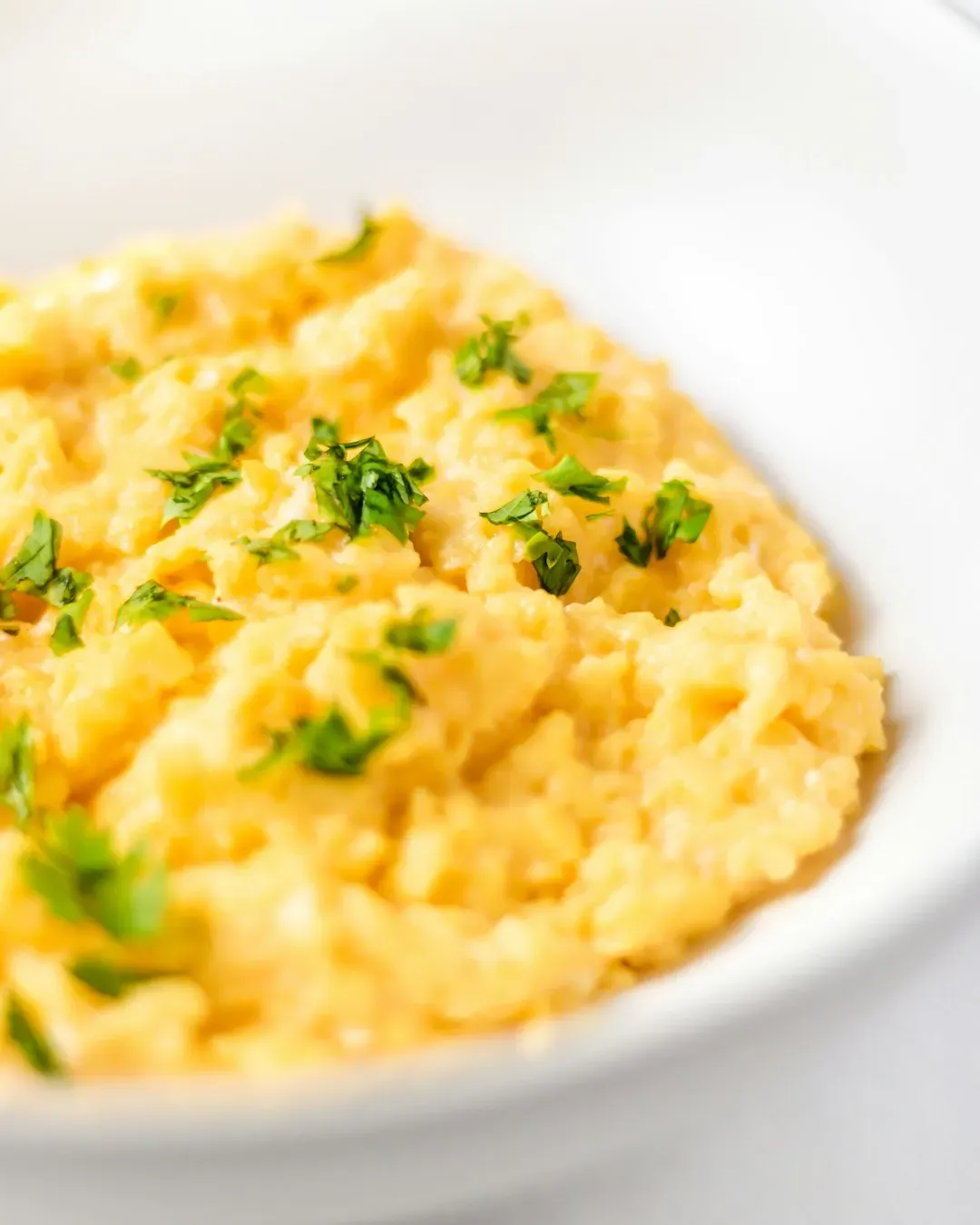
Eggs are one of the quickest sources of protein available, and a simple scramble or omelet can be ready in under ten minutes. Adding shredded cheese, leftover vegetables, or diced ham turns basic eggs into something more substantial. Pairing them with toast or hash browns rounds out the plate without requiring much additional cooking.
This kind of meal works especially well when the fridge feels emptier than usual, since eggs pair with almost anything on hand. Breakfast-for-dinner also tends to use fewer dishes overall, since most of the cooking happens in a single skillet. It’s a practical option that leans on ingredients most kitchens already stock.
Quesadillas with whatever is on hand
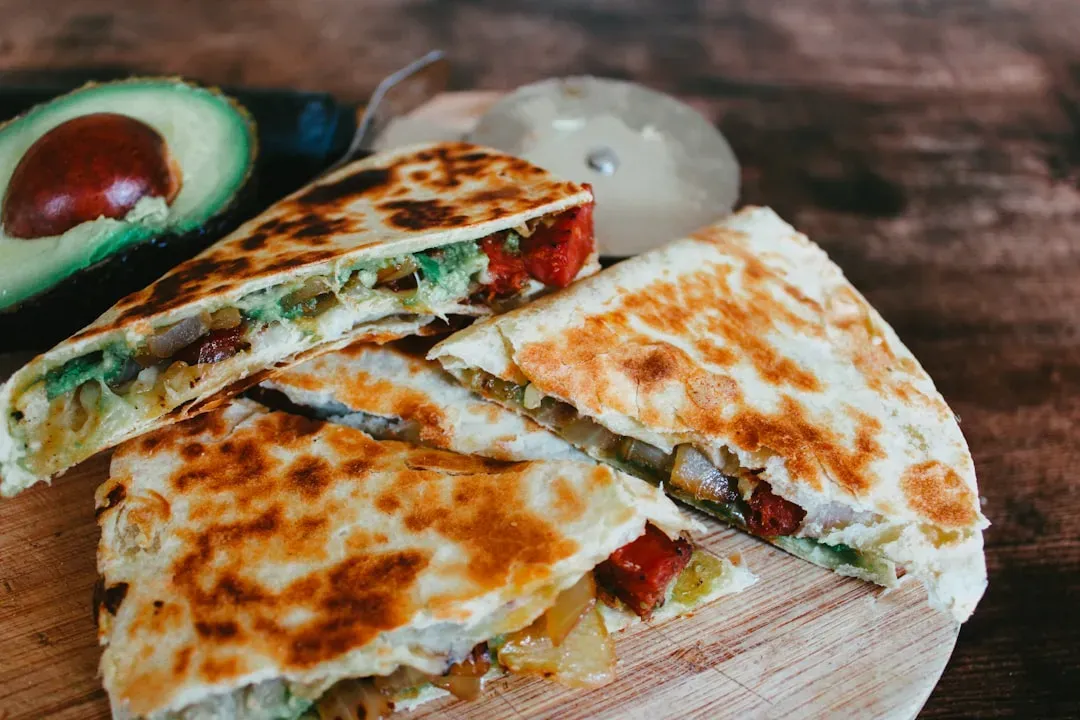
Quesadillas are essentially a blank canvas built around melted cheese and a tortilla, which makes them ideal for using up small amounts of leftover ingredients. Shredded chicken, black beans, sautéed peppers, or even leftover taco filling all work well folded inside. Cooking them in a dry skillet or lightly oiled pan takes only a few minutes per side until the cheese melts and the tortilla crisps.
Because quesadillas cook quickly over medium heat, they’re easy to keep an eye on while doing other things, like setting the table or prepping a quick side salad. Cutting them into wedges makes them easy to serve family-style, and dipping options like salsa or sour cream add variety without extra cooking. They also reheat reasonably well, which helps if portions run larger than expected.
Baked ziti or pasta bake shortcuts
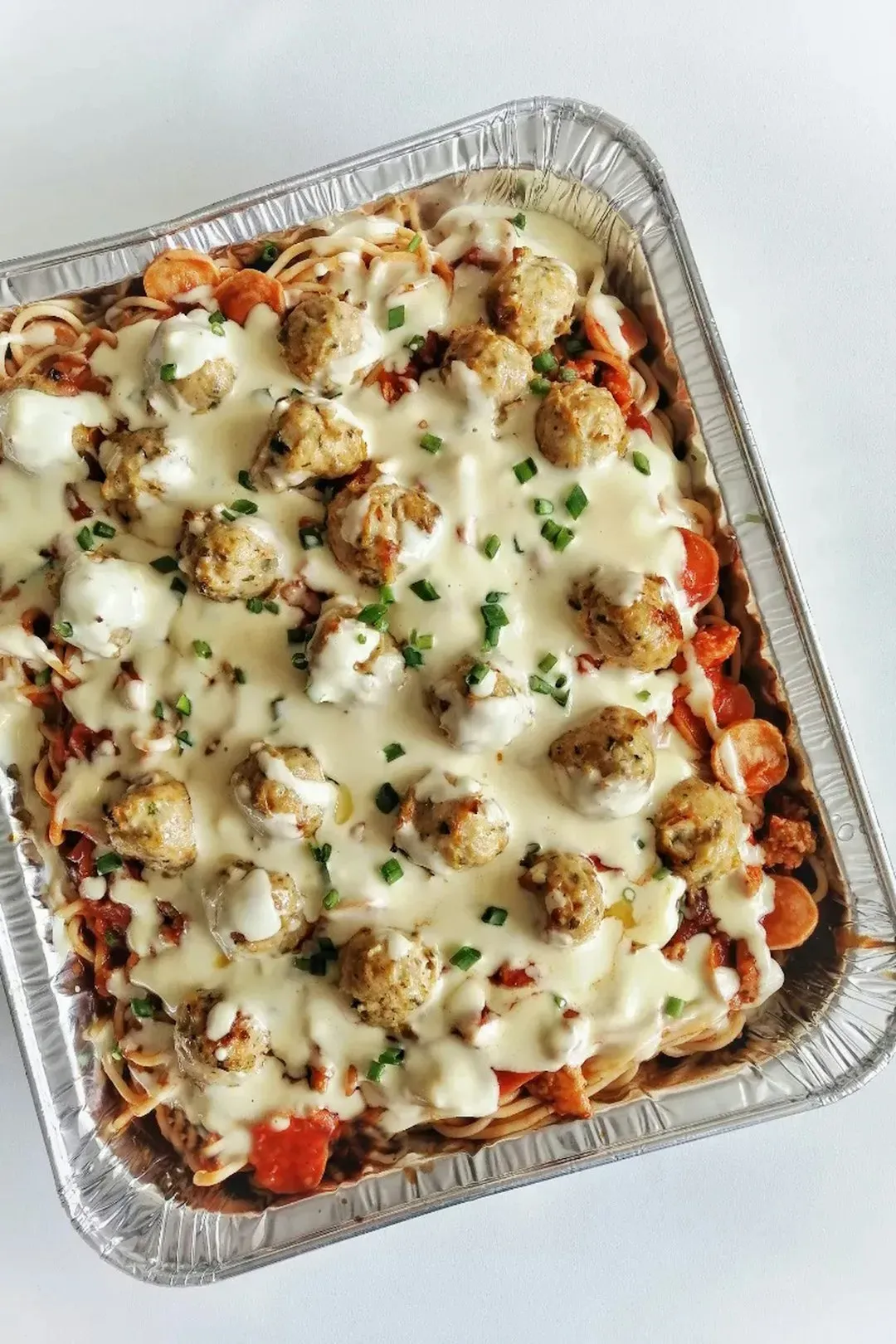
A pasta bake sounds like a bigger project than it actually is, especially when jarred sauce and pre-shredded cheese are used instead of made-from-scratch components. Mixing cooked pasta with marinara sauce, ricotta, and mozzarella, then baking until bubbly, takes active prep time of around ten minutes. The oven does the rest of the work while other tasks, like homework help or unpacking groceries, happen in the background.
This dish also freezes well before or after baking, which means a version can be prepped ahead on a calmer day and pulled out later. Adding cooked ground meat or sautéed vegetables boosts the nutritional profile without complicating the process. Leftovers tend to reheat evenly, making this a practical choice for busy weeks with more than one hectic night.
Grain bowls with rotisserie chicken
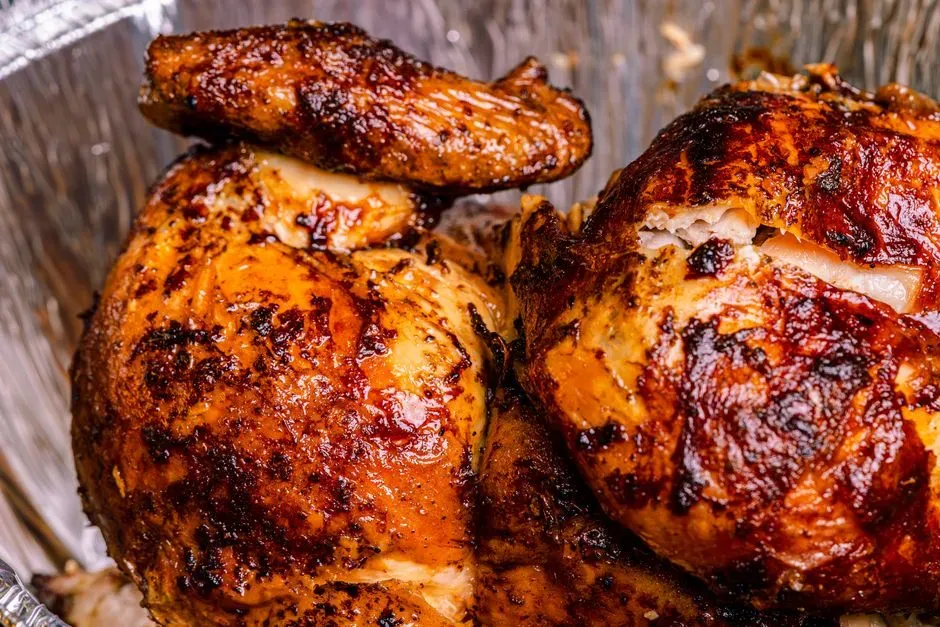
Store-bought rotisserie chicken removes the longest step from dinner entirely, since the protein arrives already cooked and seasoned. Shredding it over a base of quinoa, rice, or farro, then adding roasted or raw vegetables, turns a few components into a balanced bowl. A simple dressing made from olive oil, vinegar, and a spoonful of mustard ties everything together in under a minute.
This format is particularly useful because it doesn’t require much actual cooking beyond warming the grains if they’re not already prepared. Swapping ingredients based on what’s in the fridge, like using leftover roasted vegetables or a can of chickpeas, keeps the bowl flexible night to night. It’s less a fixed recipe and more a formula that adjusts to whatever time and ingredients allow.