
You sit down, open the menu, and feel completely in control of your choices. You pick what sounds good, maybe splurge on a dessert, linger over another glass of wine. It all feels spontaneous. Honestly, that’s exactly how it’s supposed to feel. The truth is that from the moment you walk through the door, a finely tuned machine of psychological influence is quietly at work, shaping almost every decision you make.
Restaurants are businesses running on razor-thin margins. An average U.S. restaurant retains just 3 to 5 percent of its sales as net profit, while the rest is absorbed by operating costs. That means every single table, every menu glance, every server interaction is an opportunity they simply cannot afford to waste. The tricks used to nudge you toward spending more are backed by real research, refined over decades, and so subtle that most diners never notice them. So let’s get into it.
Table of Contents
The Menu Is a Sales Map, Not a Food List
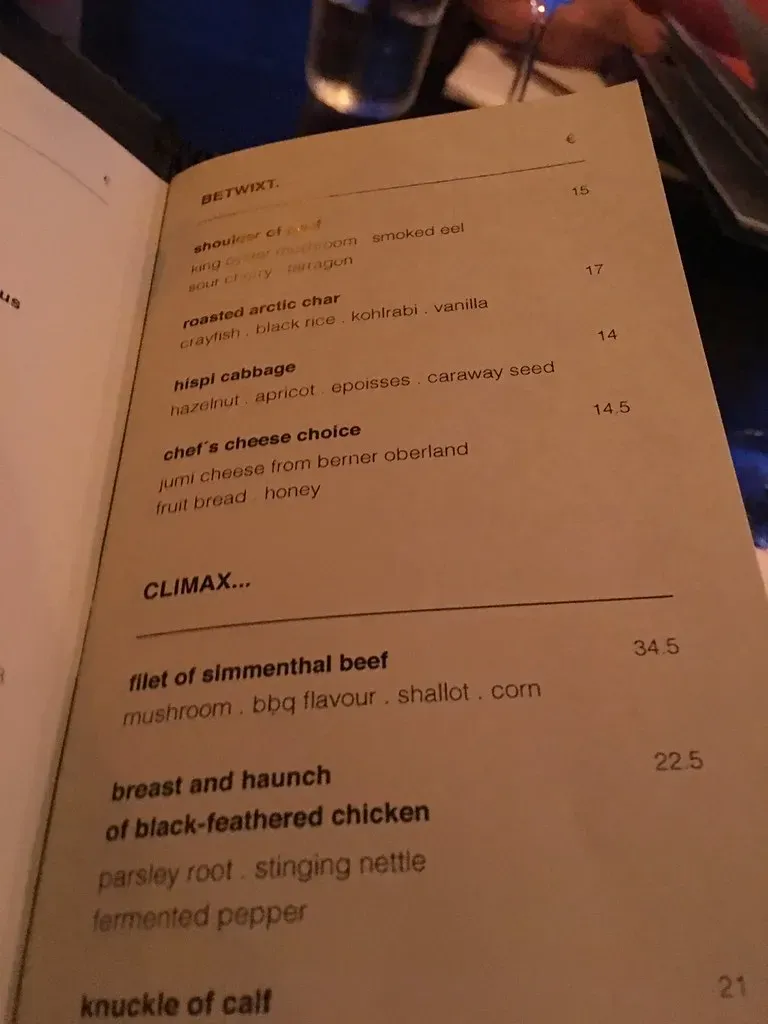
Here’s the thing most people never consider: the menu in your hands is one of the most carefully engineered documents in the building. Menu psychology is the study of how guests interact with a restaurant’s menu and how certain design choices influence what they order. It is rooted in behavioral science and backed by decades of research into decision-making, pricing, and visual perception. Think of it less like a catalogue and more like a treasure map, except the treasure is the restaurant’s profit margin.
When we look at a restaurant’s menu, our eyes typically move to the middle first before traveling to the top right corner and then to the top left. This pattern has been dubbed the “Golden Triangle” by menu engineers, and these three areas are where you will find the dishes with the highest profit margins. You are being silently guided, like a shopper in a supermarket where the most profitable items are always at eye level.
We subconsciously order the top two items in each menu section more often, so restaurant owners tend to list their highest-margin dishes first. Some people tend to pick the bottom option too, so the last item in each section is usually a restaurant’s third most cost-effective dish. The middle options? Often there just to make the others look better by comparison. Menu engineering can be a hefty undertaking, but its benefits far outweigh any cost or time investments. Most restaurants improve profits by 2 to 10 percent from a reengineered menu.
The Price Anchoring Trap Almost Everyone Falls Into
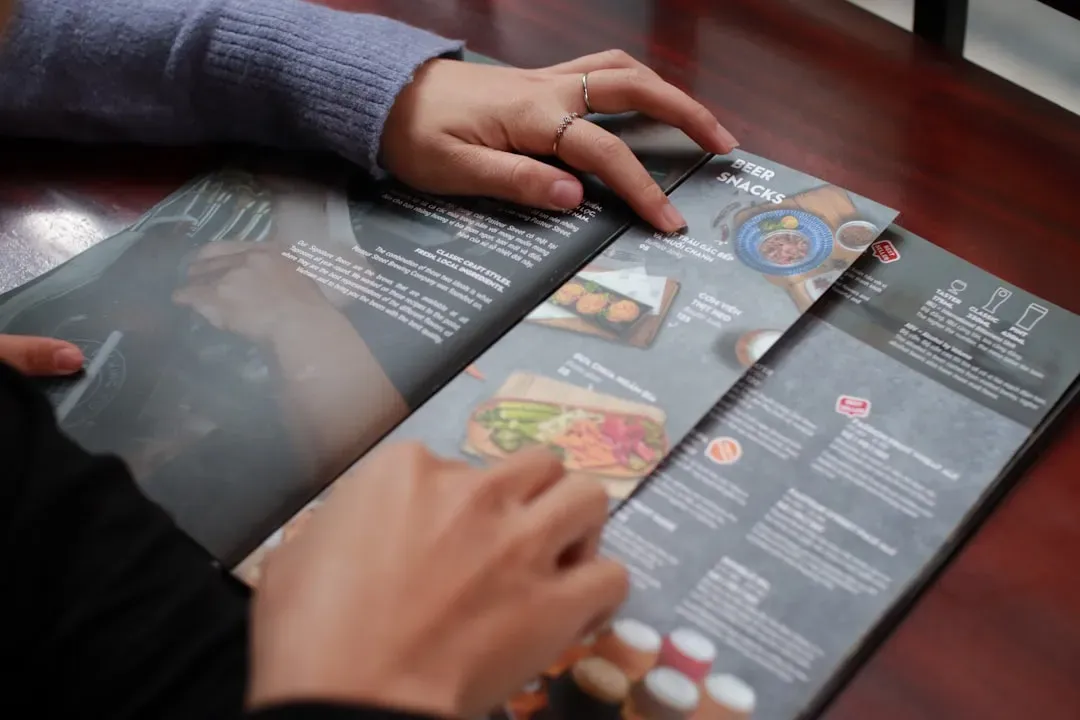
Imagine you open a menu and the first thing you see is a $58 wagyu steak. Suddenly, the $32 salmon right below it feels like a bargain. That is not a coincidence. It is common practice in the restaurant industry to include some premium-priced items alongside more economical options. This technique is called “price anchoring” and serves as a frame of reference for customers. For example, if you see a $32 steak next to a $22 chicken dish, the latter will appear to be a good value even if it is not the cheapest option overall.
Most customers have an extremeness aversion and will never order the most expensive or least expensive items on the menu. Restaurants use this psychological quirk to their advantage. By highlighting a very expensive item, the less pricey option directly below it seems more reasonably priced by contrast. The strategy is to position a high-priced item in a “sweet spot” alongside a highly profitable item right next to it.
Let’s be real, nobody thinks they are falling for this. Most people avoid both the cheapest and most expensive options, gravitating instead toward the middle. This is a psychological trick that nudges you toward their second-most expensive item. The restaurant wins either way. Listing a premium item at the top of a section sets a mental benchmark. When guests see a $24 entrée first, the $16 dish below it feels like a better value, even if it wasn’t part of their original budget. This is price anchoring in action, and it is a simple way to increase average order value without changing a pricing strategy.
The Dollar Sign Disappears for a Reason
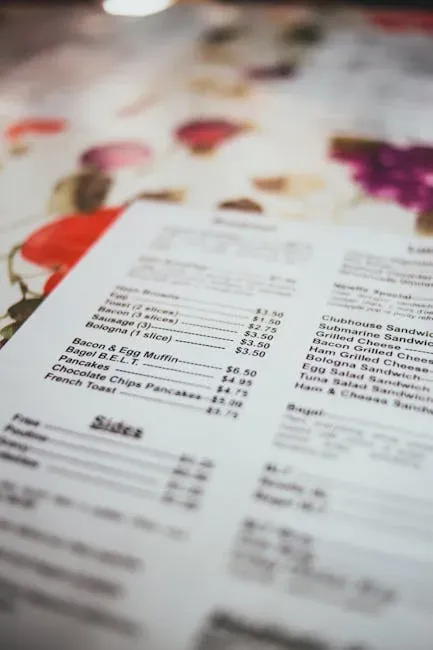
Take a close look next time you dine somewhere upscale. Many menus simply list “18” instead of “$18.00.” No dollar sign, no cents, sometimes not even the word “price” nearby. When you see dollar signs, you think of money. Restaurants do not want you thinking about money. They want you thinking about food. The removal of the dollar sign is a subtle but quite effective psychological trick. You may be more likely to buy something if you are not reminded it costs you money until after you have ordered it.
A study by Cornell University found that guests given a menu without dollar signs spent significantly more than those given menus with dollar signs. It sounds almost too simple to be real. Seeing a monetary cue reminds consumers they are spending money, activating what researchers call the “pain of paying.” If the immediate pain is greater than the immediate pleasure, a product is less likely to be purchased. So removing the symbol literally reduces the psychological friction of spending.
Crafty restaurateurs also remove currency signs from menu design to take the emphasis away from the cost of items you are ordering. Beware of prices written out in letters, as this tactic can encourage spending up to 30 percent more. It is a small nudge with a surprisingly large payoff for the house.
The Language on the Menu Is Working on Your Subconscious
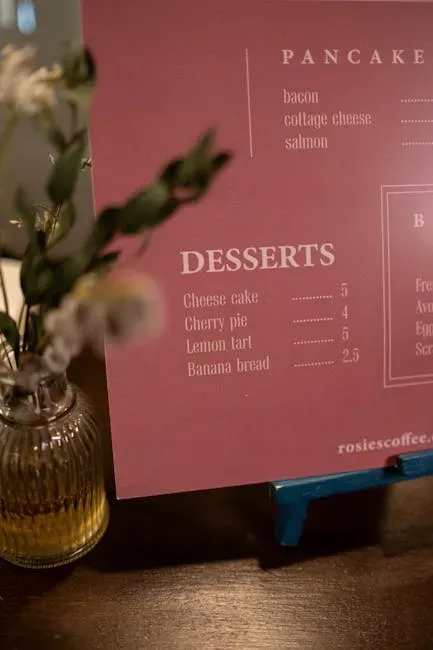
Words are powerful tools, and restaurant menus have turned them into a fine art. Restaurants pay close attention to how each meal description is written. Superlative claims like “the world’s best burger” cannot possibly be true, and diners will simply ignore them. However, enticing adjectives like “line-caught” or “sun-dried” feed the imagination and get our taste buds tingling. It is essentially storytelling disguised as a food description.
By connecting a dish to family or place, such as calling cookies “Grandma’s,” restaurants invoke memories and nostalgia that motivate people to order. The resulting nostalgia motivates you to try the item. Think about the difference between “pasta with shrimp” and “hand-rolled tagliatelle with wild gulf shrimp.” Same dish, radically different emotional response. Nostalgia is a powerful force, and a carefully worded description can load almost any dish with an emotional resonance that is hard to resist. That tempting slice of “Grandma’s Apple Pie” you are about to order has probably been sitting in an industrial freezer for months.
Descriptive language can significantly boost the perceived value of dishes. By painting a vivid picture of the taste, texture, and presentation, it helps stir a customer’s imagination and stimulate their appetite, potentially boosting sales. According to a Cornell University study, researchers found that more detailed descriptions sold nearly 30 percent more food. So yes, those flowery sentences on the menu are genuinely doing something to your brain.
The Music and Lighting Are Quietly Controlling Your Behavior
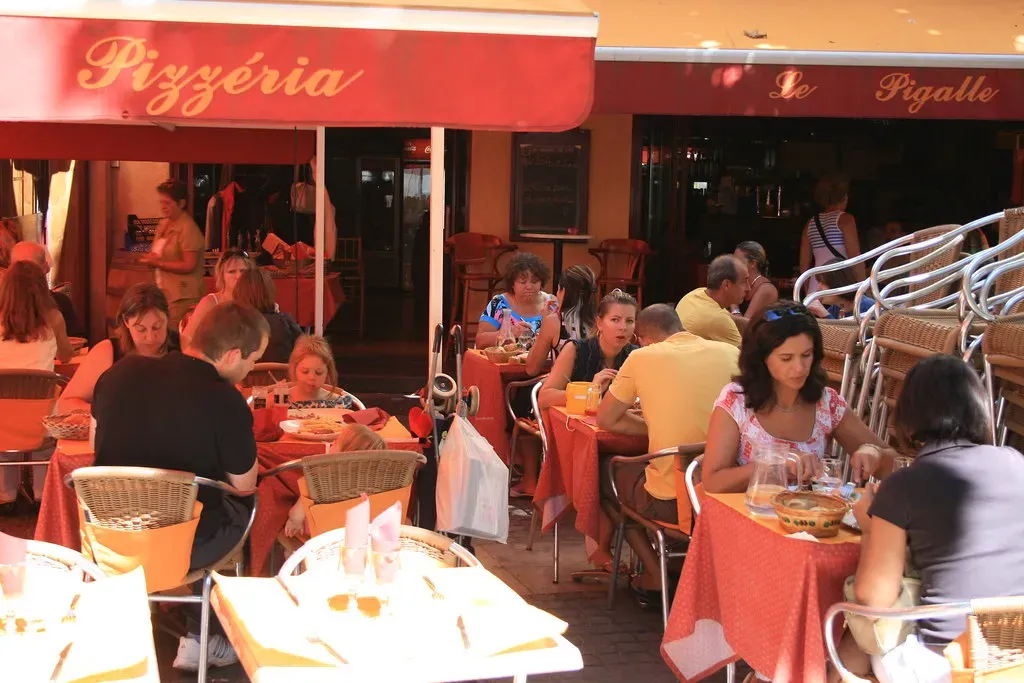
You probably never think about the playlist or how bright the room is when you sit down to eat. That is precisely the point. A 2024 study published in Frontiers in Psychology found that background music significantly influences how long guests remain seated, how much they spend, and how generous they are with tips. The soundtrack of your dinner is not chosen at random.
A Frontiers in Psychology study still widely cited in 2026 found that slow-tempo music encourages guests to linger, often leading to higher total checks – especially for drinks and desserts. When the tempo picks up, tables tend to turn faster and tipping rates rise. In both cases, the music isn’t just background noise – it’s shaping real, measurable business outcomes. That smooth jazz during your Friday night dinner? It’s still quietly nudging you to stay a little longer and order one more round.
Dim lights create intimacy and romance, making diners stay longer and order more courses. Bright lights boost stimulation and alertness, which is perfect for high-energy venues and faster breakfast service. Research indicated that softening the lighting and music led people to eat less, to rate the food as more enjoyable, and to spend just as much. A more relaxed environment increases satisfaction and decreases consumption. In other words, the restaurant spends less feeding you while you spend the same or more. That is a pretty remarkable outcome from simply dimming the lights.
Your Server Is a Trained Upselling Machine
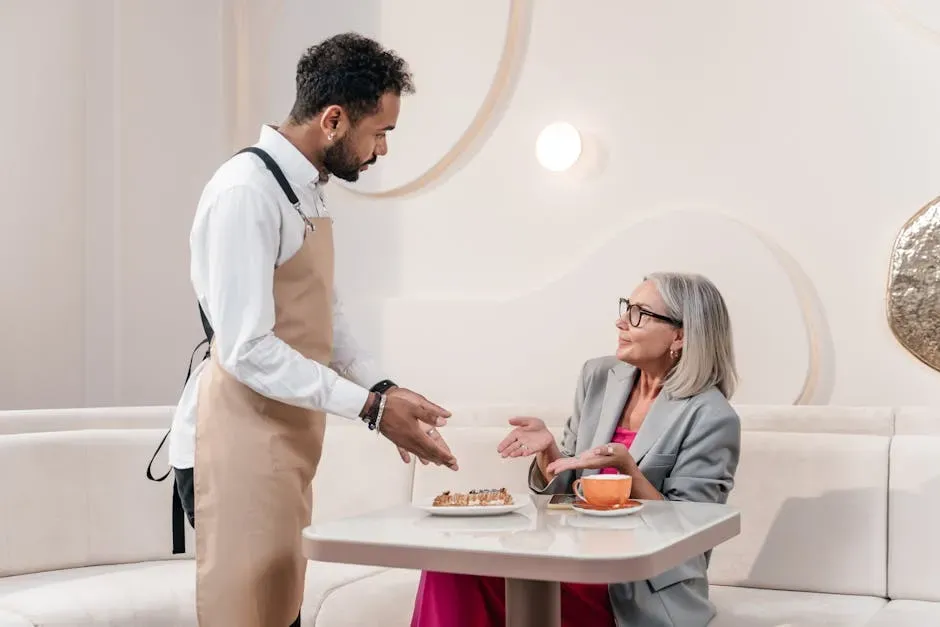
Servers are warm, friendly, and genuinely helpful. They are also specifically trained to increase the size of your bill. There is no contradiction there, honestly, but it is worth knowing. A well-trained server knows how to suggest premium options, add-ons, and pairings in a way that feels completely natural. Restaurants focusing on upselling can boost revenue by 10 to 15 percent per table. That friendly recommendation about the “wonderful” house special? It is almost certainly a high-margin item.
Incorporating scarcity and exclusivity into menu recommendations can significantly enhance the appeal of certain dishes. When customers perceive that an item is in limited supply or available only for a short period, they are more likely to order it on the spot. A server saying “we only have a few portions left tonight” creates urgency that is very hard to resist psychologically. Instead of asking “Do you want dessert?” servers are trained to ask “Would you like to try our signature lava cake?” This technique makes the offer significantly more appealing.
A simple yet highly effective upselling strategy is to suggest add-ons that enhance the customer’s meal without requiring them to order entirely new dishes. Add-ons like extra toppings, additional sauces, or larger portions can subtly increase the value of each check. While these small upgrades might seem minor, their cumulative impact across multiple orders can significantly boost a restaurant’s revenue. It all adds up quietly, one small “of course, why not” at a time.
The Bottom Line on Being a Smarter Diner
None of this means restaurants are villains. Most of these techniques exist in every industry, from retail stores to airline booking pages. Knowing about them simply gives you back a bit of the control you thought you already had.
The next time you open a menu, notice where your eyes land first. Notice if there is a dollar sign or not. Notice if the music is slow and the lights are warm and low. Your awareness alone will not change the fact that the pasta sounds incredible, but at least you will know why.
What surprises you most about how your dining choices are shaped? Drop your thoughts in the comments below.