
Southern cooking is one of the most storied, deeply layered, and fiercely defended culinary traditions in the entire United States. It’s rooted in centuries of cultural exchange, survival, and creativity. But here’s the thing – beyond the fried chicken and the sweet tea that everyone knows, there exists a whole other world of Southern food that outsiders genuinely struggle to understand.
Some of these dishes will make you raise an eyebrow. Some will make you genuinely curious. A few might make you want to look away. But to a real Southerner? Every single one of them tastes like home. Let’s dive in.
Table of Contents
1. Boiled Peanuts – The Soggy Snack Southerners Can’t Stop Eating
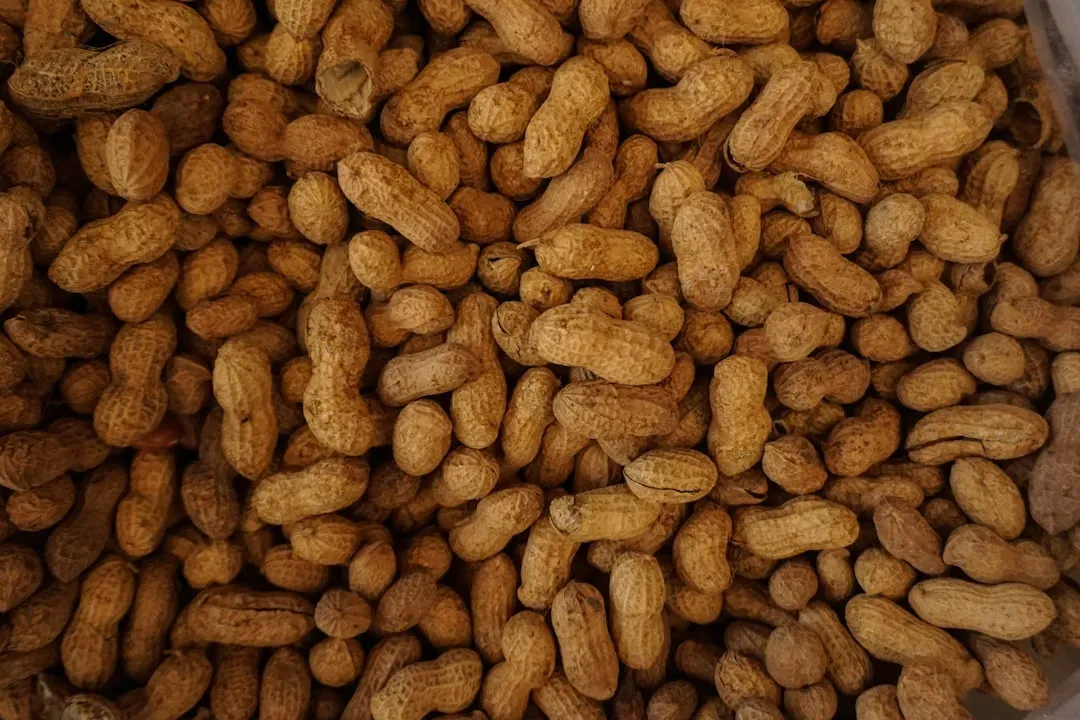
Picture a dripping paper bag handed to you at a roadside stand, filled with what looks like waterlogged, sad nuts. That’s your first encounter with boiled peanuts, and it’s genuinely jarring if you didn’t grow up with them. Boiling peanuts has been a folk cultural practice in the Southern United States, where they were originally called goober peas, since at least the 19th century, and the practice of eating boiled peanuts was likely brought by enslaved Black people from West Africa, where the related bambara groundnut is a traditional staple crop.
Boiled peanuts are made simply by boiling raw, unshelled peanuts in salted water for several hours until they are soft and tender and infused with the salty brine, with only salt used for traditional flavoring, though today you can find vendors selling a variety of flavors such as Cajun, garlic, and dill pickle. The texture throws people off the most. Boiled peanuts have a different texture compared to crunchy roasted peanuts – they’re very soft and moist, similar to a cooked bean.
In May 2006, Governor Mark Sanford named boiled peanuts South Carolina’s official state snack. That’s not a quirky trivia fact, that’s a full legislative declaration of love. The result is a uniquely addictive snack with a texture similar to beans and a salty flavor that seeps right to the core, while gas stations across the South keep warm crockpots full of these treats, often seasoned with Cajun spices for an extra kick.
2. Cornbread in a Glass of Milk – The Appalachian “Crumble-In”
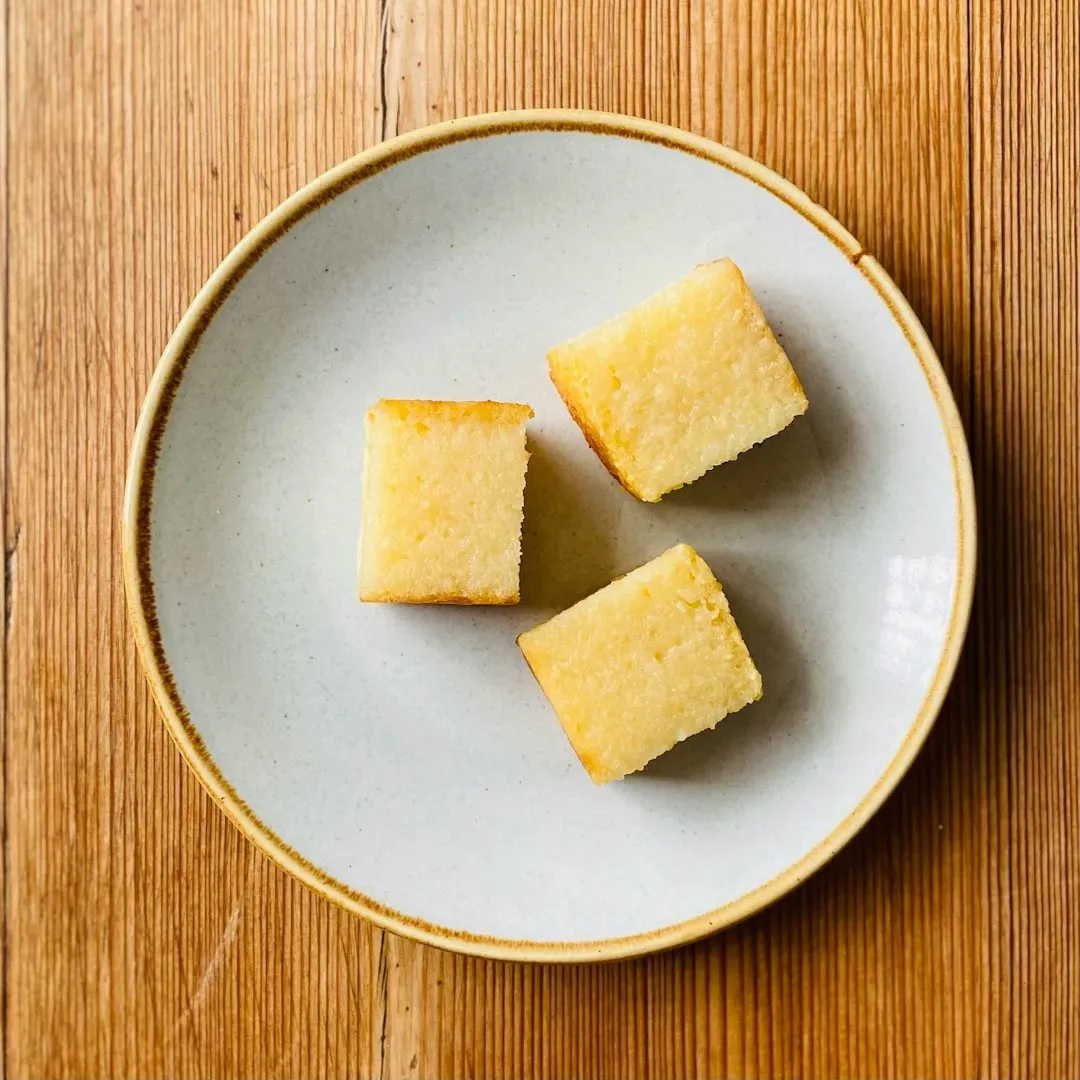
Honestly, the first time you hear about this one, you might wonder if someone is pulling your leg. Crumbling cornbread into a glass of cold milk and eating it with a spoon? When breaking bread with a friend in Southern Appalachia, you might suggest doing so directly into a tall glass of buttermilk, as this hearty snack of cornbread doused in milk is beloved among communities in the Southern United States, stretching from Appalachian West Virginia to the heart of Texas.
Though the specific origin of this Southern snack is unknown, it likely emerged as a meal that farming families could scrape together during food shortages, as long as they had access to cornmeal and a cow, and cornbread is still considered a daily staple for many Southerners, with a glass full of milk offering a way to enjoy both freshly baked slices as well as slightly stale leftovers. Interestingly, crumble-in became popular as a fascinating Great Depression meal, likely due to its heartiness, affordability, and ease of preparation.
Unlike the Northern variety, traditional Southern cornbread used in this dish is made without flour, baked in a large cast iron skillet, and cut into thick wedges. Some people add a drizzle of sorghum syrup or a pinch of black pepper. Though it may sound unusual to outsiders, this simple yet comforting dish, eaten with a spoon either hot or cold, remains a cherished tradition, and cornbread and milk together are often enjoyed as a midday snack, an appetizer, or a side dish to other Southern staples like beans and collard greens.
3. Pimento Cheese – The “Caviar of the South”
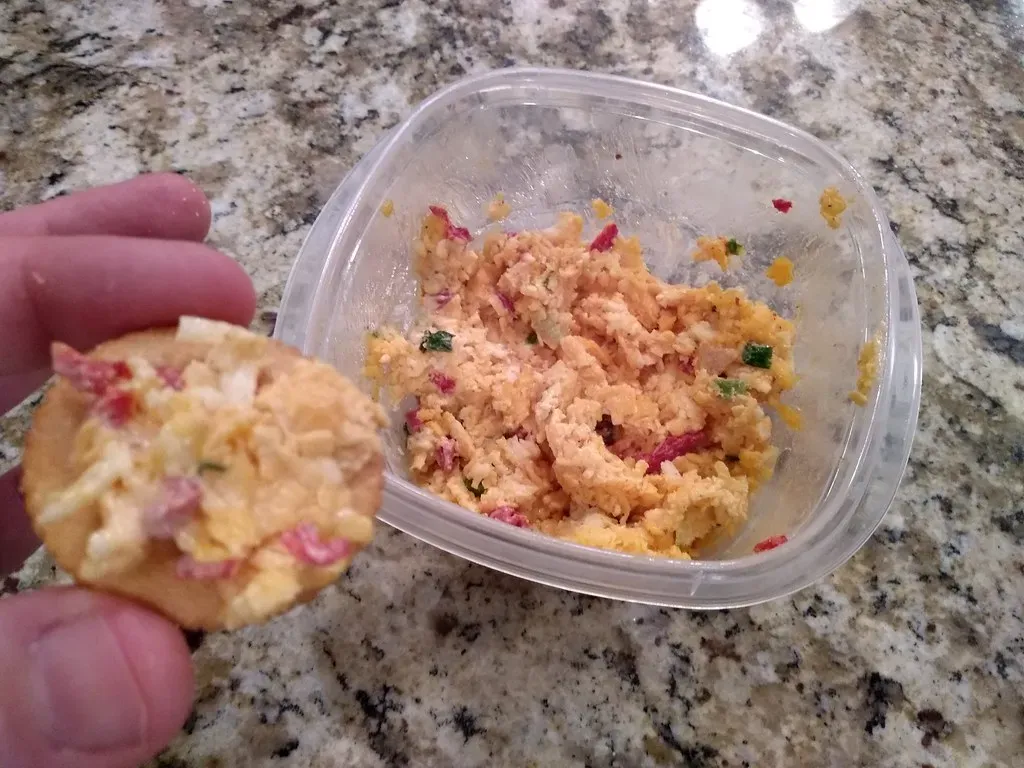
If you’ve never been to the American South, you might encounter what looks like a neon-orange, slightly alarming spread and have absolutely no idea what to do with it. This humble mixture of sharp cheddar, mayonnaise, and diced pimentos creates a spread that serves as the South’s social lubricant, found at everything from church potlucks to high-society gatherings, and it transcends class boundaries while confounding visitors who can’t understand the fuss over what essentially looks like orange mayo.
The green paper-wrapped pimento cheese sandwiches served every year at Augusta National during the Masters are legendary, and that right there tells you everything you need to know about its cultural status. The “caviar of the South” combines shredded cheddar, mayo, and diced pimentos into a creamy concoction that appears at everything from church potlucks to fancy cocktail parties, and it was originally marketed as a luxury item in the early 1900s before this humble spread became democratized when homemakers created affordable versions during tougher times.
The variations are endless – some add cream cheese for smoothness, others incorporate hot sauce for kick – but what remains consistent is Southerners’ passionate defense of their preferred recipe and outsiders’ initial skepticism before inevitable addiction. I think pimento cheese might be the most underrated food argument in America. Folks will debate their grandmother’s recipe with the same energy usually reserved for politics.
4. Chitlins (Chitterlings) – The Holiday Dish That Clears the Room
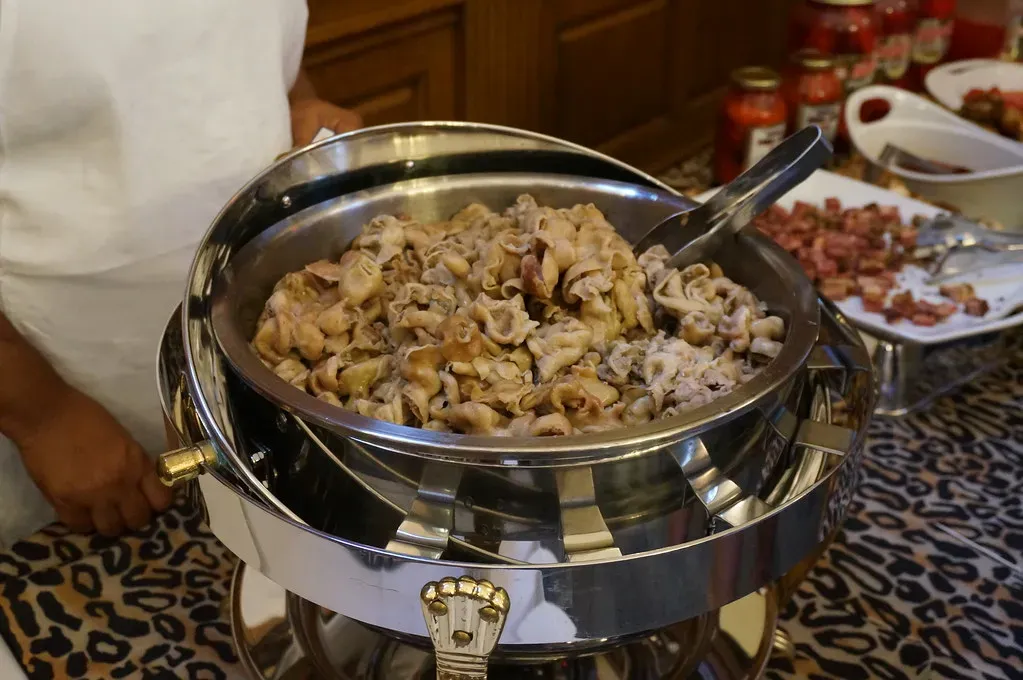
Here’s the thing. There is possibly no Southern food that generates a stronger reaction in non-Southerners than chitlins. Chitlins, or chitterlings, represent the epitome of Southern nose-to-tail cooking and a testament to the resourcefulness born from necessity, as these cleaned pig intestines require meticulous preparation before slow-cooking with spices until tender.
Born from slavery’s waste-not philosophy, these funky tubes transformed from necessity to nostalgic delicacy at holiday tables across the Black South, with the smell during preparation so legendary that many families banish the cleaning process to outdoor spaces, and despite their infamous aroma, properly prepared chitlins develop a tender, almost buttery texture. That’s a real commitment to your culinary heritage right there.
The staples of soul food include beans, greens, pork, and cornmeal, and all parts of the pig are used in soul food cooking, including pig ears, hog jowl, chitlins, pigs’ feet, and ham hocks. Many modern Southerners themselves avoid this traditional dish, yet it remains a cultural touchstone, particularly in African American communities during holiday celebrations, and for outsiders, chitlins represent perhaps the highest hurdle in Southern food appreciation.
5. Fried Green Tomatoes – Cooking With Tomatoes Before They’re Ready
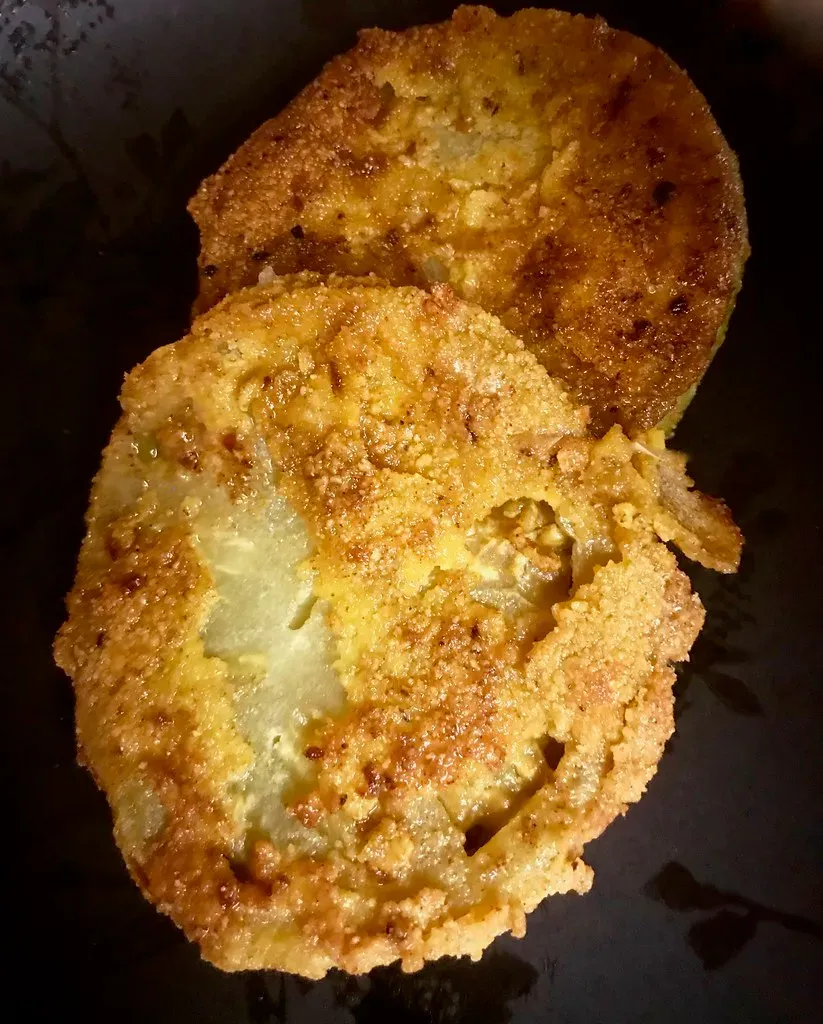
Outside the South, serving unripe tomatoes to your guests would probably be considered a genuine culinary insult. Inside the South, it’s a beloved tradition that has been around for generations. Serving unripe tomatoes to guests would be considered culinary sabotage in most regions, yet Southerners have turned this concept into an art form, with gardens always yielding a batch of green tomatoes specifically reserved for frying, never to ripen on the vine, as firm, tart, and unripe tomatoes are sliced, dredged in cornmeal, and fried until golden brown.
Unripened tomatoes breaded and fried until golden can confuse anyone used to red, juicy slices, yet in the South, this crispy snack proves that green tomatoes are worth celebrating. The tart bite of an unripe tomato against a crunchy cornmeal crust is genuinely one of the most surprising flavor combinations you’ll ever encounter. It sounds wrong on paper. It tastes completely right in practice.
Many elements of Southern cooking, including tomatoes, squash, corn and its derivatives such as hominy and grits, and deep-pit barbecuing, are borrowings from Indigenous peoples of the region such as the Cherokee, Caddo, Choctaw, and Seminole. The tomato itself has deep roots in Native American agricultural tradition, which makes this dish feel especially connected to the land. It’s hard to say for sure when fried green tomatoes became a staple, but they’ve earned their place firmly on the Southern table.
6. Tomato Pie – A Savory Pie That Confuses Everyone Outside Dixie
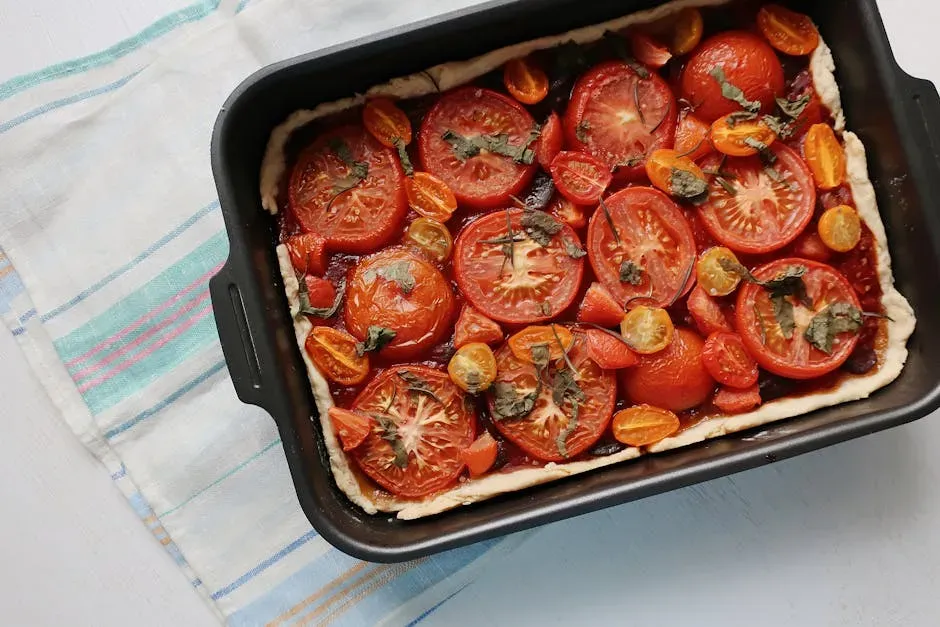
Mention tomato pie to someone who didn’t grow up in the South and you’ll watch their brain short-circuit in real time. Pie means sweet. Pie means dessert. Not in the South, it doesn’t. Layering ripe tomatoes into a pie crust feels almost unthinkable for those outside the South, and that’s exactly why this savory pie turns heads – it flips expectations of what pie should be.
Tomatoes are Southerners’ most beloved summer produce, so it’s no surprise that they’ve tried out all different variations of ways to use them, including tomato pie, and with cheese and herbs, it’s completely savory, so there’s no need to be scared. Think of it like a quiche’s more rustic, sun-ripened cousin. The combination of peak-season tomatoes, mayonnaise, and sharp cheese layered inside a buttery crust is genuinely something that earns its place at the table.
British settlers contributed to the development of Southern baking traditions, and pies, biscuits, and puddings became common in Southern households, showcasing the British love for hearty, comforting baked goods. That heritage, fused with the South’s obsession with fresh summer produce, gave birth to something that outsiders label “weird” but Southerners label “Tuesday dinner.” It really is that simple and that good.
7. Potlikker – The Broth That Real Southerners Drink Like Tea
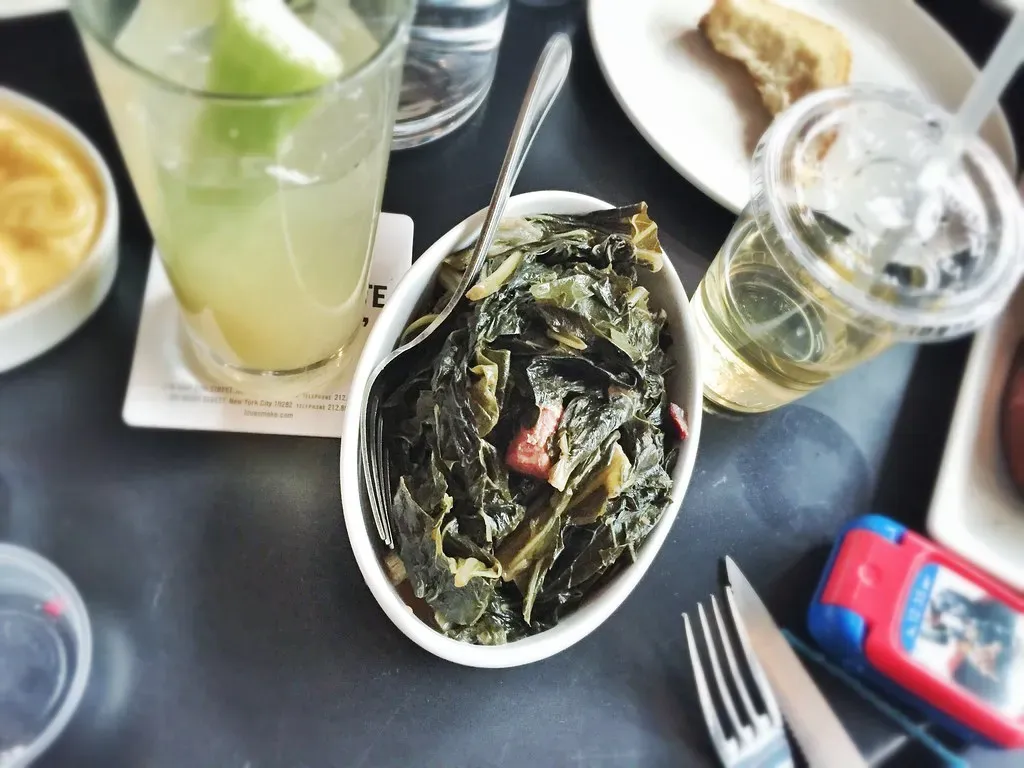
Let’s end on one of the most unusual and least-talked-about Southern food traditions of all. Potlikker is not whiskey in a pot – it refers to the leftover water from cooking greens. To most outsiders, that description sounds like kitchen waste. To a Southerner, it sounds like the best part of the meal.
Pot liquor is a nutrient-rich liquid considered by many to be the best part of the dish, and it’s often enjoyed with a splash of vinegar and a piece of cornbread for dipping, packed with vitamins and minerals and a true testament to the Southern knack for extracting maximum flavor and nutrition from simple ingredients. Nothing in Southern cooking goes to waste. That’s not just frugality, that’s genius.
Southern comfort food originated as a reflection of the region’s agricultural and cultural diversity, with early settlers relying on locally available ingredients including corn, beans, pork, and leafy greens to create hearty and satisfying meals. Potlikker is the liquid soul of that story – slow-simmered collards or turnip greens with ham hocks, cooked down for hours until the water becomes a dark, intensely savory broth. The hallmarks of Southern cooking, as it turns out, were born from survival techniques. Potlikker is living proof of that truth, poured into a cup and drunk with pure pride.
Conclusion: Southern Food Is a Story Worth Tasting
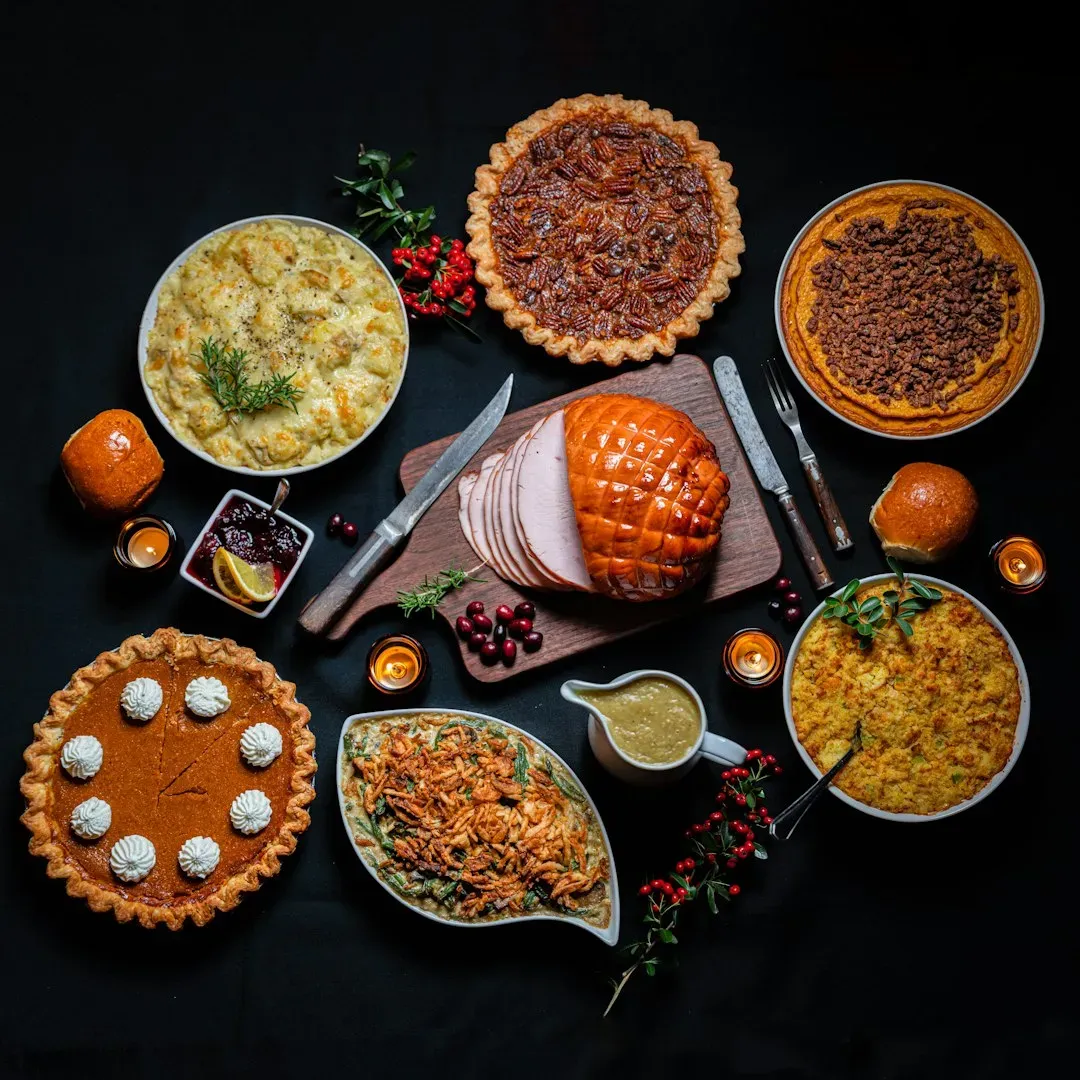
Southern food is a unique blend of ingredients and techniques passed down from generation to generation, and more than just food, it’s a way of life deeply rooted in history, culture, and pride. Every dish on this list carries that weight. From the roadside boiled peanut stand to the holiday pot of chitlins, these foods are not just recipes. They’re memories, identities, and acts of resistance all at once.
Southern food is special because of the people who cook it and the culture that continues to preserve it, with roots that run strong, deep, and sometimes, terribly crooked. That complexity is exactly what makes it so fascinating. No other regional cuisine in America carries quite this much history in a single bite.
The next time someone hands you a soggy bag of boiled peanuts or a glass with cornbread floating in buttermilk, don’t hesitate. Take a bite. You might just find yourself understanding something about the South that no travel guide could ever explain. Which of these seven surprised you the most? Let us know in the comments.