
Most people think cooking a great steak comes down to the heat, the pan, or the cut. Honestly, they’re not wrong – those things matter a lot. But there’s one area that gets almost entirely overlooked: everything that happens before the steak ever touches a hot surface.
The preparation phase is where the real damage gets done. Quietly. Invisibly. And by the time you realize something went wrong, your expensive ribeye is already gray, chewy, and disappointing. So let’s talk about what’s actually happening in those crucial minutes before you cook – and what you absolutely must not do. Let’s dive in.
Table of Contents
Putting a Wet Steak on a Hot Pan: The Cardinal Sin
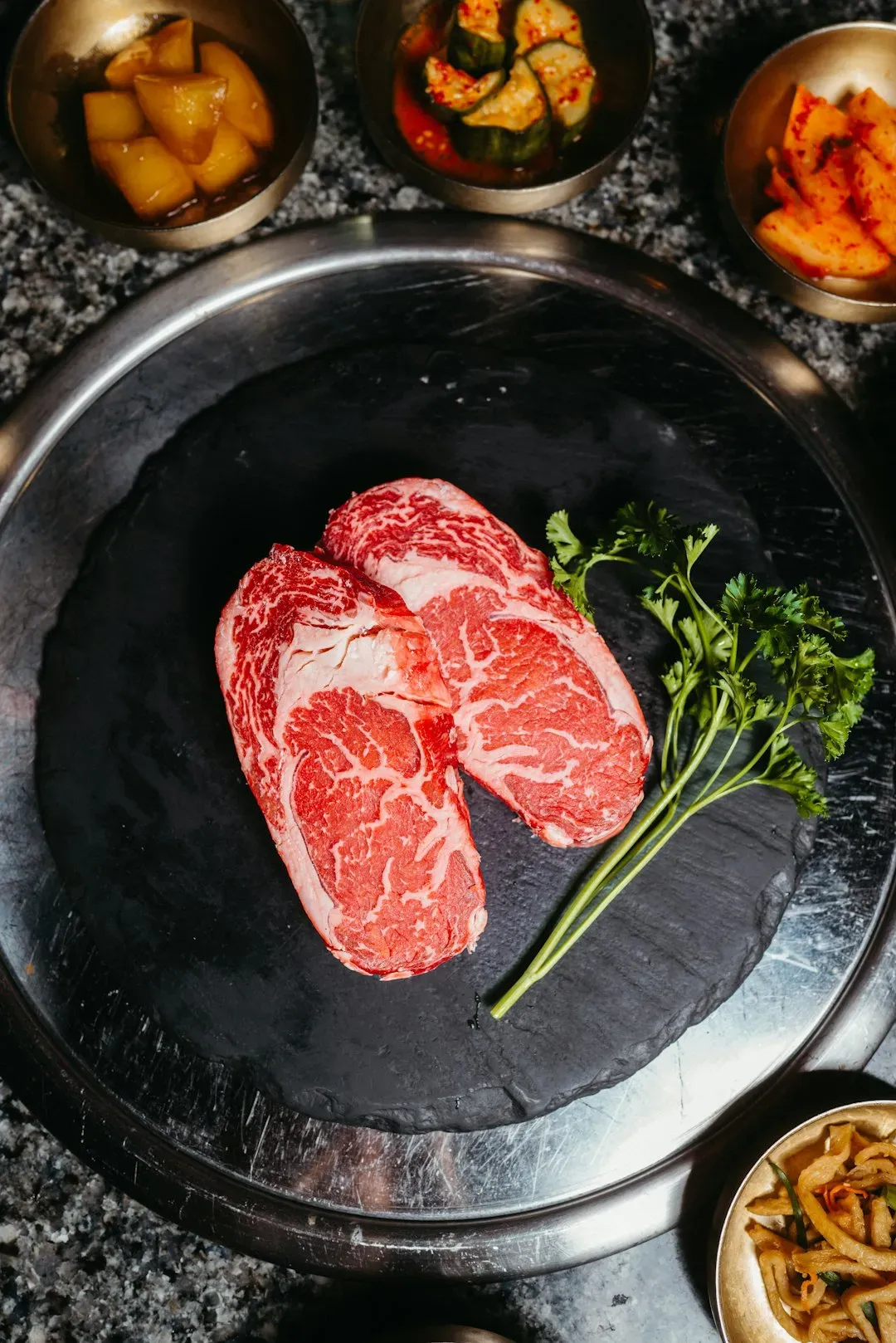
Here’s the thing – moisture is the number one enemy of a great steak crust. Moisture creates steam, which prevents the Maillard reaction, the chemical process that gives a steak its delicious golden-brown crust. Think of it like trying to fry an egg in a puddle. It just doesn’t work.
Moisture prevents browning by keeping temperatures at or below 212°F, the boiling point of water. If your protein is wet, it will steam. If it’s dry, it will sear. That’s the whole game right there.
A steak contains moisture that needs to evaporate before the Maillard reaction can begin. That’s why when you drop a steak on the grill, you hear that sizzle. One of the first important steps to getting a Maillard reaction going is surface dehydration, which is the beginning of how the outside of a steak becomes very different from the inside.
The fix is stupidly simple. Pat your steak dry with paper towels before salting and before cooking. This ensures a better sear, whether you’re grilling or using a skillet. Allowing the steak to rest on a rack after seasoning to allow airflow on all sides will further ensure a dry steak.
Salting at the Worst Possible Time
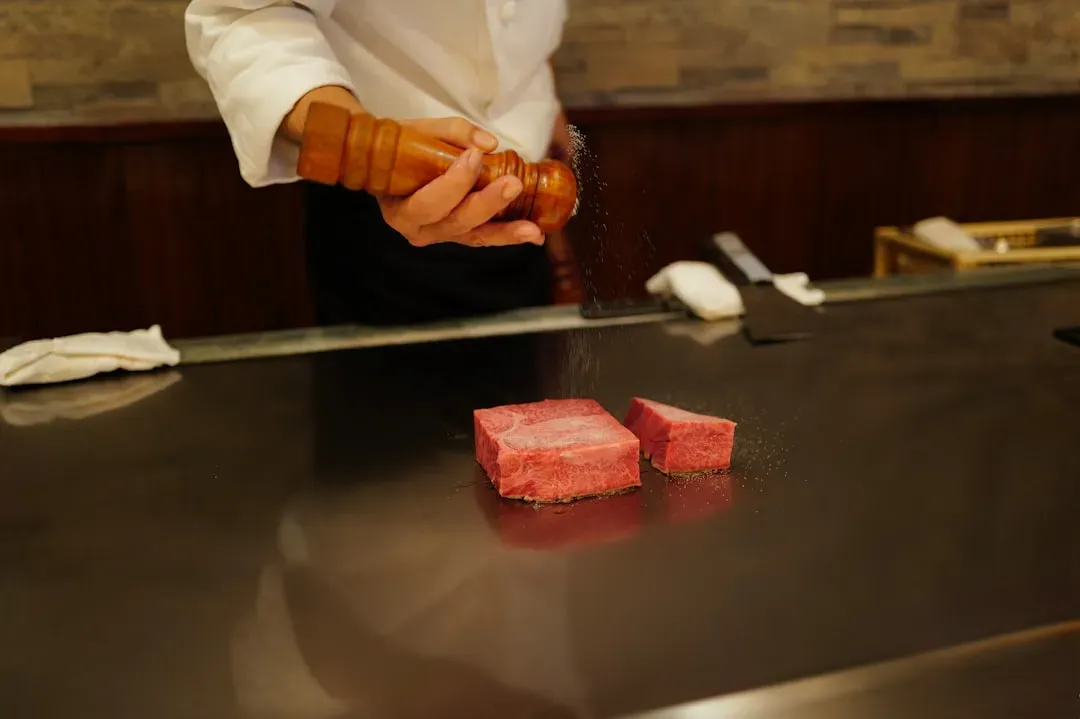
Timing your salt application is one of the most misunderstood parts of cooking steak. Most home cooks just sprinkle salt right before tossing it on the heat. That’s not necessarily disastrous, but there’s a dangerous middle ground you really want to avoid.
The worst time to salt a steak is 2 to 40 minutes before cooking because salt draws moisture to the surface, making it too wet and ruining the crust. It’s best to avoid salting within that window. Salt right before or well in advance, but never in that awkward in-between period.
When salt is applied, it draws out moisture from within the steak through a process called osmosis, which can initially make the surface wetter. As time progresses, the salt will dissolve into this extracted moisture, creating a concentrated brine. This brine is then reabsorbed into the steak, carrying with it the flavors of any added seasoning.
The ideal time to salt your meat is 24 hours before cooking, though dry brining can start as close as two hours before placing your meat on the heat. Simply apply roughly half to three-quarters of a teaspoon of salt per pound of meat, spreading evenly over the entire surface. Patience genuinely pays off here.
Cooking Straight From the Fridge – And Why It Backfires
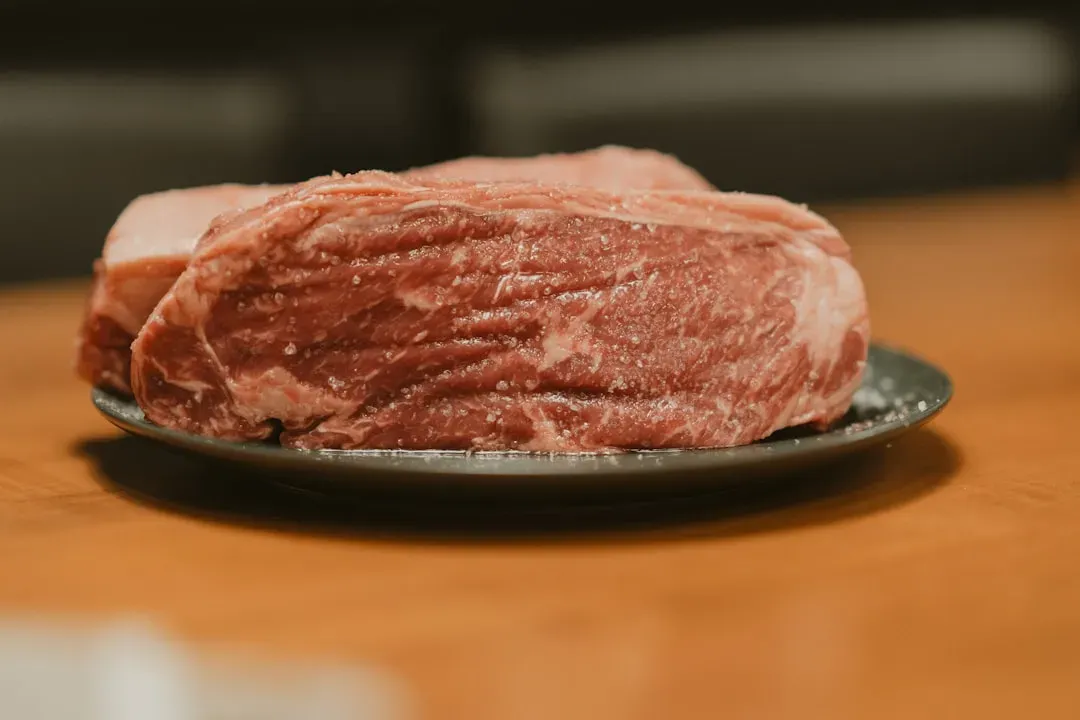
I know, I know – you’re hungry and dinner needs to happen. But pulling steak directly from the refrigerator and throwing it straight onto a screaming hot grill is a setup for disappointment.
Transferring a cut right from the fridge to the pan or grill is one of the biggest and most common mistakes that steak cookers make. It prevents the meat from cooking evenly and makes your steak cut a lot tougher than you’d expect it to be.
If you cook your steak straight from the fridge, it will be too cold to cook evenly. Especially with something thicker like a ribeye, the center will stay colder than the outside, leaving you with a blue-rare middle and a potentially overcooked exterior. That’s a disappointing result for what might have been a stunning cut of beef.
Allowing the meat to come to room temperature allows for a more even cook all the way through. If your meat is cold when it hits the pan, it can cause the muscle fibers to tense up. Getting your steak out about 30 to 40 minutes is usually ample for a 500g steak. It’s a small window. Use it.
Skipping the Pat-Dry Step After Resting
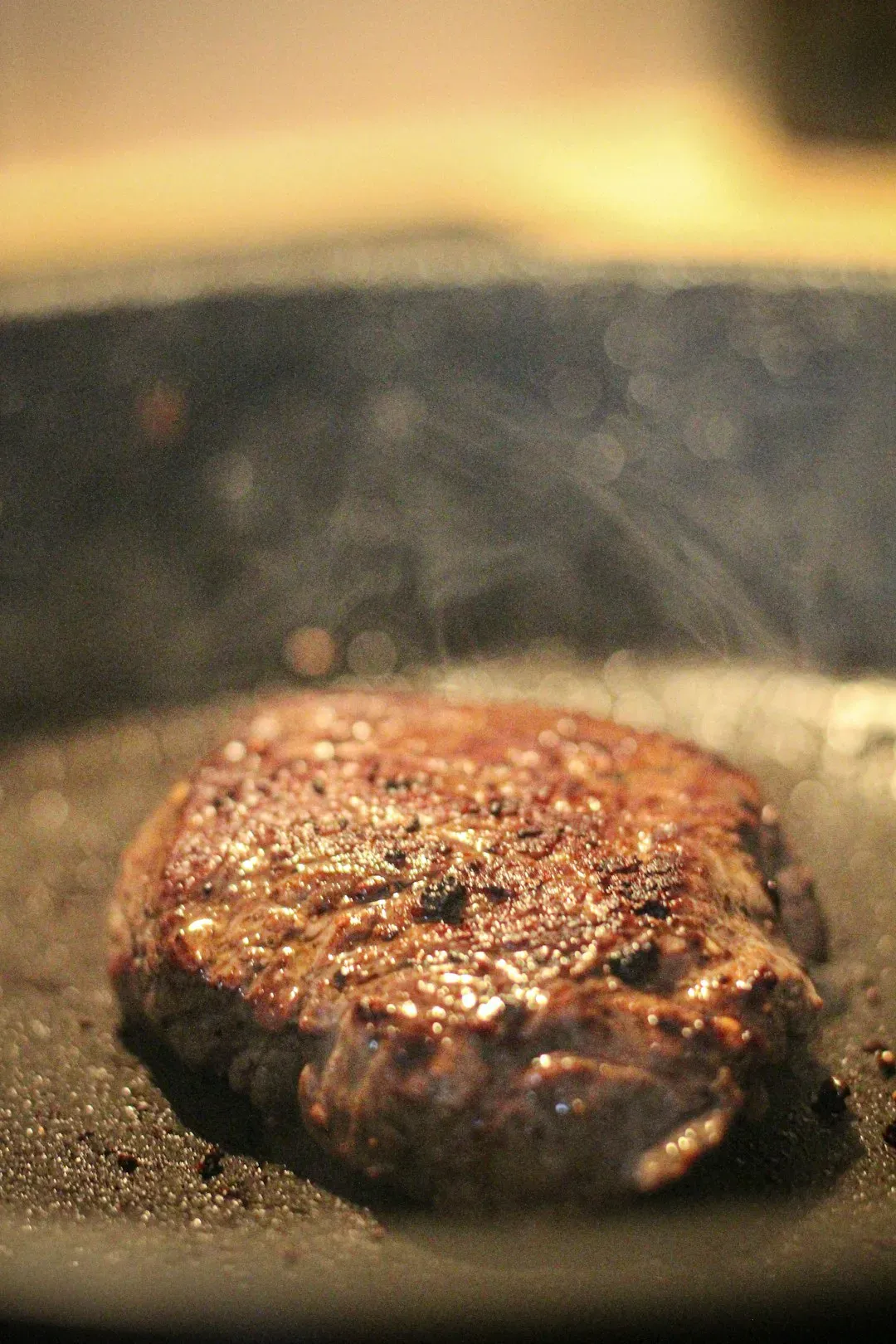
Let’s say you did everything right so far. You salted in advance. You let the steak rest out of the fridge. You’re feeling confident. Then you skip one tiny detail and wreck everything.
One of the delights of a well-cooked steak is a crusty, caramelized exterior. Blotting both sides of the meat with paper towels before cooking helps the crust form through the chemical process called the Maillard reaction, which won’t happen if there is too much surface moisture.
The perfect crust on your steak begins with a dry surface. Always pat your meat thoroughly dry with paper towels before grilling it. Moisture is the enemy of a good crust because it must first evaporate before the Maillard reaction can begin. A dry steak browns faster and more evenly.
The dry surface, achieved through proper salting and air-drying, allows the steak to reach the high temperatures necessary for the Maillard reaction to occur rapidly. A moist surface will boil before it browns, leading to a less flavorful outcome. This single 15-second step makes a genuinely shocking difference in the final result.
Choosing the Wrong Cut and Expecting Magic
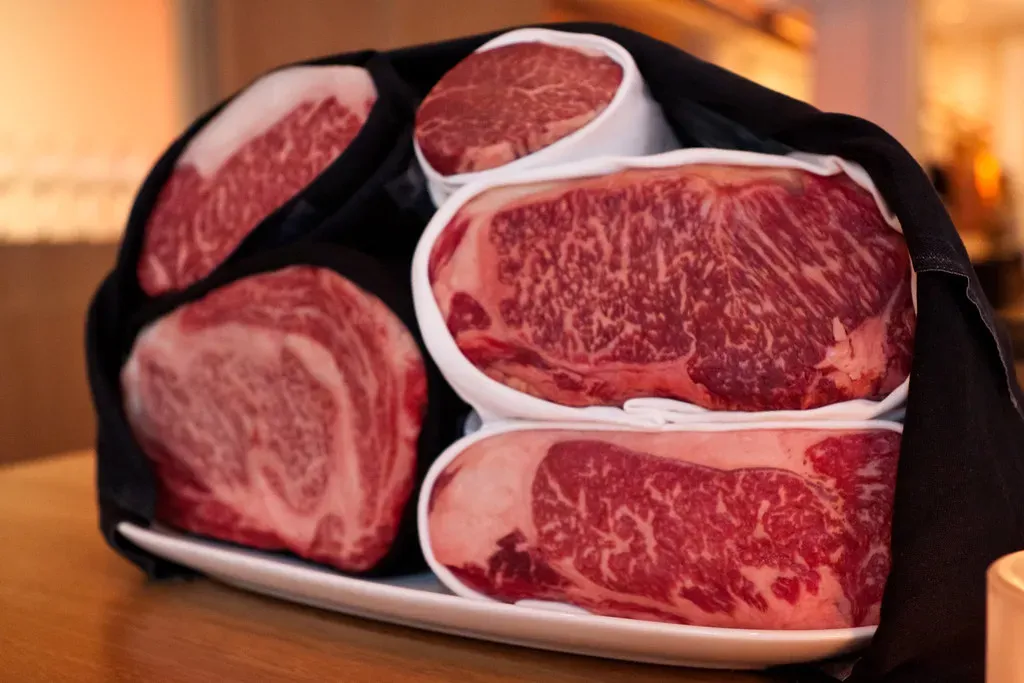
Here’s something the glossy cooking videos rarely show you: your preparation can be flawless, but if you started with the wrong cut for your cooking method, you’re fighting a losing battle from the very beginning.
Fat is key to the flavor and texture of just about all steak. Marbling, the interior veins of fat that run through beef, is essential to some of the tastiest and juiciest cuts. As the steak cooks, the fat melts, creating a rich, juicy piece of meat.
Cuts like filet mignon, which are tender and have less fat, will be less forgiving of overcooking than flavorful, marbled cuts like ribeye or New York strip. Others, like flank steak or skirt steak, are happiest marinated and grilled before being thinly sliced against the grain to reduce chewiness.
Part of the beauty in a quality grilled steak is the ability to customize the cook on it to your preference, and that demands a decent thickness. You want steaks that are at least 1.5 inches thick so you can get a nice cook on it. If you get a steak with good thickness you have more control over how far the heat can permeate the meat and cook it. It’s hard to say for sure, but choosing your cut wisely might matter even more than most people think.
Poking, Stabbing, or Piercing the Steak Before It Hits Heat
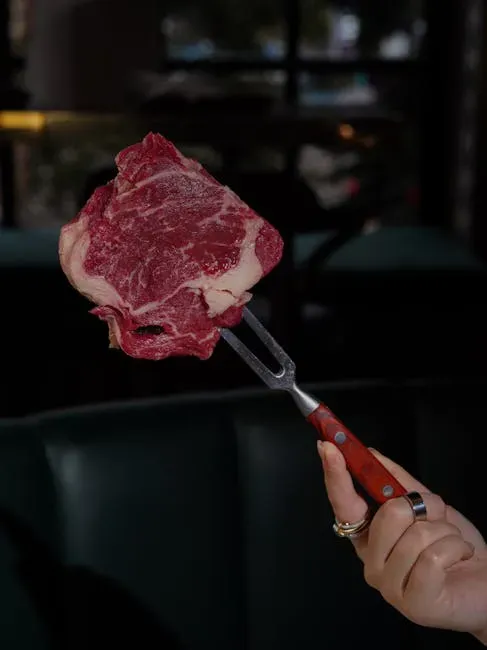
This one sounds minor. It really isn’t. Many home cooks have a habit of using a fork or tenderizing tool to prep their steak before cooking, thinking it helps. With premium cuts, it does the opposite.
Stabbing holes in your meat isn’t the best approach to cooking steak. Poking a steak with a fork will release the juices and essentially make it dry. Think of your steak like a water balloon. Every hole you poke is a chance for something precious to escape under heat.
This concept applies more to premium cuts like filet and ribeye. There are exceptions to the rule – for steaks like chuck, or if you plan on deep frying, some recipes call for poking the steak to achieve tenderness. So context matters. Know what you’re working with before you start prodding at it.
The biggest secret to a juicy, tender steak is allowing it to rest 5 to 10 minutes after grilling. This simple step allows the juices to redistribute, ensuring every bite is juicy and flavorful. Resist the temptation to cut into the steak immediately. The same principle applies before cooking: the less you disturb the meat’s structure, the better it will perform on the heat.
Conclusion
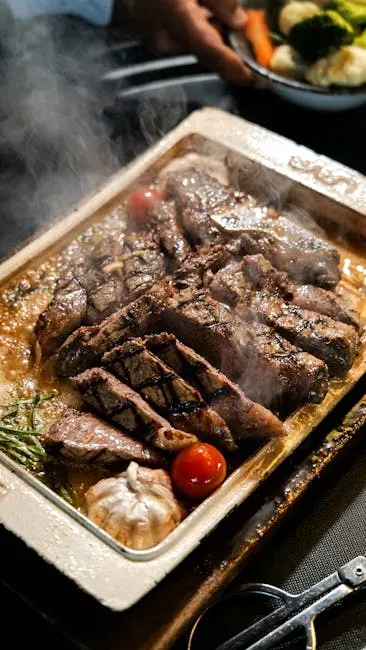
Steak cookery, at its core, is about respect. Respect for the cut, for the science behind the heat, and for the preparation steps that most people rush right past. From choosing the right cut of meat and storing it properly to seasoning it well and letting it rest after cooking, every step of cooking a steak can make or break the dish.
The mistake you should never make is treating all of this as optional. Dry the surface, time your salt correctly, let the cut breathe outside the fridge, and don’t attack it with a fork before cooking. None of these steps are difficult – they just require a little forethought.
A truly great steak at home is entirely within reach. The gap between a mediocre result and something genuinely memorable often comes down to three or four small choices made before the pan ever hits the heat. What would you change about your steak prep routine after reading this? Tell us in the comments.