
Every January, millions of people make a fresh promise to eat better. They buy the cookbooks, download the apps, and swear this time will be different. Then, somewhere around week three, the whole thing quietly falls apart. Sound familiar?
Here’s the uncomfortable truth: it’s rarely a lack of willpower. More often, it comes down to the same predictable mistakes, repeated over and over again. A growing body of nutrition research – some of it published just in the last year or two – is revealing exactly what goes wrong. Let’s dive in.
Table of Contents
Mistake #1: Going All-In on a Fad Diet Right Out of the Gate

There’s something almost irresistibly appealing about the promise of a “complete transformation.” The most common mistake people make when changing their diet is taking an approach that is too extreme – people often try to eliminate entire food groups, follow strict food rules, and tackle numerous changes all at once. That kind of intensity feels motivating at first, like the whole thing is finally serious.
A study assessing seven popular diets in the United States, including Keto, Weight Watchers, Atkins, Low-Fat, Paleo, Low-Carb, and South Beach, found that average compliance with any of these diets was less than six weeks. Six weeks. That’s barely enough time to form a real habit.
Nearly half of US adults plan to start a new diet in the new year, yet a healthy portion of these people aim to eat in ways that nutritionists and other health experts say are not the best approaches – whether for weight loss or physical and mental well-being, as well as financial health. Calorie restriction, high-profile low-carb schemes and other fad diets are not smart choices from a health or financial standpoint, according to doctors and dietitians at the Physicians Committee for Responsible Medicine.
Honestly, the pattern here is pretty predictable. Big promise, intense start, then burnout. The research says smaller, sustainable changes win every time.
Mistake #2: Eating Too Many Ultra-Processed Foods Without Realizing It

Here’s where things get genuinely alarming. A 2024 umbrella review of 45 meta-analyses including almost 10 million people found that diets high in ultra-processed foods are linked to 32 health conditions, including obesity, type 2 diabetes, cardiometabolic diseases, many cancers, gastrointestinal disorders, asthma, anxiety, depression, cardiovascular events, and all-cause mortality. Thirty-two conditions. That’s not a minor footnote – that’s a serious red flag.
A 2024 review of 45 meta-analyses, covering nearly 10 million study participants, found “convincing” evidence that a diet high in ultra-processed foods increases the risk of death from cardiovascular disease by roughly half and the risk of anxiety by nearly the same amount. These aren’t fringe findings anymore – this is the scientific mainstream.
The first ad libitum feeding trial on ultra-processed foods demonstrated that a diet rich in these foods increased energy intake by around 500 calories per day and led to significant weight gain within just two weeks. Think of it like a slow gas leak – you don’t notice it immediately, but the damage accumulates.
The risk for hypertension, cardiovascular events, cancer, digestive diseases, and mortality increased with every 100 grams of ultra-processed foods consumed each day. Ultra-processed foods are characterized by high sugar, high salt, and other non-nutritive components, exhibiting low nutritional density yet high caloric content.
Mistake #3: Drastically Slashing Calories

When you slash your daily calories to fewer than 1,000, the pounds may melt away at first – but when you eat so few calories, you train your metabolism to slow down. Once the diet is over, you have a body that burns calories more slowly, and you usually regain the weight. It’s one of the cruelest ironies in nutrition.
It might seem logical that drastically reducing your calorie intake will lead to faster weight loss, but cutting too many calories can slow your metabolism and lead to nutrient deficiencies, leaving you tired and more prone to binge eating. Your body reads extreme calorie restriction as a threat – and it responds accordingly.
New research shows that dieting makes the brain more sensitive to stress and the rewards of high-fat, high-calorie treats. These brain changes last long after the diet is over and prod otherwise healthy individuals to binge eat under pressure. So the problem isn’t just physical. It’s neurological. I think that’s one of the most important and underappreciated findings in recent nutrition science.
Mistake #4: Being Too Restrictive With Entire Food Groups
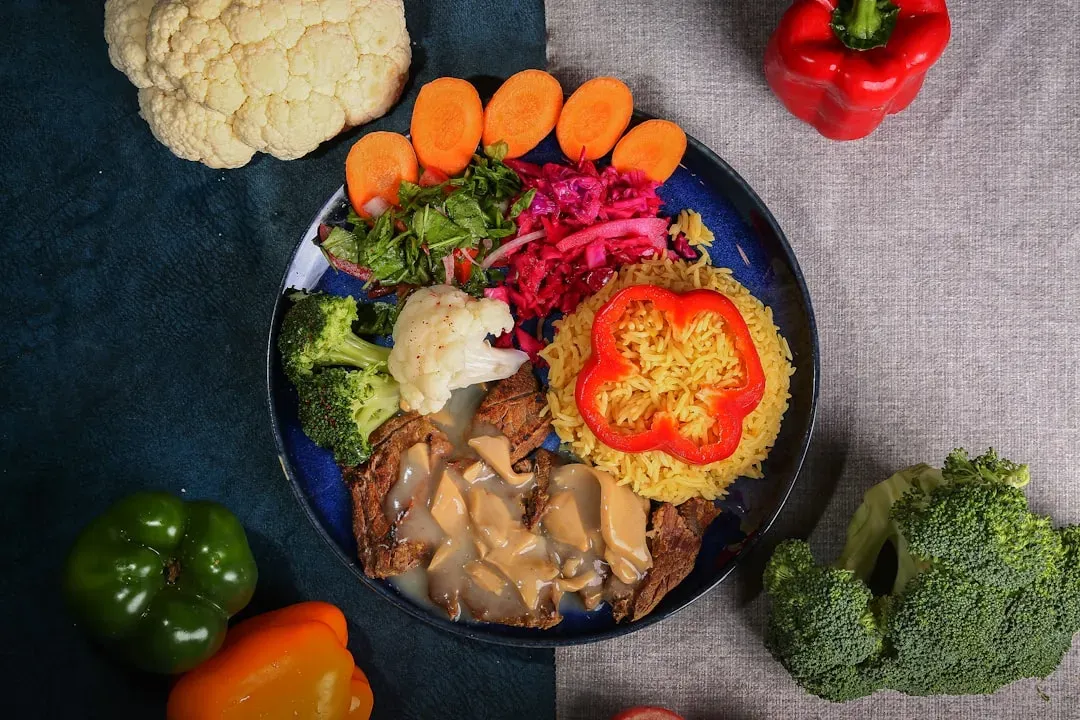
One of the biggest dietary mistakes people make is cutting out entire food groups unnecessarily. Carbs, dairy, and gluten have all been unfairly demonized, but unless there’s a genuine medical reason like celiac disease, eliminating them is more hassle than it’s worth. The gluten-free industry has made a fortune off this misunderstanding.
Some research has shown that for non-celiac individuals, gluten-free diets may lead to nutritional deficiencies and pose an unnecessary financial burden, as gluten-free foods are often more expensive than non-GF foods. You pay more, you get less nutrition. That’s a bad deal by any measure.
It’s hard to stick to diets requiring you to exclude foods in an unrealistic way. For example, if you vow never to eat another sweet again, you may cave in to cravings faster than you would have if you’d allowed yourself a reasonable treat occasionally. Deprivation has a way of backfiring, every single time. The key word nutritionists keep coming back to is flexibility, not perfection.
Mistake #5: Ignoring Liquid Calories
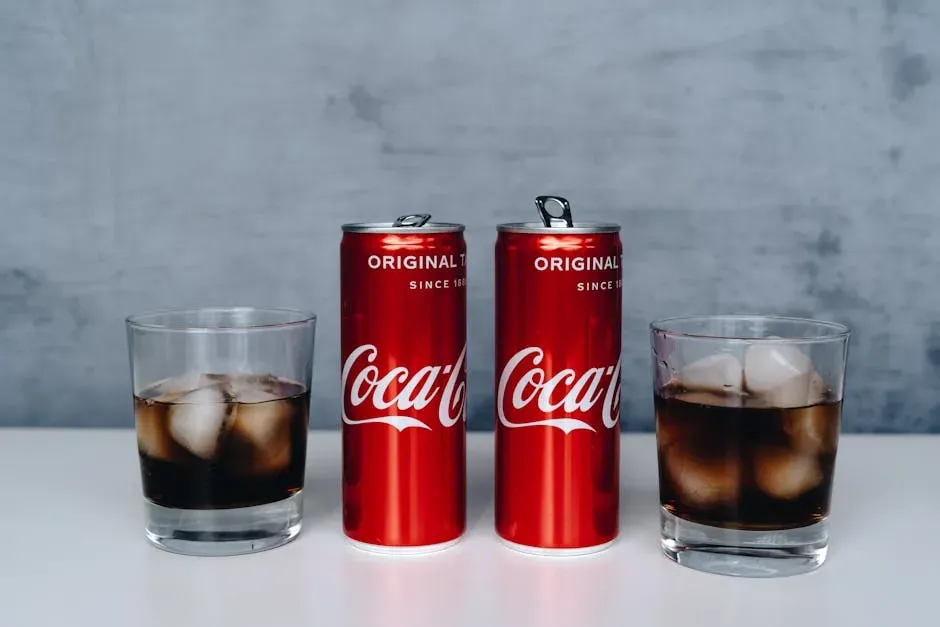
This one catches people off guard more than almost anything else. When counting calories, many of us tend to overlook what’s in our drinks – and this is a big mistake when you consider that some fancy coffees and alcoholic beverages have more than 500 calories. Even the calories in fruit juice and soda can add up quickly.
A 2024 review found that replacing sugar-sweetened beverages with water or other no-calorie options led to a sustainable body mass index reduction. That’s a genuinely simple swap with real, measurable results. No meal planning required, no gym membership needed.
Think about it this way: if you drink two large specialty coffees a day, you could be consuming the caloric equivalent of an entire meal without ever feeling full. Liquids just don’t trigger the same satiety signals as solid food. It’s a sneaky, invisible source of excess energy that most diets completely overlook.
Mistake #6: Not Eating Enough Protein

Protein is essential for maintaining muscle mass, especially when trying to lose weight. Many dieters focus solely on cutting carbs or fats but forget to include enough protein, which can leave them hungry and unsatisfied. Hunger is the enemy of any diet. And protein is one of the most powerful tools against it.
Protein helps keep you full and supports muscle recovery after exercise. It also plays a role in maintaining your metabolic rate – lose too much muscle, and your body simply burns fewer calories at rest. That’s not a theory. That’s established physiology.
The 2025 US Dietary Guidelines stirred controversy by recommending higher protein intake, with Americans advised to include more protein in their diets at levels between 1.2 and 1.6 grams daily per kilogram of body weight – which is between half again and double what previous guidelines recommended. Still, the consensus among most nutritionists is that most people on calorie-restricted diets chronically under-eat protein, and that’s a core reason they feel tired, hungry, and end up quitting.
Mistake #7: Skipping Meals to Speed Up Weight Loss

Skipping breakfast seems like a simple way to cut calories, but it can make you hungry the rest of the day – leading to unplanned snacking at work and eating a supersized portion at lunch, making calorie counts soar. Breakfasts that are high in protein and fiber can curb hunger throughout the day.
Breakfast omission is linked to various adverse health effects, with evidence highlighting associations with obesity and weight gain due to altered hormonal responses influencing hunger and energy balance. The body doesn’t just wait patiently for the next meal – it adjusts its hormones, and not in a helpful direction.
Intermittent nutrient deprivation increases motivational drive for palatable food, interferes with normal stress-induced appetite reductions, and accelerates compulsive food-seeking, even when energy needs are met. Once food becomes available, individuals often consume larger, energy-dense meals to overcompensate for earlier deficits, which increases the risk of overeating and binge episodes. You skip breakfast. By 11am you’re desperate for a muffin. That’s not weakness – that’s biology.
Mistake #8: Confusing “Low-Fat” With “Healthy”

Let’s be real: the low-fat craze of the 1980s and 1990s did serious damage to how we think about food. The low-fat craze in America, in which a few faulty studies correlating low-fat diets with lower heart disease risk morphed into a dietary ideology promoted by health media, food industries, and the American government, actually resulted in higher cases of diabetes – not to mention nutritional deficiencies from not eating an entire food group.
Low-fat products can play an important role in your diet, but low-fat isn’t the same as low-calorie, and it’s not a license to take second and third helpings. If you pile your plate with low-fat cake, you may end up eating more calories than if you had a smaller slice of regular cake. Food manufacturers routinely replace fat with sugar to maintain palatability – and the result is often more calorically dense than the original product.
After the no-fat eating craze of the 1990s, some people still have a dietary fat phobia. Fats do have more calories per gram compared with carbohydrates and protein, but unsaturated fats are important for cardiovascular health. They’ve been found to lower LDL and total cholesterol when substituted for saturated fats. Include healthy fats in your diet by choosing avocados, olive oil, nuts, nut butters, and seeds.
Mistake #9: Forgetting That Sleep Has Everything to Do With What You Eat

This one surprises people. Sleep and dieting don’t seem obviously connected – but the science says otherwise. Poor sleep can disrupt hormones that regulate appetite. When you are chronically sleep deprived, your hormones will misfire. When you are tired, the hormone ghrelin increases and leptin decreases – and since ghrelin increases hunger while leptin helps increase satiety, this misalignment can cause you to mindlessly overeat.
Disturbed sleeping patterns, in terms of both quantity and quality, have been documented to lead to an increase in energy intake, mainly from snacking, especially on foods rich in fat and carbohydrates. The relationship between sleep and weight loss seems bidirectional, and there is an evident dysregulation of the neuroendocrine appetite control system during sleep deprivation that alters the metabolic rate.
A chronic pattern of sleep duration of six hours or fewer per night has been associated with a higher body mass index. Epidemiological and laboratory studies have consistently demonstrated that short sleep duration is a significant risk factor for weight gain and obesity. You can have the cleanest diet in the world, but if you’re sleeping five hours a night, you’re fighting an uphill battle you probably don’t even know you’re in.
Mistake #10: Chasing the “Perfect Diet” Instead of Building Lasting Habits

People are notoriously bad at sticking to diets, which is why the vast majority of diets fail. That number has been cited across nutrition research for years – and yet the diet industry keeps selling the next big solution. The problem isn’t the food plan. It’s the mindset around it.
The problem with recommending “cheat days” is that it’s unhelpful advice that does not teach balanced eating habits or how to practice moderation. Allowing cheat days most likely indicates an overly restrictive diet that is unenjoyable and therefore unsustainable. These diets tend to fail those seeking long-term results. Overly restrictive diets tend to increase our desire for forbidden foods, which can lead to overeating, binging, and yo-yo dieting – all of which not only hinder progress but also damage our relationship with food.
No matter how many changes you feel you have to make in order to be a healthier eater, trying to change everything at once is never easy. Instead, focus on just one or two habits you can do well before moving on to the next. Think of building good eating habits the way you’d think about building any skill – slowly, consistently, one layer at a time.
Nutrition is influenced by many factors beyond food alone, including an individual’s dietary habits, genetic background, health status, microbiome, metabolism, food and physical environments, physical activity, socioeconomics, and psychosocial characteristics. There is no single diet that works for every human body. The goal isn’t to find the perfect plan – it’s to build a relationship with food that you can sustain for decades, not weeks.
Conclusion: The Diet Isn’t the Problem. You Might Just Be Avoiding the Right Questions.

After looking at all of this research, one thing becomes crystal clear: diets don’t fail because people are lazy or lack discipline. They fail because of predictable, fixable patterns – the same ones that show up across populations, across cultures, and across the decades of nutrition science we now have access to.
The good news is that fixing these mistakes doesn’t require a complete life overhaul. Sometimes it’s as simple as drinking more water, getting to bed an hour earlier, or stopping yourself before you strip out an entire food group for no real medical reason. Small course corrections, made consistently, beat radical transformations every single time.
So the next time a shiny new diet promises to change everything in 30 days – ask yourself which of these ten mistakes it might actually be encouraging you to make. What do you think? Have you recognized any of these patterns in your own relationship with food? Drop your thoughts in the comments below.