
You walk into a chain restaurant, scan the glossy menu, and feel that familiar pull toward something indulgent. It all looks delicious, honestly. The photos are strategic, the descriptions are tempting, and before you know it, you’ve ordered something that packs more sodium than a full day’s worth of meals into a single sitting.
Here’s the thing. Not every menu item at your favorite chain is created equal, and some of them are so nutritionally alarming that registered dietitians have specifically flagged them as dishes worth skipping. Eating out can be tricky when looking for reasonable and healthy options, and while some restaurants have created menus with health in mind, most prioritize flavor over nutrition. The gap between what looks healthy and what actually is can be shocking. Let’s get into it.
Table of Contents
1. Applebee’s BBQ Riblets Platter – A Salt Bomb With Fries on the Side
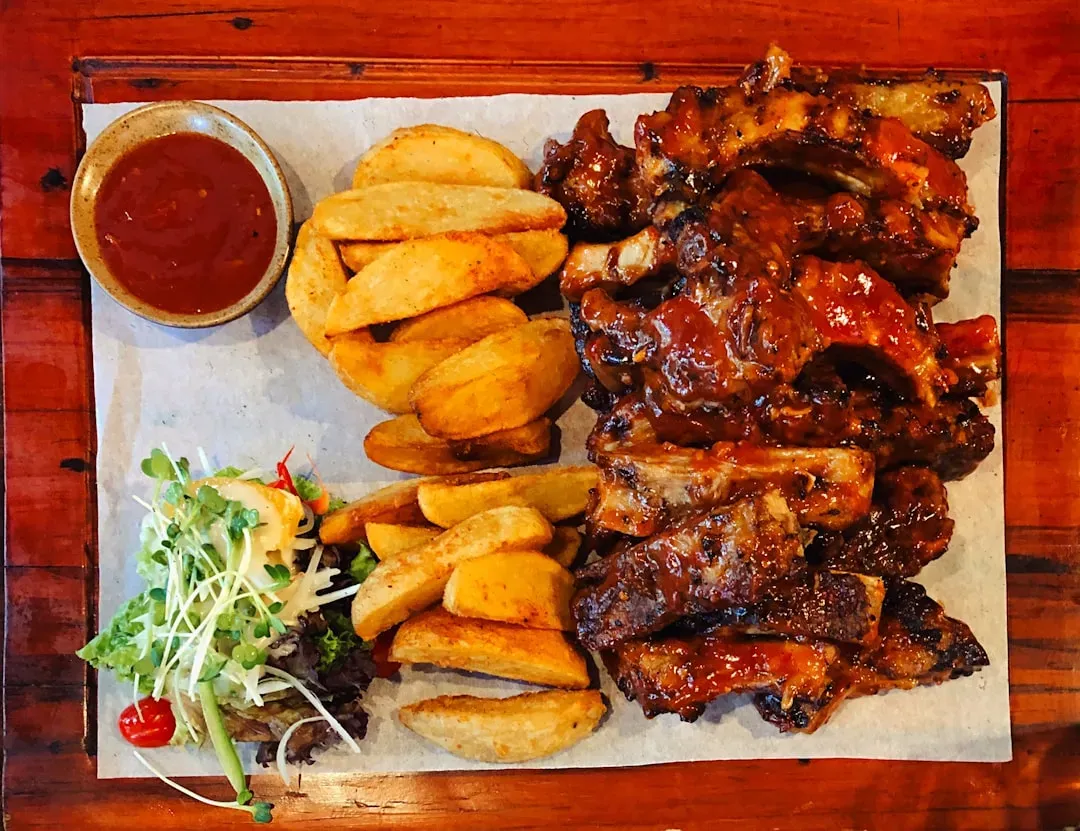
If you’ve ever considered the BBQ Riblets Platter at Applebee’s as a treat-yourself meal, nutrition experts want you to think twice. Applebee’s is known for serving some of the unhealthiest chain restaurant meals, and its BBQ Riblets Platter is among the worst, coming with fries and coleslaw that together contain 1,660 calories, 79 grams of fat, and 3,160 milligrams of sodium.
To put that sodium count in context, the FDA recommends limiting daily sodium intake to 2,300 milligrams total, and this single platter blows past that number by nearly a full gram. The barbecue sauce is also loaded with sugar, which over time can contribute to weight gain and other health problems. That’s the sauce doing what sauces do best, hiding the damage beneath a glossy, caramelized coat.
2. Applebee’s Quesadilla Chicken Salad – Don’t Be Fooled by the Word “Salad”
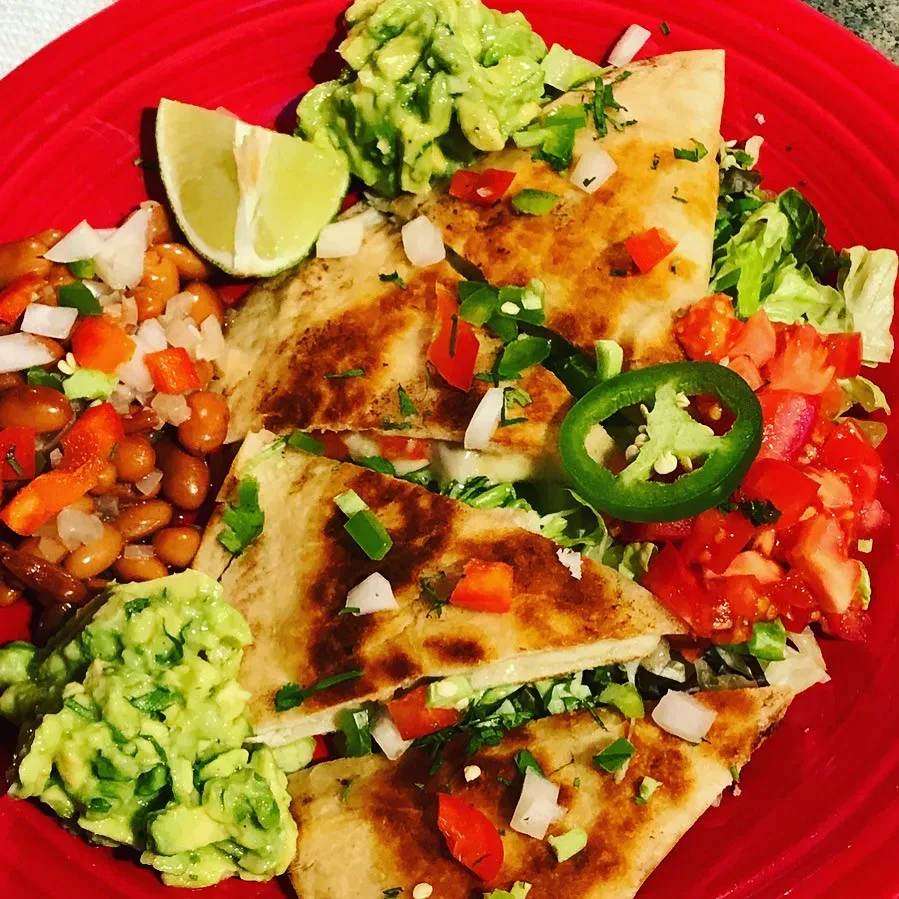
Ordering a salad at a casual chain feels like the responsible move. I get it. But the Quesadilla Chicken Salad at Applebee’s is one of the most misleadingly named items on any chain menu in America. It contains 4,630 milligrams of sodium, which is way more than the American Heart Association’s ideal daily limit of 1,500 milligrams, as well as 153 grams of fat, 2,240 calories, and 17 grams of sugar, and that nutritional information does not even include any dressing.
Think of it this way: that’s like eating an entire day’s worth of fat and nearly double your ideal sodium limit before you’ve even reached for the dressing bottle. The meals on this chain’s worst list are all high in calories, total fat, saturated fat, sodium, and sometimes trans fat, and many contain more than what is recommended for an entire day. A home-prepared salad, even a basic one with grilled chicken, would be worlds apart from this.
3. Burger King Triple Whopper With Cheese – Three Patties Too Many
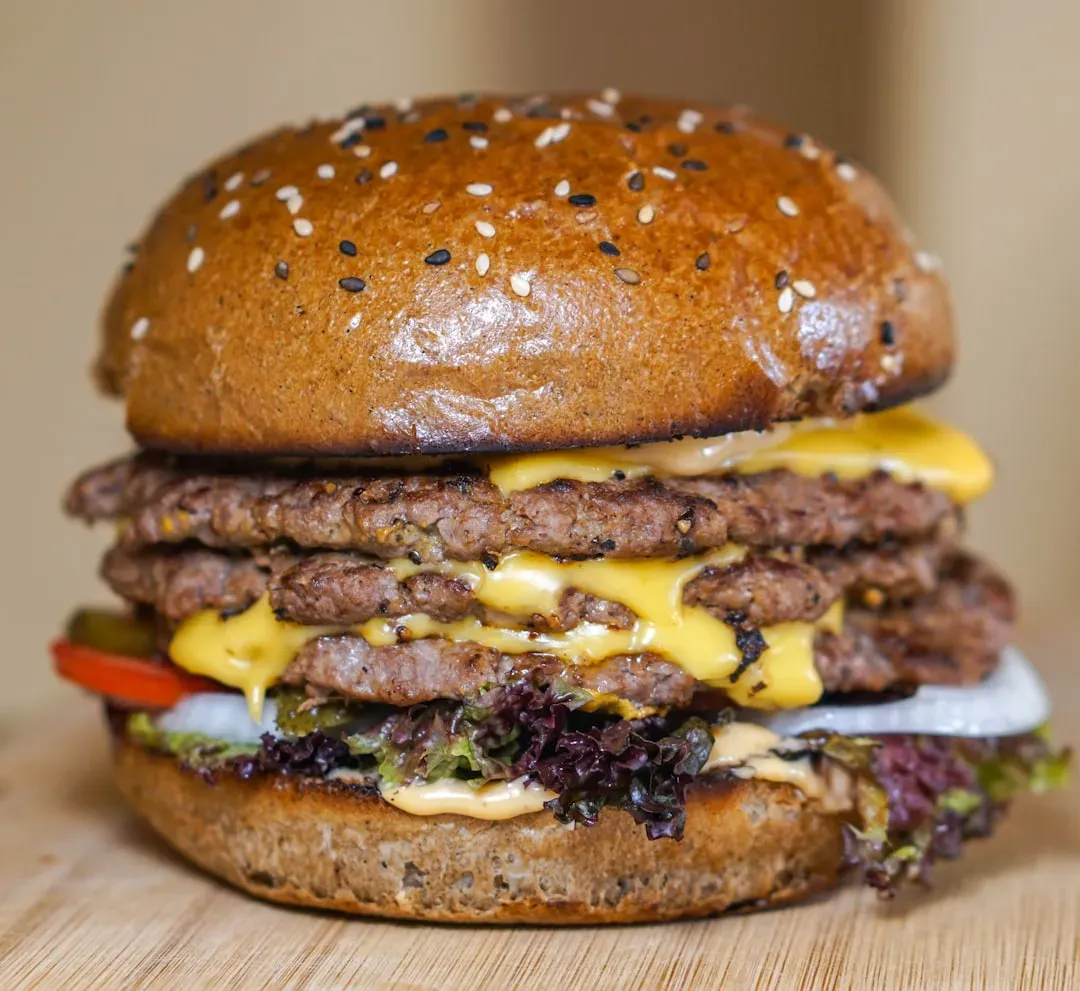
The classic Whopper is already a calorie-dense order, but the Triple Whopper with Cheese takes things to a genuinely alarming level. Per burger, this behemoth contains 1,300 calories, 90 grams of fat, 33 grams of saturated fat, and 1,940 milligrams of sodium. Dietitian Mary Sabat describes it as one of the unhealthiest items at Burger King due to its high calorie content and saturated fat, both of which can contribute to cardiovascular health issues when consumed in excess.
The presence of 2.5 grams of trans fat further adds to the health concerns, as trans fat has been specifically linked to an increased risk of heart disease. Trans fat, in particular, is the kind of dietary villain that nutritionists have been warning about for decades. Consuming too much saturated and trans fat can contribute to heart disease and diabetes, with the American Heart Association recommending limiting daily saturated fat intake to 13 grams daily, while the World Health Organization suggests no more than 2.2 grams of trans fat.
4. Five Guys Cheeseburger and Fries – The Combo That Topped the Unhealthiness Charts
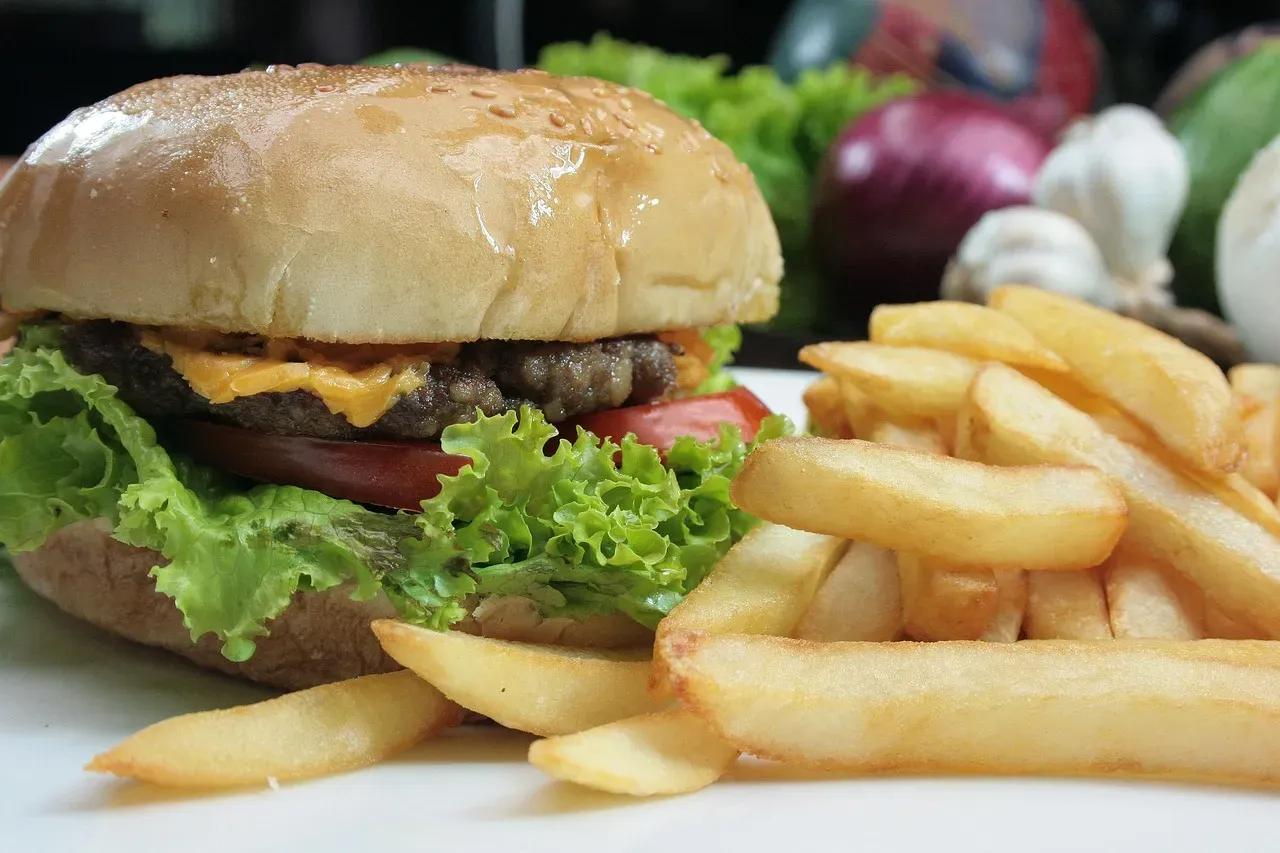
Five Guys has a loyal fanbase, and honestly, their burgers do taste great. But loving something and being honest about it are two different things. Five Guys and Popeyes received the highest unhealthiness scores in a major study that looked at five menu items across 24 leading fast food chains, comparing them based on calories, sugar, saturated fat, and sodium using the U.K. Department of Health nutrient profiling method, with Five Guys’ cheeseburger and fries receiving the highest unhealthiness scores compared to other restaurants.
Order fries at Five Guys, and you’re tacking on 953 calories to your meal. That’s nearly a full second meal worth of calories from the side dish alone. Five Guys takes the greasy crown when it comes to cheeseburgers in the unhealthiness rankings, which is really saying something given the competition. It’s a tough truth for fans of this chain, but the numbers don’t lie.
5. Popeyes Classic Chicken Sandwich – The Most Viral Chicken Item Is Also One of the Unhealthiest
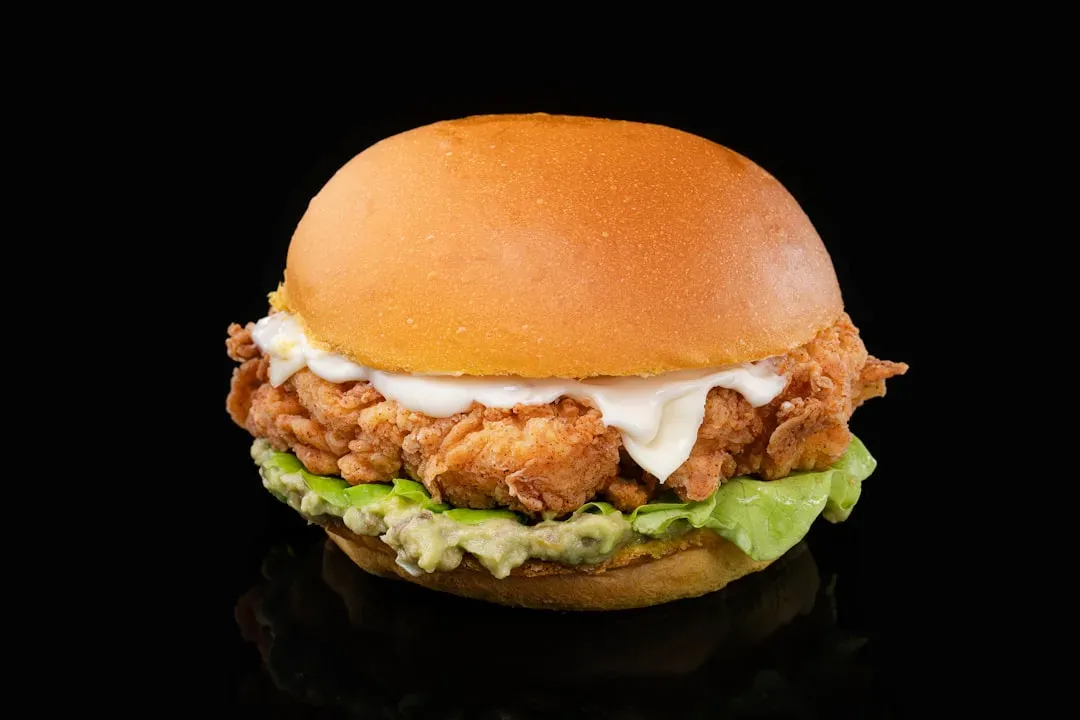
When the Popeyes Chicken Sandwich became a cultural phenomenon a few years back, lines stretched around the block. The hype was real, but the nutrition data is a bit harder to swallow. The Popeyes Chicken Sandwich Classic hits a whopping 39 points on the unhealthiness scale, making it the most unhealthy chicken sandwich among all fast food chains analyzed in a 2024 PlushCare study.
The signature Chicken Sandwich is the chain’s most viral item, but no one seems to be batting an eye at the 753 calories coming solely from this sandwich alone, and adding Cajun Seasoned Fries and a drink rams the calories up to around 1,318. A lot of fast food restaurants have added more nutritious menu items in recent years as the world has become more health-conscious, but Popeyes has not conformed to this movement, with the CEO even admitting that healthier options never sold, so the brand stuck to the same unhealthy menu items.
6. KFC Famous Bowl – The “Comfort Food” That Exceeds Your Sodium Limit
At first glance, the KFC Famous Bowl looks like a comforting, home-style meal. Mashed potatoes, gravy, corn, cheese, and fried nuggets all in one bowl sounds generous. Dietitians see it differently. Dietitian Melissa Rifkin says the Famous Bowl is the worst food to choose at KFC, explaining that its calorie load is around half of what most people need daily, the sodium content exceeds the daily recommended limit at 2,160 milligrams, and the saturated fat will meet almost half your daily needs.
Sodium is of most concern when ordering KFC items in general, with an Original Recipe Chicken Breast alone containing 1,190 milligrams of sodium, plus 390 calories, 21 grams of fat, and 120 milligrams of cholesterol. Now pile all that into a creamy bowl topped with gravy, and you understand why experts treat this item with suspicion. The Dietary Guidelines for Americans 2025 to 2030 now explicitly warns that overconsumption of sodium, sugar, and saturated fat in ultra-processed foods is contributing to a health emergency.
7. Panera Bread Bacon Mac & Cheese Bread Bowl – Not as Cozy as It Sounds
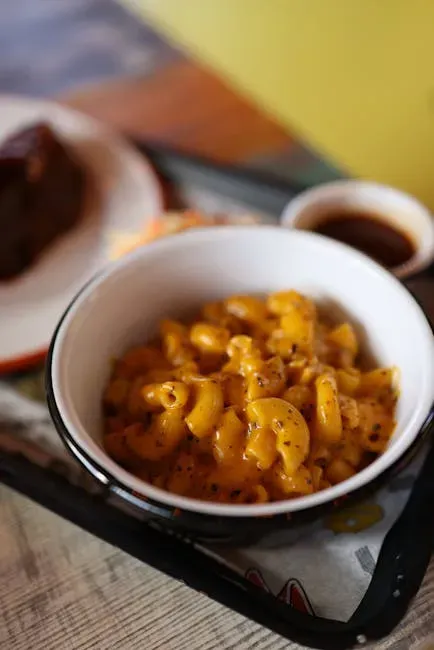
Panera has long marketed itself as the more wholesome alternative to traditional fast food. This “fast casual” restaurant has long been associated with having healthier alternatives to popular fast food chains, while still being at an affordable price point, but even though many of their items are lower in calories and higher in nutrients, dietitians still warn of some of the unhealthy orders people often make.
The Bacon Mac and Cheese Bread Bowl is probably the biggest offender on the entire menu. This dish, consisting of bacon mac and cheese stuffed inside a sourdough bread bowl, is packed with roughly 95 percent of your total daily saturated fat, over 111 percent the daily recommended maximum of sodium, and provides about 60 percent of your daily calorie needs based on a 2,000 calorie diet. Panera’s bread bowls are decidedly unhealthy. No matter the food of your choosing, if you put it in a bread bowl at Panera, it’s going to be significantly less healthy.
8. Panera Toasted Italiano Sandwich – The Sodium Bomb in Disguise
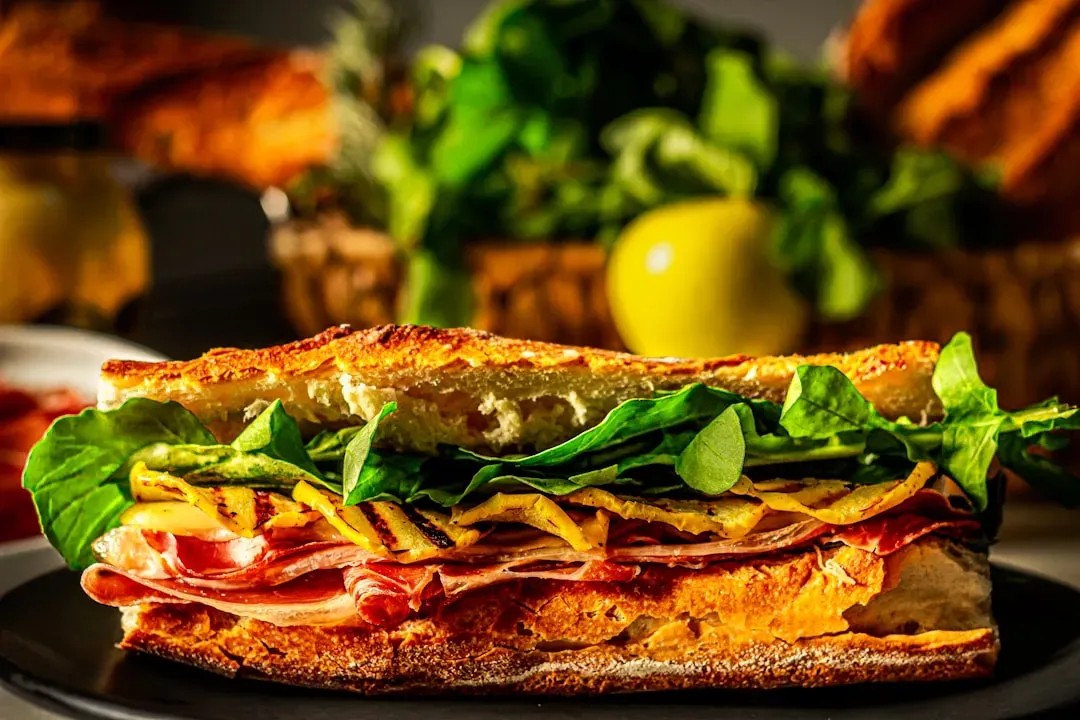
It sounds refined. Two Italian deli meats, provolone cheese, Greek dressing, garlic aioli on a French baguette. In reality, this is the most caloric sandwich on the entire Panera menu. The Toasted Italiano surpasses even the Bacon Mac and Cheese Bread Bowl in calories at 1,280, and it’s loaded with two deli meats, two oily dressings, and provolone cheese, resulting in a sodium level of 3,380 milligrams, which is over 1,000 milligrams above the recommended daily intake of 2,300 milligrams.
Another Panera sandwich worth avoiding is the Chicken Cordon Bleu Melt, which comes with 1,040 calories and a sodium count at 150 percent of the recommended daily limit, and that sodium count alone is worth turning it down. It’s hard to say for sure exactly how many people realize they’re crossing their entire daily sodium threshold with a single sandwich at what most people consider a “healthier” chain. Probably not many. Some of Panera Bread’s menu items exceed the 2,300 mg daily sodium limit entirely, so caution is warranted when ordering.
9. Wendy’s Breakfast Baconator – Starting Your Day in the Danger Zone
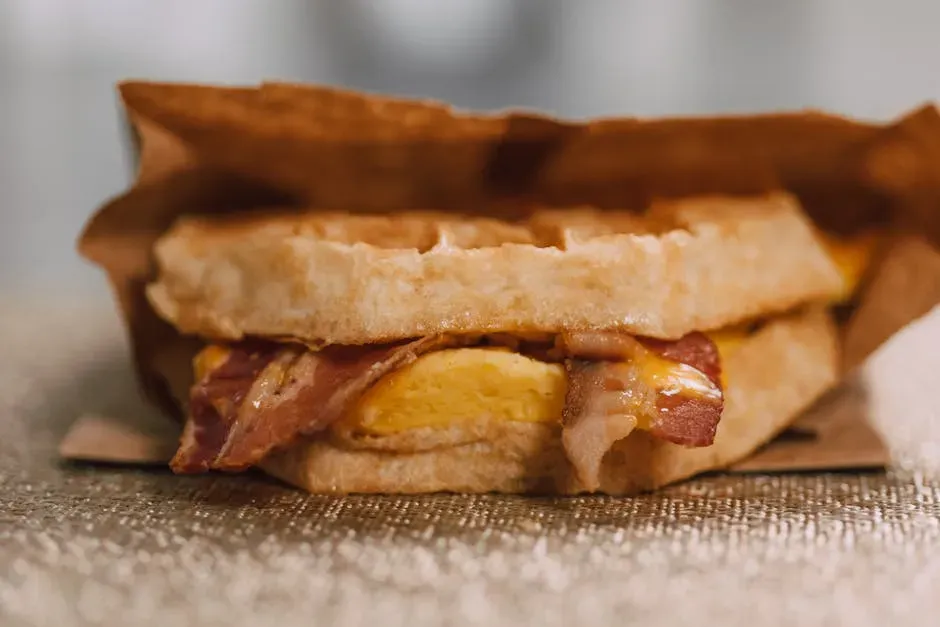
Wendy’s has positioned itself as a more premium fast food experience, and the Breakfast Baconator sounds like a bold, satisfying morning meal. Dietitians have flagged it as one of the most nutritionally extreme breakfast items across all major chains. The Breakfast Baconator from Wendy’s contains 710 calories and 19 grams of saturated fat, which already exceeds the amount recommended for an entire day, and the 1,600 milligrams of sodium gets you alarmingly close to the daily limit before you’ve even fully begun your day.
Wendy’s has a reputation for hearty, flavorful food, but items like the Breakfast Baconator come with a hefty nutritional toll, with the saturated fat alone representing nearly a full day’s limit, making Wendy’s a contender for top most unhealthy fast food restaurants. Eating this before 9 AM means you’ve essentially spent your fat budget for the entire day before lunch even rolls around. That’s a tough hole to climb out of nutritionally.
10. Outback Steakhouse 16-Ounce Prime Rib – An Entire Day of Fat in One Plate
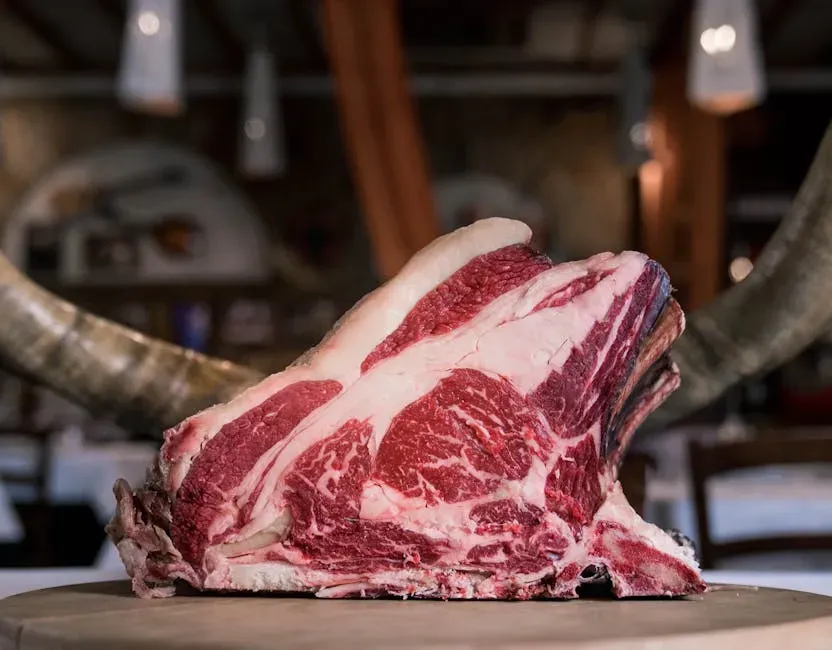
Treating yourself to a prime rib dinner sounds like a special occasion indulgence, and sure, that’s understandable. But Outback Steakhouse’s 16-ounce Prime Rib is a genuinely staggering nutritional event. Per 16-ounce meal, it delivers 1,770 calories, 145 grams of fat including 66 grams of saturated fat, and this particular cut of meat contains lots of calories, total fat, and saturated fat, especially since it is also served with a loaded baked potato and a side of creamy horseradish sauce.
Sixty-six grams of saturated fat is roughly five times what the American Heart Association recommends for an entire day. The loaded baked potato and creamy sauce added alongside are not exactly corrective measures either. The high-calorie content and low nutritional value of such meals can contribute to weight gain and obesity, a major risk factor for many chronic diseases, and fast food and restaurant consumption has also been linked to high blood pressure, respiratory issues, and even depression and anxiety.
11. Fast Food Large Sodas and Milkshakes – The Hidden Calorie Catastrophe

People tend to obsess over what food they’re ordering and completely forget about what’s in their cup. That’s a very convenient oversight for chain restaurants. A large soda from a fast food restaurant contains about 86 grams of sugar, which is already more than double the American Heart Association’s daily limit of 38 grams for men and 25 grams for women, and a milkshake can easily surpass even that already alarming figure.
Fatburger’s Vanilla Shake is a sugary nightmare, scoring a hefty 63 points on the unhealthiness scale with 890 calories, 30 grams of saturated fat, and a staggering 86 grams of sugar, which is way over the recommended daily limits. Ordering milkshakes, desserts, and coffee drinks from fast-food chains can often send added sugar levels soaring, and regularly consuming too much added sugar can lead to inflammation, heart disease, diabetes, and neurological diseases. The drink at the end of your tray is often doing just as much damage as anything else on it.
The Bottom Line on Chain Restaurant Ordering
Let’s be real about something. None of these chains are going away, and nobody is expecting you to never eat at them again. Americans have a love-hate relationship with fast food. It’s affordable, convenient, delicious, and accessible, but at the same time, we know it doesn’t do our health any favors, and some of the unhealthiest fast-food items can totally derail your health goals.
The real danger isn’t the occasional indulgence. It’s ordering these items without knowing what’s actually in them. The Dietary Guidelines for Americans 2025 to 2030 explicitly warns that overconsumption of sodium, sugar, and saturated fat in ultra-processed foods is contributing to a health emergency, and that’s now official policy, not a fringe opinion. Knowledge is the cheapest and most powerful tool you have at any drive-thru or sit-down chain restaurant.
The best move is to check nutrition information before you go, not while you’re hungry and staring at the menu. Once the craving hits and you’re already in line, objectivity tends to walk right out the door. Would you still order the same thing if you saw the nutrition label before you walked in?