
Walk through any farmers market in midsummer and you’ll notice something: the most appealing stalls are rarely the ones selling a single crop. It’s the mix, the deep purple eggplants next to blazing orange peppers, that catches the eye first. That instinct, reaching for what looks vibrant, turns out to be a pretty reliable shortcut toward better nutrition, even if most of us never think about it in those terms.
Color on a plate isn’t just about presentation. It’s a rough map of the plant compounds hiding inside your food, and those compounds do real work in the body. The following ideas are grounded in current nutrition science and offer practical, low effort ways to widen the spectrum of what you eat without turning meals into a chore.
Table of Contents
Understand what color actually signals
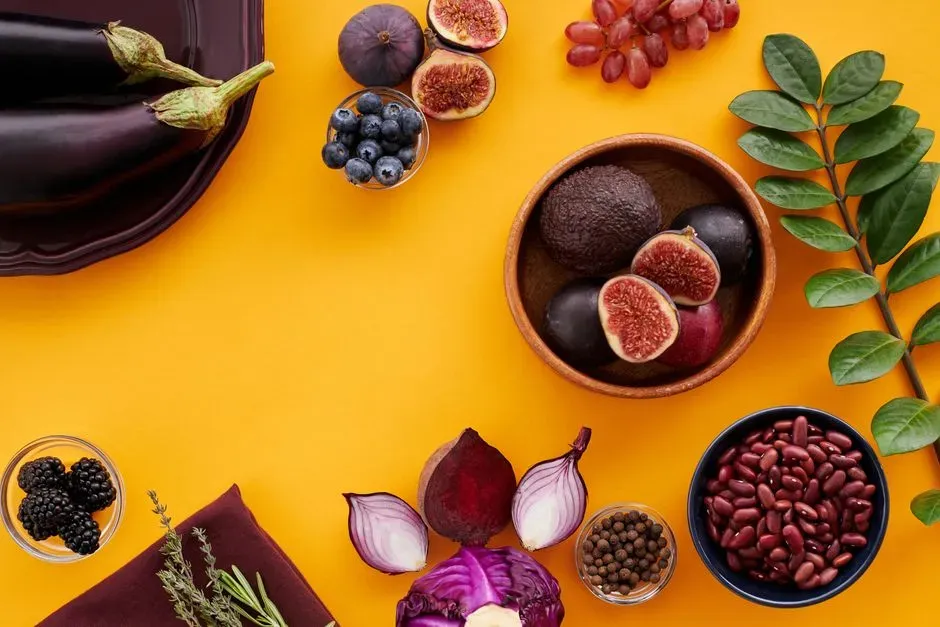
Every hue in produce traces back to a pigment compound with its own biological role. Phytonutrients are compounds produced by plants that provide health benefits to our bodies and are displayed through a plant’s pigment. These pigments aren’t decorative from the plant’s perspective either; the compounds strengthen the plant’s immune system by protecting it from dangers such as sun damage and disease.
When you eat that same plant, you’re essentially borrowing its defense system. Vibrantly colored fruits and vegetables contain phytonutrients such as antioxidants, flavonoids, carotenoids and polyphenols that contribute to the color, flavor and aroma of such foods. Knowing this makes grocery shopping feel less like a chore and more like assembling a small toolkit, one color at a time.
Start the day with red
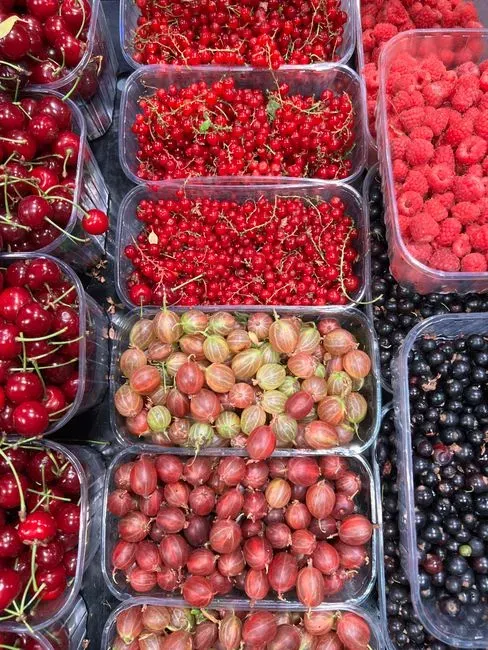
Red fruits and vegetables owe their color mostly to lycopene and certain anthocyanins. Tomatoes and red peppers are rich in the antioxidant lycopene, which supports heart health. Strawberries, watermelon, and red grapes fall into this same family and are easy to fold into a morning routine.
A practical swap: instead of a plain bowl of cereal, try oatmeal topped with berries. Instead of drab bagels, eggs, or yogurt, start your day with a green smoothie, oatmeal topped with red berries, or a tofu scramble filled with red peppers, mushrooms, carrots, or other colorful veggies. It takes maybe two extra minutes and changes the entire nutritional profile of the meal.
Let orange and yellow do double duty
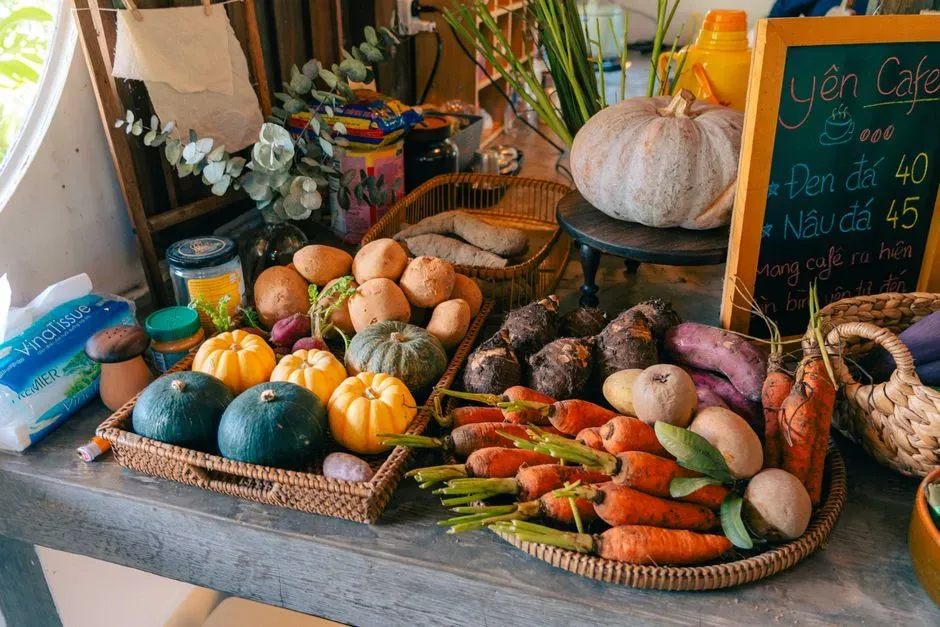
Carrots, sweet potatoes, butternut squash, and yellow peppers all lean on carotenoids for their color, and those same compounds matter for vision. Carrots and sweet potatoes provide beta-carotene, essential for vision and immune function. Beta-carotene converts into vitamin A once it’s in the body, which is why this color group shows up so often in advice about eye health.
These vegetables also happen to be some of the most affordable options in the produce section, which matters given that cost is a well documented barrier to eating well. Roasting a tray of carrots and sweet potato wedges together is a low effort way to get a full serving of this color family into a single side dish. Leftovers reheat well too, so there’s no real reason to make this a once a week habit rather than a nightly one.
Don’t skip the greens beyond lettuce
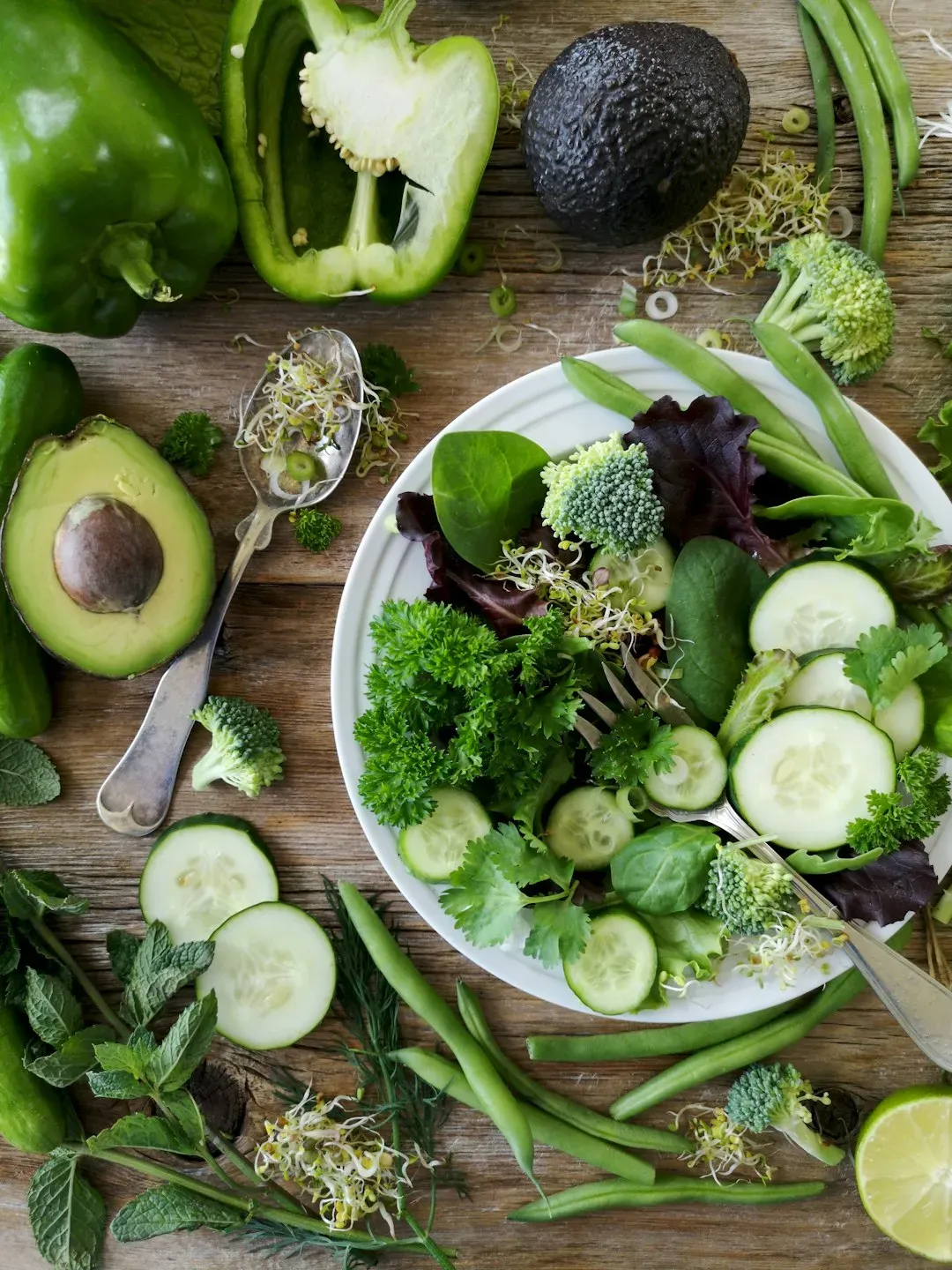
Green is the color most people already associate with “eating healthy,” but the category is broader than a side salad. Spinach, kale, broccoli, and Brussels sprouts carry lutein and zeaxanthin, along with glucosinolates that show up almost exclusively in cruciferous vegetables. The carotenoid lutein is found in leafy green vegetables such as lettuce and spinach.
Cooking method matters here more than with some other colors. Lightly steaming or sautéing greens rather than boiling them tends to preserve more of their nutrient content, since many of the relevant compounds are water soluble and can leach out. A quick sauté with garlic and olive oil takes less time than steaming rice, which makes it one of the easier habits to build into a weeknight dinner.
Bring in blue and purple for a different set of antioxidants
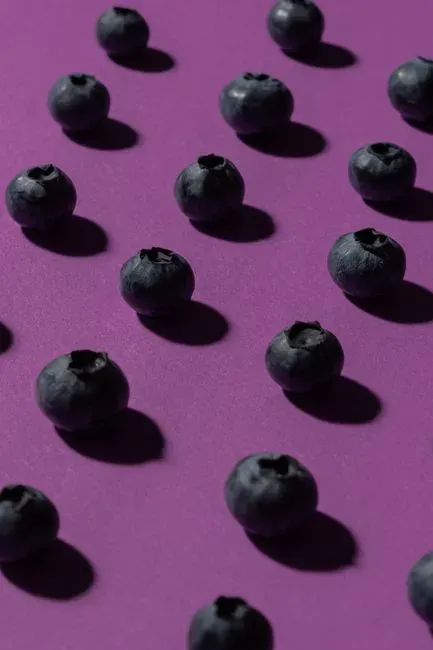
Blueberries, blackberries, purple cabbage, and eggplant belong to a color family built around anthocyanins, a flavonoid subgroup distinct from the carotenoids found in red and orange produce. The flavonoid subgroup called anthocyanins is present in blueberries, blackberries, eggplant, and a handful of other deeply pigmented foods. These compounds have drawn particular research interest for their antioxidant activity.
Purple cabbage is an underused option in this group. It’s inexpensive, keeps well in the refrigerator for over a week, and adds crunch to slaws or tacos without needing much preparation. Frozen blueberries work just as well as fresh ones in smoothies or oatmeal, and they’re often cheaper depending on the season.
White and brown produce still count
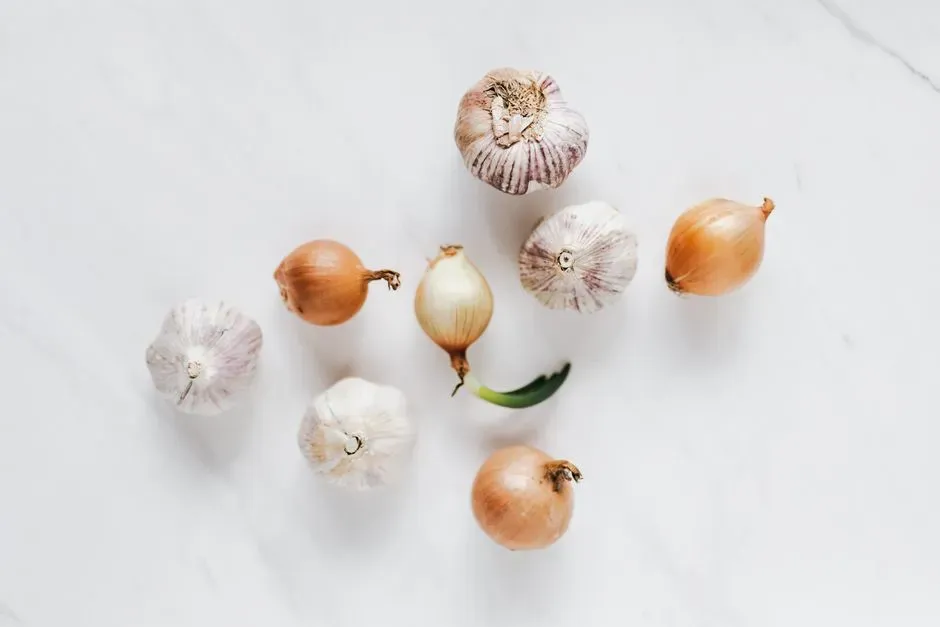
It’s easy to overlook onions, garlic, cauliflower, and mushrooms simply because they lack the visual punch of berries or peppers. Yet this group contributes its own distinct compounds, including allicin from garlic and onions, which behaves differently in the body than the pigments found in more colorful produce. Nutrition guidance that focuses on “eating the rainbow” typically still includes this group as one of the five core color families.
Mushrooms deserve particular mention since they’re one of the few produce items that naturally contain vitamin D precursors when exposed to light during growing. Garlic and onions, meanwhile, form the flavor base of an enormous share of dishes across nearly every cuisine, which makes them one of the easiest color groups to include without any deliberate effort.
Recognize why most people fall short
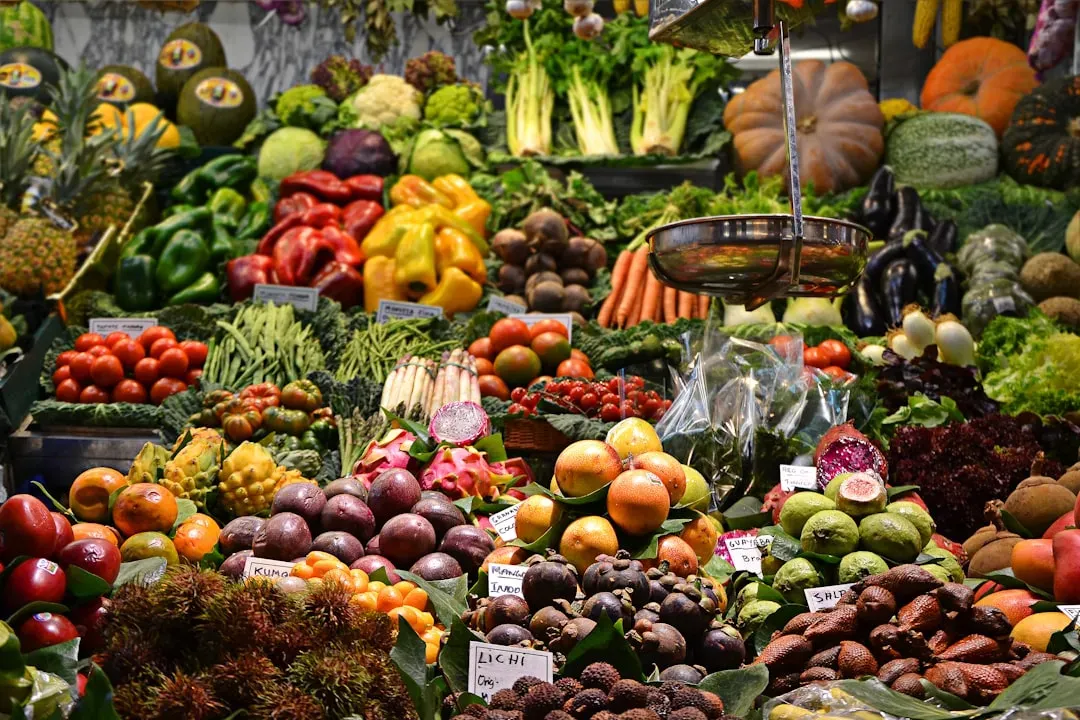
The theory behind colorful eating is straightforward enough, but actual intake tells a different story. About 90 percent of Americans eat too few vegetables, according to the Dietary Guidelines, and 80 percent do not eat enough fruit. That’s a substantial gap between recommendation and reality, and it’s not simply a matter of willpower.
Cost and access are frequently cited as real obstacles. Barriers to regular consumption of fruits and vegetables include cost, lack of access to fresh produce, concerns of spoilage, and perceived lack of preparation time. Recognizing these barriers matters, because solutions built around convenience and price tend to work better than advice that assumes unlimited time and a well stocked wallet.
Use frozen and canned produce without guilt
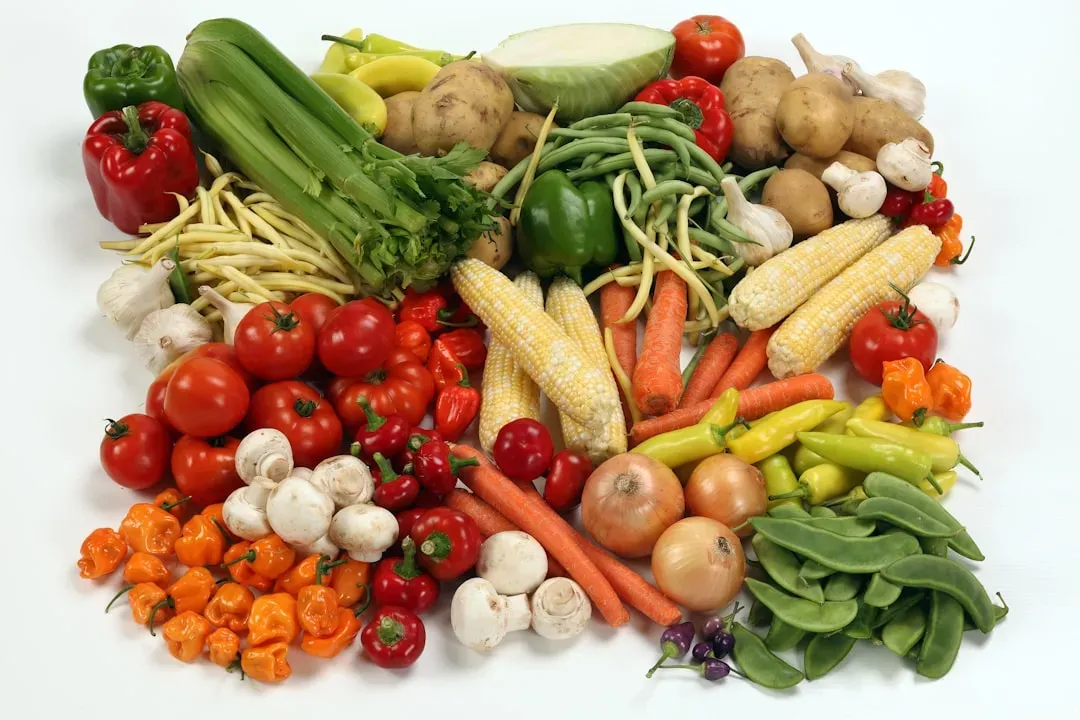
Fresh produce gets most of the attention in nutrition articles, but it’s not the only legitimate option, especially for households watching a grocery budget. When local produce is not an option, frozen or canned fruits and vegetables are great too, as long as you pick options without added sugar and sodium. Frozen vegetables are often flash frozen within hours of harvest, which can preserve nutrients better than produce that’s traveled long distances before reaching a store shelf.
Canned tomatoes, beans, and pumpkin are particularly practical since they store for months and slot easily into soups, stews, and sauces. The federal dietary guidelines back this approach directly. Fresh, canned, frozen, dried, and 100-percent juice count equally toward recommended intakes for fruits and vegetables, though whole fruit should account for at least half of total fruit consumption.
Build color into meals you already cook
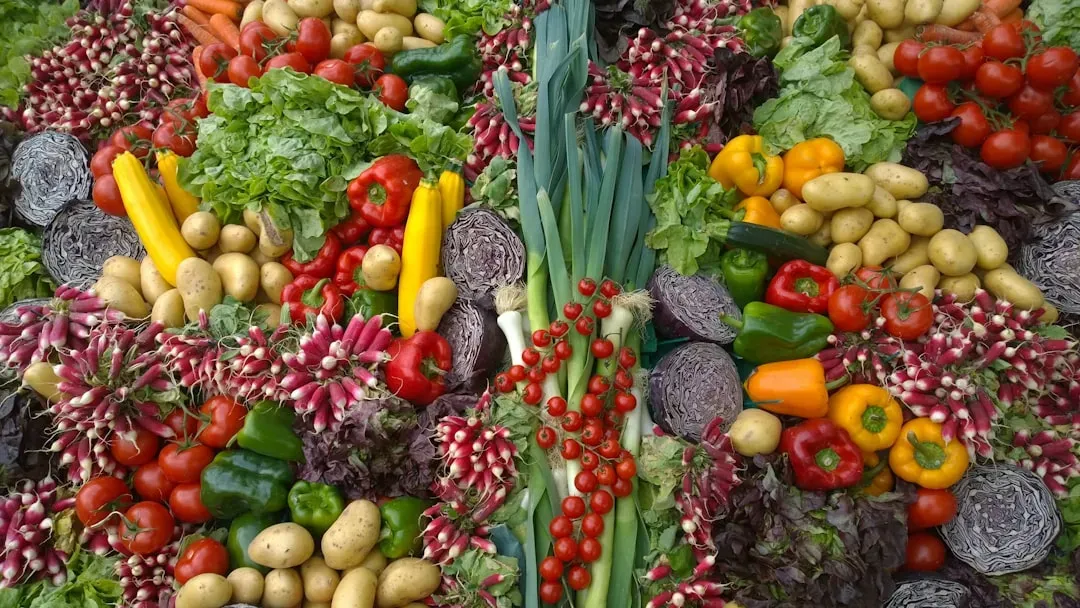
Rather than treating colorful eating as a separate project, it works better layered onto existing habits. A weekly pasta dish can absorb red tomatoes, orange peppers, and green spinach without changing the recipe’s structure at all. The same logic applies to stir fries, grain bowls, and soups, all of which tolerate a wide range of produce without much adjustment to cooking time.
One useful habit is doing a quick visual check of the grocery cart before checkout. While at the grocery store, examine your cart and make a conscious effort to add as many different colors of fruits and vegetables as possible. It sounds almost too simple to matter, but a thirty second glance tends to catch gaps that would otherwise go unnoticed until the fridge is nearly empty.
Keep expectations realistic

It’s worth being honest about the limits of the research here. While there are many purported benefits of phytonutrients, it’s difficult to perform randomized controlled trials, the most rigorous type of research, to prove their efficacy. That doesn’t mean the color based approach is wrong, but it does mean the evidence is stronger for some claims than others.
The safer framing is that variety itself is the goal, not any single pigment or supplement. Some studies show that taking phytonutrients like lycopene and beta-carotene in supplement form may actually increase the risk of cancer, while consuming these compounds in whole food form, like tomato sauce, may help decrease that risk. Whole foods, in other words, remain the more dependable path, and there’s no real shortcut around simply eating a wider range of produce.
Where this leaves your next grocery trip
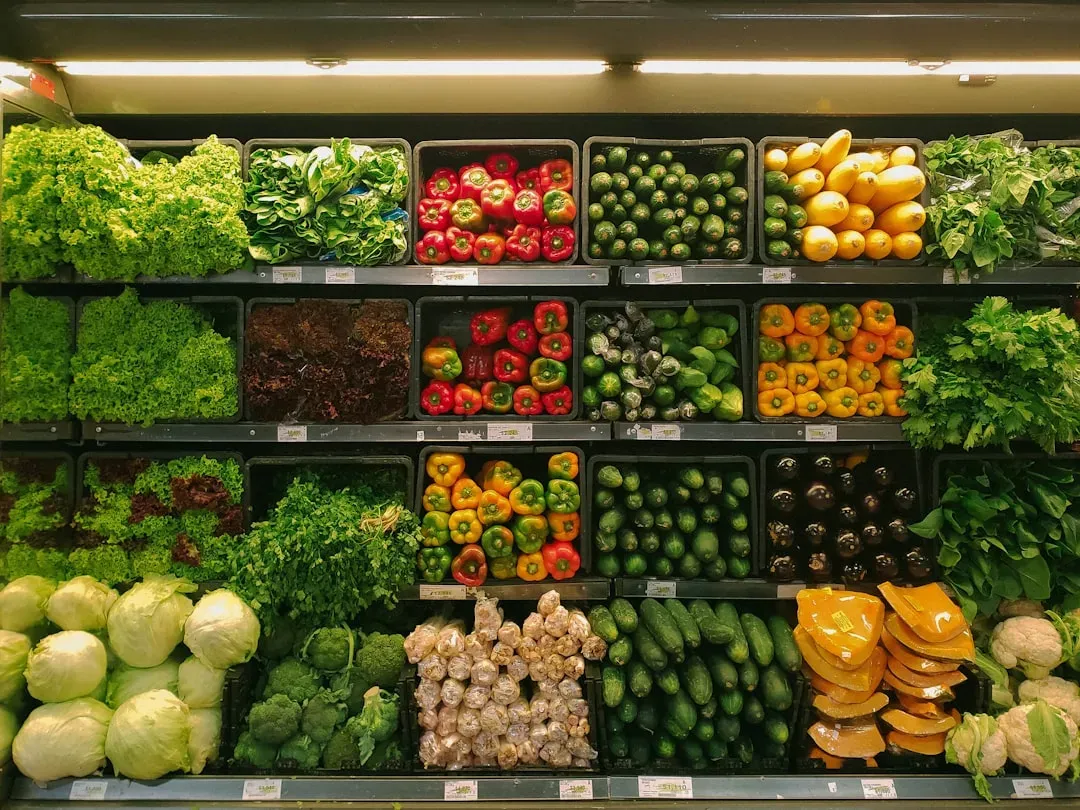
None of this requires a dramatic overhaul of how you eat. A handful of small swaps, berries instead of a plain topping, purple cabbage instead of iceberg lettuce, roasted sweet potatoes instead of white rice, add up over weeks without feeling restrictive.
The plate itself becomes a decent visual check. If it’s mostly one or two shades, there’s an easy opening for something new next time you shop, and the options above make that shift a lot less complicated than it might first appear.