
Walk through any good kitchen and you’ll notice the same quiet truth: the food that tastes remarkable rarely relies on complicated technique. It relies on ingredients that were picked, caught, or harvested close to their peak. A ripe peach needs almost nothing done to it. A bunch of basil cut that morning smells like something worth building a whole meal around.
Freshness changes flavor, texture, and even nutrition in ways that are easy to underestimate until you taste the difference side by side. Below is a closer look at the ingredients that consistently make the biggest impact, and why chefs and home cooks alike keep coming back to them.
Table of Contents
Fresh Herbs
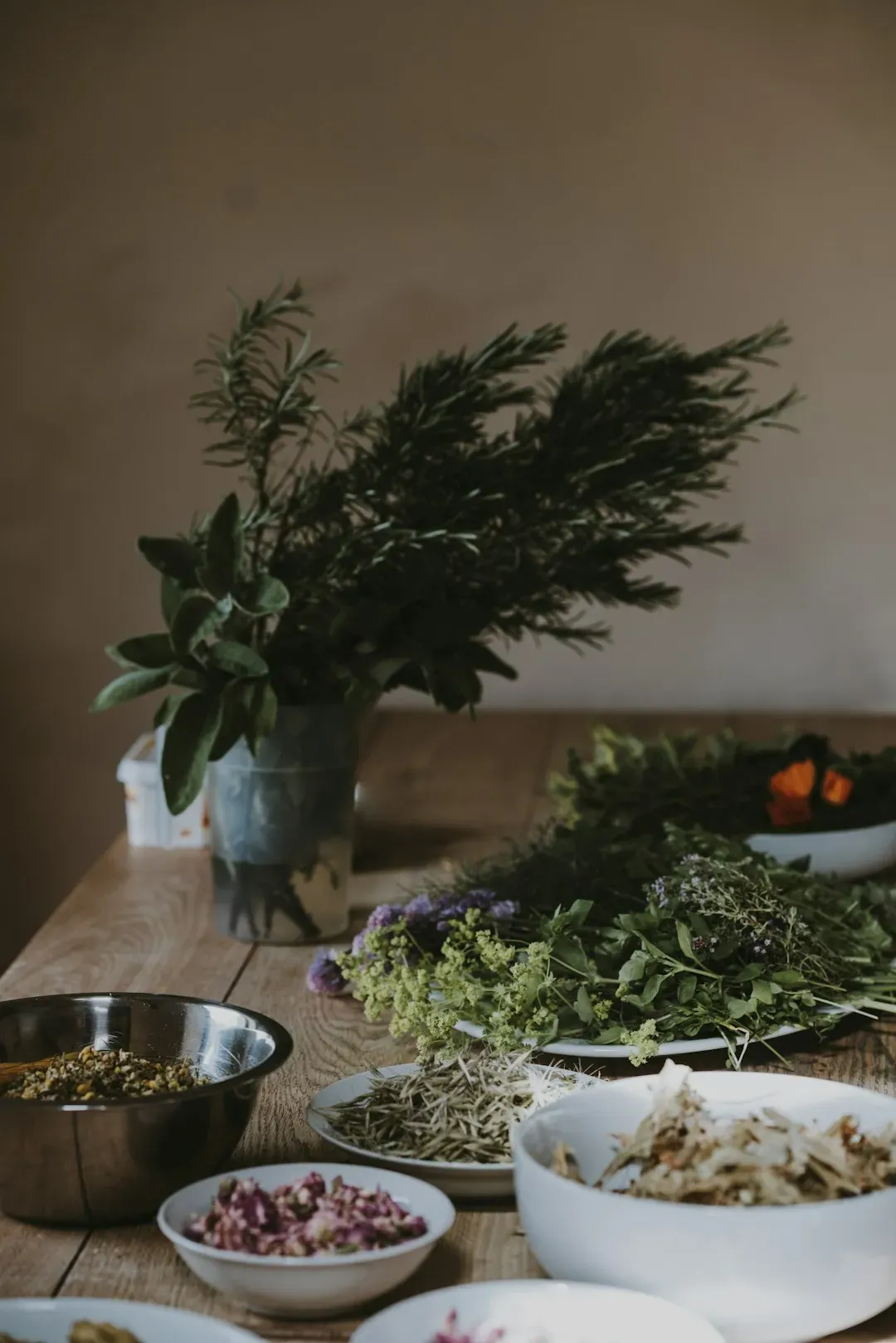
Herbs are one of the fastest ways to transform a dish, but their impact depends almost entirely on how recently they were cut. Basil, cilantro, and mint lose their essential oils quickly once harvested, which is why dried versions taste flatter and less vibrant. A handful of fresh parsley stirred into a finished stew adds brightness that dried herbs simply cannot replicate.
Chopping herbs at the last possible moment preserves more of their aromatic compounds, since bruising the leaves too early causes oxidation. Many restaurants now grow small herb gardens on-site or source from local farms specifically to shorten the time between harvest and plate. That short window between cutting and cooking is where most of the flavor lives.
Citrus Fruits
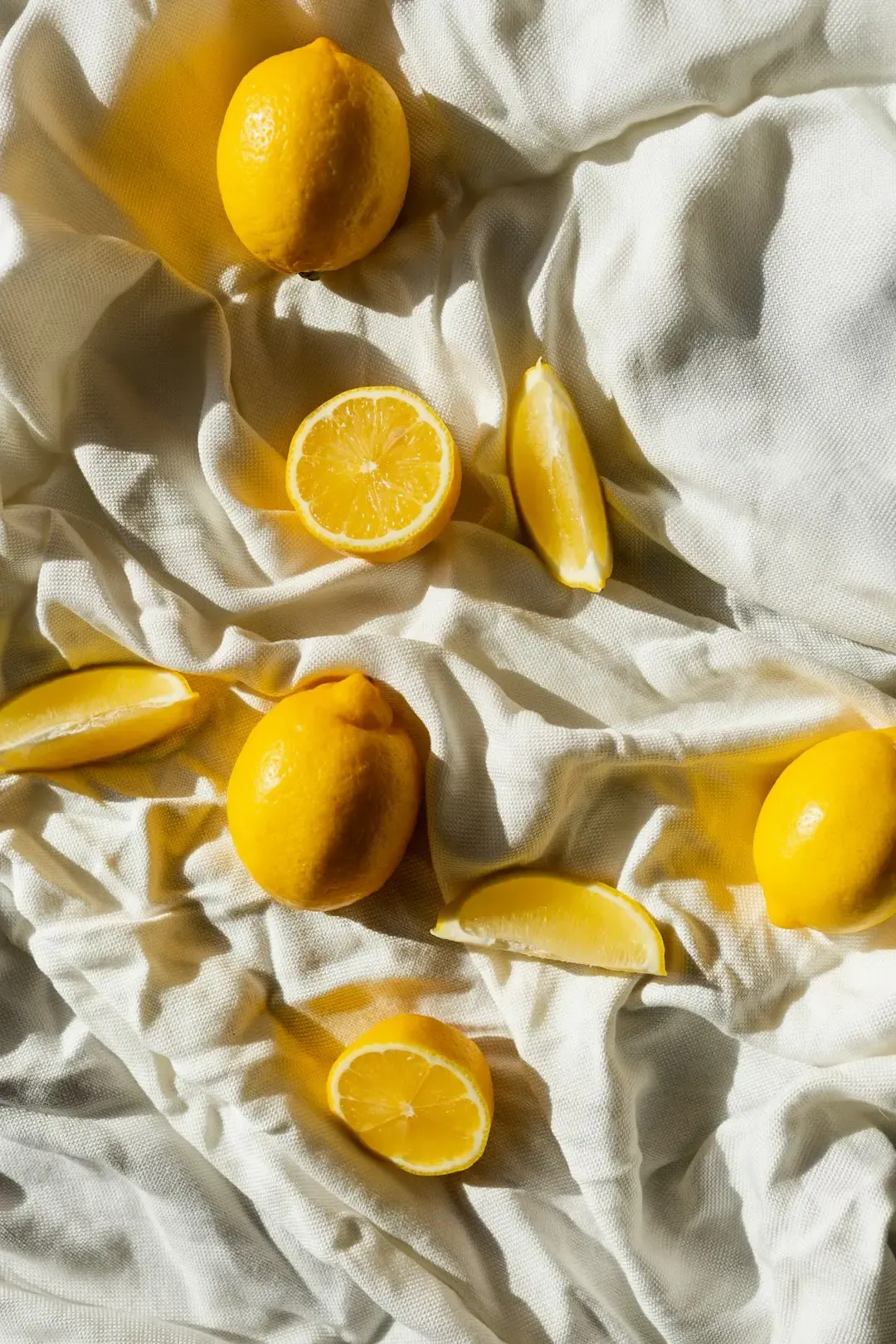
Lemons, limes, and oranges do more than add tartness. Their zest carries aromatic oils that dissipate rapidly once the fruit is cut, so a lemon zested fresh over a finished pasta dish tastes noticeably brighter than one prepped even an hour earlier. Citrus also helps balance rich or fatty foods, cutting through butter or cream sauces without needing extra salt.
Fresh citrus juice reacts differently in cooking than bottled versions, which often contain preservatives that dull the sharp, clean acidity. A squeeze of lime over grilled fish or roasted vegetables wakes up the other flavors on the plate. This is part of why so many cuisines, from Mediterranean to Southeast Asian, lean on fresh citrus as a finishing touch rather than an ingredient added early in cooking.
Garlic and Onions
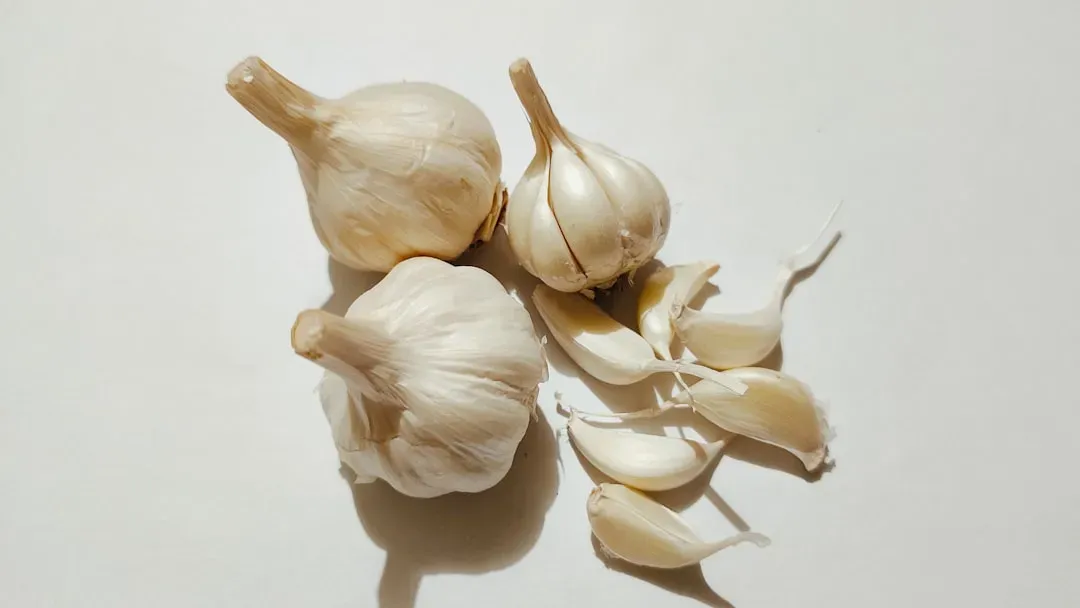
Few ingredients form the backbone of as many cuisines as garlic and onions, and their quality depends heavily on freshness. A fresh clove of garlic, crushed just before cooking, releases allicin, the compound responsible for its pungent aroma and much of its flavor complexity. Old or sprouting garlic loses potency and can taste bitter or acrid when cooked.
Onions behave similarly. Freshly diced onions caramelize more evenly and develop a rounder sweetness than onions that have sat cut for too long, since exposure to air changes their sulfur compounds. Cooks who prep alliums right before use, rather than far in advance, tend to notice a cleaner, more balanced flavor in the final dish.
Ripe Tomatoes
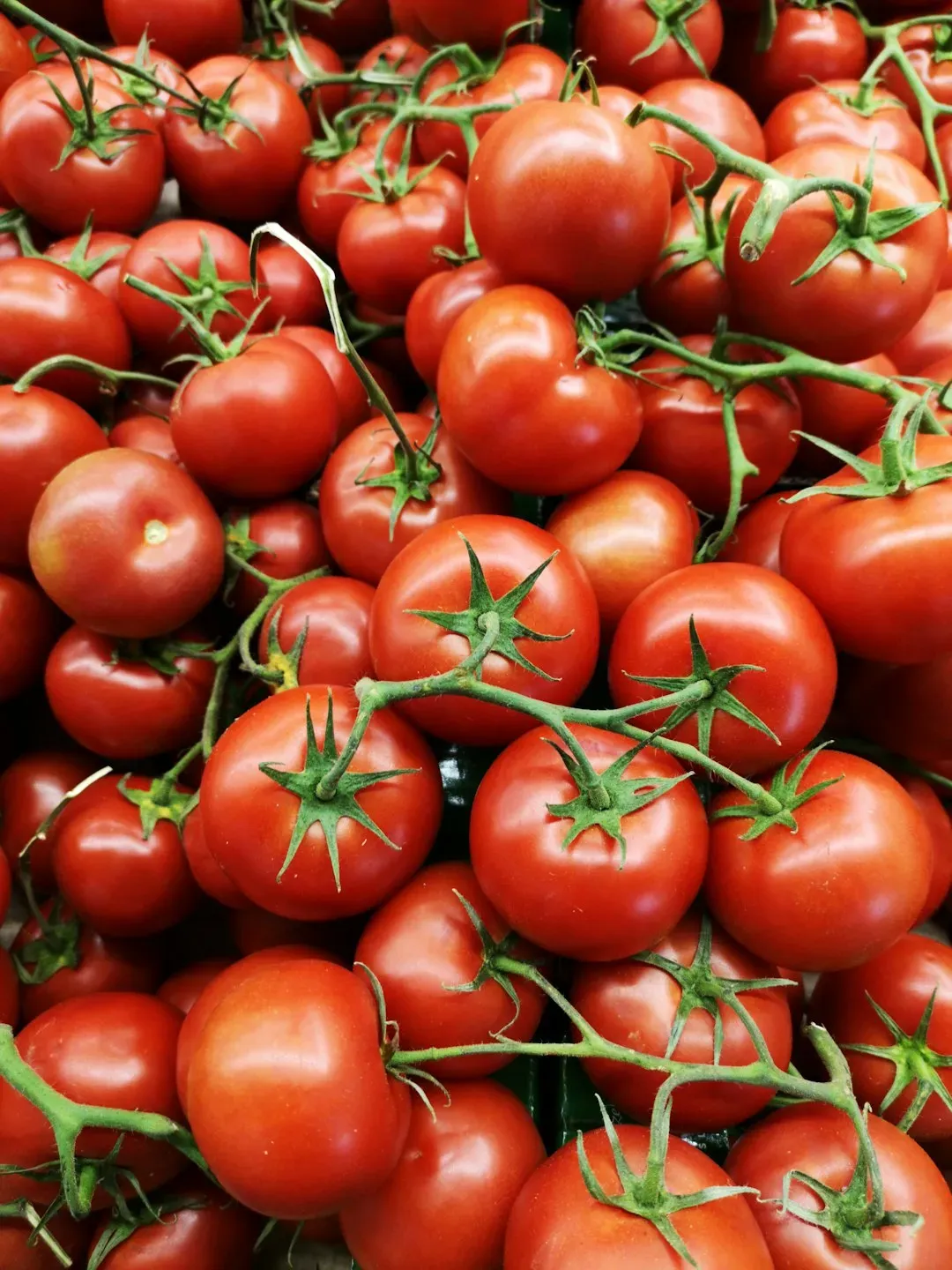
A tomato picked at peak ripeness and eaten within days tastes almost nothing like one picked green and shipped long distances. Ripening on the vine allows sugars and acids to develop fully, which is why farmers market tomatoes in late summer often taste sweeter and more complex than supermarket versions available year round. Heirloom varieties in particular are prized for this reason, since they are usually grown for flavor rather than shelf stability.
Fresh tomatoes also hold their structure differently in cooking. They break down into sauces with a natural sweetness that reduces the need for added sugar, and their acidity balances rich ingredients like cheese or cream. Even a simple caprese salad depends almost entirely on the tomato being ripe, since there is little else on the plate to mask a lackluster one.
Seasonal Vegetables
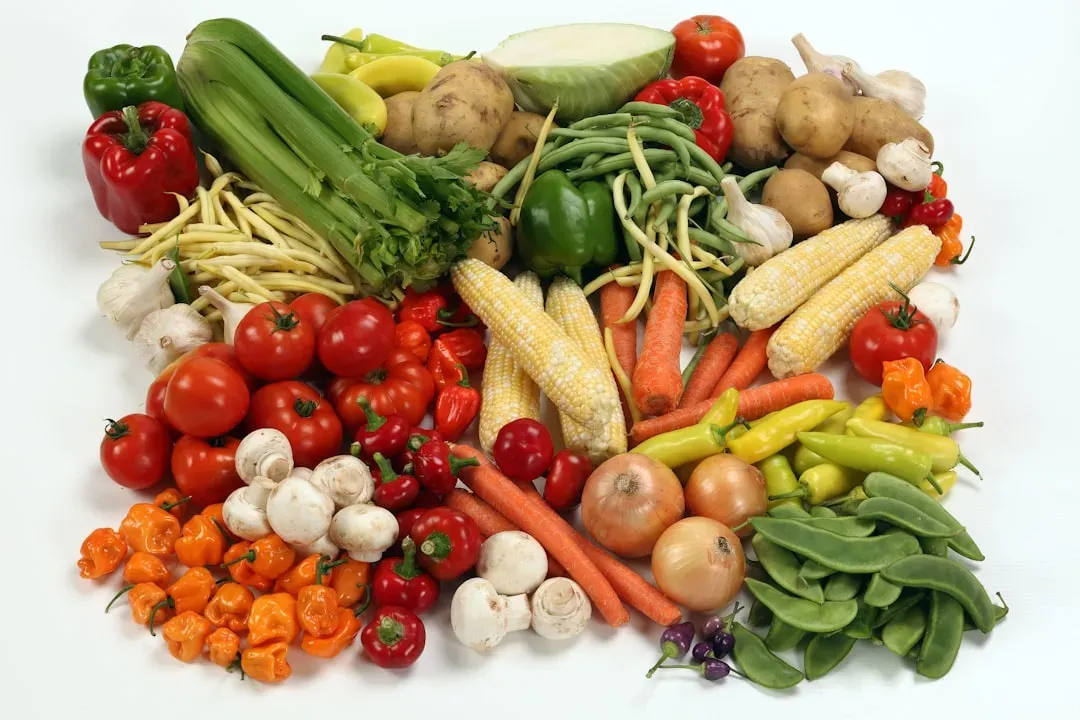
Vegetables picked in season and sold locally tend to travel shorter distances, which means less time between harvest and the kitchen. This matters because many vegetables begin losing moisture, sugar, and certain nutrients almost immediately after being picked. Asparagus, corn, and peas are especially sensitive to this timeline, with their natural sweetness fading noticeably within just a few days of harvest.
Seasonal eating has also become more visible again in the last few years, with more farmers markets and community supported agriculture programs helping home cooks access vegetables closer to peak freshness. Cooking with what’s in season often requires less manipulation, since a vegetable at its best rarely needs heavy sauces or seasoning to taste good. Roasted seasonal carrots or blistered green beans, for example, need little more than olive oil and salt when they’re truly fresh.
Fresh Seafood
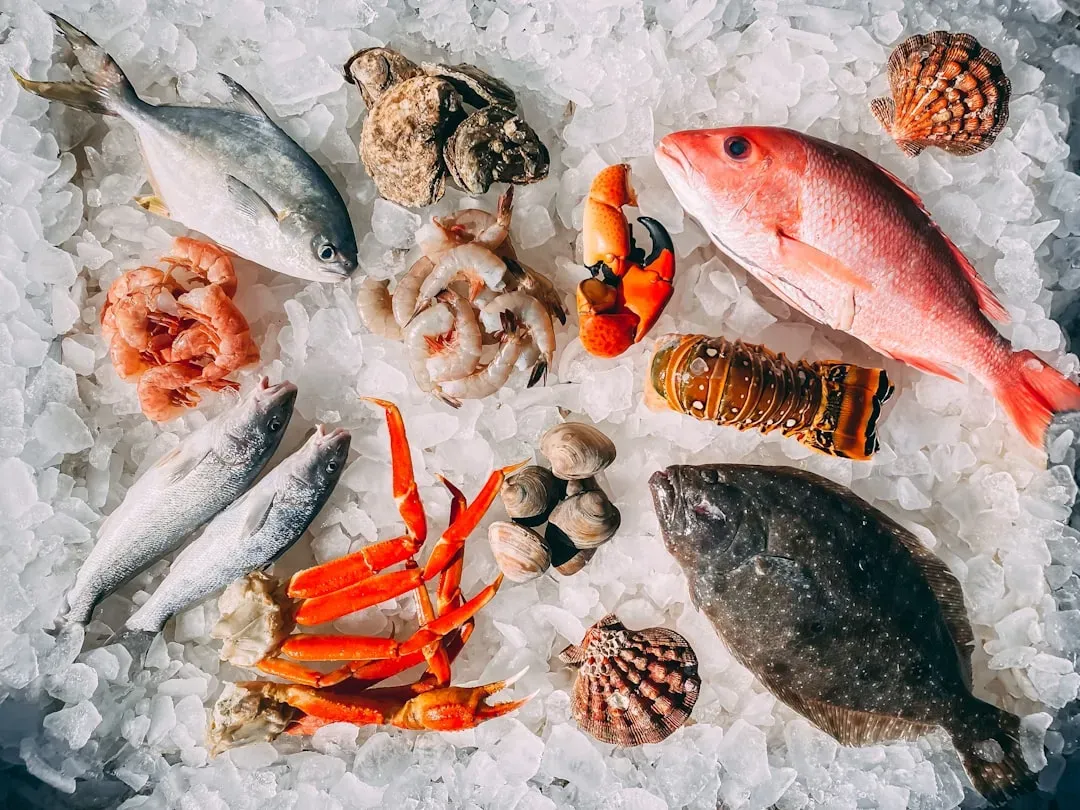
Seafood is one of the most freshness-dependent categories in cooking, since fish begins to break down enzymatically soon after it’s caught. Fresh fish has a clean, mild scent and firm flesh that springs back when pressed, while older fish develops a stronger odor and softer texture. This is part of why sushi-grade fish is handled with such strict temperature and timing controls, since even small delays affect both safety and taste.
Shellfish like mussels and clams should ideally be cooked live or very shortly after purchase, since their quality declines quickly once they die. Chefs who work closely with fish markets often plan menus around what was caught that day rather than fixing a menu in advance. That flexibility, while less convenient for planning, consistently produces better results on the plate.
Farm-Fresh Eggs and Dairy
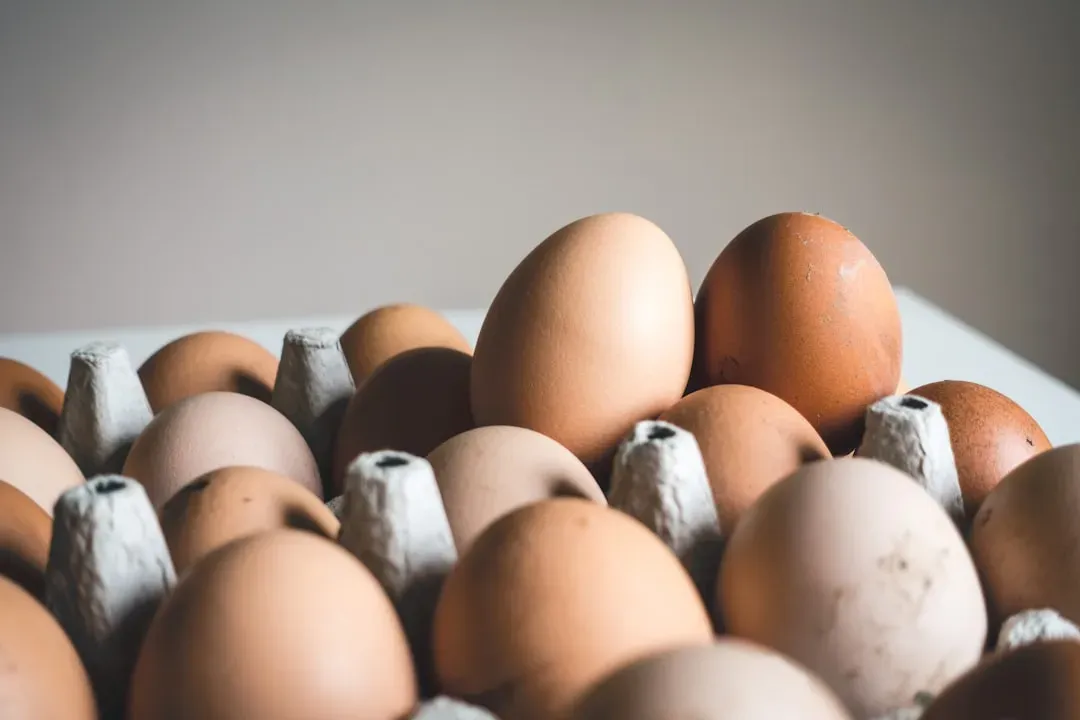
Eggs and dairy products are often overlooked in freshness conversations, but the difference is real. A truly fresh egg has a tighter, more domed yolk and a firmer white, which affects everything from how it poaches to how it whips into meringue. Dairy products like cream and butter also lose subtle flavor nuances over time, even when properly refrigerated.
Many small dairies and egg producers have grown in popularity over the past couple of years as more consumers seek shorter supply chains. Freshly churned butter, for instance, often has a cleaner, slightly sweet flavor compared to butter that has spent weeks in transit and storage. These small differences add up, especially in simple recipes where dairy is the star rather than a background ingredient.
Ginger and Fresh Spices
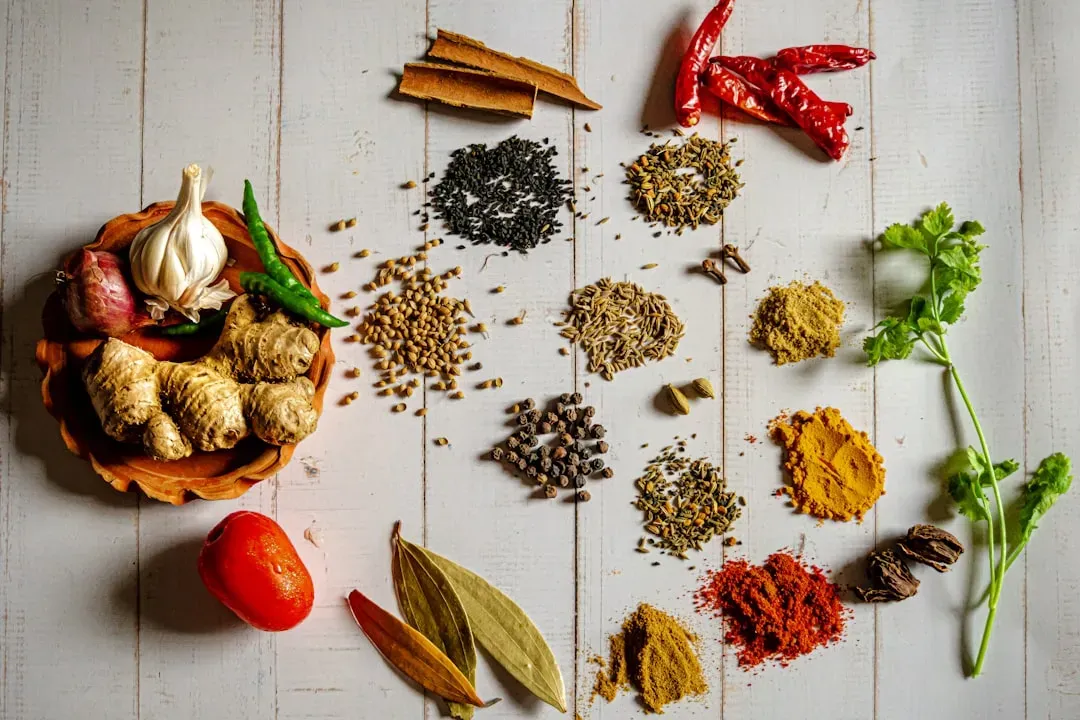
Ginger loses much of its sharp, peppery bite as it ages, since its essential oils degrade over time even when stored properly. Freshly grated ginger delivers a cleaner heat than the dried or powdered version, which is why so many Asian-inspired dishes call for it grated or minced right before cooking. The same principle applies to fresh turmeric root, which has a brighter, more citrusy flavor than the dried spice most people know.
Whole spices freshly ground also outperform pre-ground versions, since grinding exposes more surface area to air and accelerates flavor loss. A home cook who grinds cumin or coriander seeds just before adding them to a dish will notice a more fragrant, layered flavor than using a jar that’s been open for months. This is one of the simplest upgrades available in everyday cooking, requiring only a spice grinder or mortar and pestle.
Fresh Fruit for Desserts and Beyond
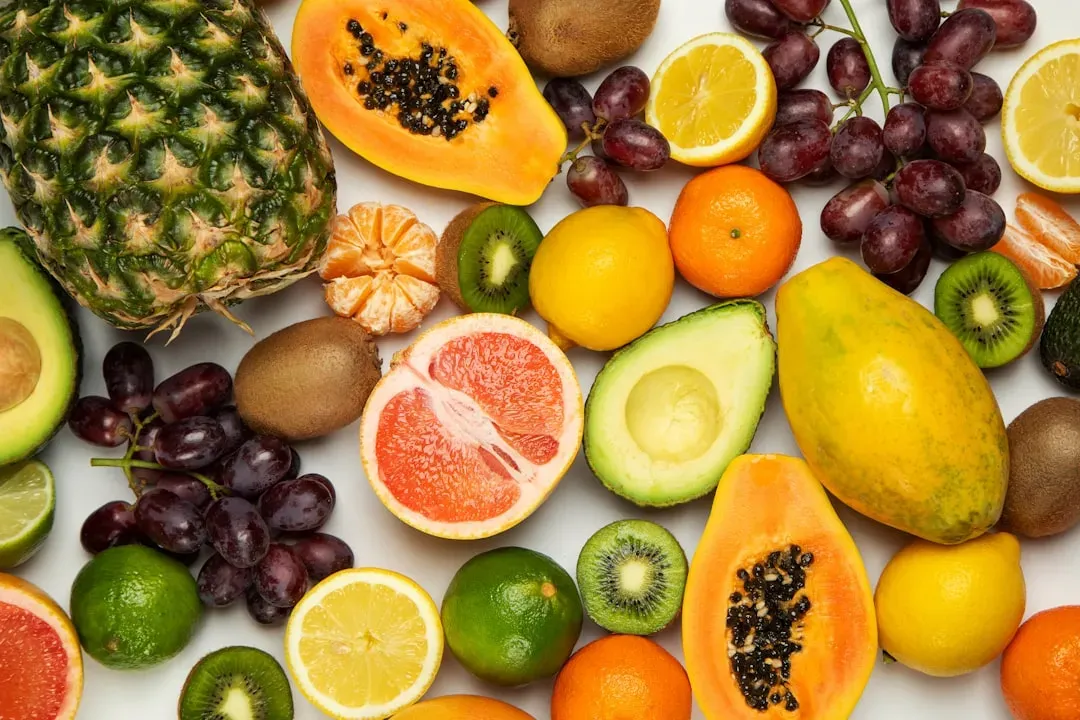
Fruit at peak ripeness carries natural sugars and aromatic compounds that are difficult to replicate with anything processed. A perfectly ripe strawberry or fig needs no added sugar to taste sweet, since ripening concentrates its flavor naturally. This is why so many simple desserts, like fruit tarts or fresh fruit salads, rely on quality produce rather than elaborate technique.
Fresh fruit also plays a role well beyond dessert, showing up in salads, salsas, and even savory sauces where its acidity or sweetness balances other flavors. Mango in a salsa or pomegranate seeds scattered over a grain bowl add brightness that dried or canned versions can’t fully match. As with vegetables, buying fruit in season, when it’s more likely to be ripe and local, tends to produce noticeably better results.
The Takeaway
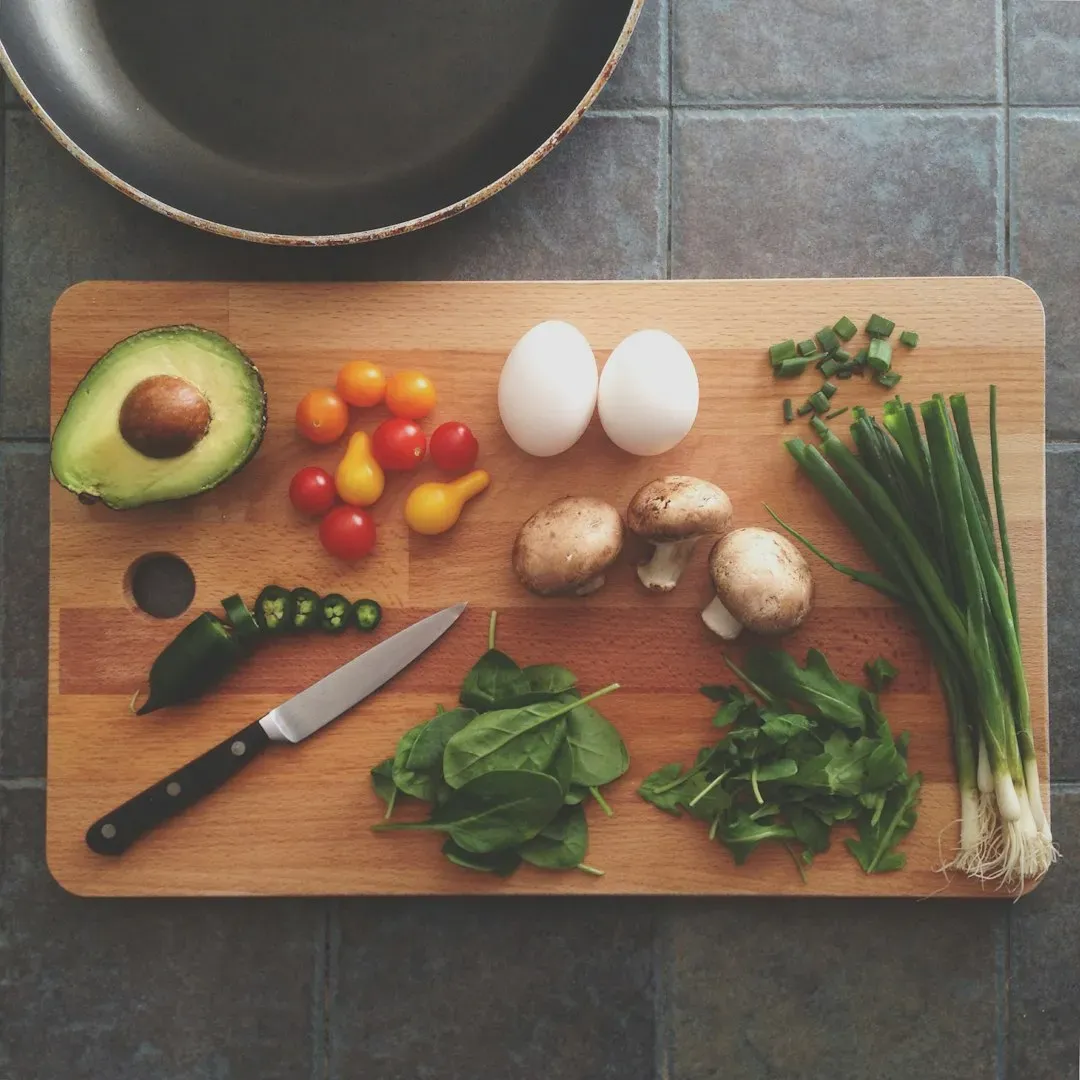
Good cooking often comes down to sourcing rather than skill. Fresh ingredients carry flavors, aromas, and textures that fade quickly once harvested, caught, or picked, which means timing matters just as much as quality. Paying closer attention to where food comes from, and how recently it arrived there, is one of the simplest ways to improve almost any dish without changing the recipe at all.