
Table of Contents
Mac and Cheese Gets a Global Makeover
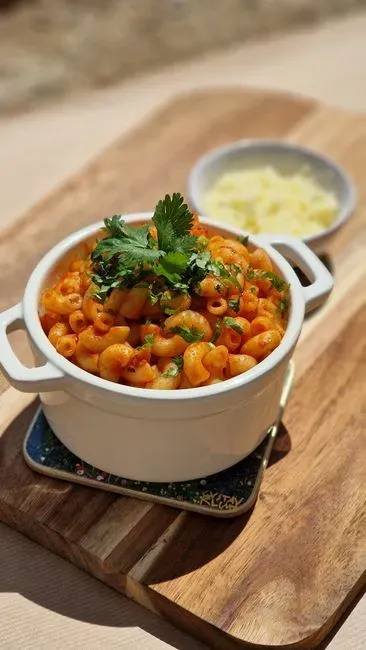
Mac and cheese has long been the poster child for American comfort food, but recent versions are borrowing heavily from international pantries. Gochujang mac and cheese, which blends the fermented Korean chili paste into a sharp cheddar sauce, has become a fixture on gastropub menus and food blogs alike, offering a sweet heat that plays surprisingly well against the dish’s inherent richness. Miso butter is another addition showing up frequently, lending an umami depth that traditional cheese sauces sometimes lack on their own.
Beyond flavor additions, texture has become a bigger focus too. Panko breadcrumbs tossed with brown butter or crushed chicharrones as a topping give the baked versions a crunch that plain breadcrumbs rarely achieve. Some restaurants have even started using smoked gouda or aged gruyere in place of standard cheddar, which changes the whole character of the dish while keeping its gooey, spoonable core intact.
Meatloaf Finds New Life With Global Spices
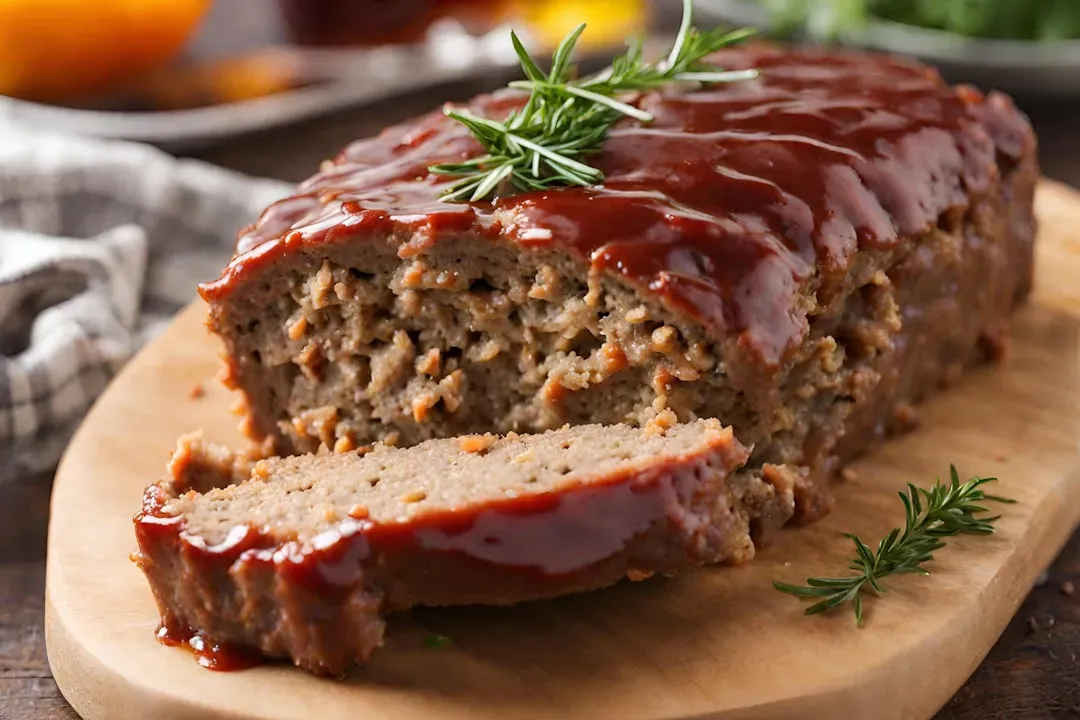
Meatloaf has a reputation problem, often dismissed as bland or outdated, but a wave of updated recipes is challenging that. Cooks are folding in harissa, ras el hanout, or gochugaru directly into the meat mixture instead of relying solely on ketchup based glazes, which adds complexity without requiring a total overhaul of the dish’s structure. Ground lamb or a lamb and beef blend has also become a popular substitution, bringing a richer, slightly gamey flavor that pairs naturally with warmer spice profiles.
Glazes have gotten more adventurous too. Instead of the standard ketchup and brown sugar topping, some versions now use tamarind glaze or a gochujang based sauce brushed on during the last stretch of baking. These small changes tend to make a bigger impact than expected, since the glaze is often the first flavor a diner notices.
Grilled Cheese Goes Upscale

Grilled cheese sandwiches have quietly become a canvas for culinary experimentation well beyond the diner counter. Combinations like brie with fig jam, or taleggio with caramelized onions, show up regularly at food halls and specialty sandwich shops, proving that the basic bread and cheese format can support far more nuance than a single slice of American cheese. Sourdough and thick cut brioche have largely replaced standard white bread in these upgraded versions, giving the sandwich more structural integrity and a slightly tangier or richer base.
Some kitchens are also experimenting with cooking methods, using a mix of butter and mayonnaise on the bread exterior to achieve a deeper golden crust. Others add unexpected fillings like kimchi or thinly sliced apple for a contrast in texture and acidity. The core idea, melted cheese between crisped bread, stays the same, but the execution has clearly matured.
Chicken Pot Pie Embraces Bolder Fillings

Chicken pot pie has traditionally leaned on peas, carrots, and a straightforward cream sauce, but newer takes are diversifying both the protein and the vegetables involved. Some recipes now swap in duck confit or braised short rib for the classic chicken, which shifts the dish toward something noticeably richer and more restaurant style. Root vegetables like parsnips and celeriac are also appearing more often, adding earthy notes that pair well with the pie’s buttery crust.
The crust itself has become an area of experimentation as well. Puff pastry lids brushed with an egg wash and topped with everything bagel seasoning have started showing up in more contemporary versions, adding a savory crunch that plain pastry doesn’t provide. Biscuit toppings infused with cheddar and chives are another common swap, turning the pie into something closer to a savory cobbler.
Shepherd’s Pie Reimagined With New Toppings
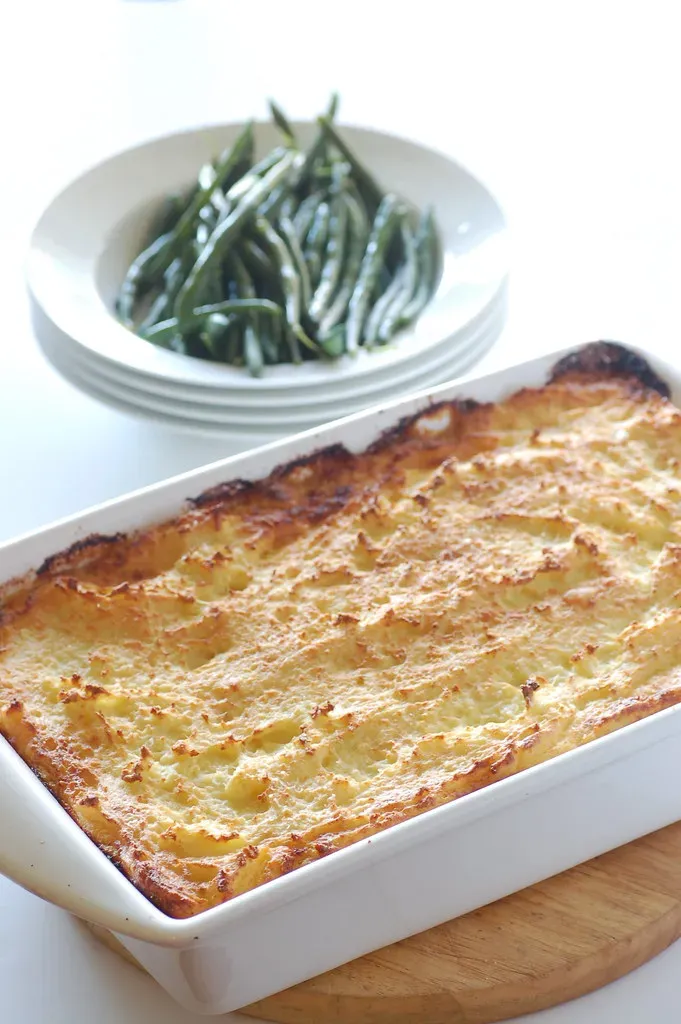
Shepherd’s pie, traditionally topped with a thick layer of mashed potatoes over a lamb or beef filling, has seen its topping reinvented in several creative ways. Colcannon style mash, which folds in cabbage or kale along with the potatoes, adds a bit of extra texture and a slightly bitter counterpoint to the rich meat below. Some cooks have also started using mashed sweet potato or a potato and parsnip blend, which brings a subtle sweetness that plays well against savory braised meat.
The filling has evolved too, with mushroom based vegetarian versions becoming more common as plant forward eating continues to grow in popularity. Lentils and mushrooms combined with a rich vegetable stock can mimic much of the umami depth that ground lamb typically provides, making the dish accessible to a wider range of diets without sacrificing its hearty character.
Tomato Soup Pairs With Unexpected Companions
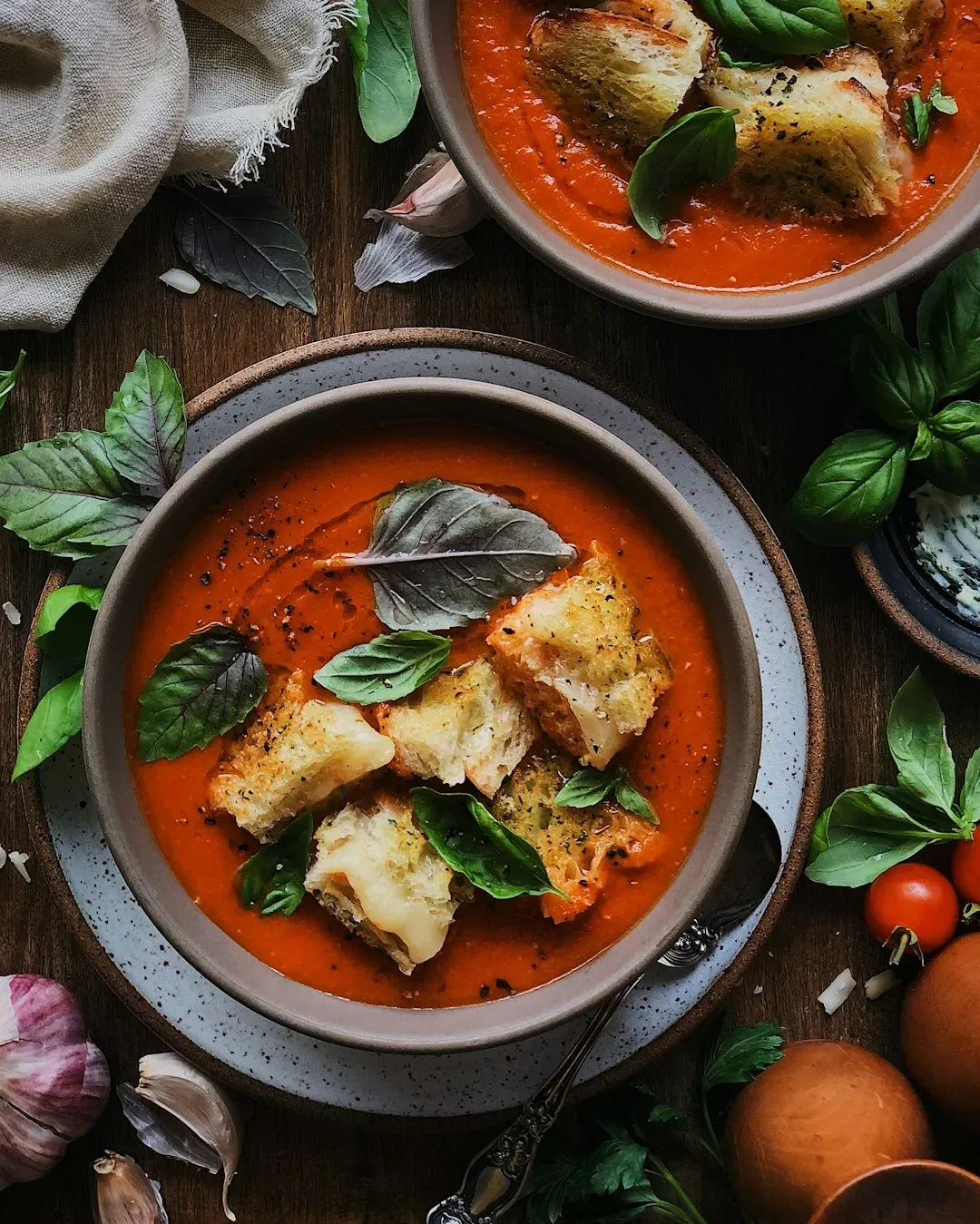
Tomato soup and grilled cheese have been paired together for generations, but tomato soup on its own has picked up several new twists worth noting. Roasted red pepper is now frequently blended into the base, adding a smoky sweetness that rounds out the acidity of the tomatoes. Coconut milk has also found its way into some versions, creating a creamier, slightly tropical variation that leans closer to a Thai inspired soup than the traditional cream based recipe.
Garnishes have become more elaborate as well. Basil oil drizzled in a spiral, crispy chickpeas for crunch, or a dollop of pesto instead of the usual crackers all show up in updated recipes shared across food media. These additions don’t change the fundamental comfort of a warm bowl of tomato soup, but they do give it a more polished, restaurant quality presentation.
Fried Chicken Explores Global Marinades
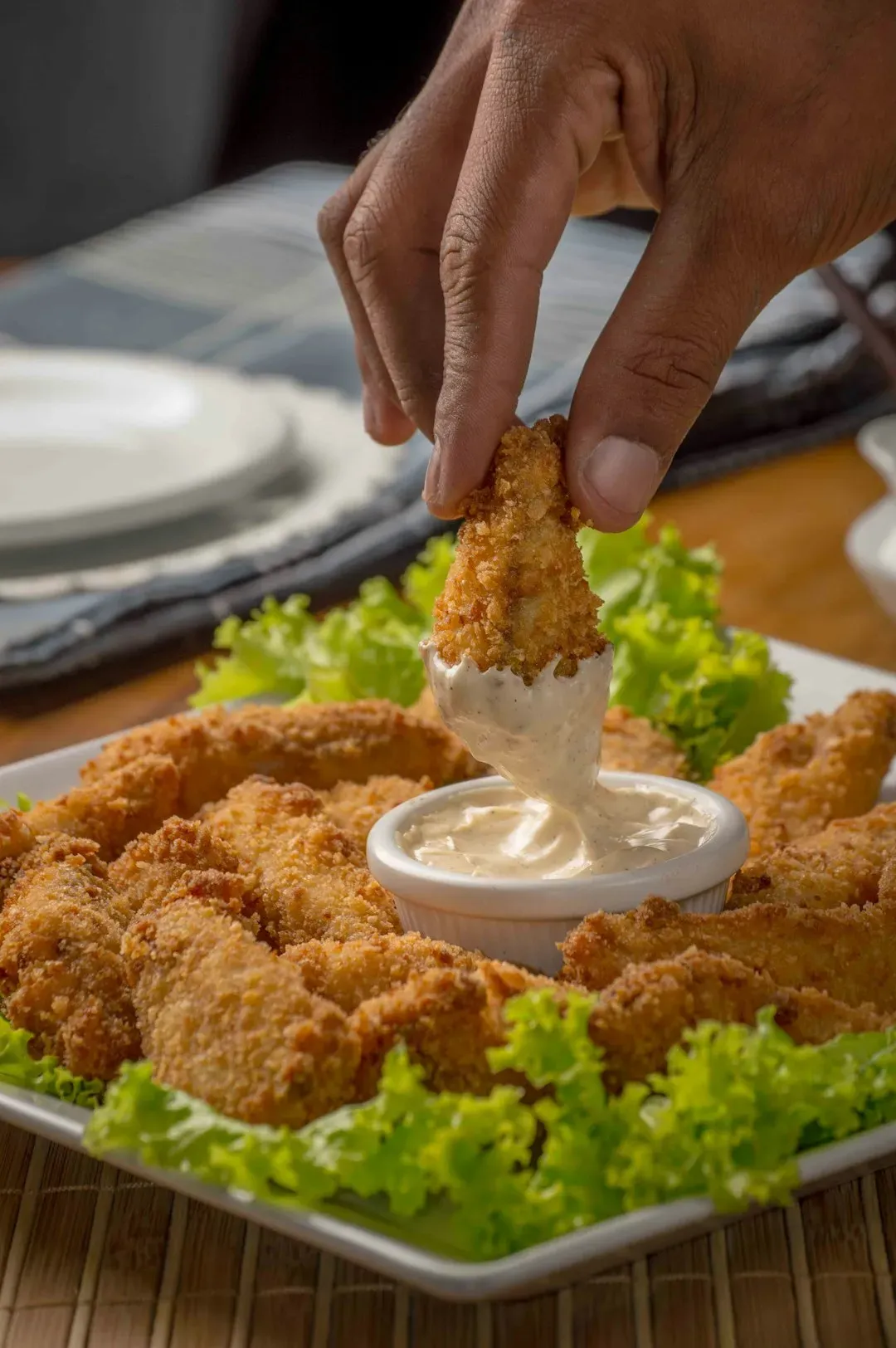
Fried chicken remains one of the most universally loved , and its marinades have expanded well beyond buttermilk in recent years. Korean style fried chicken, double fried for extra crispness and coated in a gochujang based glaze, has become widely popular at both dedicated restaurants and home kitchens experimenting with the technique. Nashville hot chicken, with its cayenne oil basted crust, has also spread far beyond its Tennessee origins and now appears on menus nationwide.
Brines have gotten more experimental too, with some cooks adding fish sauce or miso paste to the buttermilk soak for extra depth. Others are turning to a dry brine method using gochugaru or smoked paprika rubbed directly onto the skin before frying. These changes tend to affect flavor more than texture, but together they’ve broadened what fried chicken can taste like without losing its essential crunch.
Baked Beans Move Beyond the Barbecue Table
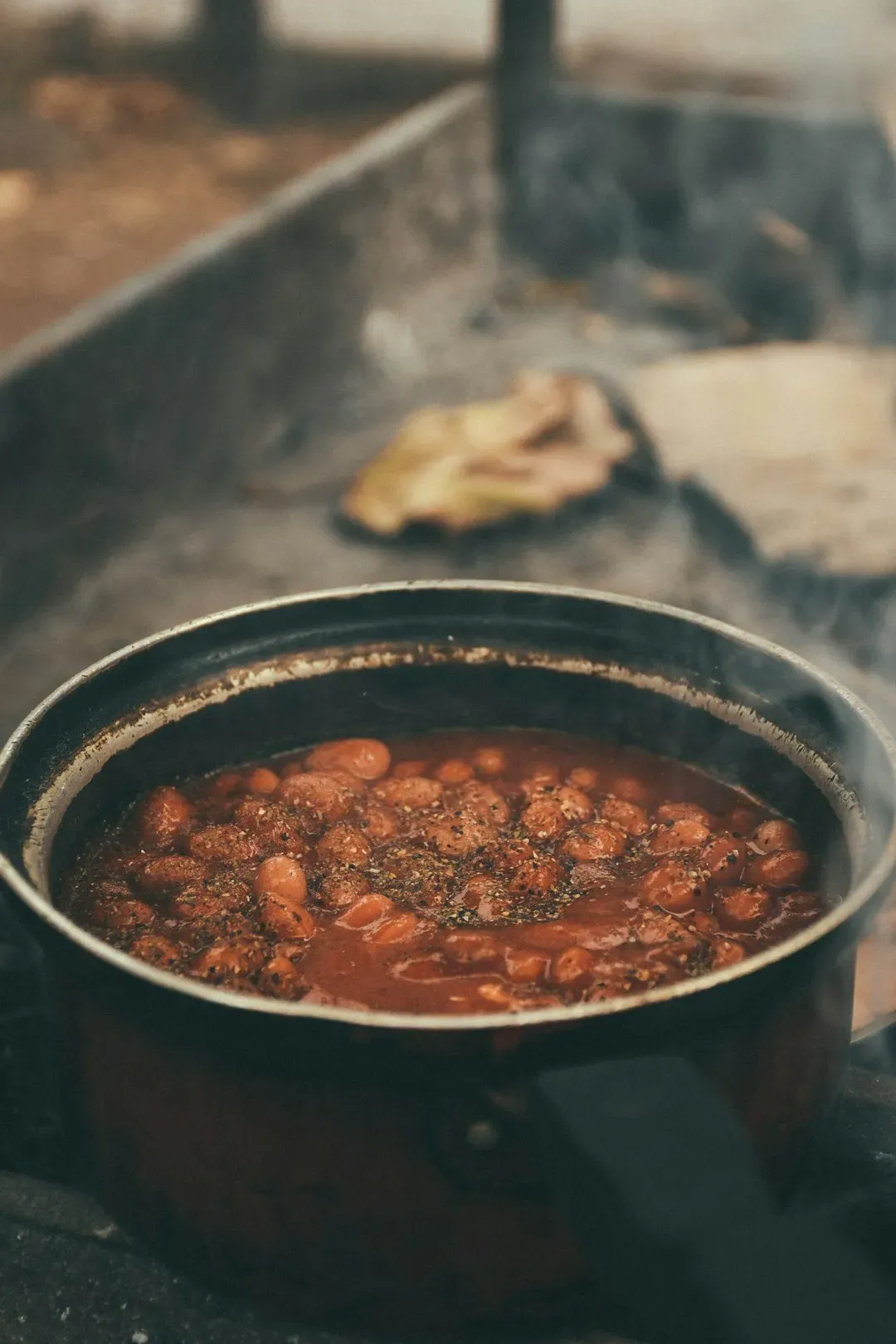
Baked beans have historically been a barbecue side dish, heavy on brown sugar and molasses, but recent versions have pushed the dish toward something more globally inspired. Moroccan spiced beans, incorporating cumin, cinnamon, and preserved lemon, offer a warmer, more layered flavor profile that departs significantly from the traditional sweet and smoky base. White beans simmered in a tomato and harissa sauce, similar to a shakshuka style preparation, have also gained traction as a heartier breakfast or brunch option.
Bacon remains a common addition, but some recipes now use chorizo or pancetta instead, which changes the fat rendered into the dish and shifts the overall flavor toward something smokier or spicier. A few modern takes have also started finishing the beans with a spoonful of yogurt or a scattering of fresh herbs, adding brightness to a dish that can otherwise feel heavy.
Rice Pudding Adopts International Flavor Profiles

Rice pudding, often thought of as a simple vanilla and cinnamon dessert, has picked up influence from a range of global rice based puddings. Cardamom and saffron infused versions, drawing from South Asian kheer traditions, bring a fragrant complexity that plain vanilla rice pudding typically lacks. Coconut milk based versions inspired by Southeast Asian desserts have also become more common, offering a richer, slightly tropical alternative to the dairy based original.
Toppings have diversified as well, with candied pistachios, rose water syrup, or toasted coconut flakes replacing the standard raisins and cinnamon dusting. These additions don’t just change flavor, they also change texture, giving the pudding a bit of crunch or chew that contrasts nicely with its naturally soft, creamy base.
Chili Gets Reworked With New Bases and Toppings
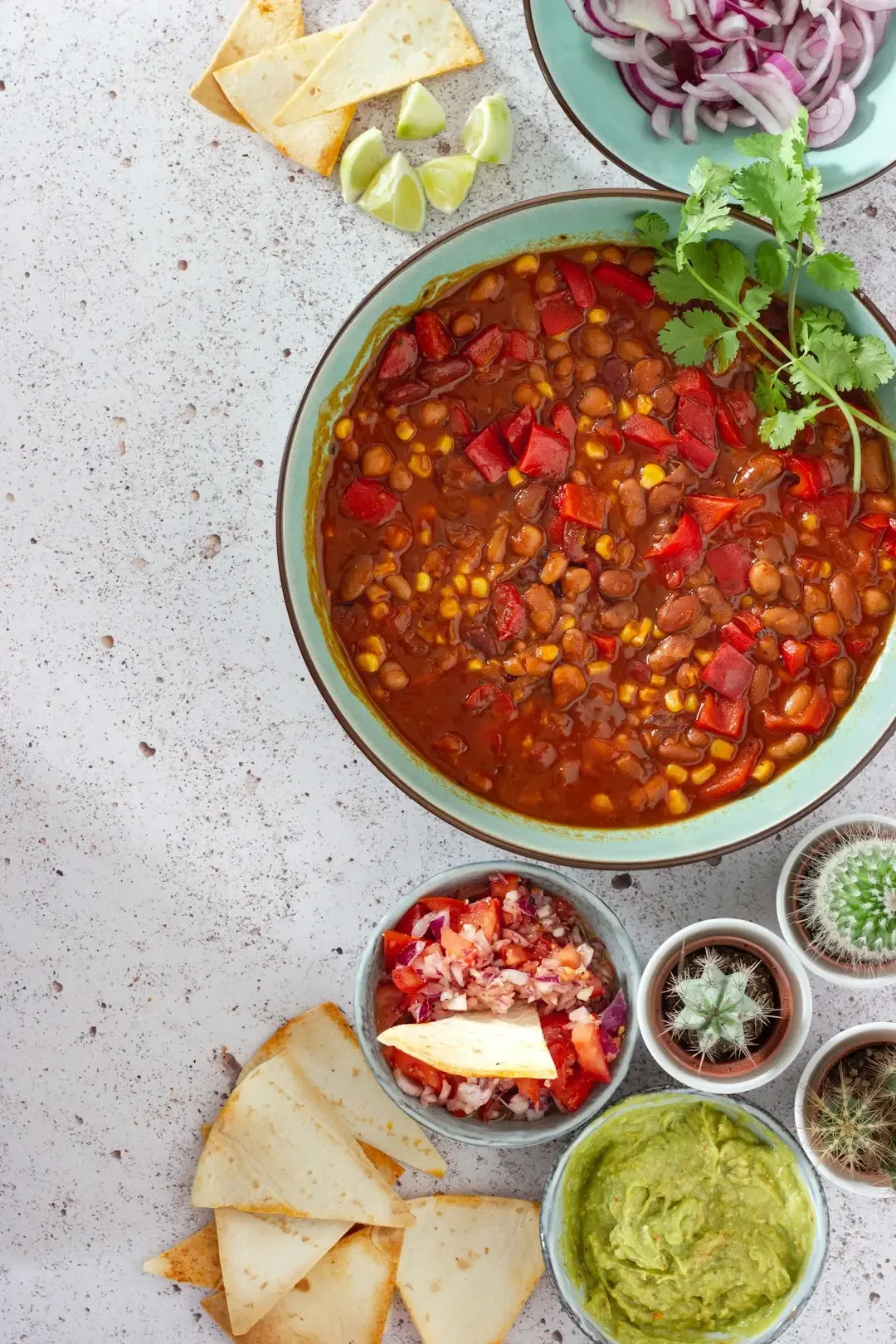
Chili has always been a flexible dish, but recent versions push that flexibility further by swapping the traditional beef and bean base for other proteins and grains. Turkey chili remains a popular lighter alternative, but some cooks have moved toward mushroom and black bean combinations to create a fully plant based version that still delivers a similar heartiness. White chicken chili, made with green chilies and white beans instead of the classic red tomato base, has also grown in popularity as a milder alternative.
Toppings have become an area of real creativity too. Cotija cheese, pickled jalapeños, or a scoop of avocado crema now appear alongside or instead of the standard shredded cheddar and sour cream. Cornbread waffles served alongside chili, rather than the usual square of cornbread, have also started showing up as a playful presentation twist at casual restaurants and food trucks.