
There’s a particular kind of meal that makes a Tuesday night feel like a Sunday afternoon. It’s not about spending hours in the kitchen or dirtying every pot you own. It’s about a handful of techniques that trick your senses into thinking someone slaved over the stove all day, even when dinner took forty minutes start to finish.
The good news is that most of these tricks are simple once you know them. A little patience with browning, a splash of something acidic, or the right pan can turn a rushed weeknight dinner into something that feels intentional and slow. Below are ten approaches that consistently deliver that cozy, unhurried flavor without asking for unhurried time.
Table of Contents
One-Pan Braises That Mimic Sunday Dinner
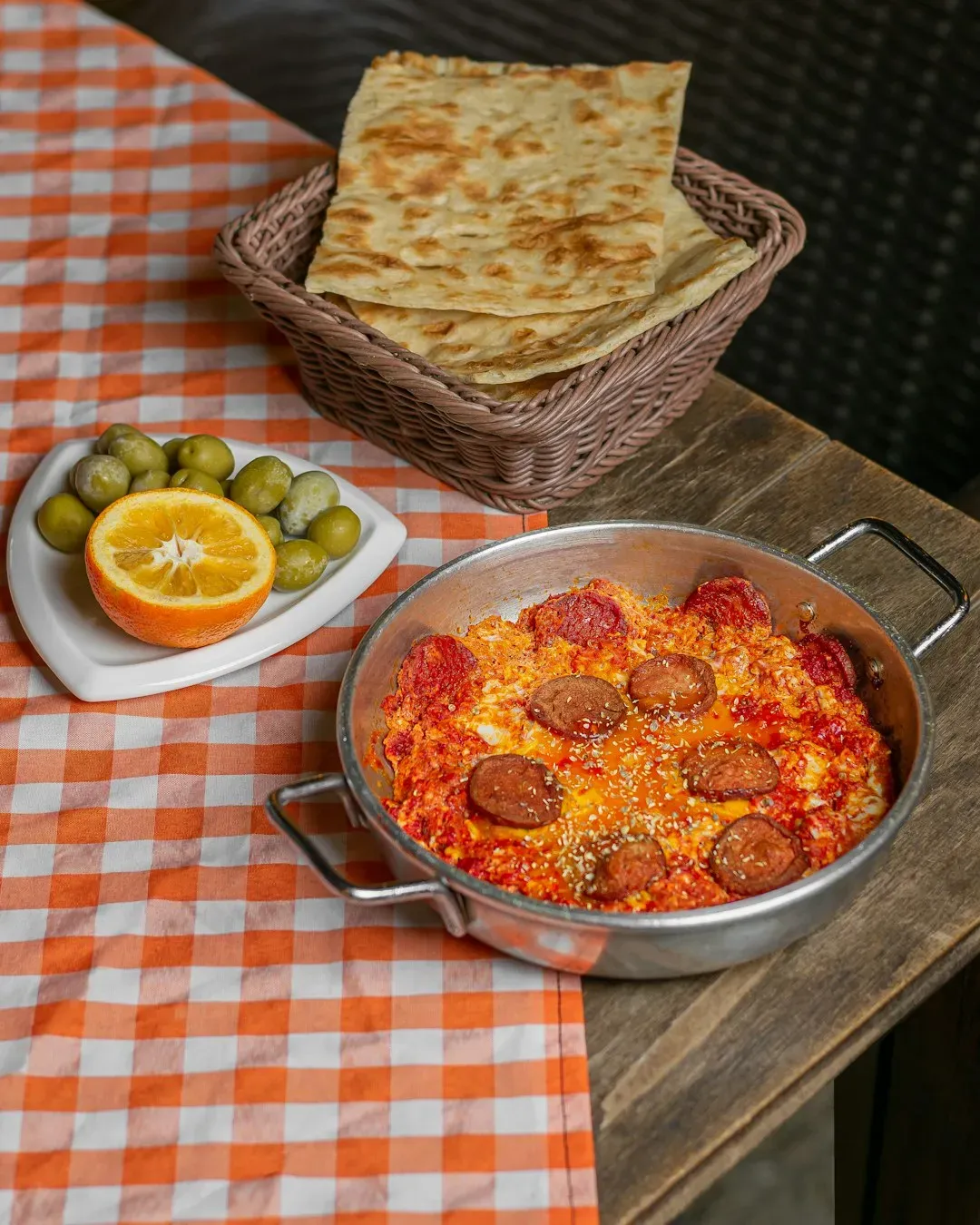
Braising has a reputation for being a weekend-only activity, mostly because traditional recipes call for hours of low heat. The shortcut is choosing smaller cuts of meat, like chicken thighs or thin-cut short ribs, which pick up that fall-apart tenderness in under an hour instead of three. Searing the meat first still matters, since that browning step is where most of the deep flavor comes from.
Once the meat is browned, a quick simmer in broth, wine, or even tomato sauce lets the connective tissue break down fast without losing richness. Finishing the dish with fresh herbs or a pat of butter adds the kind of polish that makes it taste finished rather than rushed. The whole thing lives in one pot, which keeps cleanup as easy as the cooking itself.
Slow-Cooked Flavor in a Fraction of the Time
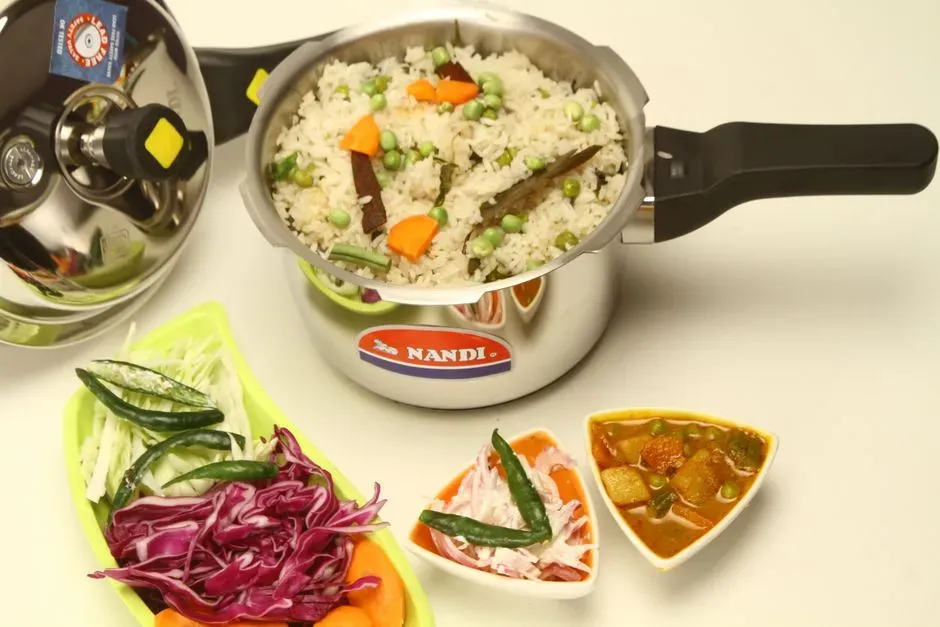
Pressure cookers and electric multi-cookers have quietly changed what a weeknight can taste like. Dishes that once needed all afternoon, like pulled pork or beef stew, can hit that same tender, saturated flavor in under an hour under pressure. The trapped steam forces liquid into the meat’s fibers faster than a low oven ever could, which is really just physics working in your favor.
The trick to making pressure-cooked food taste like it simmered all day is not skipping the sauté step before sealing the lid. Browning onions, garlic, and meat in the pot first builds a flavor base that pressure alone can’t create. A finishing touch, like a spoonful of mustard or a squeeze of citrus, adds the brightness that longer-cooked dishes sometimes lose.
Sheet-Pan Roasts for Effortless Weekend Vibes
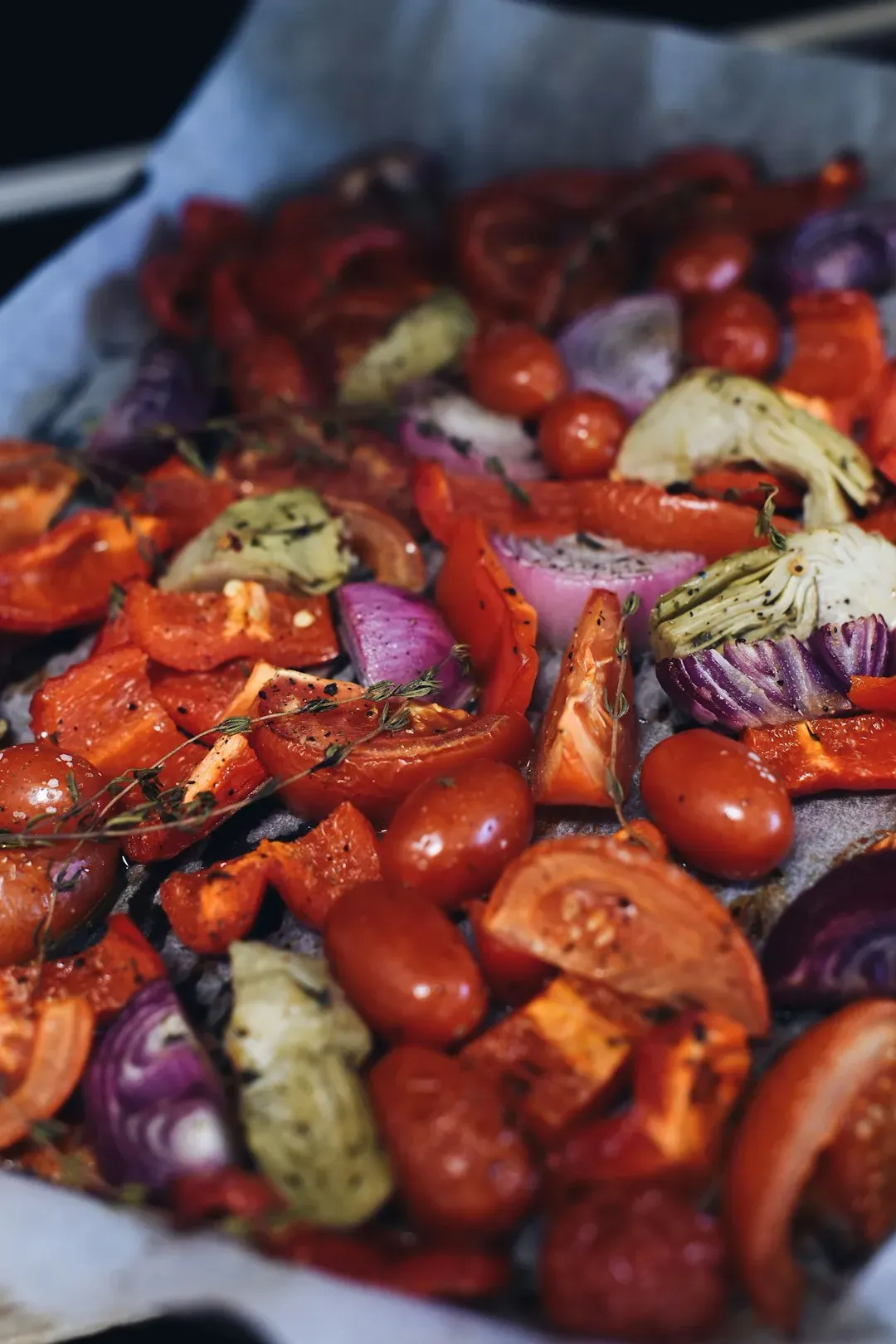
Nothing says lazy Sunday quite like a roast, but a sheet pan can deliver that same golden, caramelized result on a weeknight schedule. Cutting vegetables and protein into similar sizes and giving them enough space on the pan lets everything roast instead of steam, which is the real secret to that crisp, weekend-quality finish. A high oven temperature, usually around four hundred twenty five degrees, speeds up browning without drying things out.
Adding something with natural sugar, like carrots, sweet potatoes, or a drizzle of honey, helps everything caramelize the way a slow oven roast would. A sturdy protein like sausage, salmon, or chicken thighs holds up well to the heat and finishes in the same twenty to thirty minutes as the vegetables. One tray, one wash, and a dinner that looks like it took real effort.
Rich Sauces Built From Pantry Staples
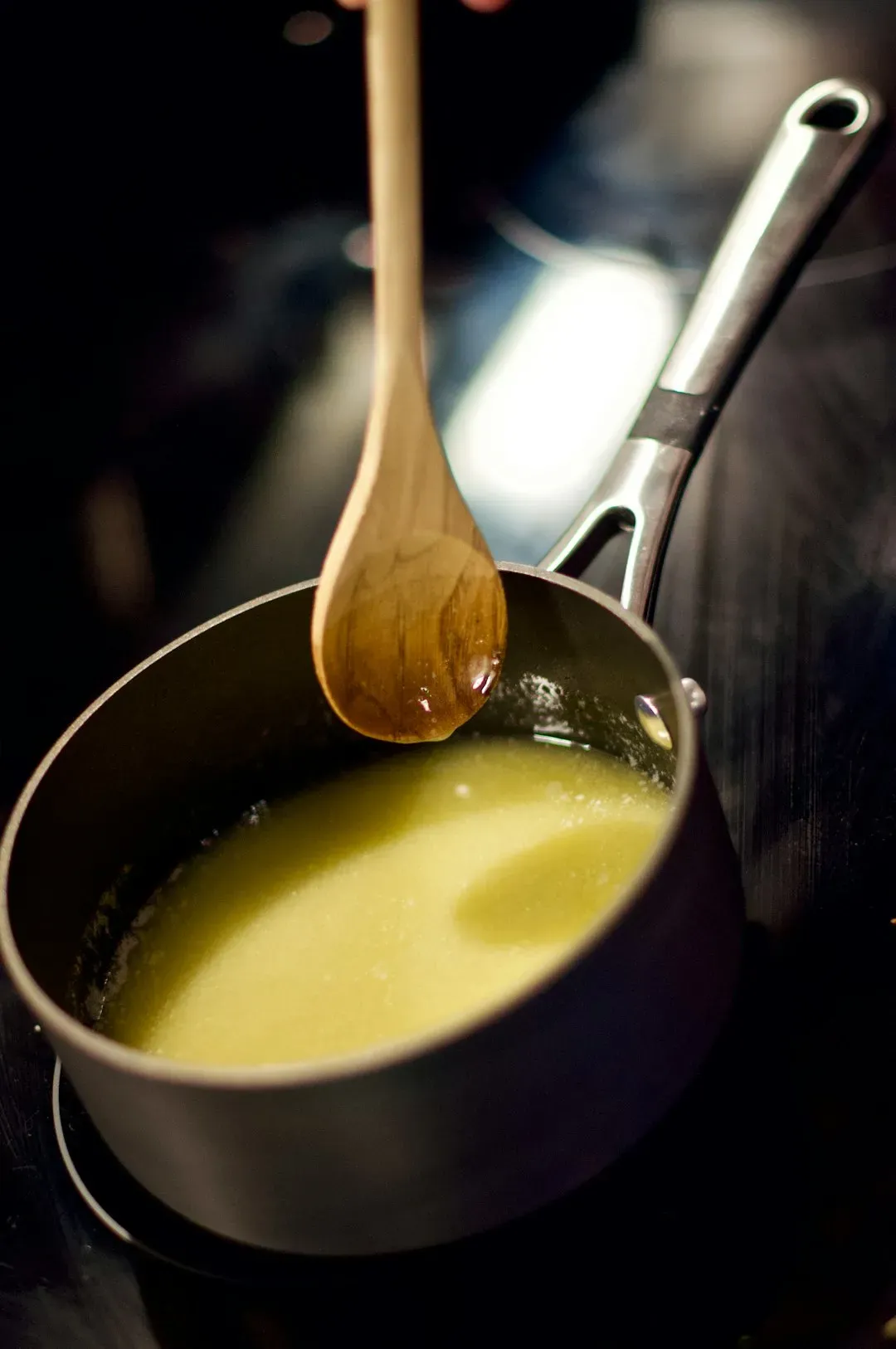
A sauce can carry an entire meal’s mood, and most rich-tasting sauces are built from ingredients already sitting in the pantry. A roux made from butter and flour, cooked just until it turns golden, is the base for gravies and cream sauces that taste like they simmered for hours. Adding a splash of soy sauce, Worcestershire, or even a spoonful of miso brings a savory depth that usually only comes from long-cooked stocks.
Reducing a sauce, even for just five or ten minutes, concentrates its flavor in a way that mimics slow cooking. Letting a tomato sauce sit on low heat while pasta boils gives it time to thicken and deepen without much hands-on effort. These small moves make the difference between a sauce that tastes thrown together and one that tastes considered.
Comfort Soups That Simmer While You Relax
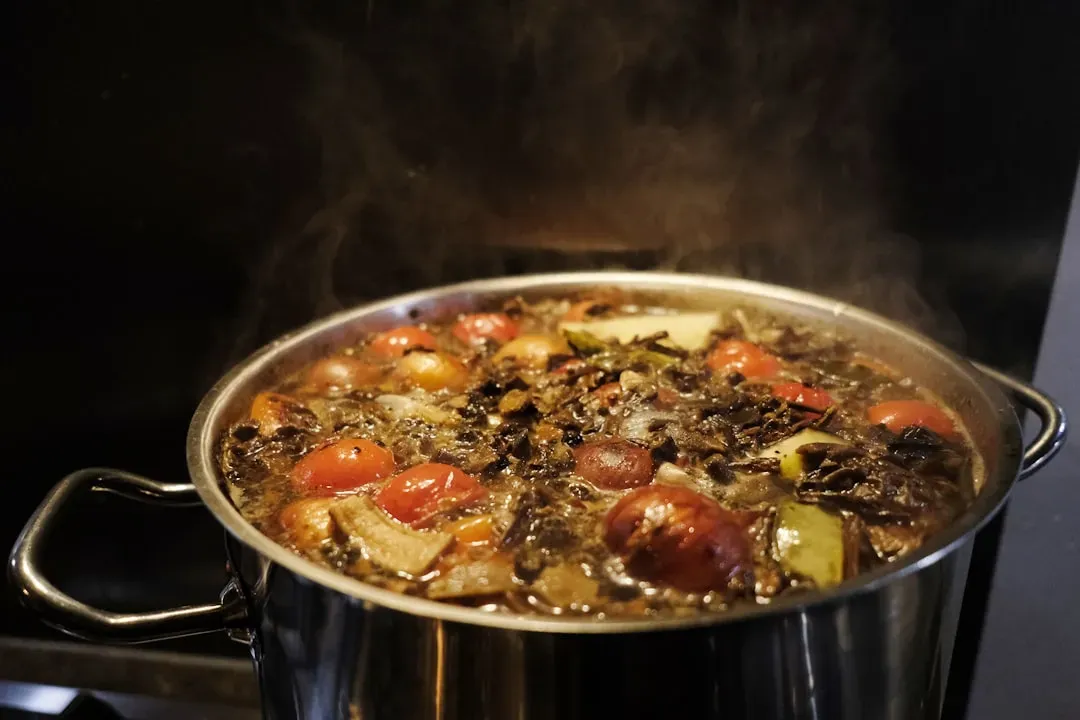
Soup has an advantage that other weeknight meals don’t: it mostly cooks itself once the ingredients hit the pot. A well-built broth, even a simple one made from stock, aromatics, and a splash of soy or fish sauce, develops real depth in twenty to thirty minutes of gentle simmering. Adding grains like rice or noodles directly into the pot lets them absorb flavor as they cook, which saves a step and boosts taste at the same time.
The key to a soup that tastes like it simmered all weekend is not rushing the aromatics. Letting onions, garlic, and ginger cook slowly in oil before adding liquid builds a flavor foundation that shortcuts can’t replace. From there, the soup mostly takes care of itself while you set the table or pour a drink.
Weeknight Roast Chicken Shortcuts
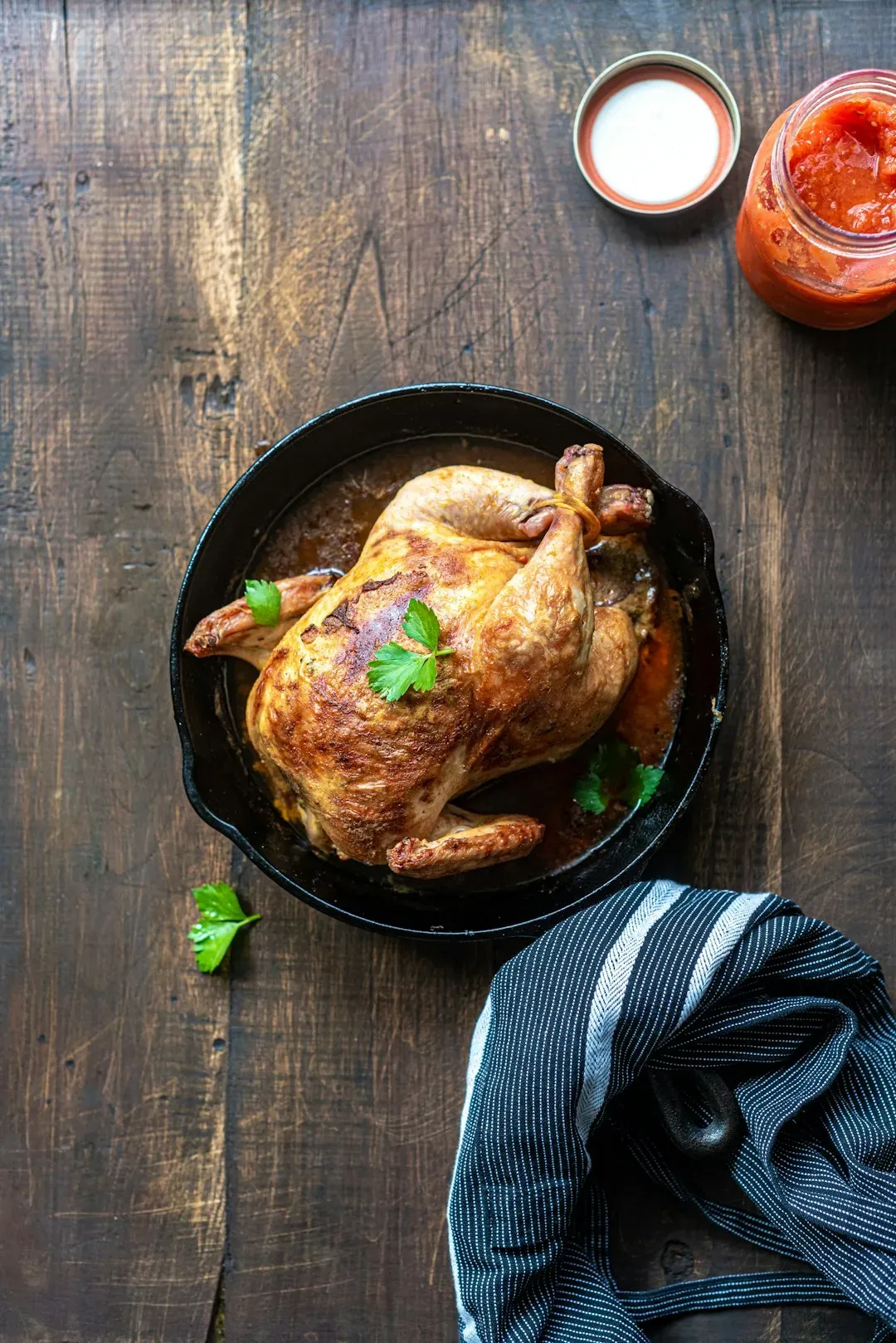
A whole roast chicken feels like the ultimate weekend project, but spatchcocking, or cutting the bird flat before roasting, cuts the cooking time nearly in half. Flattening the chicken exposes more skin to direct heat, which means faster, crispier results without sacrificing juiciness. A simple dry brine of salt applied thirty minutes ahead, or even the night before, does more for flavor than any marinade rushed together at the last minute.
Roasting at a high temperature, generally around four hundred twenty five to four fifty degrees, gives that golden, weekend-worthy skin in about forty minutes instead of over an hour. Letting the chicken rest for ten minutes before carving keeps the juices where they belong instead of spilling onto the cutting board. It’s a small trick that makes a weeknight chicken taste like it came out of someone’s Sunday oven.
Pasta Dishes With Slow-Cooked Depth
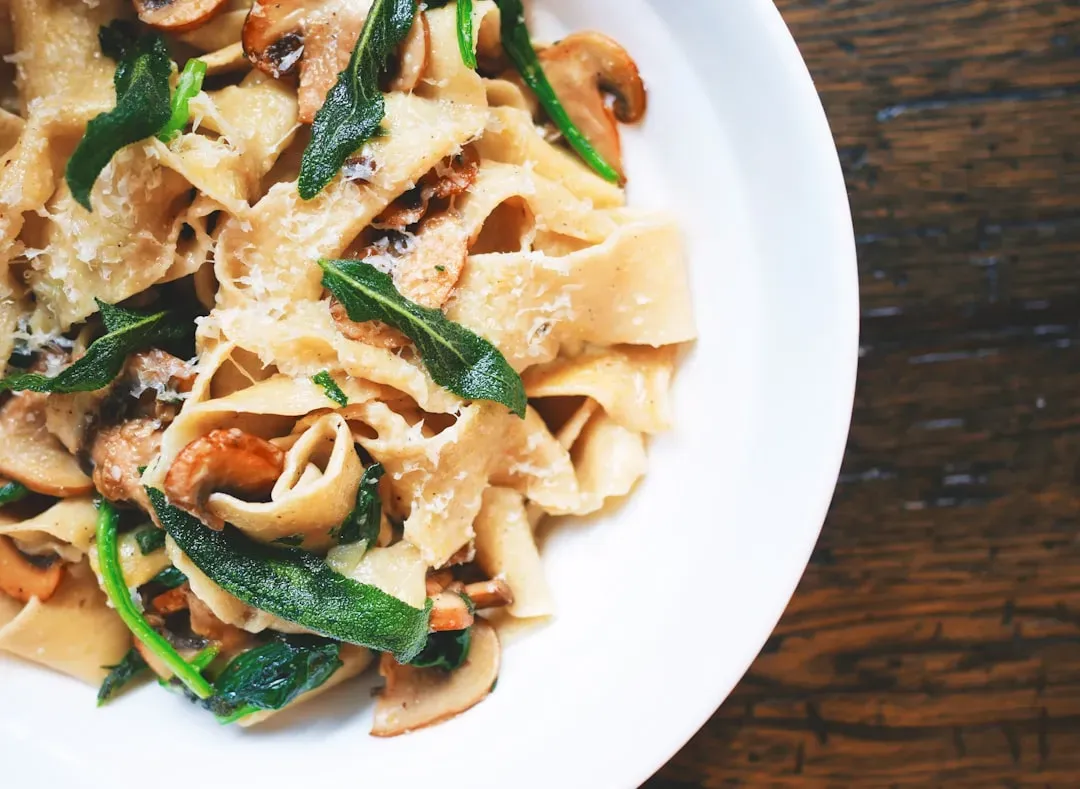
Pasta is often treated as the fastest meal in the rotation, but a few extra minutes can push it into weekend territory. Finishing pasta directly in its sauce, rather than draining and tossing separately, lets the starchy cooking water thicken the sauce and help it cling to every noodle. This technique, borrowed from traditional Italian cooking, is one of the simplest ways to make a fifteen minute dinner taste more deliberate.
Building the sauce from aromatics browned in olive oil, rather than jarred sauce straight from the fridge, adds a layer of flavor that’s easy to notice even if it’s hard to name. A handful of Parmesan stirred in at the end, along with a splash of the pasta water, creates a silky texture that mimics a sauce simmered for much longer. The whole dish comes together in one pot, which keeps the effort low and the payoff high.
Braised Vegetables That Feel Indulgent
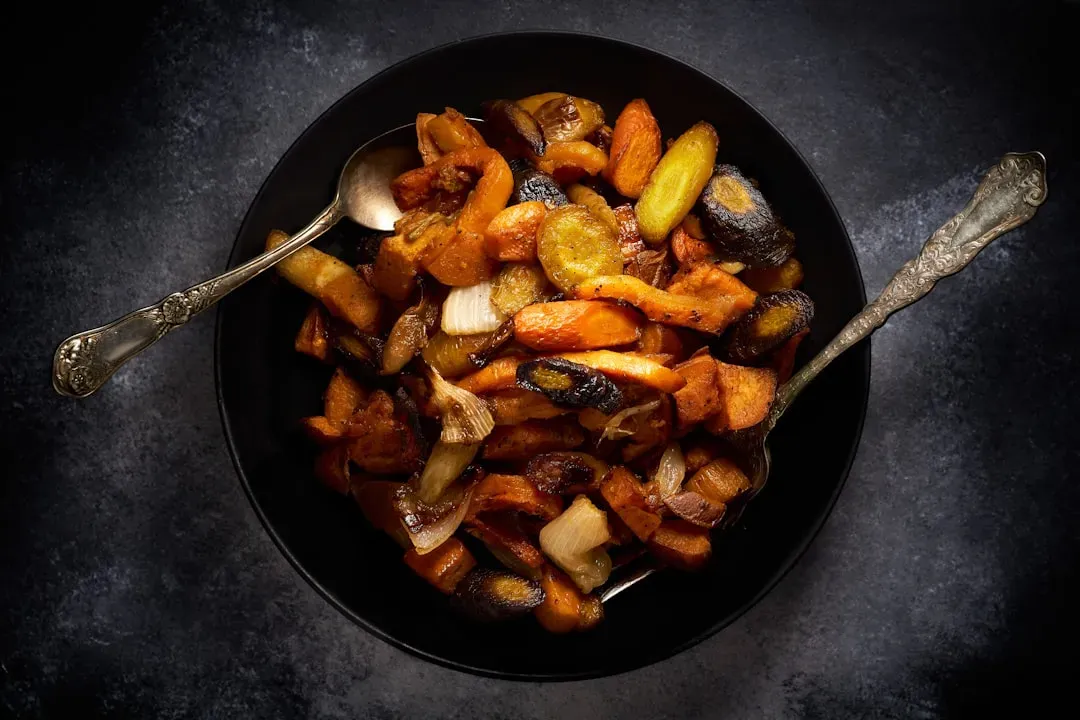
Vegetables often get treated as an afterthought on busy nights, but braising them turns a side dish into something that feels like part of the main event. Cooking vegetables like fennel, cabbage, or leeks slowly in butter and stock softens their texture and mellows any bitterness, giving them a richness that steaming or boiling never achieves. This method takes about twenty minutes on the stovetop, which is barely longer than most quick sides.
A finishing splash of vinegar or lemon juice brightens the dish and keeps the richness from feeling heavy. Fresh herbs added at the very end, rather than at the start, preserve their color and aroma, giving the dish a fresher finish. The result tastes far more composed than the short cooking time suggests.
Breakfast-for-Dinner That Feels Like a Treat
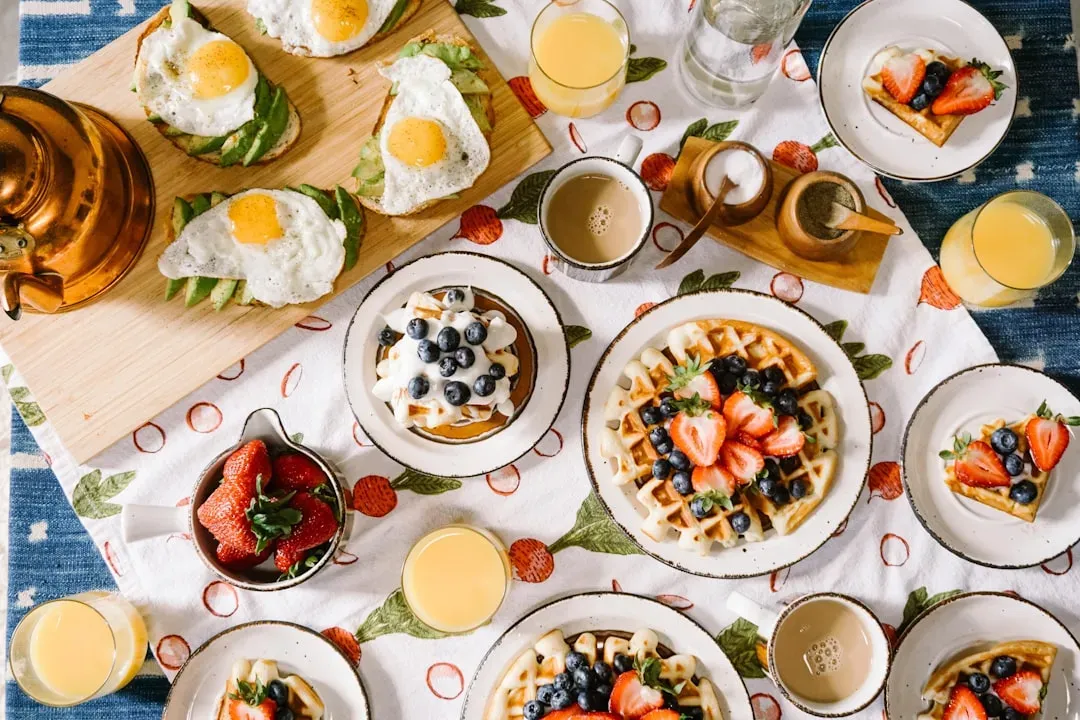
Breakfast dishes carry a certain nostalgia that makes them feel indulgent no matter what time of day they’re served. A well-made omelet, folded around melted cheese and sautéed vegetables, takes less than ten minutes but delivers the kind of satisfaction usually reserved for slow weekend mornings. Pancakes or waffles, especially when made from a simple homemade batter rather than a mix, add a sense of occasion to an otherwise ordinary evening.
Crisping bacon or breakfast sausage in the oven rather than a skillet frees up stovetop space and produces a more even, restaurant-style crunch. A side of roasted potatoes, started earlier and finished while the eggs cook, rounds out the plate without adding much extra effort. Serving it all together turns a rushed dinner into something that feels like a small celebration.
Batch-Cooking Tricks That Buy You Weekend Time
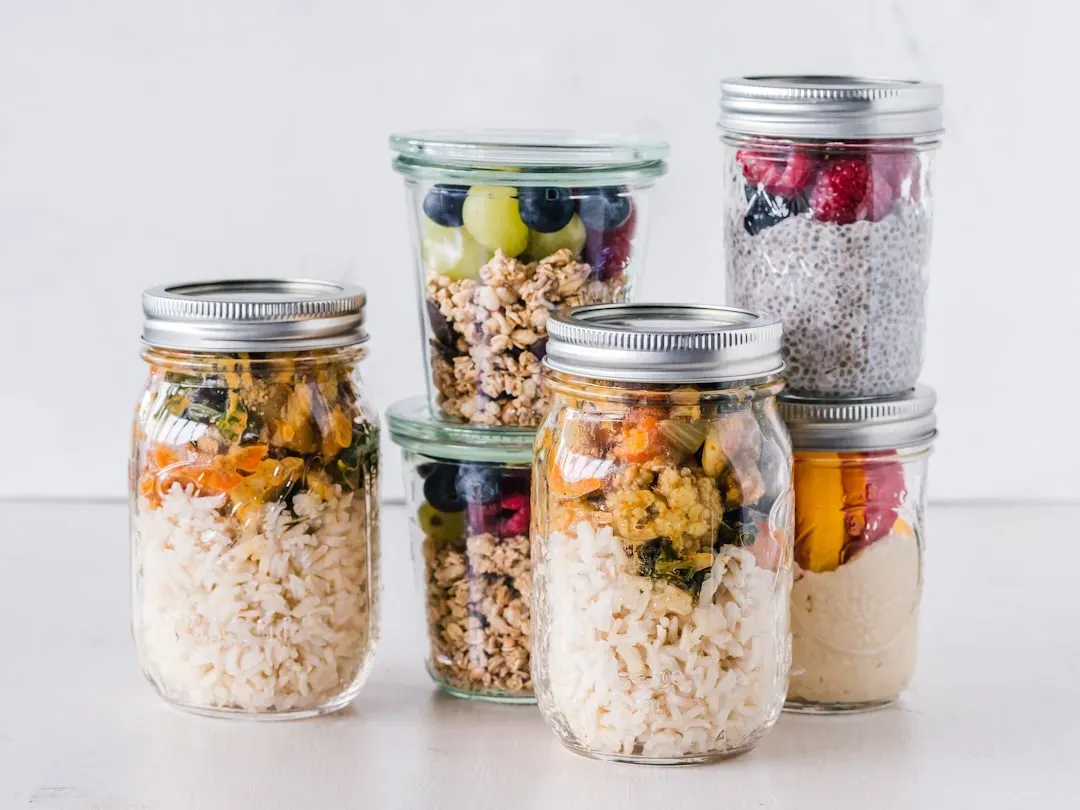
Some of the best weekday meals actually start on the weekend, just in smaller, smarter ways than a full meal-prep marathon. Making a big batch of caramelized onions, roasted garlic, or a simple tomato sauce ahead of time means weeknight dinners inherit that slow-cooked depth without any extra effort during the week. Freezing portions of stock or braising liquid gives future meals a flavor head start that would otherwise take hours to build.
Even something as simple as chopping vegetables or marinating protein a day in advance shifts the heavy lifting to a moment when there’s more time to spare. This kind of light prep doesn’t require a dedicated cooking day, just a bit of foresight during an already normal task. The payoff shows up later in the week, when dinner comes together with the ease of a shortcut but the taste of something slow.