
Something quietly remarkable is happening inside America’s restaurants right now. Dishes that once sold themselves, items that defined what “eating out” looked like for an entire generation, are losing their grip on the modern diner. Menus are changing. Orders are shifting.
What dazzles diners one year can quietly fade into irrelevance the next, and chefs across the country are watching it happen in real time. According to a Menu Matters survey of consumers, the overriding need for 2025 was simply “just give me something new.” That single demand is quietly dismantling some of the most recognizable plates in the business. Let’s dive in.
1. The Plant-Based Burger – A Fall From Grace
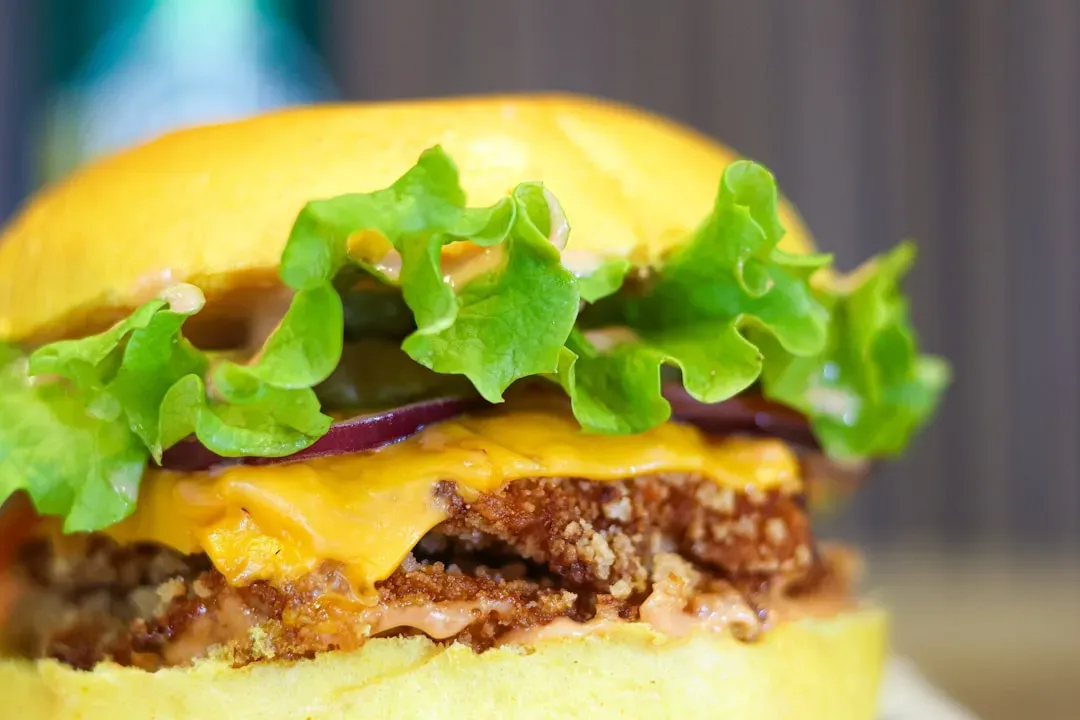
It felt, for a while, like the plant-based burger was going to take over the world. Every major chain rushed one onto their menu. Chefs were excited. Diners were curious. The buzz was real.
According to SPINS data analyzed by the Good Food Institute, US retail sales of most plant-based categories were down in 2024 against a backdrop of rising sales for conventional meat. Sales of plant-based meat and seafood specifically dropped 7% to $1.2 billion in 2024, with unit sales falling an even steeper 11%. That’s not a small dip. That’s a category in retreat.
The decline wasn’t a blip. Restaurants that once prominently featured plant-based patties are quietly pulling them off menus or relegating them to obscure corners of the menu board. Diners, it turns out, wanted something that actually tasted like the real thing, and too often, it didn’t.
2. The Multi-Course Tasting Menu – Too Expensive, Too Long
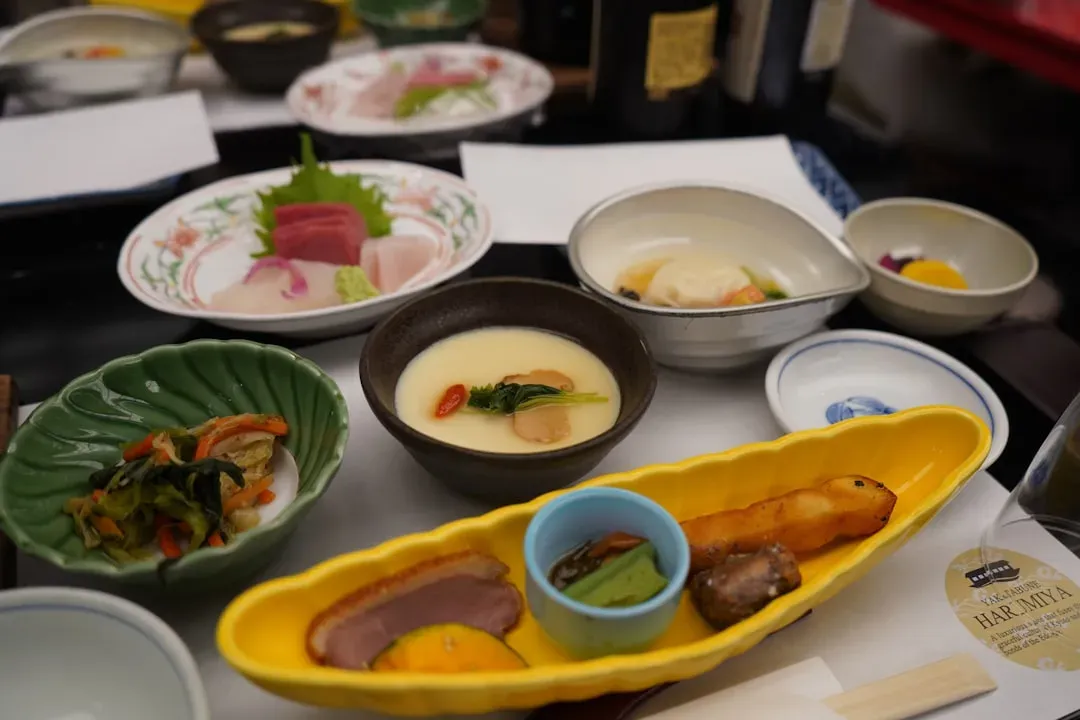
Tasting menus were once the ultimate flex in restaurant dining. Twelve courses. Sixteen courses. Sometimes more. A parade of tiny plates that lasted three hours and cost a small fortune. Honestly, it felt aspirational. Now it just feels exhausting.
According to the US Consumer Price Index, “food away from home” rose about 6 percent from January 2024 to September 2025, driven by rising labor, rent, and ingredient costs. Meanwhile, “food at home” rose only around 3 percent over the same period. When eating out already costs more, committing to a $300-per-person tasting experience becomes a very hard sell.
As one chef noted, “Recession brain has reduced the general public’s tolerance for the unbridled creativity of a tasting menu if it means they may not come away completely full by the end of a meal.” That says it all, doesn’t it? Even the most passionate foodies are now asking whether eighteen tiny courses actually fill them up.
3. Avocado Toast – The Dish That Outlived Its Welcome
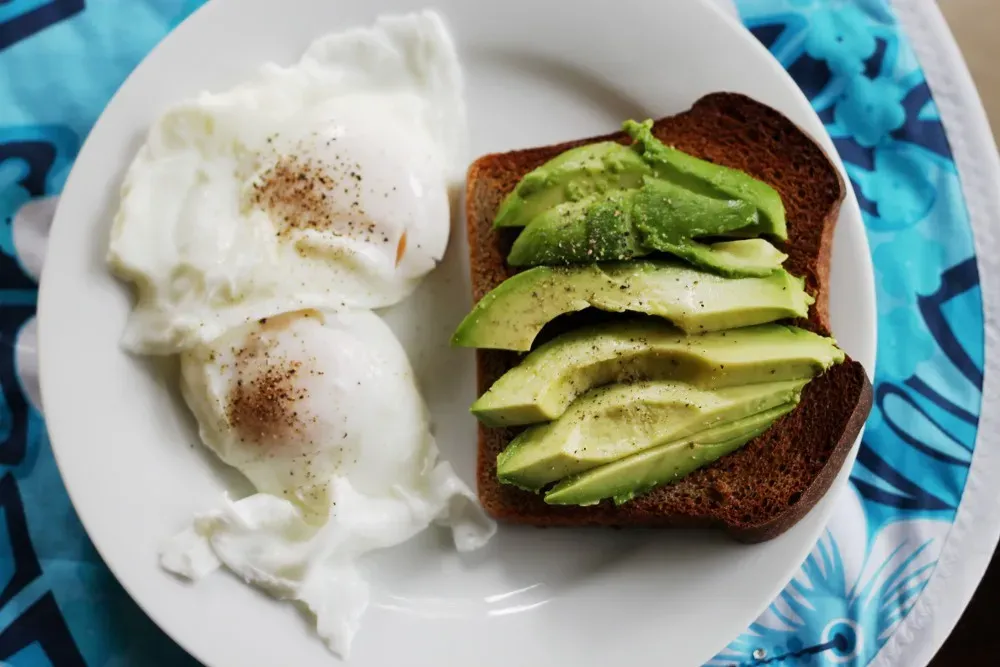
Avocado toast had one of the most remarkable runs in modern food culture. It went from health-café curiosity to restaurant staple to cultural punchline in under a decade. Now, even chefs are questioning its staying power. That arc is almost poetic.
Its popularity is also part of a wider trend being challenged, as restaurants and diners seek out alternative toast toppings to the environmentally problematic avocado, with chefs showing that other ingredients needn’t be boring. The environmental concern is real, and younger diners in particular are paying attention to it.
Diner frustration is also growing, with some openly complaining about paying high prices for what amounts to assembling the dish themselves, with no indication on the menu that it was “deconstructed.” I think that particular complaint resonates deeply. Paying $18 to smear your own avocado on toast is a hard thing to defend in 2026.
4. The Kale Salad – A Symbol of Menu Fatigue
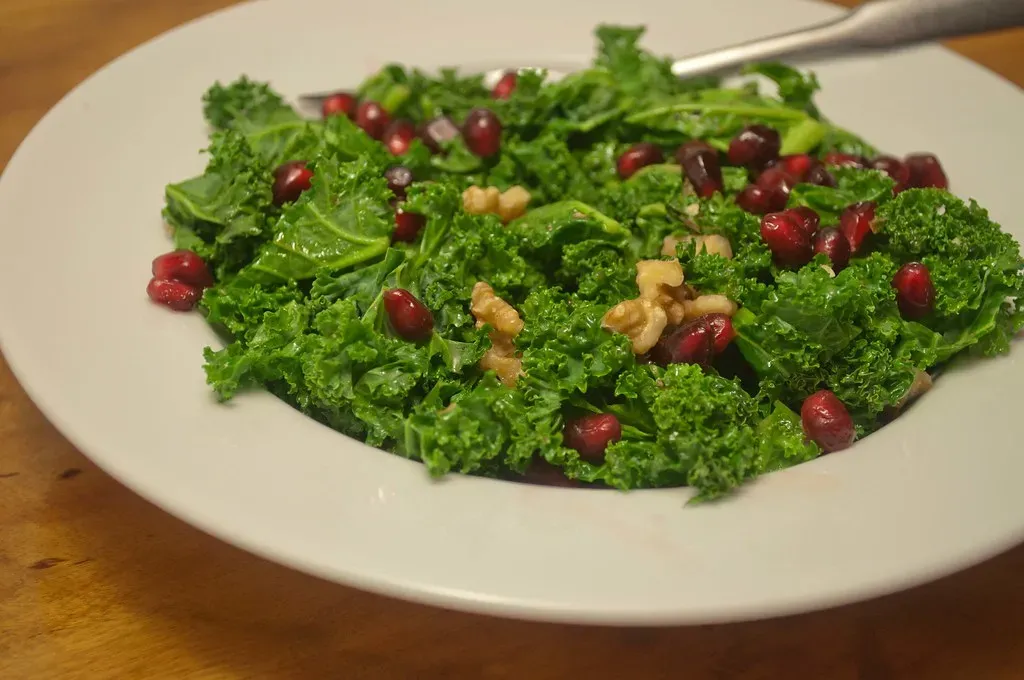
There was a time when kale was everywhere. On the cover of food magazines. In smoothies. On Instagram. As a main, a side, a garnish, a cure for everything apparently wrong with your diet. Chefs ran with it. Consumers loved it. Then, somewhere along the way, everyone got tired of it.
For years, kale was the poster vegetable of the health-conscious restaurant movement. It showed up in salads, smoothies, sides, and grain bowls with relentless enthusiasm. Now it signals menu fatigue more than culinary creativity. Ouch. That’s a brutal but fair assessment.
According to insight gathered by booking platform Resy, today’s diners have “discerning palates” and look for “quality, transparency and uniqueness” in their meals. A predictable kale salad dressed in lemon vinaigrette checks none of those boxes anymore. Consumers have started seeking different and unique dining experiences. The kale salad, stripped of its novelty, simply no longer delivers that surprise.
5. Luxury-Stacked Dishes – Caviar on Everything Gets Old
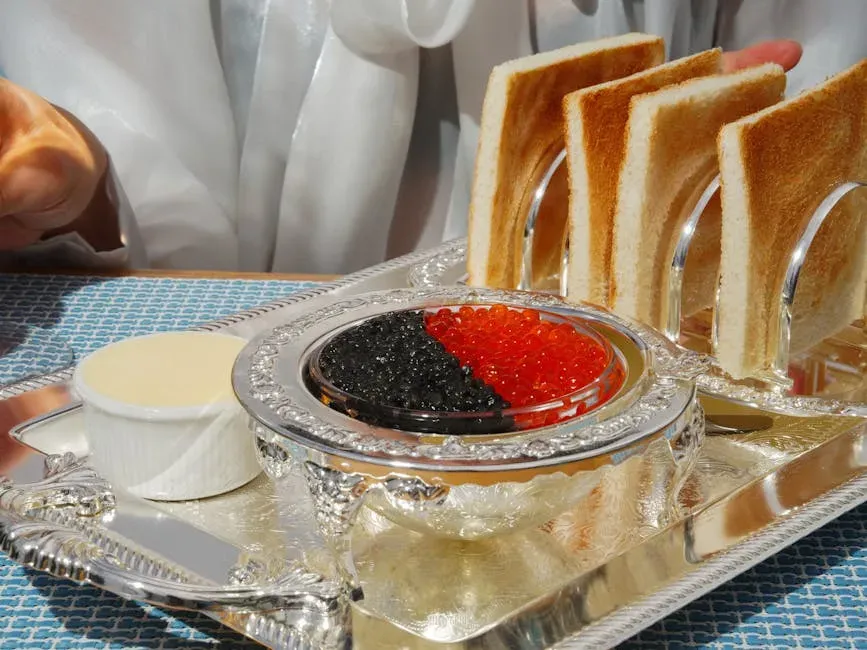
Here’s the thing about stacking wagyu beef with truffle shavings, a slick of uni, and a spoonful of caviar on a single plate. When one restaurant does it, it’s impressive. When every restaurant does it, it’s just noise. And diners have noticed.
Stacking multiple luxury ingredients onto a single dish became a kind of arms race in restaurant dining. Wagyu beef topped with uni, finished with caviar and truffle shavings. The more expensive the components, the more impressive the dish seemed. Seemed, being the operative word here.
Executive chef David Garcia noted that caviar can now be found on pretty much anything, “from a lobster roll to a fried chicken sandwich,” which has made it “more of a mainstream, household staple rather than this luxury, special item.” The economics are shifting too. Spending growth in both full-service and limited-service restaurants has declined at roughly twice the rate of transaction growth in recent years, indicating that diners are still showing up but trading down when they do. Shelling out sixty dollars for a dish stacked with luxury garnishes feels harder to justify when budgets are tighter and expectations for genuine flavor have never been higher.
6. Grain Bowls – The “Health Halo” Wears Off
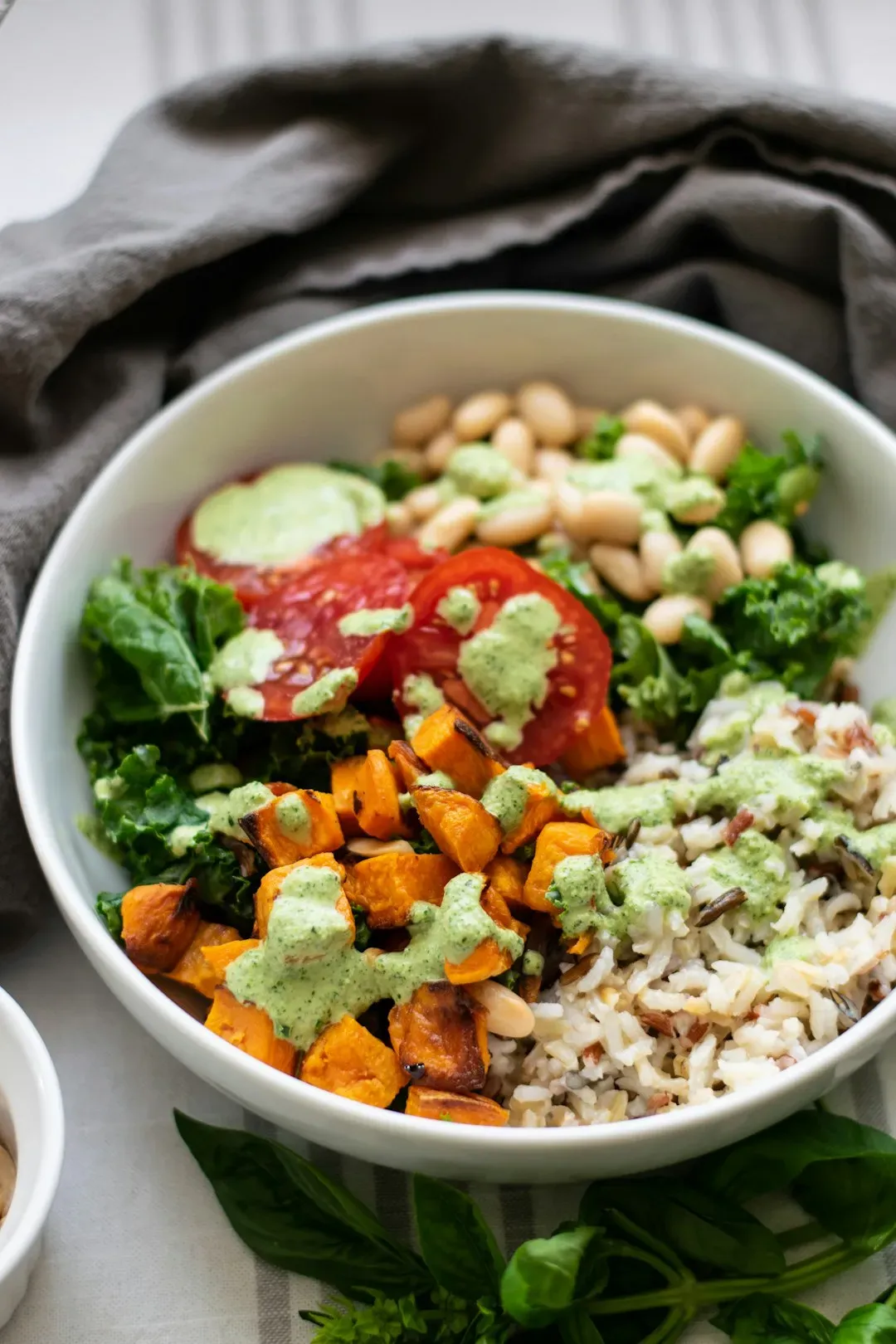
Grain bowls had their moment. Quinoa, farro, some roasted vegetables, a protein, a drizzle of tahini dressing. For a while, that formula felt fresh and virtuous in equal measure. It was the perfect intersection of health, speed, and Instagram-worthiness. Sound familiar? It should. That’s also the formula for a trend that burns out fast.
Premium fast-casual brands like Chipotle, Sweetgreen, and CAVA are struggling with softer demand, consumer “slop bowl” fatigue, and competition from grocers’ grab-and-go offerings. “Slop bowl fatigue” is an extraordinary phrase to appear in a financial analysis, and yet here we are.
Diners are looking for menu items that are hard to make at home, as well as higher quality proteins and global ingredients they can’t purchase in a grocery store. A grain bowl, let’s be real, is something most people can throw together at home for a fraction of the restaurant price. That value question is becoming impossible for grain bowl-focused restaurants to ignore.
7. Deconstructed Dishes – A Concept That Wore Out Its Clever
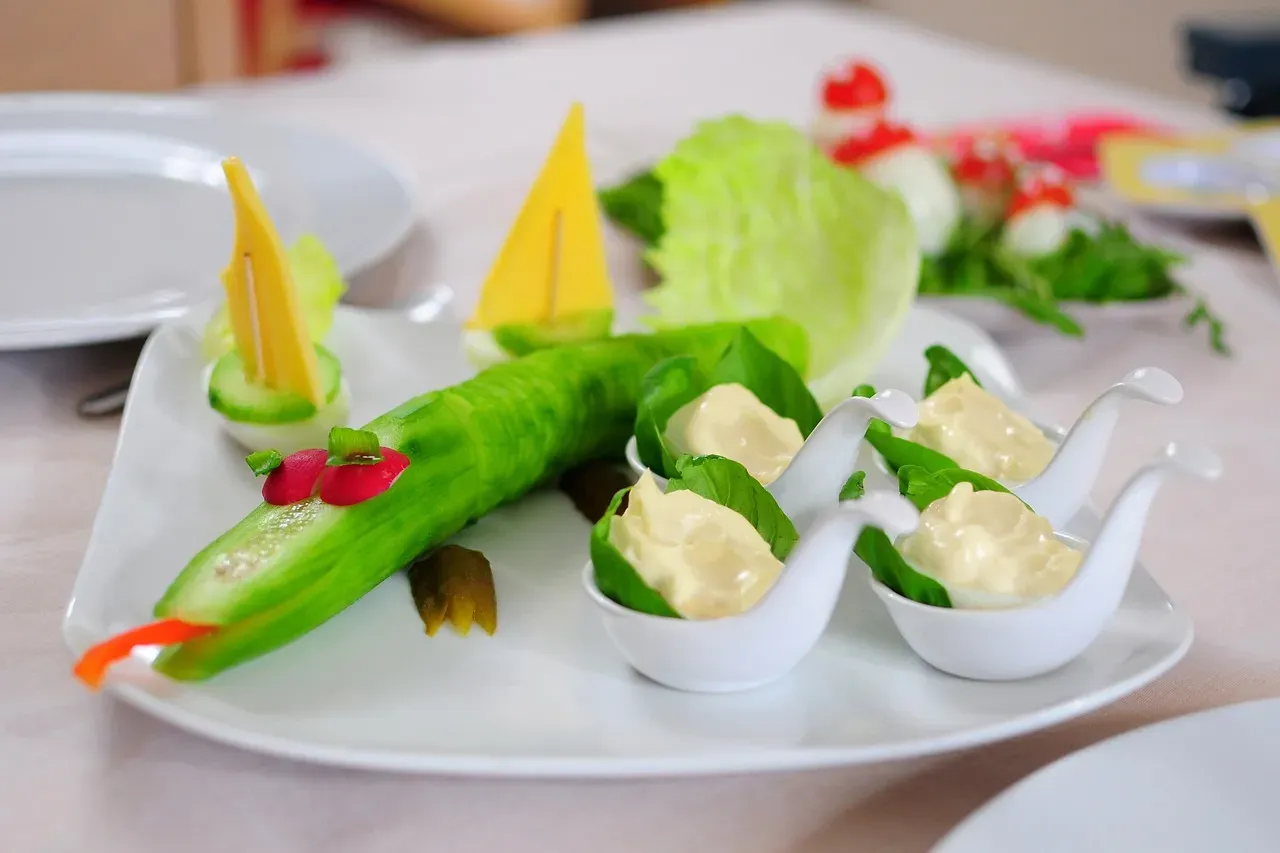
Deconstruction was supposed to be a sign of culinary sophistication. Take a classic dish, pull it apart into its individual components, reassemble it artfully on a plate, and charge significantly more for the privilege. Chefs loved the concept. Diners were intrigued. Then the joke started wearing thin.
Diner frustration grew, with some openly complaining about paying high prices for what amounts to assembling the dish themselves, with no indication on the menu that it was “deconstructed.” Think about it from the diner’s perspective. You order a recognizable dish, and a plate of separate components arrives. You’ve essentially been handed assembly instructions along with a bill for the experience.
In Menu Matters’ survey of consumers, the one overriding need for 2025 was “just give me something new.” Nostalgia and comfort were so 2024; nearly four in ten consumers were hopeful and optimistic going into the year, and they were looking for more genuine newness on menus. Deconstruction, once edgy, now reads as a gimmick rather than innovation. Diners want a real dish, not a puzzle.
8. The Overloaded Loaded Fries – Instagram Food Meets Diner Regret
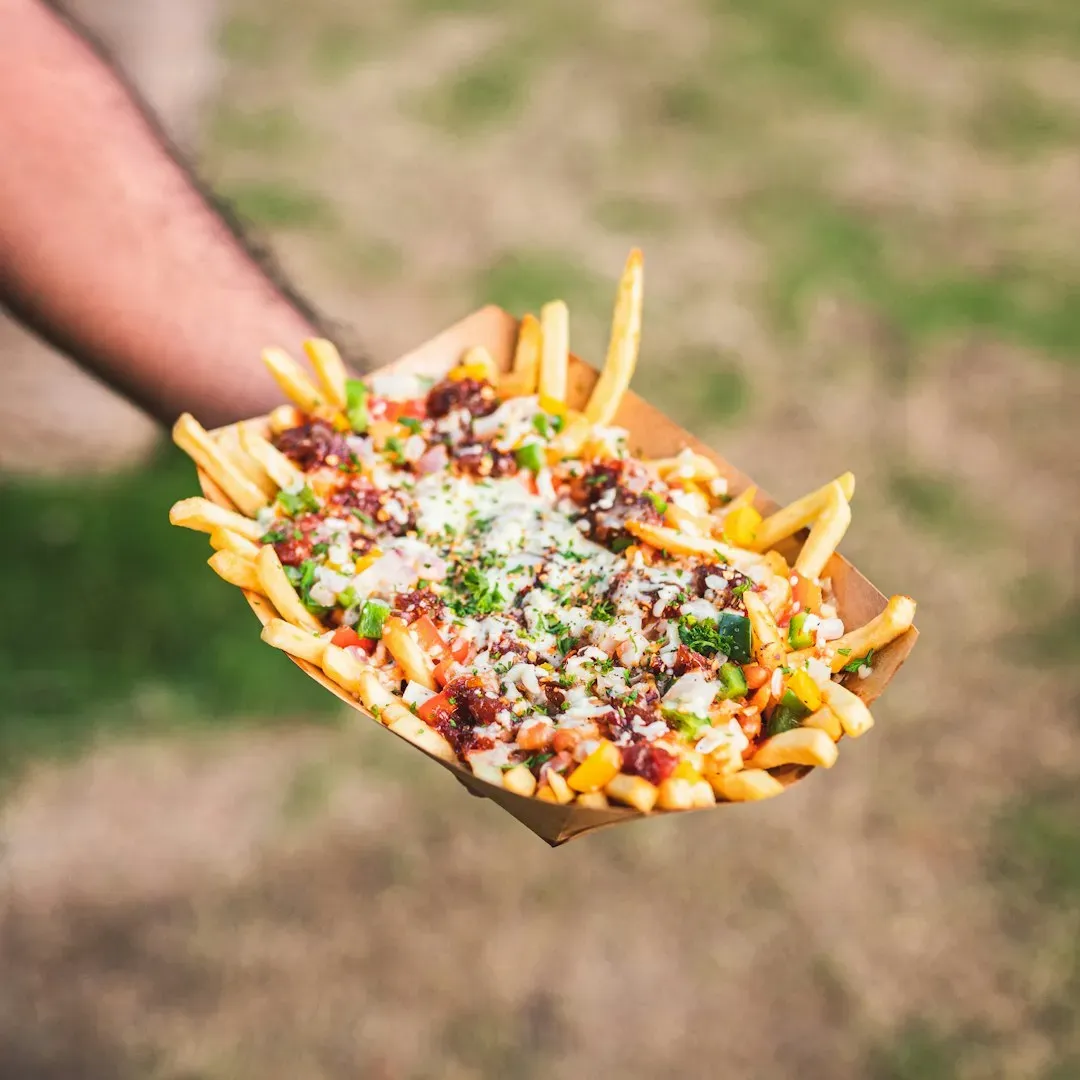
Loaded fries were always a bit chaotic. Cheese sauce, bacon crumbles, jalapeños, sour cream, sometimes a drizzle of truffle oil, occasionally all at once. For a few years, the more extreme the better. Social media demanded spectacle, and restaurants delivered it by the bucketful. Quite literally.
In 2025, menu innovation and limited-time offers played an important role in the strategy of many restaurant brands. Sometimes these ploys succeeded spectacularly. But not always. Several major players added new menu items or tried supplier partnerships that failed, fell through or were met with lackluster consumer reception. The overloaded fry concept falls squarely in that latter category for many operators.
Spending growth in both full-service and limited-service restaurants has declined at roughly twice the rate of transaction growth. This indicates that diners are still showing up to restaurants, but when they do, they’re trading down. When people are watching their spend, a $18 tower of cheese-drenched fries they can barely finish stops being fun and starts looking like a waste. The spectacle has lost its appeal, and simpler, more satisfying sides are quietly taking over.
The Bigger Picture: What This All Means for Restaurants
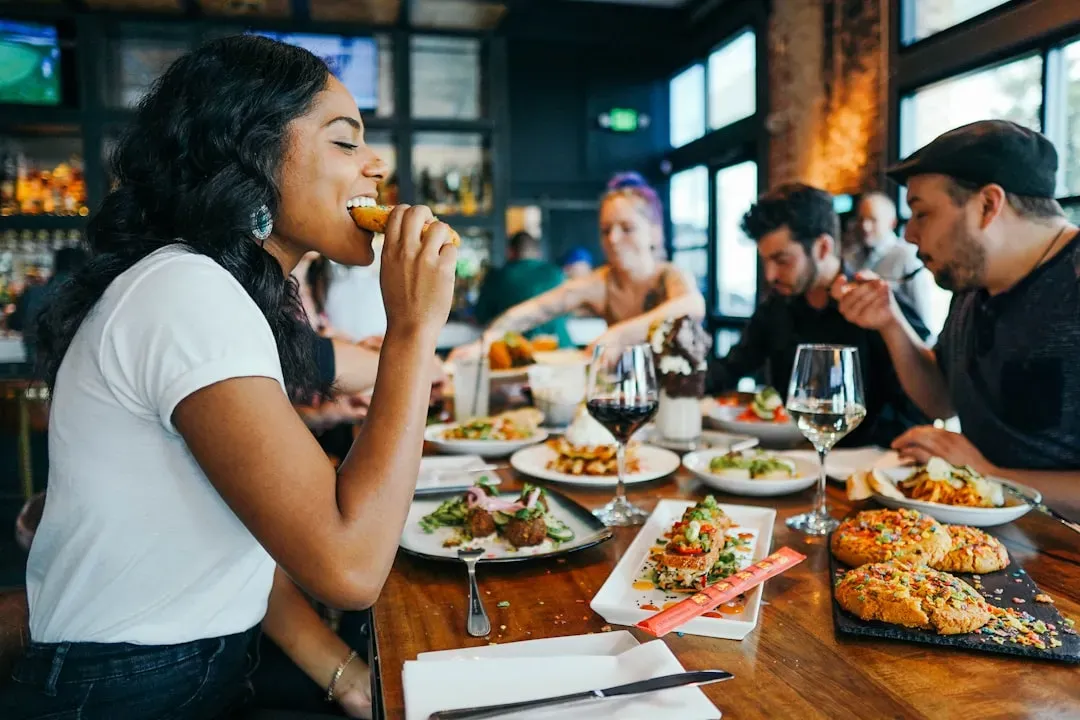
These eight dishes don’t decline in isolation. They tell a larger story about where diners are and what they expect from the places they choose to spend money. Simply put, roughly more than a third of American diners are eating out less frequently than they did a year ago. Among lower-income diners, this share rises to nearly half. That context matters enormously.
Consumers in 2026 are demanding real value in return for the money they spend at restaurants. According to Technomic’s 2025 annual outlook, nearly three-quarters of consumers want more value-focused meals – and that expectation has only become more pronounced. Value, though, doesn’t simply mean cheap. It means worth it. A dish can cost $25 and still feel like a smart choice if it delivers something genuinely memorable.
In Menu Matters’ survey, consumers said they are looking for the food industry to “wake them up, bring them together and show them something unique and even a little mind blowing.” The dishes on this list, for all their past success, simply stopped doing that. They became wallpaper. And in a world where dining out is increasingly a conscious, deliberate choice, wallpaper doesn’t cut it anymore.
What surprises you most on this list? Is there a dish you still order without hesitation, or one you quietly stopped choosing years ago? Tell us in the comments.