
Think you know your hot dogs, apple pie, and mac and cheese? Most Americans grow up with the comfortable assumption that the foods they love are as homegrown as a Fourth of July backyard cookout. Spoiler alert: that’s not always the case. Behind some of the country’s most iconic dishes lie fascinating, sometimes jaw-dropping stories involving poker games, royal picnics, accidental kitchen discoveries, and centuries of forgotten history. Some of these facts might even make you look at your plate a little differently tonight. Let’s dive in.
1. The Hot Dog Is Not American – It’s a German Immigrant in Disguise

Here’s the thing – nearly every American associates the hot dog with baseball, summer barbecues, and Fourth of July celebrations. Although they are seen as a quintessentially American dish, associated with picnics, holiday cookouts, and sporting events, hot dogs are eaten well beyond the boundaries of the United States. The truth is, the sausage has deep European roots that predate American culture entirely.
Two European cities claim to be the birthplace of the sausage: Frankfurt, Germany, whence the byname frankfurter, and Vienna, Austria, whence the byname wiener. Frankfurt holds that it has been making the sausage for more than 500 years. That’s older than the United States itself – by a lot.
German immigrants brought the food to New York in the 1860s, where street vendors sold them as “dachshund sausages,” presumably because of their shape. It is from this that the term hot dog derives, with the implied suggestion that the sausage really was made of dog flesh. Charming, right? The name stuck, and the rest is history.
In 1871, a German immigrant named Charles Feltman opened a popular stand at Coney Island, a beach and amusement park in Brooklyn, New York, forever associating the sausage with fun and leisure. Feltman would later find a competitor in a former employee of his, a Polish immigrant named Nathan Handwerker, who opened his Nathan’s Famous hot dog stand at Coney Island in 1916. Two immigrants. One iconic American food. You can’t make this up.
2. Apple Pie Is Genuinely Not American in Origin

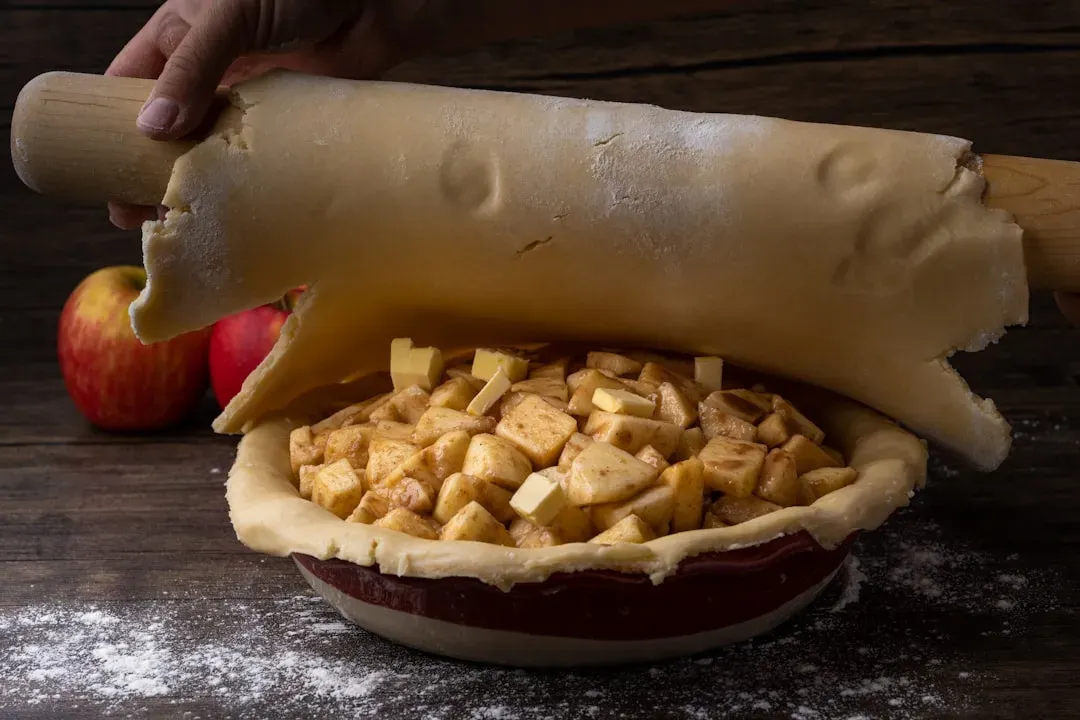
Few phrases feel more patriotic than “as American as apple pie.” Except, honestly, that phrase is built on a myth. Rather than the good old US-of-A, apple pie as we know it first originated in England, where it developed from culinary influences from France, the Netherlands, and even the Ottoman Empire. That’s right. The English deserve the credit here.
Originating in the 14th century in England, apple pie recipes are now a standard part of cuisines in many countries where apples grow. Apple pie is a significant dessert in many countries, including the United Kingdom, Ireland, Sweden, Norway, Australia, Germany, New Zealand, and the United States. It’s practically a global dish.
Apple trees weren’t even native to North America until the Europeans arrived. Only crab apples grew on the continent; shrunken and sour, they were barely used for eating, let alone for pastry. So the apple, the pie tradition, the pastry technique – none of it originated here.
Apple pie didn’t become part of the cultural lexicon until around the 20th century, when such influential factors as advertising, news, and war created a new, misleading narrative that transformed the dish into a nationalist symbol. Marketing, it turns out, can rewrite history. What would you have guessed?
3. Mac and Cheese Was Brought to America by an Enslaved Chef
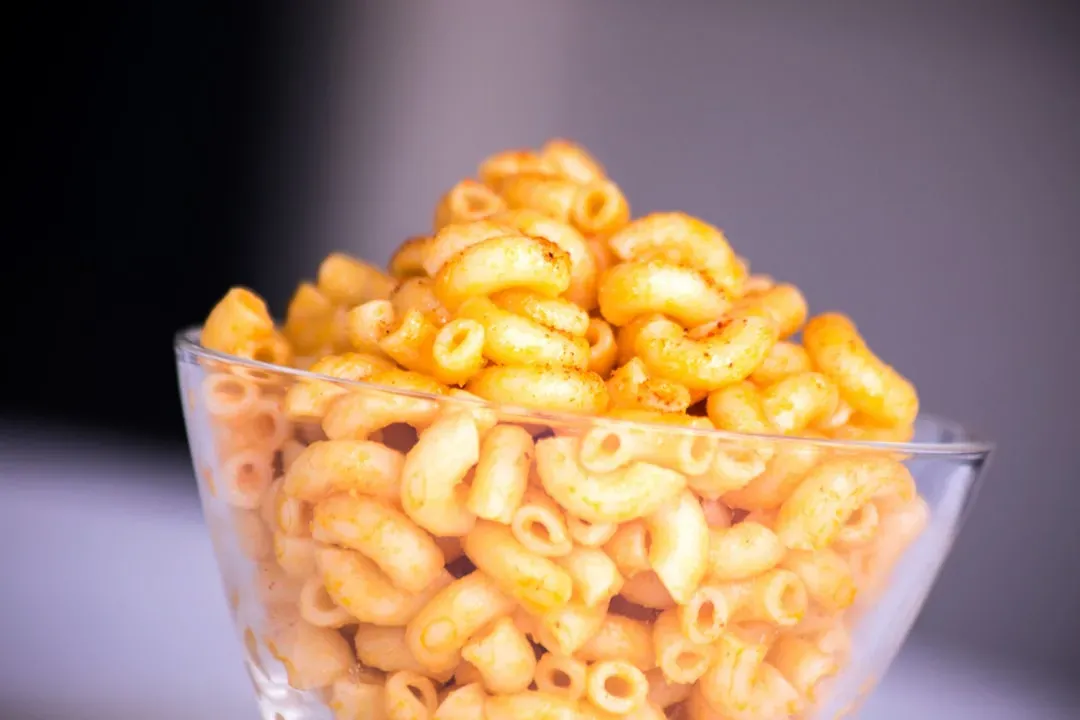
Thomas Jefferson gets a lot of credit for putting macaroni and cheese on American tables. But the real story is far more nuanced and, honestly, far more interesting. While it’s long been written that Jefferson was the man who brought mac and cheese to America, it was his enslaved chef James Hemings who honed and adapted the recipe. Hemings joined Jefferson during his stint in Paris, where he is believed to have taken part in culinary training.
In 1802, Jefferson served “a pie called macaroni” at a state dinner. The dish caused quite a stir among guests who had never seen pasta before. It was Hemings, though, who actually perfected what Americans would eventually come to love.
Kraft introduced their boxed version of the meal in 1937. It was cheap, filling and easy to make and store. During World War II, families could purchase two boxes of mac and cheese and spend only one ration point. That wartime convenience is what turned mac and cheese from a White House novelty into a national obsession.
In 2022, Kraft reported that they still sell over a million boxes of mac and cheese every 24 hours in the United States, proving that the dish continues to warm and satisfy people across the country. From a Parisian kitchen to a billion-dollar boxed product – that’s quite a journey.
4. Buffalo Wings Were a Happy Accident Made From Scraps
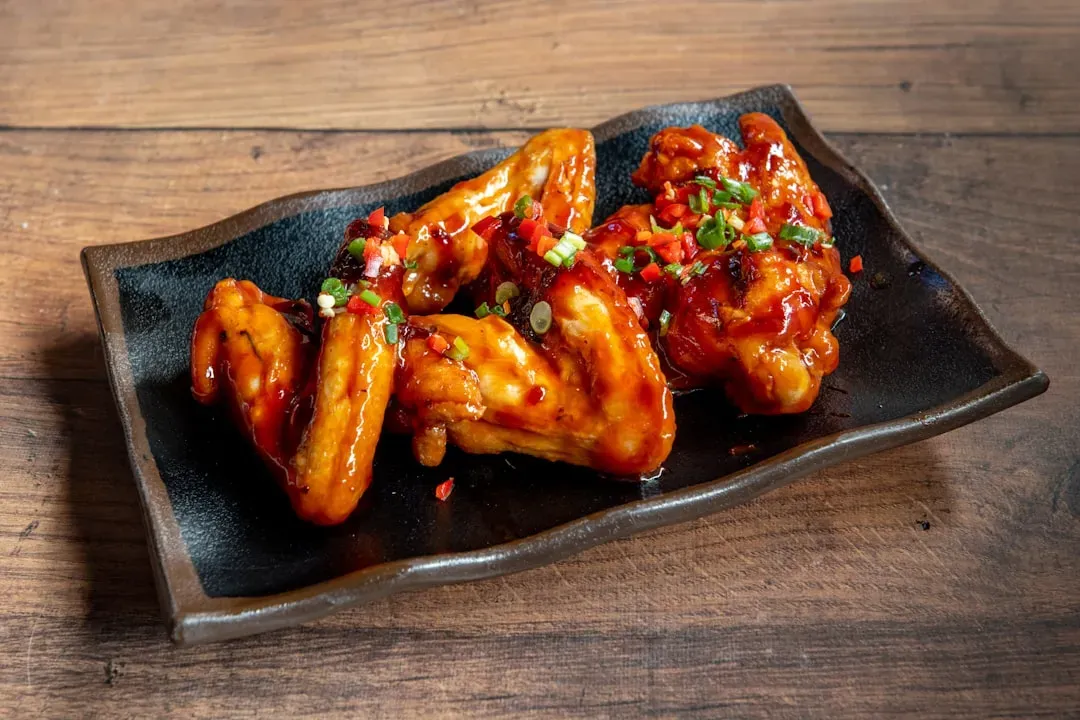
I know it sounds crazy, but one of the most consumed bar foods in America almost never existed. Before 1964, chicken wings were considered scraps. Before 1964, chicken wings were often discarded or used for soup stock. That changed one night at the Anchor Bar in Buffalo, New York. Teressa Bellissimo needed a late-night snack for her son and his friends, so she deep-fried some wings, tossed them in hot sauce and butter, and served them with celery and blue cheese to cut the heat.
Teressa had deep fried the wings and flavored them with a secret sauce. The wings were an instant hit and it didn’t take long for people to flock to the bar to experience this new taste sensation. From that evening on, Buffalo Wings became a regular part of the menu at the Anchor Bar. A late-night hunger fix became a culinary revolution.
Americans now consume an estimated 27 billion wings per year, according to the National Chicken Council. Twenty-seven billion. From soup scraps to a 27-billion-wing industry. That number is almost impossible to wrap your head around.
Still, the story has another layer. Another claim is that John Young, who moved to Buffalo from Stockton, Alabama in 1948 at the age of 13, popularized chicken wings in Buffalo. Beginning in 1961, he began serving uncut chicken wings that were breaded, deep fried, and served in his own special tomato-based Mumbo sauce at his Buffalo restaurant. The full origin of the wing remains deliciously contested.
5. Ketchup Has Ancient Southeast Asian Roots
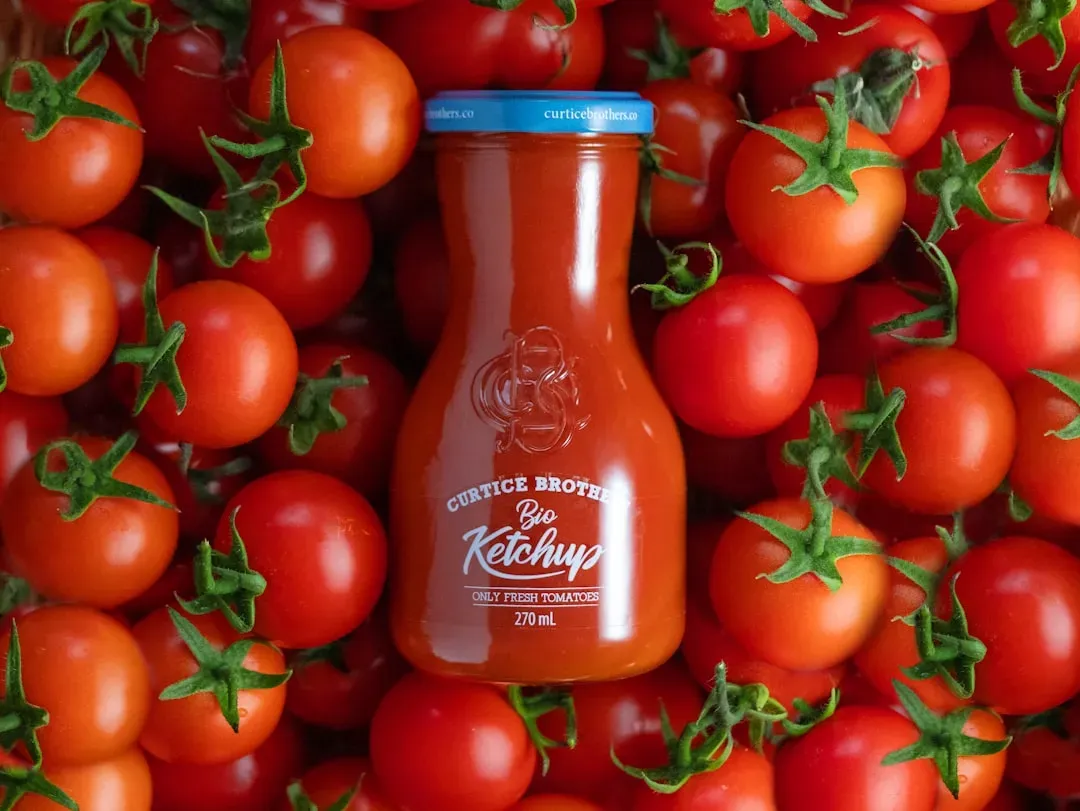
Ketchup on a burger is as American as it gets, right? Well, not quite. In a history pieced together through old recipes, missionary dictionaries and etymological echoes, researchers have traced the condiment’s origins to an unexpected source: Southeast Asian fish sauce. That bottle of Heinz in your refrigerator has a surprisingly long passport.
Old American recipes show that tomato is a relatively new addition to ketchup, only appearing as an ingredient from the early 1800s. According to Stanford University linguistics professor Dan Jurafsky, from about 1750 to 1850 “ketchup” mainly referred to a thin dark sauce made of fermented walnuts or mushrooms. Fermented walnut sauce. Not exactly what you’d slather on a cheeseburger.
British colonists took ketchup recipes to the USA, where they were adapted. It is believed that ketchup is an archaic word for fish sauce in the Hokkien dialect, a fact which is supported by a Hokkien to English dictionary compiled by missionaries in 1873. The word itself traveled across continents before the tomato even entered the picture.
When businessmen Henry J. Heinz and Clarence Noble first teamed up in 1869, their first product was bottled grated horseradish, which Henry grew in his garden. It wasn’t until 1876 that they released the famous sweet and savory tomato condiment we all know and love. What started as horseradish became the ketchup empire of the modern world.
6. Lobster Was Once Considered Poverty Food
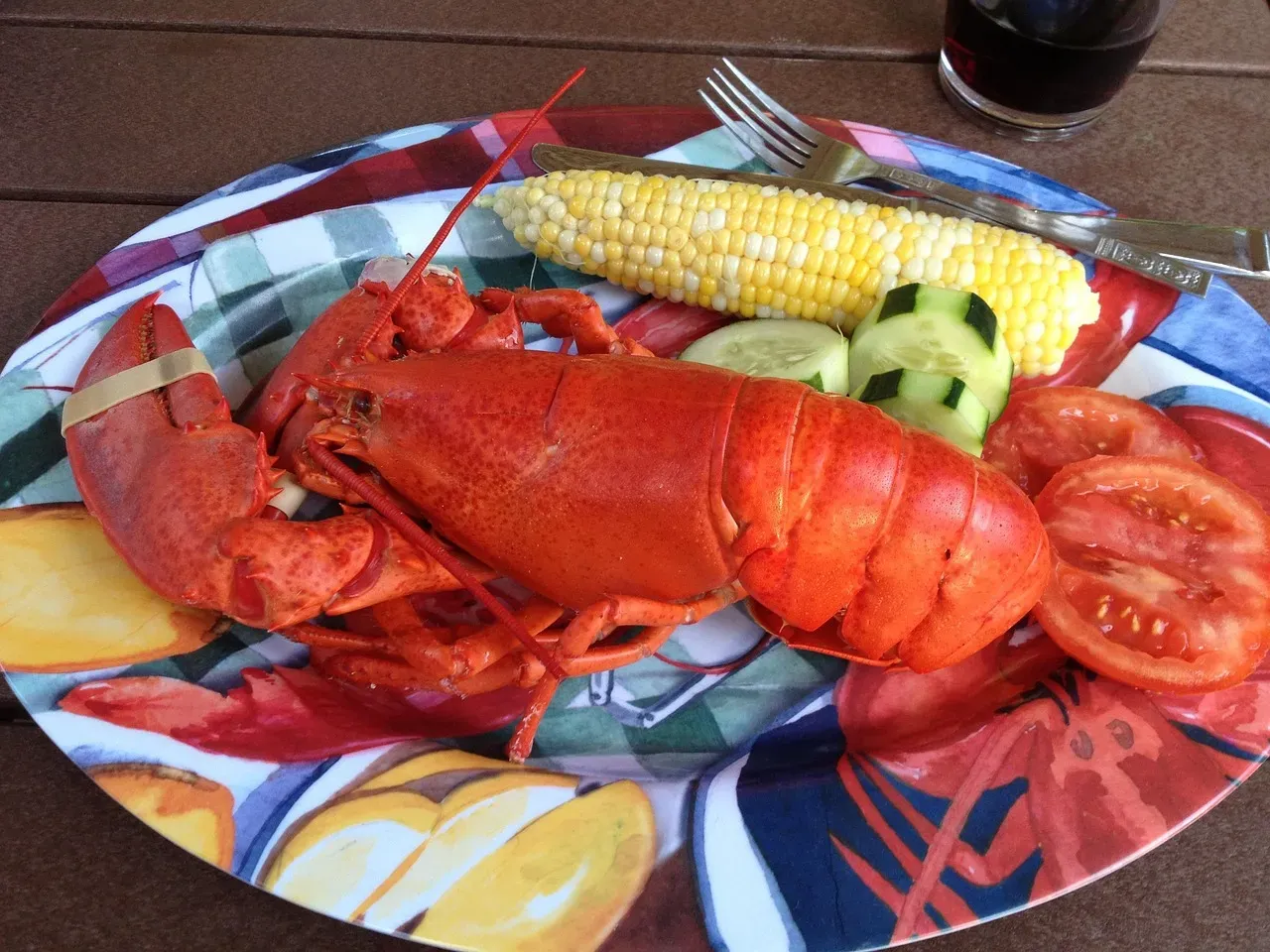
Today, lobster is the symbol of fine dining. A luxury. Something you order on a special anniversary or when someone else is paying. But go back a few centuries, and the story looks completely different. Once upon a time before commercial fishing, lobsters were abundant in America and considered a poor man’s food. Indigenous tribes also used ground lobsters as fertilizer and fishing bait, and steamed them for eating. Later on, 17th-century European settlers baked them into stews and served them to prisoners.
Think about that for a second. Lobster was prison food. It was fed to servants and the destitute because it was so plentiful, it had essentially no value. The idea of paying hundreds of dollars for a lobster dinner would have been completely incomprehensible to a 17th-century American colonist.
It was the rise of railroad travel in the 19th century, combined with the expansion of the canning industry, that transformed lobster’s image. Suddenly, people far inland encountered it as something exotic and desirable. Distance created allure. Price followed demand. The rest, as they say, is culinary legend.
Today, the lobster roll itself has a surprisingly specific origin. The Lobster Roll was actually invented in Milford, Connecticut. In 1929, a restaurant named Perry’s famously served the first hot lobster sandwich. Unlike the cold salad versions that came later, the original Connecticut style puts the focus purely on the meat, served warm and drenched in butter.
7. The Reuben Sandwich Was Born in a Poker Game in Nebraska
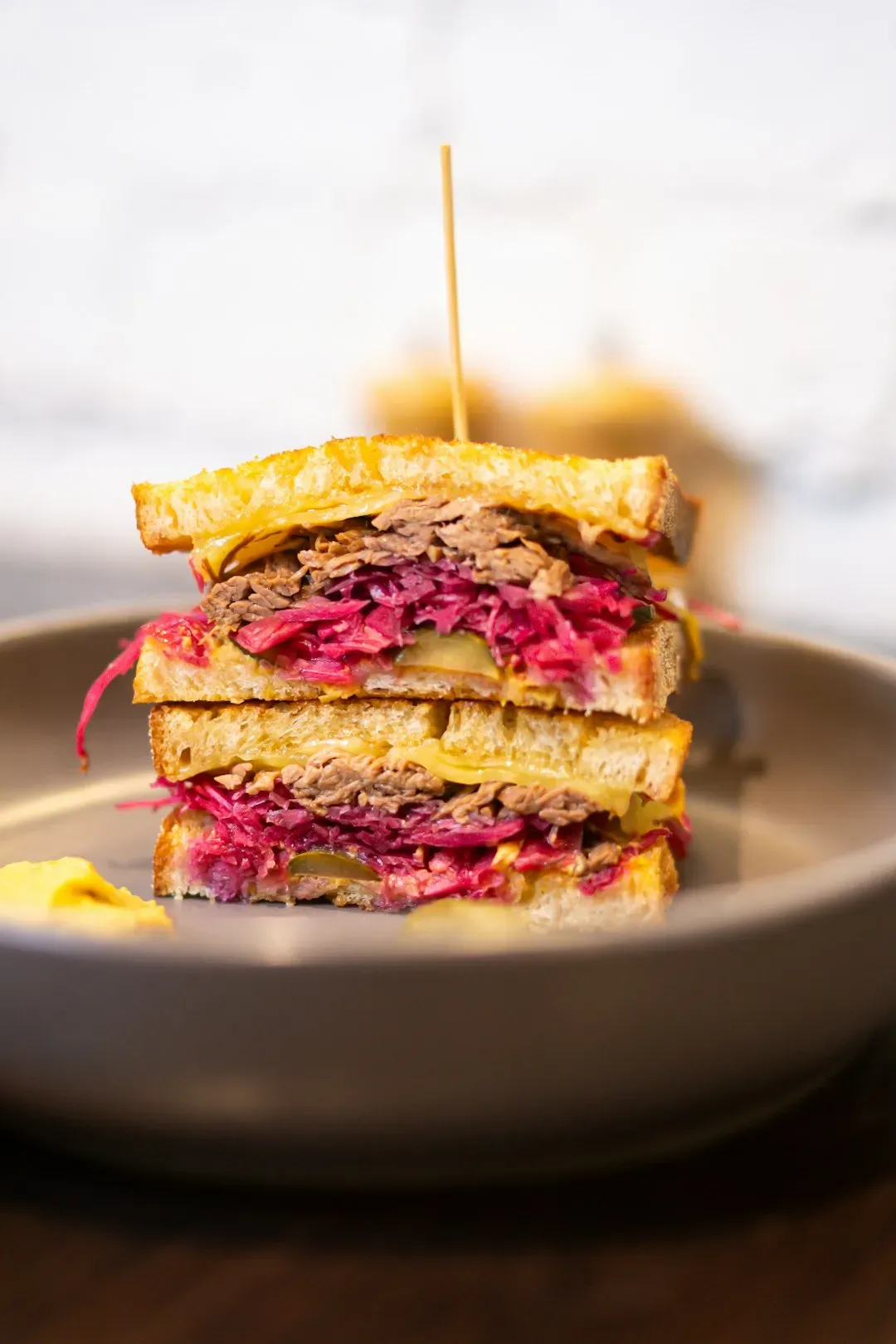
New York delis get all the glory when it comes to sandwiches. But the iconic Reuben? Nebraska has a very strong claim on that one. In the 1920s, one Reuben Kulakofsky was enjoying a poker game at the Blackstone Hotel when the players became hungry. When he requested a snack be served, the hotel chef delivered a novel sandwich that became an instant hit. The sandwich was so popular, a waitress of the hotel entered the recipe in the National Restaurant Association’s National Sandwich Idea Contest in 1956.
Not surprisingly, it won, cementing its legacy as a truly legendary sandwich. A late-night poker snack won a national contest. That might be the most American origin story in this entire list.
If you happen to dine at an old-school Jewish delicatessen, chances are you might just order a classic Reuben sandwich off the menu. This amalgamation of corned beef, Swiss cheese, sauerkraut, and thousand island dressing pressed between two slices of rye bread is as iconic as an American sandwich can be. Yet, its origins may surprise some, as it was most likely born in the heart of the Midwest, rather than at an East Coast delicatessen.
March 14th is even celebrated as “Reuben Sandwich Day” in Omaha. Nebraska takes its sandwich legacy seriously, and honestly, it deserves the recognition. The next time you bite into one, raise a metaphorical toast to Omaha.
8. Graham Crackers Were Invented to Suppress Human Desire

This is probably the strangest origin story on this list. Graham crackers – the same ones you use to make s’mores and cheesecake crusts – were not designed to be a snack. Not even close. Graham crackers were invented for a very different purpose. Sylvester Graham, a puritanical 19th-century minister, designed the plain, grain-based crackers to suppress passion in people, as he believed flavourful food was responsible for stimulating ungodly feelings.
Graham argued that abstaining from alcohol, meat, and refined white bread (in favor of Graham bread, made from unbolted whole wheat flour) would improve not only one’s physical health, but also moral health. In other words, eat bland food, live a virtuous life. It’s a logic that exactly zero modern nutritionists would endorse.
The irony is almost poetic. Graham crackers, designed to make people feel less excitement and pleasure, ended up becoming the foundation of one of the most beloved sweet treats in American campfire culture – the s’more. The official s’mores recipe came from the Girl Scouts cookbook “Tramping and Trailing with the Girl Scouts” in 1927.
The most inspiring instruction in the book was to toast two marshmallows over the coals to a crisp gooey state and then put them inside a Graham cracker and chocolate bar sandwich. Originally called “Some More” because you normally want more, over the years the name was shortened to s’mores. Sylvester Graham would not be pleased.
9. Jell-O’s Rise Was Powered by the Meatpacking Industry

Jell-O is one of those peculiar American foods that barely makes sense when you think about it too hard. A fruit-flavored, wobbly dessert that became a national institution. Jell-O’s pretty weird if you think about it. This fruit-flavored meat byproduct that somehow turns gelatin into a dessert. The reason that Jell-O was even possible was that the meatpacking industry grew dramatically in this period, generating a lot of byproducts from slaughter, like gelatin.
The consumption question was aided by this moment in American history when industrialization, advertising, consumerism, home economics, and new expectations around women’s domestic duties came together to develop a new market for the brightly-colored jiggly dessert. In other words, Jell-O wasn’t just food – it was a product of its entire era.
It’s hard to say for sure, but Jell-O’s transformation from an industrial slaughterhouse byproduct into a cheerful American dessert is one of the most remarkable rebranding stories in food history. Think of it like turning a factory exhaust pipe into a perfume bottle. That took serious marketing genius.
The product was originally patented in 1897 by Pearle Wait in Le Roy, New York, before being sold and mass-marketed by the Genesee Pure Food Company. By the early 20th century, it had become deeply woven into American domestic culture – proof that the right advertising can make almost anything appealing.
10. The Waldorf Salad Was Created for a Charity Ball – Without Walnuts

The Waldorf salad sounds like it has always been an upscale American staple. It has, in a sense – but its origins are more specific than most people realize, and its original recipe looks very different from what you’d find today. The hotel’s dining room was managed by maître d’hôtel Oscar Tschirky, who developed the salad for a charity ball in 1893. Originally made with just apples, celery, and mayonnaise, the recipe for a Waldorf salad, which appeared in a cookbook published by Tschirky in 1896, has evolved over time to include ingredients like walnuts and grapes.
This legendary dish was developed at the Waldorf Astoria Hotel, located in the heart of New York City. This hotel was an amalgamation of two distinct hotels that merged in 1897 – the Waldorf Hotel, established by William Waldorf Astor, and the Astoria Hotel, owned by John Jacob Astor IV, whose name you may recognize from his untimely demise aboard the ill-fated Titanic. History has a way of connecting the most unexpected dots.
No walnuts in the original. No grapes. Just three simple ingredients dressed up and served at a charity event for New York’s elite. The dish then quietly evolved over decades as other cooks added their own flourishes, until the walnuts became so standard that most people assume they were always there.
It’s a small reminder that even the most familiar, “classic” recipes have a moment of invention behind them – usually more modest and more surprising than the finished legend suggests. American food history is full of those moments, hiding in plain sight on every plate.
Conclusion
What strikes me most about all of this is how few of these stories are actually taught. Hot dogs from Germany. Apple pie from England. Mac and cheese brought to the White House by an enslaved chef. Buffalo wings from a pile of soup scraps. Graham crackers designed to fight human passion. Every single one of these foods carries a story that most people eating them have never heard.
Food, it turns out, is one of the most honest mirrors of history we have. It shows us who immigrated where, who got credit and who didn’t, what people were afraid of, and what they celebrated. Nearly all of today’s popular American foods originated in other countries. Their ingredients and recipes were introduced to these shores by colonists, settlers, and immigrants. The “all-American” label, more often than not, is a story we told ourselves later.
Which of these surprised you the most? Drop your thoughts in the comments – it’s always the foods we think we know best that hide the best secrets.