
That trusty glass baking dish sitting in your cabinet looks harmless enough. Clear, clean, and convenient, it feels like a universal kitchen tool. But here’s the thing: reach for it at the wrong moment and you could end up with a ruined meal, a shattered dish, or worse, a dangerous kitchen situation. Not everything belongs in glass, and most home cooks have no idea why.
The science behind it is actually pretty fascinating, and the list of foods that simply do not play well with glass might genuinely surprise you. Let’s dive in.
Table of Contents
1. Artisan and Sourdough Bread
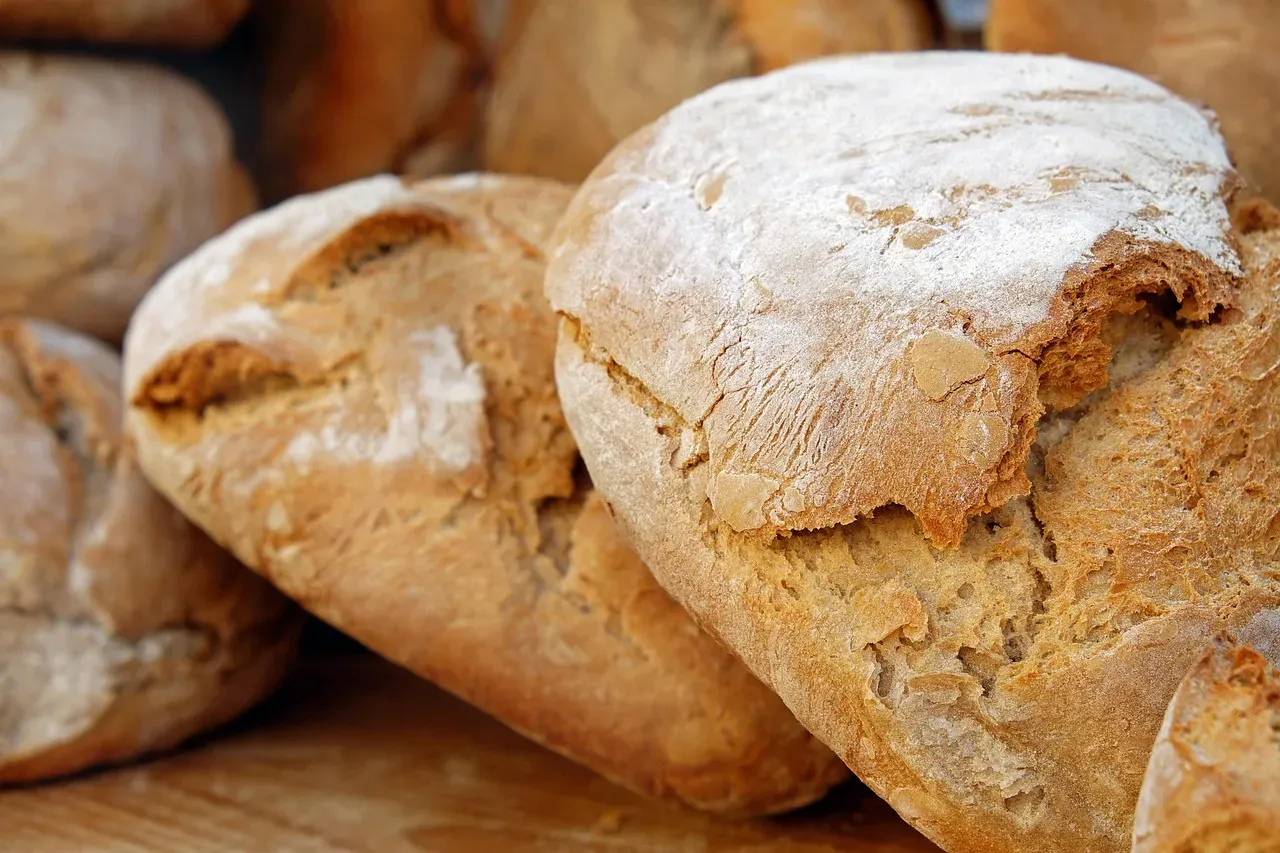
If you’ve ever tried baking a beautiful, crusty sourdough loaf in a glass dish, you already know something felt off about the result. The crust was probably soft, pale, and a little sad. Glass is thicker than metal and heats up more slowly, which is exactly why baking bread in glass won’t give you the rich browning and crisp crust you want in a sourdough loaf or artisan baguette.
There’s a safety issue here too, not just a texture one. A good sourdough loaf needs to be baked at high temperatures to achieve a solid crust all over, meaning home bakers typically start at 485 degrees Fahrenheit or higher, with the rest of the bake done at 450 degrees Fahrenheit. This puts your glass dish at risk of shattering.
Honestly, the danger is real and not to be underestimated. Under the right circumstances, glass bakeware will shatter, crack, split, and even explode when exposed to thermal shock, which is what happens when an object abruptly goes through a drastic temperature change causing it to fracture as it expands or contracts. For artisan bread, a Dutch oven or heavy metal pan is always the smarter call. While glass isn’t the choice for cornbread with a crispy crust, you can use it if you prefer the style that’s moist from top to bottom. Likewise, a glass baking pan can be used for quick breads like zucchini loaf, where you’re not necessarily looking to develop a crust.
2. Cookies and Sweet Baked Goods
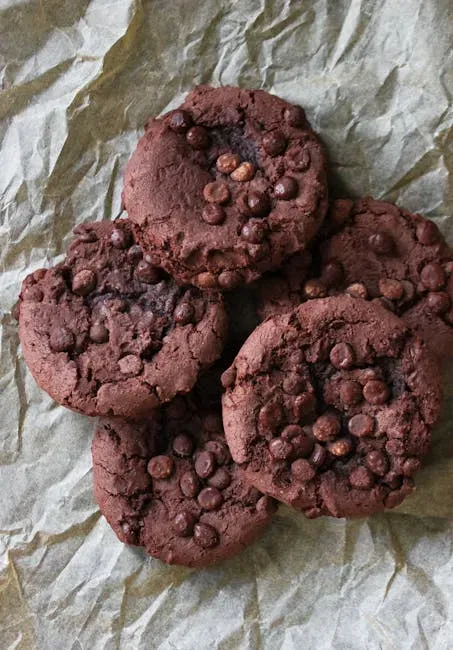
Cookie sheets are made of metal for a reason, and it isn’t just tradition. The hot surface plays a very important part in the process, which is to start cooking the bottom of the cookies as soon as they go into the oven. Place your cookies on a glass dish, and instead they will first be heated by the hot air from the top and sides, at which point the sugar begins to melt. By the time the glass is hot enough to set the cookies’ bases, they will have spread.
Add to this the potential hot spots from cooking dry foods in glass, and you’ll end up with unevenly baked treats. Even if you are baking something that covers the whole pan, such as a tray of brownies, you might find that inefficient heat transfer causes the batter to melt rather than set, resulting in a denser dessert.
Think of it this way: baking cookies in a glass dish is a bit like trying to fry an egg in a cold pan. The timing and the chemistry are both off from the very start. Metals, especially aluminum, are generally better at conducting heat in that they pick up that heat but can lose it again quickly. Grab metal baking pans when you want foods to heat up quickly and if you want them to brown.
3. High-Heat Roasted Meats
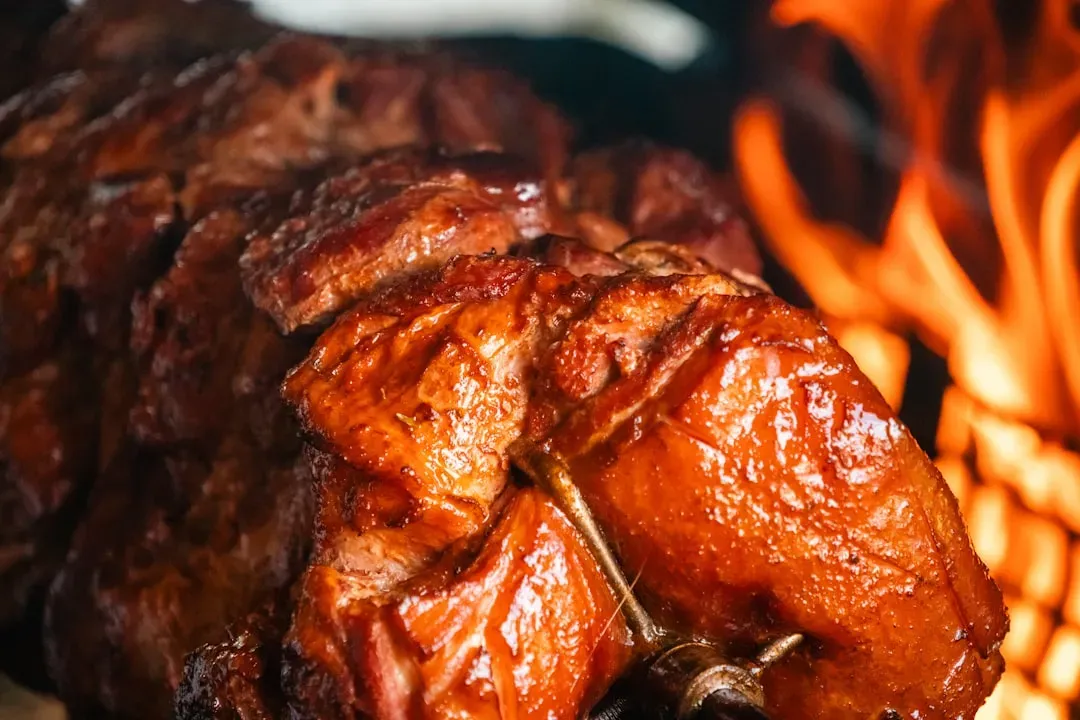
Here’s where things get genuinely tricky for home cooks. Glass can technically be used for some meat preparations, but high-heat roasting is a different story. Glass dishes are excellent for slow-roasting at moderate temperatures, typically below 400°F. However, for high-temperature roasting, such as searing meats at 450°F or higher, glass may not be the best choice. High heat can cause the glass to expand unevenly, leading to cracks or breakage.
There’s also a hidden overcooking trap most people don’t think about. Glass dishes tend to retain heat longer after being removed from the oven. While this can help keep food warm, it also means that the cooking process continues even after the dish is out of the oven. For roasting, where precise control over cooking time is crucial, this prolonged heat retention can lead to overcooking if not carefully monitored.
Beyond the cooking quality issues, there’s a practical reason to avoid glass when making any meat that will need pan drippings for gravy. Glass pans should never be used in direct high-heat cooking situations, like on the stovetop. So if you are roasting a meat and want to make a pan gravy on the stove after, stick to a metal roasting pan, not a glass pan, or else you will have to transfer everything to a pot first before making your sauce.
4. Anything Going Under the Broiler
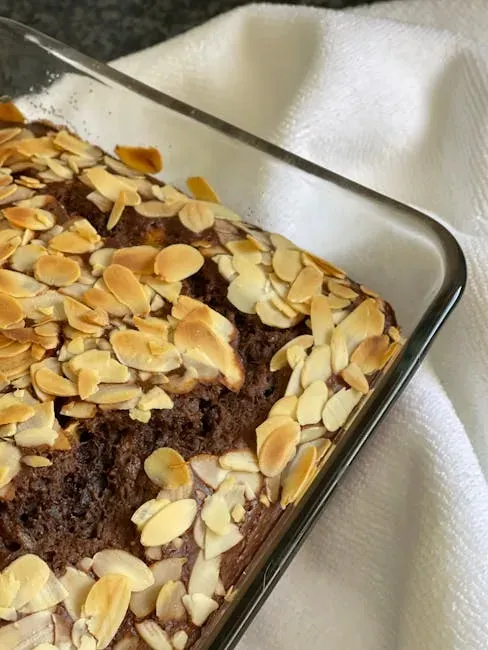
This is the one rule that almost every food expert agrees on without any debate. The one thing you should never do with glass bakeware is put it underneath the broiler. The tempered glass is designed to handle heat, but the broiler is too intense and will definitely crack your dish, or worse.
There’s a serious hazard to watch out for when cooking with glass: thermal shock. Sudden exposure to extreme heat or cold causes glass to expand or contract and shatter. Oven-safe glass dishes can take the heat up to a point, but they can’t handle the intense heat generated on a stovetop or from a broiler.
Even the manufacturer of Pyrex is crystal clear on this. Pyrex glassware should not be used on the stovetop, under the broiler, in a toaster oven, or on a barbecue grill, as this type of use exposes the glassware to potentially damaging direct heat sources. So next time you want to brown the top of a lasagna or a cheesy casserole, transfer it to a metal pan for those final few minutes. It could literally save your kitchen from a disaster.
5. Frozen Foods Transferred Directly to the Oven
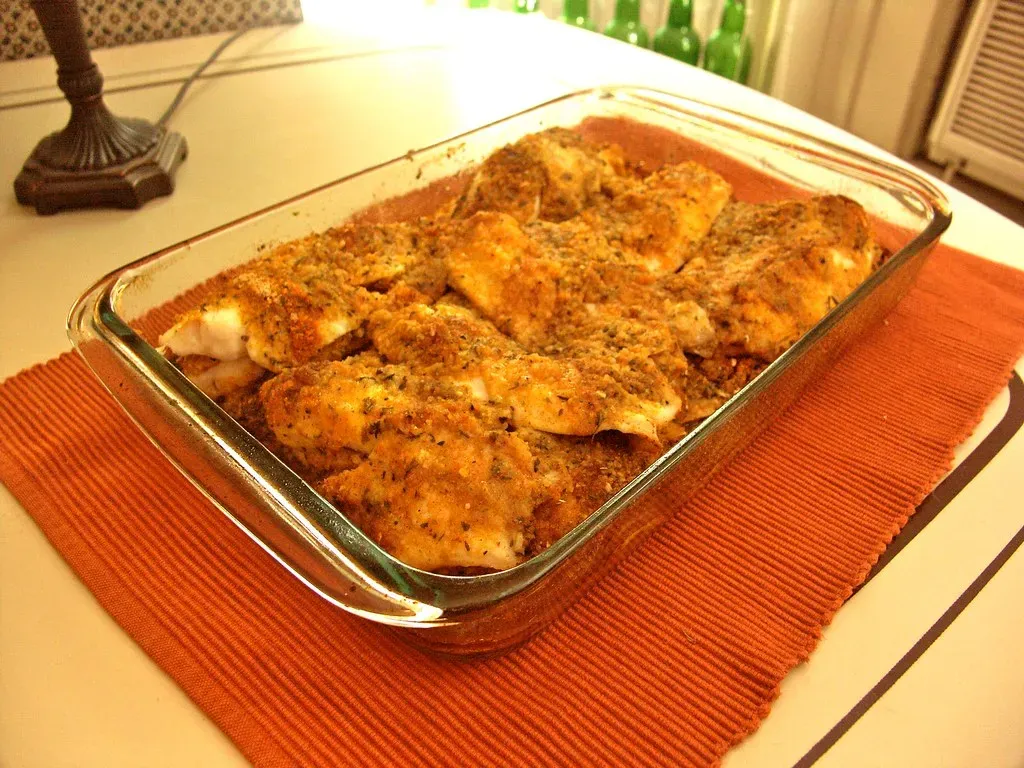
I know it sounds like a small thing, but going from freezer to hot oven is one of the most common ways glass baking dishes get destroyed. Thermal shock is the result of severe, sudden temperature changes. For example, taking a refrigerated dish and placing it directly in a preheated oven will cause a rapid change in temperature. This could cause your pan to shatter and could lead to injury or other serious issues.
Experts advise letting your glass dish come to room temperature before cooking or storing food in the fridge or freezer to avoid breakage. Having your glass dish cool or defrost to room temperature before putting it in sudden heat or cold can help avoid thermal shock and limit the chances of it shattering.
Although it is perfectly fine to take a glass dish from the refrigerator and put it directly into a completely preheated oven, it is advised to allow your frozen dish to thaw completely before placing it in a preheated oven. The solution is simple: plan ahead and let the dish come to room temperature first. If the baking pan has been chilled in the fridge, let it sit on the counter for 30 to 60 minutes before putting it in the preheated oven, which allows the glass and food to come closer to room temperature first.
6. Dry Foods Without Added Liquid
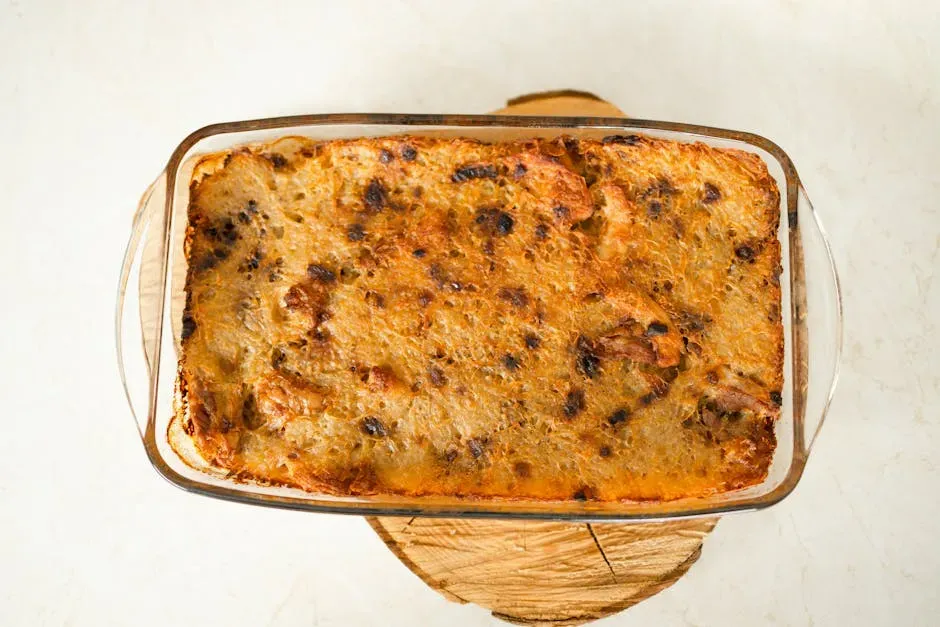
This one surprises a lot of people. Cooking dry foods, think roasted vegetables without oil or meat without added liquid, in a glass dish creates uneven hot zones on the pan surface that can seriously stress the glass. Consumer Reports advises always covering the bottom of the dish with liquid before cooking meat or vegetables. That seemingly small step makes a real difference.
Adding water to a dish that contains dry foods will help control the temperature difference in water that is released by dry foods during the baking process. A small amount of water at the bottom of your glassware will heat slowly as the glass heats, and the water released in the food will not have an extreme change in temperature.
Glass shouldn’t be used when you can’t add any liquid to the dish. Toasting bread for croutons, roasting nuts or seeds, or reheating pastries all require a metal tray. It’s a hard and fast rule that is easy to overlook. Prior to putting the dish in the oven, add enough liquid to cover the entire bottom of the dish for any foods that may release liquid while cooking, such as meats and vegetables. Skip that step and you’re gambling with your bakeware every single time.
—
Glass baking dishes are genuinely wonderful pieces of kit for the right jobs. They keep food warm beautifully, they don’t react with acidic ingredients, and they’re easy to clean. The trouble is that most people assume “oven-safe” means “good for everything,” and that’s simply not true. Most glassware manufacturers suggest using temperatures no higher than 350°F, though some companies have a higher heat range allowance, which is why it is important to check with the manufacturer before use.
Knowing the limits of your cookware is one of those small kitchen upgrades that quietly improves everything you cook. So next time you reach for that glass dish, take one extra second to ask: is this actually the right tool for this meal? What’s one kitchen habit you’d never think to question until it actually went wrong?