
For decades, the all-white kitchen was practically a religion. Crisp cabinets, bright counters, subway tiles – it was the look that launched a thousand Pinterest boards. Walk into any newly renovated home between 2010 and 2022, and there it was. Reliable. Safe. Practically unavoidable.
Something has shifted, though. Quietly at first, then unmistakably. Designers are changing what they recommend, and homeowners are changing what they actually want. The numbers are starting to catch up with a feeling that many people in the industry had already sensed: white kitchens, as a default choice, are losing their grip.
So what is actually replacing them, and is the change permanent? Let’s dive in.
Table of Contents
The Data Is In: Wood Has Officially Knocked White Off the Top
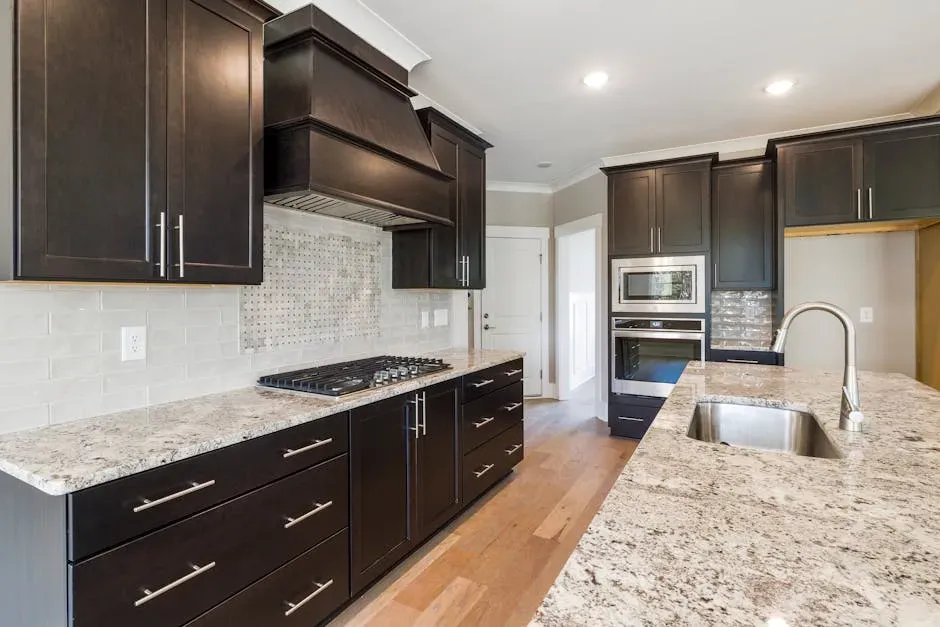
The numbers here are pretty striking, and I think they deserve more attention than they typically get. Nearly three in ten renovating homeowners (roughly 29%) are now choosing wood cabinets, a six-percentage-point jump from the previous year, pushing white into second place at 28% after a five-point decline in that same period. That is not a subtle drift – that is a proper shift.
Wood cabinetry has officially edged out white as the most popular choice in kitchen renovations, according to Houzz’s 2026 Kitchen Trends Study, which surveyed more than 1,700 homeowners about their latest kitchen remodeling project. This is a large, credible dataset, not a trend piece built on vibes.
The “all-white” kitchen is officially on its way out, according to roughly 86% of professionals surveyed, and it is being replaced by warm neutrals and earth tones, confirmed by about two thirds of experts in Fixr.com’s 2026 Kitchen Design Trends Report, which gathered responses from 101 top interior design and home staging experts in late 2025.
Greige, Mushroom, and Taupe: Meet the New Neutrals
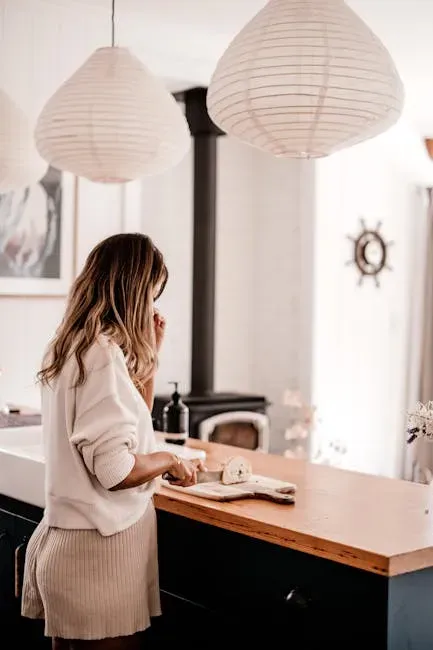
Here is the thing about the new neutrals taking over – they are not dramatic. They are not the bold jewel tones you see in design magazines. They are subtle, warm, and almost sneaky in how much better they make a space feel.
The cold, white kitchen is out, and the warm neutral is in. According to Richard Davonport of Davonport, 2026 is the year of the warm neutral, explaining that warm neutrals have become “one of the most reassuring directions for kitchen cabinetry.” Think warm taupes, moody mushrooms, and greige tones. Honestly, greige sounds like a joke color name, but in person it looks genuinely elegant.
Greige harmonizes well with almost every other hue, making it a most adaptable neutral and giving good reason for its rising popularity as the kitchen cabinet color of choice. Greige is being called the new gray in interior design, and some designers go as far as to say that greige is also the color replacing white. From warm off-whites to beige tones, from taupe to greige, there are so many warm neutrals to decorate with, providing a much-welcomed change from stark whites.
Green Takes Center Stage, for the Second Year Running
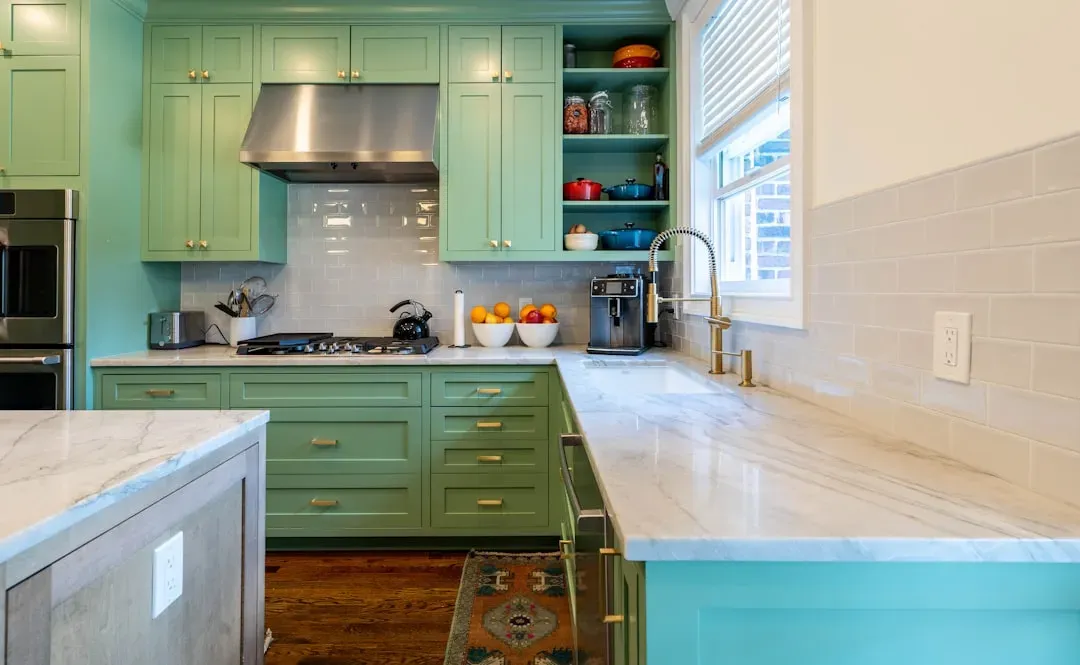
If there is one color that has genuinely surprised the design world in recent years, it is green. Not olive-drab, not the avocado tones of the 1970s – but sage, forest, and everything in between. What started as an emerging preference has now solidified into a defining shift. For a second consecutive year, earthy green tones have topped the National Kitchen and Bath Association kitchen trend report, officially ending the long-standing dominance of white and gray kitchens.
Drawing inspiration from herb gardens and fresh produce, green remained the standout kitchen color through 2025, and the momentum has only carried forward into 2026. According to the NKBA’s 2025 Kitchen Trends Report, roughly three-quarters of respondents favored green, compared to about 63% for blue and 56% for brown. Rather than fading, the trend has continued to gain strength, shaping design conversations well into 2026.
Part of green’s staying power lies in its connection to nature. It is both versatile and enduring, giving designers a way to introduce warmth, personality, and a sense of grounding into the kitchen. It is, in many ways, a color that feels both fresh and ancient at once – like a farmhouse wall softened by years of evening light.
Wood Cabinetry’s Emotional Comeback
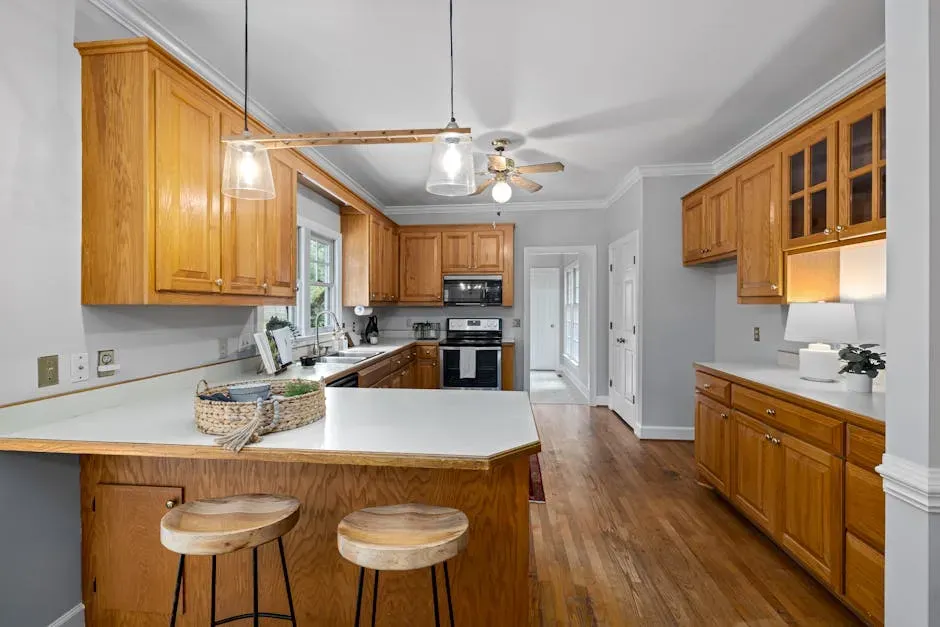
There is a reason people respond so warmly to natural wood in the kitchen, and it is not purely aesthetic. It is almost psychological. Wood feels alive in a way that painted cabinets simply do not.
Architects and designers say the appeal is as emotional as it is visual. One New York-based architect noted that lacquer cabinets are losing popularity because “they tend to feel cold and impersonal,” with far greater interest now in natural wood for its warmer and more inviting feel. Today’s wood cabinets are usually sleek, with flatter profiles and minimal hardware.
Natural wood cabinets are experiencing a major comeback. White oak was found to be the most popular wood type at about half of industry professionals surveyed, with white oak, walnut, and maple leading the way with their light to medium finishes that highlight the natural beauty of the wood grain. NKBA’s 2026 Kitchen Trends Report highlights natural materials and neutral, organic palettes, noting growing popularity for wood grain cabinetry and broad interest in natural quartzite for surfaces.
Why White Became Exhausting
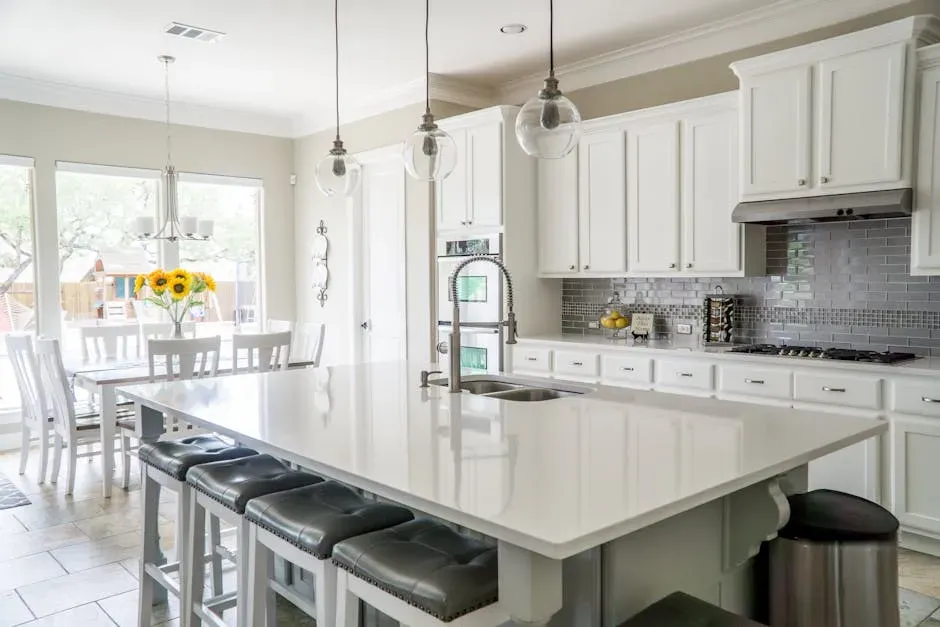
Let’s be real for a second. The all-white kitchen did not fall from grace because it was ugly. It fell because it was everywhere. It is hard to feel inspired by something you have seen replicated in every restaurant, hotel lobby, and home renovation show for a decade straight.
The whole white and neutral kitchen look seems to feel a little tired overall. It begs the question whether or not the look actually brings people joy, or just feels like a repetition of a Pinterest-popular trend. Color psychologists and lighting experts have been warning for years that large, cool-white surfaces under LED lighting can feel flat and fatiguing. In a room where you start and end your day, that matters. White reflects everything, including harsh blue-toned light from windows, screens, and even neighboring buildings.
In one New York survey of kitchen remodels scheduled into 2026, a leading design firm found that less than 18% of clients were choosing fully white cabinetry, down from 41% just five years ago. That is a dramatic drop in half a decade – comparable, really, to what happened to cool gray when homeowners collectively grew tired of it around 2020.
White Is Not Dead, But It Has Changed
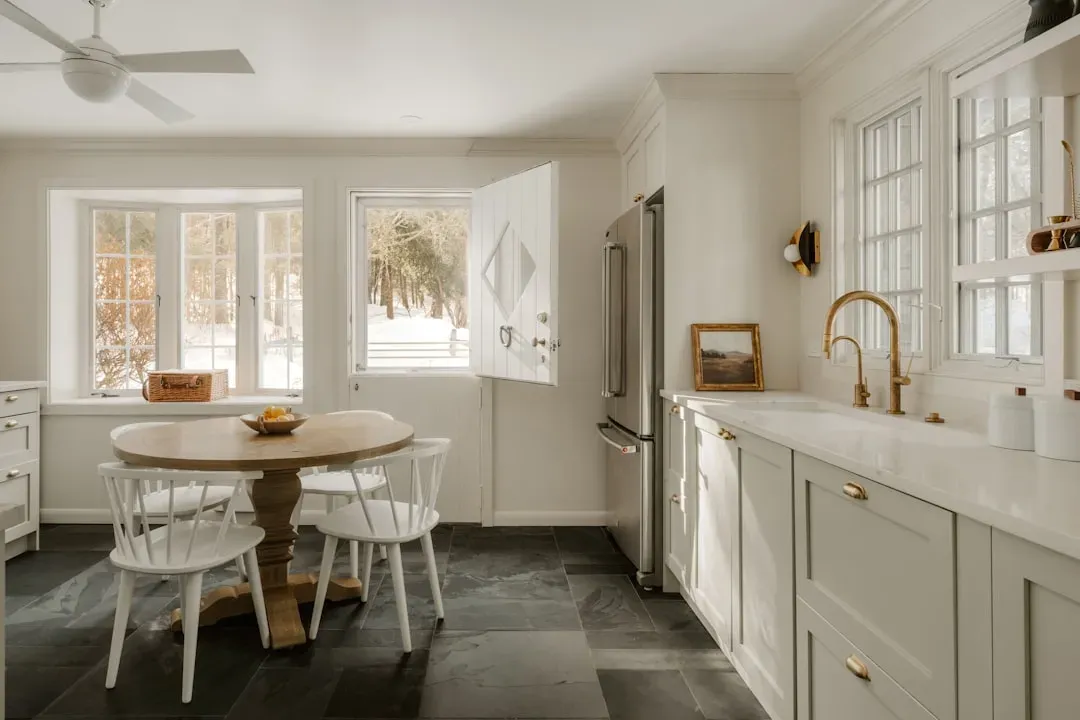
Here is where I think the conversation gets interesting. White is not disappearing. It is evolving, and perhaps that evolution is actually what saves it.
Bright, stark white is giving way to warmer alternatives. While white kitchens remain classic, the preference has shifted to creamy, buttery whites with warm undertones. Pure white can feel cold and clinical, whereas warm whites create inviting spaces that photograph beautifully and pair better with natural materials. White will always be a number one kitchen cabinet color; however, white has taken many iterations over the years. Instead of bright white cabinets, we are now seeing white take on sophistication with subtle shades of gray and tan, resulting in a sun-bleached or snow-covered aesthetic that offers the perfect canvas for a pop of color.
The National Kitchen and Bath Association’s 2025 report found that roughly 71% of homeowners are prioritizing more personalized kitchens with color, while white oak cabinets have emerged as a standout favorite, with about 59% of designers naming them a top choice – a trend that continues to shape kitchen design in 2026. The lesson here is that white still plays a role – just no longer the only role, and almost never the starring one anymore. What does that tell you about how design evolves? Maybe everything changes, yet nothing fully disappears.
What color would you pick for your kitchen today? Tell us in the comments.