
You grab your cart, stroll through the entrance, and tell yourself you’re just picking up a few things. Thirty minutes later, somehow, your basket is overflowing with items that were never on your list. Sound familiar? Honestly, it happens to nearly everyone, and it’s not a coincidence or a lack of willpower.
When we enter a supermarket, we are unwittingly subjected to the result of decades of psychology research on consumer behavior. Every detail, from the music overhead to the height of the shelves, has been carefully engineered. People who have worked inside these stores know things that most shoppers never figure out on their own. Let’s dive in.
Table of Contents
1. Your Shopping Cart Is Bigger Than It Needs to Be
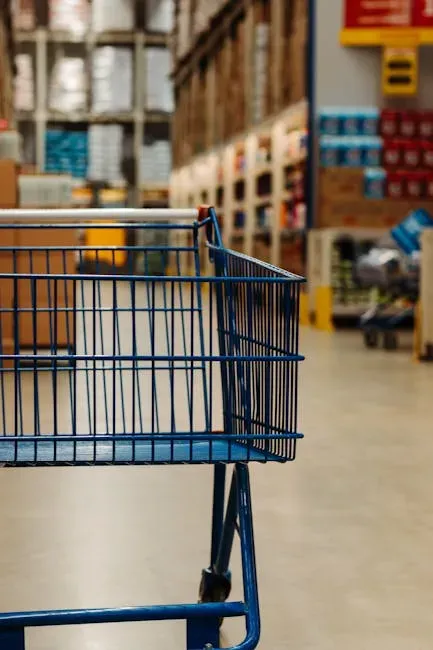
Here’s the thing about those oversized carts waiting for you at the entrance: they are not there for your convenience. Grocery carts have quietly grown larger over the past few decades, and retail analysts say the change is far from accidental. Bigger carts create more empty space as shoppers move through the store, which can subconsciously encourage them to add extra items.
Those with the bigger shopping carts bought roughly 40 percent more than those with the smaller ones. This is because your cart now looks emptier, meaning you’re more likely to fill it up with impulse buys and treats. Think of it like eating off a dinner plate the size of a platter. The food looks lost, so you pile on more.
Some experienced shoppers deliberately choose handheld baskets or smaller carts when buying only a few items. Limiting available space can reduce impulse buying and help shoppers stay focused on their planned grocery list. Next time you only need six things, grab the basket. Your wallet will notice.
Those elusive shopping baskets can sometimes be hard to find for a reason. If you can’t find a basket, you opt for a cart, right? This naturally leads to buying more. After all, a bigger container begs to be filled.
2. Eye Level Is Absolutely “Buy Level”

Where a product sits on the shelf often influences how likely shoppers are to buy it. Grocery stores carefully design shelf layouts so that higher-margin products appear at eye level, where they attract the most attention. Cheaper alternatives or store brands are frequently placed on lower or higher shelves where customers may overlook them.
Research using eye-tracking technology shows that we naturally look lower than eye-level to somewhere between waist and chest level. As a result of such research, this “grab-level” space has become the most sought after and expensive retail space for consumer goods giants. Supermarkets and consumer goods companies know it: we’re hardwired to buy more stuff at grab level, despite more economical alternatives above or below on the shelves.
In a study, the Cornell University Food and Brand Lab examined 65 cereals in 10 different grocery stores. Researchers found that cereals marketed to kids are placed at roughly half as high on market shelves as adult cereals. Additionally, the average angle of the gaze of box characters marketed to kids is downward at 9.6 degrees, whereas characters on adult cereal boxes look nearly straight ahead. I find that last detail genuinely unsettling, honestly.
Many consumers are now noticing this pattern and deliberately scanning entire shelves before making a choice. Looking slightly above or below eye level often reveals similar products at noticeably lower prices.
3. The Store Layout Is a Deliberate Maze
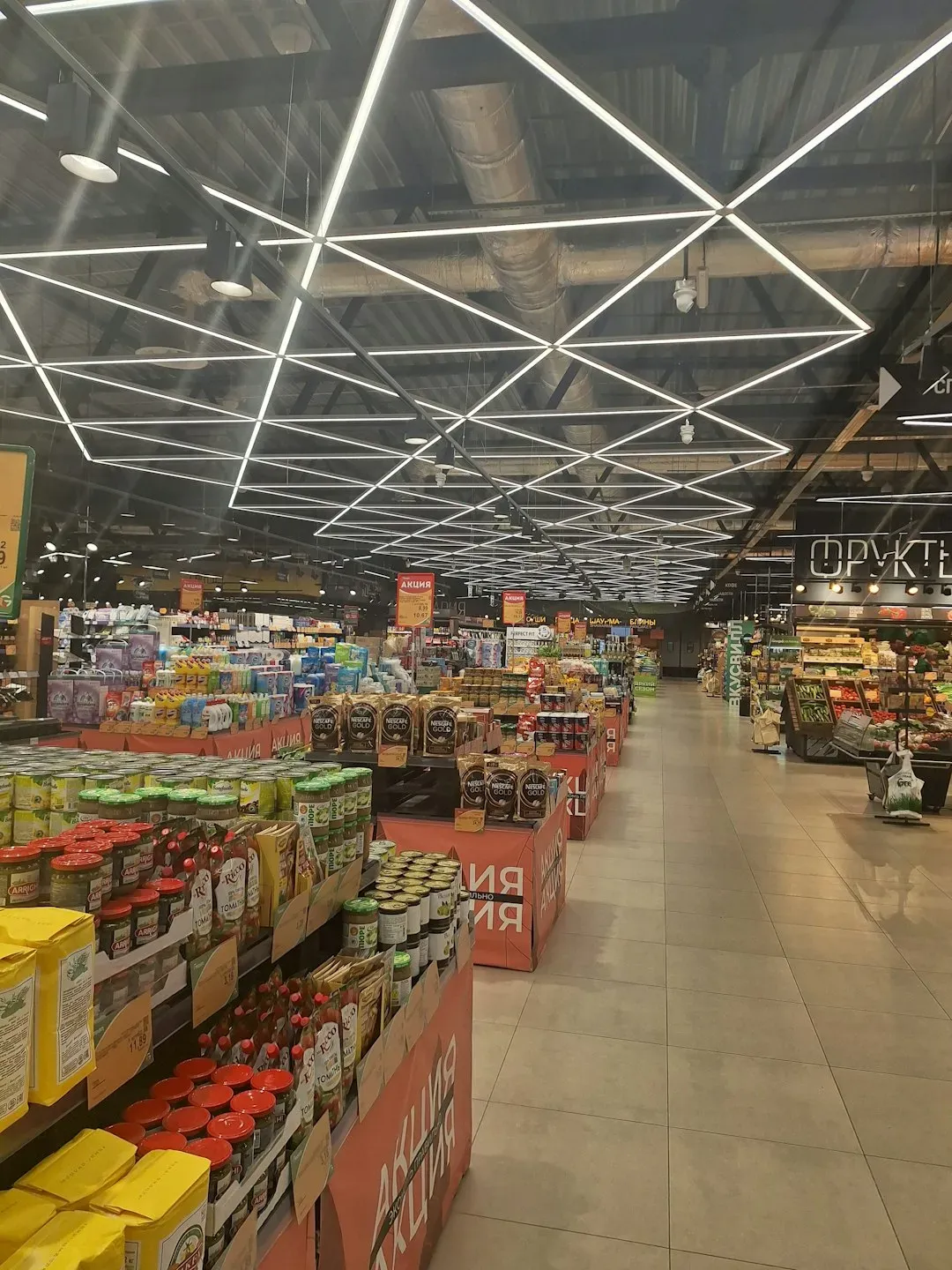
Essential groceries most commonly placed on shopping lists, such as eggs, milk, fruit, and vegetables, are separated and strategically set around the store to force the customer into a full-length walk of the supermarket. Dairy sections are located as far away as possible from the entrance, giving shoppers time to discover additional items they may not have intended on buying.
Studies have shown that roughly nine out of ten Americans naturally turn right when they enter a store, so promotional displays often appear immediately on the right-hand side of the entrance. Another consideration is product adjacency: items that are often purchased together, like pasta and sauce, bread and peanut butter, or chips and dip, are strategically placed nearby to encourage multi-item purchases.
Grocery stores often redesign their layouts, a change that can be irritating for regular customers accustomed to finding specific items in familiar locations. These frequent rearrangements are not arbitrary; there is a method behind the madness. It’s a bit like a casino reshuffle, designed to slow you down and expose you to more products.
When shoppers know exactly where everything is, they tend to shop quickly and stick to their lists. Rearranging disrupts that routine. Research indicates that after 23 minutes of shopping, consumers begin to make more emotional and less practical decisions, leading to increased impulse purchases.
4. The Music Playing Overhead Is Working Against You
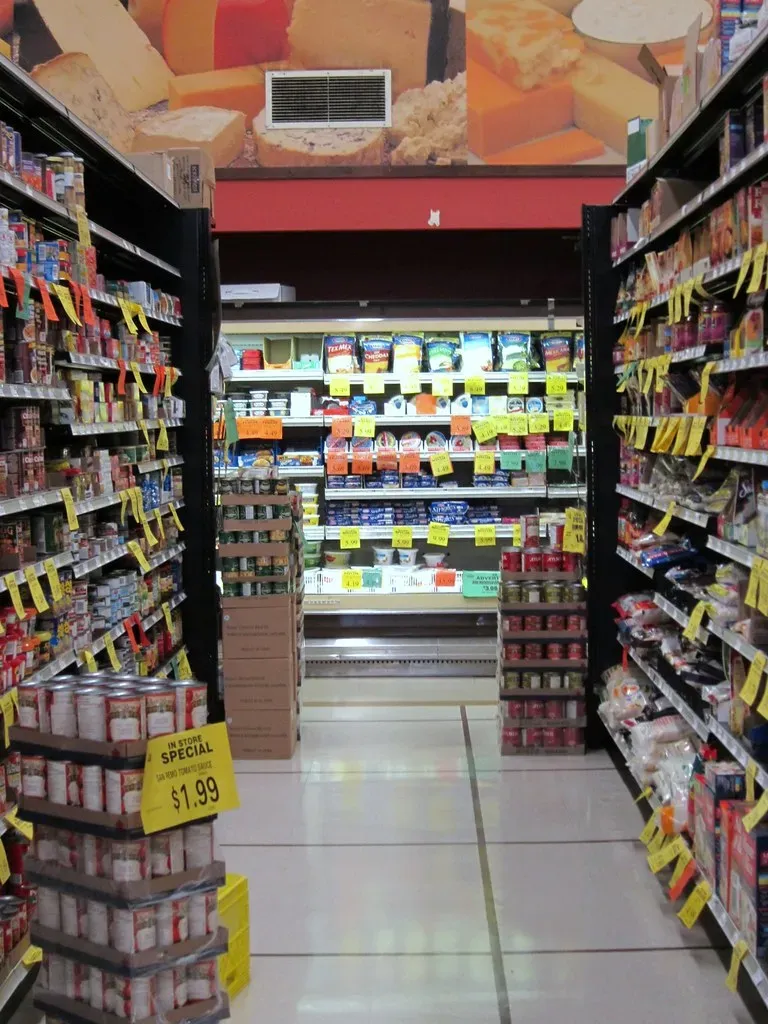
Let’s be real: nobody walks into a grocery store thinking the playlist is influencing their spending. Yet the research on this is surprisingly solid. In Milliman’s study, he discovered that sales volume for grocery stores was, on average, nearly 40 percent higher on days when the stores played slow tempo music.
Researchers found that the tempo of grocery store music can impact which products shoppers purchase. When background music was fast-paced, shoppers were more likely to buy impulsive items like candy and cookies. On the other hand, slower-paced music resulted in shoppers buying more healthy items like fruits and vegetables.
People who grocery shop Monday to Thursday can expect in-store music to swell their shopping bill by more than 10 percent, according to research from the University of Bath’s School of Management. Weekday supermarket shoppers tend to be mentally tired from the working week, and pleasant music played in-store lifts their mood, making their decision-making on shopping items more intuitive. With less scrutiny of purchases, people buy more products, treating themselves to additional items, or upgrading the quality of planned purchases.
In a study by North, Hargreaves and McKendrick, it was discovered that music style could unconsciously influence the choice of one wine over another. They found that on days when French-style music was played, more French wine was bought, whereas when German music was played, there was a tendency to buy more German wine. However, when buyers were asked about their experience, they replied that they were unaware of the type of music and the effect it was having on their purchases.
5. The Bakery Smell and the “Freshly Baked” Illusion
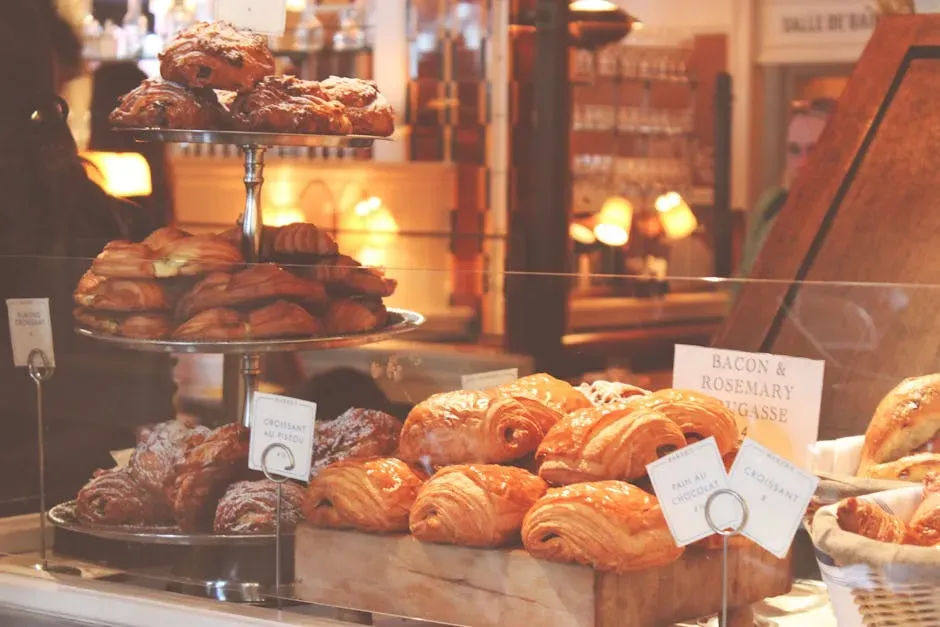
Grocery stores deliberately position their bakery sections to spread enticing aromas throughout the aisles, but many of those “freshly baked” goods aren’t made from scratch on site. These items often arrive as frozen, pre-made dough or par-baked products that employees simply bake off in ovens. While technically baked fresh onsite, they aren’t created from scratch like most shoppers assume.
Customers entering the store are greeted with mood-lifting scents and vibrant colors, a strategy that primes them for spending because happier shoppers tend to spend more money. It’s hard to say for sure just how powerful the scent effect is in dollar terms, but the store knows exactly what it’s doing when that warm bread smell drifts into the produce aisle.
Color evokes emotion and can influence customers’ moods and perceptions. Warm colors like red and orange create a sense of urgency and excitement, promoting impulse buys or limited-time offers, while cooler colors like blue and green create a soothing atmosphere, perfect for the produce or health food departments.
The entire sensory environment, from the scent to the lighting to the colors, is a coordinated system. Everything about supermarket design is trying to influence behavior subtly or subconsciously. This research looks into how factors like store layout, product placement, sensory cues, and even subtle environmental design can impact shoppers’ navigation, attention, and ultimately, their purchasing decisions.
6. There Is a Secret Markdown Schedule Most Shoppers Miss
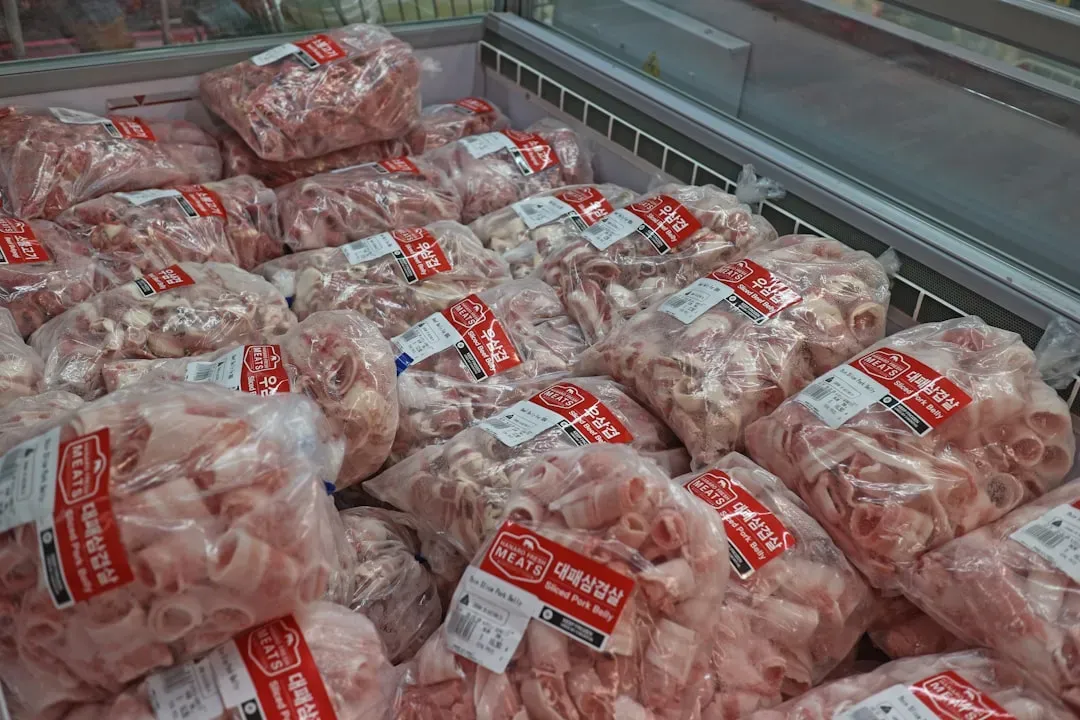
This one is perhaps the most useful piece of insider knowledge you’ll ever get from a former grocery employee. Most grocery stores mark down meat three to five days before the sell-by date, typically in the early morning or evening. Markdowns often happen on specific days of the week depending on the store, with many chains offering the best discounts on Mondays, Wednesdays, and Sundays. These markdown schedules help stores minimize waste while offering shoppers significant savings of between 30 and 50 percent on quality meat products.
To save money on groceries, start shopping on Wednesdays. Fewer crowds, fully-stocked shelves, and freshly delivered produce make it an ideal day. The meat, dairy, and seafood sections should also be newly restocked with fresh picks. It’s one of those things that seems almost too simple once you know it.
In retail and especially with produce, there is a practice called F.I.F.O., or “First In, First Out.” When you go to restock a shelf, you are supposed to place the newer product behind the older product. This makes sense because shoppers will most likely grab the closest item first and not check the best buy dates on anything beyond that. Reaching to the back of any refrigerated shelf gets you a noticeably fresher product every single time.
A smaller number on shelf tags tells you the price per ounce, pound, liter, or unit you’ll pay when you buy that package, and this unit price is there to help you compare products when they come in different-sized packages. Most shoppers ignore this completely. In one example, the big box costs more per pound than the smaller box, making the smaller box the better buy, showing that many people believe larger sizes are always the best buy, but that’s not always the case.
The grocery store is not your enemy, but it was also not designed with your budget in mind. Every aisle, every scent, every song is part of a system built on decades of behavioral research. Once you see the system clearly, you can navigate it on your own terms. What trick surprised you the most? Drop your thoughts in the comments.