
Every time a restaurant bill arrives, there is that brief moment of quiet shock. You ordered what seemed reasonable, maybe a pasta, a glass of wine, and a soda, and somehow the total feels like it belongs on a different planet. You are not imagining it. Restaurants have always used strategic pricing, but in 2025 and 2026, the gap between what something costs to make and what you actually pay for it has never been more glaring.
According to the National Restaurant Association, average menu prices have risen roughly 31% since February 2020. That is a jaw-dropping number for what is, in many cases, the same bowl of pasta or the same glass of soda. Before you pick up the menu on your next dinner outing, let’s dive into the five items that are eating your wallet far .
Table of Contents
1. Fountain Soda: The Quietly Outrageous Cash Cow
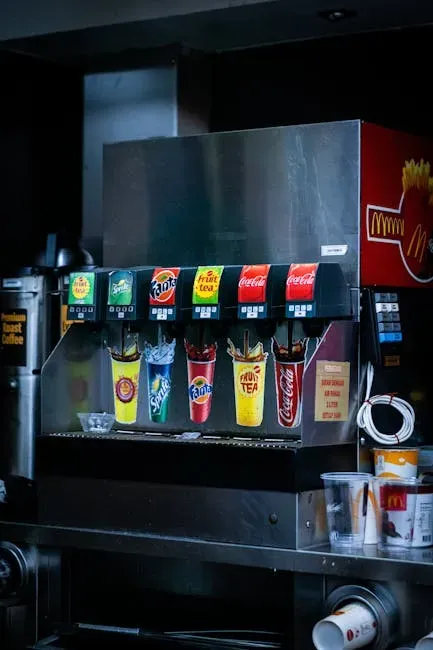
Here is the thing nobody tells you at the table: that glass of Coke you ordered is almost certainly the most profitable item on the entire menu, by a massive margin. It looks like a modest addition to your meal, but the numbers behind it are hard to ignore once you see them.
As of May 2025, restaurants mark up fountain sodas by roughly 1,125%, because the profit margins are extraordinary. A $3 fountain soda costs the restaurant just 25 cents to 40 cents for syrup, water, and the cup combined, which translates to a 650% to 1,100% markup, or somewhere between 7.5 and 12 times the return on investment.
Soda is a very high-margin item, with the cost of fountain syrup, CO2, and ice typically amounting to just a few cents per cup, while menu prices are several dollars. That margin helps cover fixed costs like rent, wages, and utilities, as well as thin margins on other menu items. Restaurants are, in effect, using your Diet Pepsi to subsidize your chicken entrée.
One reason soft drinks are targeted for higher markups is that they are often considered an impulse purchase. Unlike wine, where a high price might cause a customer to reconsider their order, soft drinks are typically ordered without much thought to the price. This makes it easier for restaurants to charge more without facing significant backlash. Honestly, that is a clever business move, even if it stings a little.
2. Pasta: Peasant Food, Premium Price Tag
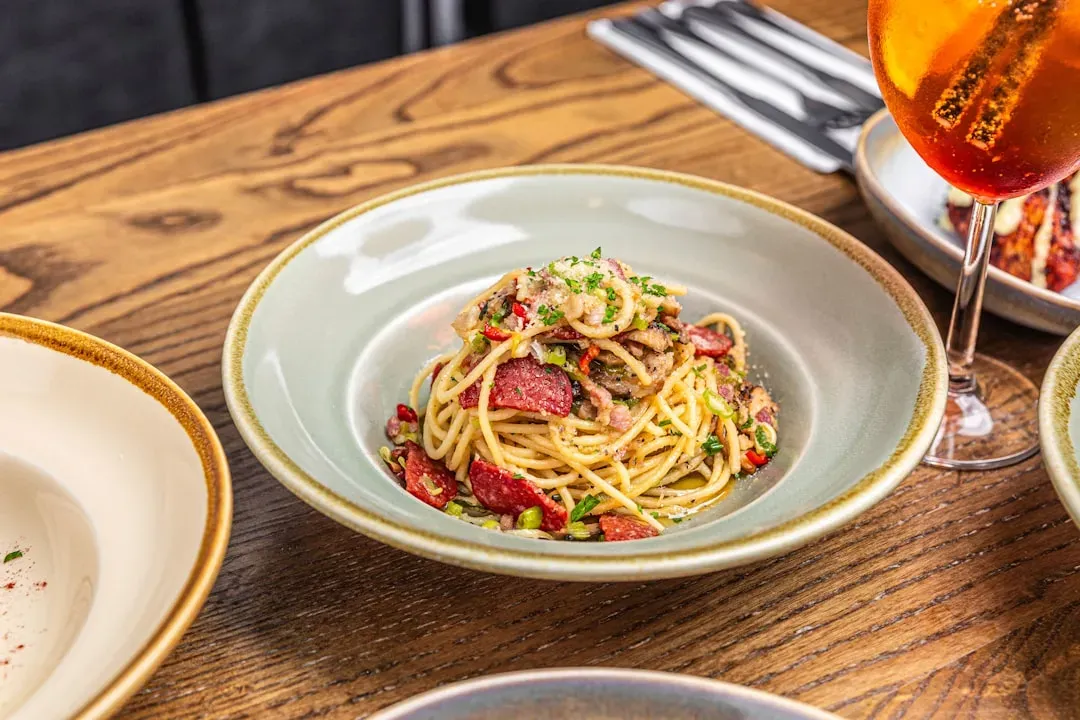
Pasta is, at its core, flour and water. That is it. Somewhere between the pot of boiling water and your table, it transforms into one of the most dramatically marked-up items in the restaurant world, and most diners never question it.
A serving of dry pasta only costs about 25 cents, and even with a homemade sauce, each serving will only cost about $1.43. Unless a restaurant is going through the labor of making its pasta from scratch, a $13 pasta dish is marked up more than 800%.
What defines a pasta dish is what is on top of it. The noodles themselves cost a restaurant only a few cents. So when you are paying $18 or $22 for fettuccine Alfredo at a sit-down restaurant, you are mostly paying for the sauce, the labor, the ambiance, and yes, the business’s mortgage on its commercial kitchen.
While a pasta dish might generate only a marginal profit margin after ingredient and labor costs, the same table’s wine selection can contribute significantly more to the bottom line. In the restaurant industry, where food and labor expenses each consume roughly one third of total sales, high-margin beverages such as wine are vital for overall profitability. Still, pasta remains a vehicle for consistent profits, and that is unlikely to change anytime soon.
3. Wine by the Bottle: The Markup Nobody Talks About
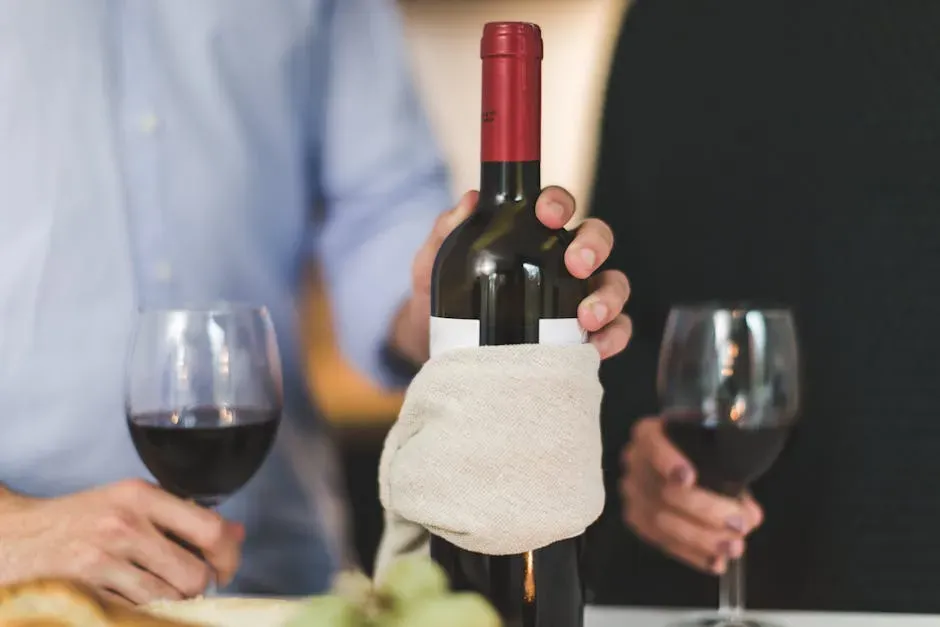
Ordering wine at a restaurant feels civilized, sophisticated even. What it also is, without sugarcoating it, is one of the most reliably expensive decisions you can make per dollar of actual product received. The markups on wine are staggering, and they are almost universally accepted at the table without a second thought.
Restaurants generally mark up a bottle of wine from 200% to 300% over its retail sales price. Think about that the next time you order a bottle listed at $60 on the menu. You could very likely pick that same wine up at a local shop for $20.
A bottle priced at $15 at a wine shop might only cost the restaurant $10 on wholesale, but they will charge you $25 to $30. Paying $8 a glass, even with bigger-than-normal pours, means you are paying more than twice as much as you would at a bring-your-own-bottle restaurant. Oddly enough, you will often be less overcharged for the most expensive bottles on the menu, because the biggest markups tend to be on the cheapest bottles.
Wine’s high margins help offset the razor-thin profitability of food items and provide the financial cushion restaurants need to remain viable. So in a strange way, the wine drinkers at the table are partly subsidizing the bread basket and the free tap water. I think that is worth knowing, even if it does not change what you order.
4. Desserts: The Sweet, Sneaky Upsell
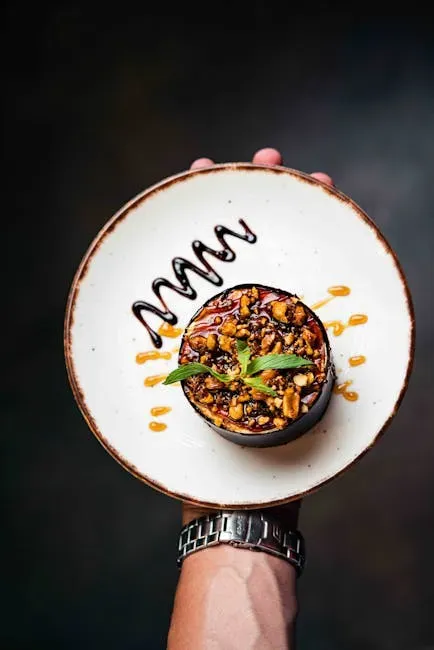
Dessert arrives at the table almost as a ceremony. The server recites options with theatrical enthusiasm, or a polished menu card appears. It feels like a reward for finishing your meal. The reality behind those flourishes is a bit more calculated than it appears.
Whether you are enjoying a casual dining experience or splurging at a five-star establishment, restaurants place a substantial markup on desserts. Much of the dessert cost goes toward labor, as creative pastry chefs are not cheap. However, high-volume casual restaurants rarely make their desserts in house, instead ordering prepared frozen desserts from suppliers.
Restaurants typically mark up their cake costs by 200% to 300%. Most people consider dessert a special treat and naturally accept a higher price point. That psychological willingness to splurge at the end of a meal is something restaurants have understood and leaned into for decades.
Dessert presentation can be a sneaky way to drive up the price as well. It all goes back to perceived value. If the food is beautifully presented on a large white plate adorned with an artful drizzle of chocolate sauce, you probably feel as though you are getting something special, even though the plating costs the restaurant mere pennies in ingredients and labor. It is a masterclass in optics. And it works every single time.
5. Specialty Pizza Toppings: Paying for a Penny’s Worth of Pepperoni
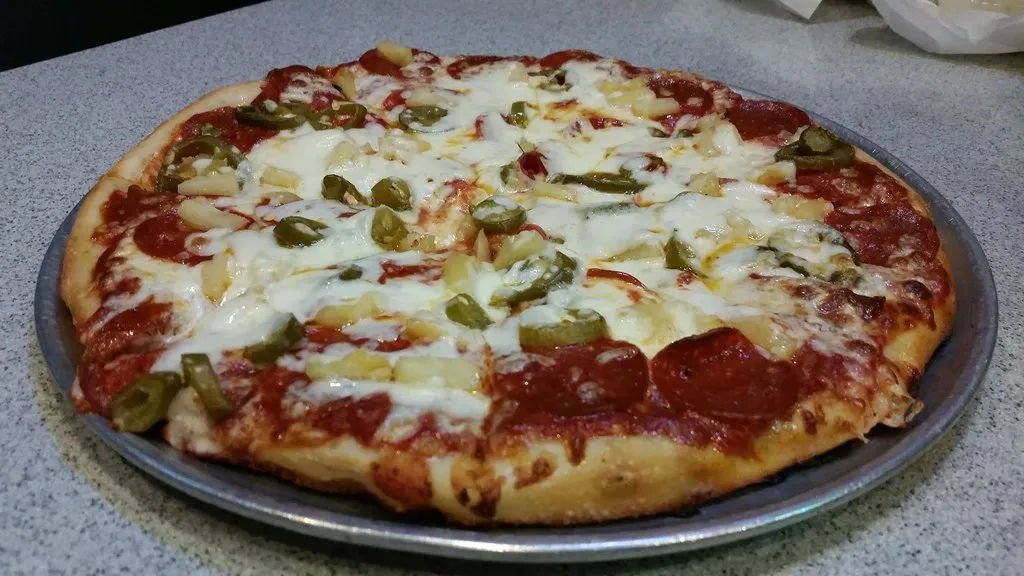
Pizza is already a high-margin dish for most restaurants. The dough is cheap, the sauce is cheap, and the cheese, while not free, is far from extravagant in cost. Where things really get interesting, and financially lopsided, is the moment you start adding toppings.
Whether you are a meat eater or a vegetable lover, you are facing heavy markups for your pizza toppings. Each topping costs the restaurant about 32 to 48 cents, but those specialty additions add about $2 or $3 to your pie price, according to a PlateIQ analysis. That is a markup of roughly four to six times the actual cost per topping.
Pizza does not cost much to make, can be topped with whatever leftovers are on hand, and is almost universally popular with consumers. In some restaurants, pizza returns a 100% profit. That figure alone says everything you need to know about why every pizzeria seems to be doing just fine.
The bigger picture is a clear intersection of consumer behavior and pricing psychology. More people are pulling back on dining out, with about 55% of U.S. adults in the third quarter of 2024 saying they were spending less on restaurants. That cautious mindset has carried into 2026. Regulars haven’t disappeared – but their habits have changed. They’re skipping drinks, sharing desserts, and choosing mid-priced options instead of premium items. It’s a subtle shift, but it adds up. Even as menu prices continue to climb, diners are getting smarter about how – and where – they spend.
The Bottom Line on Your Bottom Dollar

None of this means restaurants are villains. Running a restaurant is genuinely difficult, and overall restaurant operating expenses are up roughly 30% since 2019, shrinking pre-tax margins even before menu prices are adjusted. The markups on soda, pasta, wine, desserts, and pizza toppings are very real, but they often exist because the economics of restaurants demand it.
According to the U.S. Bureau of Labor Statistics, the Consumer Price Index for all items rose 2.7% from December 2024 to December 2025, and prices for food away from home increased 4.1%. That gap between what you pay at the grocery store and what you pay at a restaurant is not closing anytime soon.
The next time you sit down to order, you are armed with information that most diners simply do not have. Knowing the real cost behind that glass of soda or that slice of tiramisu does not have to kill the experience. It just makes you a smarter guest at the table. What would you have guessed the markup on a fountain soda was before reading this?