
In a world where Coca-Cola and Pepsi dominate nearly every shelf, cooler, and gas station fridge from coast to coast, it’s easy to forget that the American soda landscape was once a wildly different place. Unlike today’s market dominated by global giants, the 20th century was a golden age for regional and independent soda brands, with each corner of the country boasting its own unique carbonated creations that reflected local tastes, traditions, and entrepreneurial spirit.
Some of those hometown legends survived. A few even thrived. Here’s a look at six regional soda brands that refused to be swallowed up by the big players, stayed true to their roots, and kept pouring for generations. Let’s dive in.
Table of Contents
1. Cheerwine – The Cherry King of the Carolinas
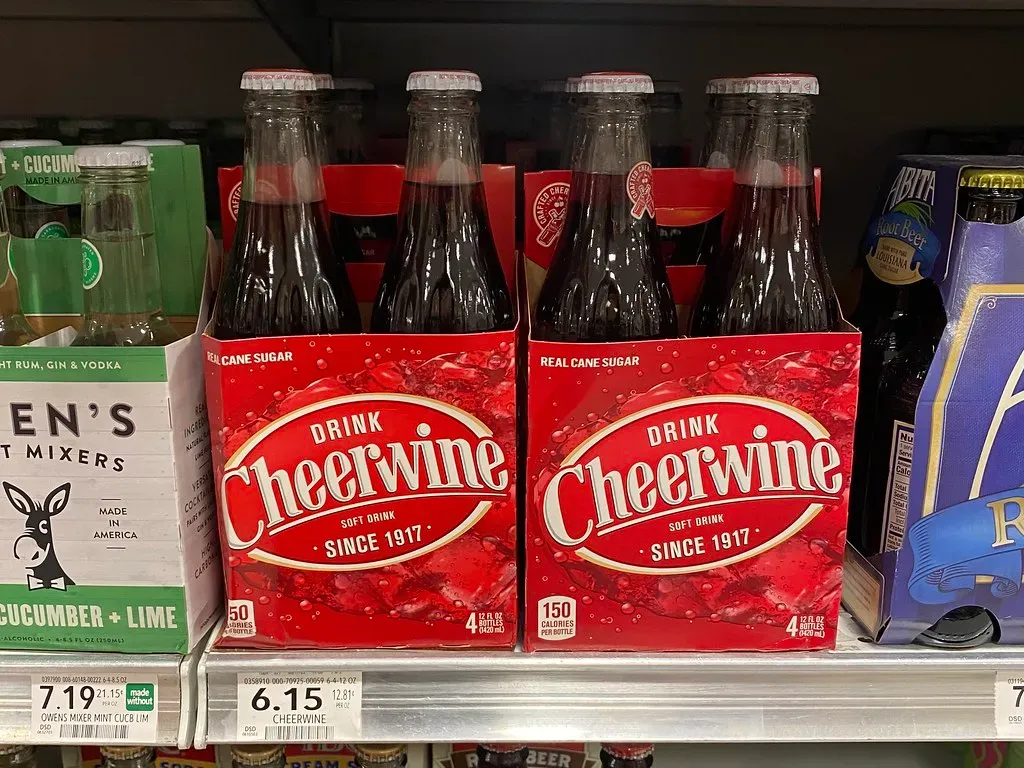
If there’s one soda that perfectly captures the spirit of the American South, it’s Cheerwine. Cheerwine is a cherry-flavored soft drink by Carolina Beverage Corporation of Salisbury, North Carolina, and has been produced since 1917, claiming to be “the oldest continuing soft drink company still operated by the same family.” That’s over a century of fizz, all from one family, in one town.
L.D. Peeler created Cheerwine in 1917 in Salisbury, North Carolina amid a sugar shortage. Honestly, it’s remarkable that the pressure of World War One scarcity led to one of the South’s most beloved drinks. Peeler was inspired to create a soda recipe that required less added sugar since it was in short supply due to WW1, and after crossing paths with a salesman from St. Louis who sold him the cherry flavor formula, he knew he’d found his ideal soft drink flavor.
Now, more than a century later, the company behind the iconic “Nectar of North Carolina” is still operated by Peeler’s descendants, making it the oldest continuously family-run soft drink business in the nation. Cheerwine’s endurance can be credited to its careful stewardship by the Peeler family, its embrace of Southern identity, and its ability to balance tradition with innovation, particularly as craft sodas and local food movements gained popularity in recent decades.
The National Barbeque Association even named Cheerwine their official soft drink in 2015. After the success of the Centennial Celebration, the annual Cheerwine Festival, hosted by the City of Salisbury, has since brought over 100,000 attendees each year to downtown Salisbury’s Main Street.
2. Ale-8-One – Kentucky’s Best Kept Secret
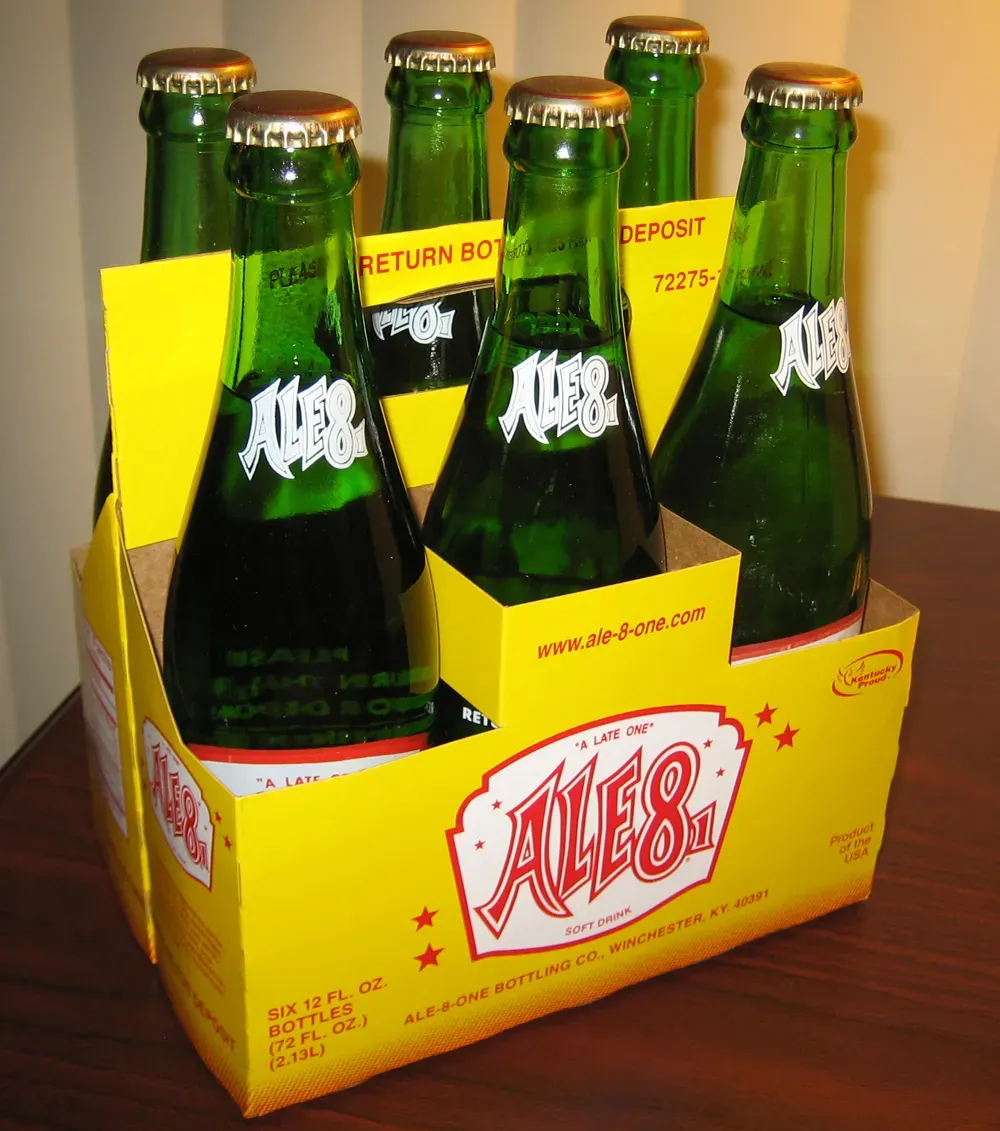
Here’s the thing about Ale-8-One: most people outside of Kentucky have never heard of it, and that somehow makes it even better. Ale-8-One, pronounced as “A Late One” and colloquially called Ale-8, is a ginger-ale soft drink bottled by the Ale-8-One Bottling Company in Winchester, Kentucky, and is distributed primarily to retailers in Kentucky.
The formula for Ale-8-One was developed by soda bottler G.L. Wainscott in the 1920s. Wainscott had been in the soda business in Winchester, Kentucky since 1902, and in creating the formula, he drew upon his knowledge of ginger-based recipes acquired in northern Europe. He began bottling Ale-8-One in 1926, and sponsored a naming contest for the drink. The winning entry was “A Late One,” suggesting the product was “the latest thing” in soft drinks, which was shortened to “Ale-8-One.”
The Ale-8-One recipe is a closely guarded family secret, with reportedly only former company president Frank A. Rogers III and his son, current president Fielding Rogers, knowing its exact composition. That level of secrecy would make Coca-Cola blush. For much of its history, Ale-8 was only available in central and eastern Kentucky.
In May 2023, Peach Ale-8 was released as a limited edition, and in July 2024, StrawMelon Ale-8 was released as a limited edition. It’s a brand that keeps its core formula locked away while still embracing fresh ideas. That’s a balancing act that very few independent sodas manage to pull off.
3. Boylan Bottling Company – Craft Soda Before Craft Was Cool
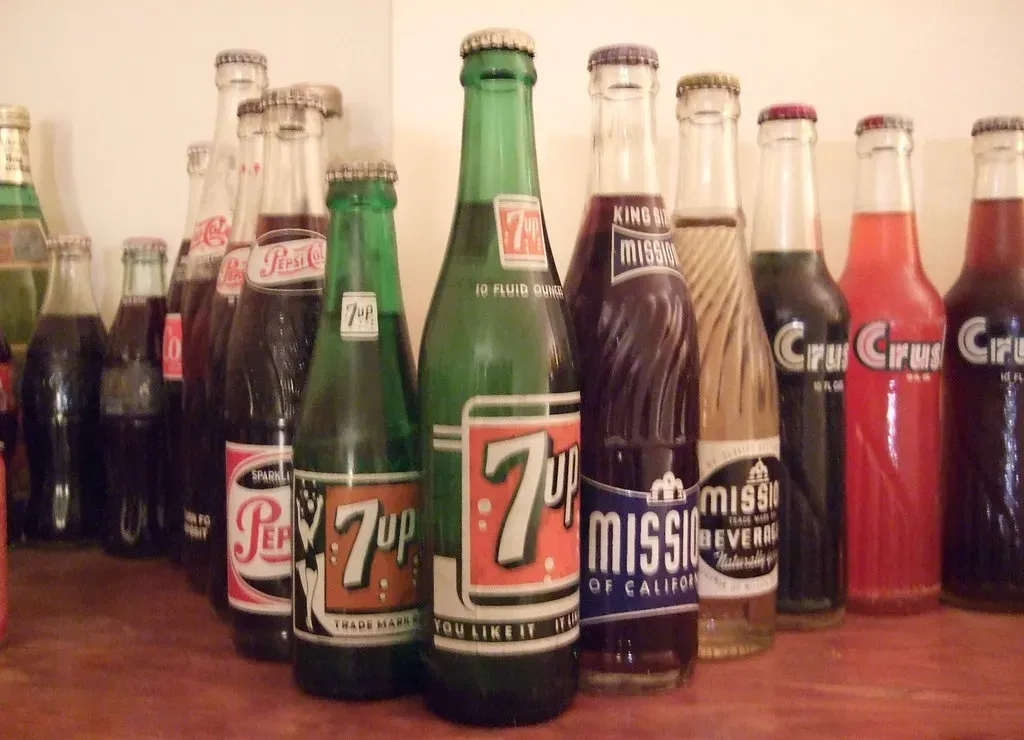
Long before “craft soda” became a buzzword on trendy restaurant menus, Boylan was already doing it. Boylan Bottling Company is an American gourmet soft drink manufacturer, and was founded in Paterson, New Jersey, in 1891. Think about that timeline for a second. They were making small-batch sodas when carriages still shared the street with the first automobiles.
Boylan’s first product was birch beer, with the recipe having been formulated in 1891 in Paterson, New Jersey, by pharmacist Steven William Boylan. William Boylan created an elixir in his Paterson apothecary, named it Boylan’s Birch, and began selling individual cups from a barrel in the back of a wagon. From a barrel on a wagon to specialty restaurant menus nationwide. That’s quite a journey.
Boylan products are known for glass bottles with distinctive, retro style labels, and the company’s beverages use pure cane sugar and are bottled exclusively in glass. Unlike many of the mega brands conceived in that same era, Boylan has remained true to its roots and committed to producing only authentic handcrafted soda.
Although Birch Beer will always be a big part of the brand’s heritage, Boylan today is best known for its full line of hand-crafted sodas, ranging from their core four Ginger Ale, Root Beer, Black Cherry, and Creme sodas, to other popular flavors including Cane Cola, Orange, and Grape. It’s hard not to respect a company that turned a 19th-century apothecary recipe into a beloved 21st-century brand.
4. Grapico – Alabama’s Purple Pride
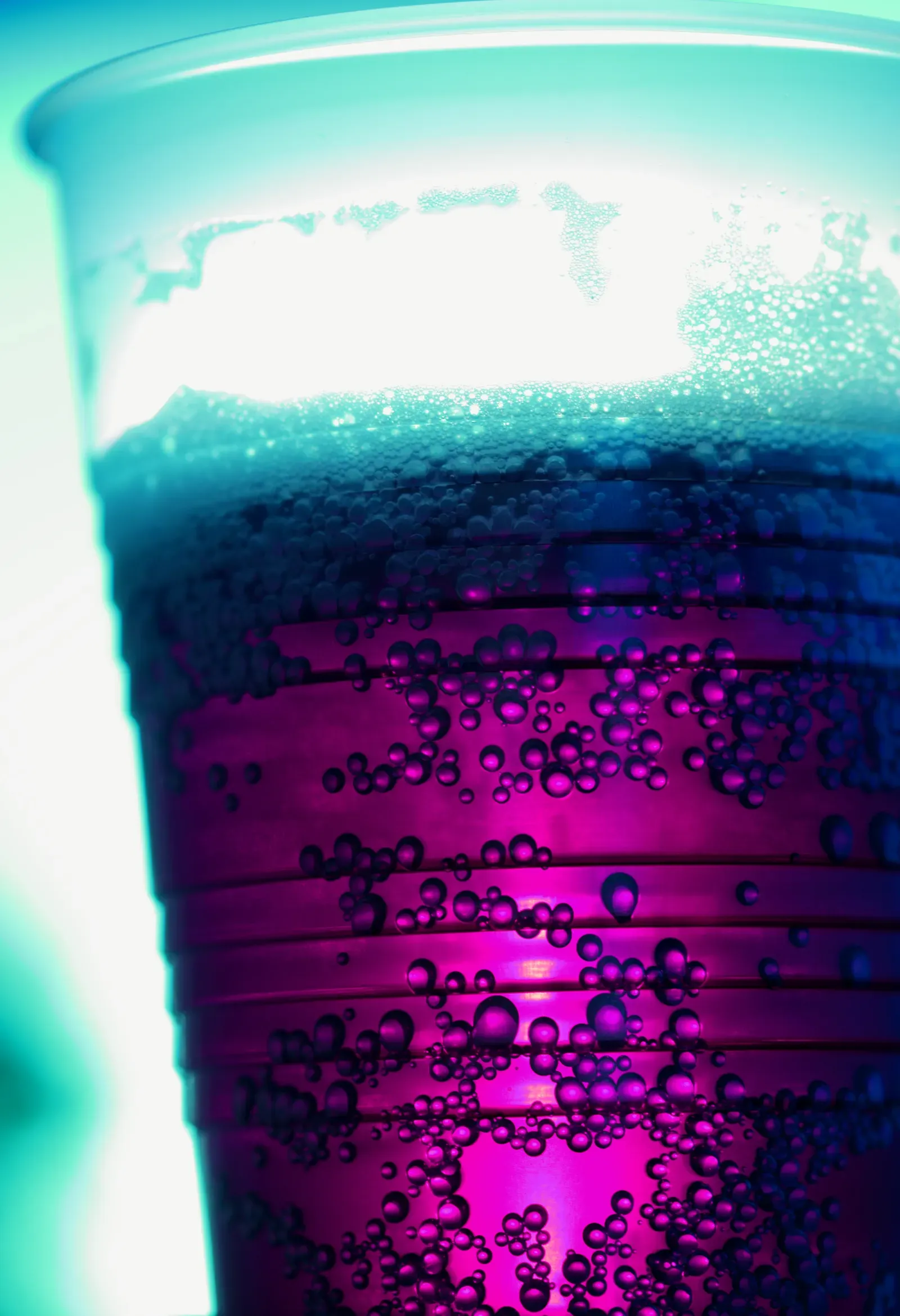
Not every great regional soda comes draped in a dramatic origin story. Sometimes it just tastes so undeniably good that people never let it go. Grapico has been a favorite in the South since 1916. It was originally created in New Orleans in 1916 but later rebranded and sold in Alabama, where it has continued to enjoy a large level of popularity.
For folks in Louisiana and Alabama, local favorite Grapico is the grape soda of choice, and the flavor is intensely grape, unapologetically sweet, and completely nostalgic for anyone who grew up drinking it at family gatherings. That’s a pretty accurate description. It’s not subtle. It hits you immediately, and you either love it or you don’t.
In 1981, Buffalo Rock Company acquired the worldwide rights to Grapico soda, ensuring its continued production. Still, you won’t find this purple treasure on shelves much beyond the Deep South, and it remains one of those drinks that locals hold dear while the rest of the country remains blissfully unaware of its existence.
Today, Grapico is used in almost anything from baking to cocktails. It’s fascinating how a regional soda can weave itself into the food culture of an entire state so completely. Grapico didn’t need national distribution to become iconic. It just needed Alabama, and Alabama kept it alive.
5. Double Cola – The Little Cola That Refused to Quit
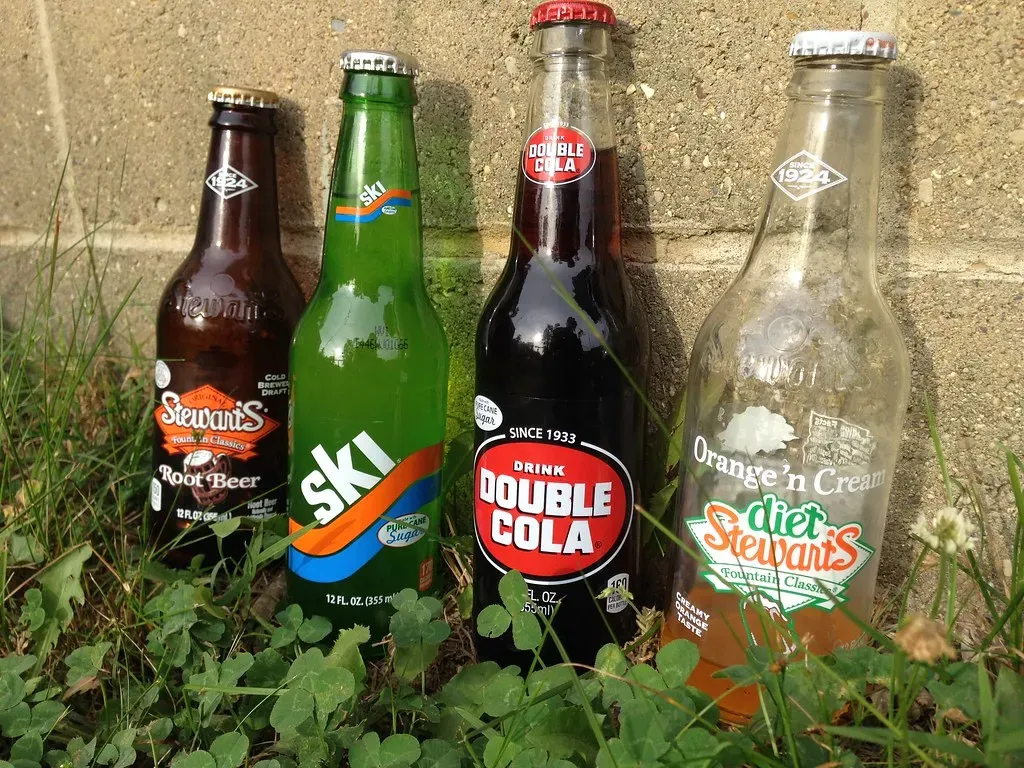
You could argue that Double Cola has had every reason to disappear. It has been competing against the most powerful cola brands in the world for nearly a century, and yet here it still stands. The Double Cola Company is a Chattanooga, Tennessee-based manufacturer of soft drinks, and their primary product, Double-Cola, is predominantly distributed east of the Mississippi River in the US.
The Double-Cola product was developed in 1933 and soon became the company’s flagship product, named Double-Cola because its 12-ounce bottles were twice the size of other soda bottles being sold at the time. That was genuinely clever marketing. More cola for the same price was a compelling pitch during the Great Depression.
In 1957, Double-Cola made history by becoming the first major soft drink to be marketed in a 16-ounce returnable bottle. Innovation was clearly in their DNA from early on. The company remains wholly privately held to this day, a remarkable feat given how aggressively the major cola brands have pursued acquisitions over the decades.
Let’s be real: staying privately held and independent while selling cola in the same market as Coca-Cola is like running a neighborhood diner next to a McDonald’s for 90 years and still being packed on weekends. The Double Cola Company also developed Ski in 1956, a soda comparable to Sun Drop, which is a citrus soda made with real orange and real lemon juice. That commitment to variety has helped them survive where others folded.
6. Blenheim Ginger Ale – South Carolina’s Fiery Original
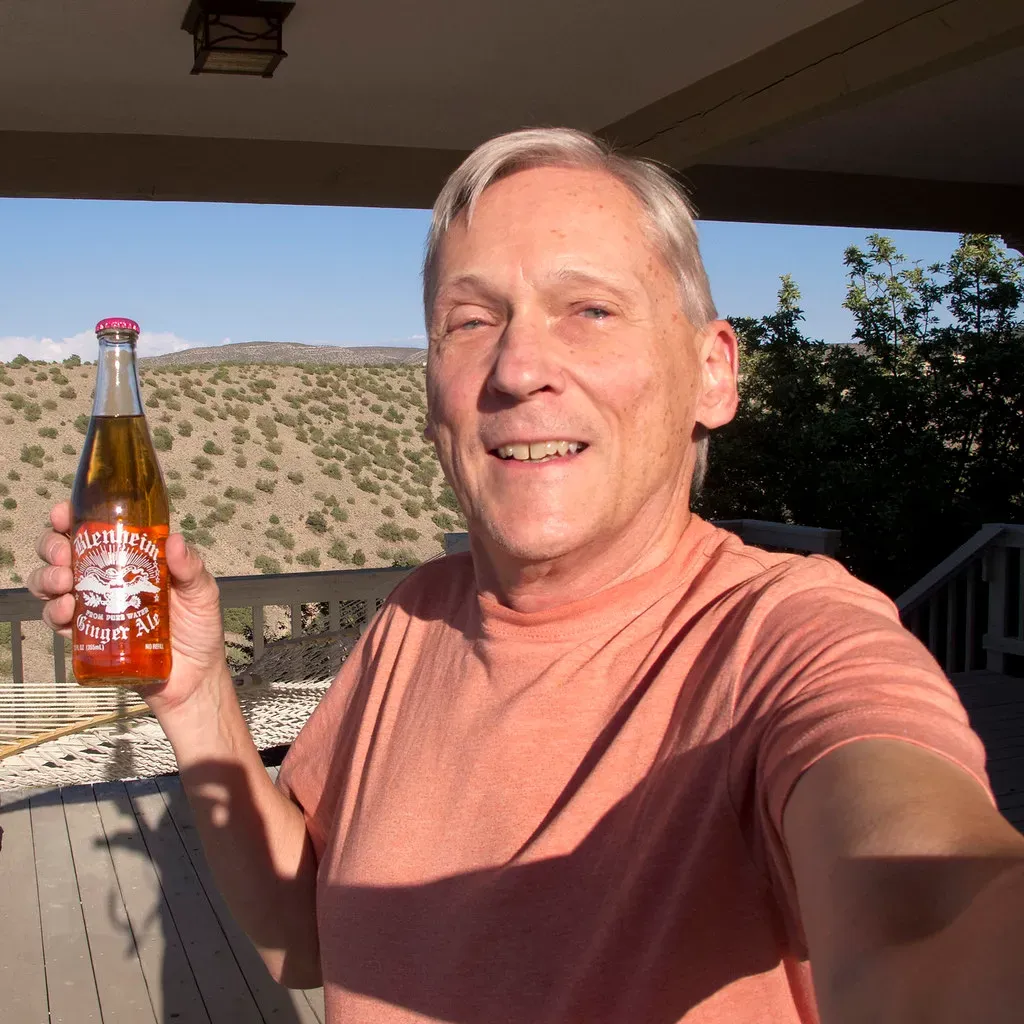
If you think you know ginger ale, Blenheim will make you reconsider everything. This is not the gentle, pale stuff you pour into a sick child’s cup. This is fire in a bottle. Blenheim has been family-owned and operated since the early 1800s, and was initially prescribed by Dr. C.R. May to patients seeking a cure for stomach pains, making it a strong South Carolina classic.
Family-owned Blenheim Ginger Ale is made the old-fashioned way in three different strengths, with fans of powerful, spicy ginger ale trying the Old Number 3 formula, while traditional ginger ale lovers would be happy with Number 5 and Number 9, Blenheim’s diet variety. The fact that a soda comes in strength tiers, almost like hot sauce, tells you everything you need to know about what makes this one special.
Officially the oldest continuous independent soda bottling company around, Blenheim Ginger Ale is the bottle to reach for when visiting the Palmetto State. That’s an extraordinary claim, and it speaks to how deeply rooted this brand is in its region’s identity. It started as medicine and became a cultural touchstone.
When Blenheim first debuted outside the Southeast on Amazon in 2015, it sold out in under two days. That kind of demand from people who had never tasted it before tells a powerful story. Word of mouth, regional pride, and a genuinely bold flavor kept this brand alive through two centuries of soda wars.
The Bigger Picture: Why These Brands Matter
It’s worth pausing to think about what all six of these brands represent. In 2024, the overall volume of carbonated soft drinks saw a slight decline of 0.2%, while the dollar value of sales grew by 4.8%, suggesting a trend of consumers spending more per unit and potentially shifting towards premium or flavored varieties. That shift creates a genuine opening for smaller, storied brands.
Consumers are showing increasing interest in craft sodas and artisanal beverages with unique flavors and premium ingredients. Independent regional brands are perfectly positioned to ride that wave. The South holds the largest market share at roughly 40% of the U.S. regional soda market, while the West is the fastest-growing region due to demand for health-oriented and premium drinks.
There is something deeply human about a local soda brand that outlasts empires. These six drinks are not just beverages. They are proof that authenticity, a loyal community, and a genuinely great recipe can hold their own against billion-dollar marketing budgets. As the 21st century moves forward, these brands remain symbols of perseverance and tradition, showing that sometimes the strongest brands are not the biggest, but the ones that stay true to their roots and to the people who have loved them for generations.
Which of these six have you actually tasted? If the answer is none, you might want to plan a road trip soon. What would you have guessed?