
Most people walk into a restaurant thinking the only way to get something extra is to complain, celebrate a birthday, or flash a loyalty card. Honestly, that’s missing the whole picture. The real game happens quietly, in the small moments between arriving at the door and finishing your last bite.
There’s an unspoken exchange happening every single time you sit down. Hosts and servers notice far more than you’d think. The way you treat a table, talk to staff, and carry yourself through a meal tells an entire story. Some of those behaviors? They genuinely earn you goodwill. And sometimes, goodwill arrives on a plate with a fork and a dusting of powdered sugar.
Let’s dive in.
Table of Contents
1. Making Genuine Eye Contact and Greeting the Host by Name
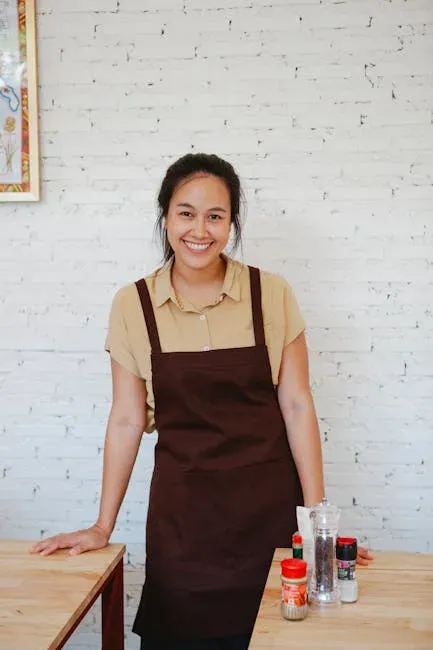
Here’s the thing about walking into a restaurant: first impressions happen within seconds, and a host should immediately acknowledge every customer. But that road runs both ways. When a guest looks up from their phone, smiles, and actually engages the host like a fellow human being, it creates something the industry quietly calls a warm connection. It’s rare, and staff notice it immediately.
Recognizing repeat customers by name or remembering their usual order can turn a casual diner into a loyal regular, because personal touches create a sense of familiarity and comfort that chain restaurants often lack. When a guest mirrors that energy from their side of the transaction, it flips the dynamic. You stop being table 14 and start being a person. That distinction matters more than most diners ever realize.
The demeanor and attitude of restaurant staff plays a crucial role in shaping the customer experience, and friendly, professional, and attentive staff can leave a lasting positive impression on guests. Interestingly, when a guest brings that same positive demeanor through the door, it mirrors back and raises the energy in the room for the entire team. A small gesture. A huge return.
2. Being Gracious and Patient During a Long Wait

Nobody loves waiting for a table. I know it sounds obvious, but the way a guest handles a 20-minute wait tells the front-of-house team everything they need to know. Long waits for tables or food can cause customers to leave or feel unhappy, even if the food is excellent, and managing wait times requires both smart scheduling and clear communication. Using waitlists, approximate waiting times, or even offering small complimentary items like drinks or snacks during the wait keeps customers informed and shows that you value their time. When a guest accepts this graciously without huffing at the host stand, it is noticed.
Guests who respond to wait time updates with patience rather than frustration signal to the team that they respect the operation. Customers are looking for more than just good food; they want great customer service that is enjoyable, memorable, and satisfying. A patient customer silently communicates that they’re there for the full experience, not just to rush through a meal. Hosts remember the gracious ones. Sometimes that memory ends the evening with something sweet.
3. Genuinely Engaging With the Menu and Asking Thoughtful Questions
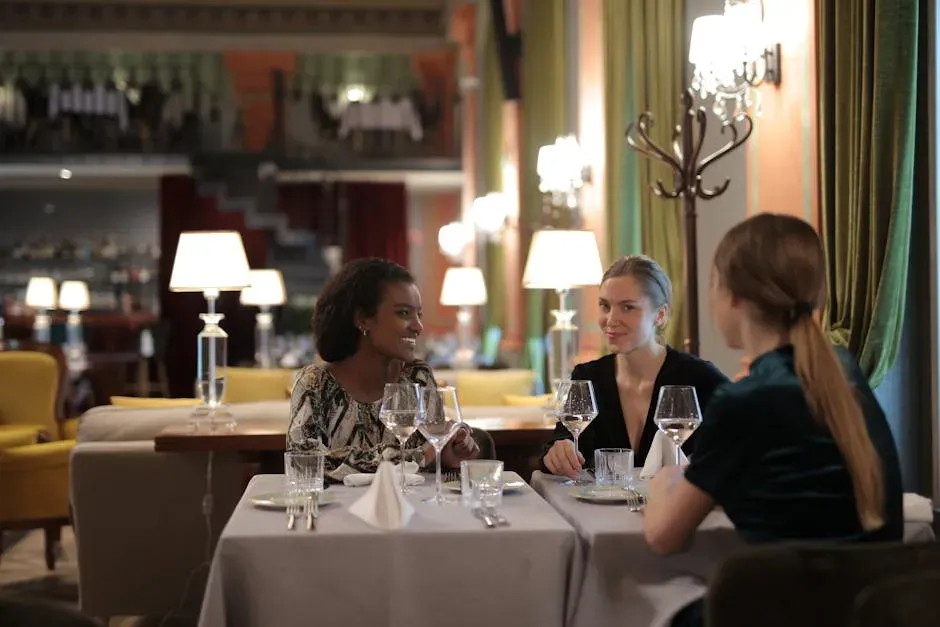
Let’s be real: there is a noticeable difference between a guest who glances at the menu for thirty seconds and demands “just something quick,” and one who leans in, asks about the specials, and shows real curiosity. Products of a restaurant are its food and drinks, so having a thorough knowledge of what the restaurant offers is part of providing excellent customer service, and many customers have trouble deciding what to eat and appreciate the suggestions of their server to help them decide. A guest who actively participates in that conversation becomes genuinely enjoyable to serve.
Investing in staff training means more than knowing how to reel off the specials; staff should feel confident in creating those little moments that delight customers, like whether servers can offer a taste of a new wine before someone commits, or whether they know how to offer suggestions in a helpful, not pushy, way. When a guest plays an equal role in that dynamic, asking with genuine enthusiasm rather than impatience, the experience shifts. Servers love those tables. And loved tables sometimes get surprises.
4. Mentioning a Special Occasion Without Making It a Demand
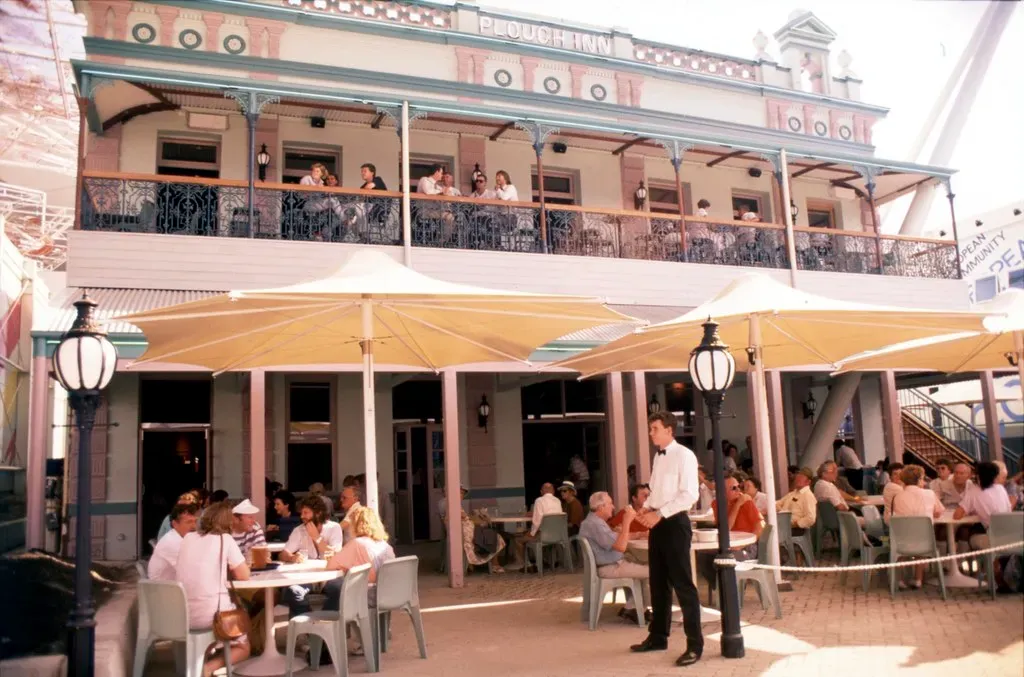
There is a very distinct difference between a guest who sits down and immediately announces “It’s my anniversary, so we’ll need the special treatment,” and one who casually mentions it during natural conversation with the host while being seated. As a host walks the family to their table and asks if they’re dining for a special occasion, the moment a customer walks into the restaurant, their customer experience begins. The key word here is “shares” versus “demands.”
Celebrating important milestones in customers’ lives, such as birthdays or anniversaries, with complimentary offerings like a free dessert, a special drink, or a personalized greeting card can acknowledge special occasions and make customers feel appreciated, turning an ordinary visit into a memorable experience. Most restaurants already want to do this. A guest who mentions the occasion softly, with zero expectation, makes it a joy for the team to respond. Offering a complimentary dessert or a drink to celebrate the occasion can turn a regular meal into a memorable experience, and this gesture fosters a strong emotional connection and encourages customers to celebrate future occasions at the restaurant.
5. Being Visibly Kind to the Entire Staff, Not Just the Server
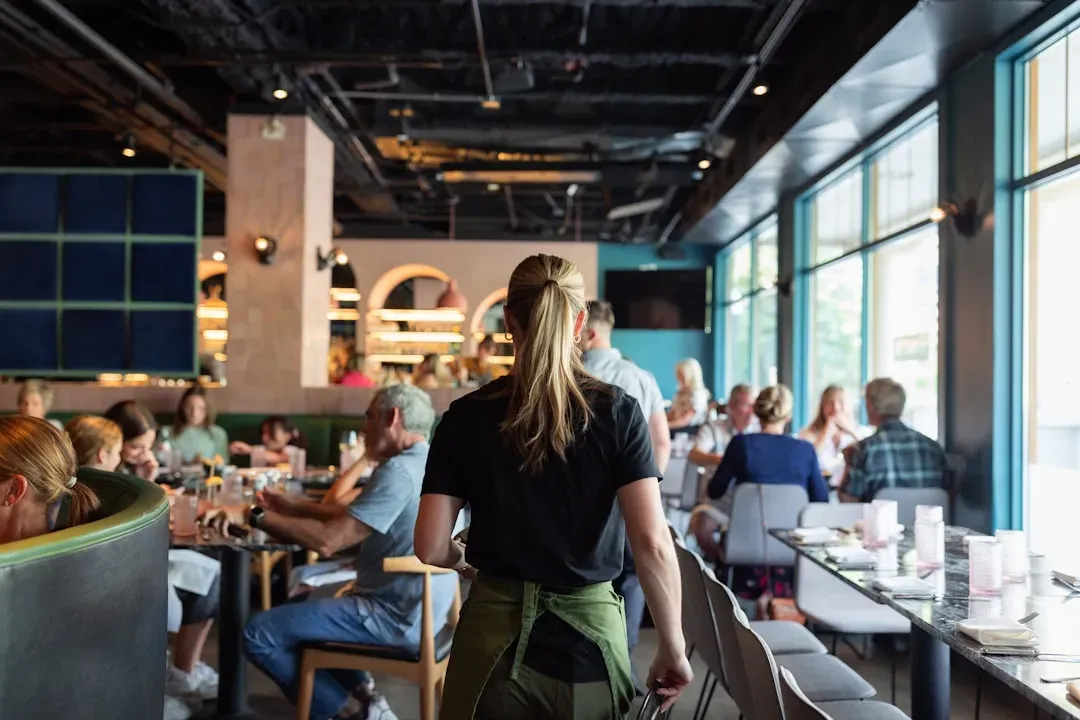
Here is something that the industry rarely talks about publicly. Guests who are warm to the server but dismissive to the busser, rude to the food runner, or impatient with the host are noticed by everyone. The restaurant floor operates as a team, and how a guest treats each member of that team is watched. A sobering reality is that roughly seven in ten customers with an unresolved poor restaurant experience tell their friends and family about it, while nearly three quarters of happy customers now share their good experiences up front. Staff talk to each other too, and they share their experiences just as readily.
Great food can attract a customer, but exceptional service is what keeps them coming back, and when servers go above and beyond, it leaves a positive emotional impact that guests remember. The reverse is equally true. When a guest goes above and beyond in their kindness to the whole team, that positive emotional impact travels back in the opposite direction. A loyal regular brings in predictable revenue, spends more over time, and becomes a powerful word-of-mouth advocate, and research consistently shows that increasing customer retention by just 5% can boost profits between 25% and nearly double in some cases. Kind guests are exactly the kind of regulars restaurants want to keep.
6. Returning Regularly and Remembering the Restaurant’s Details

Keeping customers is five to seven times cheaper than acquiring new ones, and loyal diners spend more. The restaurant industry averages roughly 55% customer retention, well below the global benchmark, with the vast majority of first-time diners never returning. Repeat business drives revenue, with between 65% and 80% of restaurant sales coming from regulars, making loyalty the backbone of profitability. This context matters enormously. When a guest returns regularly, they are genuinely valuable to the business in a way that goes beyond any single check.
Loyalty program members visit restaurants roughly one fifth more frequently and spend about one fifth more than non-members. A guest who comes back, remembers the name of their favorite dish, asks whether the seasonal menu has changed, or recalls the chef’s recommendation from a previous visit signals deep engagement. Systems can tell staff who’s a first-time diner versus treasured regulars, allowing the team to tailor everything from welcome greetings to exclusive rewards. Being recognized as a regular is one of the most reliable paths to an unexpected treat at the end of the meal.
7. Leaving a Thoughtful, Specific Compliment Before Leaving
Most guests say “it was great, thanks” on their way out. A much smaller number pause, look directly at the host or server, and say something specific. Something like: “The way the duck was prepared tonight was really something,” or “Please tell the kitchen the timing was perfect.” It takes maybe fifteen seconds. The impact lasts significantly longer. Roughly 73% of happy customers now share their good experiences up front. Those are the guests staff genuinely look forward to seeing again.
When customers feel heard, they are more likely to return and recommend your restaurant. The same psychology works in reverse: when a guest makes staff feel heard and appreciated, the desire to reciprocate is natural and powerful. A small gesture is a simple way to delight customers and set a restaurant apart from the competition, and it will make diners feel appreciated and want to come back more often. A sincere compliment on the way out is arguably the single most underused behavior in dining, and it quietly carries more weight than most people suspect.
None of these seven behaviors are manipulative tactics or calculated strategies. They are simply the natural behaviors of a respectful, curious, and kind guest. The free dessert, when it comes, is just the kitchen’s way of saying: we noticed. What kind of diner are you the next time you sit down? Worth thinking about before you even pick up the menu.