
There’s something almost magical about the way food connects us to the past. Open up your grandmother’s old recipe box, and you’ll find a world that’s both familiar and completely foreign, a time when meals were built around practicality, seasonal availability, and zero waste. Not trendy superfoods. Not meal kits. Just honest, simple food that somehow kept people going through wars, depressions, and everything in between.
A lot of foods grandparents cooked went out of style over the years. They weren’t fancy, and some just seemed outdated compared to the quick, packaged foods that became popular later. Today’s kids have grown up in a world of chicken nuggets and TikTok food trends, which makes many of these old-school staples look, well, genuinely shocking. You might be surprised just how far we’ve drifted. Let’s dive in.
Table of Contents
1. Liver and Onions
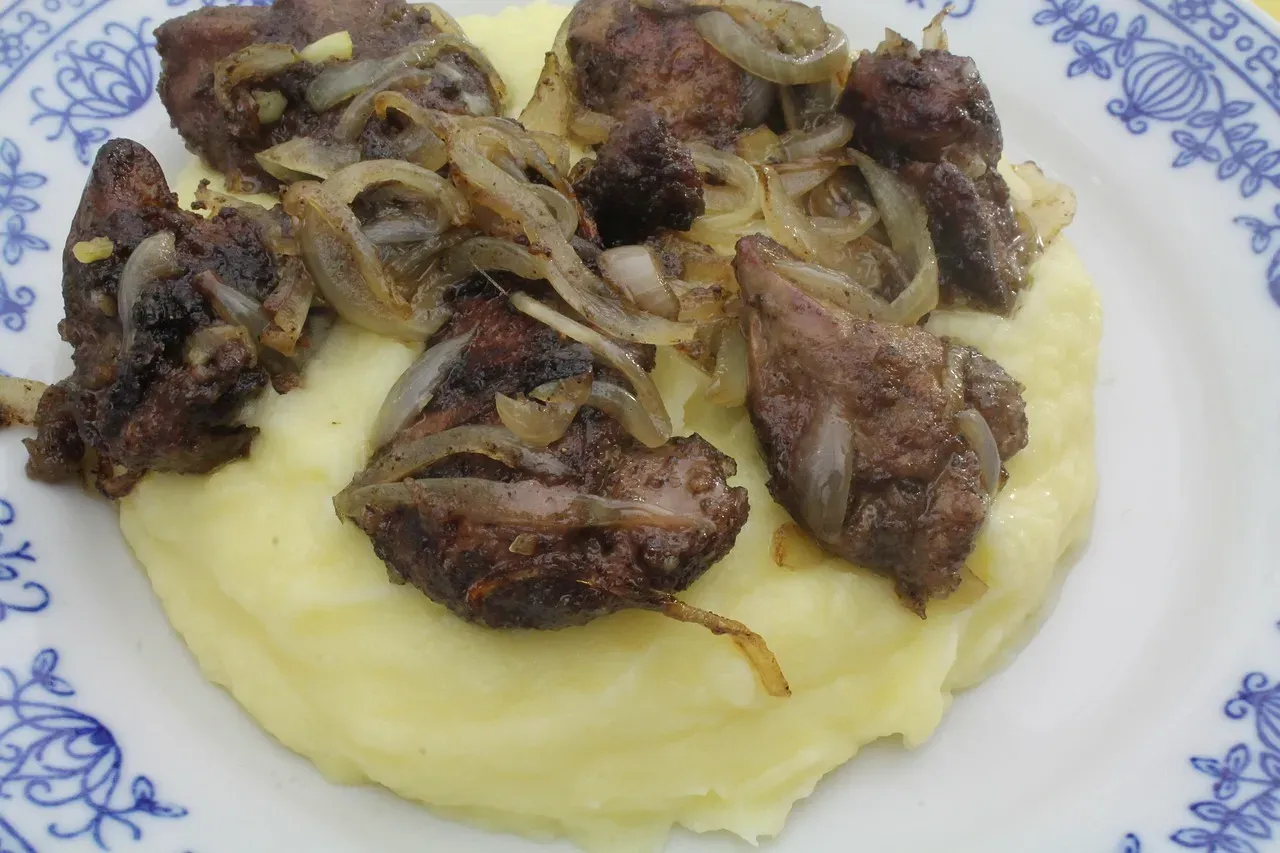
Ask any child today what liver and onions is, and you’ll likely get a look of pure horror. Yet for decades, this was a weeknight staple on dinner tables across America. Liver and onions used to show up regularly on grandparents’ tables because liver was cheap and packed with nutrients like iron and vitamin A.
Liver is one of the most nutrient-rich foods on the planet, especially when sourced from healthy, properly raised animals. Organ meats are actually far higher in nutrients than the muscle meats we’re used to eating. Think of it as the original multivitamin, just served with a side of caramelized onions.
It wasn’t too long ago that utilizing the whole animal, from nose to tail, was more the norm. Livers, sweetbreads, and tripe were widely consumed and enjoyed in the old days. Today, ironically, “nose-to-tail” cooking is making a comeback in upscale restaurants, sold as a premium experience. Grandma just called it Tuesday dinner.
2. Bone Broth
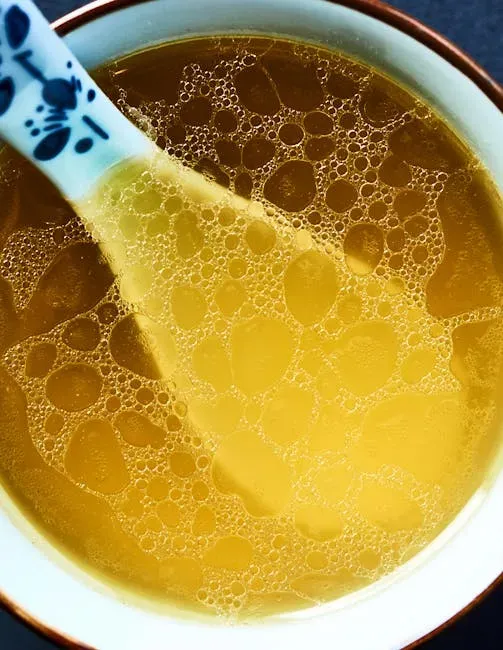
Bone broth was practical cooking decades ago because nothing went to waste. Families would save bones from roasted chickens, beef roasts, or pork chops to make nutritious broth. The habit faded once grocery stores stocked canned or boxed broth because those options were quicker.
Today, bone broth is popular again because it reduces waste in the kitchen and has health benefits people value, like collagen and nutrients that are good for digestion. It’s a little funny that what grandparents made from leftovers out of necessity is now sold at trendy wellness cafes for several dollars a cup.
Unlike regular broth or stock, bone broth cooks longer, usually at least 12 hours and sometimes up to 24. Long simmering pulls collagen and minerals from bones, making the broth nutritious and giving it that slightly thick, gelatinous texture once cooled. Kids today might not recognize it at all, but they’re probably drinking something inspired by it.
3. Prunes for Breakfast
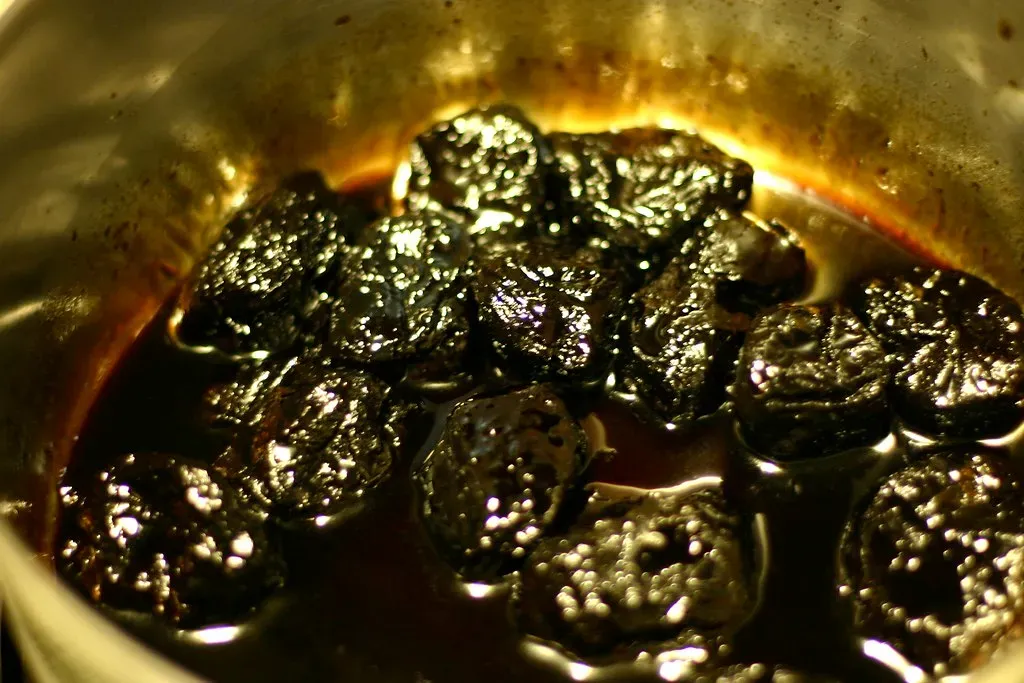
Prunes. Just the word makes modern kids wrinkle their noses. Yet grandparents ate them every single morning without fail, and not because they were told to by some wellness influencer. Prunes were always around at grandparents’ houses, especially at breakfast. They weren’t trendy or exciting, just practical. People back then knew prunes kept digestion regular, and at the time, food choices were simple: eat things that worked.
Prunes eventually faded because younger generations saw them as old-fashioned or only useful for digestive trouble. Now they’re getting attention again, mostly because younger people actually care about gut health and like the natural sweetness prunes offer without extra sugar.
Today, prunes aren’t just something you force yourself to eat. They’re showing up in foods younger people actually enjoy. Bakers are mixing them into muffins and breads to add sweetness and moisture, and others toss them into oatmeal or smoothies. Grandma was ahead of the gut-health curve. She just didn’t have a podcast about it.
4. Lard
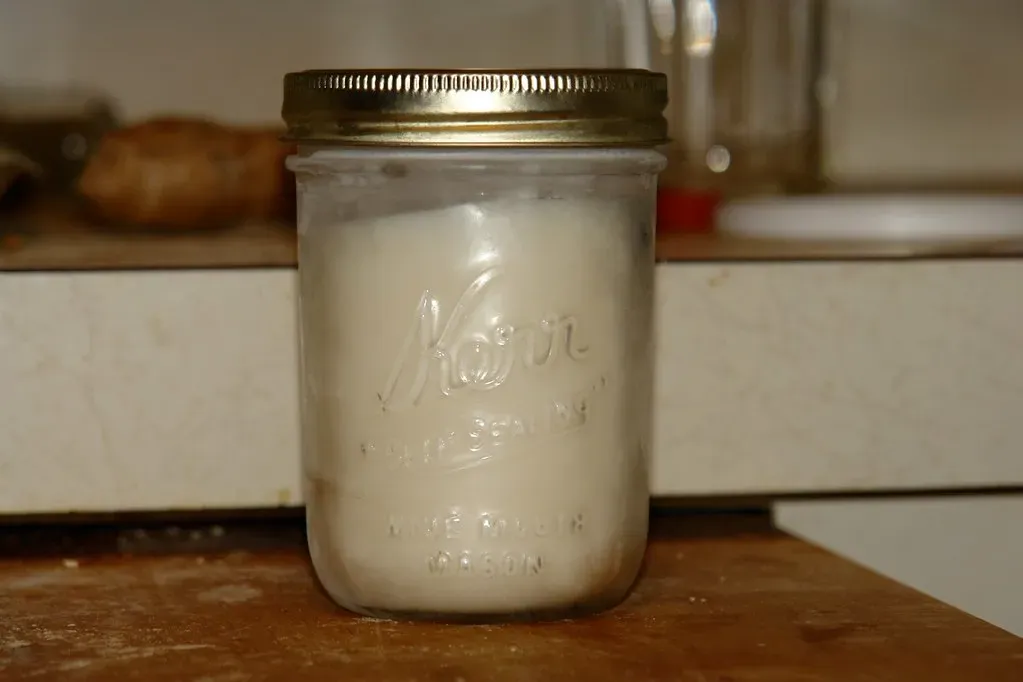
Let’s be real. Nothing makes a modern health-conscious parent more uncomfortable than the word “lard.” Yet for generations, it was the cooking fat of choice, used in everything from pie crusts to frying pans. Grandparents prized lard for its affordability and reliable energy. Rendered carefully, it is neutral, spreadable, and ideal for frying or baking. Used sparingly, it brings satisfying depth to a simple breakfast or late night snack.
Great-grandparents consumed moderate amounts of fat in homemade food daily. Their foods were largely made from simple ingredients like flour, sugar, butter, eggs, and milk, without sugar alternatives, margarine, faux-eggs, or nut milks. The irony is that many of the modern butter substitutes that replaced lard turned out to be far worse for health.
Traditional unrefined saturated and monounsaturated fats and oils, including butter and lard, were central to ancestral diets across cultures. Today’s kids would probably stare blankly at a can of lard in a grocery store. It’s one of those things that crossed the line from “staple” to “relic” seemingly overnight.
5. Gelatin Salads (Jell-O Molds)
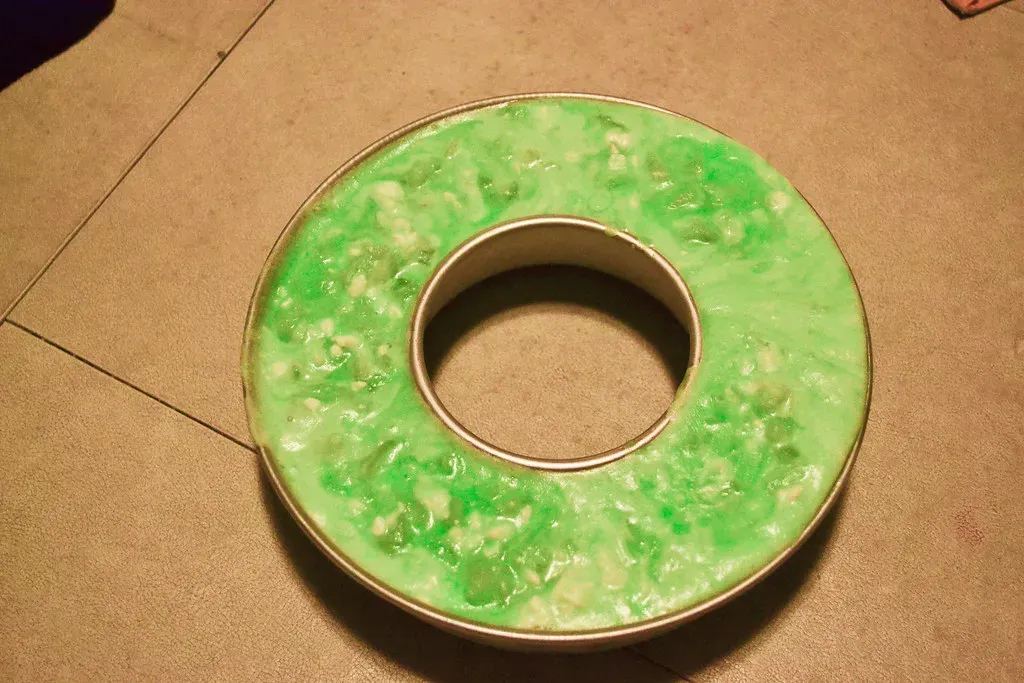
Imagine sitting down to a family dinner and being served a wobbly, lime-green mold containing chunks of cottage cheese, pineapple, and mayonnaise. Welcome to mid-century American cuisine. Gelatin salads exploded in popularity from the 1930s through the 1960s, hitting their absolute peak during the post-war suburban boom of the 1950s. This wasn’t just a passing food trend. It was a cultural phenomenon, a wobbly, often brightly colored centerpiece. For decades, no potluck, church supper, or holiday dinner was complete without one.
In the 1950s, Jell-O salad symbolized modernity and became a way for women to entertain guests and showcase a family’s social status. As the craze topped off, Jell-O’s advertising included promotions such as “Use-Up-Your-Leftovers-in-a-Jell-O-Salad Week.” Yes, that was real marketing. It worked.
Gelatin salads were most popular from the 1930s to the 1960s, reaching their peak in the American post-war era of the 1950s. They were popular due to their affordability, the novelty of instant gelatin, and aggressive marketing by brands like Jell-O. Their popularity declined in the late 1960s and ’70s as culinary tastes shifted towards more natural, less processed foods. Today’s children would likely refuse to touch one, and honestly, they might be right.
6. Creamed Chipped Beef on Toast
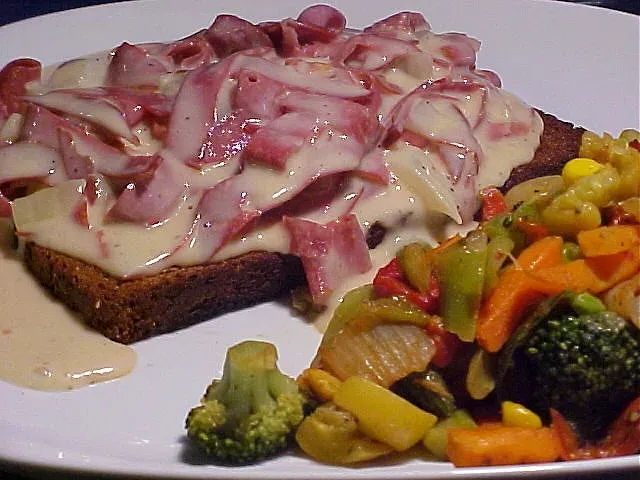
Military families know this one well, sometimes by a rather colorful nickname that can’t be printed here. Creamed chipped beef on toast was a humble, filling dish that stretched very little meat into a full meal. As highlighted by a 2008 article in the Journal of the History of Medicine and Allied Sciences, America’s infatuation with hearty, filling meals predated the age of fast food and defined the 1950s diet. Creamed tuna, meat loaf, deep-fried vegetables, and breaded veal cutlets were all highly popular foods.
In the 1950s, people ate food made at home. Fast foods, pizza delivery, and takeout were not the norm until about the mid-1980s. Earlier generations typically brought a brown bag lunch when they went to work or school. Food was prepared with simple ingredients at home, and portions were smaller.
Creamed chipped beef was exactly that kind of food. Cheap, fast to make at home, and genuinely satisfying on a cold morning. A modern kid handed this for breakfast would probably ask where the cereal is. It’s the kind of dish that needs context to appreciate, and most kids today simply don’t have it.
7. SPAM

Few foods carry as much cultural baggage as SPAM, the iconic canned pork product that has somehow survived nearly nine decades. SPAM was common when grandparents cooked because fresh meat was expensive and didn’t store easily. It eventually became less popular when fresh meat got cheaper and more available.
The prosperity of the postwar era made meat a staple for many American households. However, Depression-era frugality tempered the urge to splurge on prime cuts, with many cookbooks recommending the use of cheap deli meats. SPAM fit perfectly into that practical philosophy.
Now, SPAM is showing up again, mostly because younger cooks appreciate how practical it is to keep around. Straight from the can, it feels soft and salty, which is why some people have trouble liking it. In Hawaii, it never actually went away and remains deeply beloved. Kids on the mainland, though? Most have never tasted it and would probably be wide-eyed at the concept.
8. Bean Soup with a Ham Bone
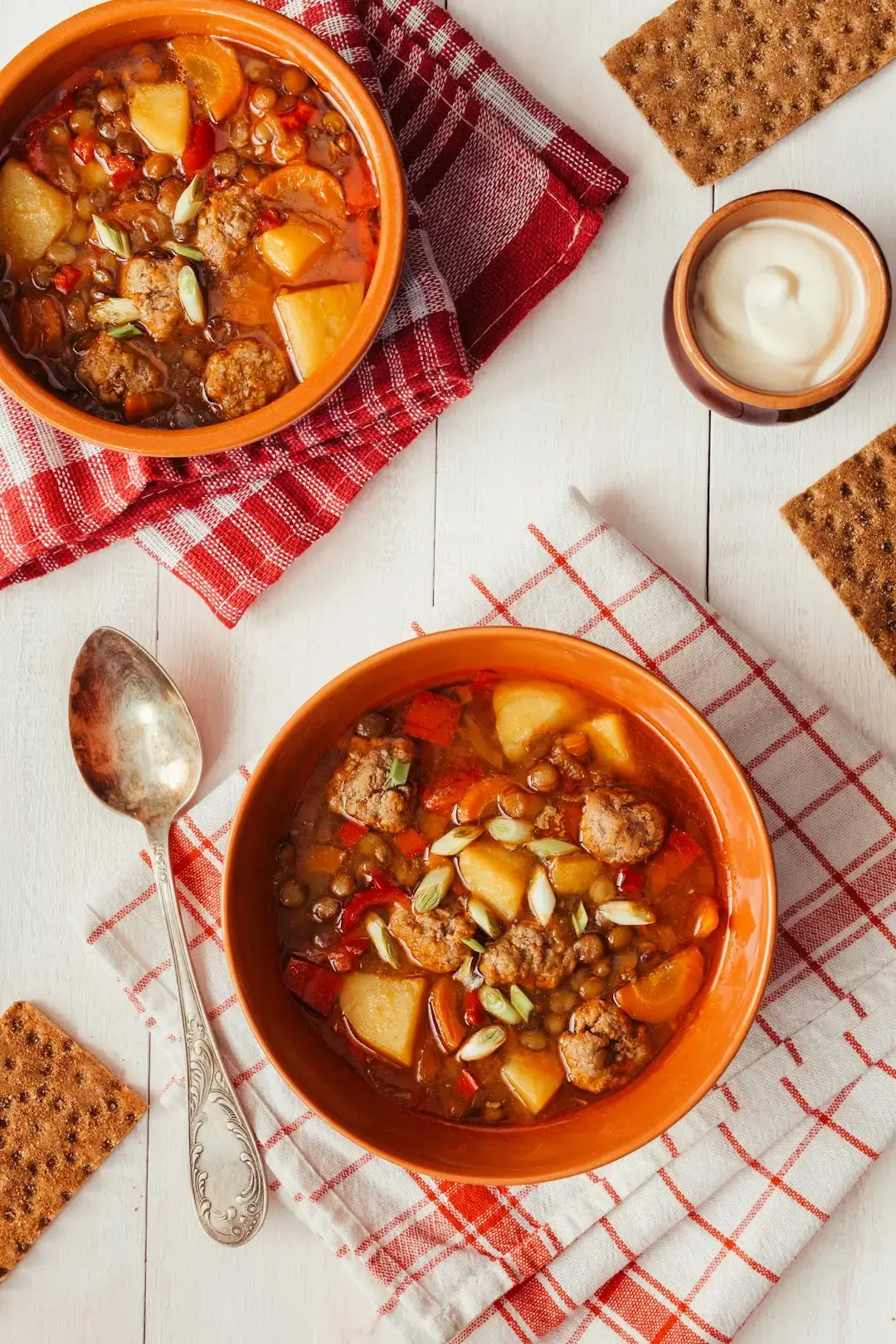
Here’s the thing about old-fashioned bean soup. It required patience, a leftover ham bone, and about three hours. None of those are particularly abundant in a modern household. Bean soup turned pennies into comfort. Dried beans simmered low and slow with onions, a bay leaf, and maybe a ham bone created a silky broth and hearty body. It fed many, reheated beautifully, and only improved overnight.
Some of the foods that grandparents ate were out of necessity. Over the years, though, those foods became meals that were good to their palates. The food they ate told a story, one that shouldn’t be lost because it represents an oral history of sorts.
A slow-cooked bean soup takes something humble, essentially just legumes and water, and transforms it into something deeply nourishing. Today’s children are far more familiar with soup from a microwave packet. The idea of soaking beans overnight and watching a pot for hours would feel almost incomprehensible to most of them.
9. Wilted Lettuce Salad
![9. Wilted Lettuce Salad (EraPhernalia Vintage . . . [''playin' hook-y''] ;o, Flickr, CC BY-SA 2.0)](https://nvmwebsites-budwg5g9avh3epea.z03.azurefd.net/easymugcakes/fa58b73d6581a99ec4282fbaff8a3161.webp)
Modern salad culture is all about raw, crisp greens loaded with toppings. Grandparents took a completely different approach. Grandmothers rarely ate a spinach salad as we know it today. Wilted lettuce, when lettuce was in season, was often the only salad they ever prepared. It was made with bacon drippings, vinegar, and sugar poured hot over fresh leaf lettuce.
In the 1950s, people ate what was in season. There were no strawberries, fresh peas, or salad greens available in winter. The concept of eating seasonally was not a lifestyle choice back then. It was simply reality. You ate what was growing, when it was growing.
Wilted lettuce with warm bacon dressing is one of those dishes that sounds completely wrong on paper and tastes oddly wonderful in practice. It’s tangy, a little smoky, and genuinely satisfying. Show this recipe to a modern child and they’ll look at you like you suggested pouring hot sauce on ice cream.
10. Tapioca Pudding
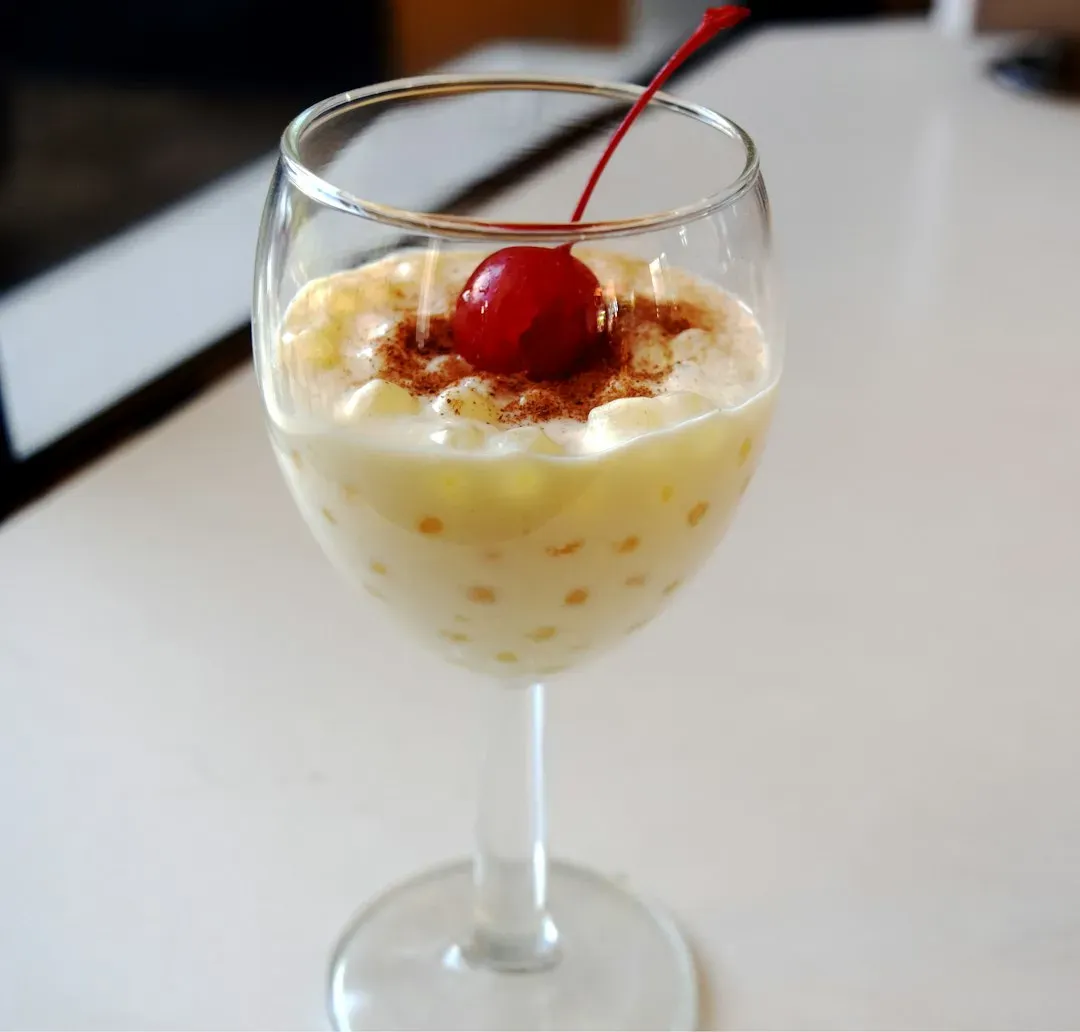
You either have strong childhood memories of tapioca pudding, or you have absolutely none. There is no in-between. In the 1950s, no one would dream of having their main meal of the day without a cooked dessert like tapioca or sponge and custard. It was simply part of the rhythm of a proper meal.
Tapioca is made from cassava root, transformed into small, starchy pearls that become soft and slightly chewy when cooked in milk. The texture is polarizing. Some people find it comforting and nostalgic. Others, particularly kids who encounter it without context, describe it as “lumpy milk” and politely decline.
Honestly, I think tapioca’s reputation suffered more from presentation than flavor. It was often served in institutional settings, which gave it an unfair association with cafeteria food. At home, freshly made with real vanilla and a little cream, it’s something else entirely. Kids today are missing out, even if they don’t know it yet.
11. Bread and Milk
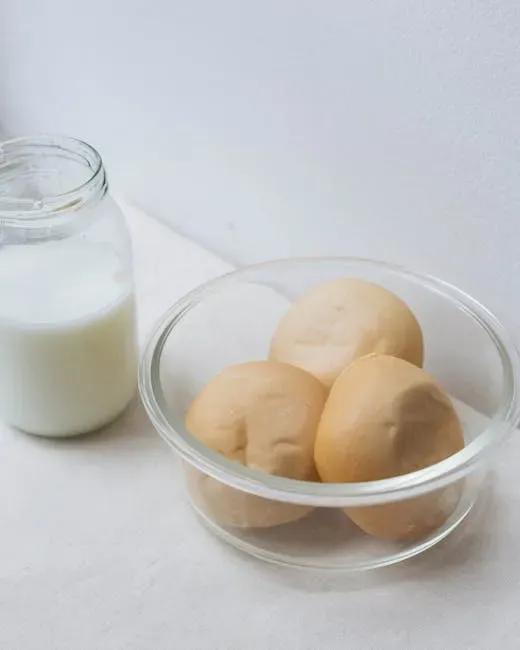
This might be the most surprising entry on this list. Bread broken into pieces, submerged in cold milk, eaten with a spoon. It sounds like something invented out of desperation, and in many cases, it was. Potatoes, other root vegetables, and bread were freely available even during wartime rationing. People ate a diet much higher in carbohydrates and lower in fats than we do today.
The era of many grandparents’ childhood was a time of great change and upheaval, marked by wars, economic crises, and social transformations. These events had a profound impact on the diet and food culture of different regions, shaping the foods that people ate, the way they cooked, and the traditions they followed.
Bread and milk was comfort food in its purest, most stripped-down form. No recipe needed. No special ingredients. Just two things found in virtually every home, combined into something warm and filling. Today’s children live in a world of elaborate snacks and flavored everything. The idea of bread in milk would strike them as almost incomprehensibly plain.
12. Creamed Corn (from Scratch)
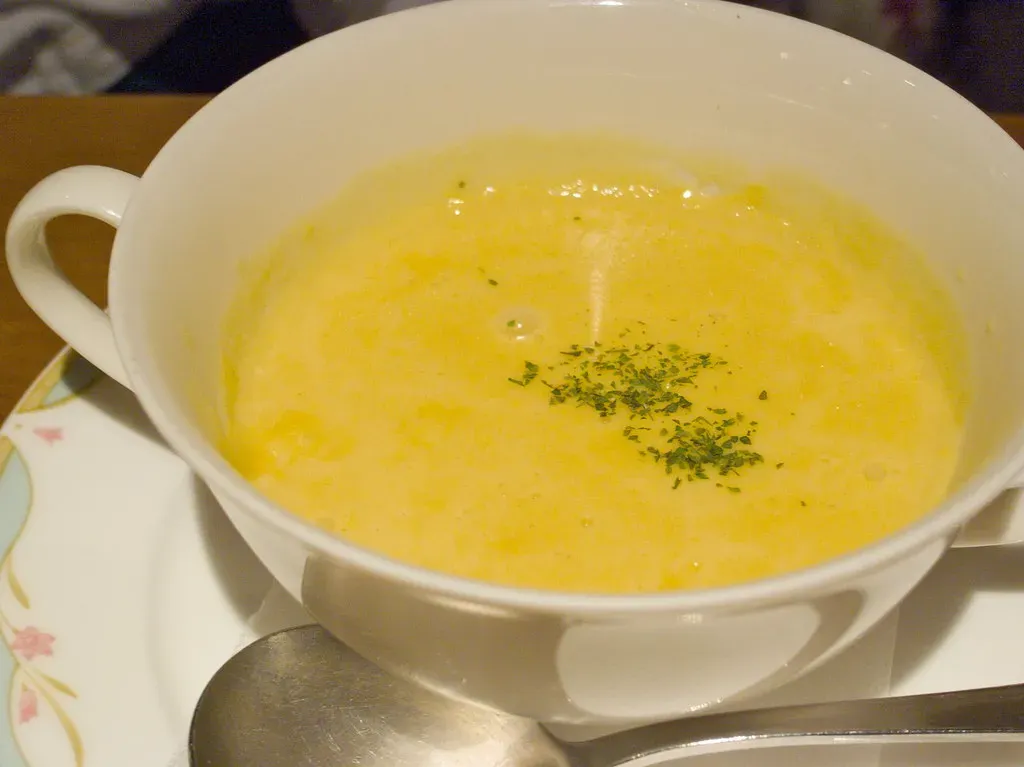
There’s a big difference between the creamed corn that grandparents made and the canned version most people know today. The homemade version involved fresh corn, scraped right off the cob, cooked slowly in butter and cream until it became almost custard-like. Many families continued to grow their own fruits and vegetables and preserved them for the winter months.
Carbohydrates consumed in earlier generations were largely fruits in season, potatoes, and flour in baked goods and bread. They also ate a wide variety of vegetables, but mainly cooked. Creamed corn fit perfectly into that vegetable-forward but cooked-down tradition of home cooking.
Scratch creamed corn is one of those recipes that makes you genuinely understand why food used to taste different. There’s no comparison to the canned version. Kids who grew up with the canned product might not even recognize that the two share a name. It’s one of the foods most worth reviving, even if it requires a little more effort than opening a can.
13. Sauerkraut
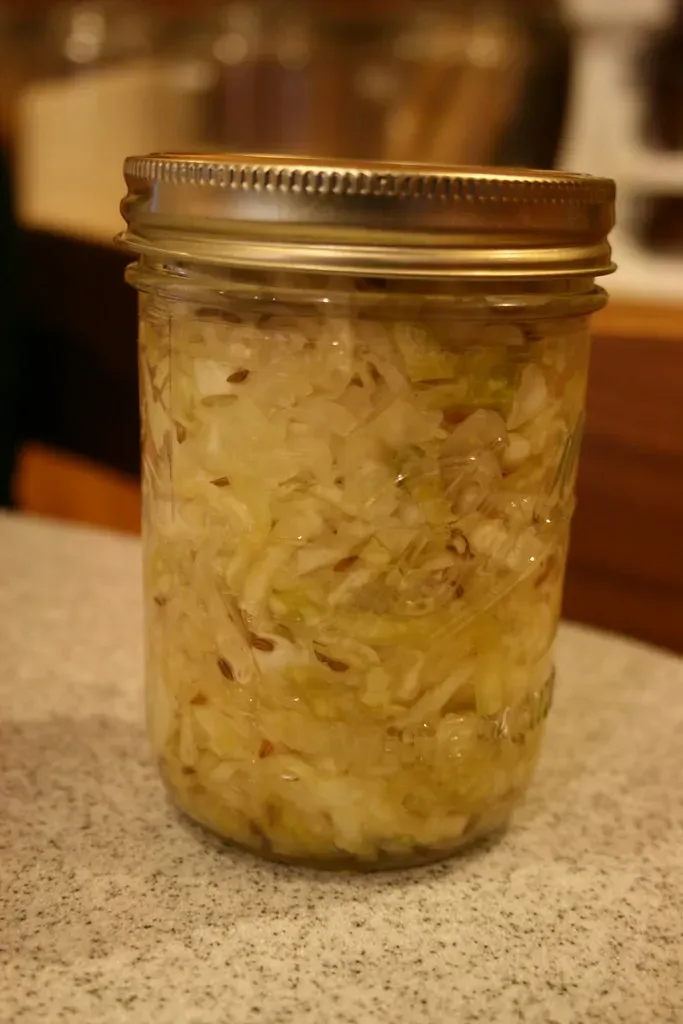
Fermented cabbage. A food that smells strongly, tastes sharply, and has been eaten across Europe and America for centuries. Making sauerkraut at home was common in grandparents’ kitchens because fermenting was an easy way to preserve cabbage without refrigeration. You didn’t need a fancy appliance or a grocery store delivery. You needed cabbage, salt, and time.
Traditional foods were prepared by soaking and fermenting before use. Vegetables and fruit were preferably locally grown and seasonal, both raw and cooked and lacto-fermented. Fermentation wasn’t a wellness trend. It was a survival strategy that happened to create incredibly flavorful food.
Here’s something ironic. Sauerkraut is now experiencing a genuine revival, sold in fancy jars in health food stores at steep prices because of its probiotic benefits. Grandparents made their own batch every autumn, stored it in crocks in the cellar, and never thought twice about it. Today’s kids, presented with a forkful of this pungent stuff, would likely need some convincing.
14. Tomato Sandwich
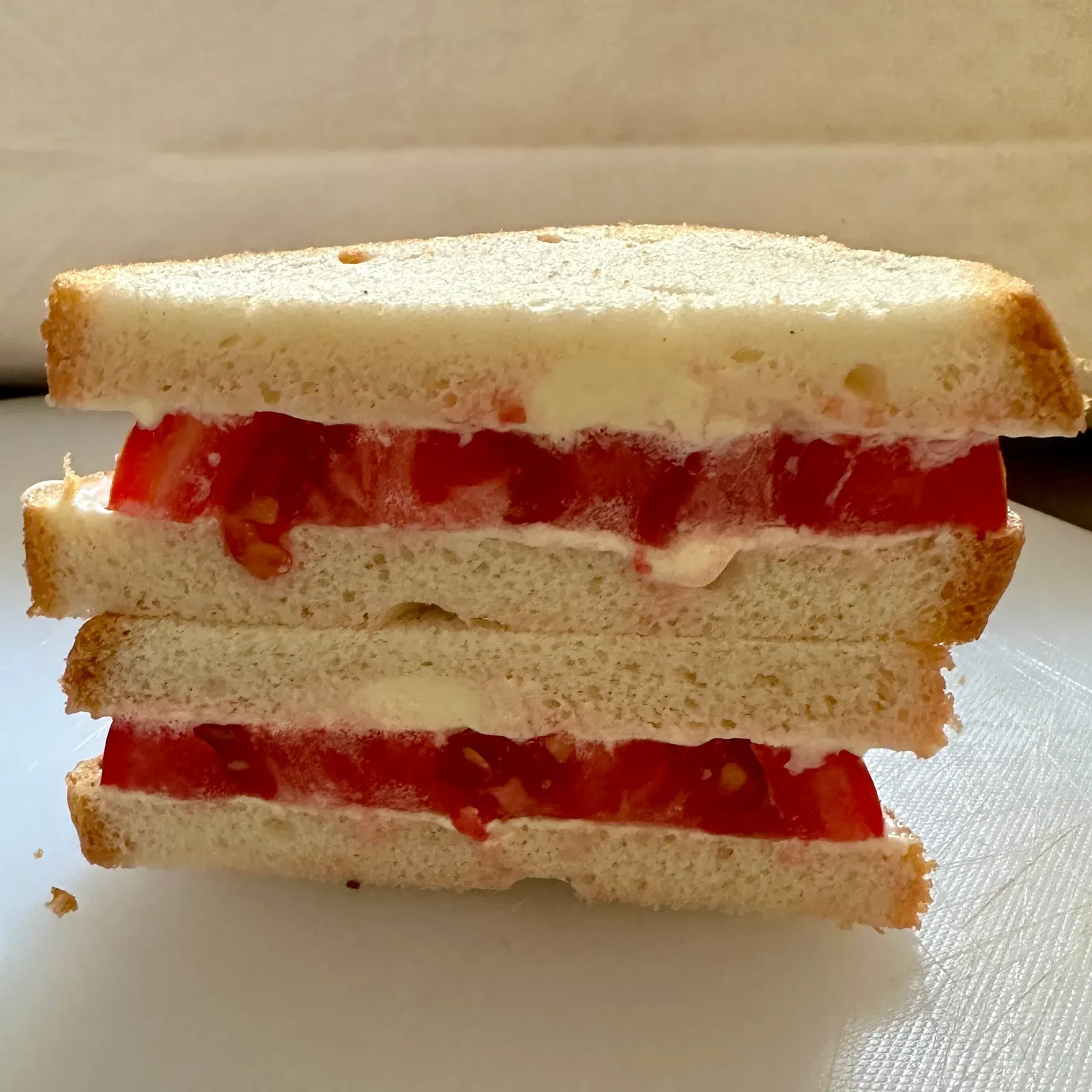
This one is so simple it almost seems like a joke. Two slices of white bread, a thick slice of summer tomato, a generous spread of mayonnaise, salt and pepper. That’s it. That’s the whole recipe. There may be nothing better than a tomato sandwich sopping with juice. When tomatoes are ripe and as big as a piece of loaf bread, they become what some call “kitchen sink worthy,” meaning you better eat it over the kitchen sink so that you don’t make a big mess.
Other ingredients shouldn’t complicate the simplicity of this sandwich. That restraint, the refusal to add more, is itself a kind of wisdom that modern food culture often loses sight of. Everything has to be elevated now, upgraded, loaded with toppings.
A perfect summer tomato sandwich depends entirely on the quality of the tomato, and that’s exactly why it’s rare today. Most tomatoes sold in supermarkets are bred for shelf life and uniform appearance, not for that explosive, sweet-acid juice that makes the sandwich legendary. Grandparents often grew their own. That made all the difference, and it’s a gap between generations that a grocery store simply can’t bridge.
15. Cottage Cheese with Fruit
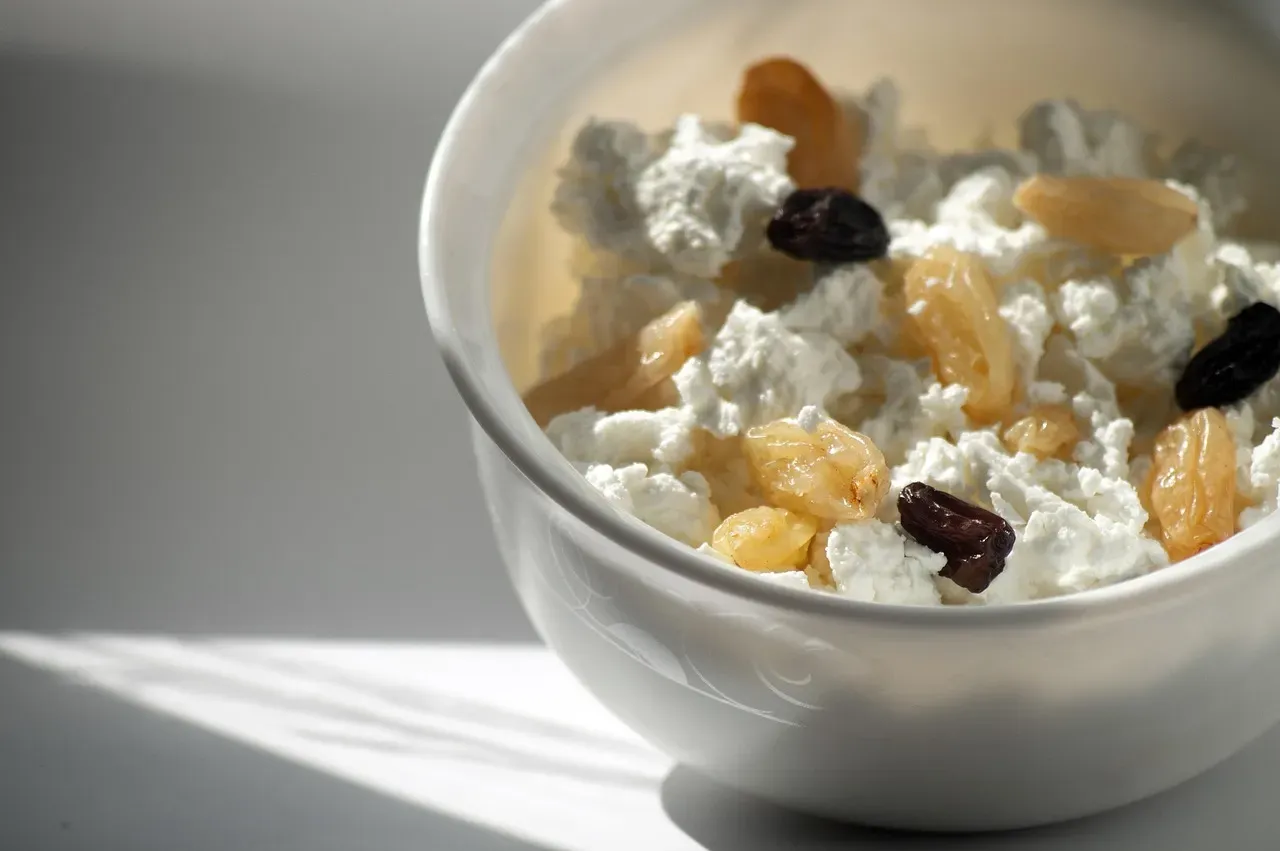
Cottage cheese had its golden era. In the 1950s and 1960s, it was everywhere. Breakfast plates, lunch spreads, dinner sides. Often paired with canned peaches or pears, it was the protein-rich, low-cost food that working families relied on without making a fuss about it. Staples like canned peaches, cottage cheese, and frozen fruits were standard pantry items for families trying to eat well within a budget.
Grandparents often had different eating habits than people do today. They tended to eat more slowly and mindfully, and they were less likely to snack between meals. Additionally, they often ate more meals at home and had a greater appreciation for the social and cultural aspects of food.
Cottage cheese is actually experiencing a comeback right now in 2026, repackaged as a high-protein food for fitness culture. It’s being blended into ice cream and pasta sauces and shared across social media. But for grandparents, it was never a trend. It was just the tub in the fridge, spooned alongside a peach half, eaten at a kitchen table with the radio on. Many of these old-school foods are back in home kitchens because they’re practical, simple, and fit with how people actually eat today. The foods grandparents ate were often about getting the most out of simple ingredients. They kept costs low, minimized waste, and used whatever was easy to keep around.
Conclusion: The Wisdom in Simple Food
It’s easy to look back at these foods with nostalgia or amusement. Some of them genuinely do sound odd by modern standards. But there’s something worth sitting with here. Younger cooks today want foods that are affordable, convenient, and easy to prepare, and they’re finding great ideas by looking back to what their grandparents ate regularly.
By exploring the foods of grandparents, we can gain a deeper understanding of the historical and cultural context in which they grew up and appreciate the rich diversity of food culture around the world. That appreciation has real value, especially at a time when food has become both more abundant and somehow less meaningful.
The lost art of the foods of past generations is worth remembering. Some of the foods that grandparents ate were out of necessity. Over the years, though, those foods became meals that were good to their palates. The food they ate told a story, one that shouldn’t be lost because it represents an oral history of sorts. Which of these foods did you grow up eating, or wish you had? Tell us in the comments.