
That glass baking dish sitting in your kitchen cabinet might be one of the most misunderstood pieces of cookware you own. It looks innocent. It feels versatile. Most people grab it without a second thought, slotting it in for everything from roasted chicken to a batch of cookies. Here’s the problem: not everything belongs in it.
Glass bakeware has very specific strengths and very real limitations. Using it with the wrong food can mean ruined meals, uneven cooking, or in more dramatic scenarios, a shattered dish all over your oven floor. The science behind this is actually fascinating once you understand it.
So let’s get into the eight foods you really should reconsider the next time you reach for that glass dish.
Table of Contents
1. Cookies – A Classic Baking Mistake
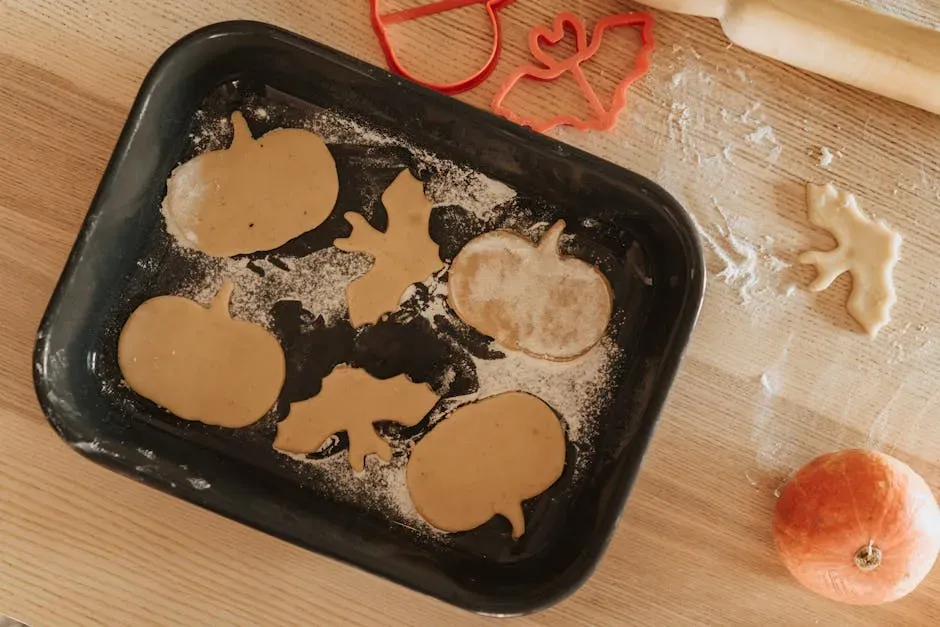
Honestly, cookies are probably the most common victim of the wrong bakeware choice. The hot surface of the pan plays a very important part in the baking process, starting to cook the bottom of the cookies as soon as they go in the oven. Place your cookies on a glass dish, and instead they will first be heated by the hot air from the top and sides, at which point the sugar begins to melt. By the time the glass is hot enough to set the cookies’ bases, they will have spread.
Add to that the potential hot spots from cooking dry foods in glass, and you’ll end up with unevenly baked treats. It’s a bit like trying to fry an egg on a cold skillet and hoping for the best. The end result is a flat, inconsistent cookie that no one is going to be excited about.
Metals, especially aluminum, are generally better at conducting heat. They pick up heat but can also lose it again quickly. Grab metal baking pans when you want foods to heat up quickly and if you want them to brown, like when you are roasting potato wedges or baking cookies.
2. Brownies – Deceptively Tricky
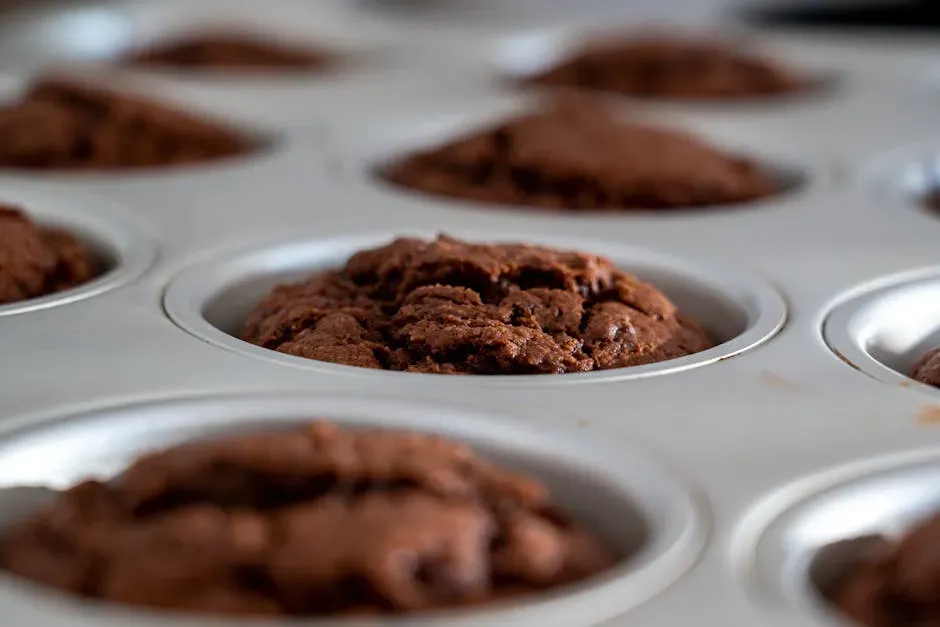
Let’s be real: brownies are one of those foods where pan choice genuinely matters more than most people think. Side-by-side tests of identical brownie batches, one baked in a light-colored metal pan and one in a glass pan at the same oven temperature and time, revealed that the brownies in the metal pan were perfectly cooked through after 30 minutes. They were taller, thicker, and had a perfectly chewy, slightly fudgy texture. The brownies in the glass pan were very underdone in the center after 30 minutes. The edges of the corner brownies were also rounded instead of perfectly square slices.
Glass pans tend to absorb and distribute heat more slowly than metal pans but retain heat longer. This can lead to uneven baking or over-browning, especially on the edges and bottom of the brownies. It’s a frustrating paradox: the edges get too done while the center stays raw.
If you’ve ever baked brownies or banana bread that turn out raw, underbaked, gummy, or sunken in the center, it may be due to a glass pan. Many home bakers never connect the two, blaming the recipe when the real culprit was the dish itself.
3. Artisan or Sourdough Bread – High Heat Is the Enemy
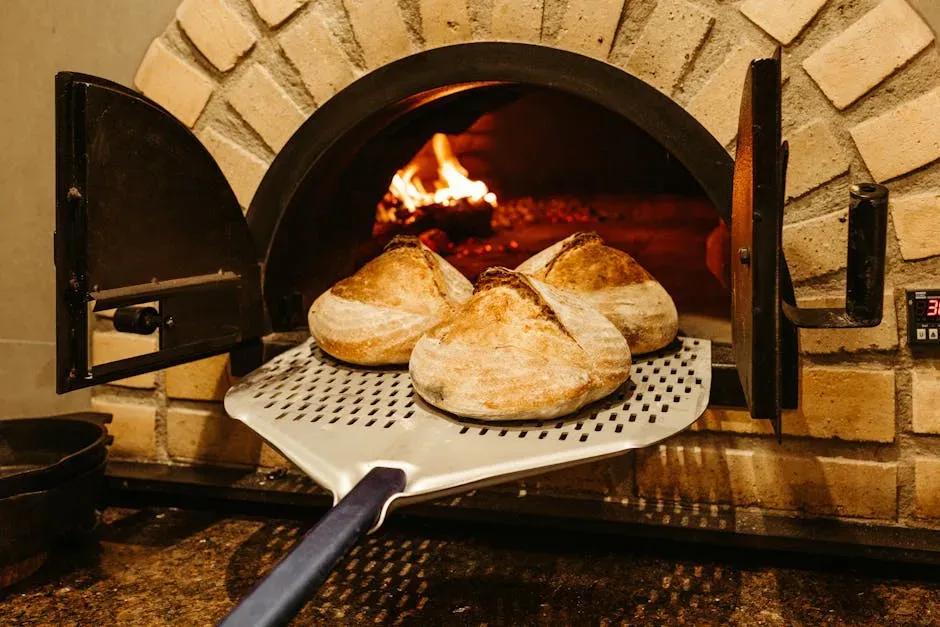
Bread baking, especially the crusty sourdough variety, demands very high oven temperatures. That’s exactly where glass starts to become a genuine safety risk. A good sourdough loaf needs to be baked at high temperatures to achieve a solid crust all over. For home bakers, this means starting at 485 degrees Fahrenheit or higher, with the rest of the bake done at 450 degrees Fahrenheit. This puts your glass dish at risk of shattering.
For safety’s sake, it is advisable to use a different type of bakeware when cooking or baking above 425 degrees Fahrenheit. Think about that for a moment: most artisan bread recipes open at temperatures well above that threshold. Using glass here isn’t just a quality issue, it’s a hazard.
If we’ve learned anything, it’s that glass will not give you that crunchy base that’s a vital element of bakery-style bread. For serious bread baking, a Dutch oven or heavy metal pan is always going to be the far better call.
4. Foods Cooked Under the Broiler – An Outright No
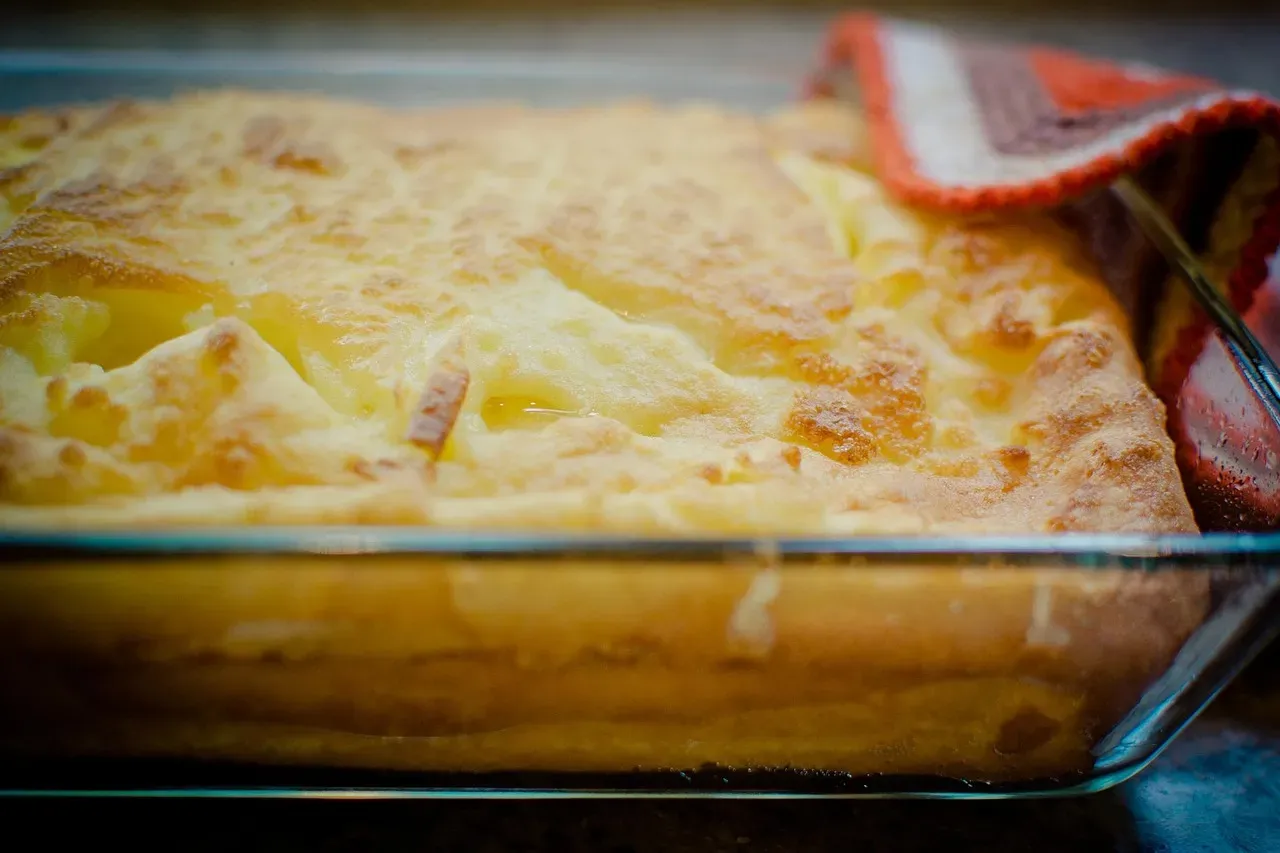
This is one of those rules that exists for a very clear safety reason. Glass pans aren’t recommended when you want to broil foods because they may shatter. In fact, glass pans should never be used in direct high-heat cooking situations, like on the stovetop, unless otherwise specified by the manufacturer.
Direct contact with heating elements can cause glass to shatter or break. Pyrex, for example, is not oven-safe when used under the broiler or in a toaster oven. Uneven heating, direct contact with heating elements, and sudden temperature changes can all cause glass to shatter or break.
I think this surprises people more than it should. Bubbling a casserole topping or getting a golden-brown crust on a gratin sounds completely harmless. The broiler’s intense heat can cause glass to shatter, which can come into play with some pie or casserole toppings. Switch to a metal baking dish anytime the broiler is involved. No exceptions.
5. Dry Roasted Nuts and Seeds – A Risky Venture
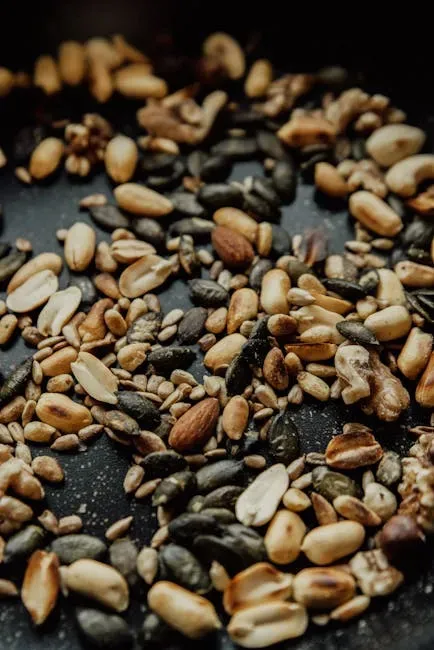
Glass shouldn’t be used when you can’t add any liquid to the dish. Toasting bread for croutons, roasting nuts or seeds, or reheating pastries all require a metal tray. Without moisture in the dish, the glass heats unevenly, creating localized hot spots that stress the material in unpredictable ways.
Adding water to a dish that contains dry foods will help control the temperature difference caused by water released by dry foods during the baking process. The problem with nuts and seeds, of course, is that they have almost no moisture to release at all. That means there’s nothing to buffer the heat, and the glass sits under direct stress throughout the cook.
It sounds overly cautious until the moment your dish cracks mid-roast and scatters hot glass and nuts across a 400-degree oven. Stick to a metal sheet pan for anything dry. It takes just a moment to switch and it genuinely matters.
6. Frozen Foods Straight From the Freezer – Thermal Shock Is Real
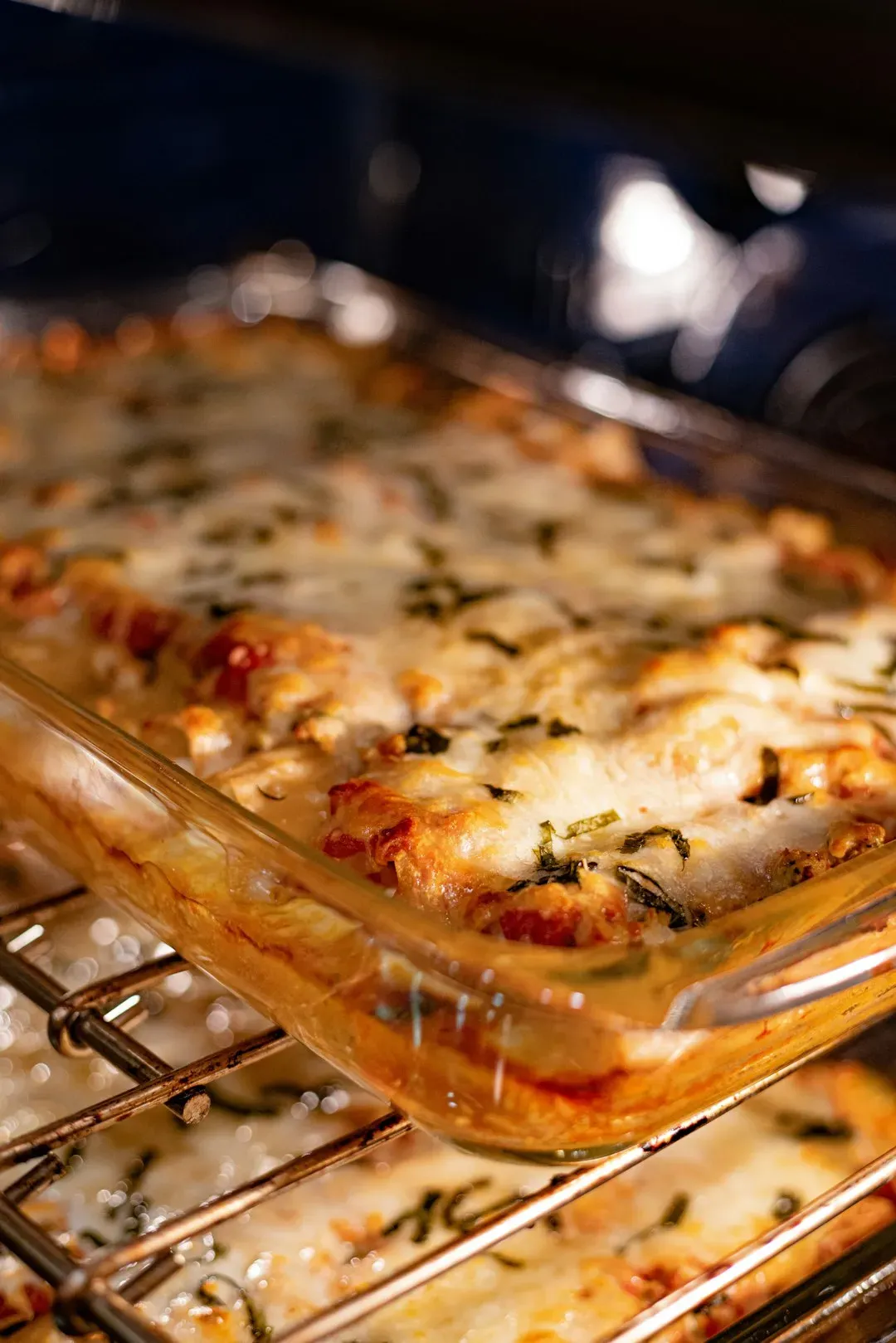
This might be the most frequent mistake people make without even realizing it. You pull a frozen lasagna from the freezer, slide it into a hot oven in the glass dish it’s been stored in, and walk away. What you don’t see coming is thermal shock. Under the right circumstances, glass bakeware will shatter, crack, split, and even explode when exposed to thermal shock. Thermal shock is when an object abruptly goes through a drastic temperature change, causing it to fracture as it expands or contracts.
Thermal shock is the result of severe, sudden temperature changes. For example, taking a refrigerated dish and placing it directly in a preheated oven will cause a rapid change in temperature. Going straight from freezer temperatures to a hot oven amplifies that effect dramatically.
If the baking pan has been chilled in the fridge, let it sit on the counter for 30 to 60 minutes before putting it in the preheated oven. This allows the glass and food to come closer to room temperature first. That small step can be the difference between dinner and a disaster.
7. Stovetop Dishes – Glass and Direct Heat Don’t Mix
Here’s the thing: a lot of cooking techniques involve starting something in the oven and finishing on the stovetop. Roasting a chicken and then deglazing the pan for a sauce, for instance. That workflow is perfectly fine with metal roasting pans. With glass, it becomes dangerous. Stovetop glass cookware is typically made from glass-ceramic, which can withstand direct heat. Standard glass bakeware and most glass dishes will crack or shatter on a burner because direct heat is uneven and can trigger thermal shock. So if your glass cookware is not clearly marked for stovetop or direct heat, treat it as oven-only.
If you are roasting meat and want to make a pan gravy on the stove after, stick to a metal roasting pan, not a glass pan, or else you will have to transfer everything to a pot first before making your sauce. That extra dirty pot may feel annoying. Trust me, it’s far better than the alternative.
It’s hard to say for sure how many home cooks have made this mistake, but given how instinctively people move pans from oven to stovetop, the number is probably higher than anyone would want to admit. Do not use glass glassware on the stovetop, whether on an open flame or electric burner, under the broiler, in a toaster oven, or on a grill.
8. High-Temperature Roasted Meats Without Liquid – A Hidden Danger
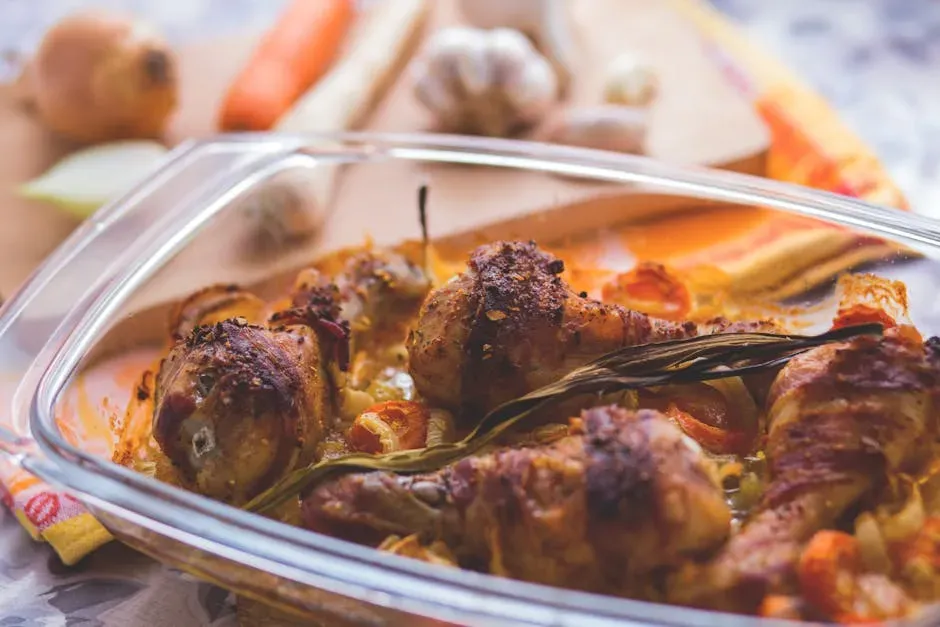
Roasting a chicken, a beef tenderloin, or a pork loin sounds like perfect glass baking dish territory. And in some cases it can work. The key word is “some.” When the roast doesn’t cover the full surface of the dish and you skip adding liquid, the exposed areas of the glass heat at a completely different rate than the covered areas. If you’re using a glass baking dish to cook something like a chicken or a roast beef that doesn’t cover the entire surface, add a little liquid to the dish before you place it in the oven to help keep the dish temperature even.
Always cover the bottom of the dish with liquid before cooking meat or vegetables. This isn’t just a cooking tip for flavor. It’s a structural safety measure for the glass itself. Uneven heating across the surface creates internal stress points that can eventually cause the dish to fail.
The vast majority of glass bakeware failures are due to mishandling or improper care of the product, even with quality bakeware. It is important to note that misuse often happens over time and the actual failure may occur at a later date. That means your dish could be quietly weakening over multiple roasting sessions before it finally gives out, and you’d never know until it does.
Final Thoughts
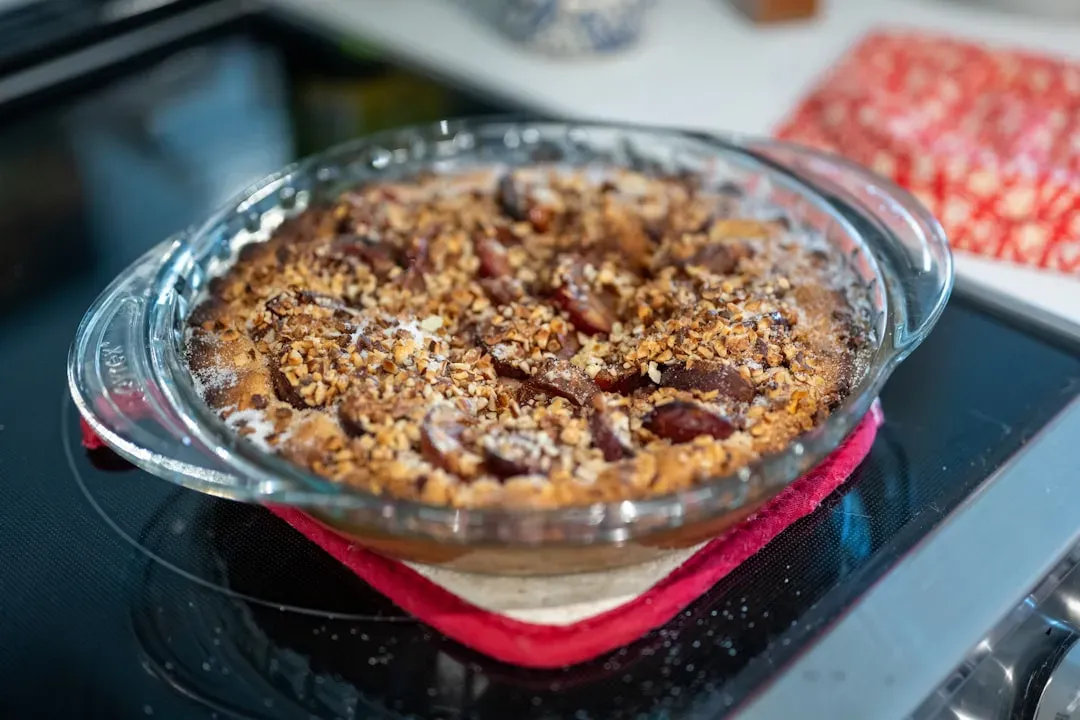
Glass baking dishes are genuinely excellent tools when used correctly. Foods that benefit the most from cooking are pies, casseroles, baked pastas like lasagna, cobblers, fruit crumbles, bread pudding, and other foods that bake at a low temperature for an extended period of time. That’s a solid list of comfort food classics.
The trouble starts when we treat glass bakeware as a universal substitute for any pan in the kitchen. In baking especially, which material you use can have a significant impact on the results. Ask just about any serious or professional baker whether they prefer glass or metal, and the answer is almost always to steer clear of glass.
Knowing where glass excels and where it fails keeps your food tasting great and your kitchen safe. Picking the right pan isn’t about being precious. It’s about understanding what your tools actually do. What’s the one food you’ve always cooked in a glass dish without a second thought? Tell us in the comments.