
There is a very good chance that something valuable is sitting in your garage right now. Not a painting. Not a coin. A soda bottle. Those dusty old soda bottles in your attic could actually be worth hundreds, or even thousands, while most of us simply toss empty bottles without a second thought as savvy collectors quietly build small fortunes from them.
For many people around the world, vintage bottle collecting is a serious hobby, and it makes sense. Before everything was made of plastic, bottles were usually crafted with glass, which is renowned for its longevity and durability, meaning that many glass bottles produced decades ago have held up pretty well and offer us a window into how things looked in the past. The market has only grown more competitive in 2026, with collectors hunting high and low – from flea markets to online auctions and estate sales – for these vintage glass treasures. Let’s dive in.
Table of Contents
1. Coca-Cola Hutchinson Bottles (Mid-1890s to Early 1900s)
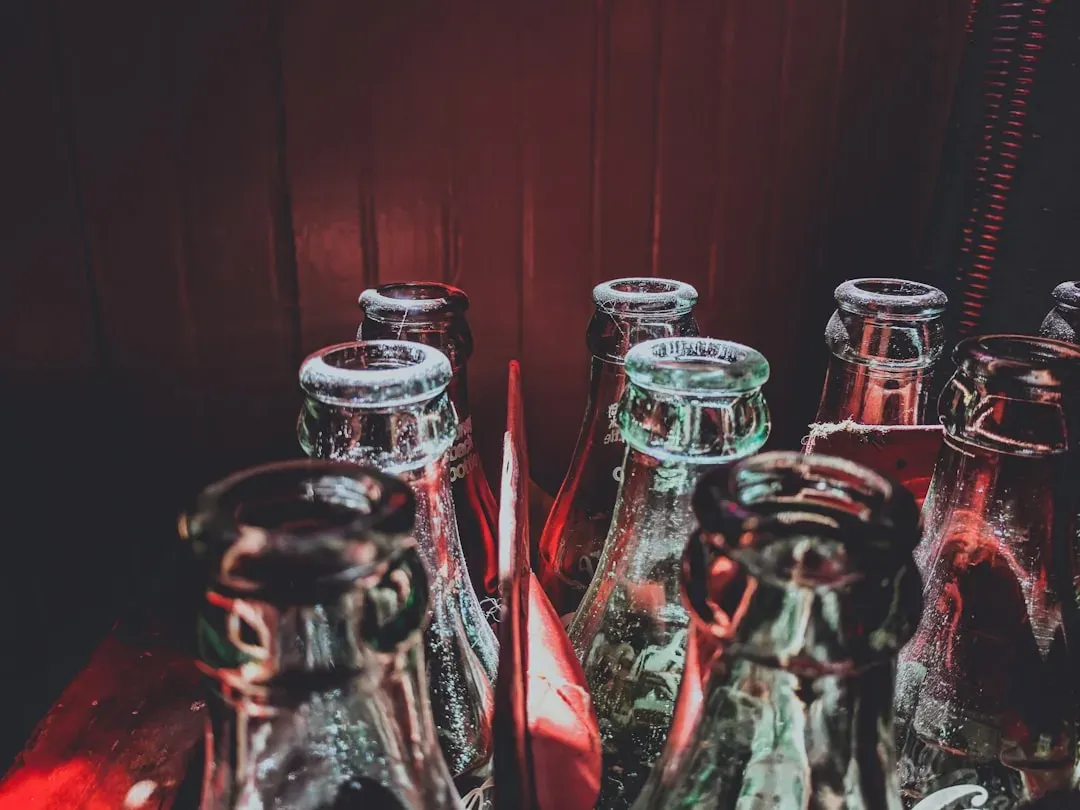
Here’s the thing about Hutchinson bottles – they might just be the holy grail of soda bottle collecting. The very first bottles that Coca-Cola used for its beverage are called Hutchinson bottles, which were straight-sided with a bulbous top and a stopper made of rubber and metal. They were used from the mid-1890s to the early 1900s, and they even required special shipping cases so they could be stored upside down.
The Hutchinson bottles derived their names from the metal stopper device used to seal them. The stopper contained a seal at the neck, and to open the bottle, the consumer punched down on a metal loop in the stopper, which broke the seal and made a popping sound. That’s what gave “soda pop” its name. Honestly, knowing that tiny piece of history alone makes these bottles fascinating objects to own.
According to Petretti’s Coca-Cola Collectibles Guide, an authentic Hutchinson bottle etched with the Coca-Cola logo from this time period could be worth anywhere from $2,500 to $4,000. These bottles are extremely rare since they weren’t used for long before the company switched to cap tops. Authentic Hutchinson Coca-Cola bottles have sold for $1,050 to roughly $1,400 at auction.
2. Coca-Cola Contour Prototype Bottles (1915)
If the Hutchinson bottle is the holy grail, then the original 1915 contour prototype is something on an entirely different level. The most valuable Coke bottle ever sold was a rare prototype designed by Earl R. Dean. The bottle was made in 1915 after the Coca-Cola company wanted to change the straight-sided bottles it used to something unique, and Dean’s design, with some tweaks, became the iconic curvy Coke bottle known around the world.
Prototypes of this bottle were created and, miraculously, some were preserved and discovered nearly a century after they were made. In 2019, one of these prototypes sold at auction for a staggering $110,700. During a separate auction, another bottle was estimated to fetch between $10,000 to $20,000 and ultimately sold for $250,000.
It’s unknown just how many of these prototypes may still exist since many were intentionally destroyed for secrecy reasons. The sheer rarity of surviving examples is what pushes these prices to jaw-dropping heights. Even regular hobbleskirt bottles in unusual colors like ice blue or light green are listed between $400 and $500 online, and those with printing errors are valued more highly for being unique.
3. Coca-Cola Straight-Sided Amber Bottles (Early 1900s)
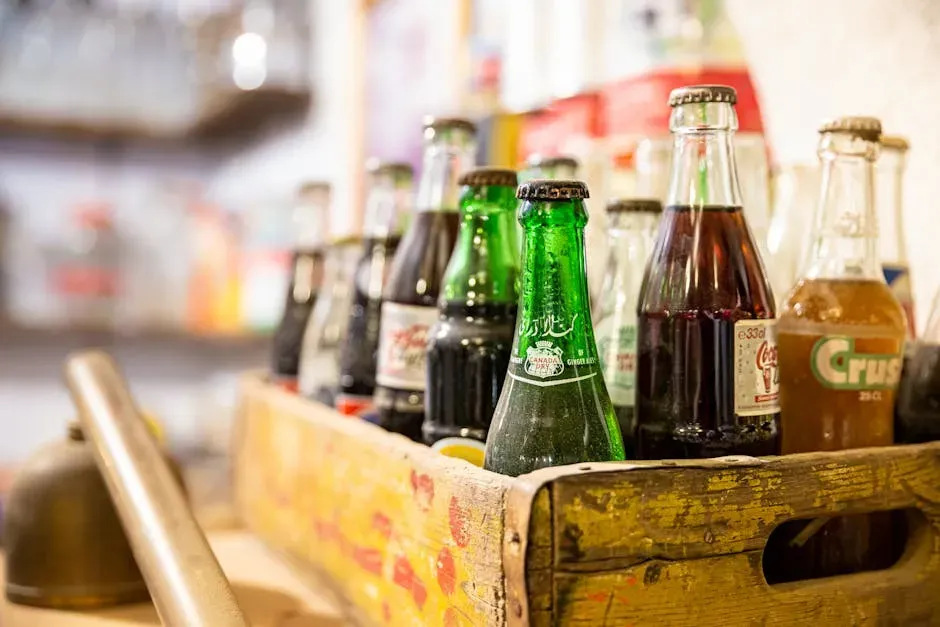
Not every valuable Coke bottle needs to be a once-in-a-lifetime prototype. The straight-sided amber bottles that came after the Hutchinson era are genuinely exciting to collectors too. Between the phasing out of the Hutchinson bottles and the phasing in of the familiar contour bottle, bottlers used a wide range of straight-sided bottles. Petretti’s guide calls this era a “gold mine” for collectors, noting that you can find an enormous variation in sizes, colors, and markings, with values ranging from $25 up to around $400, depending on condition and uniqueness.
Collectors of vintage Coke bottles particularly seek out Toledo, Ohio, variants made of amber glass. These are earlier examples because the bottles have straight sides, with a darker amber glass color. The words “Toledo, Ohio” are imprinted on the bottle’s heel, while the Coca-Cola logo is displayed in the bottle’s center as a double diamond.
One such bottle, placed up for auction online, was purchased by a collector who paid a pricey $685. Vendors estimate values for certain town-embossed bottles to fall between $1,000 and $8,500 online, and bottles marked with less common manufacturing towns tend to be worth more. The town embossed on the glass matters enormously here – some locations are far rarer than others.
4. Coca-Cola Syrup Bottles (1900s to Mid-Century)
Before Coca-Cola was widely available in individual glass bottles, it was distributed as a syrup concentrate to soda fountains. I think this is one of the most overlooked categories among newer collectors. Even as bottled Coke became available to consumers, soda fountains continued to be the predominant place for a fresh glass of Coca-Cola made with syrup mixed with carbonated water, and from the early 1900s into the 1920s, this concentrate was typically kept in special glass bottles that are now rarer collectors’ items worth a considerable sum.
Listings online suggest that a syrup bottle from around 1910, still complete with its metal measuring cap, could sell for about $300, with versions from 1920 valued closer to $200. Midcentury glass syrup jugs are also easily valued at around $400, and especially rare models have sold for much more.
In 2012, a set of two Coca-Cola syrup bottles with rarer labels affixed between the layers of bottle glass sold for $2,200. The condition of the label, the completeness of the measuring cap, and the era of production all combine to determine the final price. Bottles manufactured during a limited time frame or designed for specific events tend to be especially valuable, and even those with manufacturing defects have become coveted collectibles for their inherent rarity.
5. NuGrape Soda Bottles (1920s)
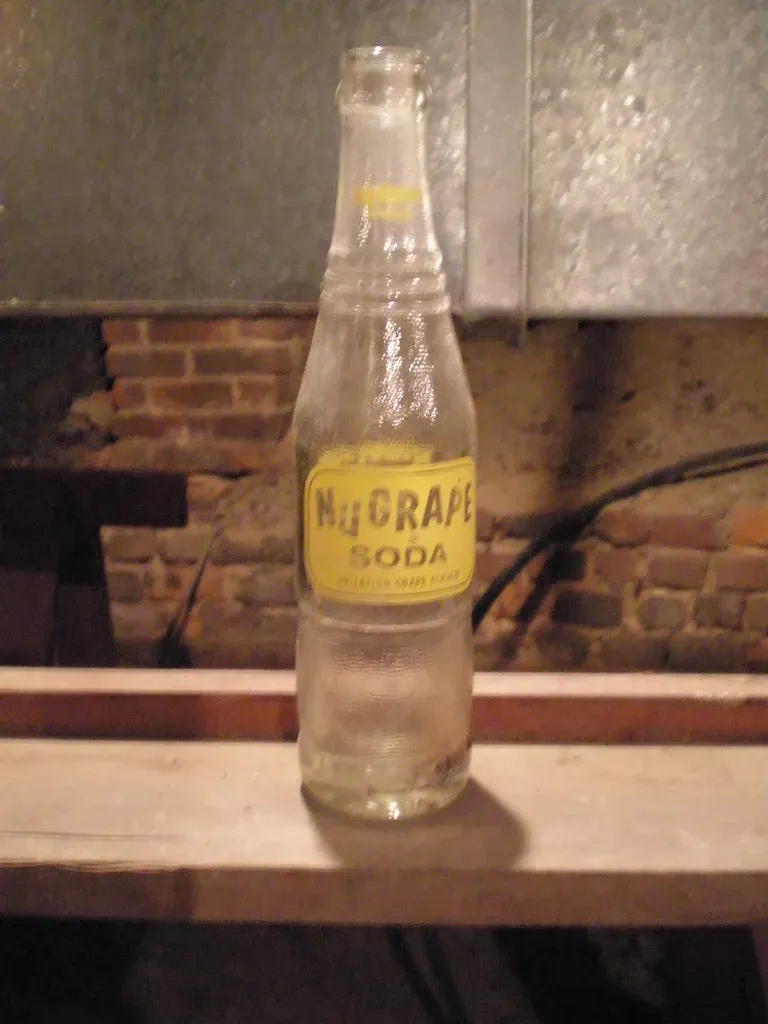
Here is a name that most people outside the bottle collecting community have never heard of – yet it commands prices that would surprise almost anyone. There were brands like Grapico, Nehi Grape, and NuGrape in the early soda market, and NuGrape was one of the most popular grape soda brands in America in the early 1920s. It had a distinctive, curvy bottle design that collectors now chase relentlessly.
NuGrape has a long history, and that means there are plenty of vintage bottles floating around on the internet. They are far from cheap, with one 1920s-vintage NuGrape soda bottle currently listed on eBay for just under $700. Another bottle from the same period is on eBay for $400, though not all vintage NuGrape bottles are that expensive.
What drives NuGrape values is the combination of regional rarity and embossing quality. Value is a function of scarcity, age, branding, and condition. If an old bottle survives with embossing and paint intact, especially if it’s from a defunct local brand, it gains value as a collectible. A NuGrape bottle tied to a small Southern town bottler, in pristine condition, is genuinely a find worth celebrating.
6. Orange Crush “Krinkly” Bottles (1920s to 1950s)
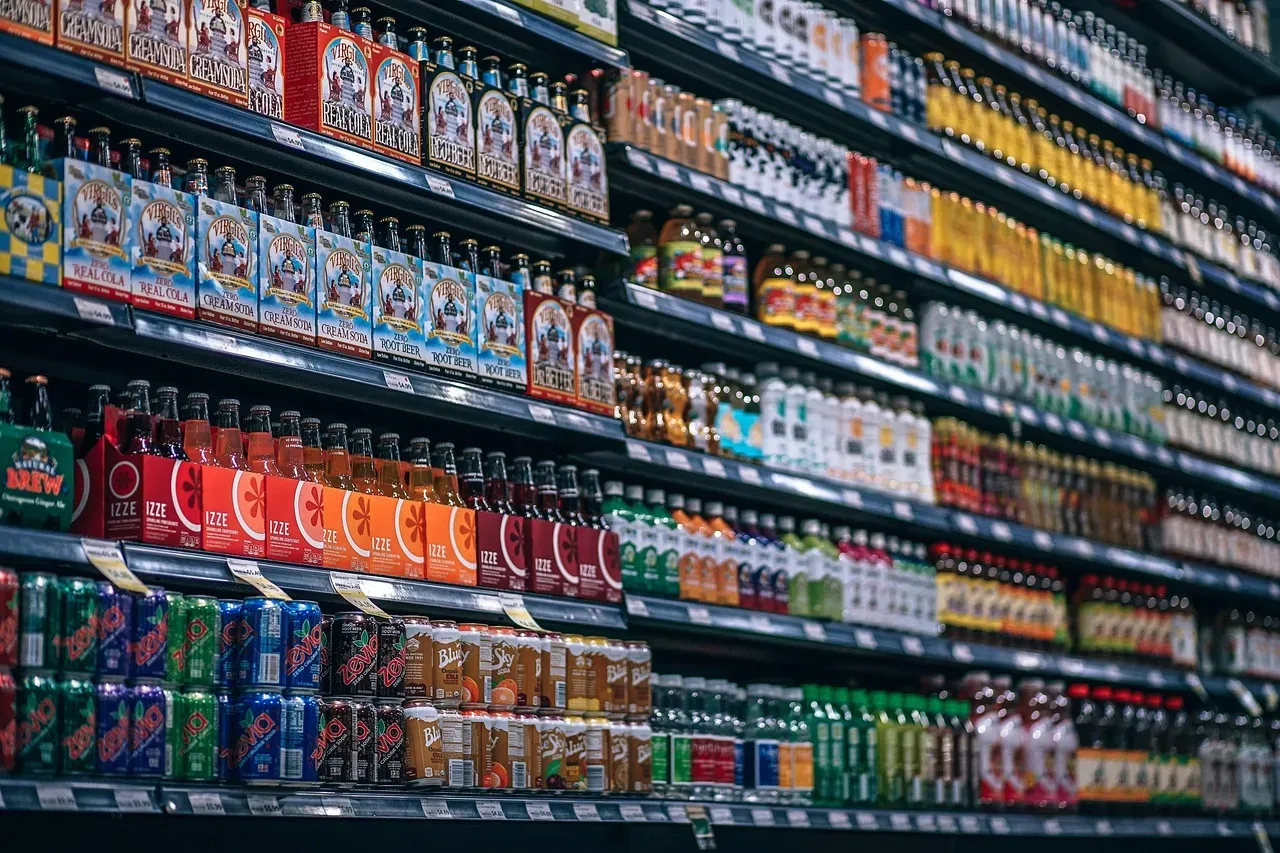
Few vintage soda bottles are as instantly recognizable on sight as the Orange Crush Krinkly. Orange Crush’s “Krinkly” soda bottles were popular in the 1920s and 1930s. They have a tall, cylindrical body with a textured surface mimicking the squeezed peel of an orange, and the bottles were embossed with “Orange Crush Co. Bottle.” The company made these bottles mostly in clear or amber colors, with very few examples in other colors like green, making those color variants especially valuable.
The Krinkly bottle was also produced in emerald green color, with a similar purpose of protecting the contents from environmental deterioration. This green version is much less common, more valuable, and fully embossed, with different wording in the diamonds front and back. Finding one of these green examples is genuinely rare.
The 1940s amber “Krinkly” or “honeycomb” style Orange Crush bottles were replaced in 1955 by the clear and curvy “Mae West” style bottles, which means surviving amber Krinkly bottles pre-date 1955 at the latest. Regional bottler examples, such as those produced by the Willits Ice and Soda Works in California, add further collectibility because so few were made for those specific local markets. Collectors track down these regional variants obsessively, and the prices reflect that passion.
7. Afri-Cola Bottles (1930s to 1960s)
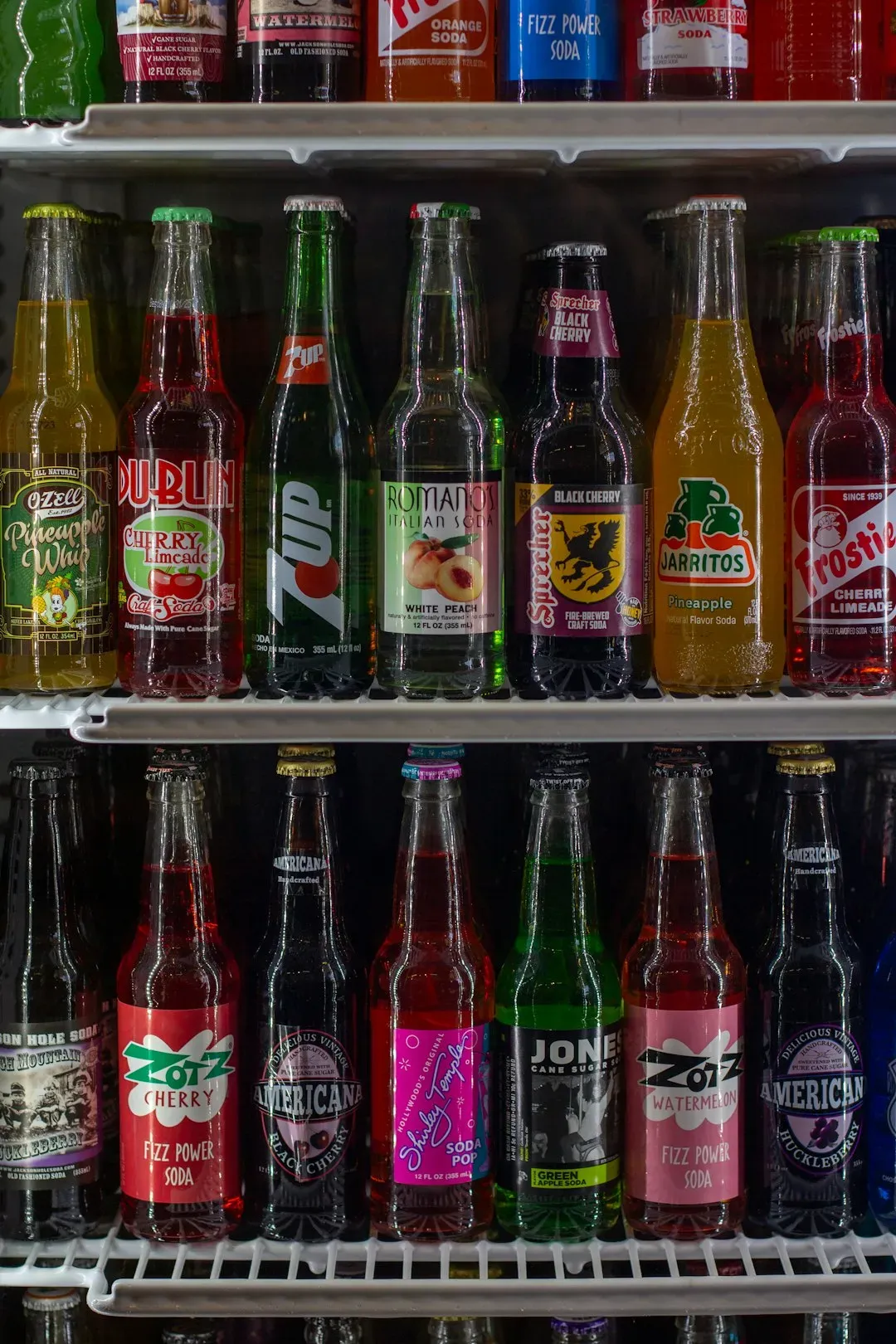
Let’s be real – most people have never heard of Afri-Cola. That element of obscurity is actually a big part of why the bottles are so extraordinarily valuable. The cola-flavored soda was first produced in Germany in the 1930s as an alternative to Coca-Cola. The soda giant was still hugely popular in the country throughout the Nazi regime, but Afri-Cola catered to growing anti-American sentiment at the time, and it was one of the most popular soda brands in Germany for a few decades after its creation.
You can still buy Afri-Cola today, though it’s a shadow of its former popularity. As of 2026, the largest soft drink producer in Germany remains Coca-Cola, dominating the market. The brand’s fall from dominance is precisely what makes surviving glass bottles from its golden era so fascinating and sought after as historical artifacts.
Vintage Afri-Cola bottles have become quite a collector’s item. An unopened Afri-Cola bottle produced for the Italian market in 1960 is currently listed on eBay for just under $60,000. According to the seller, it was found in the attic of their grandparents’ house in Italy and has somehow managed to retain its perfect condition over the decades. That’s the kind of attic discovery that changes everything. Condition and sealed status clearly matter enormously here, but even more standard examples from this era carry serious value for the right collector.
What Makes a Soda Bottle Valuable?
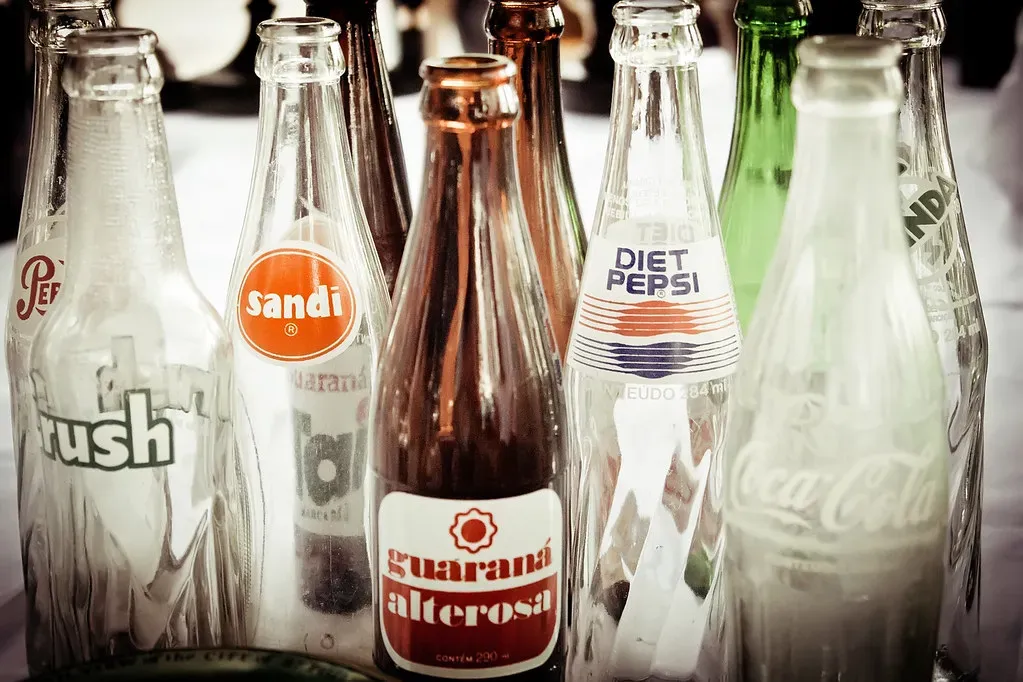
It’s hard to say for sure which single factor matters most, because honestly it’s always a combination of things working together. Previous auctions and sales indicate that older soda bottles, particularly those made before the mass production of machine-made glass in the pre-1900s era, generally fetch higher prices. Age is one part of the equation, but it’s not the whole story by any stretch.
Rare embossing, color variants, century-old designs, or limited-edition releases can push prices into the high hundreds or even low thousands of dollars for collectors. As with any collectible, the condition of the bottle will impact its value significantly. Look for versions without chips or scratches, and the original label being intact is a great value add.
Bottles made for export markets, including those with edited logos, foreign languages, or regional trade restrictions, are much rarer in many collections. Examples from Latin America, Asia, or Europe with unique embossing are becoming more and more sought after. The collecting market in 2026 is genuinely global, and that international dimension keeps pushing certain categories higher every year. If you have an old soda bottle tucked away somewhere, it might be worth taking a much closer look.
What do you think – have you ever found an old soda bottle at a flea market or garage sale? Share it in the comments.