
Wine consumption tells a fascinating story about culture, tradition, and lifestyle across the globe. From vineyard-dotted European landscapes where wine flows with dinner to desert nations where it’s practically forbidden, the patterns of wine drinking reveal deep-rooted social and religious influences. Recent data from the International Organization of Vine and Wine paints a clear picture of who’s sipping and who’s abstaining. Let’s take a journey through the countries where wine is either a daily ritual or nearly non-existent.
Luxembourg – The Surprising Champion
Luxembourg ranks among the world’s top wine consumers with approximately 50-53 liters per person annually according to 2022 data. This tiny European nation’s wine culture runs deep, with wine being an integral part of social dining. The country’s position between France and Germany has clearly influenced its drinking habits, creating a sophisticated wine culture that rivals traditional wine powerhouses. The high consumption likely reflects both cultural appreciation and the country’s considerable wealth, allowing residents to indulge in quality wines regularly.
Portugal – Where Wine Flows Like Water
Portugal leads the world in per capita wine consumption in recent data. Residents of the country drink approximately 51.9 liters of the beverage on average. Portugal’s wine tradition stretches back centuries, deeply embedded in daily life and social customs. The country’s diverse wine regions produce everything from robust reds to crisp whites, making wine accessible and varied for locals. Portuguese culture celebrates wine as an essential accompaniment to meals, with many families maintaining their own wine-making traditions. The Mediterranean climate and extensive vineyard coverage make wine both affordable and readily available throughout the country. This consumption pattern reflects not just preference but a way of life where wine is considered as essential as bread.
France – The Cultural Heart of Wine
France typically ranks third with approximately 46.9 liters per person according to recent statistics. France – with its world-class Champagnes, Burgundies, and Bordeaux – ranks among the top consumers, with citizens drinking approximately 5.62 liters of ethanol from wine per capita each year when measuring pure alcohol content. French wine culture is legendary, with different regions proudly producing distinctive varieties that reflect local terroir. The French approach to wine consumption emphasizes quality over quantity, with wine education starting early and continuing throughout life. Regional pride in local vintages means French citizens often prefer wines from their own areas, creating a rich tapestry of consumption patterns across the country. The decline in recent years reflects changing lifestyle patterns, but wine remains central to French identity and social gatherings.
Italy – The Land of Liquid Gold
Italians consumed 39.24 liters of wine per person in 2022, maintaining their position among the world’s top wine consumers. As with Portugal, Italians customarily drink wine with both the afternoon meal and the evening meal. Italian cuisine also incorporates wine in many dishes. For example, it is common to include wine in tomato sauce in Italy. Finally, Italy’s noteworthy wine production sector means that Italians have easy access to high-quality wines. The country’s wine regions span from north to south, each producing unique varieties that pair perfectly with local cuisines. Italian wine culture emphasizes family traditions, with many households making their own wine or having strong relationships with local producers. This consumption pattern reflects both cultural heritage and practical accessibility to exceptional wines.
Switzerland – The Unexpected Wine Enthusiast
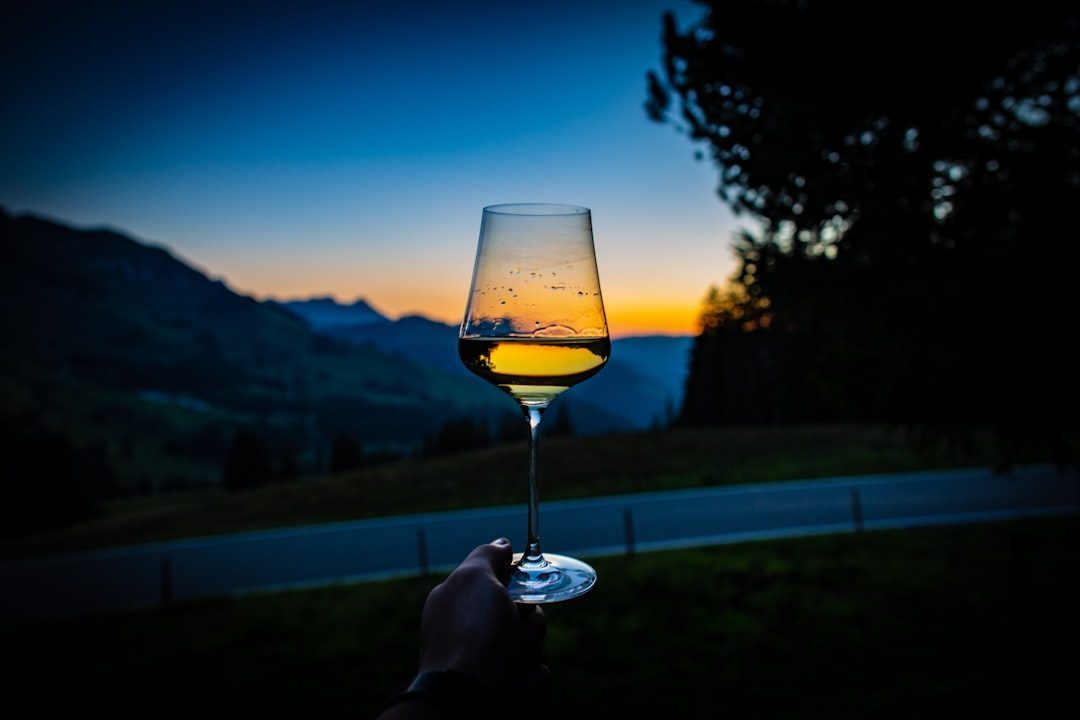
Many readers, even knowledgeable wine enthusiasts, might be surprised to find Switzerland on this list. Switzerland is the first country on the list that is not a center of wine production, though Swiss wines do exist. Swiss people drank a total of 33.13 liters of wine per person in 2022. The country’s high wine consumption despite limited domestic production reflects both substantial purchasing power and sophisticated tastes. Swiss consumers tend to import high-quality wines from neighboring countries, particularly France and Italy. The mountainous nation’s affluent population can afford premium wines, contributing to higher per capita consumption figures. Wine has become an important part of Swiss social culture, particularly in urban areas where cosmopolitan influences have shaped drinking preferences.
Australia – New World Wine Culture
Australia has the highest consumption of wine per person outside Europe. Australians drank 29.86 liters of wine per person in 2022. The country’s wine industry has exploded in recent decades, producing world-renowned varieties that have gained international recognition. This is not overly surprising, as Australians have a high level of alcohol consumption in general. Australian wine culture blends European traditions with New World innovation, creating a unique drinking environment. The country’s warm climate and outdoor lifestyle naturally complement wine consumption, particularly during the extended summer seasons. Social barbecues and outdoor gatherings frequently feature local wines, making consumption a communal and celebrated activity.
Austria – Alpine Wine Appreciation

Austria is another European country that is not traditionally associated with wine production or consumption. However, Austrians consumed 27.39 liters of wine per person in 2022. The country’s wine regions, particularly in the east, produce excellent white wines that have gained international acclaim in recent years. Austrian wine culture emphasizes quality and local production, with many citizens preferring wines from domestic vineyards. The tradition of wine taverns and seasonal wine festivals contributes to higher consumption rates. Austria’s position between major wine-producing nations has influenced its drinking culture, creating appreciation for both local and imported varieties. The alpine nation’s prosperity allows residents to enjoy premium wines regularly.
Slovenia – Ancient Traditions Continue
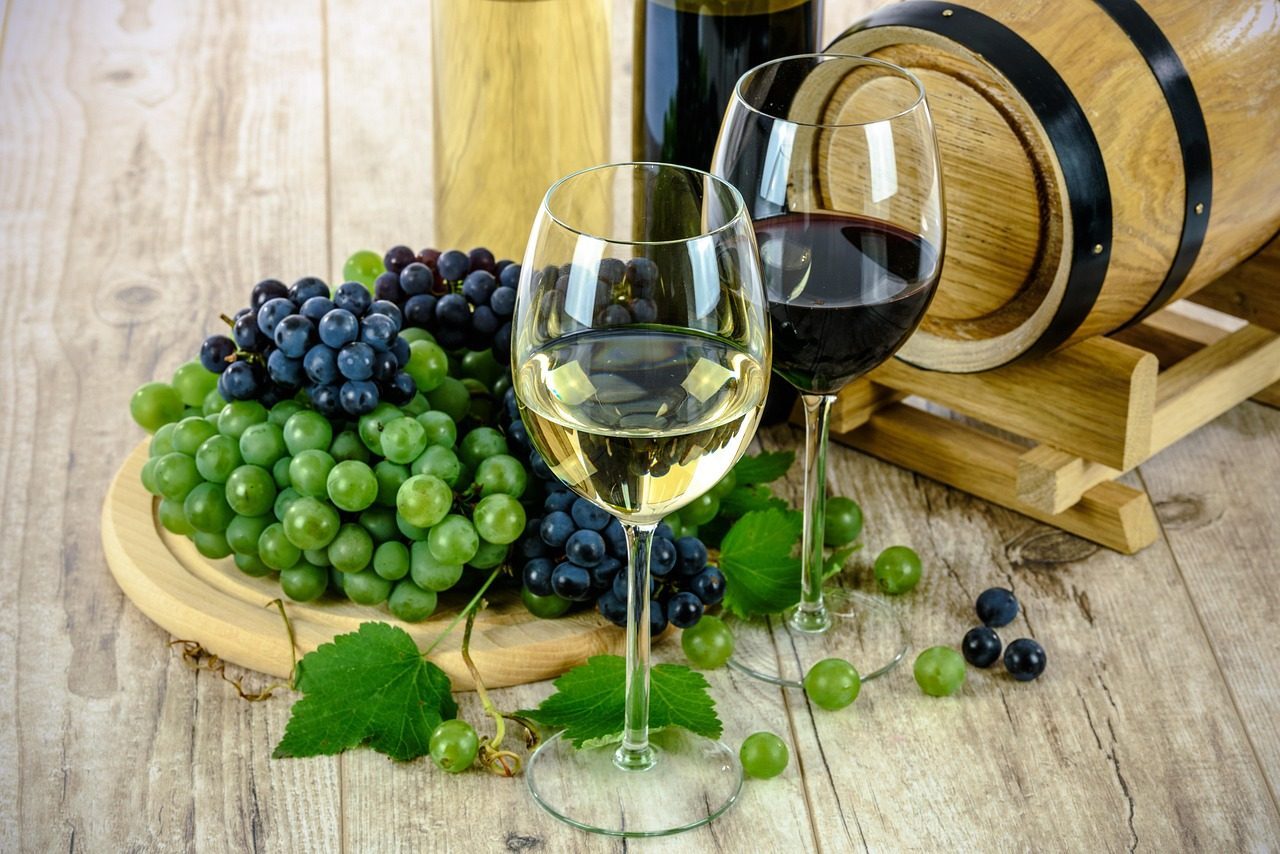
Portugal comes in second place with 5.22 liters, while Slovenia – where wine production dates back over 2,400 years – nabs the third spot with 4.60 liters when measuring ethanol consumption from wine. Slovenia’s ancient wine-making tradition runs deeper than most European countries, with archaeological evidence showing continuous production for millennia. The country’s small size means local wines are easily accessible throughout the nation. Slovenian wine culture emphasizes family traditions and seasonal celebrations, with harvest festivals playing important roles in community life. The country’s diverse microclimates produce varied wine styles, from crisp whites in the coastal regions to robust reds in the interior. This long-standing tradition ensures wine remains integral to Slovenian social and cultural identity.
Iraq – Religious and Cultural Barriers

With that in mind, Iraq and Jordan are tied for the least amount of ethanol from wine consumed per capita, with both nations reporting 0.005 liters. Iraq’s minimal wine consumption reflects the strong influence of Islamic law and cultural traditions that discourage alcohol consumption. The country’s turbulent recent history has also disrupted any potential wine culture that might have existed in ancient times. Religious conservatism, combined with ongoing security challenges, makes wine consumption both culturally inappropriate and practically difficult. Most alcohol consumption occurs within small expatriate communities or Christian minorities. The extremely low figures demonstrate how religious and cultural factors can completely override geographical or climatic conditions that might otherwise support wine culture. Iraq’s position as one of the world’s lowest wine consumers illustrates the powerful role of religious doctrine in shaping drinking habits.
Jordan – Desert Nation, Minimal Consumption

Jordan shares the bottom position with Iraq at 0.005 liters of wine ethanol per capita. Like its neighbor, Jordan’s low consumption stems from Islamic cultural influence and religious restrictions on alcohol. The kingdom maintains strict regulations on alcohol sales and consumption, limiting availability to tourist areas and licensed establishments. Most Jordanians abstain from alcohol entirely due to religious beliefs. The small Christian minority and expatriate community account for most wine consumption in the country. Jordan’s desert climate and water scarcity also make viticulture challenging, though some limited wine production exists. The country’s position reflects the broader pattern across Muslim-majority nations where wine consumption remains minimal regardless of economic development.
Uganda – Limited Access and Cultural Factors
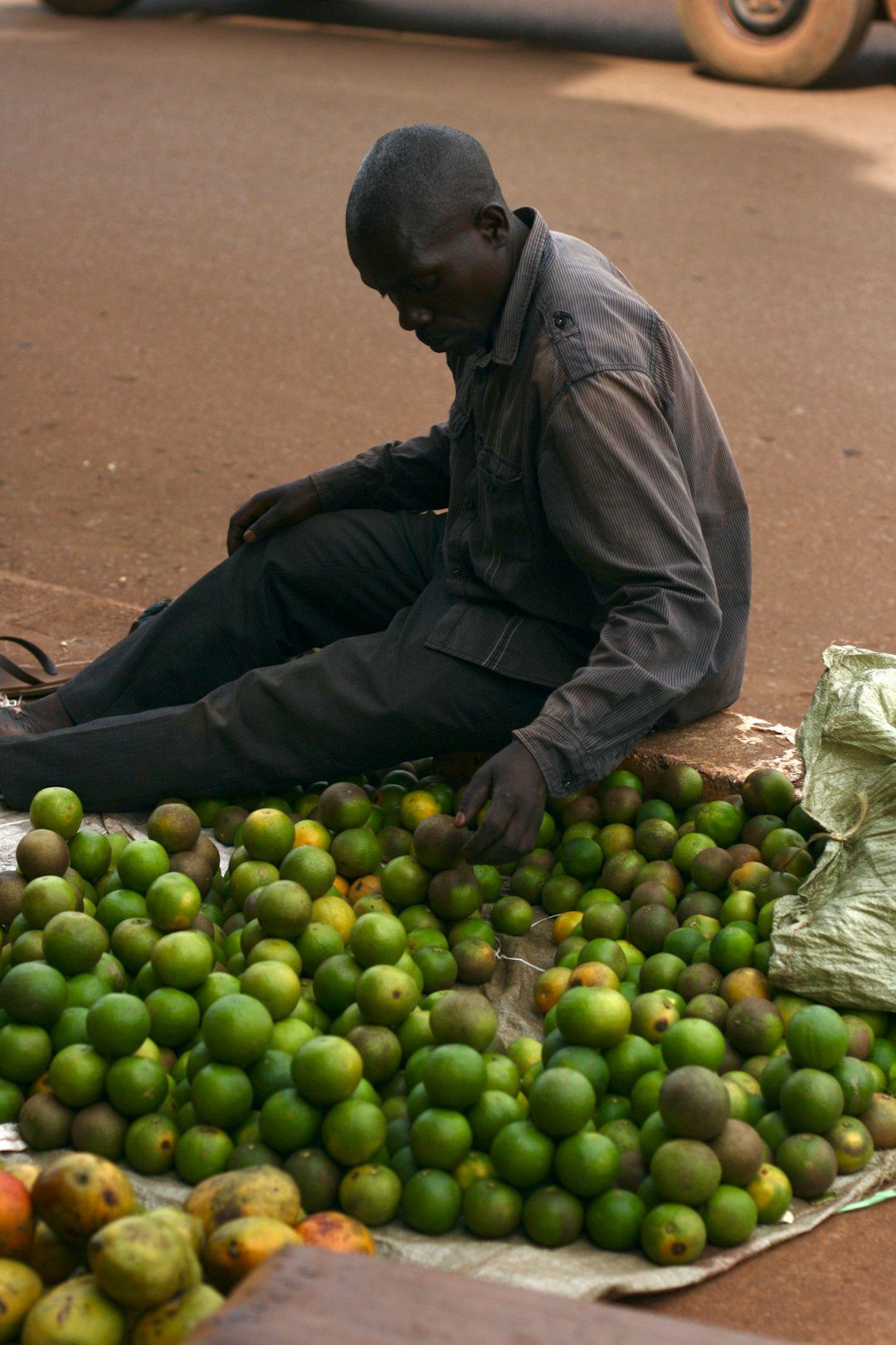
Second place is also a tie, with Ugandan and Sri Lankan citizens downing just 0.006 liters respectively of wine ethanol per capita. Uganda’s low wine consumption reflects both economic and cultural factors unique to the region. Traditional alcoholic beverages dominate local drinking culture, with banana beer and other indigenous drinks preferred over imported wines. Limited economic development means wine remains expensive and inaccessible for most citizens. The country’s tropical climate and agricultural focus on other crops has prevented development of significant wine production. Import costs make wine prohibitively expensive for average consumers. Additionally, cultural preferences favor traditional brewing methods passed down through generations. Uganda’s position among the lowest consumers demonstrates how economic accessibility and cultural tradition can limit wine adoption even in countries without religious prohibitions.
Wine consumption patterns around the world reveal fascinating insights into culture, economics, and tradition. While European nations dominate the highest consumption lists, religious and cultural factors create stark contrasts in other regions. The data shows that wine drinking goes far beyond simple preference, reflecting deep-rooted social structures and historical influences that continue shaping how different societies approach this ancient beverage.