
Table of Contents
Using Extension Cords as Permanent Wiring
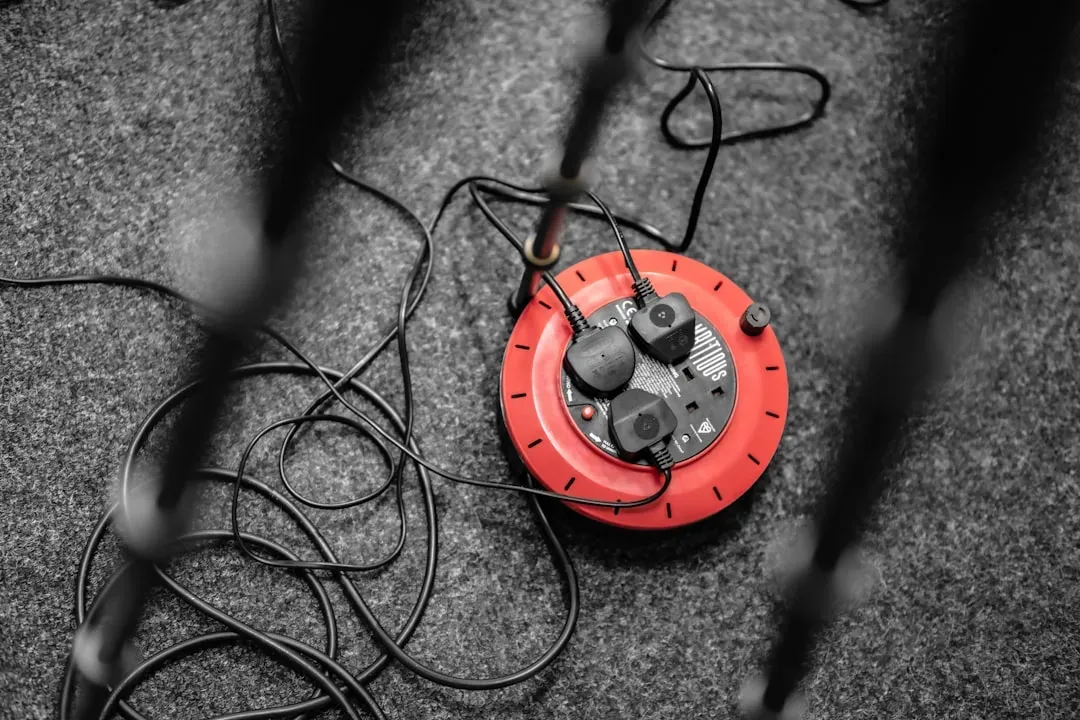
Extension cords are involved in more than 3,000 home fires annually according to the U.S. Consumer Product Safety Commission. Let’s be real, we’ve all done it at some point. That extension cord running behind the couch to power a lamp has been there for months, maybe years. Extension cords are designed for temporary use and lack the insulation and load capacity needed for long-term power delivery, and fire investigators have repeatedly linked permanent extension-cord setups to overheating and house fires. U.S. codes require fixed wiring to be installed in approved conduit, raceways, or walls. Here’s the thing: when you use an extension cord as a permanent solution, you’re basically asking for trouble. The wiring inside isn’t meant to handle constant electrical flow day after day, which leads to deterioration you can’t even see until it’s too late.
Replacing Breakers with Higher Amperage Ones
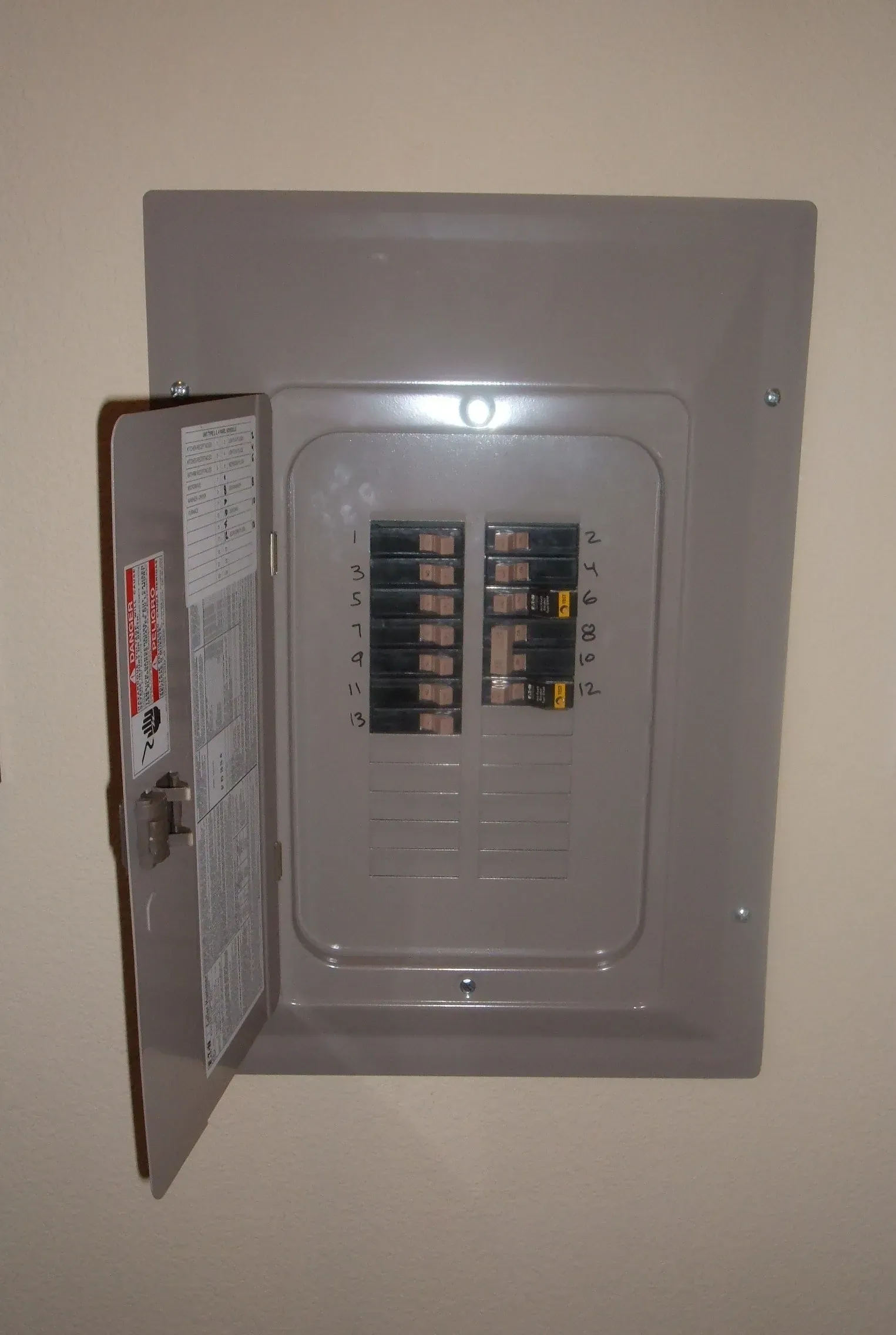
Replacing a 15-amp breaker with a 20- or 30-amp breaker to stop tripping is illegal and extremely dangerous, allowing wiring to carry more current than it was designed for and dramatically increasing fire risk. Honestly, I think this is one of the most reckless things homeowners attempt. Circuit breakers aren’t there to annoy you by tripping constantly. They’re literally designed to protect your home from burning down. A breaker is matched to load capacity and wire size, and larger breakers allow more and more current to flow through before they trip, catch on fire or blow out your home’s electricity system. If your breaker trips frequently, the real solution is upgrading the circuit or redistributing your electrical load, not bypassing the safety feature that’s screaming at you that something’s wrong.
Installing Ceiling Fans on Regular Light Fixture Boxes
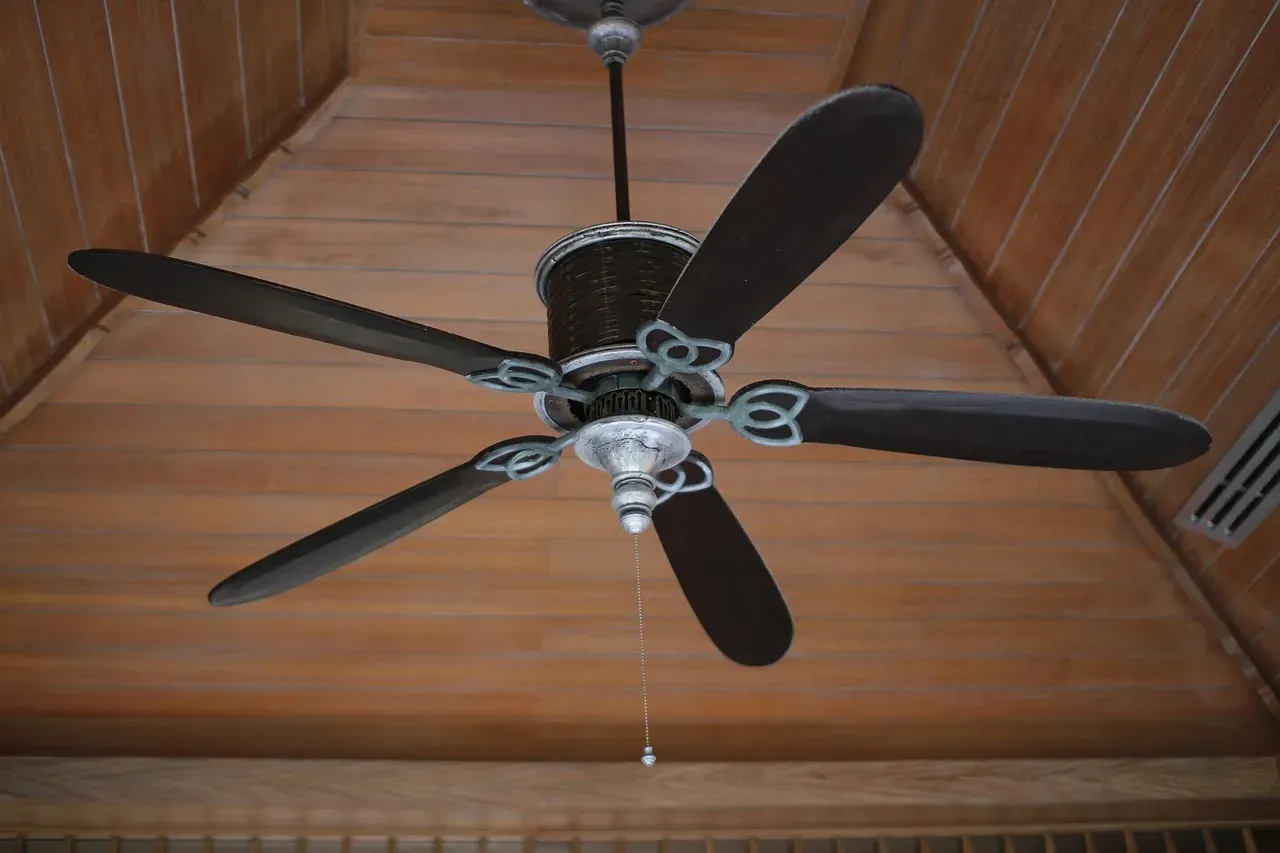
Some homeowners mount heavy ceiling fans to boxes designed only for light fixtures, and electricians warn that these boxes cannot handle the weight or vibration of fans, with failures having caused injuries and structural damage. U.S. building codes specify fan-rated boxes for any overhead fan installation. Think about it like this: a light fixture weighs maybe a couple pounds and just sits there. A ceiling fan weighs significantly more, spins constantly, and creates vibration that regular junction boxes simply weren’t engineered to withstand. It might work fine for weeks or even months, then one day that fan comes crashing down, potentially onto someone’s head or through furniture below.
Skipping GFCI Protection in Required Areas
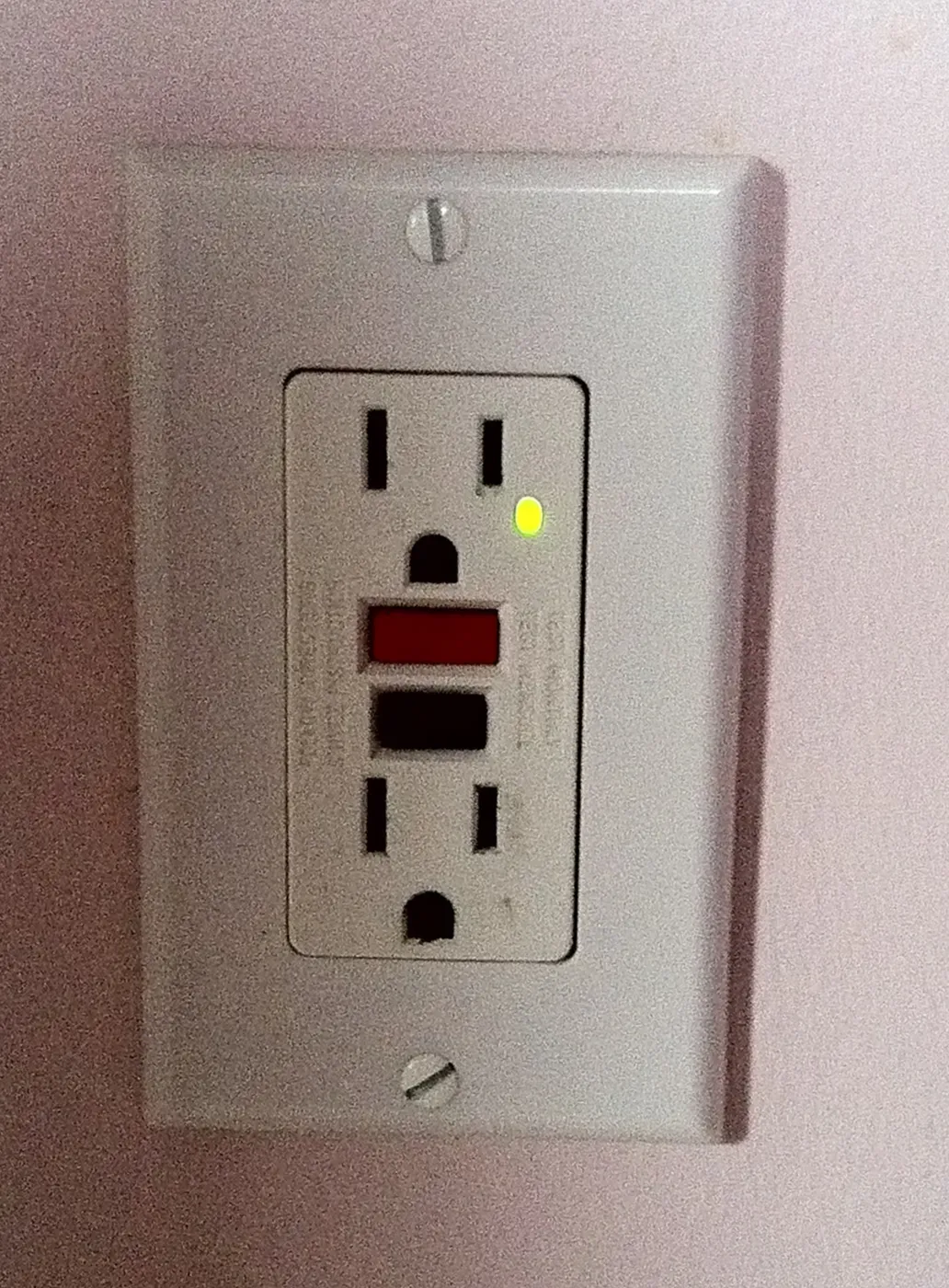
Ground-fault and arc-fault protection devices are required by modern U.S. code in areas where shock or arc hazards are high, such as kitchens, bathrooms, and bedrooms. Kitchens, bathrooms, garages, and outdoor areas require GFCI outlets to prevent shock hazards, and these outlets cut power instantly when a fault is detected, thereby reducing the risk of electrocution. Roughly half of all older homes lack proper GFCI protection where it’s now required. Some homeowners disable ground-fault or arc-fault protection because of nuisance tripping, but disabling them removes critical safety layers that prevent electrocution and electrical fires. I know it sounds crazy, but people actually remove safety devices because they find the occasional tripping inconvenient.
Adding Outlets Without Proper Grounding
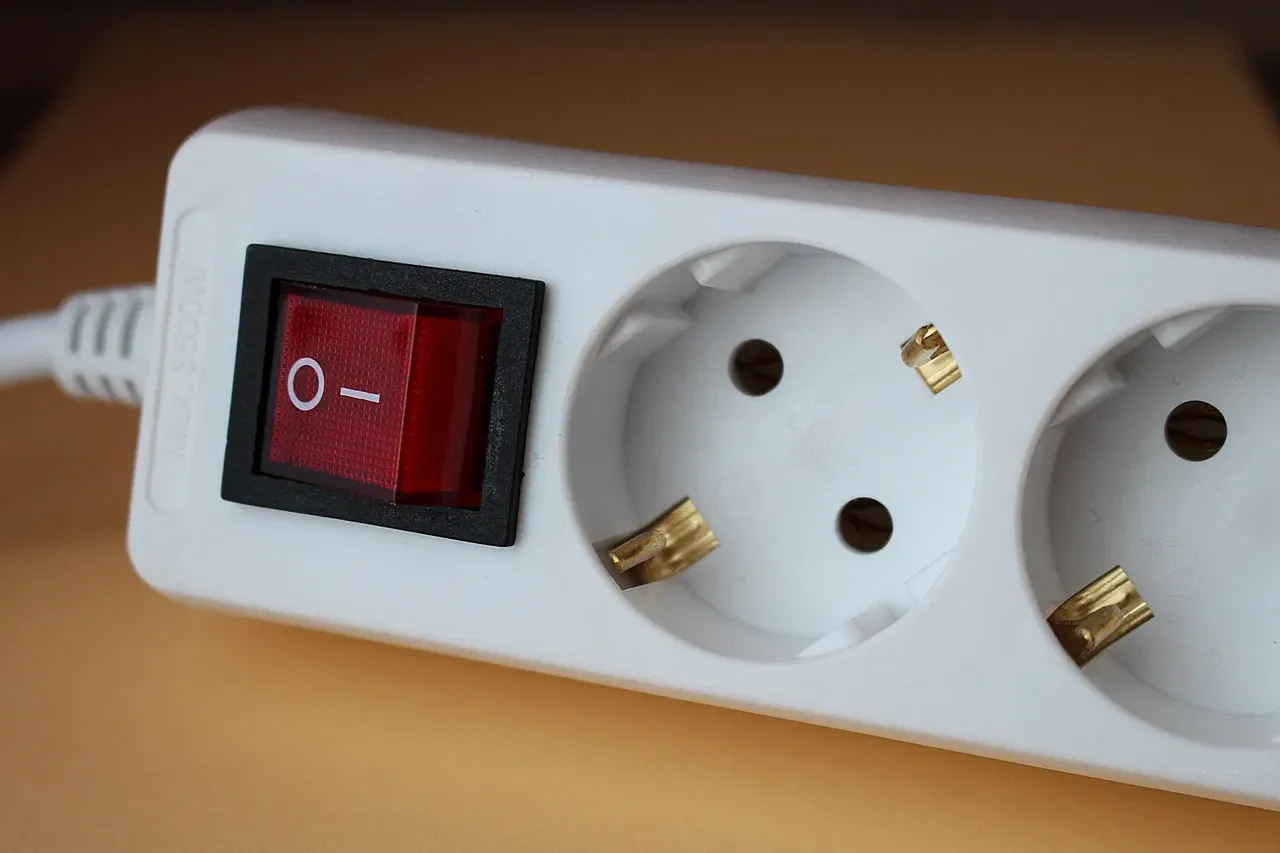
Some homeowners add outlets without connecting them to a grounded system, especially in older houses, and un-grounded outlets violate electrical code and put users at risk of shock, especially when plugging in metal-cased appliances or electronics. Certified electricians emphasize grounding as essential for both surge protection and personal safety. Here’s what happens in reality: someone in an older home gets tired of those two-prong outlets and swaps them for modern three-prong versions without actually running a ground wire. Sure, now your plugs fit, but you’ve created a false sense of security. That third hole isn’t connected to anything, meaning you have zero protection if something goes wrong with the appliance you just plugged in.
Splicing Wires Outside Junction Boxes
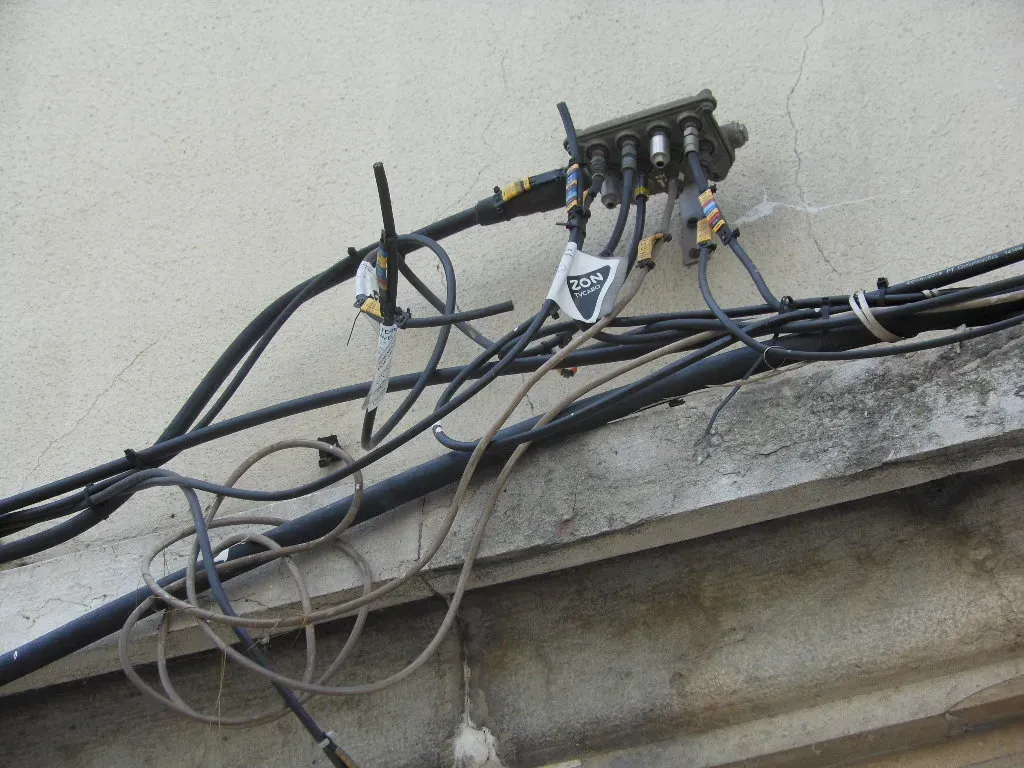
Splicing involves connecting two or more wires together, but many DIYers splice wires without using a proper junction box, leaving connections exposed to damage, which is a serious violation of electrical code because it allows wires to be vulnerable to short circuits and can easily spark a fire. The NEC requires that all wire splices be housed inside an approved junction box with the appropriate wire connectors. Exposed wire connections hidden behind walls or in attics are disasters waiting to happen. Maybe you’re doing a quick repair and think nobody will ever see it, so why bother with the box? The problem is that unprotected connections can shift, corrode, or overheat, and when they do, there’s nothing containing the resulting fire or sparks.
Adding Circuits Without Checking Panel Capacity
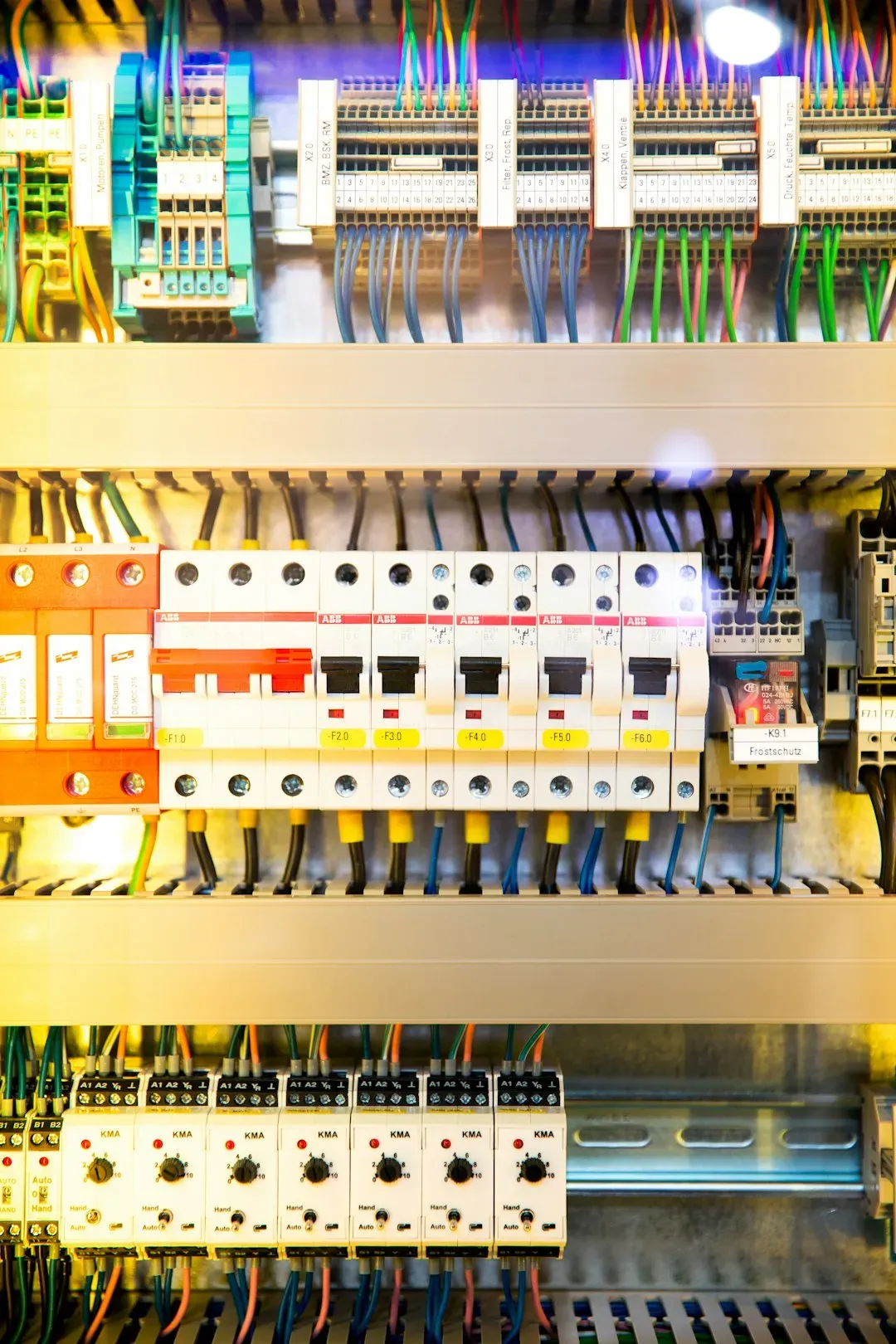
Electrical panels must be evaluated for available capacity before adding circuits, and unpermitted additions often overload panels, create unsafe heat buildup, and violate local codes. Home inspectors frequently flag these illegal upgrades when homes are sold, sometimes requiring expensive corrections. Your electrical panel is like a highway with a maximum number of cars it can handle. When you keep adding more circuits without considering the total capacity, you’re essentially causing a traffic jam that generates dangerous heat. Modern homes demand way more electricity than homes built even twenty years ago, what with all the smart devices, electric vehicle chargers, and high-powered appliances we now consider normal.
Installing Smart Switches Without Neutral Wires
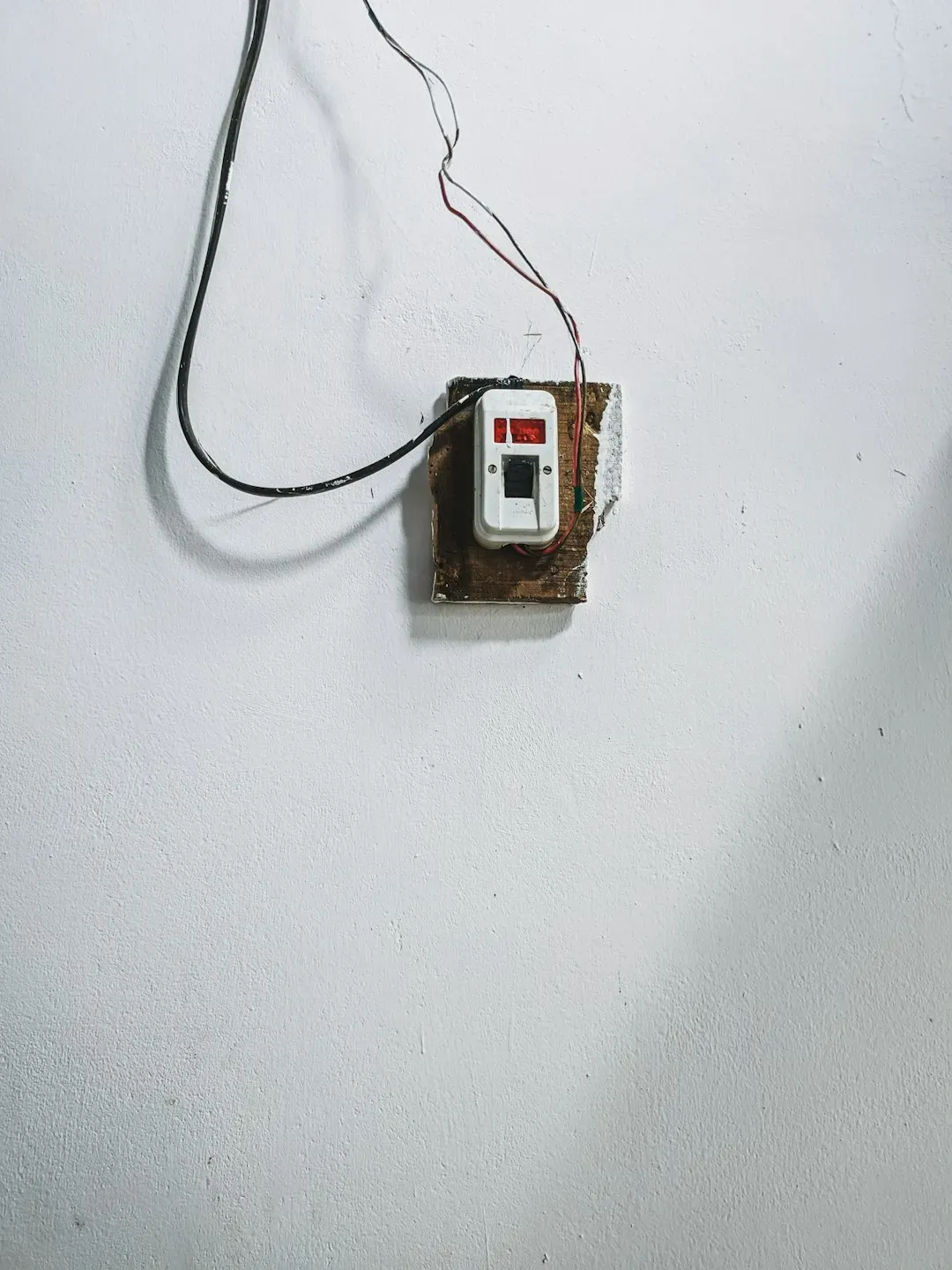
Today’s smart switches and dimmers have electronics and most need the neutral, and the NEC now requires neutrals at switch boxes, or there must be a way to easily pull one later. Many older homes have switches that were wired without neutral wires, which weren’t always necessary for simple switch functions, however modern switches, especially smart switches and dimmers, require a neutral wire to function properly, and if a DIYer installs a smart switch without a neutral wire, the switch may not work or could malfunction, leading to potential system failures. It’s hard to say for sure, but I’d estimate that maybe one in three older homes lack neutral wires at their switch locations. People buy these fancy smart dimmer switches, get them home, open up the wall, and discover they’re missing a critical wire.
Using Indoor Extension Cords Outdoors
Indoor cords are not built to handle weather or moisture, yet many people use them for outdoor lighting or tools, and according to the U.S. Consumer Product Safety Commission, using the wrong cord type can lead to insulation breakdown and serious electric shocks. The NEC specifically requires cords marked W for outdoor use. This violation seems almost trivial until you understand what actually happens when indoor cords get exposed to rain, snow, or even just morning dew. The insulation degrades rapidly, cracks form, and suddenly you’ve got exposed copper wire sitting in a puddle. Breaking this rule could render insurance claims following electrical accidents void.
Installing Uncertified Electrical Products
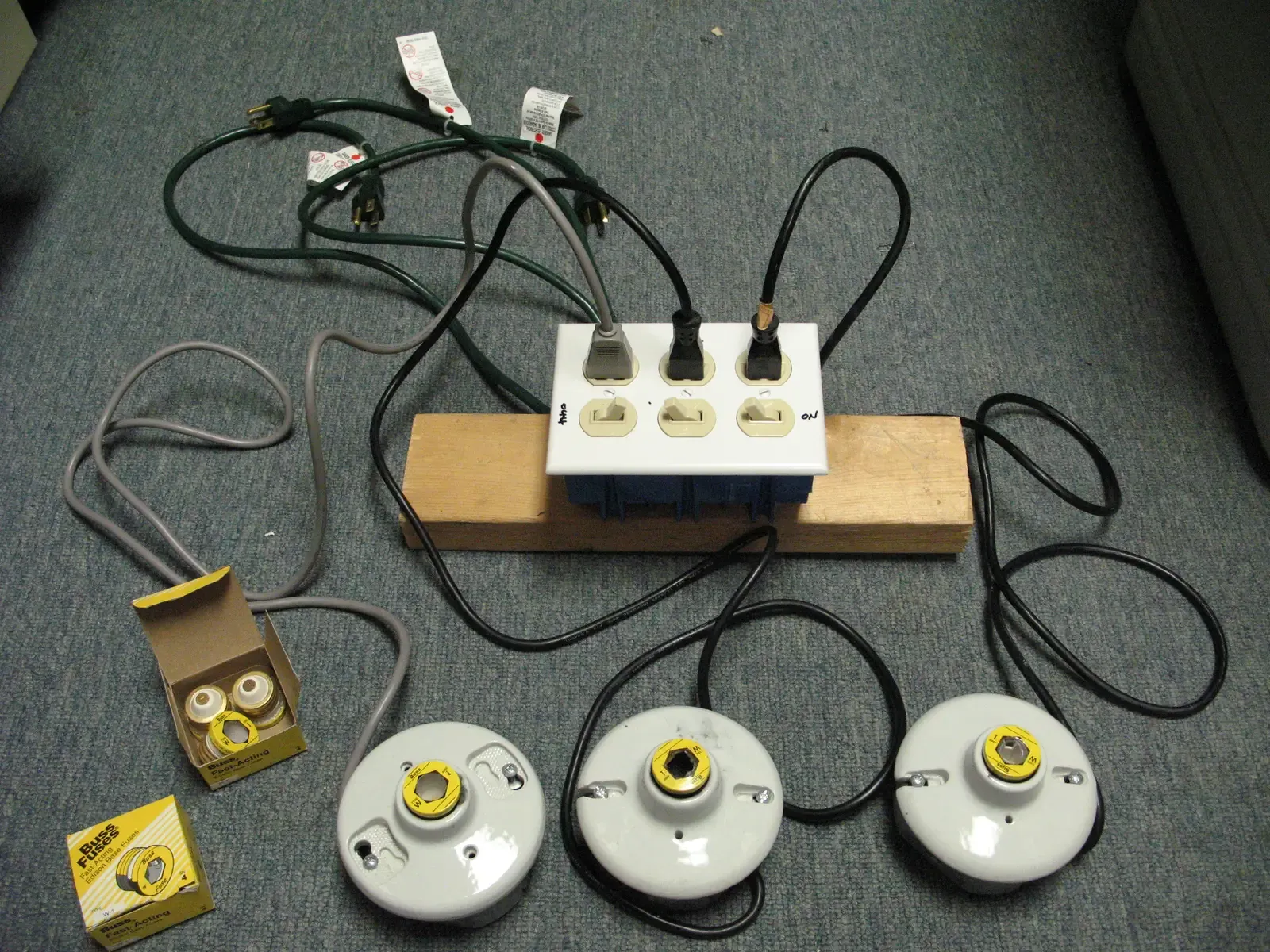
Uncertified devices, often found online at low prices, may lack proper insulation, grounding, or circuit protection, and according to the U.S. Consumer Product Safety Commission, counterfeit or uncertified electrical parts cause thousands of injuries and fires every year. The NEC requires all components used in home installations to be listed and labeled by approved organizations. Those bargain electrical components you find on sketchy websites for half the price of name brands? There’s usually a reason they’re so cheap. They haven’t been tested by Underwriters Laboratories or any recognized safety organization, meaning nobody has verified they won’t burst into flames under normal operating conditions. Many homeowners try to modernize or improve their electrical systems without realizing that some common DIY practices violate the National Electrical Code and local U.S. regulations, and these illegal upgrades can void insurance coverage, create fire hazards, and lead to serious penalties if discovered during inspections.
Conclusion
Home electrical fires account for an estimated 51,000 fires each year, nearly than 500 deaths, more than 1,400 injuries, and $1.3 billion in property damage, with electrical distribution systems being the third leading cause of home structure fires. These aren’t just abstract statistics. They represent real families who lost homes, suffered injuries, or worse, all because someone thought they could bypass electrical codes to save a few bucks or finish a project faster. While the NEC is not itself a law, the NEC is commonly mandated by state or local law, and where the NEC is adopted, anything less than the standards set by the NEC are illegal. The electrical code exists for one reason: keeping people alive. Every single rule was written in response to someone getting hurt or property being destroyed. When you’re tempted to take shortcuts on electrical work, remember that licensed electricians spend years learning these standards for good reason. What looks like a simple wire connection actually involves understanding load calculations, proper grounding, wire sizing, and dozens of other factors that can mean the difference between a safe home and a catastrophe. Did you realize how many seemingly innocent electrical modifications could actually put your family at risk?