
There is something strange happening in kitchens across America right now. People are pulling out their grandmother’s index cards, dusting off battered church cookbooks, and sliding baking dishes into ovens that haven’t smelled like cream of mushroom soup in decades. It’s not ironic. It’s not a stunt. It feels genuinely real.
In 2025, vintage recipes from the 1950s through the 1990s began staging a major comeback, driven by nostalgia and a desire for comfort in uncertain times. By 2026, that revival has only strengthened, as more home cooks rediscover classic dishes that offer both emotional familiarity and practical, budget-friendly appeal. Rising food costs make these resourceful meals particularly appealing, and dishes like casseroles are designed to maximize flavor while minimizing expense, catering to families seeking cost-effective ways to eat well. Honestly, there’s never been a better time to rediscover what your mom or grandma knew all along. Let’s dive in.
Table of Contents
1. Tuna Noodle Casserole: The One That Never Really Left
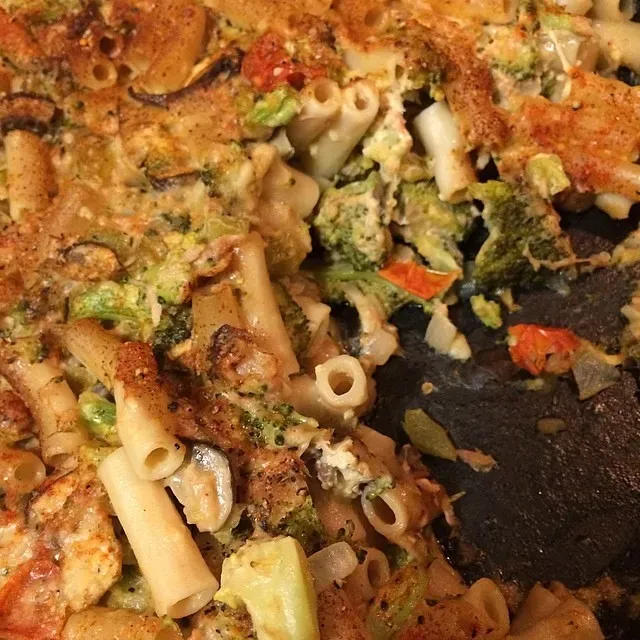
Few dishes in American culinary history carry as much quiet dignity as tuna noodle casserole. Born in the lean postwar years, tuna noodle casserole had worked its way so deeply into the middle-class kitchen that by the 1970s it barely needed an introduction, relying on ingredients that could survive in a suburban cabinet for months, including egg noodles, cream of mushroom soup, and canned tuna. Think of it as the culinary equivalent of a reliable old car: not flashy, but never lets you down.
Tuna noodle casserole symbolizes resilience and familial connection, playing another role besides being a convenient weeknight dinner. Born in the 1930s and booming in popularity by the fifties, tuna noodle casserole has always been about comfort, with updated versions bringing the retro classic into the 21st century by upgrading the original with a velvety cheesy sauce, tender egg noodles, flaky tuna, and a golden herb-flecked topping. Modern versions skip the canned soup in favor of homemade sauces, proving this simple dish deserves its place back on dinner tables.
2. Green Bean Casserole: From Thanksgiving Table to Year-Round Star
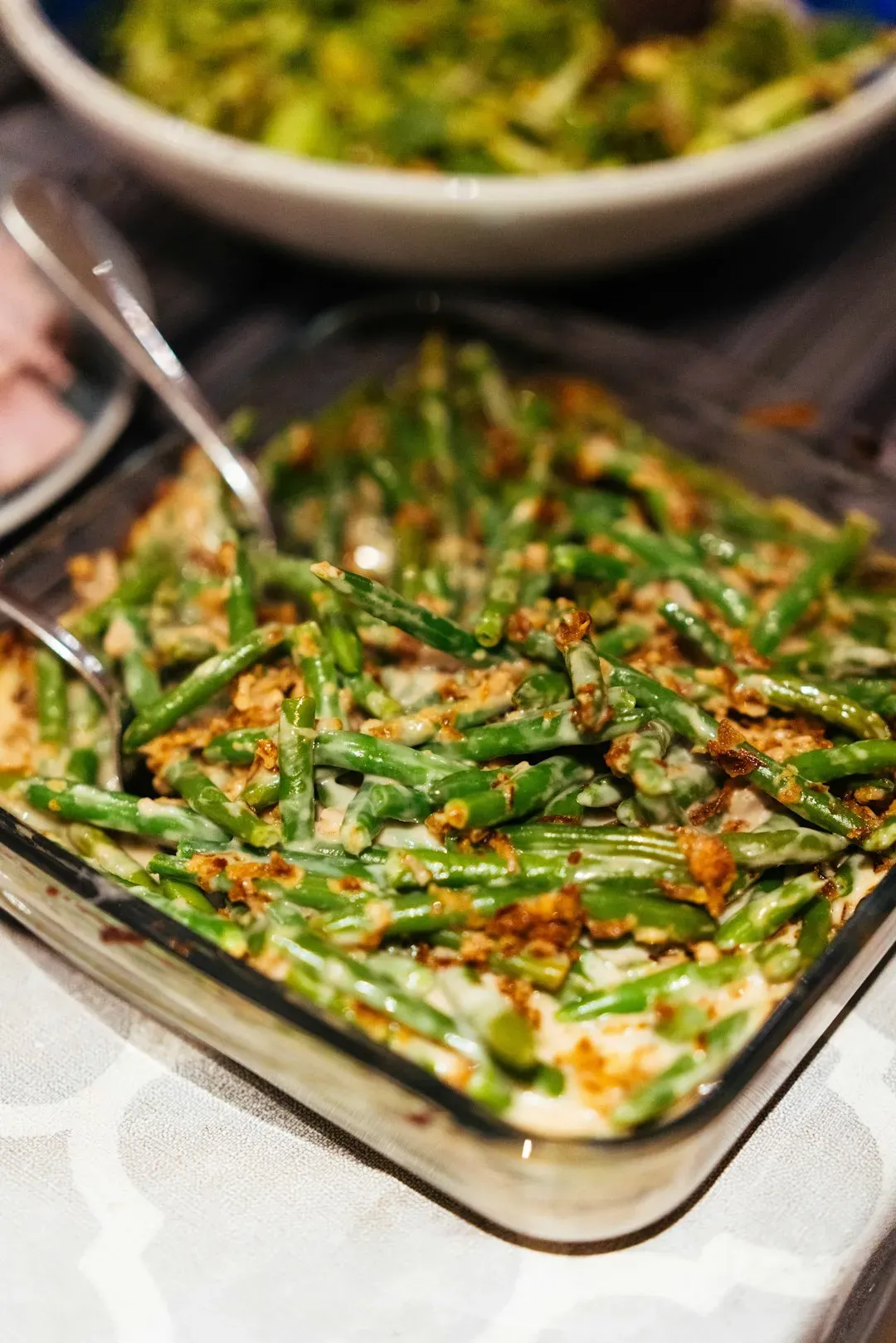
Here’s the thing about green bean casserole. Most people think of it purely as a Thanksgiving side dish, something that shows up once a year and disappears just as fast. Green Bean Casserole was invented in a Campbell’s test kitchen in 1955, and by the seventies, it had broken free from its Thanksgiving-only reputation, as the combination of green beans, cream-of-mushroom soup, and crispy fried onions became a year-round fixture at potlucks and buffet lines.
The dish continues to appear at gatherings across America, beloved for its creamy texture and crunchy topping that transforms humble green beans into something memorable. Today’s cooks appreciate its nostalgic appeal while occasionally swapping in homemade cream of mushroom soup for a fresher twist. Casseroles like this one are being enhanced with fresh, seasonal ingredients and plant-based alternatives. It’s proof that a great idea from 1955 doesn’t need much reinventing, just a little revival.
3. Chicken Divan: The Potluck Dish That Went to Finishing School
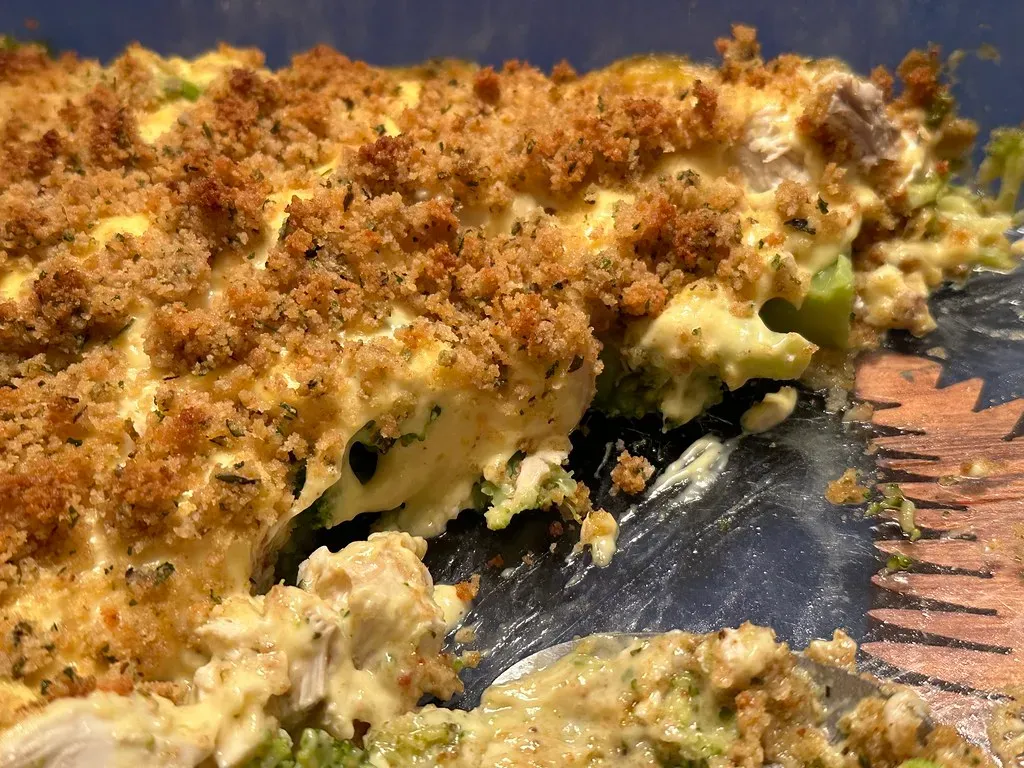
Chicken Divan has one of the more interesting origin stories in American comfort food. Chicken Divan started at the Divan Parisien restaurant in New York, where it was a fancy chicken-and-broccoli gratin topped with Mornay sauce. The chef never shared the exact recipe, which meant home cooks had to improvise. That improvisation, it turns out, was the best thing that could have happened to it.
By the 1970s, the recipe was tweaked to be a bit less “Park Avenue” and more potluck. The restaurant sauce was swapped for mayonnaise and canned cream soup, the cheese got heavier, and the whole thing became easier to throw together on a Tuesday night. The golden, bubbly top and substantial nature of this dish made it ideal for church suppers and bridge club luncheons throughout the decade. Modern cooks are rediscovering its appeal, sometimes upgrading the sauce with fresh ingredients while keeping the comforting essence that made it a hit. I think this one deserves more respect than it gets.
4. Hamburger Helper Bake: Budget Genius Hiding in Plain Sight
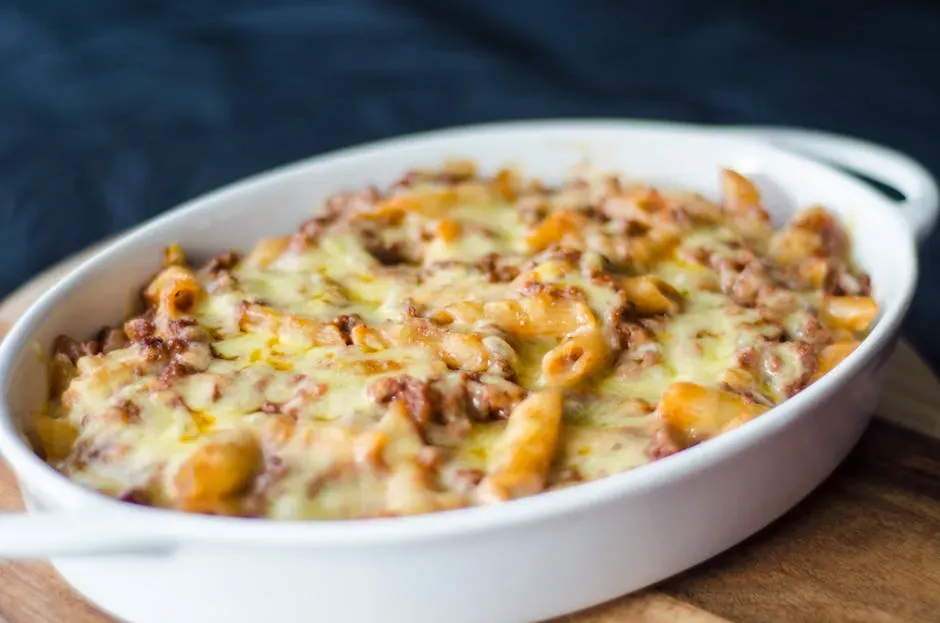
Few casseroles tell the story of 1970s American kitchens quite as honestly as the Hamburger Helper bake. When General Mills launched Hamburger Helper in 1971, it was pitched as a stovetop solution for stretching a single pound of ground beef. It didn’t take long for home cooks to realize the mix worked just as well in the oven. By the mid-seventies, families were turning stroganoff, cheeseburger, and beef noodle versions into full-blown casseroles, baked in a 9×13 dish, topped with extra cheese, and made to feed a crowd.
This innovation reflected the decade’s economic realities and the creative spirit of home cooks who transformed convenience foods into satisfying family meals. The casserole format allowed the flavors to meld together while developing a golden, cheesy crust that made it even more appealing than the stovetop version. Today’s budget-conscious families are embracing these same techniques, finding that some retro shortcuts still make perfect sense. Sometimes the simplest ideas are simply the smartest ones.
5. King Ranch Chicken Casserole: Texas’s Most Mysterious Export
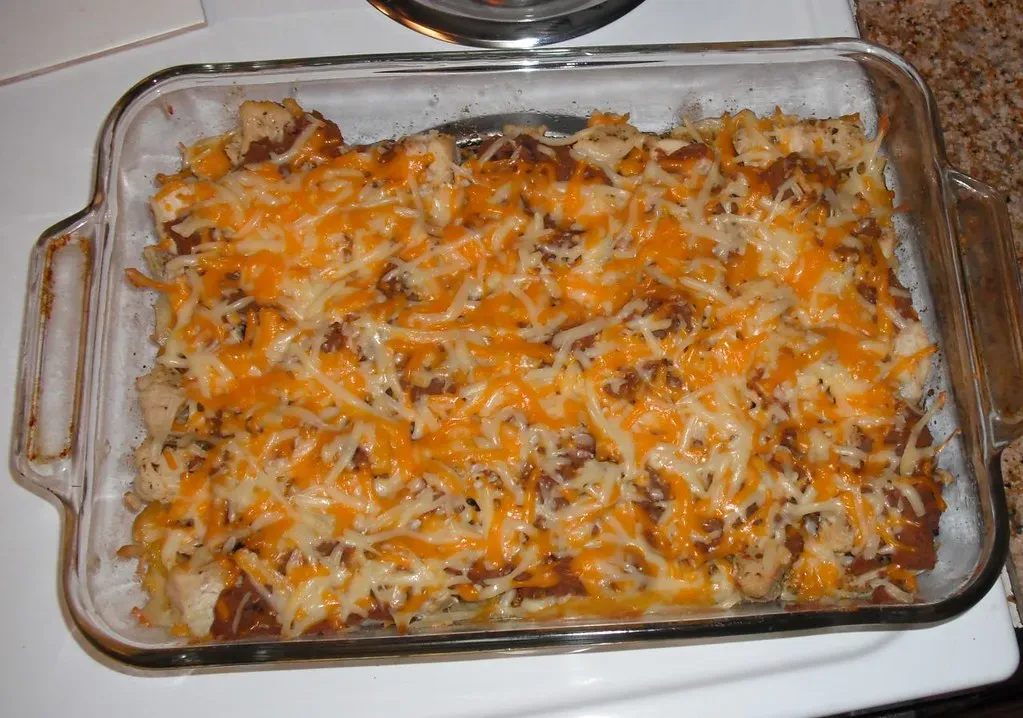
If you grew up anywhere near Texas, you already know this one. If you didn’t, prepare yourself for a pleasant surprise. The name of the dish comes from King Ranch in Texas, one of the largest ranches in the United States, although the recipe’s origin is unknown and it has no known direct connection to the ranch. It is thought to have developed after World War II when casseroles made out of canned food became popular. It bears similarities to chilaquiles, a Mexican dish that contains shredded chicken, cheese, tortillas, tomatoes, and chiles.
It likely originated in Texas community cookbooks in the 1950s and 60s, then swept through Junior League collections and church potlucks. Corn tortillas are layered with shredded chicken, Rotel tomatoes, cream of chicken soup, cream of mushroom soup, and a heavy hand of cheese. King Ranch Chicken was popular in women’s clubs in South Texas and West Texas during the 1950s. The dish is often served in lunchrooms and at gatherings like funerals, church suppers, and potlucks. It’s hard to say for sure who invented it, but it’s easy to say that whoever did, they were onto something great.
6. Funeral Potatoes: The Casserole With the Name Nobody Can Explain
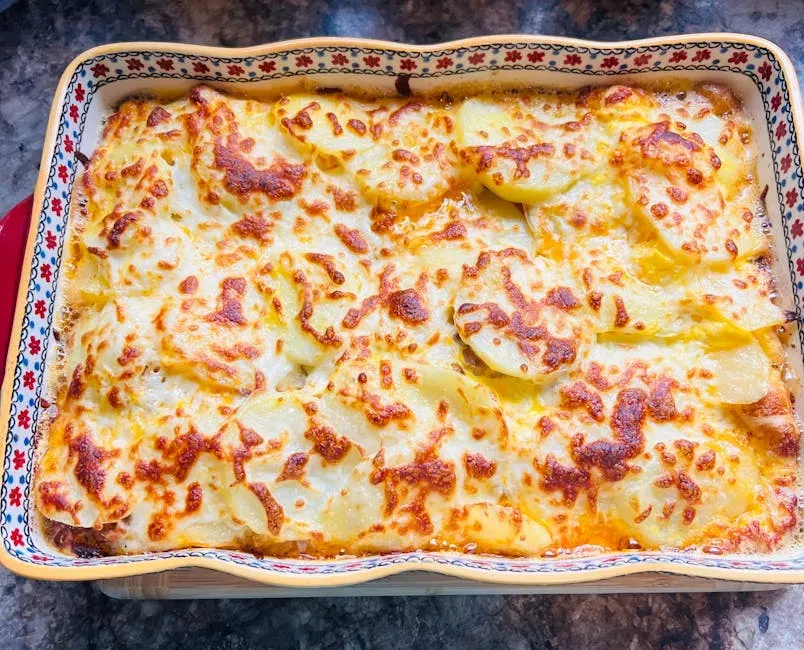
Nobody names a dish “funeral potatoes” and expects it to become beloved. Yet here we are. This dish with a somewhat depressing name came out of Mormon community gatherings in Utah, where it was a fixture at post-service luncheons, but by the 1970s it had spread far beyond church basements. The name stuck because it stuck around at precisely those moments when people needed to be fed without fuss.
Funeral potatoes is a potato-based hotdish or casserole similar to au gratin potatoes, usually consisting of hash browns or cubed potatoes, cheese, onions, cream soup or a cream sauce, sour cream, and a topping of butter with corn flakes or crushed crackers. During the 2002 Winter Olympics in Salt Lake City, one of the souvenir collector pins featured a depiction of funeral potatoes, cementing this regional favorite as an iconic American comfort food. Salt Lake Magazine admits that the glumly titled “funeral potatoes,” a cheesy hash-brown casserole, is a signature part of Utah’s culinary identity. Its revival right now makes perfect sense. Sometimes you just need a dish that shows up, no questions asked.
Why They’re All Coming Back Now
It would be easy to write this off as simple nostalgia, but the reality runs deeper. Retro dishes like casseroles, trifles, and quiches offer more than just throwback appeal – they bring familiarity, tradition, and a tangible connection to family history. The resurgence is also rooted in practicality. Rising food costs have pushed people toward budget-friendly, make-ahead meals. The pandemic reshaped cooking habits, making home kitchens central again. And social media has amplified it all, turning humble, old-school recipes into shareable trends. In 2026, this isn’t just about sentiment – it’s about smart, adaptable cooking. Comfort food is back not just because it feels good, but because it works.
Social media platforms like TikTok and Instagram have played a pivotal role in amplifying the appeal of retro recipes, with viral hashtags like #RetroCooking and #GrandmasRecipes introducing these dishes to younger generations. For millennials and Gen Z, who are juggling busy lives, casseroles offer the perfect balance of ease and creativity. These recipes are not only simple but also adaptable, meaning you can throw in whatever’s in the fridge and make it work.
Sustainability also drives this interest in vintage recipes. Many recipes from the late 20th century were resourceful, relying on leftovers and minimizing waste. These casseroles were never really forgotten. They were just waiting patiently in the back of the oven for the right moment to bubble back up. What would you have guessed was driving them back?