
There is something quietly fascinating about watching a food trend go from “groundbreaking” to “everywhere” to “please, no more.” It happens faster than you might think. What starts as a creative idea in some chef’s kitchen in Brooklyn or London eventually lands on every chain restaurant menu, TikTok feed, and airport food court in the country. Chefs see this cycle up close, and many of them are not shy about calling it out. Some of the most celebrated culinary professionals have been saying, loudly and for years, that certain trends have overstayed their welcome. If you ever wondered what’s really going on behind those carefully plated dishes, buckle up. Let’s dive in.
Table of Contents
1. Truffle Oil: The Fake Luxury Nobody Needs

Let’s be real, truffle oil might be the most contentious ingredient in professional kitchens today. Truffle oil has exploded in popularity over the years, making an appearance in restaurant dishes ranging from french fries to risotto, yet despite becoming increasingly common on menus, it remains a deeply polarizing ingredient in the culinary world. The problem is not just overuse. It goes much deeper than that.
Originally, truffle oil was high-quality olive oil infused with black or white truffles, but today, most of the stuff is made synthetically with ingredients like 2,4-dithiapentane, an aromatic molecule that gives truffles their distinctive smell. In other words, the “truffle” in your truffle fries is likely a lab-created chemical, not the prized fungus you imagine. That is a significant gap between perception and reality.
Gordon Ramsay has referred to the oil as both “pungent” and “overrated,” while railing against chefs who use it “like vinaigrette.” Ramsay is hardly alone. In a New York Times opinion piece, chef Daniel Patterson wrote that truffle oil’s “one-dimensional flavor is also changing common understanding of how a truffle should taste.” Think about that for a moment. A fake product is actually rewriting people’s memories of the real thing.
One executive chef put it bluntly, saying the obsession with truffle mushrooms is especially problematic when synthetic truffle oil is being used, since it overpowers dishes, lacks nuance and often masks what could have been great ingredients. Honestly, for a product that is supposed to add sophistication, truffle oil ends up doing the opposite.
2. Caviar on Everything: When Luxury Loses Its Meaning
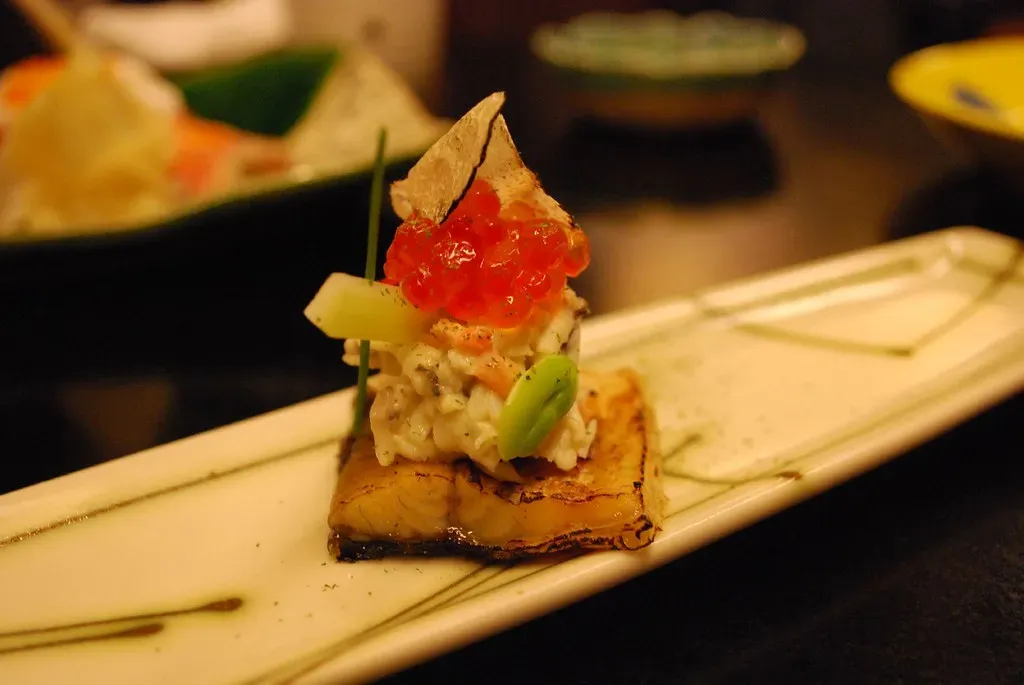
There is something deeply ironic about a product once reserved for the most exclusive tables in the world now appearing on fried chicken sandwiches. Caviar is now found on pretty much anything, from lobster rolls to fried chicken sandwiches, which has made it more of a mainstream household staple rather than a luxury, special item. That transformation might sound like a win for accessibility, but chefs are not celebrating.
Uni, truffles, and caviar used to be special, but now they are often tossed onto dishes just to make them seem more luxurious for Instagram. That social media element is key. The trend is not really about flavor. It is about performance. It is about signaling status in a fifteen-second video clip.
The concern among chefs is that presentation is sometimes prioritized over purpose, and the integrity of a dish can get lost in the hype. When an ingredient exists primarily to look impressive rather than to taste meaningful, something has gone wrong in the kitchen. Caviar deserves better, and so do diners.
3. Edible Flowers: Pretty to Look At, Pointless to Eat
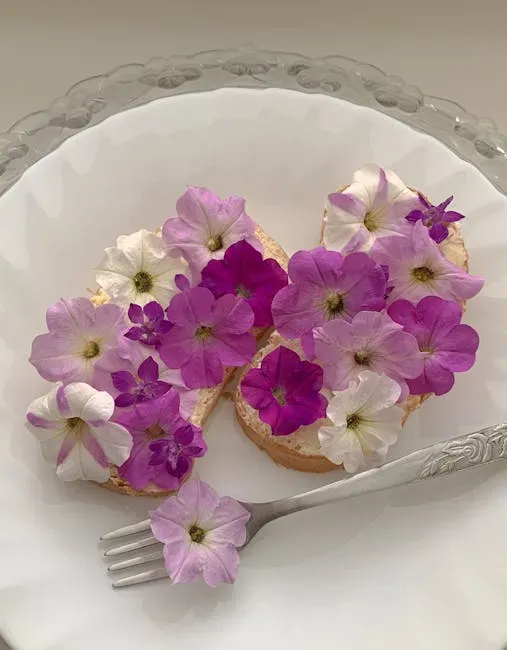
Walk into almost any “elevated” brunch spot and you will likely find at least one dish decorated with a tiny purple or orange flower. It looks beautiful. It photographs magnificently. It tastes like absolutely nothing. One chef argues that food should be able to garnish itself, and that if a dish needs color or visual appeal, that should come from ingredients that contribute meaningfully to the overall flavor and balance of the plate.
Just because something is technically edible does not mean it belongs on the plate. Most edible flowers offer little to no flavor, and more often than not, they get pushed aside rather than eaten. There is the honest verdict right there. Nobody is actually eating the pansy on their avocado toast. It just sits there, wilting, until a busser clears it away.
Chefs agree that edible flowers on everything just for the sake of it have become tiresome, and that while they can be delicious when plated properly, they should serve a purpose and not just be there for ornamentation. Purpose. That is really the word that separates great cooking from trend-chasing performance art.
4. Plant-Based Meat: The Hype vs. The Reality
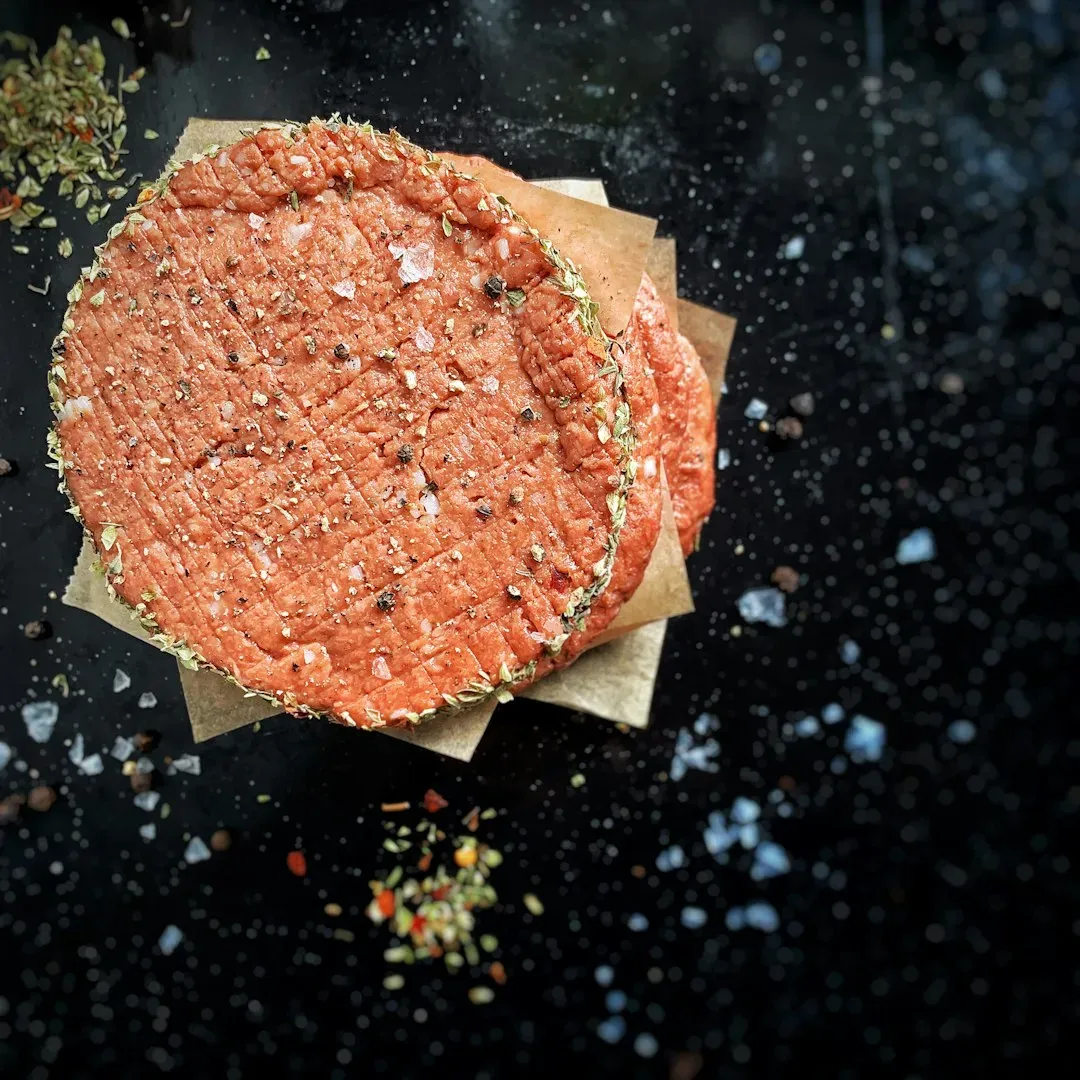
The plant-based meat revolution was supposed to change everything. For a brief window around 2019 to 2021, it genuinely felt like it might. Then the numbers started telling a different, more sobering story. According to SPINS, in 2024, total plant-based food dollar sales declined four percent while unit sales declined five percent. These are not minor dips. This is a market in sustained retreat.
Plant-based meat and seafood dollar and unit sales fell for the third straight year, with dollar sales reaching just $1.2 billion in 2024, down seven percent from 2023. Sales of refrigerated plant-based burgers, which were driving significant growth in the category a few years ago, continued their precipitous decline, dropping twenty-six percent year over year. That is not a blip. That is a collapse.
Plant-based meat products are not meeting consumer expectations, especially in regard to taste, texture, and price. Chefs have been saying this privately for years. The products often look fine on a menu but disappoint on the plate. The gap between the marketing and the actual eating experience is simply too wide to ignore for most diners.
Consumers still identify taste as a top barrier to purchasing plant-based meat, and among those who have eaten plant-based meat previously but not in the past year, roughly a third say they would repurchase if the taste and texture were exactly like conventional meat. That is a huge problem the industry has not yet solved.
5. Charcuterie Boards: Instagram Art, Not Food
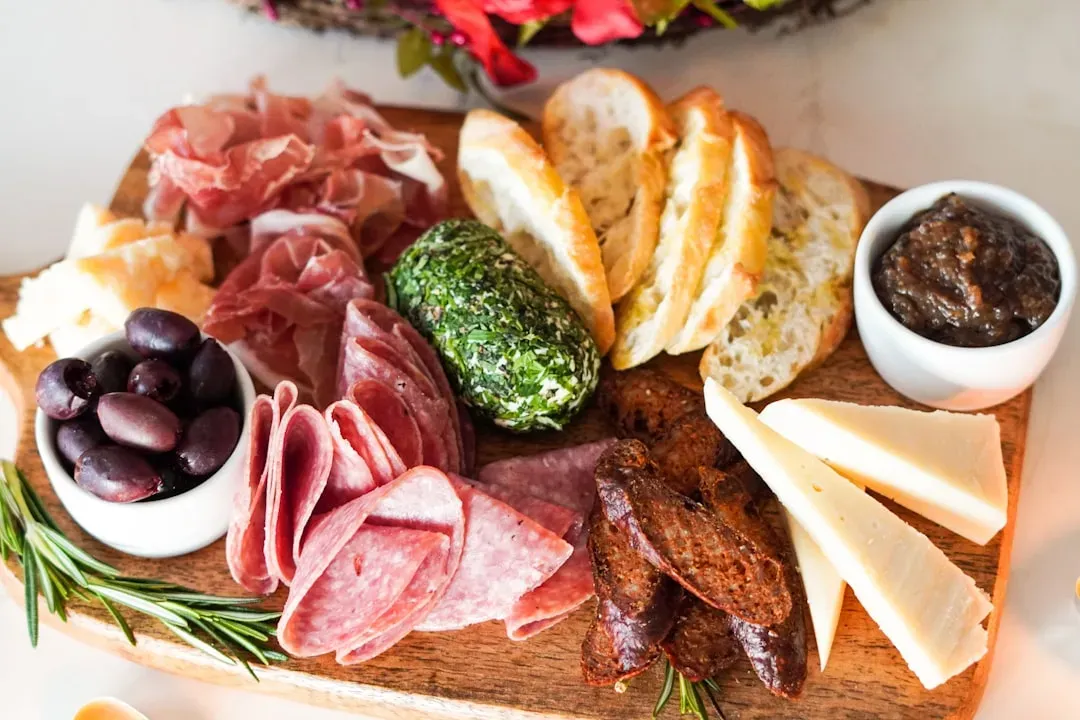
Somewhere between 2018 and now, the humble cheese board transformed into a theatrical production. Charcuterie boards became events, performances, and eventually a cottage industry of their own. I think we all know someone who spent forty-five minutes arranging prosciutto into decorative roses for a dinner party. Chefs, however, are not amused. One chef argues that dedicating an entire table to pre-smothered food like nachos or charcuterie, as though it were a trough, has never sat right with them.
The problem is not the ingredients themselves, which can be genuinely wonderful. The problem is the aesthetic takeover of what was once a simple, convivial way to eat. As 2026 approaches, diners are quietly moving on from viral gimmicks, faux luxury and flavors that overstayed their welcome. The charcuterie board, in its maximalist form, fits squarely in that category.
Think of it like a bookshelf decorated more for social media than for reading. The display becomes the point, and the actual function, eating food together, gets lost somewhere beneath the decorative honeycomb and artisan crackers arranged in perfect geometric symmetry. Chefs have always known that the best dining experiences are about flavor, not theatre.
6. The “Instagrammable” Dining Experience: Ambiance Over Substance
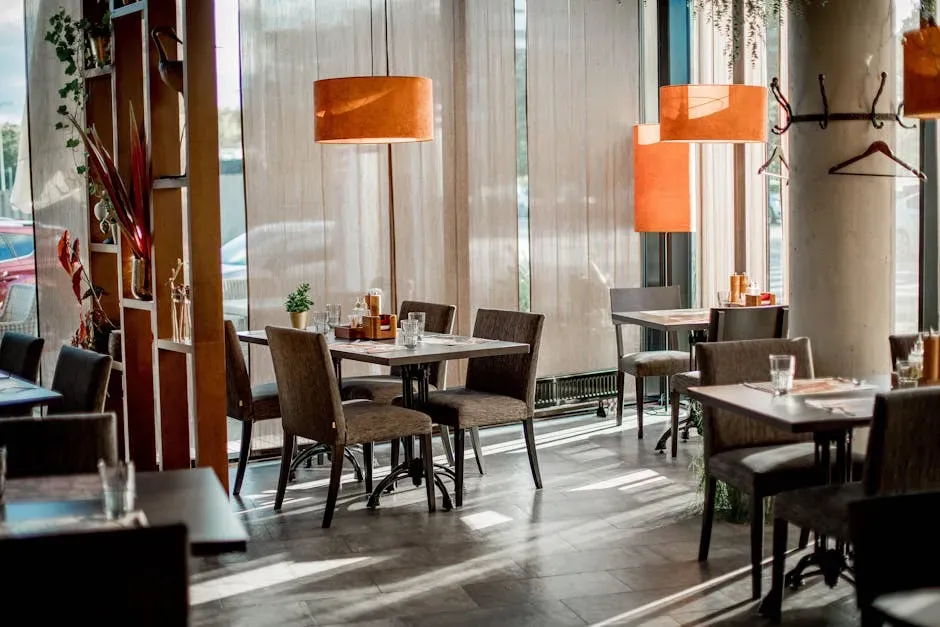
This one is broader than a single dish, and it might be the most telling trend of the past decade. Restaurants began designing entire interiors, menus, and concepts around their photogenic potential rather than their culinary merit. Instagrammable restaurant backgrounds, including fake greenery walls, oversized cupcakes, indoor swings and neon signs, peaked in 2025, and in 2026 the mood is clearly shifting toward calmer, more thoughtful spaces that feel lived-in and welcoming.
The current trend is shifting toward more traditional establishments such as bakeries, classic bistros, and artisanal techniques, with consumers preferring simple cuisine in a friendly atmosphere. That shift is telling. Diners got tired of eating in what felt like a content studio. They want restaurants to feel like restaurants again.
Writers and editors visiting hundreds of restaurants have noted one too many salads described as “lettuces,” unnecessary tableside presentations, and barstools without backs. It is a telling list. So much of what passed for restaurant innovation in recent years was actually just performance with mediocre food hidden underneath. Grandma’s recipes, home-cooked meals, and childhood memories are back, effectively dethroning “overly conceptual” dining.
7. Dubai Chocolate: The Viral Trend That Burned Out Fast
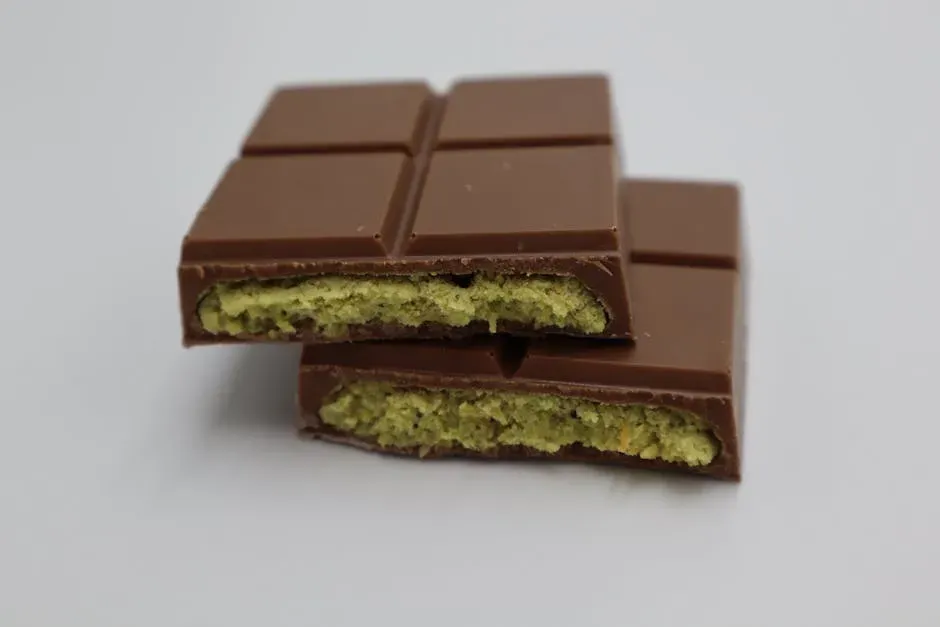
You almost certainly saw it exploding across every corner of social media: that lush, crinkly, pistachio-and-kataifi-filled chocolate bar originating from Dubai. The videos were irresistible. The crunch was undeniably satisfying on screen. TikTok made it impossible to resist, as influencer after influencer cracked open the pistachio-cream, tahini and kataifi-filled bar, and for months it was impossible to find locally, which only heightened the frenzy.
Then, as it almost always does, the market became saturated. Local bakeries rushed to create their own versions, quality varied wildly, and the original appeal faded fast. What once felt special quickly became overdone. As one food editor put it, Dubai chocolate is already “so 2025” – a trend that burned bright and faded just as quickly heading into 2026″. It is a near-perfect case study in how social media can inflate a product’s cultural moment well beyond what the actual eating experience can sustain.
Most of these trends began with genuine appeal, a craveable flavor, something unexpected, a dish that captured the culinary zeitgeist, but then the novelty wore off and most people quietly moved on. That is the honest life cycle of a viral food trend. It peaks, it saturates, it becomes a punchline. According to Menu Matters, consumers in 2025 and beyond were overwhelmingly asking for one thing above all else: “just give me something new.” And chefs, for their part, are more than ready to deliver something actually worth eating.
Here is the thing that all seven of these trends share: they all prioritized perception over flavor. They were designed to be talked about, shared, and monetized, rather than simply enjoyed. The good news is that diners and chefs alike seem to be waking up to this. There is a quiet but unmistakable appetite for food that is honest, skillful, and genuinely delicious, without the theatrics. What do you think, has one of these trends already worn out its welcome at your table?