
Ever glance at your morning cereal and wonder what exactly makes those colors so bright? Or bite into a sandwich and question why the bread stays so fluffy for days? The truth is, American grocery stores are packed with additives, preservatives, and production methods that many countries around the world have decided are too risky for their citizens. While we’re buying these products without a second thought, regulators in Europe, Canada, and beyond have drawn hard lines in the sand.
Here’s the thing. Just because something sits on a U.S. shelf doesn’t automatically mean it’s been thoroughly vetted for long-term safety. The regulatory approach here leans heavily on “innocent until proven guilty,” while other nations flip that script entirely. Let’s be real: you deserve to know what’s hiding in your food.
Table of Contents
Artificial Food Dyes Make Everything Look Picture Perfect
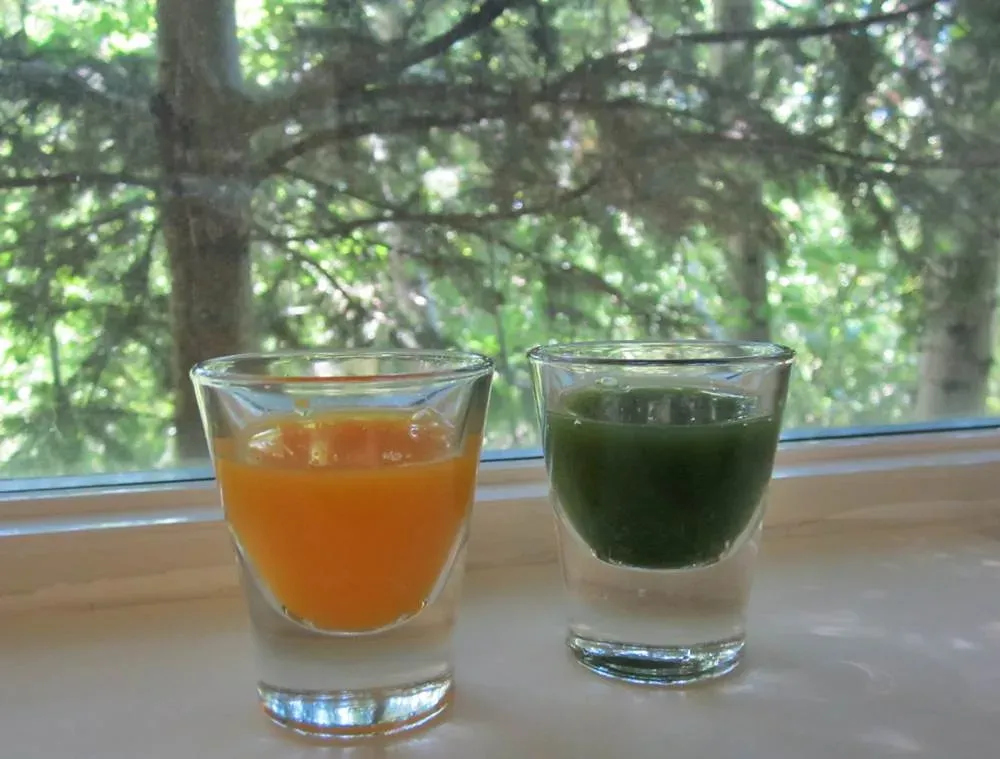
Red Dye 3, a synthetic food coloring linked to cancer in lab studies, was banned in Europe more than 30 years ago. Meanwhile, Americans are still munching on brightly colored candies, cereals, and even condiments loaded with dyes like Red 40, Yellow 5, and Yellow 6. Although technically not banned in Europe, food dyes are heavily regulated, and foods that contain these dyes are required to carry a warning label that states the product “may have an adverse effect on activity and attention in children.” As a result, many food companies swap these dyes for natural alternatives in Europe, and continue selling the version made with artificial dyes in the United States. Companies know how to make these products without synthetic colors, they just choose not to bother for the American market. Though the FDA issued a ban on Red Dye 3 – a colorant linked to higher rates of cancer development in animals – in January 2025, countless other additives remain on grocery store shelves.
Brominated Vegetable Oil Keeps Your Soda From Separating
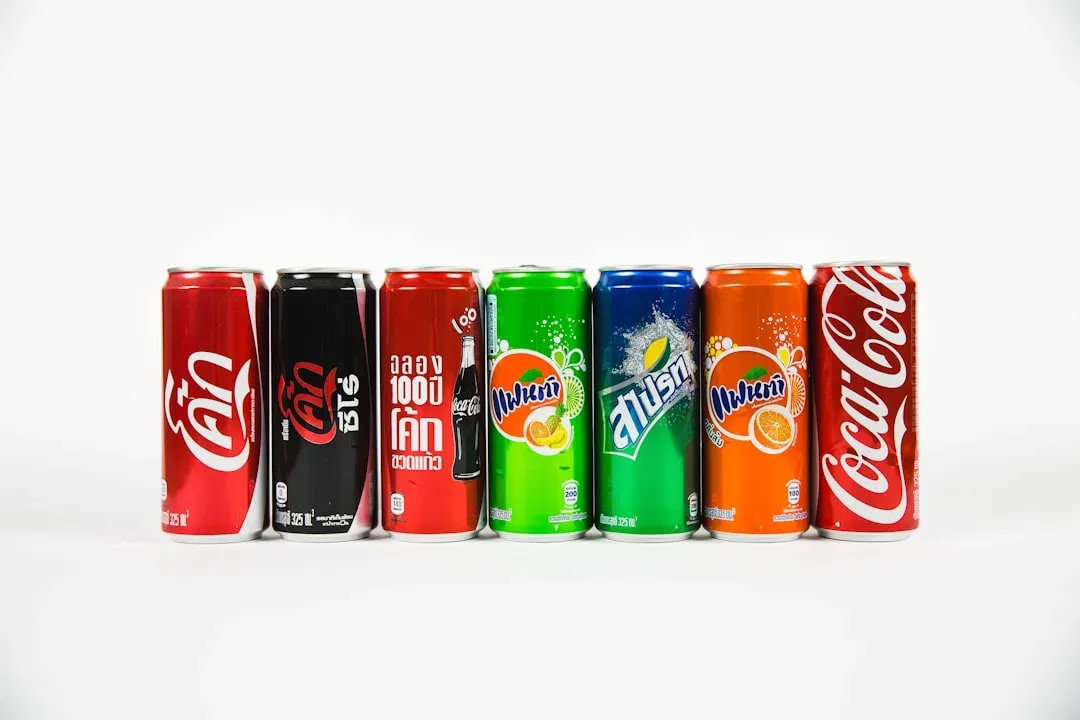
In July 2024, the FDA revoked regulations allowing the use of BVO in food, following a proposal made in November 2023. Still, older products might linger on shelves for months. This ingredient was used for decades in citrus-flavored sodas like Mountain Dew and certain sports drinks to stop the flavoring oils from floating to the top. In the European Union, BVO has been banned from use since 2008 (it was originally banned in the UK and several other European countries in 1970).
Animal studies have found that brominated vegetable oil can lead to issues with the heart, thyroid, and liver, as well as potential bromism, which has symptoms including memory loss and ataxia. Canada has banned the use of brominated vegetable oil since August 30, 2024. The decision follows a proposal made in May 2024 citing mounting health concerns. It’s hard to say for sure whether BVO poses major risks at the tiny amounts people typically consume, but regulators worldwide decided they weren’t willing to wait and find out.
Potassium Bromate Makes Bread Fluffy and Voluminous

Walk down the bread aisle and you might be biting into something that hasn’t been allowed in dozens of countries for decades. Because of these health concerns, the United Kingdom, Canada, Brazil and the European Union, among other countries, have banned potassium bromate. Even with plenty of evidence showing the chemical’s potential to harm human health, it’s still legal for use in food sold in most of the U.S. Bromate has been banned virtually worldwide except in Japan and the United States.
The chemical strengthens dough and helps it rise higher, creating that perfect bakery texture. However, bromate itself causes cancer in animals. The tiny amounts of bromate that may remain in bread pose a small risk to consumers. But tests in the U.K. found that potassium bromate remains detectable after baking, with all six unwrapped breads and seven out of 22 packaged breads tested found to have measurable levels. California finally stepped up and banned the additive, which will take effect in 2027. Honestly, if safer alternatives exist and other countries are thriving without it, why are we still using it?
Growth Hormones in Dairy Boost Milk Production
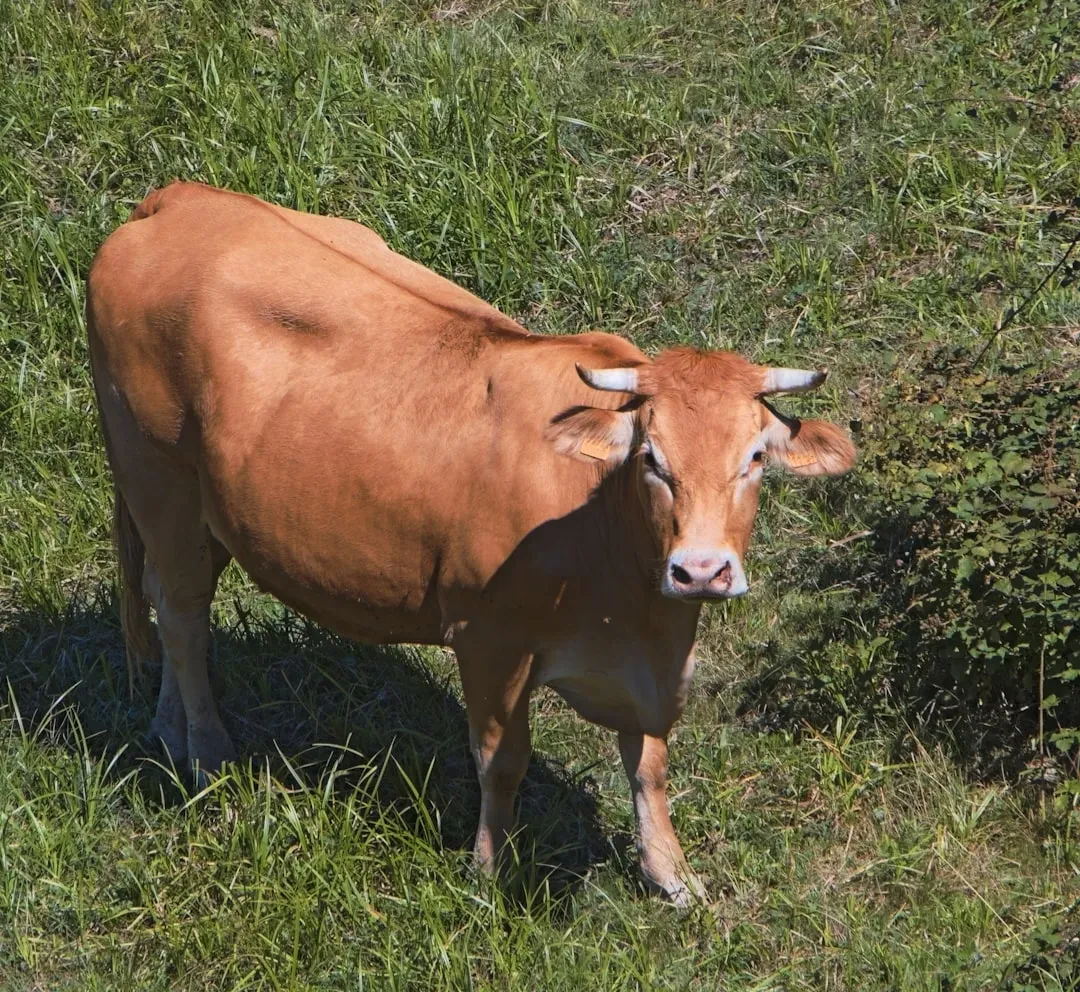
Controversy over its safety for cows has led to rBST being banned in several countries, including the European Union since 1990, and Canada, Japan, Pakistan, Australia, New Zealand, and Argentina, as it has been found to increase health risks in cows. Yet in the United States, recombinant bovine growth hormone remains perfectly legal. Farmers inject cows with rBGH to squeeze out roughly ten percent more milk per animal.
While BGH levels are not significantly higher in milk and meat from rBGH-treated cows, their milk and meat have higher levels of IGF-1. Several studies have found that IGF-1 levels at the high end of the normal range may influence the development of certain tumors. Some early studies found a possible link between blood levels of IGF-1 and the development of prostate, breast, colorectal, and other cancers, but later studies have failed to confirm these reports or have found weaker relationships. The debate hasn’t been settled, but the precautionary approach taken by most developed nations speaks volumes. Many American dairy brands have voluntarily stopped using rBGH due to consumer pressure, though labeling isn’t required.
Farm-Raised Salmon Gets a Color Makeover
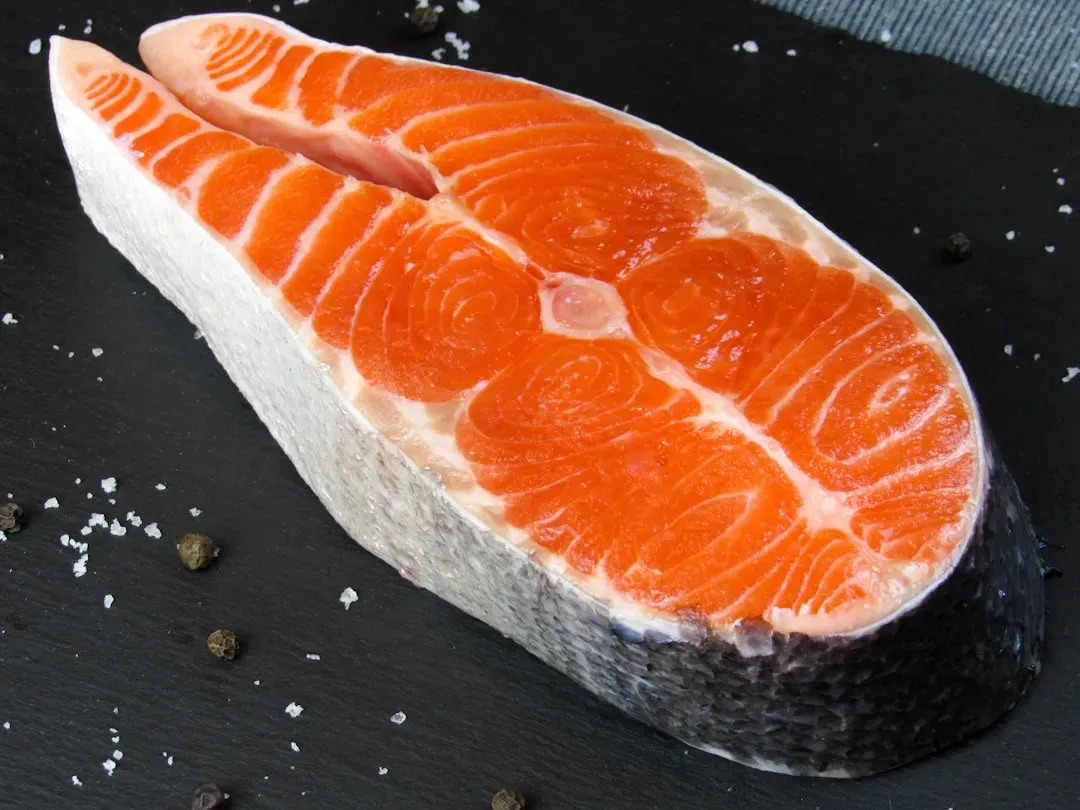
Wild salmon gets its pink hue from eating shrimp and krill in the ocean. Farm-raised salmon? Not so much. In the US, farmed salmon is given processed feed and injected with antibiotics, dioxins, and a synthetic chemical called astaxanthin to give the fish its reddish-orange color. These additives may cause health concerns and are banned by Australia and New Zealand. The fish are raised in crowded pens where disease spreads easily, hence the heavy antibiotic use.
European regulators have stricter rules around what can go into farmed fish and how densely they can be packed. The synthetic astaxanthin isn’t necessarily dangerous in small doses, but it raises the question: if we’re artificially coloring fish to make it look natural, what else are we not being told? Choosing wild-caught salmon when possible or looking for certifications can help you dodge some of these additives.
Chlorinated Chicken Solves a Hygiene Problem the Wrong Way
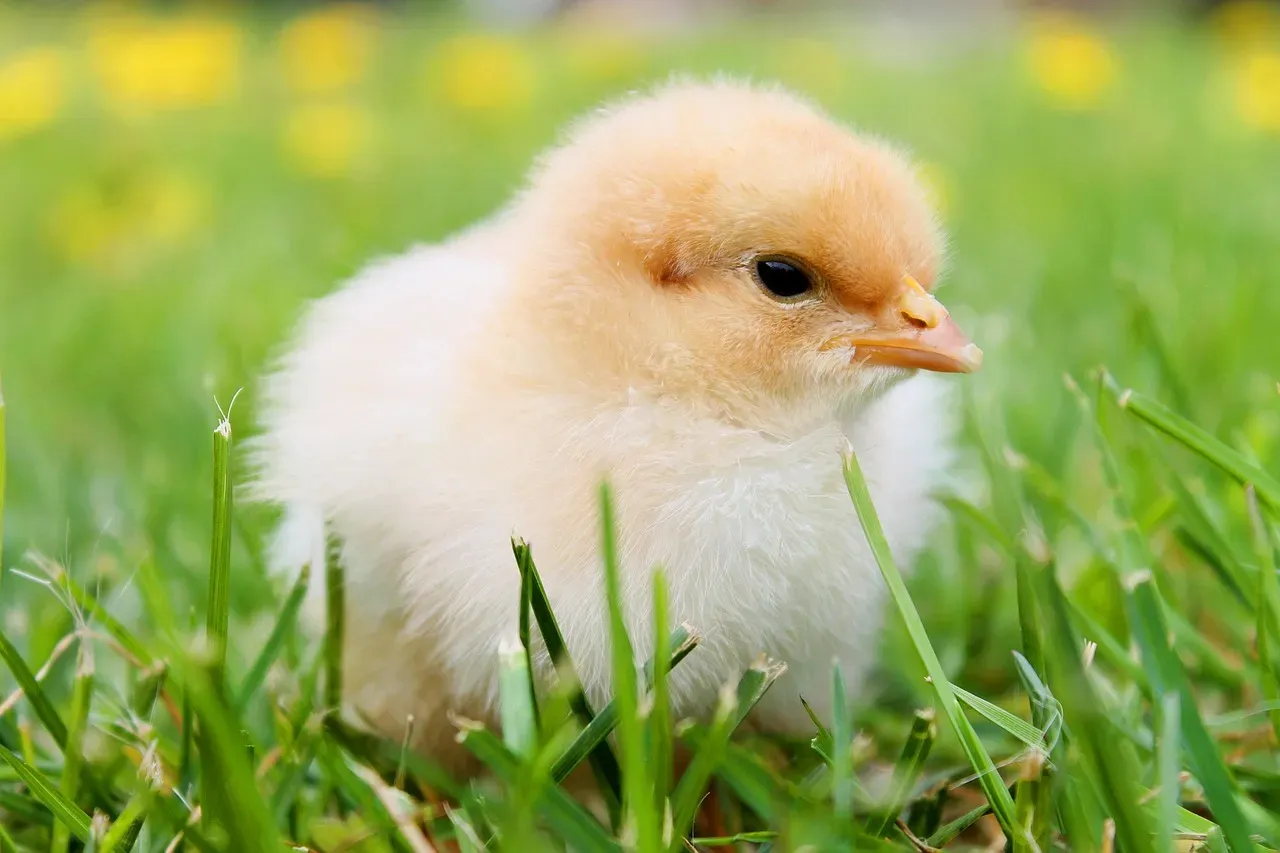
Nope – chicken is off the shelves in Europe, too, and has been since 1997. Well, because US chicken routinely goes through a chlorine wash for deep cleaning. There’s not enough space for the birds to safely roam, so they’re usually crammed in too-small cages, which significantly increases the risk of contamination and disease. The chlorine solution makes sure there are no harmful bacteria left over.
The European Union isn’t necessarily opposed to the chlorine bath itself. For the EU, it’s not that they’re against the washing process; instead, they’re wary these birds will continue to be regularly raised in poor hygienic standards, and relying on a last-ditch effort isnt good enough. It’s a band-aid solution that masks deeper issues in how poultry is raised and processed. Americans consume this chlorine-washed chicken daily without knowing it, while Europeans insist on higher welfare standards from the start. It makes you think about what shortcuts are being normalized here that wouldn’t fly elsewhere.
The gap between what’s on American plates and what’s allowed overseas keeps growing. Regulatory bodies in Europe, Canada, and beyond have taken a harder stance on questionable additives, while the U.S. moves at a glacial pace. Change is happening, slowly. States like California and New York are stepping in where federal agencies lag behind, and consumer pressure is forcing some companies to reformulate their products.
You don’t have to wait for regulators to catch up. Read labels carefully, look for organic or certified products, and ask questions about what you’re eating. The more we demand transparency and safer ingredients, the faster the industry will respond. What surprised you most on this list?