
Grocery shopping in 2026 is not what it used to be. According to the U.S. Department of Agriculture, food-at-home prices increased in 2024 compared to 2023, following a larger increase in 2023 and a dramatic spike in 2022. Budgets are being stretched thin, and yet millions of people are figuring out a quiet but powerful truth: eating well does not have to cost a fortune.
The secret lies not in exotic superfoods or trendy meal kits. It lies in a handful of humble, easy-to-find ingredients that have quietly delivered incredible nutritional value for decades. Some of them cost less per serving than a stick of gum. Let’s dive in.
Table of Contents
1. Eggs: The Original Superfood on a Budget
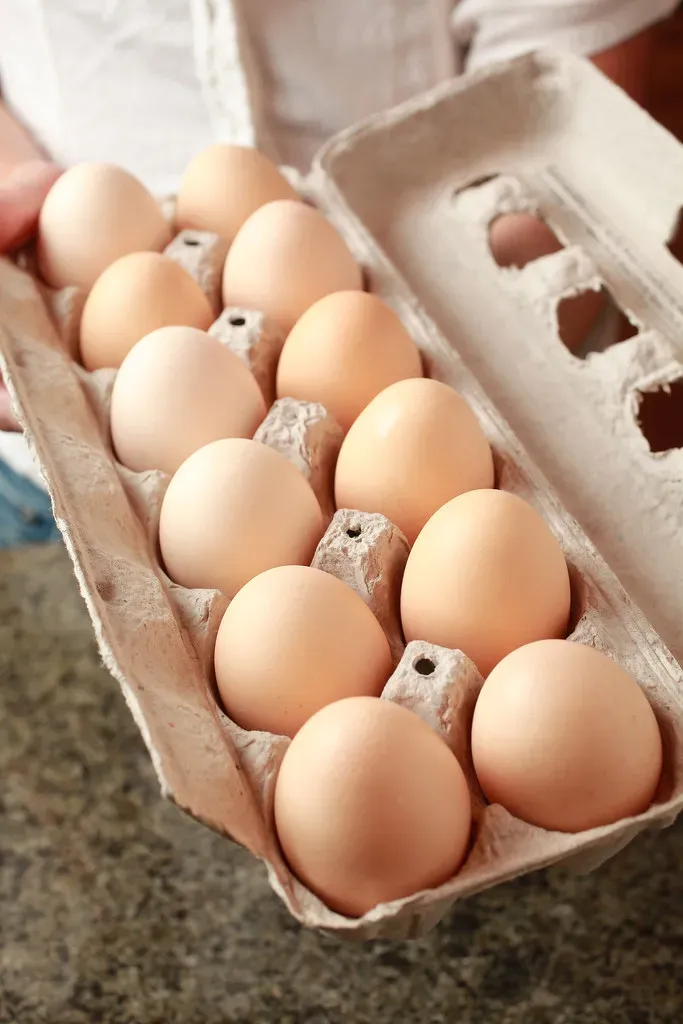
Honestly, if there is one food that deserves more credit than it gets, it is the egg. Egg prices surged dramatically at one point, but have since stabilized, and even with cost fluctuations, eggs remain on most people’s grocery lists for a reason: they are a highly versatile, nutrient-dense food. Think about that for a moment. A food that survived a price crisis and still came out as the best deal in the store.
Eggs offer around 6 grams of protein per egg, along with many micronutrients, and they last three to five weeks when refrigerated. Dietitians consider eggs a near-perfect protein because they contain essential amino acids and choline, great for brain health. The yolk contains nutrients like vitamins A and D, omega-3 fatty acids, and the antioxidant lutein, which helps promote healthy eyes and skin.
Eggs remain one of the most cost-effective protein sources available, offering high-quality nutrition for approximately 25 cents per egg. Scrambled for breakfast, hard-boiled for lunch, folded into a frittata for dinner. The egg is genuinely one of the most versatile items in any kitchen, at any budget level.
2. Dried Beans and Lentils: Protein Powerhouses for Pennies
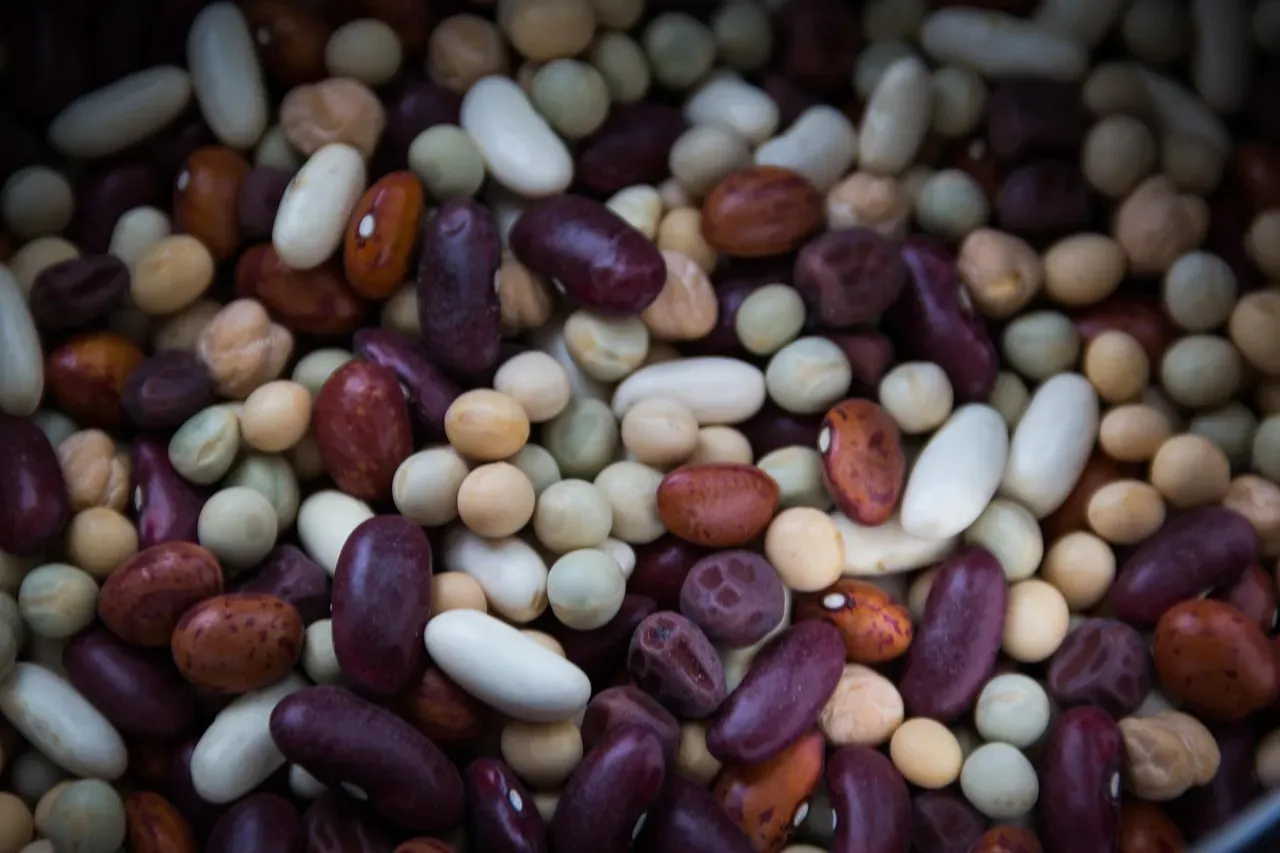
Dried beans and lentils top the list of budget-friendly proteins, costing around one to two dollars per pound while providing approximately seven to nine grams of protein per serving. That is a ridiculous amount of value packed into a small, shelf-stable bag. Beans are incredibly nutritious, versatile, and cheap, with so many ways to cook and enjoy them.
Lentils cost just around ten cents per serving and provide 18 grams of protein and 15 grams of fiber per cooked cup. They are cholesterol-free, high in folate, iron, and potassium, and low in fat. A 2023 review in the journal Nutrients found that regular bean intake reduced blood pressure and improved glycemic regulation in people with type 2 diabetes.
Beans are an excellent source of plant-based protein, with around 14.5 grams of protein in a cup of black beans. Consuming beans and other legumes is also associated with a reduced risk of heart disease and diabetes. Whether you toss them in a soup, blend them into a dip, or pile them into tacos, these little legumes deliver every single time.
3. Oats: The Breakfast That Actually Keeps You Full
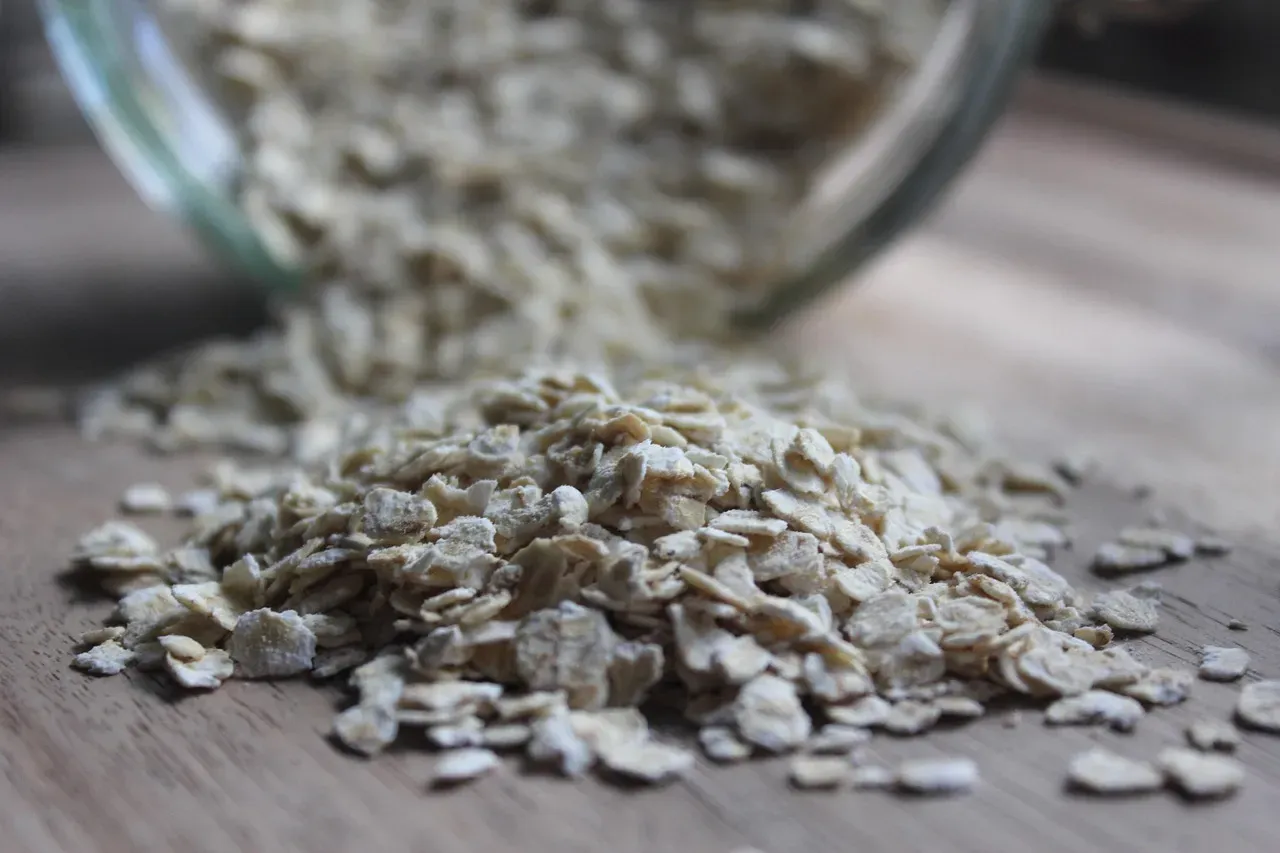
Here is the thing about oats: they are one of those foods that nutritionists and budget-conscious shoppers both love equally, which is a rare and beautiful thing. Oats have a shelf life of up to 12 months when properly stored and are both incredibly versatile and nutritious. Oatmeal is nutritionally rich and has more protein than most grains, along with numerous vitamins and minerals.
Oats contain a type of soluble fiber called beta-glucan, which lowers blood glucose and cholesterol levels and reduces the risk of heart disease and diabetes. Beta-glucan also promotes healthy gut bacteria and intestinal health. Oats offer more soluble fiber than other grains, leading to slower digestion, increased fullness, and appetite suppression.
With rising concerns about ultra-processed foods, oats represent a rare packaged item that is often just one ingredient: whole oat groats. From overnight oats to savory oat bowls, this grain is genuinely one of the most underrated items in any pantry. The value it delivers per dollar is nearly unmatched.
4. Rice: The Most Reliable Staple on the Planet
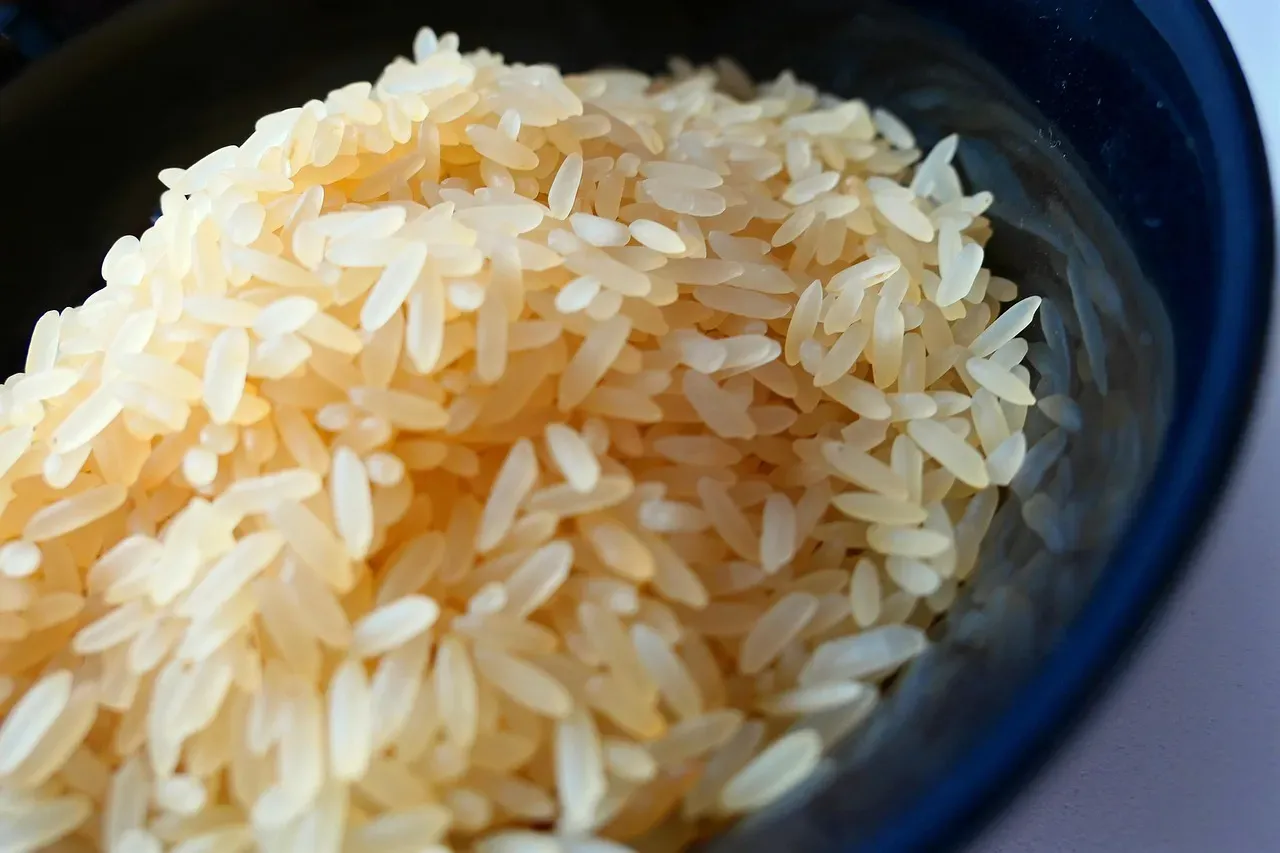
Rice is the backbone of cuisines across nearly every continent, and for good reason. Rice is one of the best budget staples, with a large bag costing about ten to twenty cents per serving and lasting for years in the pantry. White rice is a staple source of carbohydrates, while brown rice contains magnesium and fiber.
Rice can be anything from a stir-fry sidekick to the star of a pudding, and it is even cheaper when you buy it in bulk. White rice, in particular, lasts the longest. Incorporating grains like rice into your diet comes with a number of health benefits. They provide complex carbohydrates, dietary fiber, and a host of vitamins and minerals. Eating whole grains helps reduce the risk of heart disease and promotes healthy digestion, according to the USDA.
Think of rice as a blank canvas. It takes on the flavor of anything you pair it with, stretches meals dramatically, and feeds a family without drama. I think of it as the most quietly powerful item in the entire grocery store.
5. Frozen Vegetables: Fresh Nutrition, Freezer Prices
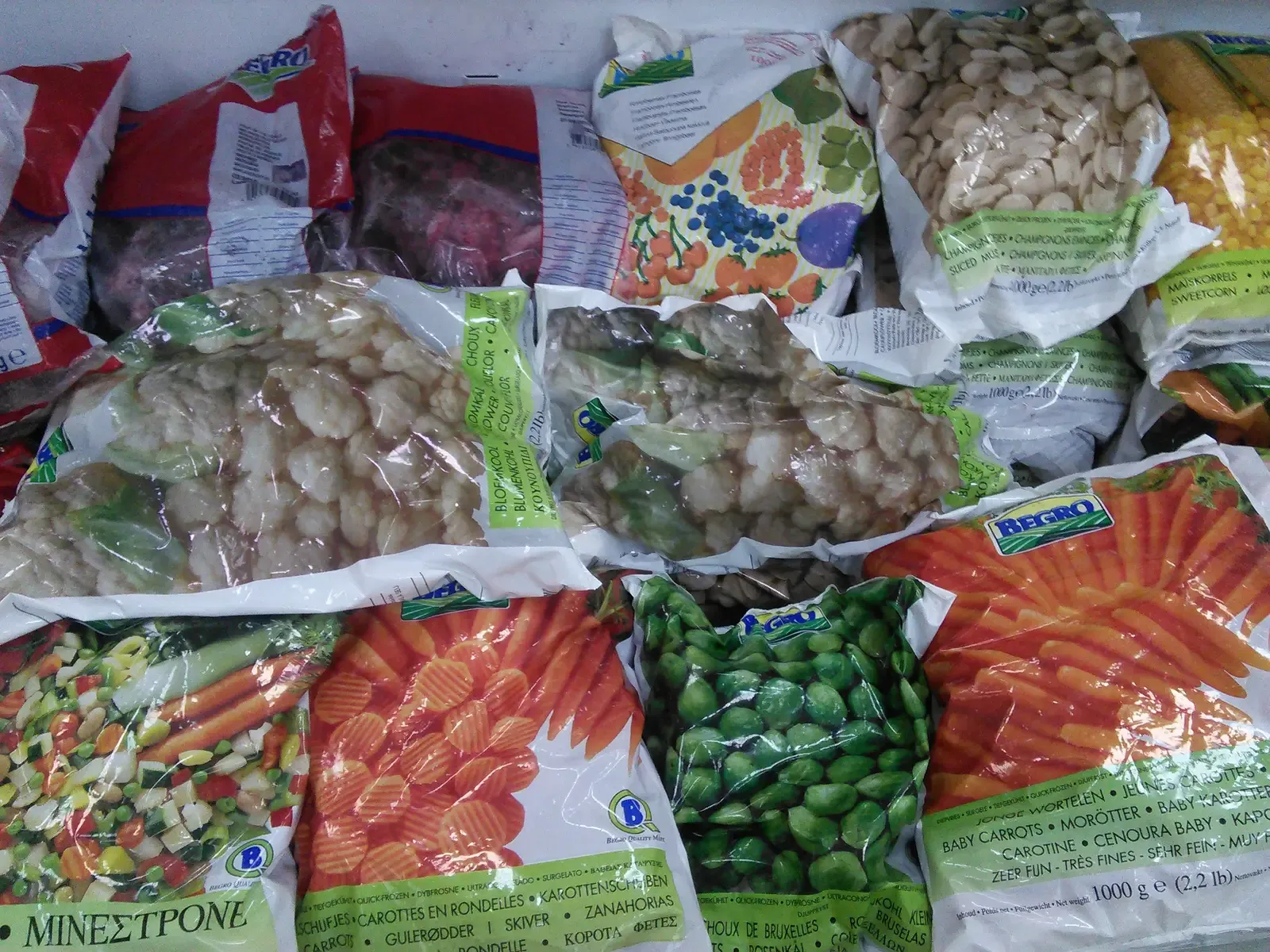
A lot of people make the mistake of assuming frozen vegetables are somehow inferior to fresh ones. The science tells a completely different story. Frozen fruits and veggies retain all of the same nutritional properties as fresh because they are frozen at peak ripeness. Frozen vegetables are jam-packed with nutrients and can last at least six months in the freezer.
Fresh broccoli can cost around two dollars per crown, while an entire bag of frozen florets costs around two dollars and fifty cents and can last a few months in your freezer. Averaging between two and five dollars a bag, frozen produce will not break the bank, especially for out-of-season items. That is a genuinely hard deal to beat.
Frozen vegetables are a must-have item to keep on hand for quickly creating delicious, nutritious, and inexpensive meals. Stock the freezer with mixed vegetables, broccoli, peas, and spinach, and you have the foundation for dozens of healthy meals without spending more than a few dollars a week on produce.
6. Canned Tomatoes: A Pantry Hero With Serious Health Benefits
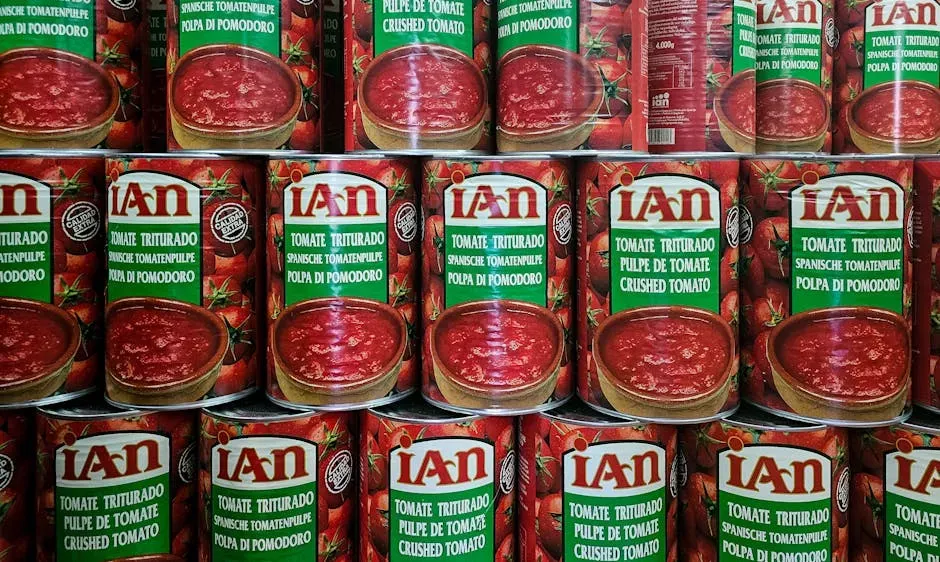
Canned tomatoes are one of those ingredients that quietly do everything. Pasta sauces, soups, stews, shakshuka, chili. The list goes on. Canned tomatoes cost around one dollar per fourteen-ounce can and have a high content of lycopene, an antioxidant with reported reduced risks of some cancers and heart disease.
A 2024 study at Harvard noted that intake of lycopene is linked to a significant reduction in the risk of prostate cancer in men. In contrast to most nutrients, cooking actually makes lycopene more bioavailable, and therefore the canned varieties are especially potent. Canned tomatoes are also packed with vitamin C, fiber, and are an excellent source of lycopene, which can help lower the risk of heart disease and macular degeneration.
Food inflation reports indicate that canned vegetables are among the least affected by recent price increases, making them a reliable staple. At around a dollar a can, this is one of the best dollar-for-dollar investments you will make at any grocery store. It is almost suspiciously good value.
7. Potatoes: The Ultimate Comfort Food That Costs Almost Nothing

Potatoes have been feeding civilizations for hundreds of years, and they still rank among the most affordable and nutritious foods available today. You can bake them, mash them, put them in a stew. The possibilities are endless with the basic potato. In-season produce and long-lasting meal staples such as potatoes usually offer the best bang for your buck.
Vegetables like carrots, cabbage, and sweet potatoes tend to be affordable year-round and have long shelf lives, making them ideal budget picks. Sweet potatoes in particular are worth a spotlight of their own. They are rich in vitamins A and C, fiber, and antioxidants, and have even been shown to be a vital addition to research-based longevity diets.
There is a reason that potatoes are a staple across so many cultures. They are filling, they store well, they cook quickly in a variety of ways, and they cost almost nothing per serving. It is hard to think of another single vegetable that does all of that simultaneously.
8. Bananas: The Fruit That Defied Inflation
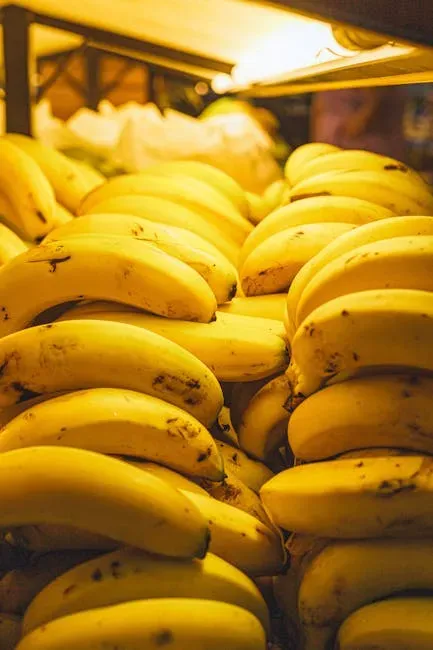
If you want to talk about a food that has essentially refused to get expensive, bananas are the story. While inflation has pushed prices up in most aisles of the grocery store, bananas have impressively defied produce inflation. The average price per pound sits at around 62 cents, while neighboring fruits like lemons, grapefruit, and oranges are significantly more expensive.
Favorable growing conditions, low labor costs, efficient shipping and distribution, free trade agreements, and massive plantations have insulated this particular fruit from soaring prices. The average American consumes nearly 27 pounds of bananas each year, which equates to about 90 bananas, and around the world, more than 100 billion bananas are eaten annually.
Bananas are one of the few fruits that belong on every budget grocery list. They are good for snacking and for baking. They also pair perfectly with oats, yogurt, and smoothies, making them one of the most flexible fruits you can buy. At roughly 15 to 20 cents per banana in most stores, they remain one of the greatest snack bargains in food retail.
9. Cabbage: Overlooked, Underpriced, Outrageously Nutritious
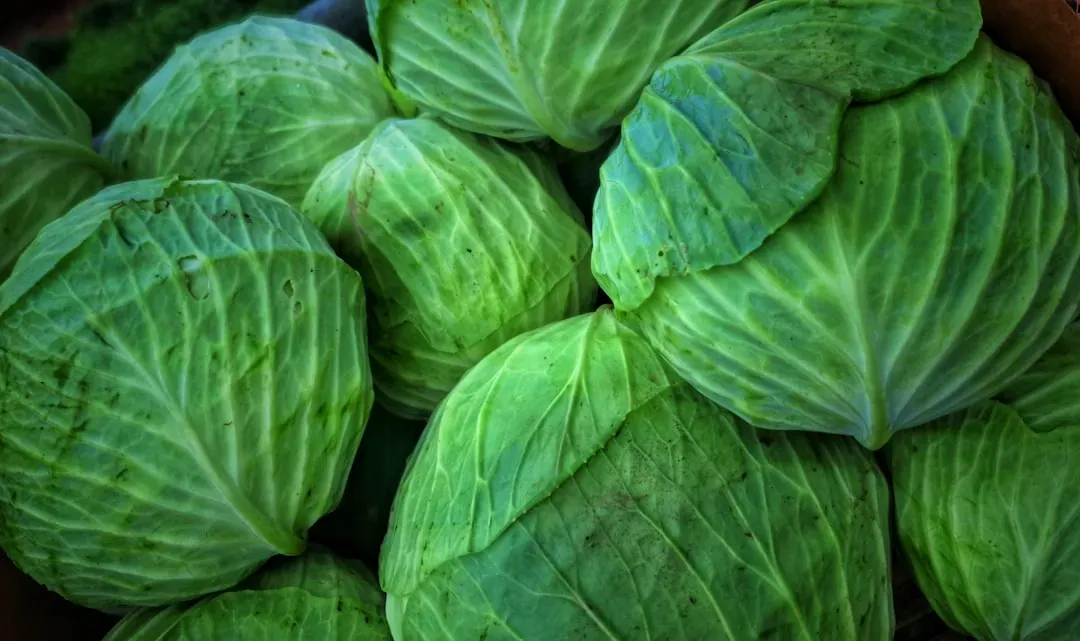
Let’s be real. Cabbage does not get nearly the attention it deserves. It is not glamorous. It does not trend on social media. Yet it is one of the most nutrient-dense vegetables in the entire store, and cabbage costs only around fifty cents per pound and is rich in vitamin C, vitamin K, and gut-calming fiber.
A single head of cabbage stays crisp in the fridge for two to three weeks and stretches meals without watering them down. Cruciferous vegetables like cabbage also contain glucosinolates that were linked to the prevention of numerous cancers in a 2024 World Cancer Research Fund report. That is a serious nutritional profile for a vegetable that costs less than a dollar.
Cabbage contains anthocyanins, which suppress inflammation and are heart-healthy. Shred it into slaws, toss it in soups, stir-fry it with garlic and soy sauce, or ferment it into sauerkraut for gut health benefits. Cabbage is one of those deeply humble foods that consistently punches above its weight class.
10. Plain Yogurt: Affordable Probiotics in a Container
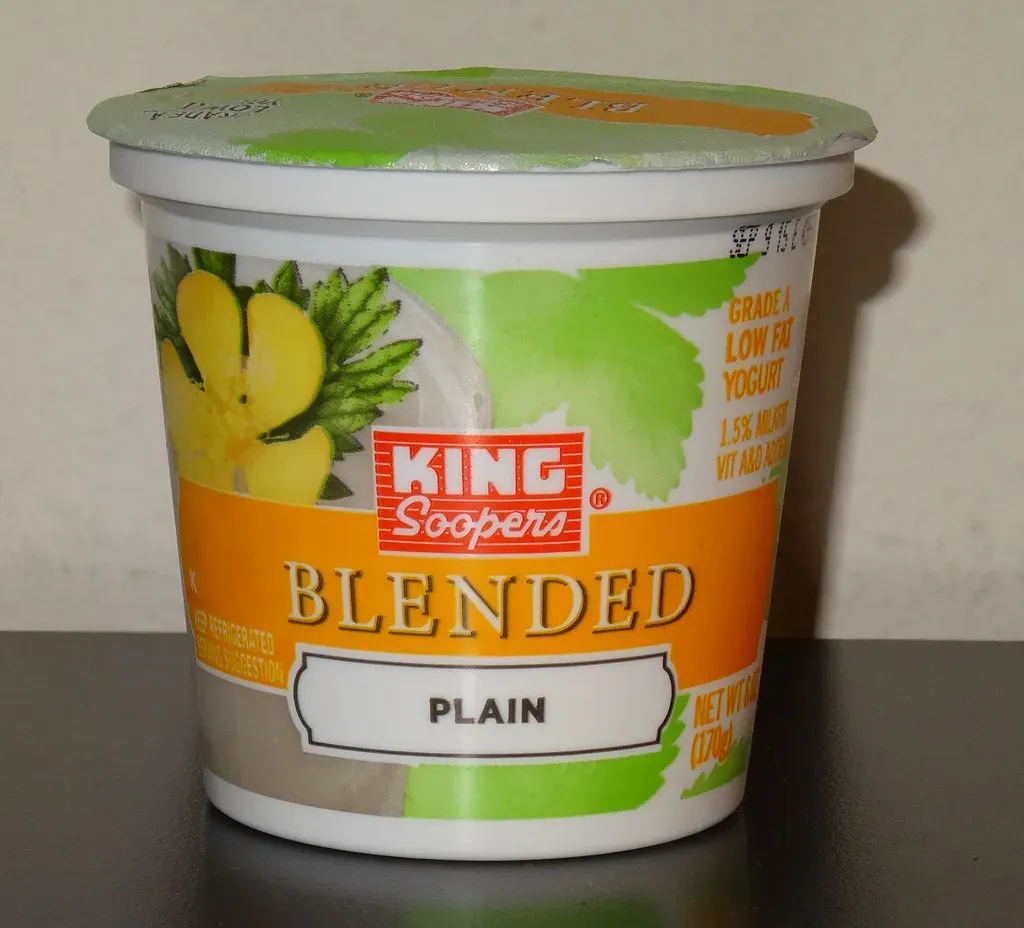
Plain yogurt, particularly store-brand varieties, is a genuinely brilliant budget staple that doubles as both a nutritious food and a cooking ingredient. Yogurt is budget-friendly and found in most stores for two to three dollars for a large container. In one cup of yogurt, there are around 8.5 grams of protein, lots of B vitamins, and significant amounts of calcium, phosphorus, and zinc.
Some yogurts are good sources of probiotics, which are healthy bacteria that may benefit digestive health. Yogurt tastes great when combined with fruit or nuts, or it can be added to smoothies. Buying a large container of plain yogurt and jazzing up your portion with fresh or frozen berries is more cost-effective than purchasing individual containers of flavored yogurt, and it will have less added sugar too.
I think the smartest move most shoppers can make is to swap flavored single-serve yogurt cups for one big tub of plain yogurt. It is cheaper by a wide margin, far less sugary, and you get to control what goes in it. Add honey, a handful of frozen berries, or a scoop of oats, and you have a genuinely impressive breakfast for cents per serving.
Conclusion: Eating Well on a Budget Is More Than Possible
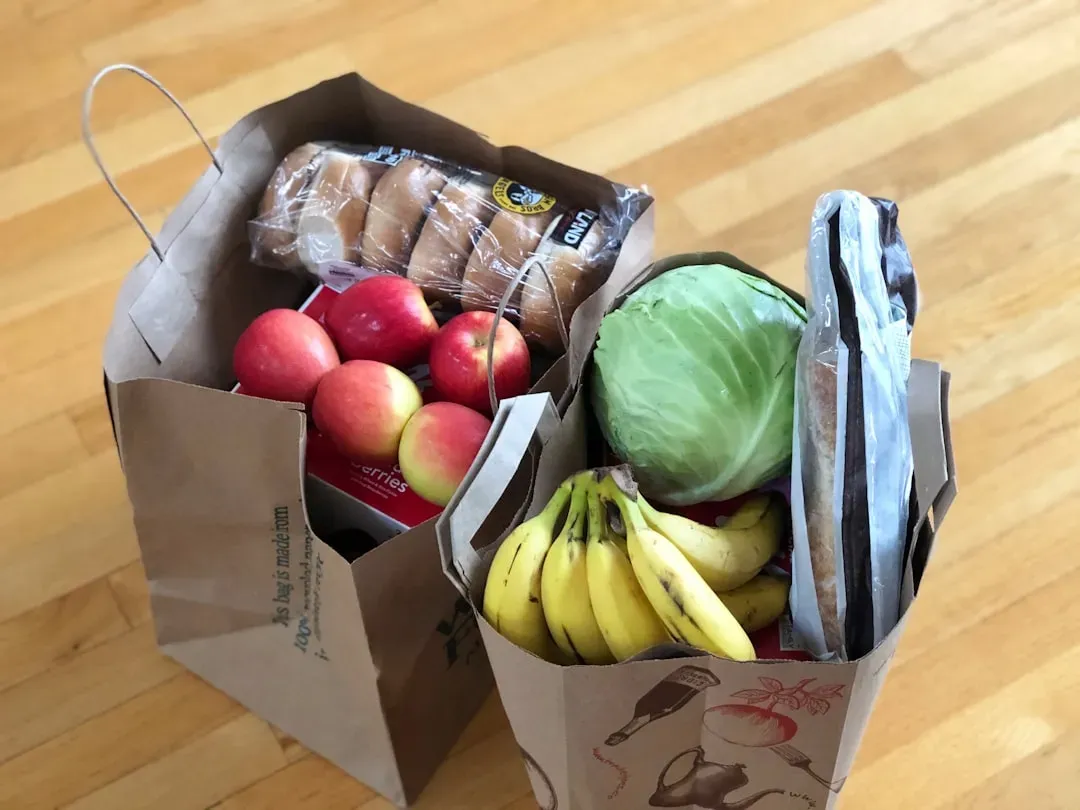
In a world where over twelve percent of American households face food insecurity and grocery bills keep climbing, the good news is that you do not need to pay a lot to eat healthfully. Using the right strategies, you can load your meals with protein, fiber, vitamins, and minerals without harming your budget.
The ten staples in this list have one thing in common: they all deliver serious nutritional value without asking much of your wallet. Eggs, beans, oats, rice, frozen vegetables, canned tomatoes, potatoes, bananas, cabbage, and plain yogurt. These are not exotic ingredients. They are the workhorses of smart, real-world eating.
The next time you push a cart through the grocery store feeling the pressure of rising prices, remember this: the best things in the produce aisle and pantry section are often the cheapest ones. What would you add to this list? Drop your favorite budget staple in the comments and let us know.