
Hunger is one of the biggest roadblocks to eating well. You finish a meal, walk away from the table, and 45 minutes later you’re already eyeing the pantry. The problem often isn’t willpower – it’s what’s on your plate. Chronic overeating is often linked not to a lack of willpower, but to meals that don’t keep us satisfied. Science has increasingly confirmed that some foods are simply built differently when it comes to keeping appetite at bay. They work through a combination of hormones, digestion speed, water content, and fiber – and choosing them strategically can change how much you eat without you ever having to count a calorie.
1. Oats – The Beta-Glucan Powerhouse
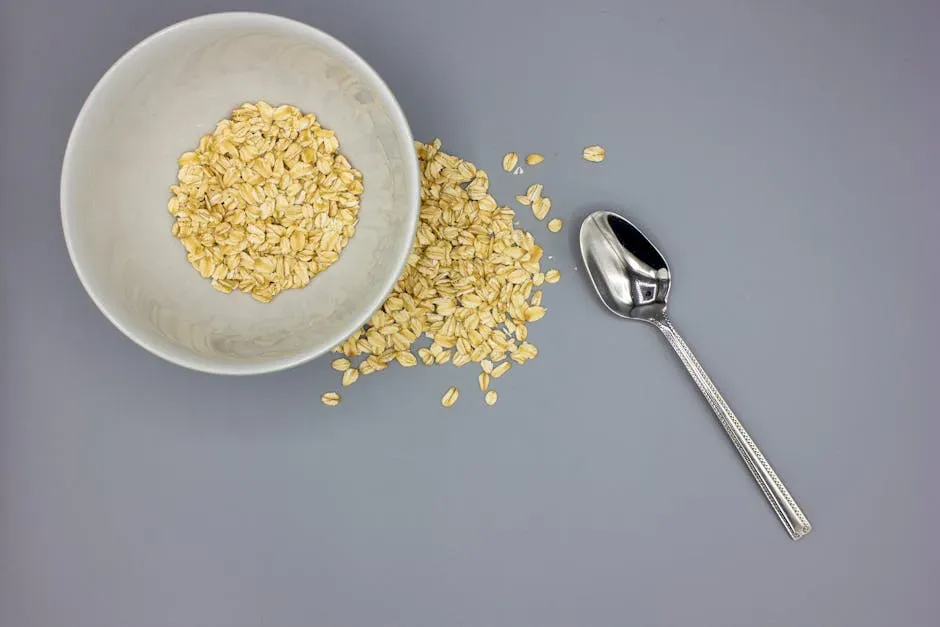
Oats have a long-standing reputation as a hearty breakfast food, and research confirms that reputation is well earned. Individuals with higher cereal fiber intakes tend to have lower body weight, and increased satiety via cereal fiber ingestion may be a potential mechanism for reduced body-weight gain. What sets oats apart from most other grains is their beta-glucan content – a soluble fiber that forms a thick gel in the gut, slowing digestion and keeping you fuller for longer. Soluble fiber absorbs water and forms a gel-like substance, which slows digestion and promotes steady energy release.
A 2025 systematic review published in Nutrition Reviews looked at evidence from 48 studies and found that cereal fiber intake was associated with favorable effects on satiety and other measures of appetite, with higher cereal fiber intake from rye and oat sources showing superior effects on appetite compared with a lower-fiber control. Oatmeal also scores impressively in practical comparisons. The effect of instant oatmeal and ready-to-eat oatmeal breakfast on satiety was investigated, and energy intake was particularly reduced after consumption of instant oatmeal in contrast to ready-to-eat oatmeal cereal. That means the less processed form of oats – the kind you cook yourself – delivers noticeably better satiety benefits.
2. Eggs – The High-Quality Protein That Holds You Over

Eggs are a nutritional staple that researchers keep returning to, and their satiety benefits are hard to ignore. Among animal proteins, eggs possess the greater potential to delay hunger as well as contain many other beneficial macros and micronutrients essential for health maintenance. The key mechanism behind this is protein quality. Studies show that protein is the most filling macronutrient, and it changes the levels of several satiety hormones, including ghrelin and glucagon-like peptide 1 (GLP-1). Ghrelin is the hormone that signals hunger to your brain – when protein suppresses it, you simply feel less urgent about eating again.
A 2024 Danish study published in the Journal of Dairy Science compared the effects of a high-protein breakfast to a carbohydrate-rich one with the same calorie count. Compared to the carbohydrate and control conditions, the areas under the curves for satiety, fullness, and satisfaction in the three hours after breakfast were significantly higher after the high-protein meal, whereas hunger, desire to eat, and prospective eating were significantly lower. Researchers noted that “it’s intriguing that there can be such a big difference in the satiety effect of two different meals with the same calorie content,” suggesting that women given protein-rich meals would have consumed more calories on a carbohydrate-heavy day had they been allowed to choose portion sizes themselves. Eggs are a simple, accessible way to get that protein edge at any meal.
3. Legumes – Beans, Lentils, and the Fiber-Protein Combination
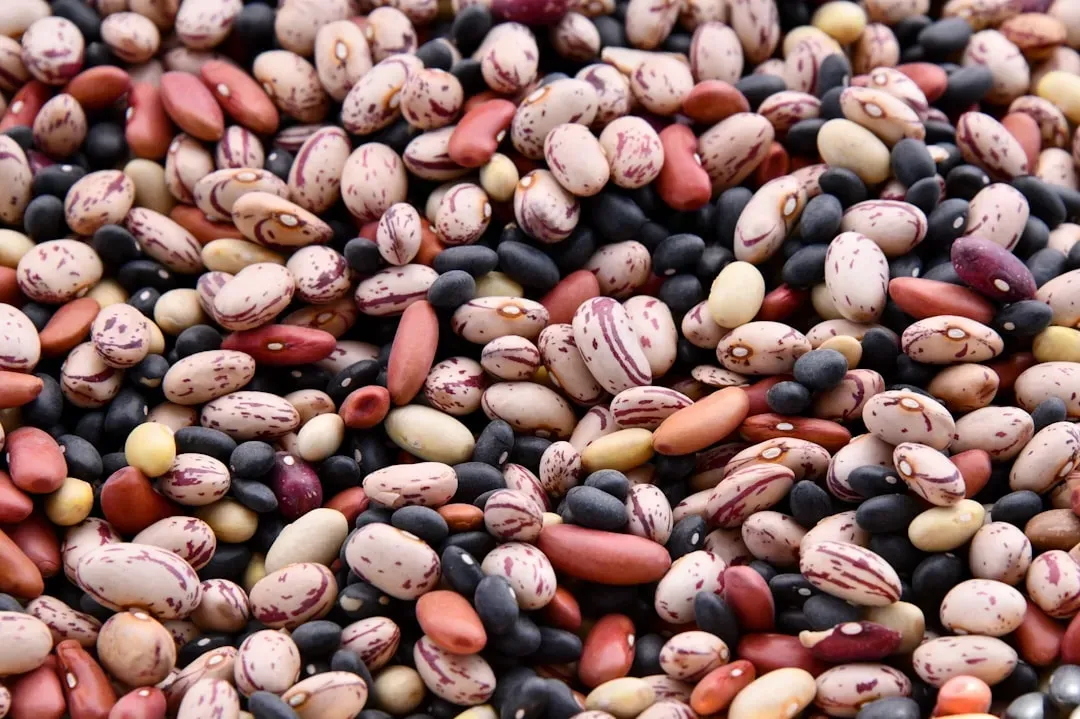
Legumes – a category that includes beans, lentils, chickpeas, and peas – are one of the most underrated satiety foods available. They deliver a rare double benefit: substantial fiber and a solid amount of plant-based protein in the same package. Protein is the macronutrient that will likely leave you feeling more sated, but fiber-rich carbohydrates – whole grains, beans, lentils, oatmeal, raspberries and even some vegetables like collard greens, kale and artichokes – are a close second. That double payload of protein and fiber means legumes work through multiple mechanisms simultaneously to curb appetite. Dietary fibers prevent obesity through reduction of hunger and prolongation of satiety, and fermentation of fibers produces short-chain fatty acids that stimulate enteroendocrine cells to secrete GLP-1 and PYY.
A 2024 study published in Nutrients reviewed how plant proteins influence satiety signals. Research has highlighted the ability of some plant proteins, their hydrolysates, and peptides to stimulate satiety through the secretion of anorexigenic hormones, with this effect observed in both in vitro and in vivo studies across various plant protein sources. A 2024 study from Imperial College London, published in Science Translational Medicine, revealed that high-fiber foods like chickpeas trigger the release of the appetite-suppressing hormone PYY in the ileum of the small intestine. Peptide Tyrosine Tyrosine (PYY), known to reduce appetite and food intake, was released in greater quantities from ileal cells when people ate a diet higher in fiber. Legumes are one of the richest dietary sources of exactly the kind of fiber that drives this response.
4. Avocados – Healthy Fats and Fiber Working Together
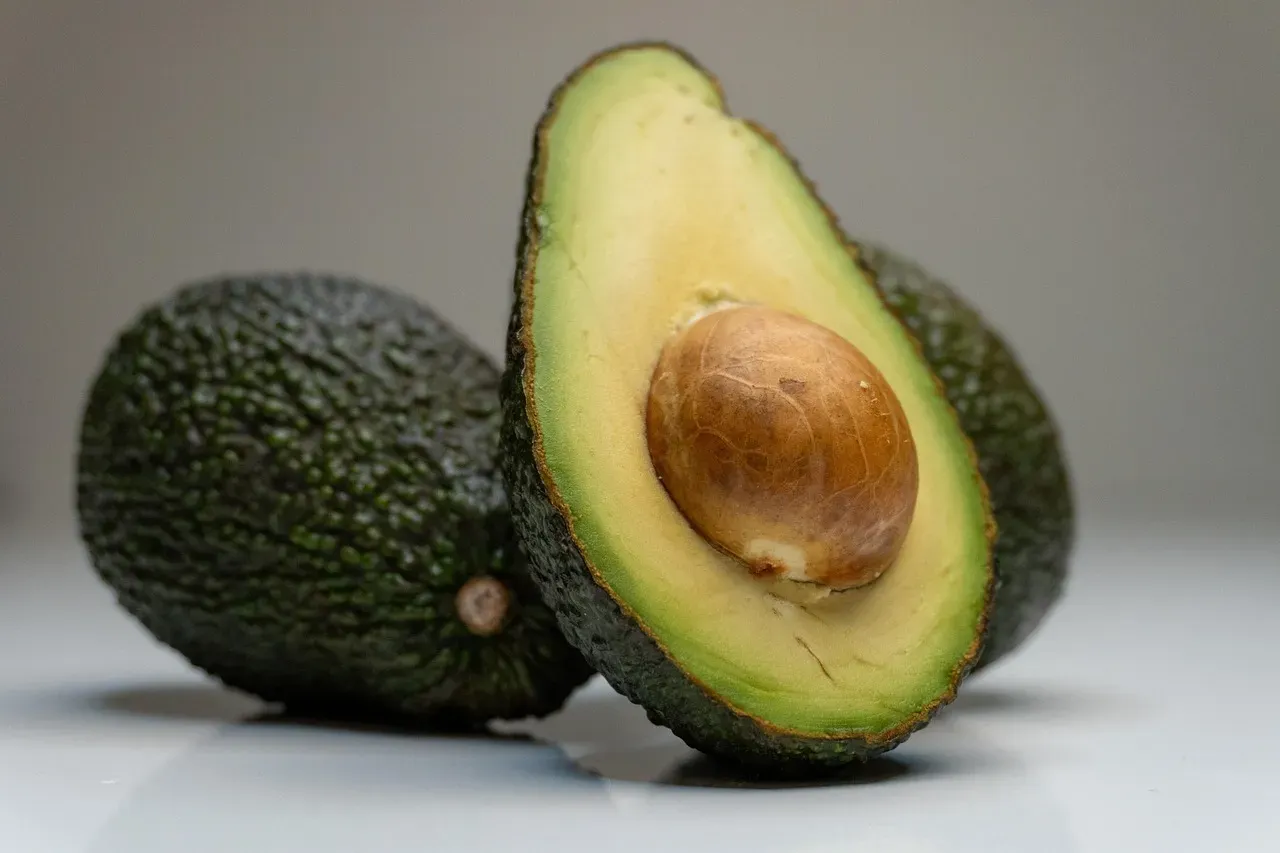
Avocados occupy a unique space in the satiety conversation because they combine healthy monounsaturated fats with a meaningful amount of fiber – a pairing that research suggests can be particularly effective at keeping hunger at bay. While fats are more calorie-dense than protein or carbs, they play a critical role in satiety, as healthy fats slow digestion and promote the release of hormones that help regulate appetite. A randomized crossover clinical trial examined how whole avocado affected post-meal hunger. Hunger suppression was enhanced after the whole avocado meal compared to the control meal, and subjects indicated feeling more satisfied after both the half and whole avocado conditions than the control.
More recently, a 2024 randomized controlled trial published in Current Developments in Nutrition followed over 1,000 adults for 26 weeks and found that diets incorporating one daily avocado tended to have a higher quality diet with more potassium and fiber. The fat in avocados – primarily oleic acid – also has a specific role in appetite regulation. Avocados are packed with monounsaturated fats, particularly oleic acid, which helps reduce hunger and curb cravings. What makes avocados practical is their versatility – they can be added to salads, spread on whole grain toast, or blended into smoothies without dramatically raising the calorie count of a meal, especially when they replace less satiating alternatives like refined spreads.
5. Nuts – Brain-Level Appetite Control in a Small Package
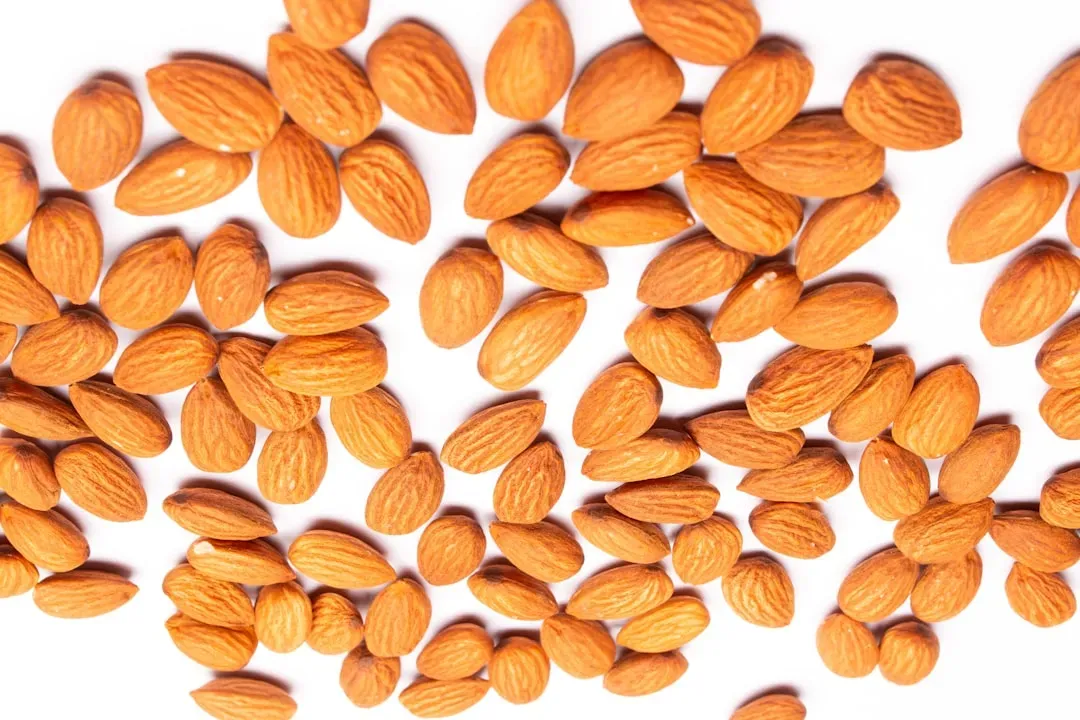
Nuts are calorie-dense, which causes some people to avoid them when trying to manage their weight. That’s a mistake. “Nuts and nut butters provide a trifecta of protein, fiber, and heart-healthy fats, all of which can help to support feelings of fullness.” Their satiety effects are so strong that they operate on a neurological level – not just a digestive one. Researchers at Beth Israel Deaconess Medical Center used functional MRI imaging to study what happens in the brain after walnut consumption. Packed with nutrients linked to better health, walnuts are thought to discourage overeating by promoting feelings of fullness, and a brain imaging study demonstrated that consuming walnuts activates an area in the brain associated with regulating hunger and cravings.
A 2021 study published in Nutrients provided further practical evidence. Participants felt more full after eating one and a half ounces of mixed nuts than they did after snacking on the same amount of pretzels, and the nut-noshers also displayed lower heart rates – a sign of a possible heart health boost. The satiety mechanism behind nuts is also confirmed at the hormonal level. Nuts generally blunt the postprandial increases in glucose levels and increase satiety, which means they prevent the blood sugar spikes and crashes that so often send people rummaging through the kitchen for a second snack. Walnuts, almonds, and mixed nuts all qualify – the key is keeping portions to around one ounce, which delivers genuine satiety without tipping the calorie balance.
What All Five Foods Have in Common

Look at oats, eggs, legumes, avocados, and nuts side by side, and a clear pattern emerges. Each food delivers at least one – and usually two or three – of the core building blocks of satiety. High fiber and protein both play a role in slowing digestion, and foods with a low energy density are very filling, as they typically contain a lot of water and fiber but are low in fat. These aren’t trendy superfoods invented by wellness influencers – they are everyday, affordable ingredients whose benefits are documented across decades of nutritional science and confirmed by the most recent 2024 and 2025 research. Choosing foods that provide steady energy and promote satiety helps you naturally manage your appetite, stabilize mood and energy levels, and support weight management goals without feeling deprived.
The biggest takeaway from the research is that feeling full is not just about eating more – it’s about eating smarter. Proteins and fats are processed slower than carbs, and foods that are processed slower can give us more satiety; when you fill up on foods that provide greater satiety, you’re less likely to overindulge on less-healthy foods. Building meals around even one or two of these five foods is a practical, evidence-backed way to stay satisfied and avoid the kind of mindless overeating that most standard diets never address at the root level.