
Something strange is happening every time you push a cart through the grocery store. The familiar items you’ve bought for years – the coffee, the bread, the canned tomatoes – are quietly getting more expensive, week after week. It doesn’t always feel dramatic. A few extra cents here, a smaller bag for the same price there. But the cumulative weight of it all? That lands hard.
The forces at play go far beyond simple inflation. Global trade disruptions, sweeping new tariff policies, climate shocks hitting key growing regions, and a food system that has become more internationally entangled than most people realize – all of it is hitting the checkout line at once. Although the inflationary spikes of 2022 and 2023 are past, many of the causes of rising prices remain firmly in place: geopolitical instability, protectionist policies and tariffs, high energy prices, and climate change-driven disruption of key crops and harvests. Let’s dive in.
1. Coffee: The Import You Can’t Avoid
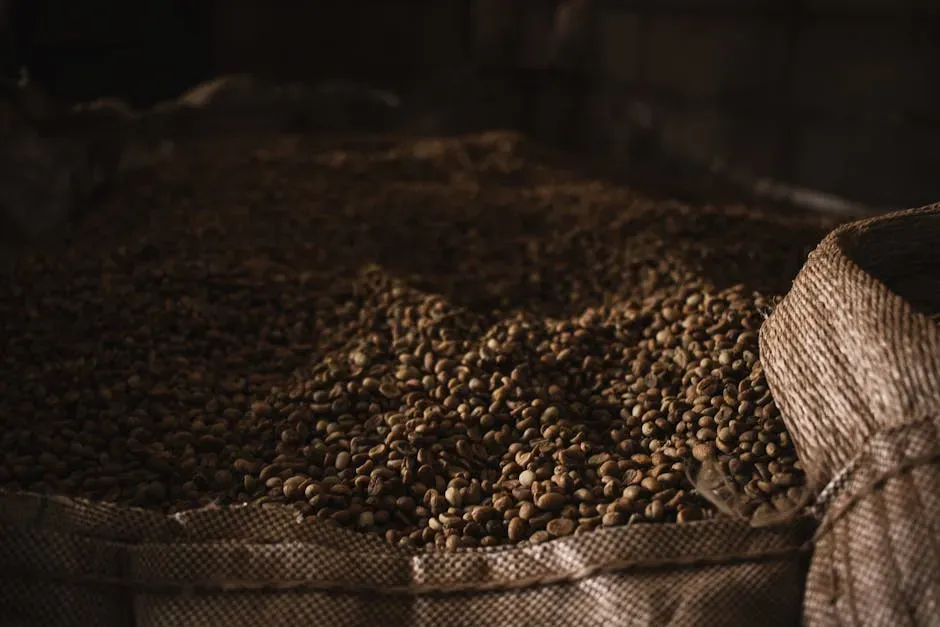
Let’s be real – coffee might be the most psychologically painful item on this list because so many of us treat it as non-negotiable. There is no substitute that feels the same at 7am. Coffee inflation has been running in double digits, with bad weather in major growing regions reducing harvests and tightening global supply. The U.S. produces very little coffee domestically, so imports fill the gap, and tariffs layered onto those imports added another cost that shows up at the register.
The U.S. imports 99% of its coffee beans, yet roughly two thirds of American adults drink coffee daily. That is a staggering dependency. The U.S. is the world’s largest importer of coffee, with about four fifths of U.S. roasted imports coming from Latin America, and more than 60% coming from just two countries – Brazil and Colombia, according to the USDA.
Coffee’s price volatility continued from 2024 into 2025, with tight supply due to adverse weather, shipping disruptions, and U.S. tariffs leading to a peak average price of 370 U.S. cents per pound in the fourth quarter, up more than 30% on already record prices from the year before – driving significant inflation in retail. Coffee prices climbed nearly 2% in February 2026 alone and are up a striking 18.4% in the past year.
2. Beef: Tight Herds and Tariff Pressure
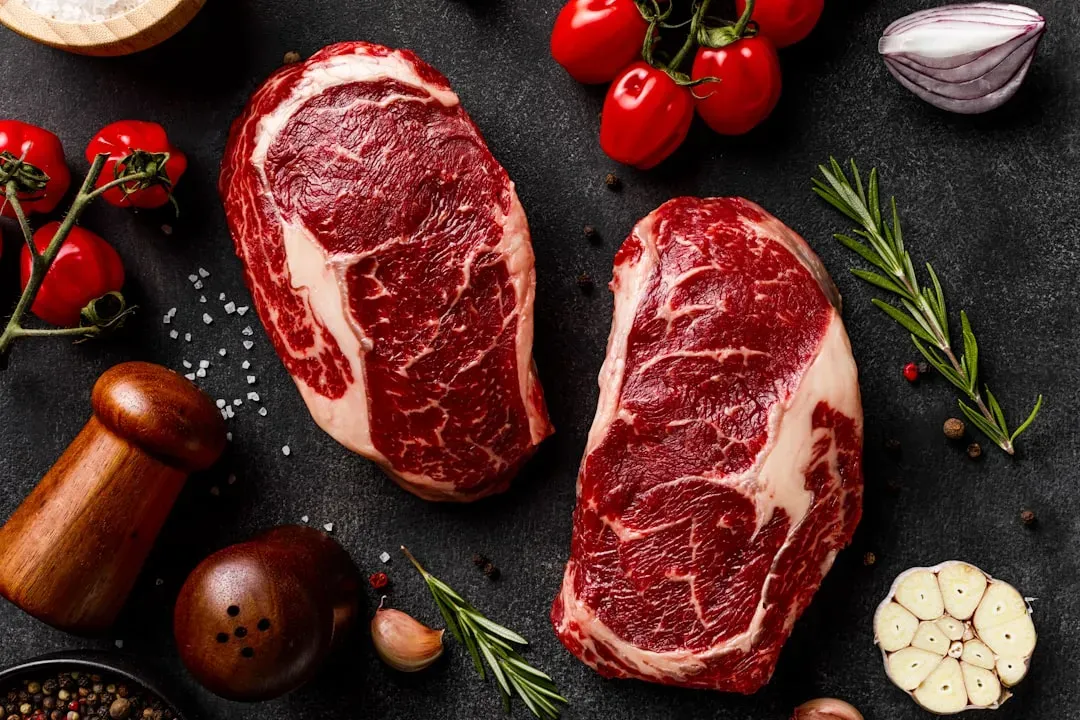
Beef prices are one of the clearest examples of how domestic supply problems and global trade tensions can collide on the same shelf. Beef and veal prices were still a full 15% higher in January 2026 than in January 2025, and the USDA’s own data confirms that the U.S. cattle herd has been decreasing in size since 2019. Smaller herd, same demand. You can do the math.
The price of beef and veal increased more than 16% in December 2025 compared to the same month in 2024, driven by the decline in the size of the U.S. cattle herd alongside stable beef demand. Some forecasts predict beef and veal prices will increase close to 10% in 2026.
Global beef markets look set to remain tight into 2026, as constrained herds, trade and inspection uncertainty combine to support elevated prices, which hit record levels in several markets last spring. Although roughly 90% of beef consumed in the U.S. is domestically produced, tariffs will likely add to already existing price pressures. It’s a squeeze from both sides.
3. Fresh Produce: Mexico, Tariffs, and the Perishable Problem
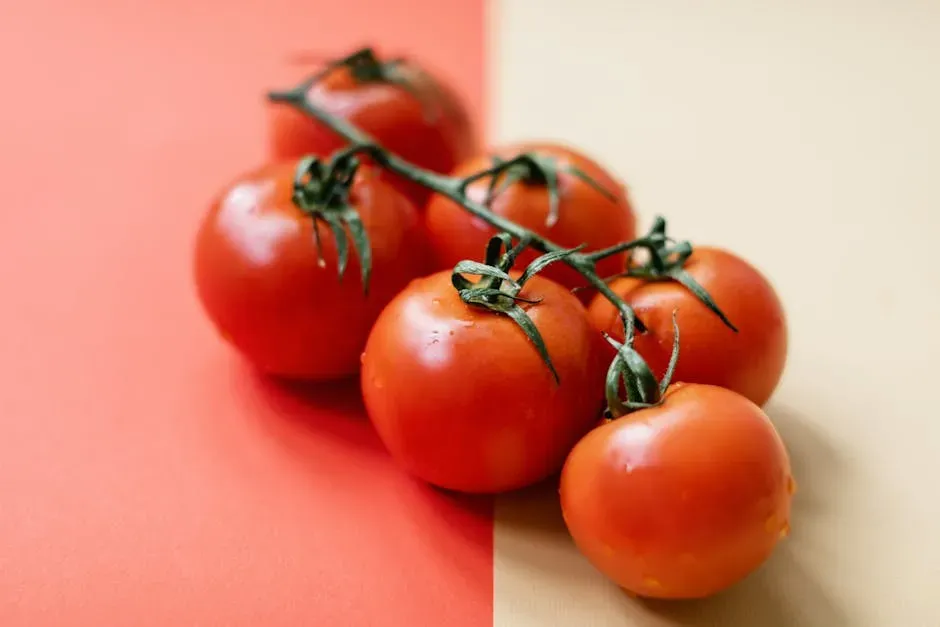
Fresh produce is uniquely vulnerable in this trade environment. Unlike canned goods or dry pasta, tomatoes and berries can’t sit in a warehouse while importers wait for trade deals to settle. Unlike price increases that could be associated with tariffs on durable goods, there is unlikely to be a grace period before the cost of fresh food starts weighing on families, because the U.S. imports a lot of agriculture from other countries and perishable goods see price increases relatively quickly at the grocery store.
U.S. tomato imports reached a record 3.9 billion pounds from January to October 2024, with Mexico supplying about 90% of that amount. This import dependence increased dramatically after Hurricane Milton devastated Florida’s domestic production, causing fresh tomato yields to drop by more than 80% year-over-year in November 2024.
Fresh produce prices could go up roughly 5% in the short term before settling around 4% higher in the long term, according to Yale Budget Lab analysis. From 2007 to 2023, the U.S. fresh fruit availability supplied by imports grew from half to nearly 60%, and for fresh vegetables from about a fifth to over a third of supply. More than 10 individual crops saw their import share increase by over 20% during that period. The reliance runs deep.
4. Fish and Seafood: The 85% Import Problem
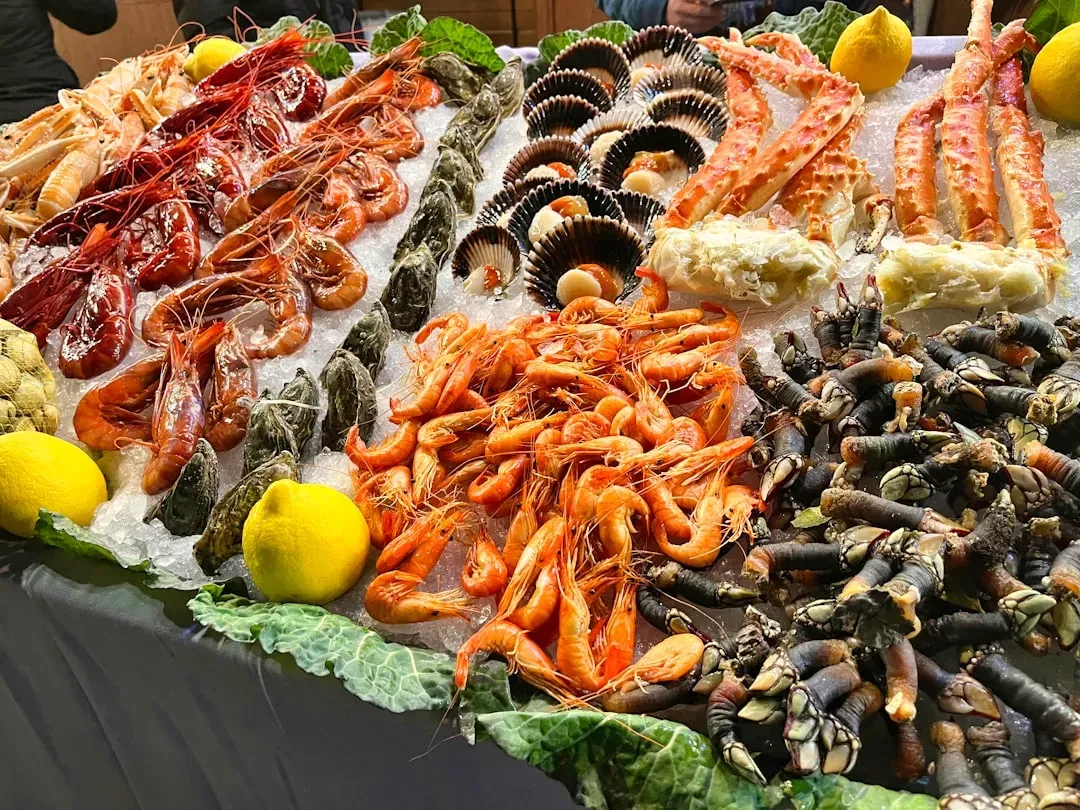
Here is a number that surprises most people: the U.S. imports the vast majority of the seafood it eats. The seafood category is likely to take a big hit because the U.S. imports up to 85% of its seafood according to the National Oceanic and Atmospheric Administration, and several countries that supply fish and shellfish to the U.S. have been among the hardest hit by tariffs.
Fish and seafood is among the seven grocery categories that experienced large price increases between December 2025 and January 2026. According to USDA forecasts, fish and seafood prices are among the categories predicted to grow faster than their 20-year historical average rate of growth in 2026.
Budget-friendly options like tilapia and cod, which were once among the most affordable proteins in the freezer case, are expected to feel far less wallet-friendly in 2026. They depend heavily on overseas production, and trade restrictions combined with higher shipping costs are raising prices on imported seafood. Honestly, this one hits harder than people expect.
5. Cereal and Bread: Wheat’s Long Shadow

Wheat is the foundation of an enormous number of everyday pantry items – bread, pasta, crackers, cereal. What happens to wheat in global markets shows up fast at breakfast. Farm-level wheat prices peaked in the first half of 2022 following the beginning of the Russia-Ukraine war, and while prices have since declined, the structural instability in global grain flows hasn’t gone away.
The war in Ukraine continues to affect that country’s food exports. As what is often called the breadbasket of Europe, Ukraine historically accounted for about 9% of the global wheat market and 12% of the corn market, according to the USDA’s Foreign Agricultural Service. That’s a massive chunk of global supply still under serious stress.
Cereal and bakery products were among the categories that experienced large price increases between December 2025 and January 2026, and they are predicted to grow faster than their 20-year historical average rate of growth through 2026. Think of it like a slow leak in a tire – you don’t notice it immediately, but it becomes a problem before you know it.
6. Sugar and Sweets: Trade Ripples Hit the Baking Aisle
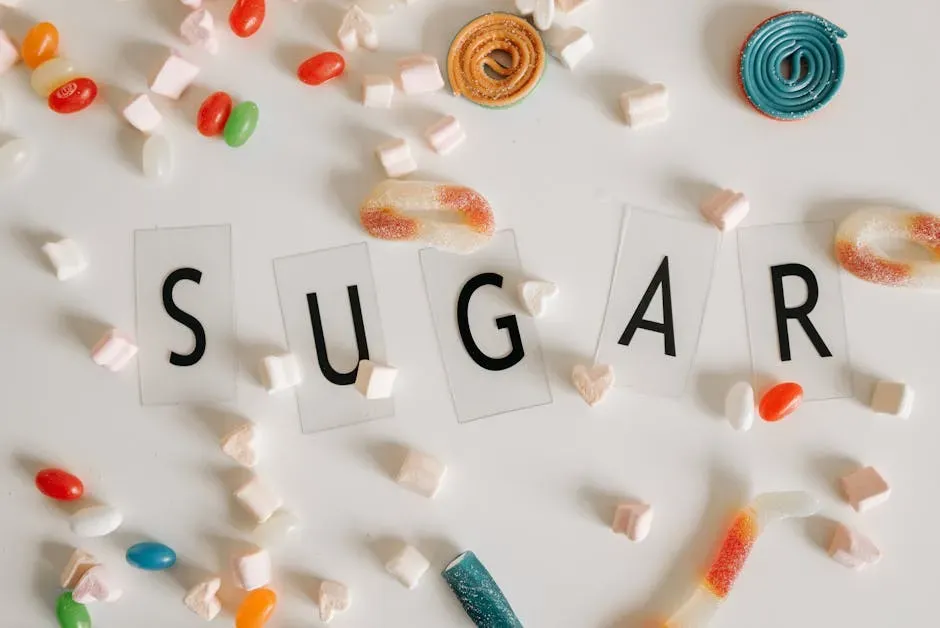
Sugar might seem like a humble ingredient, but it has a surprisingly complicated global life. Sugar prices are tied closely to weather and global trade, and right now both of those factors are adding upward pressure at the same time. The consequences show up not just in bags of sugar, but in everything from breakfast cereals to condiments to the candy bar you grab at checkout.
Prices for sugar and sweets increased almost 1% from November to December 2025 and were nearly 7% higher in December 2025 than in December 2024. One factor contributing to the shift is the rise in the price of candy and chewing gum. Prices for sugar and sweets are projected to increase by around 7% in 2026.
The rising price of sugar is driving up the price of candy and confectionery as well. Chocolate candy, specifically, could jump significantly in price in 2026. Like coffee, chocolate is being affected by both weather-related supply chain issues and tariffs. Average cocoa prices were pushed up to a record level of more than $9,600 per tonne in the second quarter of 2025, driving soaring inflation in retail.
7. Dairy: Feed Costs, Fuel Costs, and Shrinking Margins
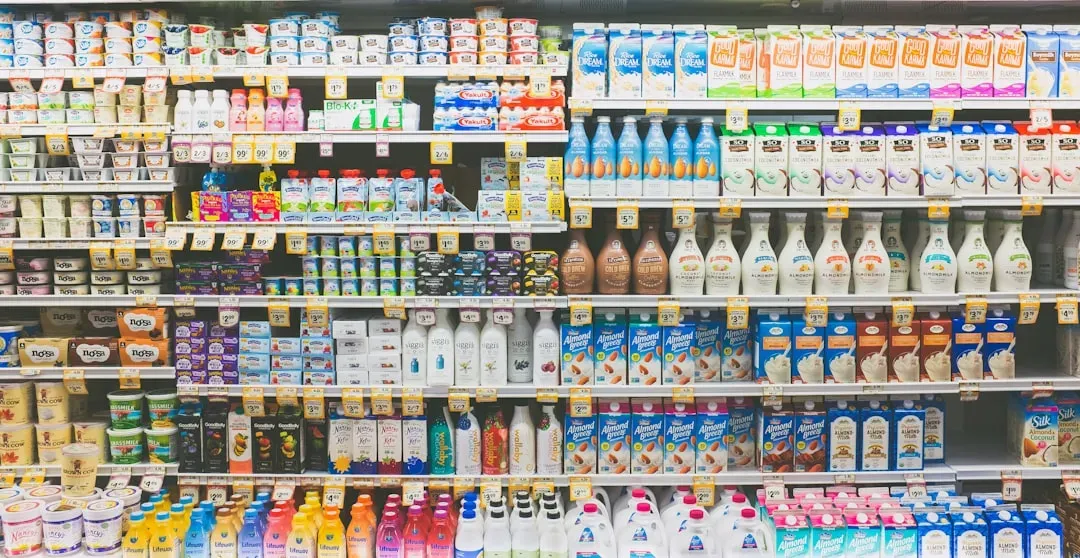
Dairy sits at an awkward intersection of problems. The raw materials to raise cows got more expensive. The fuel to transport milk got more expensive. Milk, cheese, and butter are feeling pressure from the same forces hitting beef and eggs. Feed prices remain high, and fuel costs make transportation more expensive. Farmers facing slimmer margins may reduce production, limiting supply while demand stays steady – and that imbalance tends to show up quickly in dairy cases.
Prices for farm-level milk fell more than 5% in 2025 as U.S. milk production increased, but they are predicted to increase close to 7% in 2026 – a significant swing in a short window. Transportation and agricultural input costs factor into food prices, all of which are under pressure. Food production and transportation are energy-intensive, and sustained increases in oil prices can put upward pressure on food costs across the board.
8. Canned and Packaged Goods: When the Packaging Costs More
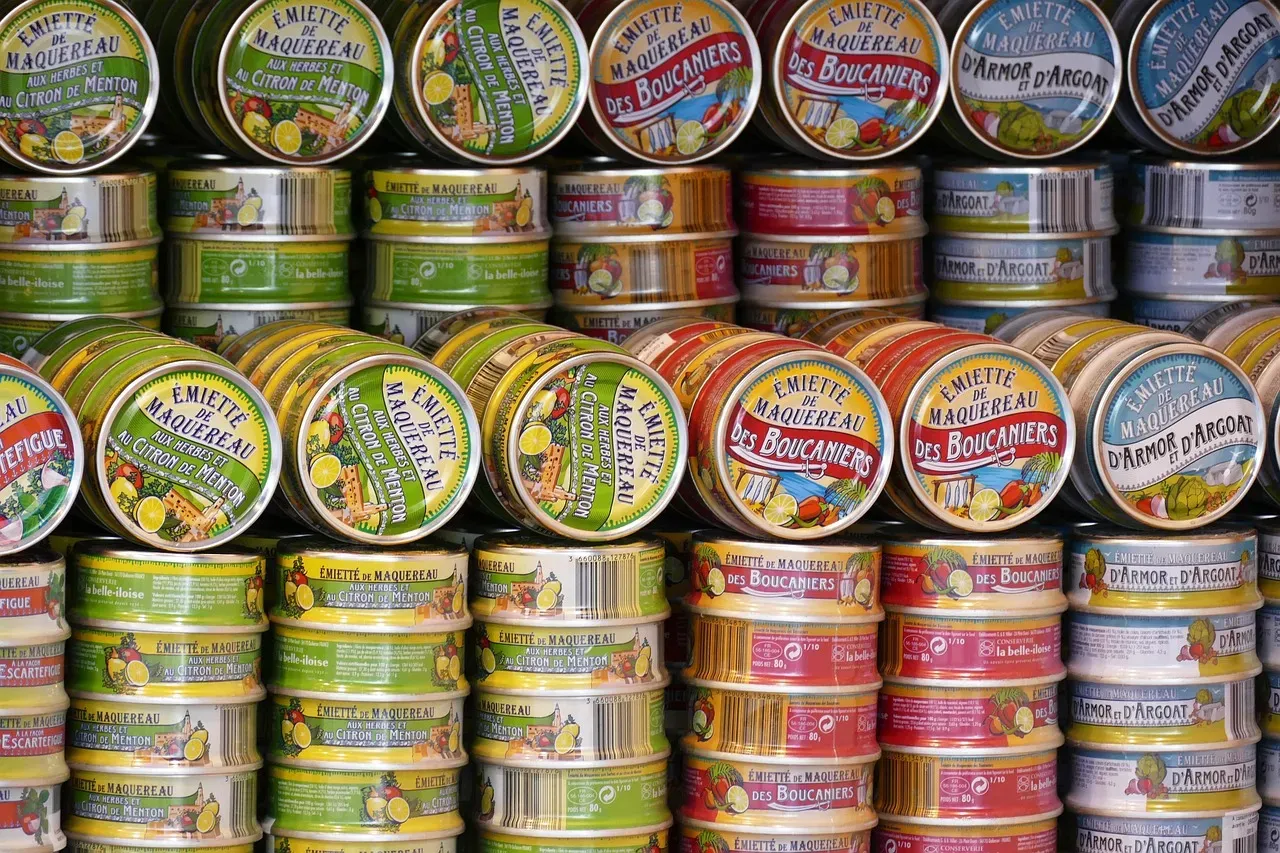
There’s an irony here that’s almost poetic. People often reach for canned goods as the “budget” option during hard times. Budget meals from the middle aisle are losing their price advantage. Canned beans, tomatoes, soups, and more were once considered inflation-safe, but packaging changes have altered that. The costs of aluminum and steel are rising due to tariffs on imports from Asia, and manufacturing costs have increased even as the food inside remains the same.
U.S. steel and aluminum tariff revenue increased to an estimated $7.79 billion in fiscal year 2025, compared to $1.60 billion in fiscal year 2024 – nearly five times as much collected in just one year. That cost doesn’t disappear. It gets baked into every can on every shelf.
Tariff-driven cost increases have yet to fully reach grocery shelves, but analysts say the impact typically lags by 12 to 18 months, setting up 2026 as a key inflection point for food pricing. The food industry has yet to feel the full impact of the trade war, and stakeholders should not confuse modest shelf price hikes with insulation from what is coming. The delay has created a false sense of security for many shoppers.
9. Cooking Oils: A Market Deeply Exposed to Global Shifts
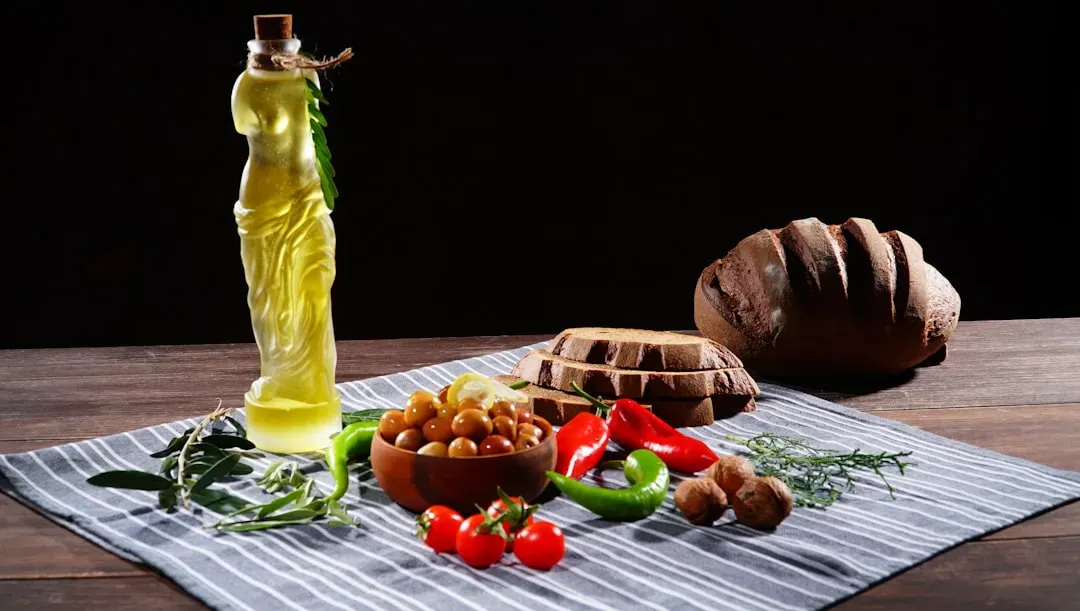
Cooking oils sit at the center of the global food system and are especially vulnerable to disruptions in key producing countries. Global edible oil supply is expected to rise in the 2025-26 crop year, marking four consecutive years of expansion, largely driven by record-high soybean production. However, the combined supply of other major oils – including sunflower seed, rapeseed, and coconut oil – declined in 2024-25, and the market’s reliance on soybean oil is likely to persist into 2026 with only a partial rebound in alternative oil sources.
Olive oil prices can jump quickly because the U.S. imports the vast majority of what it consumes, so changes in trade policy hit hard and fast. I think olive oil is a perfect case study of how quickly a “premium” product can become a budget problem when supply chains get disrupted. What was once a modest splurge now commands a strikingly different price point on the shelf.
Soybeans are taking one of the hardest hits from the current trade realignment. China hasn’t bought a single cargo of new-crop soybeans from the U.S. for the 2025-26 season – something that hasn’t happened in two decades. Instead of buying from the U.S., China signed a deal with Argentina to supply soybeans, corn, and vegetable oil. Economists agree China is unlikely to lower tariffs with the U.S. and will likely continue to lean on South America for agricultural imports.
10. Imported Snacks and Pantry Staples: The Global Supply Chain Tax
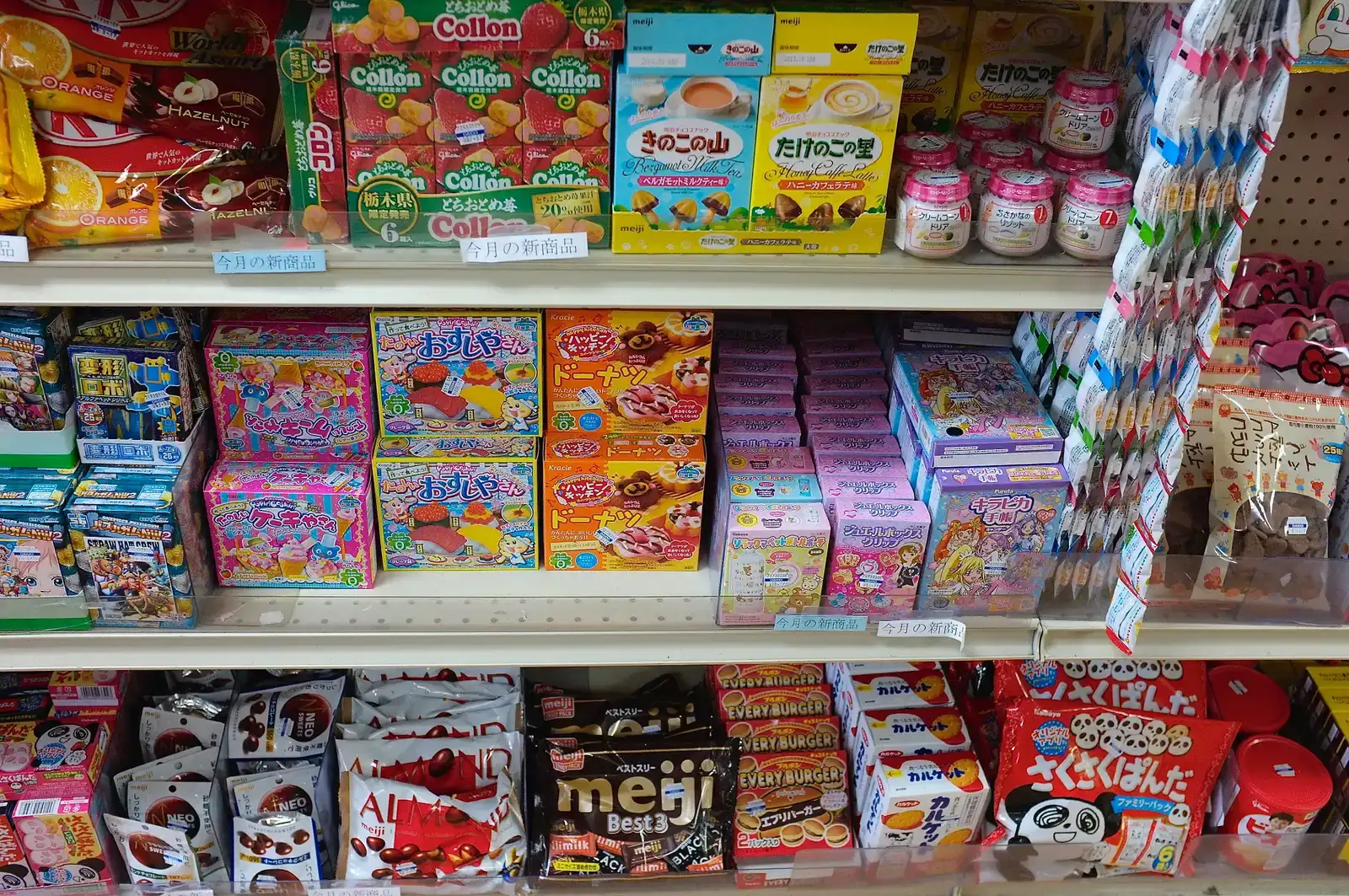
This final category is broad on purpose – because the ripple effects of global trade shifts don’t stop with coffee and beef. They run through the entire pantry. Food industry analyst Phil Lempert estimates that with the latest tariffs, probably nearly half of the products in a supermarket – roughly 40,000 products – will be affected, whether it’s the entire product or just an ingredient.
Soy sauce depends heavily on imports from Asia, particularly China. Tariffs on Chinese goods raise costs across the category, and even store brands face higher input prices because ingredients come from the same supply chain – making price increases hard to avoid. Even cheap ramen has relied on imports from Vietnam, China, and South Korea, and trade costs affecting those countries are pushing prices up.
According to Euromonitor International’s World Market for Staple Foods 2026 report, value growth is being driven primarily by rising prices rather than increased consumption, as households respond to tighter budgets, changing cooking habits, and rising concern over ultra-processed foods. Economist Mary Lovely estimates that the current tariff environment could cost the average household around $1,200 per year across all product categories, a portion of which stems directly from tariffs on imported food products. That is not a trivial number for most families.
The Bigger Picture: What the Numbers Actually Tell Us
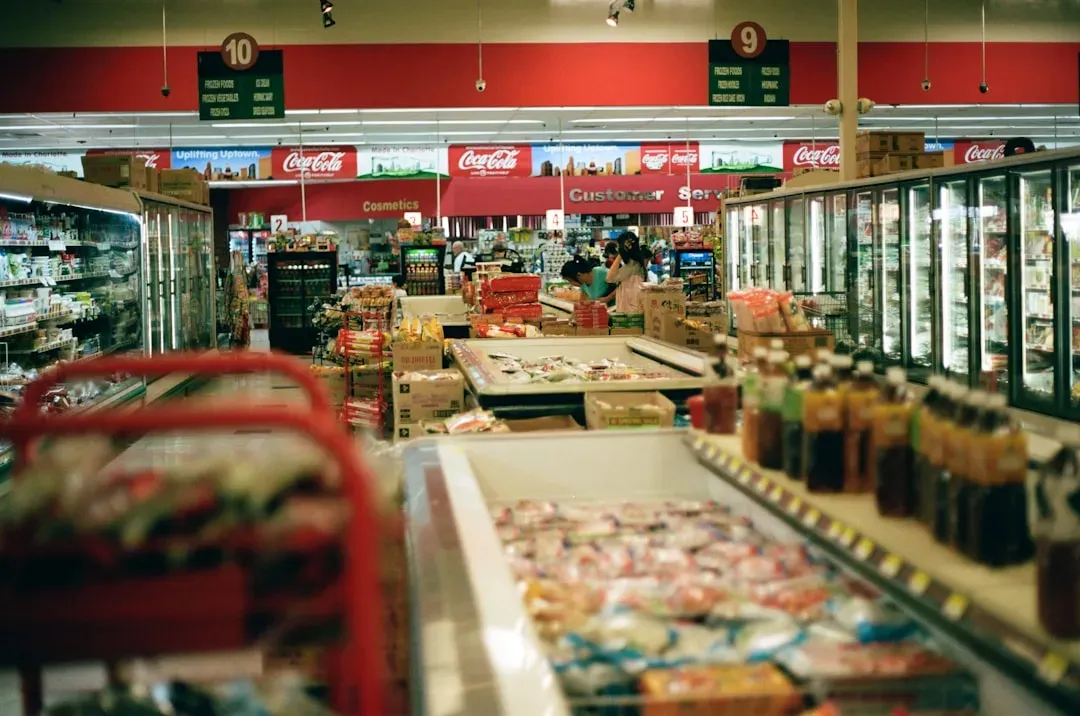
In 2026, prices for all food are predicted to increase 3.1%, with a range that could stretch close to 6% at the higher end. That sits above the pace of the past two years. The World Bank reported a sharp 2.1% increase in its Food Price Index in February 2026, marking a definitive end to the relative price stabilization observed throughout much of 2025 and signaling renewed pressure on global supply chains and consumer wallets – driven by what was described as a perfect storm of logistical disruptions and extreme weather.
The cost of staple foods continues to influence consumer behavior, with shoppers increasingly choosing private label products and shopping at discounters as food inflation stays above target in many markets. Private label reached over 16% of global sales in 2025, gaining share in nearly every region, as supermarkets expanded loyalty discounts and discounters strengthened their foothold. In markets like North America, private label now accounts for more than a fifth of the total staple foods market.
Many manufacturers and retailers have employed a range of strategies to offset, delay, or minimize price hikes where possible – but their ability to protect consumers from the full financial fallout of ongoing trade tensions is weakening. CPG brands and grocery retailers will likely need to raise prices in mid- to late-2026. The delay is ending. The bill is coming due.
The grocery store has always been a mirror of the world’s economic health. Right now, that mirror is reflecting a lot of turbulence. Trade policy, climate disruption, geopolitical friction, and squeezed supply chains are all converging in the same aisles you walk through every week. It’s hard to say for sure how long this pressure lasts – but being aware of which categories are most exposed is the first step toward making smarter choices. What would you have expected to make the list – and what surprises you most?