
There’s a particular kind of patience that slow cooking demands, one that feels almost out of step with how most of us eat these days. Yet the appeal hasn’t faded. If anything, more home cooks are rediscovering low and slow methods, whether through a countertop slow cooker, a heavy Dutch oven, or a smoker in the backyard.
The reasons go beyond nostalgia or convenience. Slow cooking changes food at a chemical level, and understanding why can make feel less like a chore and more like a worthwhile trade-off.
Table of Contents
The science behind tender, flavorful results
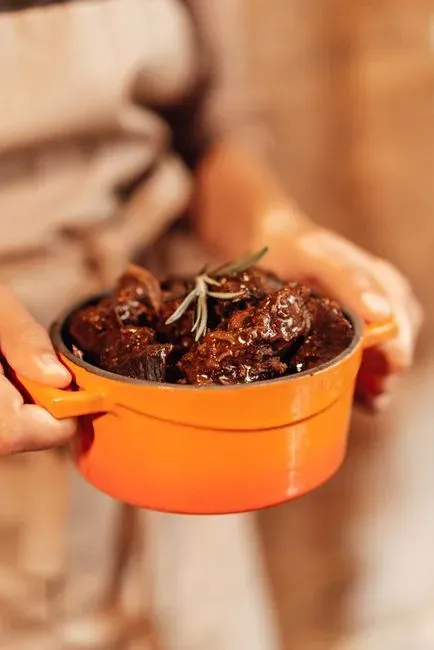
Collagen, the connective tissue that makes tougher cuts of meat chewy, breaks down into gelatin when exposed to sustained low heat over several hours. This transformation is why a brisket or pork shoulder that would be nearly inedible if grilled quickly becomes fork-tender after a long braise. The process typically starts around 160 degrees Fahrenheit and continues gradually, which is far gentler than the high heat used for searing or frying.
Slow cooking also allows the Maillard reaction and caramelization to develop more fully in stews and braises, especially when there’s an initial sear before the low heat phase begins. Flavors have time to meld rather than just coexist on the plate. Onions, garlic, and aromatics release their compounds slowly, layering complexity that a fifteen-minute stir-fry simply can’t replicate.
Tougher, cheaper cuts become the star
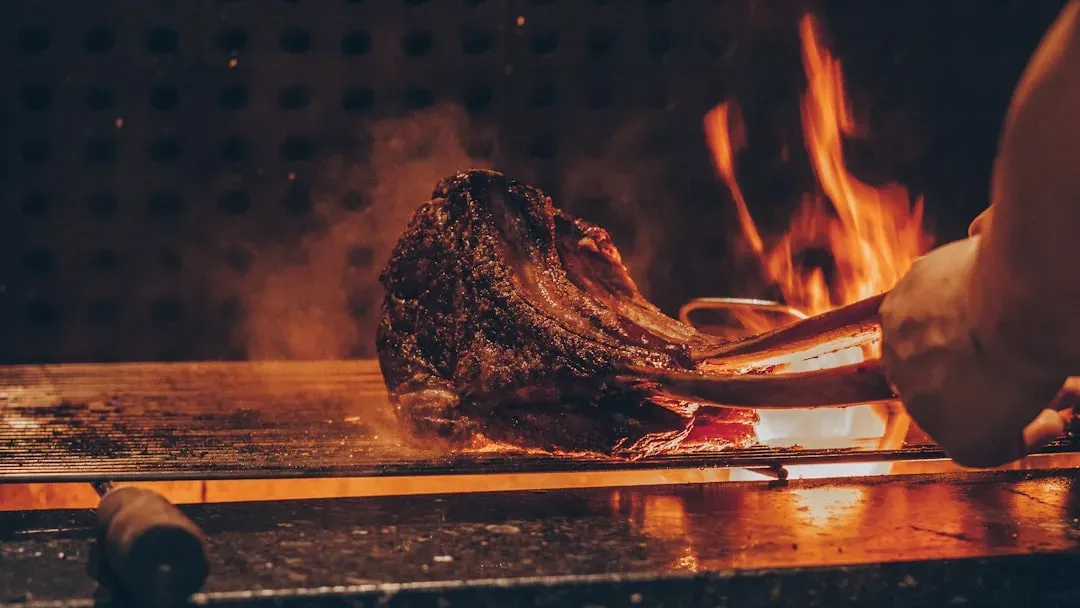
Cuts like chuck roast, short ribs, oxtail, and pork shoulder are less expensive than prime steaks precisely because they’re tougher and full of connective tissue. Slow cooking is the great equalizer here, turning what butchers consider secondary cuts into some of the most satisfying meals on the table. This has practical value for households watching grocery budgets, since tougher cuts often cost noticeably less per pound than tenderloin or ribeye.
Beyond cost, these cuts tend to carry more marbling and connective tissue, which means more flavor once broken down properly. A quick-cook method would leave them tough and unappetizing, but hours of gentle heat coax out richness that pricier cuts sometimes lack. It’s one of the few cases in cooking where the cheaper option, treated correctly, can outperform the expensive one.
Nutrient retention and digestibility
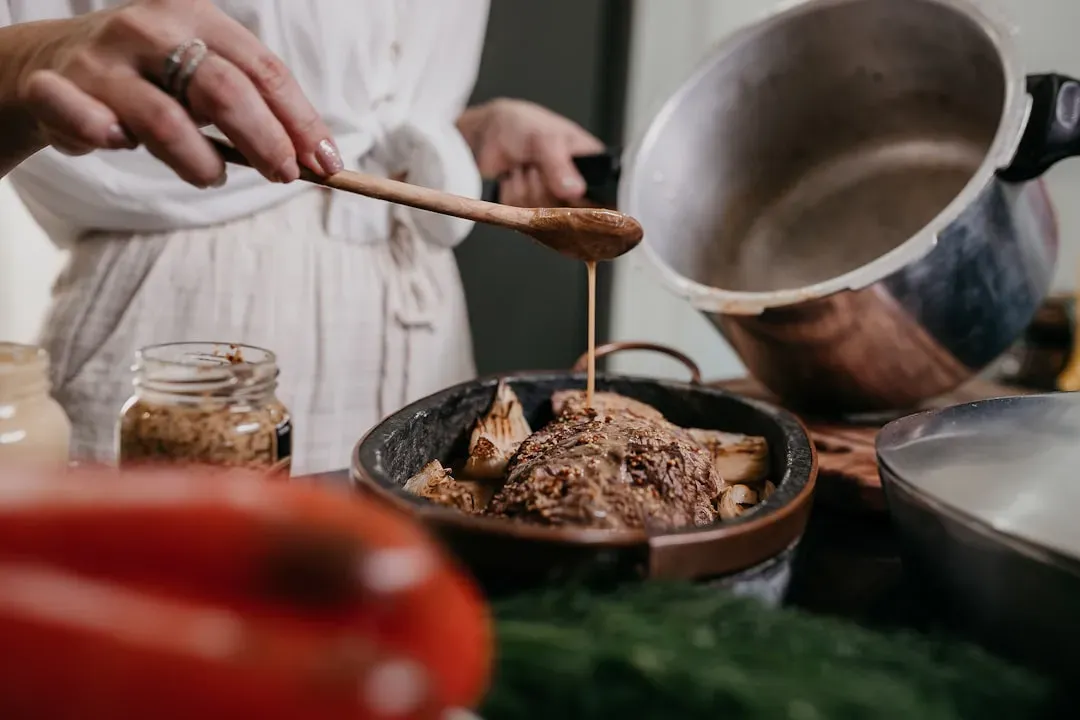
Long, low-temperature cooking is generally gentler on certain heat-sensitive nutrients compared to high-heat methods like frying or grilling, which can degrade some vitamins more aggressively. Slow-cooked dishes, particularly those involving bone broths and stocks, also release minerals like calcium and magnesium from bones over extended simmering times. This is part of why bone broth has remained popular in wellness circles through 2025 and into 2026, even as some of its more dramatic health claims have been tempered by closer scientific scrutiny.
Slow cooking can also make certain foods easier to digest. Beans and legumes, for instance, become more digestible after extended cooking because it breaks down complex carbohydrates and reduces compounds that can cause bloating. For people with sensitive digestion, this isn’t a minor detail, it’s often the difference between enjoying a dish and regretting it.
One-pot convenience without constant attention
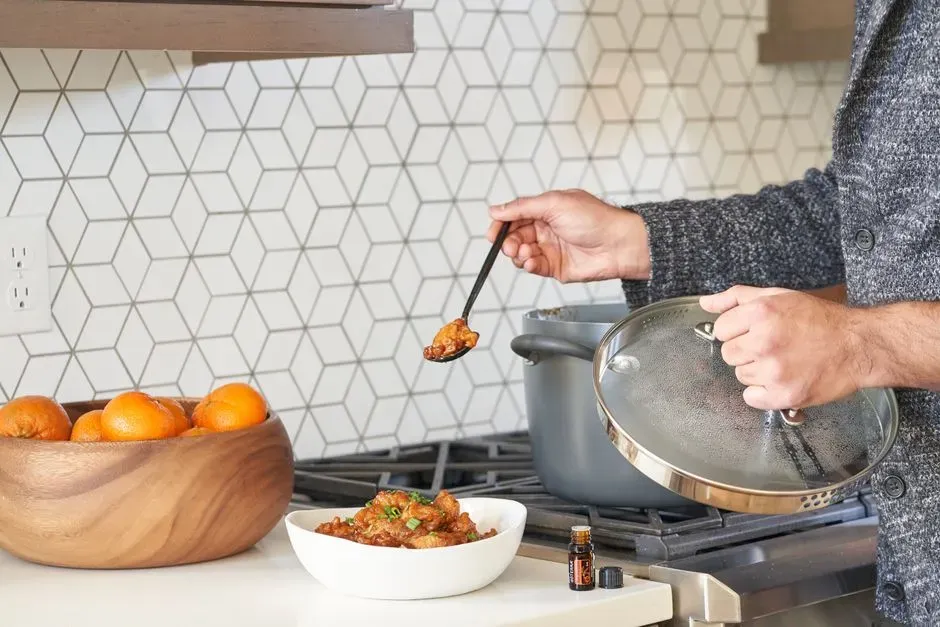
Slow cookers and Dutch ovens share a practical advantage: they largely take care of themselves once loaded. There’s no need to hover over a stove stirring constantly, which makes slow cooking genuinely compatible with busy schedules despite its long timelines. Set it in the morning, and dinner is largely ready by evening with minimal hands-on effort in between.
This hands-off quality has helped explain the slow cooker’s staying power in kitchens, even as air fryers and instant pots have crowded the countertop appliance market. According to industry data, slow cookers remain a fixture in the majority of American households, valued specifically for their unattended cooking style. The appliance doesn’t compete on speed, it competes on freeing up the cook’s time elsewhere.
Better flavor extraction in broths and stocks
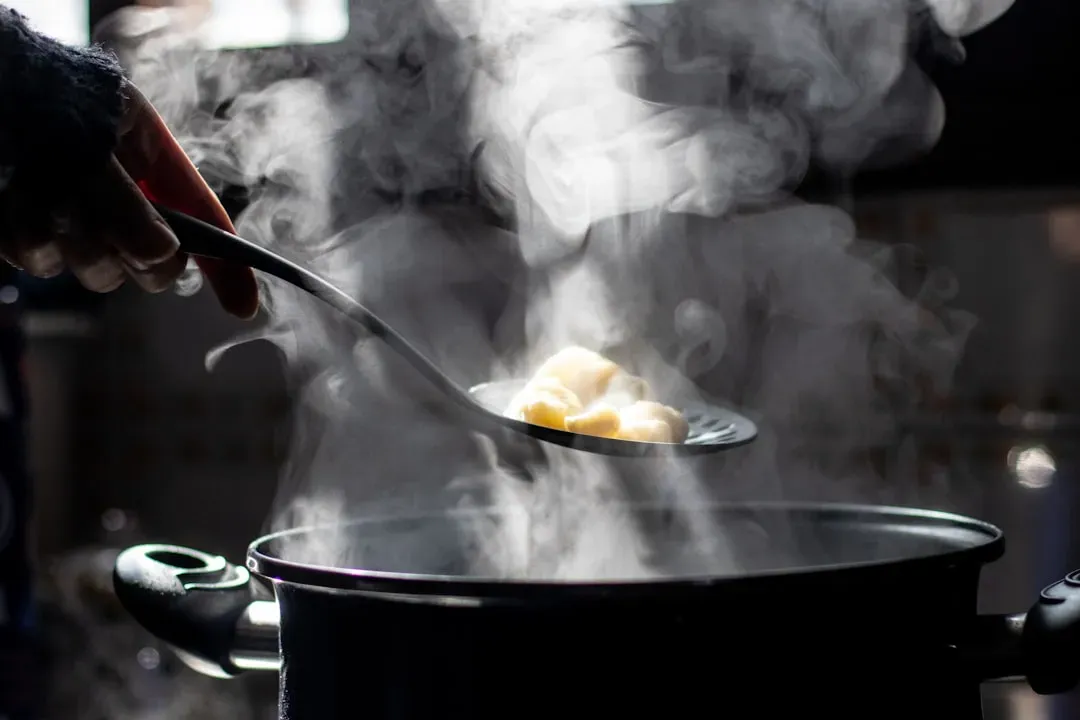
Making a proper stock or broth is essentially an exercise in patience. Bones, cartilage, and connective tissue need sustained low simmering, often eight to twenty-four hours, to release collagen, gelatin, and flavor compounds fully into the liquid. Rushing this process with high heat can actually make broth cloudy and less flavorful, since aggressive boiling emulsifies fats and proteins in a way that muddies both taste and appearance.
Chefs and food scientists alike generally agree that low, steady heat produces a cleaner, richer result. This is part of why traditional French and Asian culinary techniques, from classic consommé to pho, rely on extended simmering rather than a quick boil. isn’t a stylistic choice so much as a functional requirement for getting the texture and clarity right.
The rise of slow cooking in modern kitchen culture
Interest in slow cooking hasn’t disappeared amid the rush toward faster kitchen gadgets. If anything, cooking shows, food media, and social platforms have kept braises, stews, and slow-roasted dishes visible well into 2026, often framed as comfort food or as a return to traditional technique. Recipe searches for slow cooker meals and Dutch oven braises tend to spike seasonally, particularly in colder months when heartier dishes feel more appropriate.
Part of this staying power comes from a broader cultural pushback against constant speed and convenience. Slow cooking fits into a wider appreciation for process-oriented cooking, similar to the interest seen in sourdough baking or fermentation. It signals a kind of intentionality that some home cooks find satisfying, even if it isn’t strictly necessary on a busy Tuesday.
Energy efficiency compared to other cooking methods
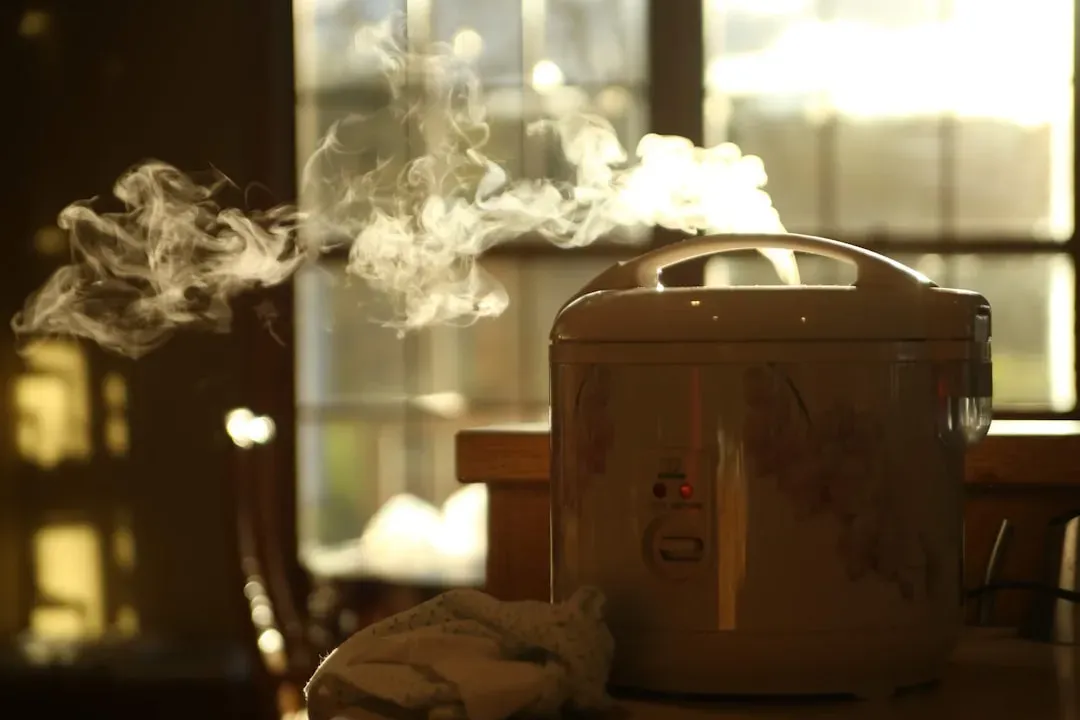
Slow cookers generally use less electricity per hour than an oven, since they operate at much lower wattage, typically in the range of 150 to 300 watts depending on the model and setting. Even running for six to eight hours, the total energy consumption often ends up lower than an oven preheated to 350 degrees for a fraction of that time. This makes slow cooking a reasonably economical choice for anyone tracking utility costs.
That said, the comparison isn’t universal. A dish that requires initial stovetop searing before slow cooking will use more total energy than one that skips this step, and pressure cookers can sometimes achieve similar tenderizing effects in less time with different energy tradeoffs. Still, for dishes genuinely suited to long cooking, the slow cooker tends to be one of the more efficient appliances in the kitchen.
Cultural traditions built around slow cooking
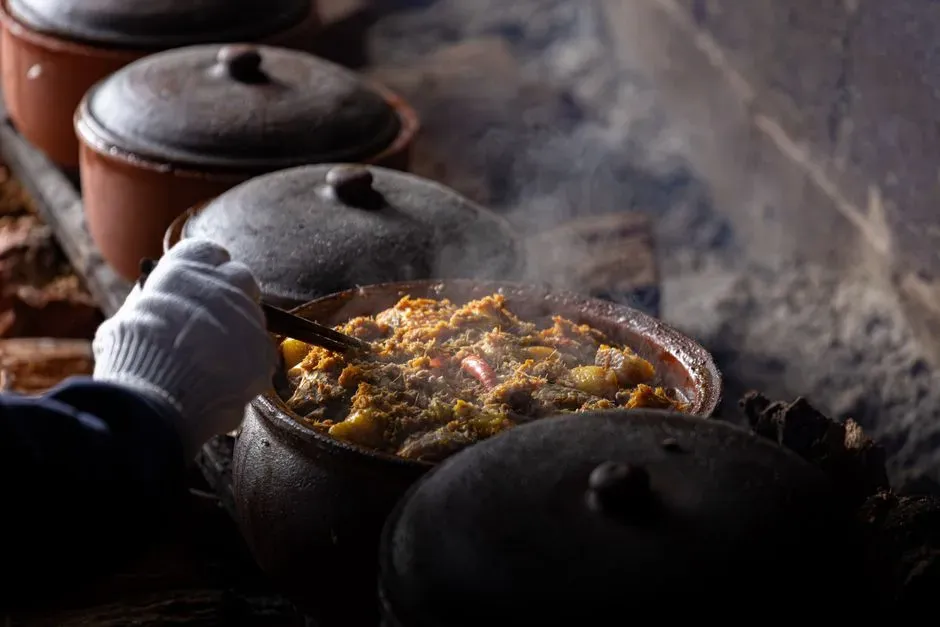
Long before slow cookers existed as appliances, cultures around the world developed slow-cooking traditions suited to their available ingredients and fuel sources. French cassoulet, Moroccan tagine, Jamaican oxtail stew, and American barbecue all share a reliance on extended low heat to transform tough cuts and dried legumes into deeply flavored meals. These weren’t shortcuts, they were the primary method available, born out of necessity as much as taste.
What’s notable is how many of these dishes have persisted into contemporary cooking almost unchanged in method, even as kitchen technology has evolved dramatically. A tagine cooked today follows largely the same principles as one cooked generations ago, low heat, sealed moisture, and time. That continuity says something about how well-suited slow cooking is to certain ingredients, regardless of what century the kitchen belongs to.
Batch cooking and meal prep advantages
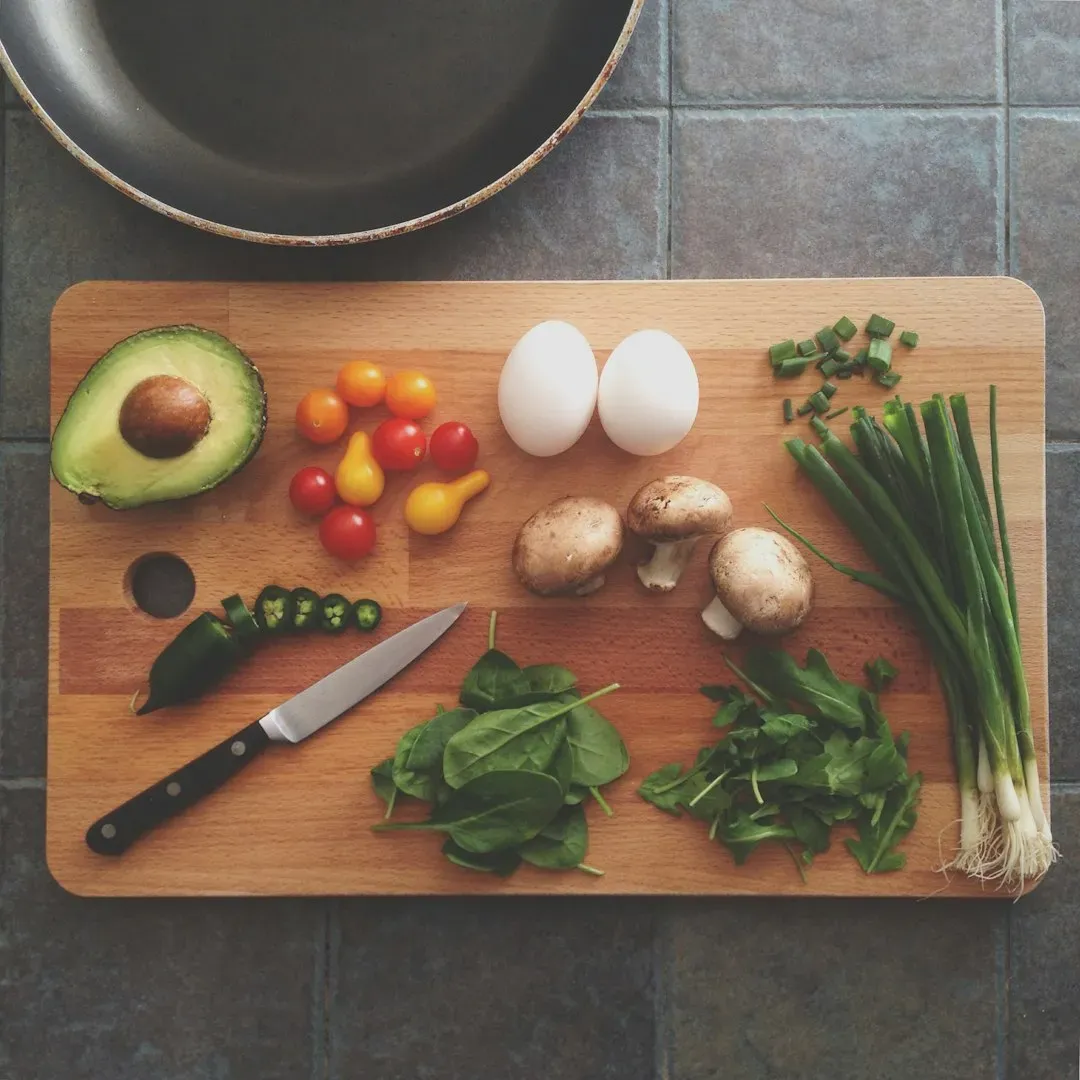
Slow-cooked dishes tend to hold up exceptionally well over multiple days, often improving in flavor as ingredients continue to meld in the refrigerator. Stews, chilis, and braised meats are common choices for batch cooking precisely because they freeze and reheat without losing much in the way of texture or taste. This makes the long cooking time a one-time investment that pays off across several meals rather than just one.
For anyone trying to eat well on a tighter schedule during the week, this is a practical advantage that’s easy to underestimate. Spending a few hours over a weekend preparing a large batch of slow-cooked food can mean several ready-to-eat dinners without additional cooking time. It shifts the effort upfront rather than spreading it thin across busy weeknights.
Getting the technique right at home
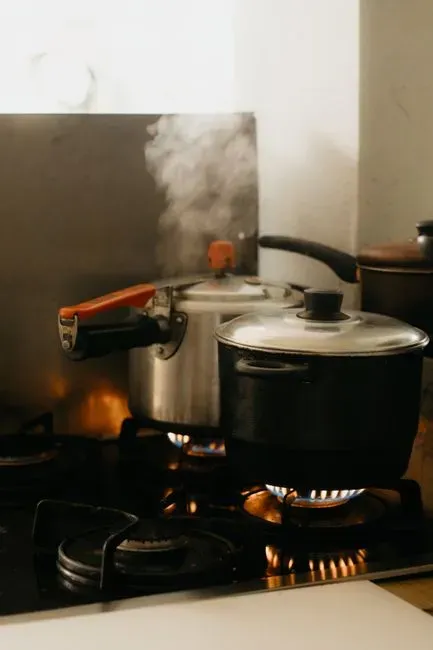
Successful slow cooking generally depends on a few consistent principles: choosing the right cut of meat, using enough liquid to prevent drying out, and resisting the urge to lift the lid too often, since this releases heat and extends cooking time unnecessarily. Searing meat before adding it to a slow cooker or Dutch oven also makes a measurable difference in final flavor, even though it adds a few extra minutes upfront. These small steps often separate a mediocre slow-cooked dish from a genuinely excellent one.
Temperature control matters too, particularly for food safety. The USDA recommends that slow-cooked meats and stews pass through the danger zone between 40 and 140 degrees Fahrenheit relatively quickly, which is why most slow cookers are designed to reach safe cooking temperatures within the first hour or two regardless of the low setting. Following manufacturer guidelines on fill levels and cook times isn’t just about taste, it’s about making sure produces something safe to eat as well as delicious.