Table of Contents
They fit almost any dietary need
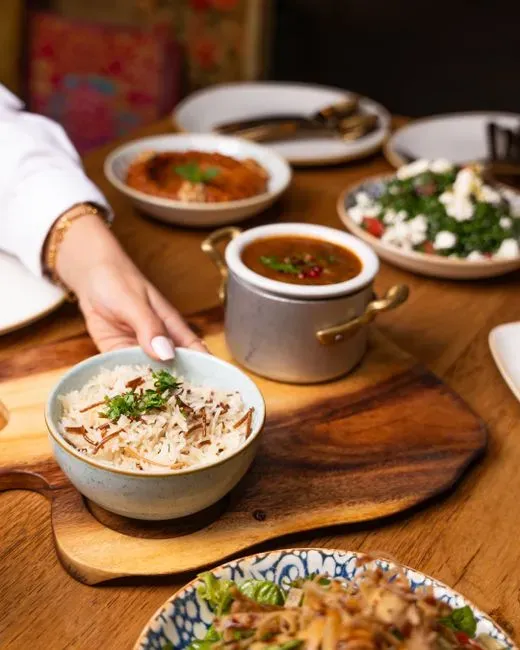
Rice bowls work as a blank canvas for pretty much any way of eating. Swap in tofu or tempeh for a plant-based version, load up on grilled chicken or salmon for extra protein, or keep things low-carb by using cauliflower rice as the base. The format doesn’t demand a specific ingredient list, just a starch, a protein, some vegetables, and a sauce.
That flexibility matters because it means one meal format can serve very different households without anyone feeling left out. A family with one vegetarian, one gluten-sensitive eater, and one person who wants more protein can all build a bowl from the same spread of components. Nobody has to cook three separate meals to make everyone happy.
They make portion control feel effortless
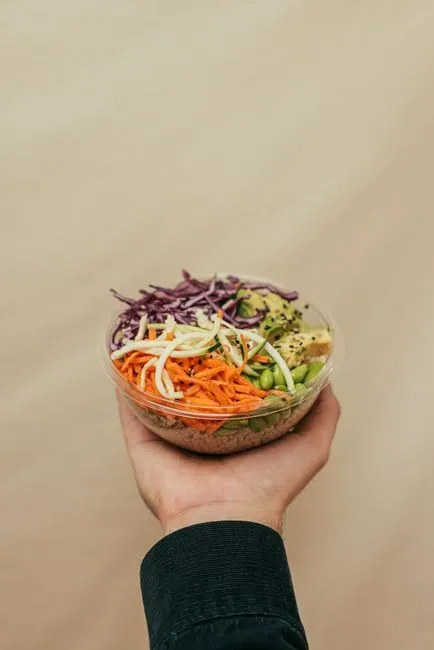
Bowls naturally encourage a balanced plate because the shape itself invites layering rather than piling. Rice sits at the bottom, vegetables and protein go on top, and there’s a visual sense of proportion that a flat plate doesn’t always provide. This isn’t a strict rule, just a pattern that tends to happen when food is served in a bowl format.
People often end up eating more vegetables this way without really trying, since greens and other produce are easy to tuck around the edges or scatter across the top. It’s a small psychological nudge, but it adds up over a week of meals. The format basically does some of the nutritional balancing work automatically.
Rice itself is a nutritional workhorse
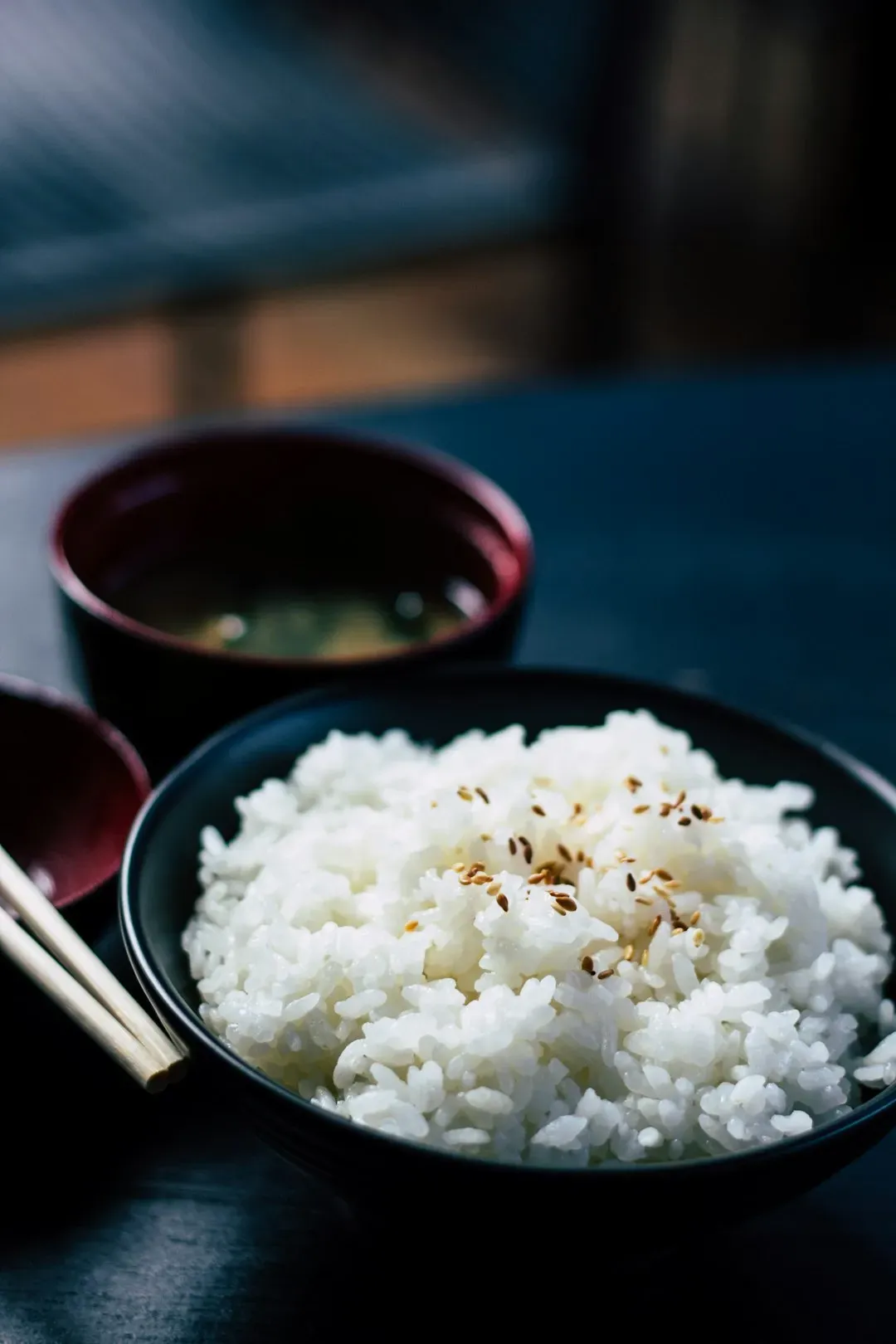
Rice is one of the most widely consumed staple foods in the world, and for good reason. Brown rice offers fiber, manganese, and a handful of B vitamins, while white rice provides quick, easily digestible energy that’s gentle on the stomach. Both versions serve a purpose depending on what a person needs that day, whether it’s sustained energy or something light after a workout.
Beyond the basics, rice pairs well with just about any sauce or seasoning profile, from soy-based glazes to citrusy dressings to spicy chili oils. It doesn’t compete with other flavors, it supports them. That neutrality is part of why rice bowls can taste completely different from one day to the next despite sharing the same base ingredient.
They’re built for batch cooking
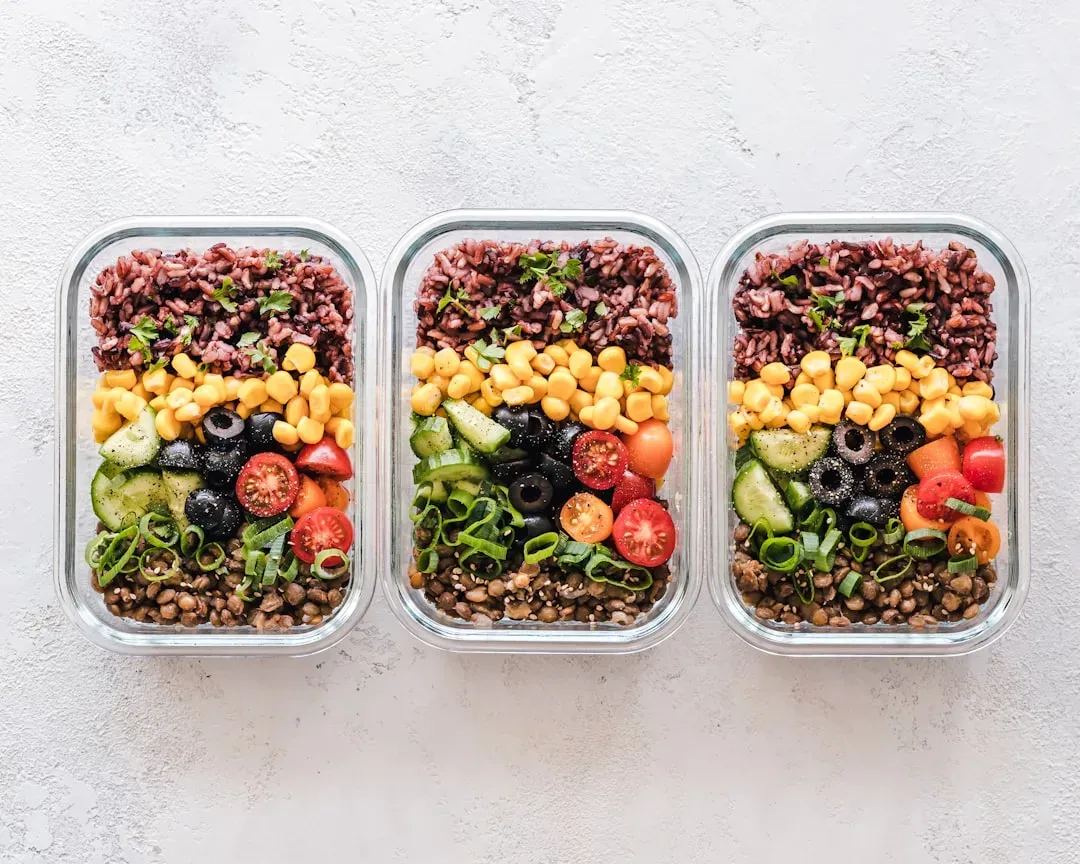
Meal prep culture has leaned hard into rice bowls over the past few years, and it’s easy to see why. A big pot of rice, a few trays of roasted vegetables, and a batch of marinated protein can turn into five or six distinct meals with minimal daily effort. Everything stores well in the fridge and reheats without losing much texture or flavor.
This makes rice bowls especially practical for people juggling busy schedules, whether that’s parents, students, or anyone working long hours. Instead of cooking from scratch every night, the heavy lifting happens once, usually on a Sunday, and the rest of the week runs on assembly. It’s less about following a strict recipe and more about having components ready to combine.
They travel and reheat better than most meals
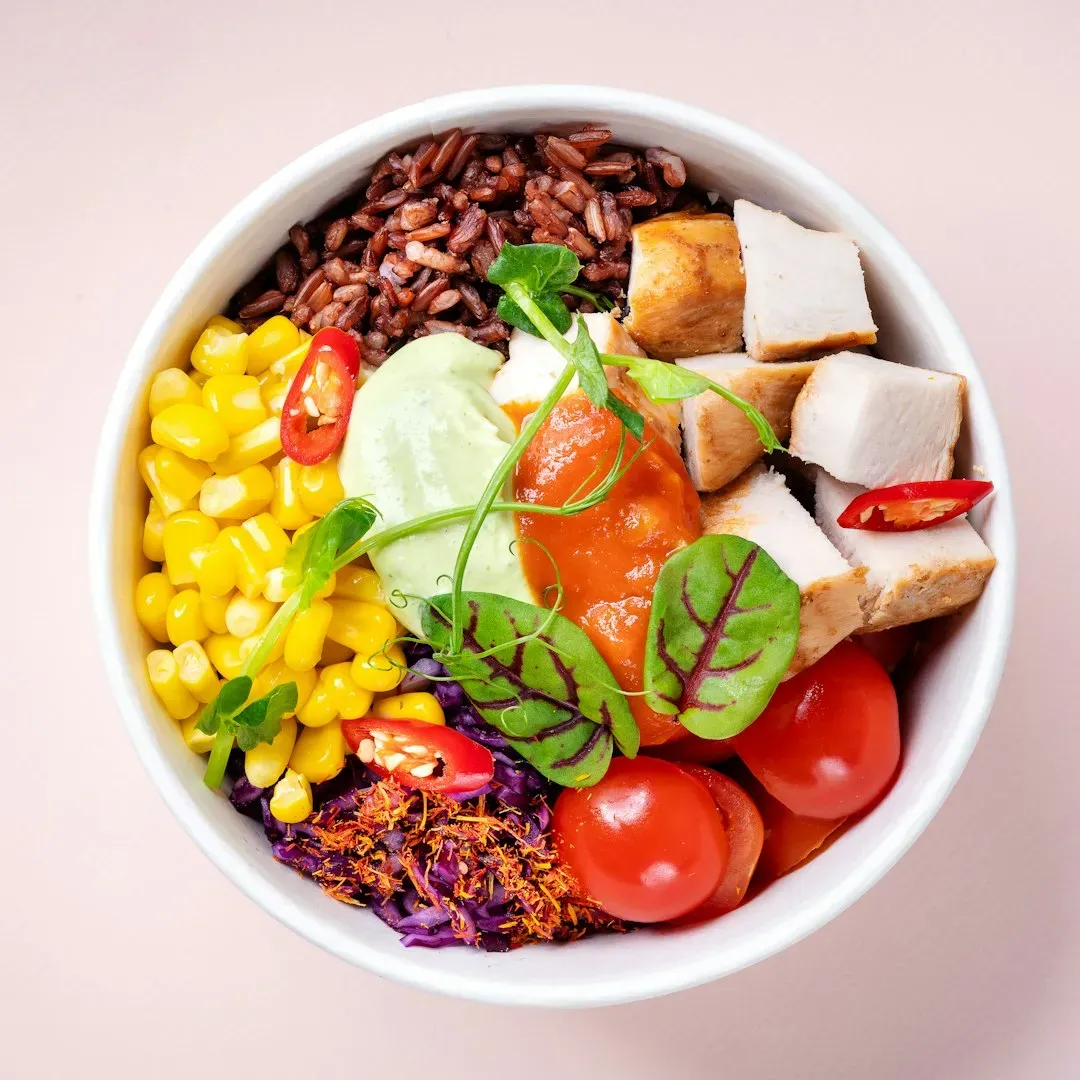
Not every dish survives a trip to the office fridge and a few minutes in the microwave, but rice bowls generally hold up well. Rice reheats evenly, vegetables retain some texture even after a day or two, and proteins like chicken, beef, or tofu don’t dry out as quickly as they might in a sandwich or wrap. The separation of components also helps, since sauce can be added right before eating instead of soaking in overnight.
This durability is a big part of why rice bowls have become such a staple in packed lunches and delivery orders alike. Compared to salads that wilt or pasta that clumps, bowls tend to stay appetizing longer. That reliability is exactly what people want from a meal they’re not eating immediately after cooking.
They reflect global cooking traditions
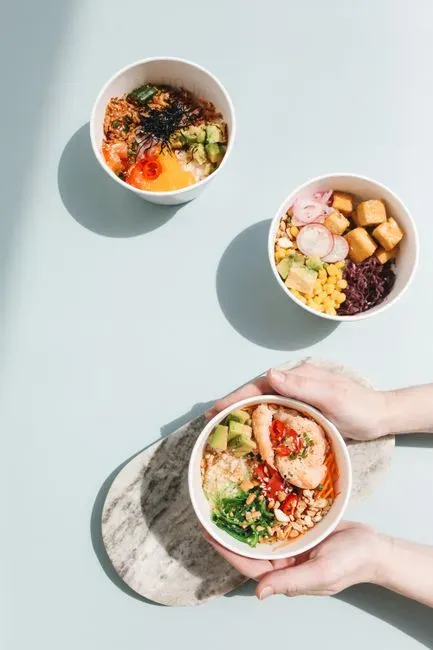
Rice bowls aren’t a modern invention dreamed up by meal-prep influencers. Dishes like Japanese donburi, Korean bibimbap, and various Southeast Asian rice plates have existed for generations, each built around the same basic idea of rice topped with protein, vegetables, and sauce. What’s changed recently is how mainstream and mixed-and-matched these traditions have become in everyday Western cooking.
This cross-cultural blending means a home cook today might combine a Korean-style gochujang sauce with Mexican-inspired black beans and corn, all on a base of Japanese short-grain rice. It’s not about authenticity in a rigid sense, it’s about borrowing techniques and flavors that work well together. That openness is part of why the format keeps evolving instead of feeling stale.
They’re friendly to almost any budget
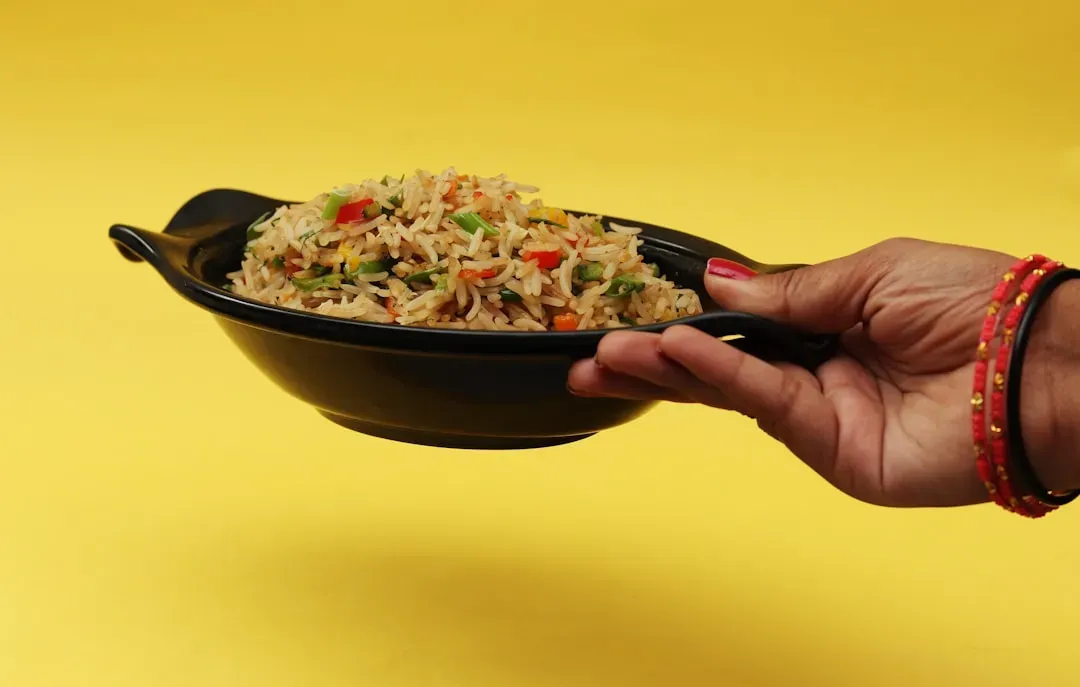
Rice is inexpensive, and that single fact does a lot of heavy lifting for the affordability of this meal format. A large bag can stretch across dozens of meals, and building a bowl around whatever protein or vegetables are on sale that week keeps grocery costs manageable. This is a meaningful advantage as grocery prices have remained a real concern for many households heading into 2026.
Because the format is so forgiving, there’s no need to buy a long list of specialty ingredients. A basic bowl can come together with rice, a couple of eggs, and whatever vegetables are already in the fridge. That kind of flexibility makes it a practical choice for people trying to eat well without overspending.
They scale up for social eating too
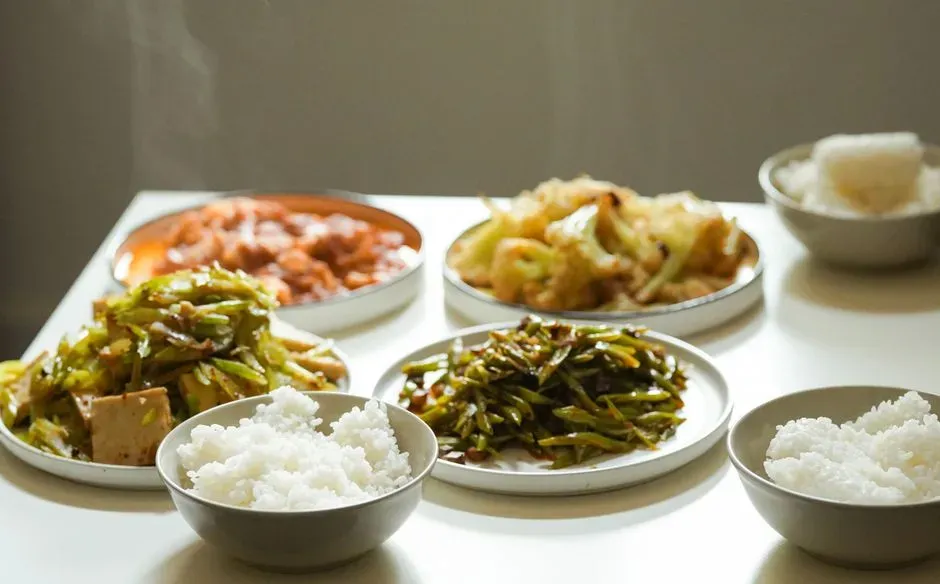
While rice bowls are often framed as a solo meal, they work just as well for feeding a group. Setting out rice, a few proteins, and a spread of toppings turns dinner into something closer to a build-your-own station, which tends to keep everyone engaged and satisfied. It also sidesteps the common problem of trying to guess what everyone wants ahead of time.
This approach has become popular for casual gatherings and family dinners where preferences vary widely. Instead of one fixed dish, people assemble their own version, which naturally accommodates picky eaters and adventurous ones in the same sitting. It turns a simple weekday format into something that works for a slightly bigger occasion too.
They’ve adapted well to the current food scene
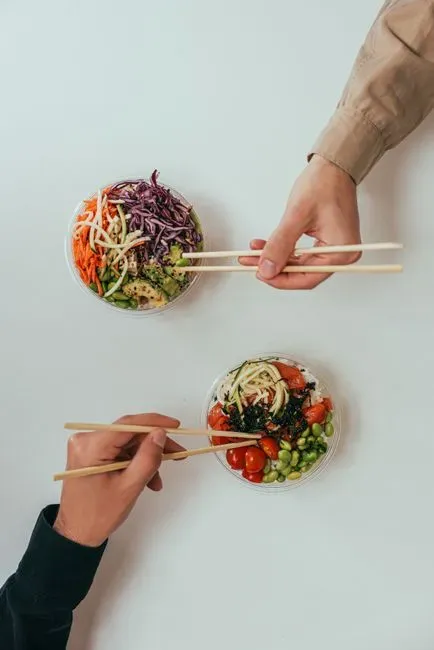
Fast-casual chains have leaned heavily into the bowl format over the past several years, and that trend has continued into 2025 and 2026 as consumers keep favoring customizable, transparent meal options. Being able to watch a bowl assembled in front of you, choosing each ingredient along the way, appeals to a generation that wants control over what goes into their food. This visibility has helped normalize the format well beyond its cultural origins.
At the same time, home cooks have picked up on the same appeal, recreating restaurant-style bowls in their own kitchens using online recipes and social media inspiration. The result is a meal format that feels equally at home in a quick-service restaurant and a home kitchen. That dual presence is a big reason rice bowls haven’t faded as a passing trend.
The Bottom Line