
There’s a particular kind of disappointment that comes from pouring dressing straight from a plastic onto a bowl of fresh greens, only to taste something flat, overly sweet, or strangely metallic. Most people don’t think twice about it because that’s just what salad dressing tastes like. Except it doesn’t have to.
Making dressing at home takes about the same amount of time as twisting off a cap, yet it changes the entire experience of eating a salad. The reasons go well beyond taste, touching on nutrition, cost, and even how much plastic ends up in the recycling bin.
Table of Contents
The sugar hiding in plain sight
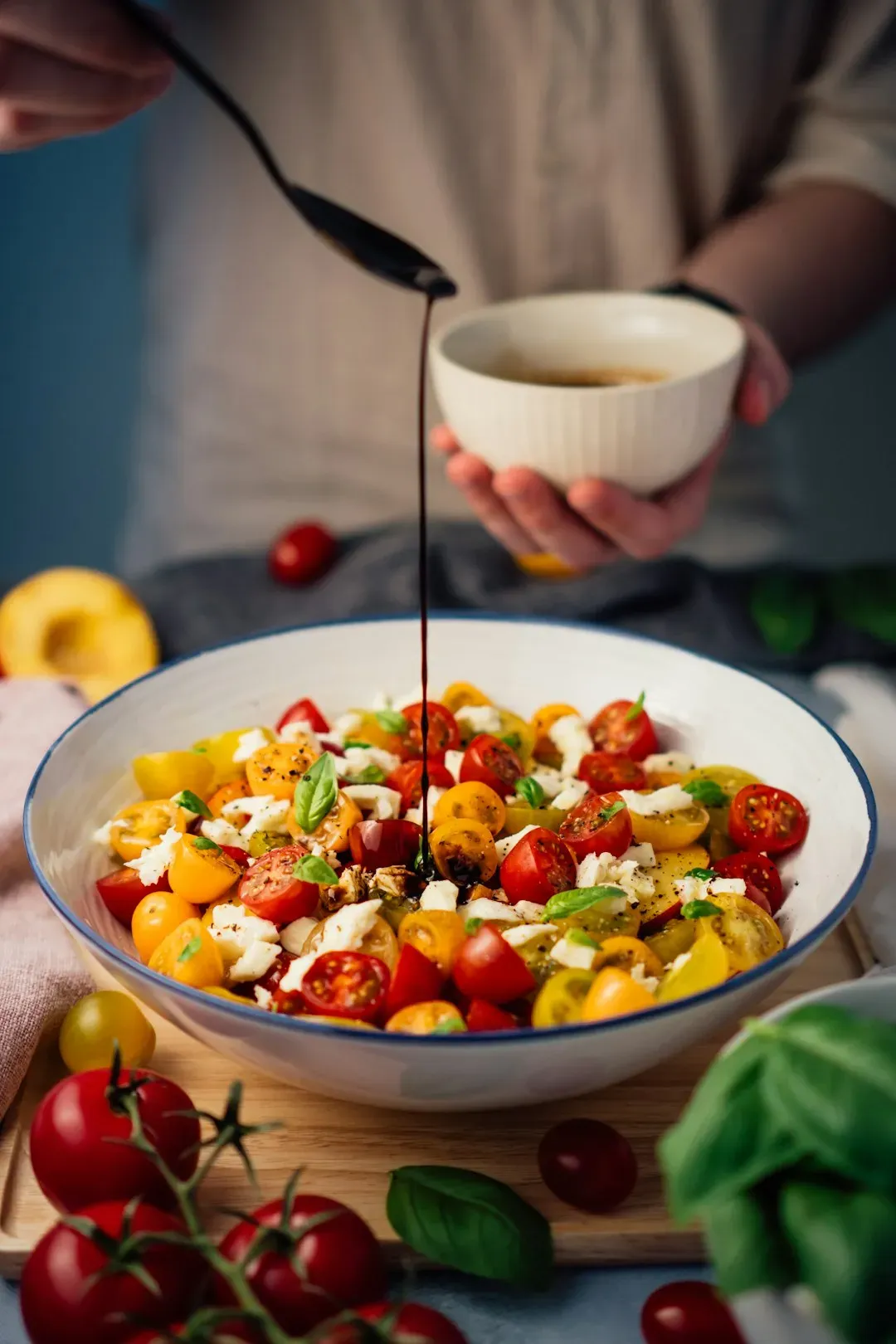
Many people assume salad dressing is a health food simply because it sits next to lettuce. That assumption falls apart quickly once you read the label. A two-tablespoon serving of some dressings can add as much as two teaspoons of sugar, nearly 200 calories, and account for about one-quarter of your daily sodium intake.
Sweet vinaigrettes are often the worst offenders. Some dressings contain 5 to 8 grams of sugar per serving, especially sweet vinaigrettes and fat-free versions. In some cases, sugar is not just present but dominant. The first ingredient in one popular sesame ginger dressing is sugar, meaning there is more sugar than any other ingredient in . A homemade version skips that entirely, letting the acid and aromatics do the work instead.
Sodium that quietly piles up
Salt is where bottled dressings really show their hand. The American Heart Association notes that too many Americans consume more salt than recommended, suggesting no more than 2,300 milligrams a day, though many people take in 3,500 milligrams daily. Dressing is rarely the main culprit on its own, but it adds up fast when stacked on top of everything else in a meal.
Even the dressings marketed as light aren’t necessarily safe from this. The amount of sodium in bottled salad dressings varies, but even a basic, healthful seeming balsamic vinaigrette contains about thirteen percent of your daily sodium limit in just two tablespoons. Making dressing at home means you decide how much salt goes in, rather than trusting a formula built for shelf stability rather than your blood pressure.
Additives that don’t need to be there
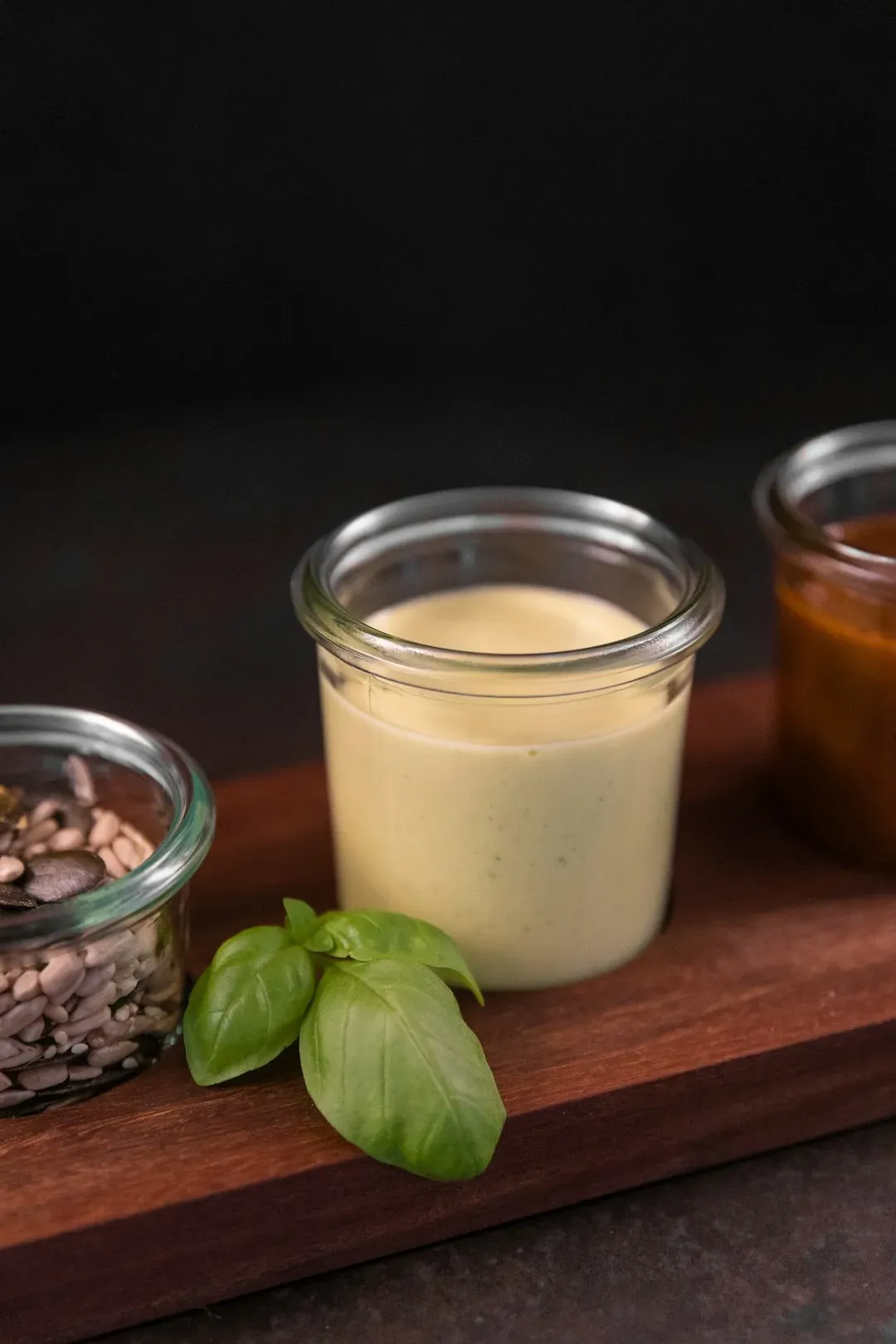
Read the ingredient list on most bottled dressings and you’ll find more than oil, vinegar, and herbs. Gums, stabilizers, and preservatives show up regularly, not because they improve flavor but because they keep the product looking uniform for months on a shelf. Store-bought dressings often include gums, stabilizers, and flavor enhancers that aren’t needed in fresh versions.
None of this makes bottled dressing dangerous, but it does make it more processed than most people realize. A homemade vinaigrette, by contrast, is closer to what dressing actually is at its core. Making homemade salad dressing tends to be healthier, inexpensive, and easy, since it is essentially just oil plus acid, such as vinegar or lemon juice, plus spices.
Real control over fat quality
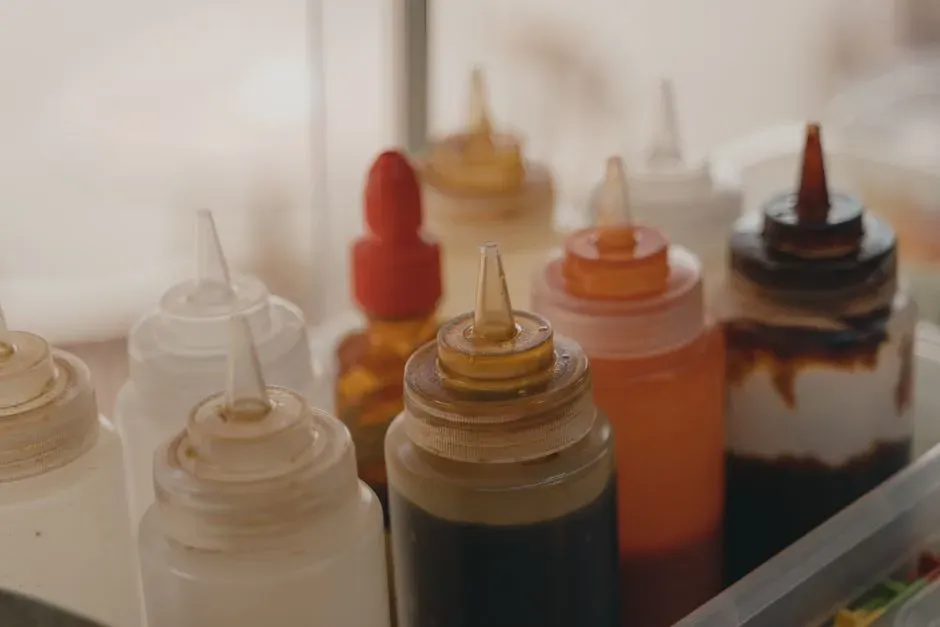
Not every fat in a bottle is created equal. Many mass-produced dressings lean on cheap vegetable oils chosen for cost and shelf life rather than nutrition or flavor. When you make dressing yourself, you choose the oil, whether that’s a peppery extra virgin olive oil, a nutty avocado oil, or something else entirely.
Some brands have caught on to this preference and started swapping in better oils. While the average bottled Italian dressing pairs vegetable oil with vinegar, sugar, garlic, and herbs, at least one brand swaps in avocado oil and leaves out added sugars. That kind of swap is easy to do at home without needing to hunt down a specific label at the store.
The cost difference adds up
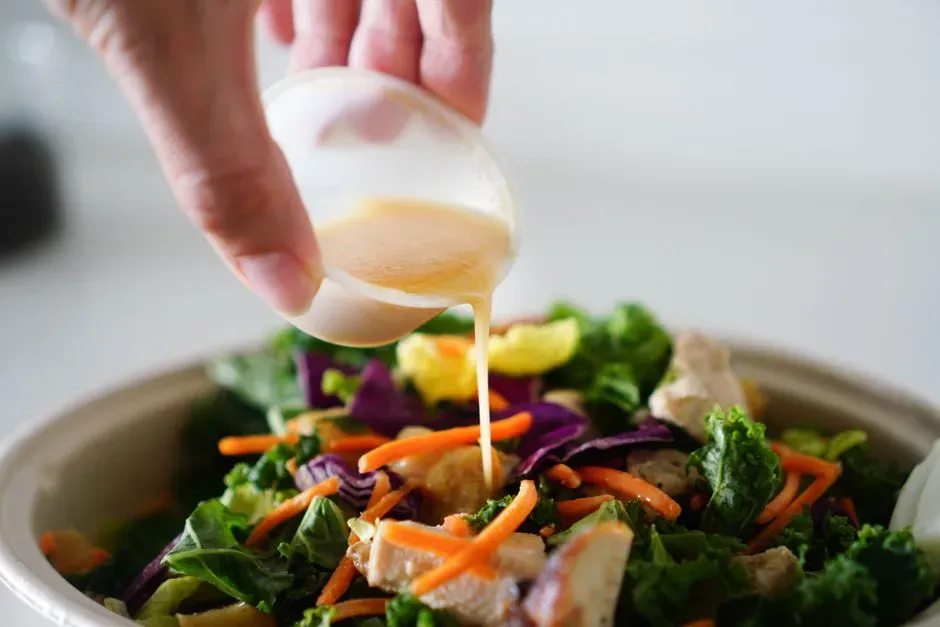
A bottle of decent dressing at the grocery store often runs several dollars for roughly a cup and a half of product, most of which is water, oil, and thickener. The same money spent on olive oil, vinegar, mustard, and a lemon can produce far more dressing, and it stretches across multiple recipes beyond just salad.
Homemade dressing also avoids the markup that comes from packaging, branding, and distribution. Once you have a small stock of pantry staples like vinegar, oil, and Dijon mustard, each batch of dressing costs pennies rather than dollars, and there’s no plastic bottle left behind afterward.
Freshness changes everything about flavor
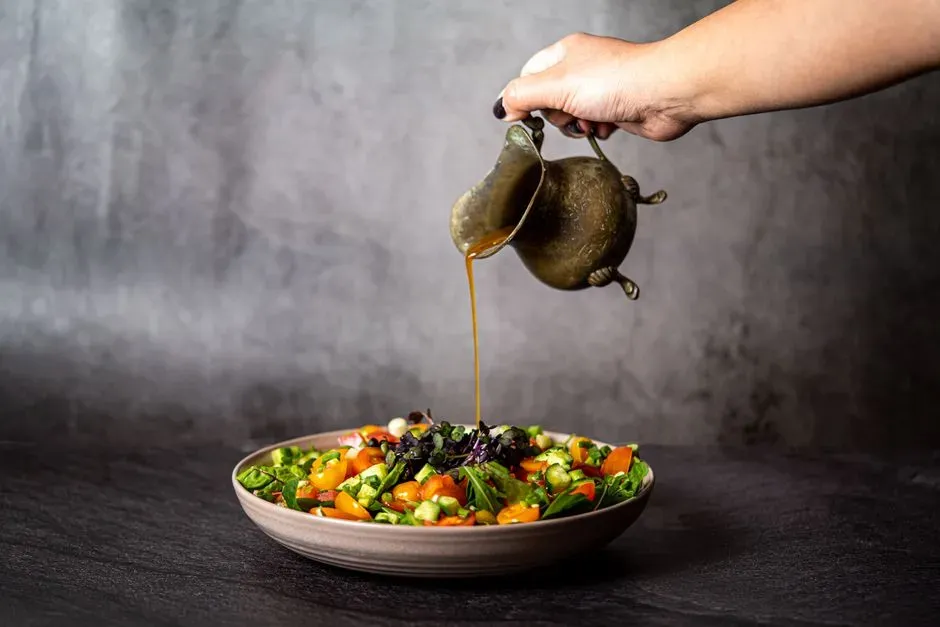
Bottled dressing is formulated to survive months, sometimes over a year, sitting in a distribution warehouse and then a refrigerator door. That kind of shelf stability requires trade-offs, and flavor is usually one of them. Fresh garlic, fresh herbs, and citrus zest simply taste different than their dried, processed, or shelf-stable counterparts.
Homemade dressing tastes brighter because it is, quite literally, fresher. Herbs haven’t lost their oils to time, citrus hasn’t gone flat, and garlic hasn’t been cooked down into a mellow paste for preservation purposes. The difference is immediately noticeable the first time you taste a dressing made ten minutes before dinner instead of ten months before it left the factory.
Built for your dietary needs, not the average shopper
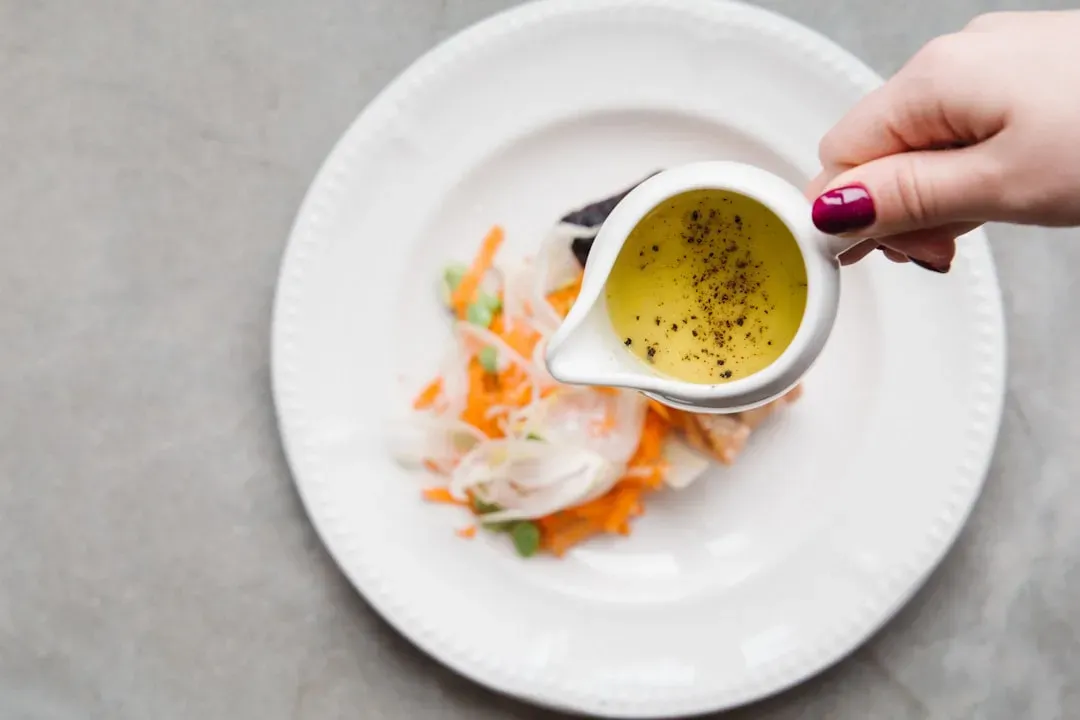
Bottled dressings are designed to satisfy a wide audience, which usually means compromises on things like sugar, dairy, or specific oils. Anyone managing a food allergy, following a low sodium diet, or avoiding added sugar knows the frustration of scanning ingredient panels for hidden problems. When choosing a salad dressing, it helps to avoid those with high amounts of added sugar, sodium, saturated fat, and food additives, and instead look for options made from nutritious oils, vinegar, and plenty of herbs or spices.
Making dressing at home sidesteps this guesswork completely. If you need it dairy free, you leave out the buttermilk. If you’re watching sodium, you measure the salt yourself instead of trusting a nutrition label. The recipe bends to your needs rather than the other way around.
The basic formula anyone can master
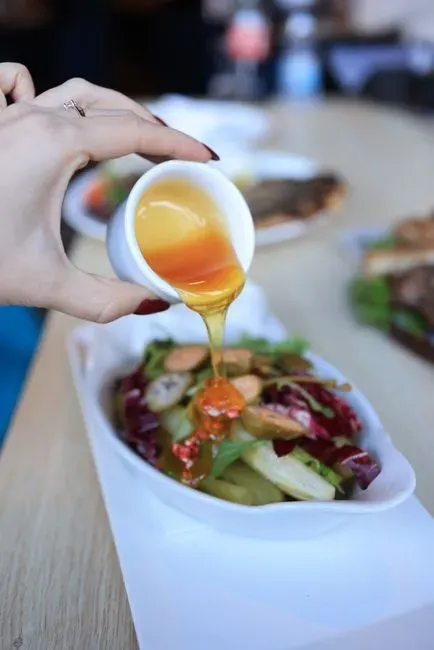
Homemade dressing intimidates people who have never tried it, yet the underlying formula is almost embarrassingly simple. A workable vinaigrette is roughly three parts oil to one part acid, whisked with a bit of mustard or honey to help everything bind together, plus salt and pepper to taste.
From that base, endless variations open up. Swap red wine vinegar for balsamic, add minced shallot, stir in fresh herbs, or whisk in a spoonful of miso for depth. There’s no need for a recipe card once the ratio clicks, which is part of why homemade dressing becomes a habit rather than a chore once someone actually tries it.
Riding the current wave back to scratch cooking
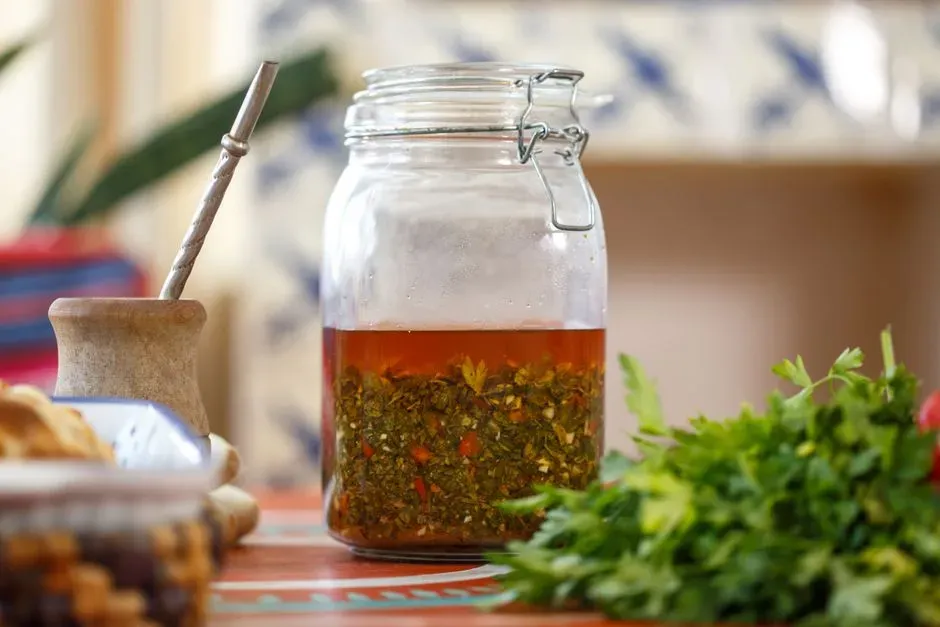
Homemade condiments are having a real moment right now, not as a fringe habit but as a mainstream shift in how people cook. Google Trends’ Year in Search for 2025 revealed a mix of flavor curiosity and comfort eating, with hot honey topping global recipe searches and becoming one of the year’s defining flavor obsessions. Chimichurri followed a similar path, showing that home cooks are increasingly reaching for bold, fresh condiments rather than reaching for a bottle.
Chimichurri surged in searches as people looked for fresh, globally inspired condiments that bring bold flavor to weeknight meals, signaling a broader shift toward easy, herb forward enhancements that elevate everything from grilled proteins to roasted vegetables. Salad dressing fits neatly into that same pattern. It’s a small, low stakes place to start making things from scratch, and once people notice the difference in flavor, there’s little reason to go back to .
Final thoughts
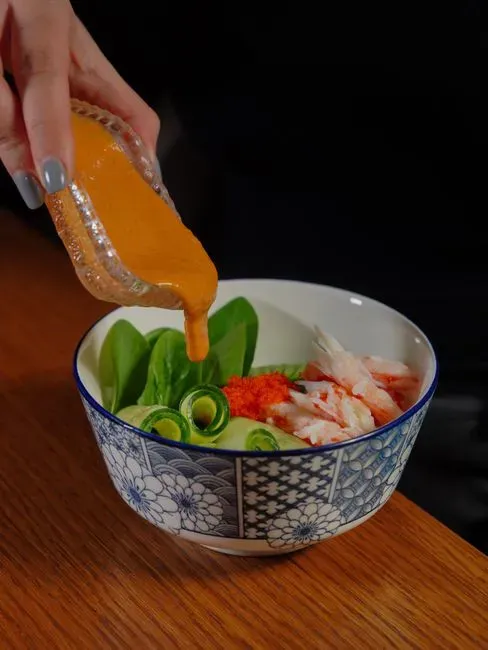
None of this means every bottled dressing belongs in the trash. Some brands genuinely try to keep sugar and sodium in check, and convenience matters on a busy weeknight. Still, once you’ve whisked together oil, vinegar, and a bit of mustard in under five minutes, starts to feel like an unnecessary middleman.
The real appeal of homemade dressing isn’t about following a strict rule or chasing a trend. It’s about tasting the difference once, and then simply not wanting to go back.